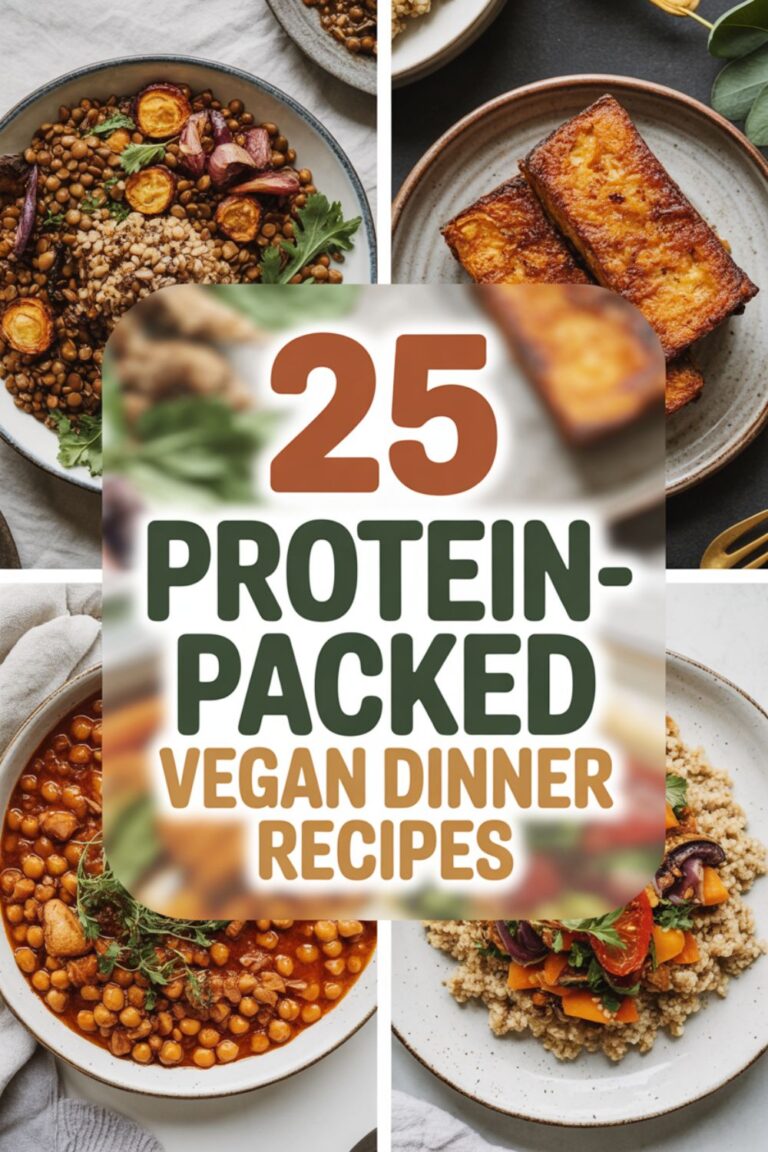
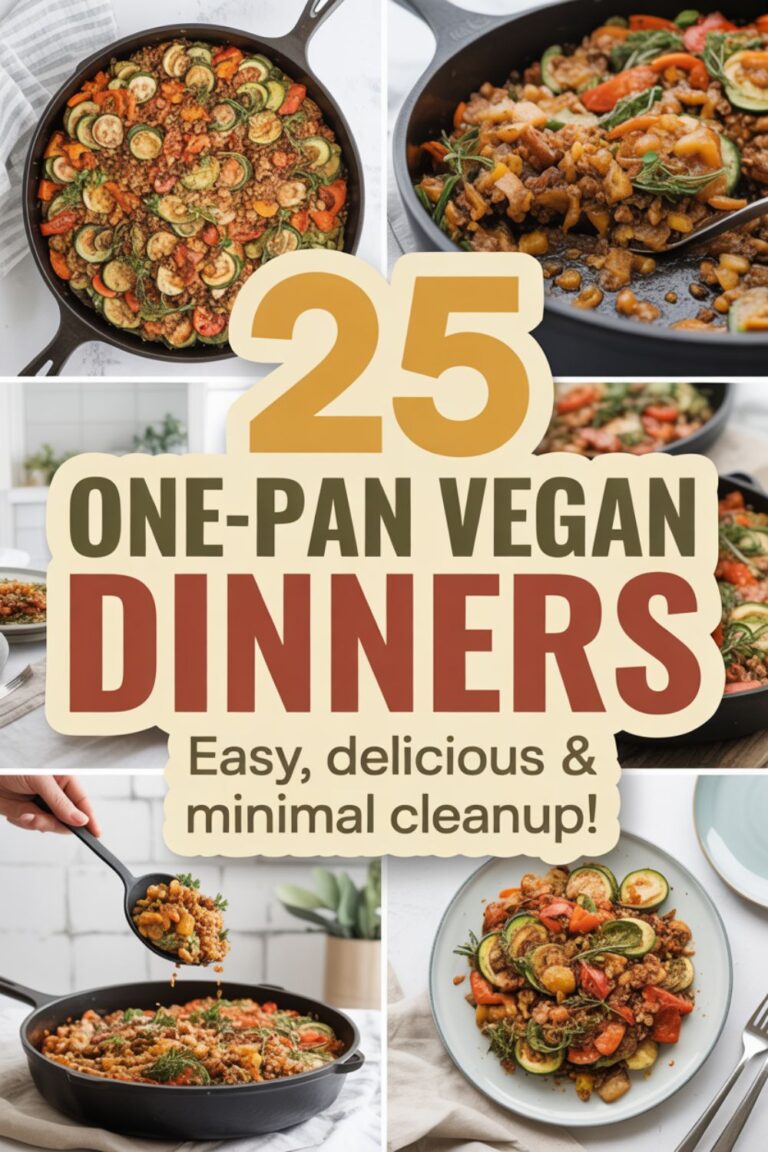
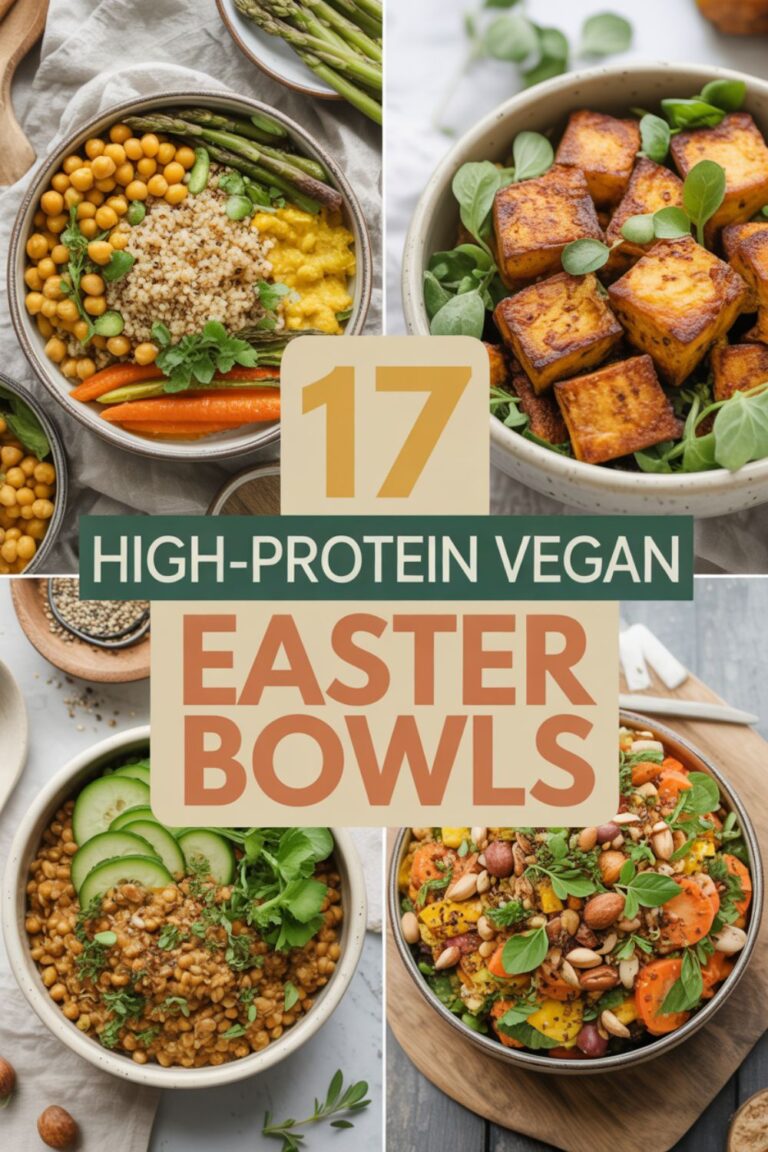
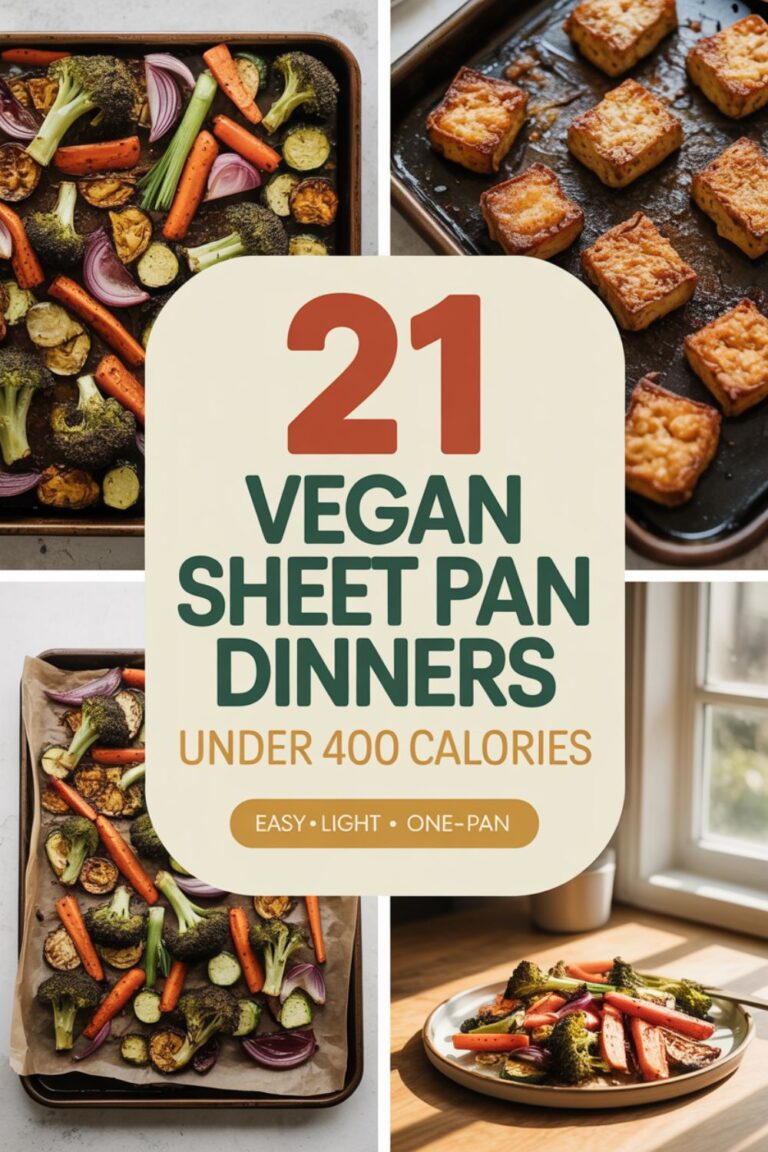
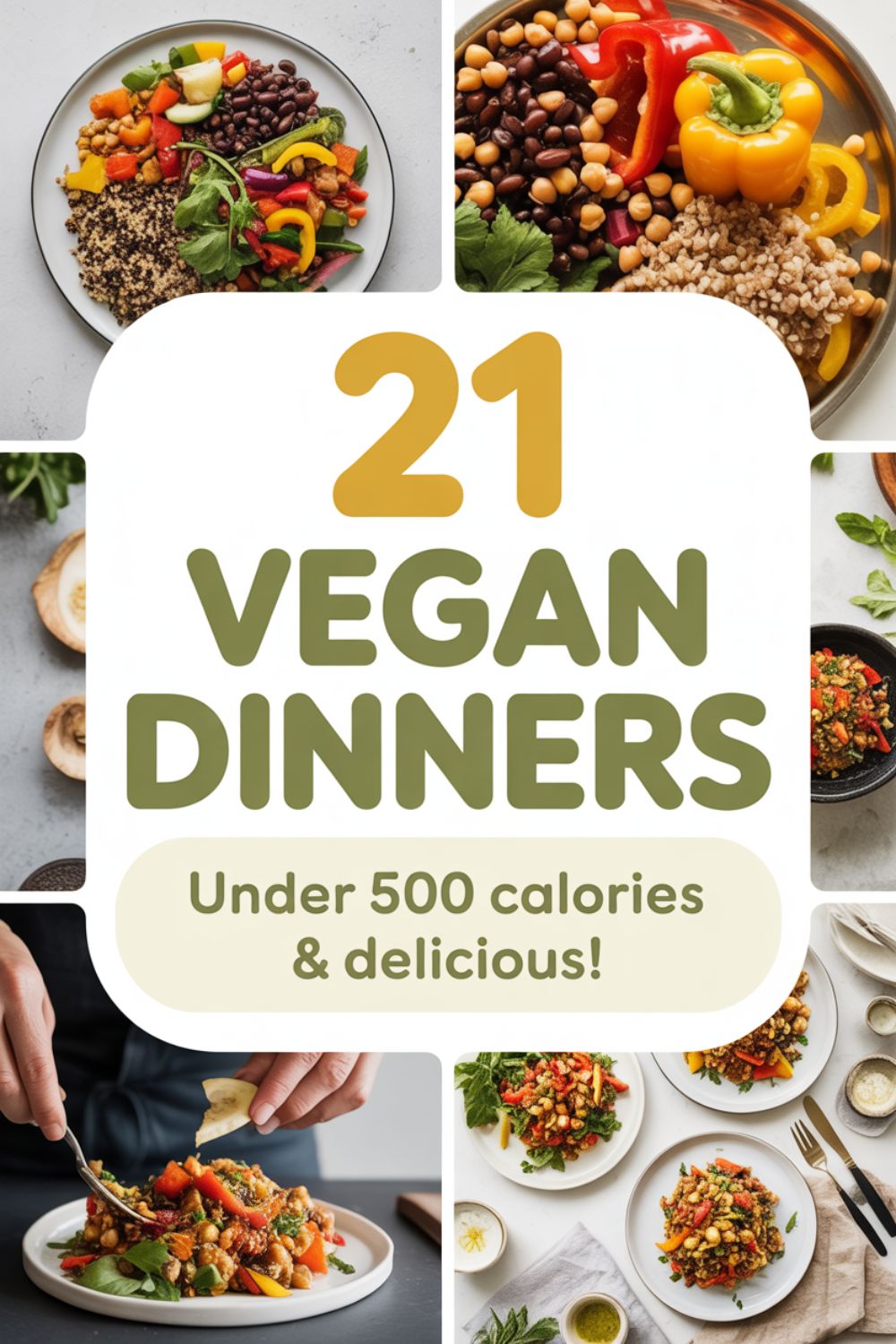
21 Vegan Dinners Under 500 Calories
Let’s be real for a second. When someone says “low-calorie vegan dinner,” you might picture a sad plate of steamed broccoli with a side of regret. But here’s the thing—eating under 500 calories per meal doesn’t mean you’re sentenced to rabbit food. Actually, some of the most satisfying, flavor-packed meals I’ve ever made clock in well under that mark.
I’ve spent the better part of a year tweaking recipes, experimenting with ingredients, and frankly, refusing to eat anything that tastes like cardboard just because it’s “healthy.” What I discovered is that plant-based eating naturally lends itself to lighter meals without sacrificing the good stuff—texture, flavor, and that crucial “I’m actually full” feeling.
This collection isn’t about deprivation. It’s about smart swaps, clever ingredient choices, and meals that actually make you excited for dinner. Whether you’re trying to manage your weight, feel lighter after meals, or just want to eat more plants without overthinking it, these 21 dinners deliver.
Why Vegan Dinners Make Calorie-Counting Easier
Here’s something I wish I’d known earlier: plant-based diets help with weight management not because plants are magic, but because they’re naturally lower in calorie density. You can pile your plate high with roasted vegetables, legumes, and whole grains and still come in way under what a comparable meat-based meal would cost you calorie-wise.
The fiber content alone is a game-changer. When you’re eating meals packed with chickpeas, lentils, and vegetables, you’re getting that full, satisfied feeling without the calorie bomb. Your body takes longer to digest fiber-rich foods, which means you’re not raiding the pantry an hour after dinner.
Plus, whole plant foods come with built-in volume. A massive bowl of zucchini noodles with marinara and white beans looks impressive and fills you up, but you’re probably eating around 350 calories. Try getting that kind of volume from a traditional pasta dish—you’ll blow past 500 calories before you even add the cheese.
The Foundation: Building Satisfying Low-Calorie Meals
Not all vegetables are created equal when it comes to building a satisfying dinner. I’ve learned the hard way that a plate of lettuce, no matter how you dress it up, isn’t going to cut it. You need substance.
My go-to strategy involves the “three-component rule.” Every dinner needs a protein source (tofu, tempeh, legumes), a complex carb (quinoa, sweet potato, whole grain pasta), and a massive amount of non-starchy vegetables (basically everything else). When you nail this balance, calories naturally stay in check while satisfaction stays high.
Protein Without the Calorie Overload
Beans and lentils are criminally underrated. A cup of cooked lentils gives you about 18 grams of protein for roughly 230 calories. Compare that to many plant-based meat alternatives that pack similar protein but with significantly more calories and processing. I’m not anti-meat alternatives—I use Beyond Meat crumbles when I want that texture—but for everyday meals, whole food proteins just make more sense.
Tofu gets a bad rap, but pressing it properly changes everything. I use this tofu press to extract moisture before marinating. The difference is night and day. Properly prepared tofu absorbs flavors like a sponge and develops an incredible texture when baked or pan-fried in a ceramic non-stick pan.
Looking for even more ways to boost your protein intake while keeping meals interesting? I’ve compiled a full guide on high-protein vegan meals that actually keep you full, featuring combinations that’ll sustain you for hours without feeling heavy.
Carbs That Earn Their Calories
Not all carbs are villains in the calorie story. The trick is choosing ones that bring more to the table than just energy. Quinoa, for instance, packs about 8 grams of protein per cooked cup alongside its carbs. Sweet potatoes deliver vitamin A, fiber, and natural sweetness that satisfies cravings.
I’ve replaced regular pasta with chickpea or lentil pasta in most meals. Sure, it’s a bit more expensive, but the protein boost means I can skip adding a separate protein source. One serving of chickpea pasta gives you around 190 calories and 14 grams of protein—that’s a solid foundation for a sub-500-calorie meal.
21 Dinner Ideas That Actually Deliver
Let me walk you through the meals that have become staples in my rotation. These aren’t just recipes I made once for Instagram—they’re the dinners I come back to week after week because they work.
Bowl-Based Dinners
Mediterranean Chickpea Bowl: Roasted chickpeas with cucumber, tomatoes, olives, and a lemon-tahini dressing over quinoa. This one’s around 420 calories and hits every flavor note. The chickpeas get crispy in the oven—I toss them with smoked paprika and a touch of olive oil before roasting. Get Full Recipe.
Teriyaki Tofu Buddha Bowl: Baked teriyaki tofu, edamame, shredded carrots, cucumber, and brown rice with a ginger-sesame dressing. Comes in at about 450 calories. The key is making your own teriyaki sauce—store-bought versions are loaded with sugar. I use a mini food processor to blend fresh ginger and garlic into the sauce.
Spicy Peanut Tempeh Bowl: Crumbled tempeh in peanut sauce, roasted broccoli, bell peppers, and cauliflower rice. This maxes out at 480 calories but tastes indulgent. The peanut sauce is the star—natural peanut butter, lime juice, soy sauce, and a splash of sriracha that I buy in bulk because I put it on everything.
Pasta and Noodle Dishes
Zucchini Noodles with White Bean Marinara: Spiralized zucchini tossed with marinara sauce and white beans, topped with nutritional yeast. Around 340 calories. I use a spiralizer to make the zucchini noodles—it’s become one of my most-used kitchen tools. The white beans add creaminess and protein without the calories of cashew cream.
If you’re big on pasta but want more variety, check out these vegan pasta dishes you’ll want again and again. Some recipes in that collection lean heavier, but the techniques for building flavor without excess oil are gold.
Lentil Bolognese over Spaghetti Squash: Hearty lentil-tomato sauce served over roasted spaghetti squash instead of pasta. About 390 calories. The spaghetti squash is key here—it gives you that pasta texture without the calorie density. I roast it cut-side down on a silicone baking mat to prevent sticking.
Asian-Inspired Kelp Noodles: Kelp noodles stir-fried with mixed vegetables, edamame, and a light sesame-ginger sauce. Roughly 280 calories. Kelp noodles are almost calorie-free and have an interesting, slightly crunchy texture. Not everyone loves them, but if you do, they’re a fantastic low-calorie base.
Stuffed and Wrapped Options
Quinoa-Stuffed Bell Peppers: Bell peppers filled with quinoa, black beans, corn, and spices, baked until tender. Around 380 calories. These reheat beautifully, making them perfect for meal prep. I make a batch on Sunday and grab one for quick dinners throughout the week.
Lettuce Wraps with Spiced Lentils: Butter lettuce leaves filled with seasoned lentils, diced vegetables, and a tangy sauce. About 320 calories for a generous serving. The crunch of fresh lettuce against warm, spiced lentils is surprisingly satisfying.
Collard Green Wraps: Blanched collard greens wrapped around hummus, shredded vegetables, and baked tofu. Roughly 360 calories. Collard greens are sturdy enough to hold fillings without falling apart, unlike more delicate lettuce varieties.
Meal Prep Essentials Used in This Plan
These are the products and resources that make cooking these meals infinitely easier. No affiliate pressure here—just stuff that’s genuinely made my life better in the kitchen.
- Glass Meal Prep Containers (Set of 10) – I’ve tried plastic, I’ve tried fancy systems, and these simple glass containers are what I actually use. They’re microwave-safe, don’t stain, and stack beautifully.
- Mandoline Slicer – For uniform vegetable slices that actually cook evenly. Watch your fingers—seriously, use the guard.
- Instant Pot – Controversial opinion: you don’t NEED one. But cooking dried beans in 30 minutes instead of hours? That’s legitimacy transformed my meal prep routine.
- Complete Vegan Meal Prep Guide (Digital Download) – A 50-page guide covering meal planning, shopping lists, and batch cooking strategies specifically for plant-based eating.
- Low-Calorie Vegan Recipe eBook – 100+ recipes under 400 calories with full nutritional breakdowns and prep tips.
- Plant-Based Meal Planning Template (Printable PDF) – Weekly planning sheets that help you organize meals, groceries, and prep tasks.
Want more accountability and support? Join our WhatsApp Community for Vegan Meal Preppers where we share weekly meal plans, troubleshoot recipes, and keep each other motivated.
Soup and Stew Dinners
Moroccan Chickpea Stew: Chickpeas, tomatoes, zucchini, and spices simmered together. Serve with a small piece of whole grain bread for about 420 calories total. The warming spices make this feel more indulgent than it is. I make a double batch because it tastes even better the next day.
For more warming, comforting meals, explore these vegan soups and stews for cozy evenings. While not all are under 500 calories, many can be easily lightened by adjusting the grain portions or skipping oil-heavy garnishes.
Thai-Inspired Coconut Curry Soup: Light coconut milk, red curry paste, vegetables, and tofu. Around 390 calories. The trick to keeping this low-calorie is using light coconut milk and loading up on vegetables. I add Thai basil at the end for an authentic touch.
Italian White Bean and Kale Soup: Cannellini beans, kale, tomatoes, and Italian herbs in a savory broth. About 340 calories. This is my go-to when I want something warm and comforting but don’t want to feel weighed down.
Sheet Pan and Roasted Dinners
Sheet Pan Fajita Vegetables with Black Beans: Bell peppers, onions, and seasoned black beans roasted together. Serve with corn tortillas for around 450 calories. The charred vegetables from high-heat roasting bring a depth of flavor that feels way more complex than the effort required.
Balsamic Roasted Vegetables with Lentils: Assorted vegetables tossed in balsamic vinegar and roasted, served over cooked lentils. Roughly 410 calories. I use a large rimmed baking sheet to ensure everything roasts evenly without crowding.
Curry-Spiced Cauliflower and Chickpeas: Cauliflower florets and chickpeas roasted with curry powder, served with a small portion of brown rice. About 480 calories. The chickpeas get incredibly crispy on the outside while staying creamy inside—it’s textural magic.
Lighter Takes on Comfort Food
Eggplant “Parmesan” Stacks: Baked eggplant slices layered with marinara and a cashew-based “cheese,” served with a side salad. Around 380 calories. I skip the breading you’d find in traditional eggplant parm, which cuts calories dramatically while still delivering that cozy, Italian-American vibe.
Cauliflower Fried Rice: Riced cauliflower stir-fried with vegetables, edamame, and scrambled tofu. About 320 calories. This is one of those meals where you can eat a huge portion and still be well under budget. The tofu scramble adds an egg-like richness.
Portobello Mushroom “Steaks”: Marinated portobello caps grilled and served with roasted vegetables and quinoa. Roughly 390 calories. The meaty texture of portobellos makes this feel substantial. I marinate them in balsamic vinegar, soy sauce, and garlic for at least an hour.
Salad-Based Dinners That Actually Satisfy
Warm Lentil Salad with Roasted Vegetables: French lentils tossed with roasted root vegetables, arugula, and a Dijon vinaigrette. About 420 calories. The warmth of the lentils and roasted vegetables makes this feel nothing like a typical cold salad.
For more substantial salad ideas that work as complete meals, dive into these vegan salad recipes that are fresh and filling. The techniques for building layered, interesting salads transform them from side dishes into proper dinners.
Asian Cabbage Salad with Baked Tofu: Shredded cabbage, carrots, and herbs tossed with crispy baked tofu and a lime-peanut dressing. Around 370 calories. The crunch factor is off the charts, and the peanut dressing ties everything together.
Southwest Salad Bowl: Romaine lettuce, black beans, corn, tomatoes, avocado, and a creamy cilantro-lime dressing. About 440 calories. This is basically a deconstructed burrito in salad form—all the flavor with fewer calories.
Making It Work in Real Life
Theory is great, but execution is where most meal plans fall apart. I’ve been there—motivated on Sunday, ordering pizza by Wednesday. Here’s what actually helps me stick with low-calorie vegan dinners.
Batch Cooking Without Burnout
I don’t cook 21 different dinners every week. That’s insane. Instead, I focus on components. On Sunday, I cook a big pot of quinoa, roast two sheet pans of vegetables, and prep a batch of whatever protein I’m feeling—usually baked tofu or cooked lentils.
Throughout the week, I mix and match these components with different sauces and fresh vegetables. Monday might be quinoa with roasted vegetables and tahini dressing. Wednesday, I use the same quinoa in a soup. Friday, it becomes the base of a Buddha bowl. Same ingredients, different presentations—less cooking, less boredom.
If you’re new to this approach, start with these easy vegan meal prep ideas for busy weeks. The techniques there cover everything from grain prep to sauce-making that’ll set you up for success.
Flavor Is Non-Negotiable
Low-calorie doesn’t mean low-flavor. I keep a ridiculous collection of spices, hot sauces, and vinegars because they’re essentially calorie-free flavor bombs. Smoked paprika transforms roasted chickpeas. A splash of rice vinegar brightens stir-fries. Fresh herbs make everything taste more expensive than it is.
Nutritional yeast deserves its own paragraph. If you’re not using it, start. It’s got a cheesy, nutty flavor that makes vegetable dishes taste richer. I sprinkle it on everything from popcorn to pasta. A tablespoon adds only about 20 calories but transforms the flavor profile completely.
Tools & Resources That Make Cooking Easier
Beyond the basics, these tools have genuinely improved my cooking experience and helped me stick with healthy meal prep.
- High-Speed Blender – For making creamy sauces, dressings, and soups without added oil or cream. Mine gets used almost daily.
- Kitchen Scale – If you’re serious about keeping meals under 500 calories, weighing portions matters. Eyeballing is how we all end up using way more quinoa than we thought.
- Silicone Baking Mats (Set of 3) – Zero oil needed for roasting vegetables. They’re reusable, clean easily, and nothing ever sticks.
- Vegan Nutrition Essentials Course (Online) – A comprehensive video course covering macro balancing, meal timing, and making sure you’re getting all necessary nutrients on a plant-based diet.
- Calorie-Tracking Spreadsheet Template – A simple Excel template for tracking daily meals and calories without needing an app. Some people prefer analog tracking.
- Flavor Pairing Guide for Vegan Cooking (PDF) – Takes the guesswork out of which spices, herbs, and ingredients work well together.
Join our Private Facebook Group for Plant-Based Eaters where members share daily meal photos, swap recipes, and troubleshoot cooking challenges together. Over 3,000 members and counting.
Dealing With the Hunger Question
The biggest concern people have with lower-calorie meals is whether they’ll actually stay full. Legitimate concern. Here’s what I’ve learned works.
First, eat slowly. Your brain needs about 20 minutes to register fullness. When I used to inhale my dinner in five minutes, I’d immediately want seconds even though my body had enough food. Now I pace myself, put my fork down between bites, and actually taste what I’m eating. Sounds basic, but it’s transformative.
Second, volume matters. A big bowl of food is psychologically more satisfying than a small plate, even at the same calories. I intentionally use larger bowls for my meals and pile on the non-starchy vegetables. Optically, it looks like I’m eating a feast.
Third, adequate protein intake is crucial for satiety. When my meals skimp on protein, I’m hungry an hour later no matter how much I ate. Every dinner needs at least 15-20 grams of protein to keep me satisfied until bedtime.
Common Mistakes to Avoid
I’ve made every mistake possible with low-calorie vegan eating. Let me save you some trouble.
Going Too Low Too Fast
There’s a temptation to slash calories dramatically for quick results. Don’t. When I first started, I thought eating 300-calorie dinners would accelerate my progress. Instead, I became irritable, obsessed with food, and eventually binged on everything in sight.
Your body needs fuel. If you’re consistently hungry, tired, or thinking about food constantly, you’re probably under-eating. These 500-calorie dinners work because they’re part of a balanced daily intake—not the entire day’s worth of food.
Eliminating All Fats
Fat isn’t the enemy. Some people go so hard on low-calorie eating that they eliminate fats entirely. Bad move. Your body needs fat for hormone production, nutrient absorption, and satiety. The key is choosing the right amounts of healthy fats.
I include moderate amounts of avocado, nuts, seeds, and olive oil in my meals. A quarter avocado adds about 60 calories but makes meals significantly more satisfying. A tablespoon of tahini in my dressing adds creaminess and keeps me full longer. Don’t fear fat—just be intentional about portions.
Forgetting About Micronutrients
Calories aren’t the only thing that matters. When you’re eating lower-calorie meals, you need to be strategic about nutrient density. This is where planning your vegan diet carefully becomes essential to ensure you’re getting vitamins B12, D, iron, and calcium.
I supplement with B12 because it’s nearly impossible to get adequate amounts from plant foods alone. I also pay attention to iron-rich foods like lentils, spinach, and fortified cereals, pairing them with vitamin C-rich foods to enhance absorption. It sounds complicated, but once you understand the basics, it becomes second nature.
Adjusting Portions for Your Needs
These meals are designed around the 500-calorie mark, but your needs might be different. If you’re more active, have a higher metabolism, or are maintaining rather than losing weight, you’ll probably need more food.
The easiest adjustment is increasing the complex carb portion. Instead of half a cup of quinoa, have three-quarters or a full cup. Add an extra serving of your protein source. These additions keep meals balanced while increasing calorie content proportionally.
Conversely, if 500 calories per dinner feels like too much for your goals, reduce the grain portion or use more cauliflower rice instead. The vegetable and protein portions should stay relatively stable—those are what provide the nutrients and fullness factor.
When you’re ready to expand beyond dinner and tackle the whole day, these vegan breakfast ideas and quick vegan lunches you can pack for work follow similar principles of keeping things light, nutritious, and actually appetizing.
Budget-Friendly Strategies
Eating vegan and low-calorie doesn’t require expensive specialty products, despite what Instagram might suggest. Some of the cheapest foods available are plant-based staples.
Dried beans and lentils cost pennies per serving. Rice and quinoa bought in bulk are incredibly affordable. Seasonal vegetables are often cheaper than any processed food. My typical weekly grocery bill for these meals runs about $45-50, and that’s feeding myself dinner every night with plenty left over.
I buy frozen vegetables when fresh ones are expensive or out of season. Nutritionally, they’re comparable and sometimes superior since they’re frozen at peak ripeness. Frozen spinach, broccoli, and mixed vegetables are staples in my freezer.
Skip the fancy vegan cheeses and meats if budget is tight. Honestly, most of these meals don’t need them. Nutritional yeast, which costs maybe $10 for a container that lasts months, provides that cheesy flavor without the price tag. Properly seasoned beans and lentils are satisfying without needing expensive protein alternatives.
Beyond the Scale
Weight management is why many people start eating lower-calorie meals, but the benefits extend way beyond the number on the scale. Since switching to primarily plant-based, lighter dinners, I’ve noticed changes I didn’t expect.
My energy levels are more consistent. I don’t experience that post-dinner crash where all I can do is collapse on the couch. Eating lighter meals that digest more easily means I actually have energy for evening activities—going for walks, doing projects, or just not feeling like a food coma victim.
Sleep improved dramatically. Heavy, rich dinners used to keep me up with indigestion. Now I sleep better because my body isn’t working overtime to digest a massive meal right before bed. It’s a quality-of-life improvement I didn’t anticipate but deeply appreciate.
My relationship with food feels healthier. I’m not obsessing over every calorie or feeling guilty about meals. These dinners are satisfying enough that I don’t feel deprived, but light enough that I feel good after eating them. That mental shift matters more than any number of calories.
Making It Sustainable
The best diet is the one you can actually maintain. I’ve tried restrictive eating plans that worked for a few weeks before I inevitably crashed and burned. What makes this approach sustainable is flexibility.
Some nights, I want a 500-calorie dinner because I had a heavier lunch or I’m just not super hungry. Other nights, I’ll eat one of these meals but add extra portions or have a side because my activity level was higher. Listening to your body beats following rigid rules.
I also build in meals that are higher in calories occasionally. If I want to eat out with friends or try a new restaurant, I do it without stress. One dinner over 500 calories isn’t going to derail anything. It’s the pattern over time that matters, not perfection in every moment.
The social aspect is real, too. I’ve learned to navigate social situations without feeling awkward about food choices. Most restaurants have vegetable-forward options these days. I can order strategically—grilled vegetables, salads with protein, bean-based dishes—and still enjoy eating out.
Speaking of variety and keeping things interesting, sometimes you just need something sweet after dinner. These vegan desserts range in calorie counts, but knowing you have healthier options for treating yourself makes the whole approach more sustainable.
Quick Recipe Modifications for Success
Most standard recipes can be modified to fit under 500 calories with some strategic swaps. Here’s what works for me.
Replace oil with vegetable broth for sautéing. Oil adds about 120 calories per tablespoon, and you can easily use three tablespoons without thinking about it. Vegetable broth adds moisture and flavor without the calories. For roasting, I use avocado oil spray which gives a light coating without going overboard.
Swap half of your grains for riced cauliflower. Most people can’t tell the difference, especially in dishes with flavorful sauces. It cuts calories significantly while maintaining the eating experience. I do this with fried rice, grain bowls, and even risotto-style dishes.
Use cashew cream sparingly or substitute with blended white beans. Cashews are calorically dense. White beans blended with a little vegetable broth create a similar creamy texture with fewer calories. The flavor is more neutral, which often works better in savory dishes anyway.
Frequently Asked Questions
Will I actually stay full eating only 500 calories for dinner?
It depends on your overall daily intake and activity level. These meals are designed to be satisfying through high fiber and protein content, but they’re meant to be part of a balanced daily diet—not your only meal. Most people find these dinners keep them satisfied until bedtime, especially when eaten slowly and paired with adequate hydration. If you’re consistently hungry, increase your protein and vegetable portions rather than suffering through it.
Do I need expensive ingredients or special equipment?
Not at all. The core ingredients are affordable pantry staples like beans, lentils, rice, and seasonal vegetables. A basic kitchen setup with a cutting board, good knife, pot, pan, and baking sheet is enough. The fancy gadgets I mention make things easier but aren’t necessary. I’ve made all these meals in tiny apartment kitchens with minimal equipment.
Can I meal prep these dinners, or do they need to be made fresh?
Most of these meals meal prep beautifully. Soups, stews, grain bowls, and stuffed vegetables all reheat well and often taste better after a day in the fridge. Salads need a bit more care—keep dressing separate and add it just before eating. I typically prep components on Sunday and assemble meals throughout the week, which keeps things fresh while saving time.
How do I get enough protein on low-calorie vegan meals?
Focus on protein-dense plant foods like lentils, beans, tofu, tempeh, and edamame. Each of these meals includes at least 15-20 grams of protein. If you’re very active or have higher protein needs, increase portions of these protein sources or add them to multiple meals throughout the day. Chickpea or lentil pasta also boosts protein content significantly.
What about dining out or social situations?
Most restaurants have vegetable-forward options these days. Look for grilled vegetables, salads with beans or tofu, vegetable-based soups, or customize dishes by asking for extra vegetables instead of rice. I don’t stress about exact calories when eating out—it’s about overall patterns, not perfection in every meal. Enjoy social occasions without anxiety.
Final Thoughts
These 21 dinners represent what I’ve learned through trial, error, and a lot of kitchen experimentation. They’re not revolutionary or complicated—just solid, satisfying meals that happen to come in under 500 calories while delivering actual nutrition and flavor.
The biggest lesson? Eating lighter doesn’t mean eating worse. With the right approach, you can have dinners that are simultaneously waist-friendly and genuinely delicious. It’s not about deprivation or forcing yourself to eat things you hate. It’s about finding the sweet spot where health goals and eating enjoyment overlap.
Start with one or two meals that sound appealing. Get comfortable making them. Then gradually expand your rotation. Before you know it, cooking these lighter dinners becomes automatic, not a chore. That’s when real, sustainable change happens—when healthy eating becomes your default rather than something you force yourself to do.
Your experience might look different from mine, and that’s fine. These recipes are templates, not commandments. Adjust them to your taste, your schedule, and your specific needs. The goal is finding what works for you long-term, not following someone else’s plan perfectly for three weeks before giving up.
Here’s to dinners that leave you satisfied, energized, and actually excited about eating plants. They exist, they’re easier than you think, and they might just change how you think about low-calorie eating entirely.