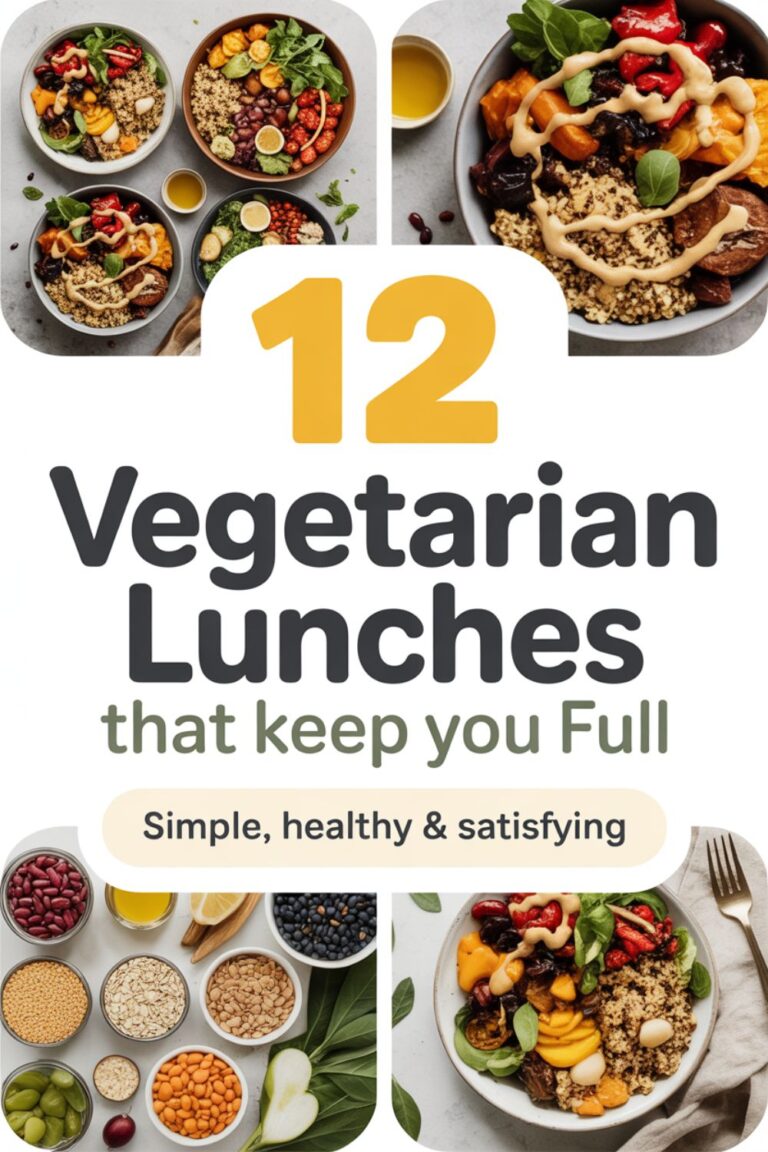
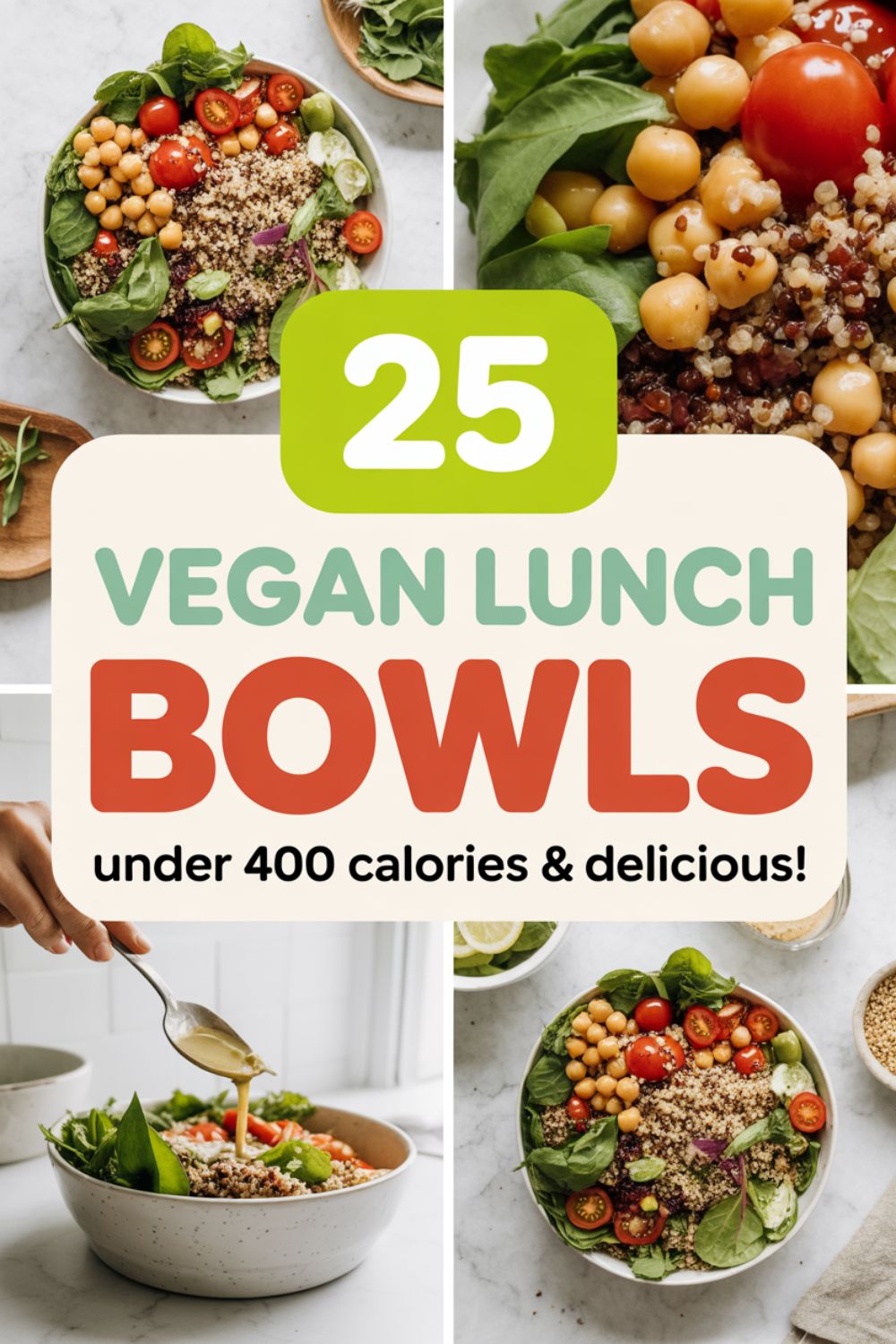
25 Vegan Lunch Bowls Under 400 Calories
Let me guess—you’re scrolling through lunch ideas again, mentally calculating calories, wondering if you can actually feel satisfied on a plant-based meal without the afternoon food coma. Yeah, I’ve been there. The whole “eat less, feel deprived” thing never worked for me either.
Here’s what I figured out after way too many sad desk salads: you can totally build filling, colorful, genuinely delicious vegan lunch bowls that clock in under 400 calories. No rabbit food vibes, no hunger pangs two hours later. Just real food that tastes good and keeps you going.
These 25 bowls aren’t about restriction—they’re about being smart with ingredients. Think fiber-packed grains, protein-rich legumes, and vegetables that actually have flavor. Research shows that plant-based diets naturally support weight management because you’re swapping high-calorie foods for nutrient-dense alternatives. Translation: you get to eat more volume for fewer calories.
Why Bowl Meals Just Work
Bowl meals aren’t just trendy—they’re actually brilliant from a nutrition standpoint. When you build a bowl, you’re naturally balancing macros without overthinking it. A base of whole grains or greens, some plant protein, colorful veggies, and a flavorful sauce. Done.
The beauty is in the assembly. Unlike complicated recipes that chain you to the stove, bowls are mix-and-match magic. Make a big batch of quinoa on Sunday, roast whatever vegetables looked good at the market, cook some lentils, and boom—you’ve got lunch components for days.
Plus, bowls are portion-control friendly without feeling restrictive. You’re filling up on high-fiber, high-volume foods that keep you satisfied. Plant-based proteins and whole grains digest slowly, which means steady energy instead of that blood sugar rollercoaster.
The Formula: Building Your Perfect Bowl
Every great bowl follows a basic template. Start with a base—think quinoa, brown rice, cauliflower rice, or mixed greens. This is your foundation, and it should take up about a third of your bowl.
Next comes protein. Lentils, chickpeas, black beans, tofu, tempeh, or edamame. You want at least 10-15 grams of protein here to keep things satisfying. This is where most people mess up—they skimp on protein and wonder why they’re hungry an hour later.
Vegetables are where you can go wild. Roasted sweet potatoes, sautéed mushrooms, raw cucumber, shredded cabbage, cherry tomatoes—pile them on. They add volume, nutrients, and barely any calories. Honestly, the more colorful your bowl, the better.
The sauce is non-negotiable. I don’t care how healthy your ingredients are—without a good sauce, you’re just eating warm food out of a bowl. A tahini drizzle, peanut sauce, or lemon-herb dressing makes everything come together. Just measure it out because calories add up fast here.
My Go-To Base Combinations
I rotate between a few favorite bases depending on my mood and what I have prepped. Quinoa is the MVP—complete protein, fluffy texture, works with literally any flavor profile. Brown rice is heartier and cheaper. Cauliflower rice is clutch when I want extra veggies without the carbs.
Sometimes I do half greens, half grains. Massaged kale mixed with warm quinoa creates this amazing texture contrast. The heat from the quinoa slightly wilts the kale, and it’s way more interesting than just a salad.
For mornings when I want something different, I’ve been using those silicone meal prep bowls that have compartments. Keeps everything separate until I’m ready to eat, which is perfect for ingredients that get soggy.
25 Bowl Ideas That Actually Deliver
1. Mediterranean Chickpea Bowl
Quinoa base, roasted chickpeas seasoned with za’atar, cucumber, cherry tomatoes, red onion, kalamata olives, and a lemon-tahini drizzle. About 380 calories and ridiculously satisfying. Get Full Recipe.
2. Thai Peanut Crunch Bowl
Brown rice, edamame, shredded cabbage, julienned carrots, snap peas, and a spicy peanut sauce made with powdered peanut butter to save calories. Topped with crushed peanuts and cilantro. Hits around 365 calories.
3. Mexican Fiesta Bowl
Cilantro-lime cauliflower rice, black beans, corn, diced bell peppers, avocado (just a quarter, don’t go crazy), pico de gallo, and a squeeze of lime. About 340 calories of pure comfort.
Speaking of Mexican-inspired meals, if you’re into batch cooking, check out these easy vegan meal prep ideas that work great for the whole week.
4. Rainbow Buddha Bowl
Mixed greens, roasted sweet potato, purple cabbage, shredded carrots, cucumber, beets, and hemp hearts with a ginger-miso dressing. Crazy colorful, around 320 calories.
5. Teriyaki Tempeh Bowl
Jasmine rice, marinated tempeh cubes, steamed broccoli, shredded carrots, and a light teriyaki glaze. Pro move: air-fry the tempeh for extra crispiness. Comes in at 395 calories.
6. Lentil Tabbouleh Bowl
Bulgur wheat mixed with chopped parsley, mint, tomatoes, cucumber, and green lentils. Dressed with lemon juice and a tiny bit of olive oil. Fresh, herbaceous, about 350 calories.
7. Korean BBQ Tofu Bowl
White rice, crispy baked tofu with gochujang marinade, kimchi, sautéed mushrooms, cucumber, and sesame seeds. That tofu press I finally bought makes the texture so much better—no more mushy tofu disasters.
8. Curry Chickpea Spinach Bowl
Basmati rice, curry-spiced chickpeas, wilted spinach, roasted cauliflower, and a dollop of coconut yogurt. Warming and satisfying at 375 calories.
9. Greek-Inspired Lentil Bowl
Orzo pasta, green lentils, roasted red peppers, artichoke hearts, sun-dried tomatoes, arugula, and vegan feta with a red wine vinaigrette. About 385 calories of Mediterranean bliss.
10. Sesame Ginger Edamame Bowl
Soba noodles, edamame, shredded carrots, cucumber ribbons, red cabbage, and a sesame-ginger dressing. Light but filling, around 340 calories.
If you’re looking for more protein-packed options that keep you satisfied, these high-protein vegan meals might give you some extra inspiration.
11. Southwestern Sweet Potato Bowl
Roasted sweet potato cubes, black beans, corn, bell peppers, red onion, avocado, and chipotle-lime dressing. Smoky and satisfying at 360 calories.
12. Pesto Chickpea Bowl
Whole wheat pasta, roasted chickpeas, cherry tomatoes, zucchini, and a light basil pesto made with nutritional yeast instead of cheese. Comes in around 380 calories.
13. Mango Lime Quinoa Bowl
Quinoa, black beans, diced mango, red bell pepper, cilantro, red onion, and a lime-cumin dressing. Tropical vibes for about 345 calories.
14. Balsamic Mushroom Farro Bowl
Farro, balsamic-glazed portobello mushrooms, roasted Brussels sprouts, arugula, and toasted walnuts. Earthy and rich at 370 calories.
15. Spicy Peanut Soba Bowl
Soba noodles, baked tofu, bok choy, bean sprouts, and a spicy peanut sauce. I use those mini whisks to emulsify the sauce properly—weirdly satisfying and no clumps.
16. Moroccan Chickpea Bowl
Couscous, spiced chickpeas with cumin and paprika, roasted carrots, raisins, and a tahini-lemon sauce. Sweet and savory at 355 calories.
17. Cajun Red Beans Bowl
Brown rice, red beans with Cajun seasoning, sautéed bell peppers and onions, collard greens, and hot sauce. Bold flavors for 365 calories.
18. Asian Cabbage Crunch Bowl
Glass noodles, shredded cabbage, edamame, mandarin oranges, and a rice vinegar dressing with a touch of maple syrup. Light and refreshing at 330 calories.
19. Italian White Bean Bowl
Orzo, white beans, roasted tomatoes, spinach, basil, and balsamic reduction. Simple and elegant around 375 calories.
20. Curry Lentil Cauliflower Bowl
Cauliflower rice, red lentils cooked with curry powder, roasted cauliflower, chickpeas, and cilantro-lime sauce. Warming comfort at 350 calories.
21. Green Goddess Bowl
Quinoa, green lentils, cucumber, avocado, snap peas, asparagus, and a green tahini dressing with herbs. Everything green, around 385 calories.
22. BBQ Chickpea Bowl
Brown rice, BBQ-roasted chickpeas, corn, coleslaw, and a tangy vinegar-based dressing. That Southern comfort feeling for 360 calories.
23. Vietnamese-Inspired Vermicelli Bowl
Rice vermicelli, marinated tofu, fresh herbs, cucumber, pickled carrots, and a lime-based dressing. Bright and fresh at 340 calories.
24. Autumn Harvest Bowl
Farro, roasted butternut squash, dried cranberries, pecans, kale, and apple cider vinaigrette. Seasonal and satisfying around 380 calories.
25. Protein Power Bowl
Quinoa, black beans, edamame, chickpeas, roasted broccoli, and tahini dressing. Maximum protein at 390 calories—perfect for those days when you need serious staying power.
For even more variety throughout your day, you might want to explore these vegan breakfast ideas and easy dinner recipes to round out your meal planning.
Meal Prep Essentials Used in This Plan
After making approximately 500 lunch bowls (not even exaggerating), here’s what actually makes a difference in my kitchen:
- Glass meal prep containers with dividers — Keeps sauces separate until you’re ready to eat. No more soggy disappointment.
- Quality chef’s knife — Honestly, chopping vegetables is 80% less annoying when your knife is sharp. Mine paid for itself in saved time and fewer mutilated tomatoes.
- Rice cooker with steamer basket — Set it and forget it. Perfect grains every time while you steam broccoli on top. Efficiency level: expert.
- Vegan Meal Prep Master Guide (Digital) — Step-by-step templates for building balanced bowls, shopping lists organized by store section, and calorie calculations already done for you.
- 30-Day Bowl Blueprint (Digital) — Month of pre-planned combinations with grocery lists and prep schedules. Takes the decision fatigue right out.
- Plant-Based Protein Calculator (Digital Tool) — Helps you figure out exactly how much protein you’re getting and suggests adjustments based on your goals.
Want to chat about meal prep strategies with others who get it? Our WhatsApp community shares wins, recipe tweaks, and solutions for when life gets chaotic. Just real people figuring it out together.
The Protein Question Everyone Asks
Look, I’m tired of the “where do you get your protein” question too, but it’s worth addressing because it matters for satiety. You don’t need as much protein as you think, but you do need enough to stay full.
Most of these bowls hit 12-20 grams of protein, which is solid for a lunch. If you’re more active, you might want to aim higher—just add an extra scoop of beans or some hemp hearts on top. Those little seeds pack 10 grams of protein in just three tablespoons.
The key is combining different plant proteins throughout the day. Your body doesn’t need all amino acids in one meal—it pools them over 24 hours. So yeah, you don’t have to stress about “complete proteins” at every meal like some people claim.
Making It Work in Real Life
Theory is great. Reality is standing in your kitchen at 7 PM on a Tuesday, exhausted, staring at vegetables you bought with good intentions. Here’s how to actually make this sustainable.
Sunday is your friend. I know, I know, you don’t want to spend Sunday afternoon cooking. But two hours of prep gives you five days of easy lunches. Cook your grains, roast a pan of vegetables, cook a big pot of beans or lentils. That’s it.
I use those sheet pan liners for roasting vegetables—zero cleanup, no scrubbing. Just toss the liner and you’re done. Small thing, huge impact on my willingness to keep doing this.
Batch-prep your sauces too. Make a jar of tahini dressing, a container of peanut sauce, whatever you’re feeling. They last a week in the fridge and transform boring ingredients into actual meals.
Budget Reality Check
Plant-based eating can be cheap if you’re smart about it. Dried beans and lentils cost basically nothing. Rice, quinoa, and whole grains in bulk are way cheaper than buying those tiny boxes.
Where people blow their budget is buying every specialty ingredient they see. You don’t need 47 different types of nut butter. Pick one or two favorites and work with those. Same with grains—master quinoa and brown rice before you start collecting farro and freekeh.
Frozen vegetables are your secret weapon. Just as nutritious as fresh, often cheaper, and they don’t go bad if you forget about them. I always keep frozen broccoli, edamame, and mixed vegetables on hand for those weeks when I don’t make it to the market.
Those pre-cut vegetables I mentioned earlier? They’re worth it for specific things—like butternut squash cubes or spiralized vegetables. But paying extra for chopped onions? Nah. That’s where I draw the line.
Tools & Resources That Make Cooking Easier
These aren’t must-haves, but they genuinely make the process more enjoyable:
- Mandoline slicer — Even vegetable slices in seconds. Mine has a hand guard, highly recommend not skipping that feature unless you’re fond of bandaids.
- Salad spinner that actually works — Soggy greens ruin a good bowl. A proper spinner gets leaves actually dry, which means dressings stick instead of sliding off.
- Microplane zester — Fresh lemon or lime zest takes sauces from good to restaurant-quality. Two seconds of grating, massive flavor impact.
- Seasonal Meal Planning Template (Digital) — Organized by season so you’re buying produce when it’s cheap and tasty, not sad and expensive.
- Sauce & Dressing Formula Guide (Digital) — Master formulas you can customize infinitely. Once you understand the ratios, you can make any dressing without a recipe.
- Quick Swaps Cheat Sheet (Digital) — Out of tahini? This guide tells you what to use instead. Saves those “well, I guess I’m not making that” moments.
When Bowls Get Boring
Let’s be honest—you’ll get sick of bowls at some point. That’s normal. When that happens, change the temperature game. Make a warm bowl with roasted vegetables in winter, or go completely cold with a fresh summer version.
Texture matters more than people realize. If everything in your bowl is soft, it’s boring. Add something crunchy—roasted chickpeas, toasted nuts, raw cabbage, crispy baked tofu. That contrast makes eating more interesting.
Switch up your flavor profiles weekly. Don’t do Asian-inspired every single time. Go Mediterranean one week, Mexican the next, then Middle Eastern. Your taste buds will thank you, and you won’t burn out.
Looking to shake things up even more? These fresh salad recipes and cozy soups offer totally different formats while keeping things plant-based and satisfying.
The Calorie Conversation
Here’s the thing about calories—they matter, but they’re not everything. These bowls land under 400 calories because they’re built on high-volume, nutrient-dense foods. You’re getting tons of fiber, vitamins, minerals, and phytonutrients that support overall health.
If you’re more active, don’t be afraid to add a bit more to your bowl. An extra quarter cup of quinoa, more avocado, a bigger portion of nuts. The under-400 guideline works for many people, but it’s not a rigid rule.
Pay attention to how you feel. If you’re genuinely hungry an hour after eating, your bowl probably needs more protein or healthy fats. If you’re satisfied for hours, you nailed it. Your body knows better than any calorie calculator.
Dealing with Dining Partners
Not everyone in your house might be on board with plant-based lunches. That’s fine. These bowls are modular enough that you can add whatever protein other people want without changing the whole meal.
What usually happens: people try your bowl because it looks good, realize it’s actually filling and tasty, then start requesting specific combinations. I’ve converted three coworkers this way—they started stealing bites, then asking for the ingredients list.
Kids can be tricky, but bowls work surprisingly well because they can pick and choose what goes in theirs. Let them build their own with the components you’ve prepped. It’s basically deconstructed food, which for some reason makes vegetables more acceptable.
Troubleshooting Common Issues
Soggy bowls are the worst, right? Pack wet ingredients separately or add them right before eating. I keep a small container of dressing in my bag and add it at work. Those mini sauce containers with the screw tops are leakproof and perfect for this.
If your bowls aren’t keeping you full, look at your protein and fat content. You might need more of both. Add a tablespoon of tahini, some nuts, or an extra half-cup of beans. Don’t suffer through hunger—adjust the formula.
Taste getting bland? You’re probably under-seasoning. Salt matters, even in healthy food. And acids—lemon juice, vinegar, lime—they brighten everything. Don’t skip the finishing touches.
Beyond Lunch
Plot twist: these bowls work for dinner too. Make a bigger portion, add a side of roasted vegetables or a small salad, maybe some bread if you want. The formula is the same whether it’s lunch or dinner.
I’ve even done breakfast bowls using the same concept—quinoa or oats as the base, some fruit, nuts, a drizzle of nut butter. The bowl format is just versatile like that.
Snacks between meals? Try these healthy vegan snacks. And when you want something sweet to round out your day, these vegan desserts won’t undo your good work.
Frequently Asked Questions
Can I really stay full on 400 calories for lunch?
Absolutely, if you build your bowl right. The key is maximizing volume with high-fiber foods like vegetables, whole grains, and legumes. These digest slowly and keep you satisfied longer than processed foods with the same calorie count. Most people find these bowls more filling than their previous lunches that were higher in calories but lower in nutrients.
How long do prepped bowl components last in the fridge?
Cooked grains and legumes last 4-5 days when stored properly in airtight containers. Roasted vegetables stay good for 3-4 days. Raw vegetables and leafy greens are best used within 3 days. Keep dressings separate and add them right before eating to maintain freshness and prevent sogginess.
What if I need more protein than these bowls provide?
Easy fix—double your legume portion, add hemp hearts or chia seeds, include both beans and tofu, or top with nutritional yeast. Each of these tweaks adds protein without dramatically increasing calories. You can easily push these bowls to 25-30 grams of protein while staying under 450 calories.
Are these bowls suitable for weight loss?
They can be part of a healthy weight management plan. The high fiber and protein content promotes satiety while keeping calories moderate. However, total daily calorie needs vary by individual—these bowls work well as part of a balanced diet, not as a standalone weight loss solution. Always consider your overall nutritional needs and activity level.
Can I freeze these meal prep bowls?
Some components freeze well (cooked grains, beans, roasted root vegetables) while others don’t (leafy greens, cucumber, avocado, most dressings). If you want to freeze, prep and freeze the grain and protein components separately, then add fresh vegetables and dressing when you’re ready to eat. This gives you a head start while maintaining quality.
Making It Your Own
These 25 bowls are starting points, not rules. Once you understand the formula—base, protein, vegetables, sauce—you can create infinite variations based on what you have, what’s in season, or what sounds good.
The best bowl is the one you’ll actually eat. If you hate quinoa, use rice. Can’t stand chickpeas? Try lentils or black beans. The specific ingredients matter less than the overall structure.
Start with one or two bowls that sound good, make them a few times until they feel easy, then branch out. You don’t need to master all 25 at once. Build your repertoire slowly, and before you know it, you’ll be improvising your own combinations without thinking about it.
This isn’t about perfection or following rules. It’s about having a reliable strategy for feeding yourself well, consistently, without burning out or breaking the bank. These bowls do that. They’re practical, adaptable, and actually sustainable—not just for the planet, but for your real life.