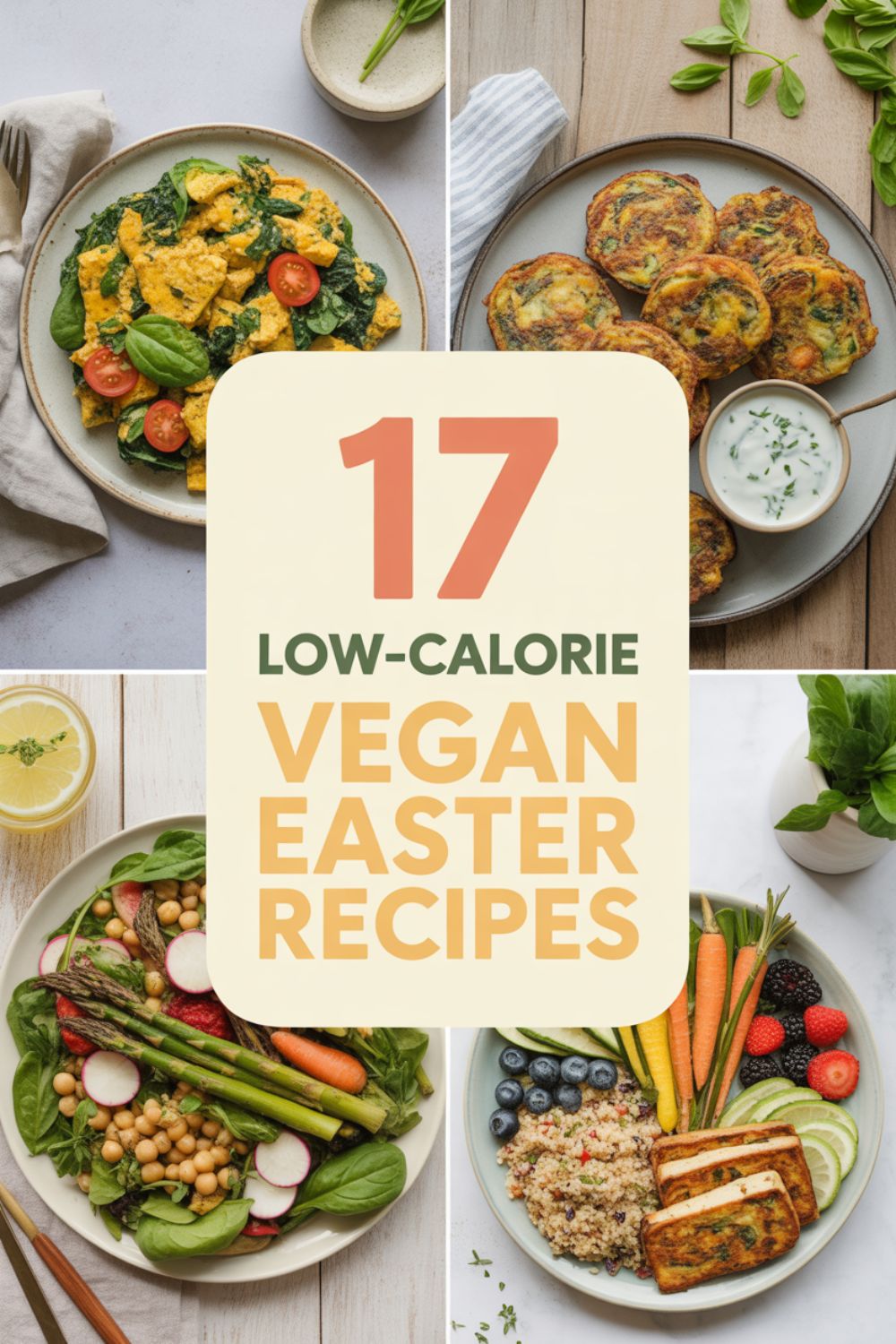
17 Low-Calorie Vegan Easter Recipes That Are Actually Exciting
Easter doesn’t have to mean drowning in heavy casseroles and desserts that leave you needing a nap by noon. If you’re showing up to the table as the vegan in the group — or you’re hosting and just want something fresh and vibrant this year — these 17 low-calorie vegan Easter recipes are genuinely going to make your spring celebration feel special. Not “special for a vegan,” just special, full stop.
I’ve pulled together a spread that covers everything from light, protein-packed mains to colorful sides, crowd-pleasing appetizers, and desserts that don’t taste like a health food compromise. Most of these land under 350 calories per serving, lean on seasonal spring produce, and are the kind of food that gets people asking for seconds before they realize there’s no meat or dairy involved. The best kind of win, honestly.
Whether you’re planning a full Easter brunch, a family dinner, or just need a handful of bright, low-effort ideas that won’t derail your spring reset, you’ll find something here worth bookmarking. Let’s get into it.
Why Low-Calorie Vegan Easter Food Actually Works
Here’s the thing about Easter food — it naturally leans toward freshness. Spring vegetables are hitting their peak: asparagus, peas, radishes, baby carrots, fresh herbs. You’re already working with ingredients that are naturally lower in calories and packed with flavor. You don’t have to sacrifice anything; you just have to cook them well.
Plant-based diets built around whole, seasonal foods have a pretty impressive nutritional track record. According to research reviewed on Healthline, people following whole-food vegan diets tend to consume significantly fewer calories naturally, without needing to obsessively count or restrict — which is basically the dream when you’re trying to eat well over a holiday weekend.
The magic of these recipes is that they use ingredients like chickpeas, lentils, tofu, and seasonal greens to keep you full without loading up on fat or processed fillers. Chickpeas, for instance, deliver around 15 grams of protein per cup and a serious amount of fiber — meaning you’ll actually feel satisfied after eating, not just technically fed. That’s the difference between low-calorie food that works and low-calorie food that leaves you raiding the pantry at 9pm.
The Recipes: 17 Low-Calorie Vegan Easter Dishes Worth Making
1. Lemony Asparagus and White Bean Flatbread
Crisp, thin flatbread loaded with creamy white bean hummus, shaved asparagus ribbons, fresh dill, and a squeeze of lemon. This one looks impressive for almost zero effort. The white beans pull double duty — they create a spreadable, dairy-free base while sneaking in plant protein that keeps the calorie count low and satisfaction high.
Get Full Recipe2. Roasted Rainbow Carrots with Maple-Harissa Glaze
Whole roasted carrots with crispy edges, caramelized sweetness, and just enough heat from harissa to make things interesting. This is one of those side dishes that steals the show. The good quality harissa paste makes a huge difference here — the jarred stuff with actual depth of flavor, not the watery kind. Naturally low in calories, naturally gorgeous on any Easter table.
Get Full Recipe3. Spring Pea and Mint Soup
Silky, bright green, and genuinely refreshing — this soup comes together in about 20 minutes and lands under 260 calories. Frozen peas work perfectly here (don’t let anyone make you feel guilty about that), and a good blender makes the texture impossibly smooth. Serve with a swirl of coconut cream and a few reserved peas on top and people will think you worked much harder than you did.
Get Full Recipe4. Chickpea Frittata with Spring Herbs
This egg-free frittata uses a chickpea flour batter to create a savory, sliceable centerpiece that’s genuinely satisfying. Packed with spinach, cherry tomatoes, fresh basil, and nutritional yeast for that slightly cheesy depth, it’s the kind of dish that makes people forget they’re eating something plant-based. FYI, chickpea flour (also called gram flour) is one of the most versatile low-calorie, high-protein swaps in vegan cooking.
Get Full RecipeI made the chickpea frittata for our Easter brunch and every single person at the table, including my dad who swore he’d never eat vegan food, asked for the recipe. I’ve made it three times since April.
5. Radish and Cucumber Spring Rolls with Peanut Dipping Sauce
Fresh rice paper rolls stuffed with sliced radishes, cucumber, shredded purple cabbage, fresh mint, and thin rice noodles — served with a spicy peanut dipping sauce that honestly could make cardboard taste good. Each roll comes in around 195 calories, which means you can have two without a second thought. These are also great as an Easter appetizer if you’re setting up a grazing spread.
Get Full Recipe6. Lemon Herb Quinoa Salad with Roasted Beets
Warm quinoa tossed with roasted golden and red beets, fresh parsley, toasted pine nuts, and a zippy lemon-tahini dressing. This holds up beautifully for hours, which makes it a meal-prep and Easter buffet dream. Quinoa vs. couscous is always a comparison worth making here — quinoa wins on protein content and it’s naturally gluten-free, making this dish accessible for more guests at the table.
Get Full Recipe7. Stuffed Mini Bell Peppers with Herbed Lentils
Tiny sweet peppers filled with a savory mixture of green lentils, cumin, smoked paprika, fresh cilantro, and a squeeze of lime. These disappear from any table in about ten minutes — I speak from experience. Lentils are an absolute workhorse ingredient: high in protein and fiber, low in calories, and genuinely filling in a way that a lot of “light” foods simply aren’t.
Get Full Recipe8. Cucumber Ribbon Salad with Tahini and Dill
One of those deceptively simple recipes that looks elegant and tastes far more interesting than the ingredient list suggests. Use a vegetable peeler to create long cucumber ribbons, dress with tahini thinned with lemon juice, and finish with loads of fresh dill and a pinch of sumac. Tahini is a nutritional gem — rich in calcium, healthy fats, and minerals, but used in small amounts it keeps this dish refreshingly light.
Get Full Recipe9. Tofu Scramble Spring Bowl with Avocado and Radish
A turmeric-spiced tofu scramble served over a base of lightly dressed greens, topped with sliced avocado, pickled radish, and microgreens. This is a full Easter brunch meal in one bowl — protein from tofu, healthy fats from avocado, crunch from the radish — and it comes in well under 300 calories. A proper non-stick ceramic skillet is genuinely helpful here; tofu scrambles behave beautifully in them and cleanup is a non-event.
Get Full Recipe10. Spring Vegetable Sheet Pan with Lemon-Herb Chickpeas
Everything on one pan: asparagus, cherry tomatoes, zucchini, red onion, and crispy chickpeas, all roasted at high heat with olive oil, garlic, and fresh thyme. Sheet pan dinners are basically the universe’s way of telling you that healthy cooking doesn’t have to be complicated. This one takes about 10 minutes to prep and 25 minutes in the oven. Done. Honestly, vegan sheet pan dinners under 400 calories are a game changer for spring cooking.
Get Full Recipe11. Watermelon Radish and Avocado Tartare
Diced watermelon radish (those stunning pink-and-green ones) mixed with avocado, red onion, capers, lemon juice, and fresh herbs. Served in little lettuce cups, this is one of the most visually striking appetizers you can put on an Easter table without breaking a sweat. The colors alone are honestly worth it.
Get Full Recipe12. Green Goddess Buddha Bowl
Brown rice, shredded kale, edamame, sliced avocado, and cucumber, drizzled with a blended green goddess dressing made from herbs, lemon, garlic, and tahini. This bowl is proof that “low calorie” and “satisfying” are not opposites. The dressing is the hero here — if you have a small personal blender on your counter, this comes together in about three minutes.
Get Full Recipe13. Chilled Zucchini Noodles with Walnut Pesto
Raw zucchini spiralized into noodles and tossed with a bright, herby walnut pesto — no cooking required for the zucchini at all. This is the kind of dish that genuinely surprises people who assume vegan food means warm and heavy. Keep it chilled and serve as a side or light main. A spiralizer that actually stays stable on the counter makes this a 5-minute recipe instead of a 20-minute wrestling match with your produce.
Get Full Recipe14. Roasted Cauliflower Steaks with Chimichurri
Thick-sliced cauliflower steaks roasted until golden and caramelized, topped with a vibrant chimichurri of parsley, garlic, red chili, and olive oil. This is the kind of plant-based main dish that earns genuine respect from everyone at the table. Cauliflower is one of those vegetables that transforms completely under high heat — nutty, slightly sweet, and satisfying in a way that raw cauliflower absolutely is not.
Get Full Recipe15. Strawberry Spinach Salad with Maple Balsamic
Fresh strawberries, baby spinach, toasted slivered almonds, thinly sliced red onion, and a maple-balsamic vinaigrette. This is spring on a plate — light, fresh, and genuinely beautiful. IMO, the sweet-tart combination of strawberries and balsamic is one of the most underrated flavor pairings in spring cooking, and it works especially well as a side alongside heavier mains.
Get Full Recipe16. Mango and Black Bean Spring Salsa
Fresh mango, black beans, red bell pepper, jalapeño, red onion, cilantro, and lime juice — served with baked tortilla chips or stuffed into little gem lettuce cups. This works brilliantly as an Easter appetizer and comes in just under 175 calories per serving. The mango adds sweetness that makes this feel indulgent when it’s actually one of the most nutrient-dense things on the table.
Get Full Recipe17. Coconut Chia Pudding with Passion Fruit
Creamy coconut chia pudding layered with bright yellow passion fruit pulp and toasted coconut flakes. This dessert requires zero cooking, takes five minutes to put together, and needs to chill overnight — so it practically makes itself on Saturday while you sleep. Chia seeds are a nutritional powerhouse: omega-3 fatty acids, fiber, and plant protein, all in a tiny seed that transforms into a satisfying pudding base. A better coconut milk swap? Light coconut milk keeps this well under 210 calories while keeping the creaminess you want. Use a proper set of stackable glass jars with lids to portion these out ahead of time — they look gorgeous on any Easter dessert table.
Get Full RecipeMeal Prep Essentials Used in This Plan
These are the tools and resources I actually use when prepping a spread like this. Nothing over-engineered, nothing you’ll use once and forget — just genuinely useful stuff.
Building Your Easter Menu Around These Recipes
The trick to a stress-free Easter table is thinking in layers. You want one or two things that are genuinely impressive and act as centerpieces (the cauliflower steaks and chickpea frittata do this brilliantly), a handful of sides that are light and vibrant (the carrot glaze, quinoa salad, and cucumber ribbon salad), and a couple of appetizers that people can graze on before the main event.
For a full Easter brunch spread of 6-8 people, I’d recommend picking 2 mains, 3 sides, 2 appetizers, and 1 dessert from this list. That covers the table without overwhelming you in the kitchen. Almost everything here can be partially or fully prepped the day before, which means Easter morning can involve coffee and good company rather than cooking chaos.
If you’re feeding a crowd that includes non-vegans (welcome to the club), go with the dishes that lead with flavor rather than leading with their plant-based credentials. Nobody needs to know the frittata is made with chickpea flour. They just need to know it’s delicious. Let the food do the convincing — it will.
I planned our entire Easter around these kinds of low-calorie spring recipes last year and honestly, it was the first Easter in years where I didn’t feel sluggish afterward. The food was light and flavorful and everyone kept going back for more of the roasted carrot dish. My mother-in-law asked for the recipe twice.
Tools & Resources That Make Cooking Easier
Think of this as the shortlist from a friend who’s already figured out what’s actually worth having. No fluff, just the good stuff.
The Nutritional Case for Keeping Easter Light
There’s solid science behind why plant-forward eating around holidays actually makes sense, beyond just the number on the scale. Whole-food plant-based diets are consistently associated with lower body weight, reduced risk of heart disease, and better blood sugar regulation — and those benefits come without the need for obsessive calorie counting, because fiber-rich whole foods naturally help regulate appetite.
The ingredients powering these Easter recipes — chickpeas, lentils, fresh spring vegetables, leafy greens, healthy fats from tahini and avocado — are nutrient-dense in a way that processed “light” foods never are. You’re not just eating fewer calories; you’re getting more fiber, more antioxidants, and more of the micronutrients your body uses to function well. That’s the difference between eating light and eating well.
Spring is also just an ideal time to lean into seasonal eating. Asparagus, peas, radishes, and fresh herbs all hit peak nutrition and peak flavor right around Easter — they’re inexpensive, widely available, and take almost no effort to cook beautifully. The timing couldn’t be more convenient.
Frequently Asked Questions
Can low-calorie vegan Easter recipes actually keep you full?
Yes, when they’re built around the right ingredients. Recipes centered on legumes (chickpeas, lentils), whole grains, and vegetables high in fiber will keep you genuinely satisfied. The mistake most people make is choosing low-calorie options that are also low in protein and fiber — those will leave you hungry. The recipes in this list avoid that trap by combining fiber-rich vegetables with satisfying plant proteins.
What are the best low-calorie vegan proteins for Easter dishes?
Chickpeas, green lentils, edamame, tofu, and white beans are your best options — all well under 300 calories per substantial serving, all high in both protein and fiber. Tofu in particular is extremely versatile for Easter cooking: it scrambles, marinates, roasts, and blends into sauces. For more ideas, check out this guide to high-protein vegan meals that actually keep you full.
How far ahead can I prep these vegan Easter recipes?
Most of these dishes prep well 24-48 hours in advance. Soups, dips, grain salads, and chia puddings are all better the next day. Roasted vegetables reheat beautifully at 375F for about 10 minutes. The only things best made day-of are the fresh salads and any dishes with avocado — those are worth keeping until the last minute to preserve color and texture.
Are these recipes suitable for gluten-free guests?
Most of them are naturally gluten-free or very easily adapted. The flatbread recipe can use a gluten-free base, and all the grain bowls and vegetable dishes in this list use naturally gluten-free ingredients. For a fully dedicated gluten-free Easter menu, check out these gluten-free vegan Easter meals for more options.
What vegan Easter desserts are low in calories?
Chia puddings, fresh fruit-based desserts, and coconut yogurt parfaits all land well under 250 calories while feeling festive and satisfying. The coconut chia pudding with passion fruit in this list is a great starting point. For a larger dessert collection, these vegan holiday desserts cover everything from light sorbet-style options to full celebration cakes.
Ready to Make Easter Actually Feel Good This Year?
Low-calorie vegan Easter cooking doesn’t ask you to give anything up. It asks you to cook with the season — to lean into spring produce at its peak, to build plates that are vibrant and full of flavor and color, and to sit down to a meal that actually leaves you feeling energized rather than just full.
These 17 recipes give you a full toolkit for the holiday: impressive mains, easy crowd-pleasing sides, festive appetizers, and a dessert that works entirely on its own schedule. Pick a handful that excite you, prep what you can on Saturday, and show up to Sunday with confidence.
If one of these ends up on your Easter table this year, I’d genuinely love to know which one. Enjoy the spring, enjoy the food, and remember — the best Easter dishes are the ones that make everyone ask for the recipe.