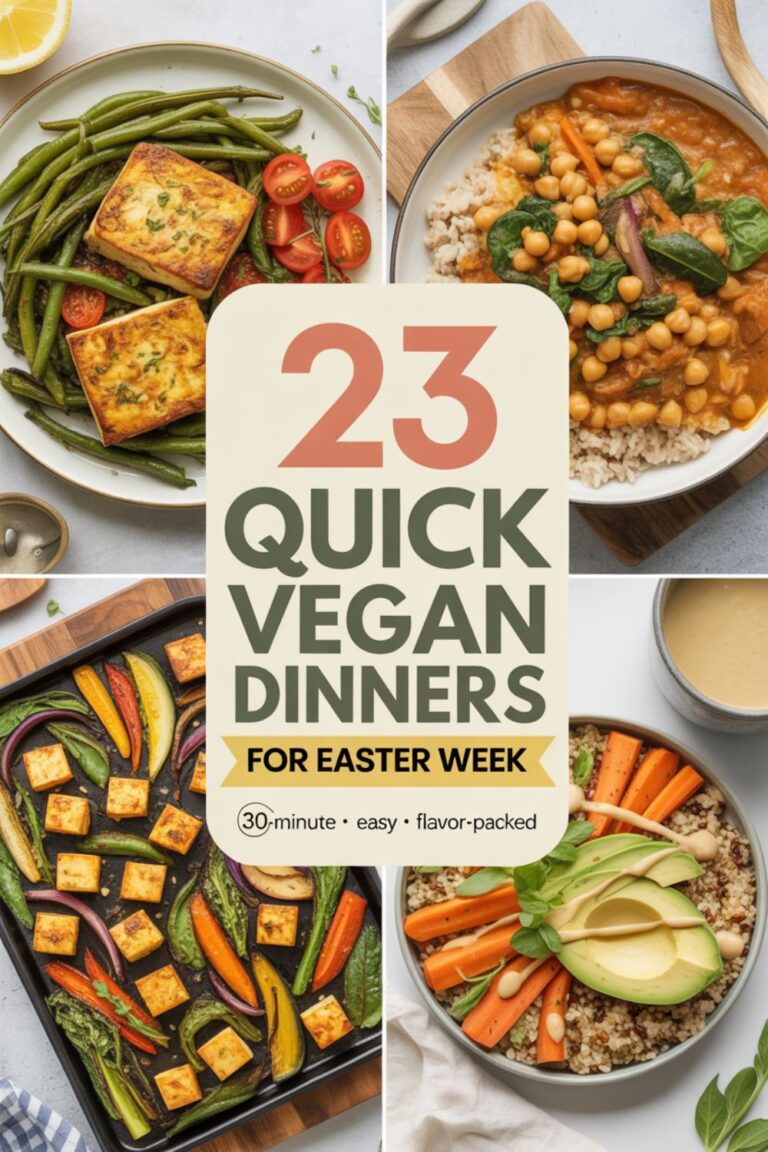
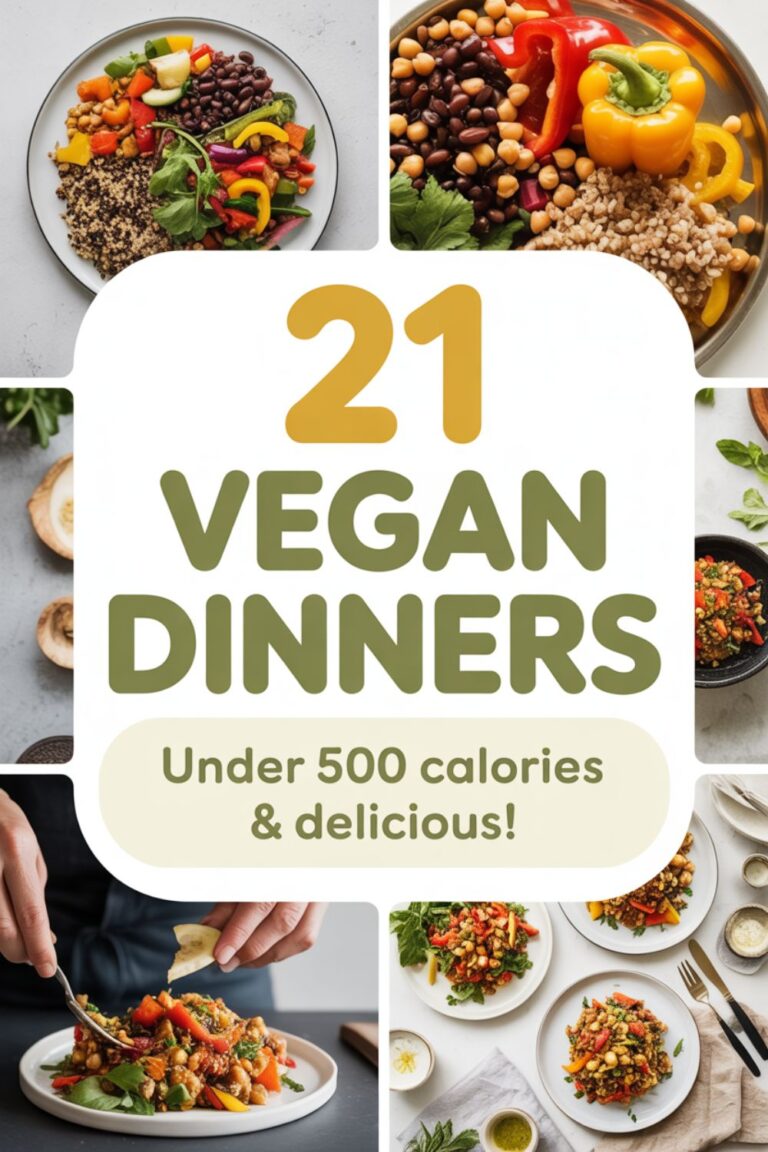
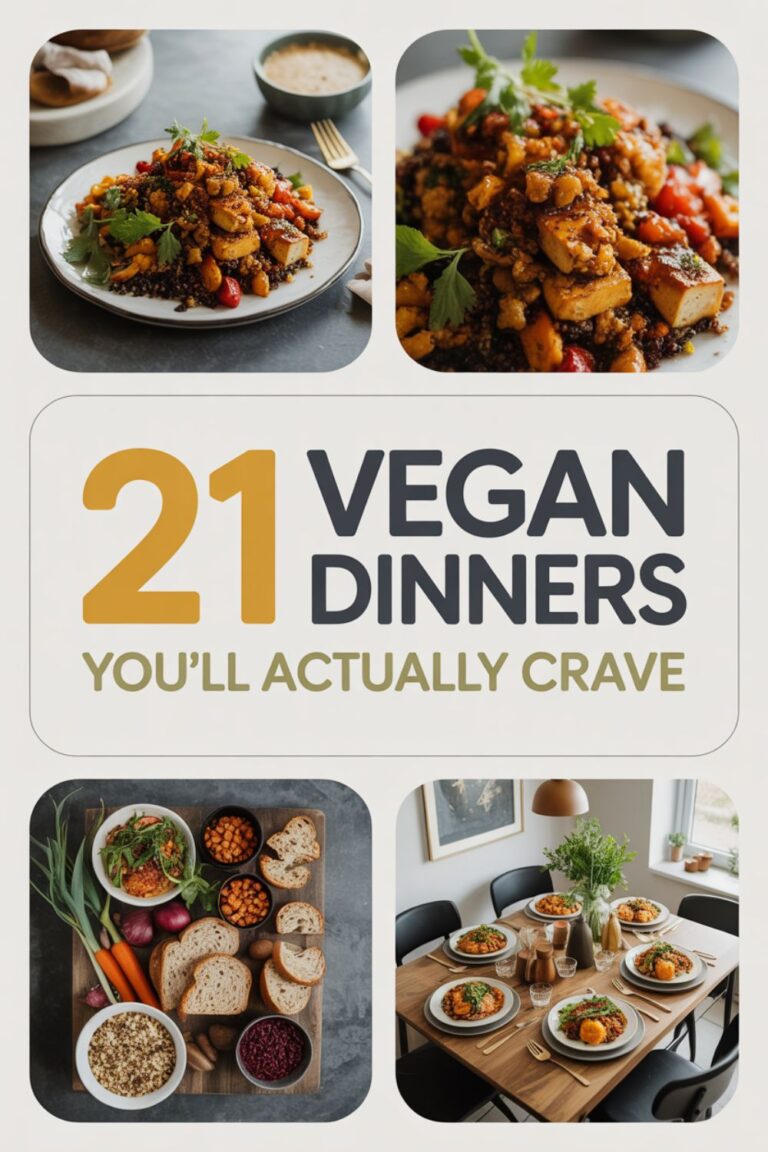
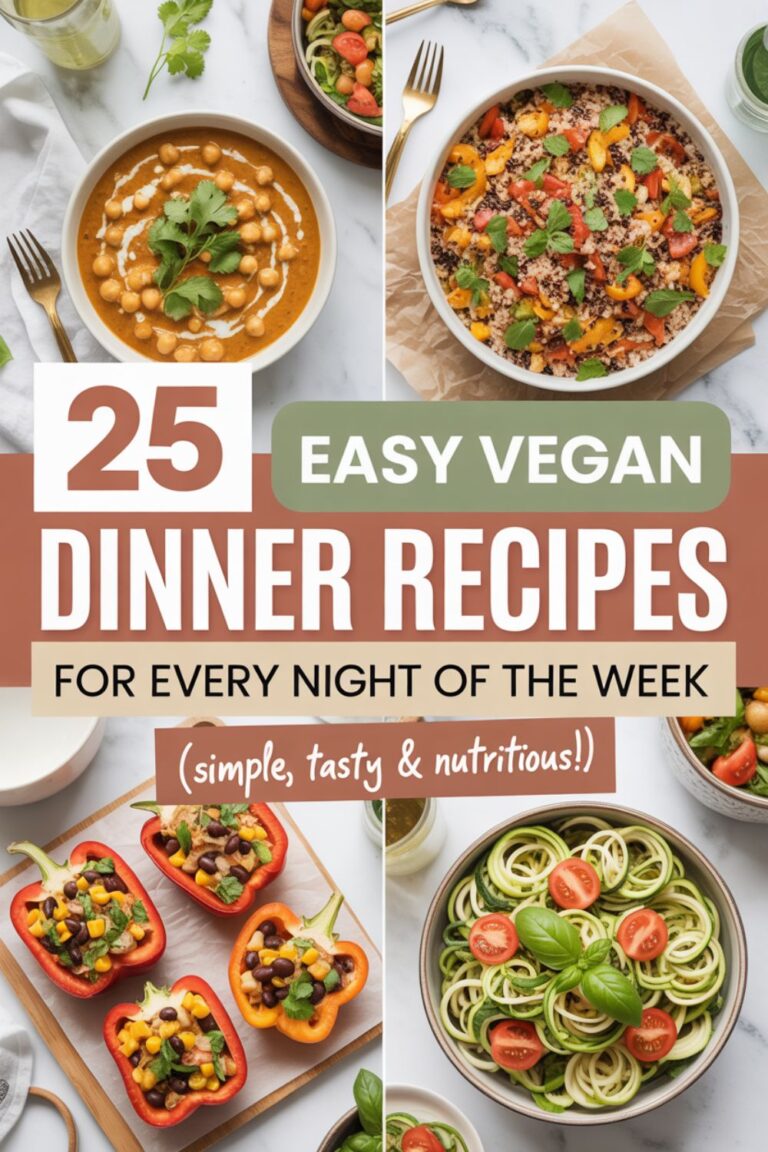
25 One-Pan Vegan Dinners for Easy Cleanup
Look, I’m not going to pretend I love doing dishes. Who does? The sink piling up with pots, pans, cutting boards, and those weird little prep bowls you swear you didn’t even use—it’s the worst part of cooking. And when you’re trying to keep things plant-based and nutritious, it can feel like you need a whole kitchen’s worth of equipment just to get dinner on the table.
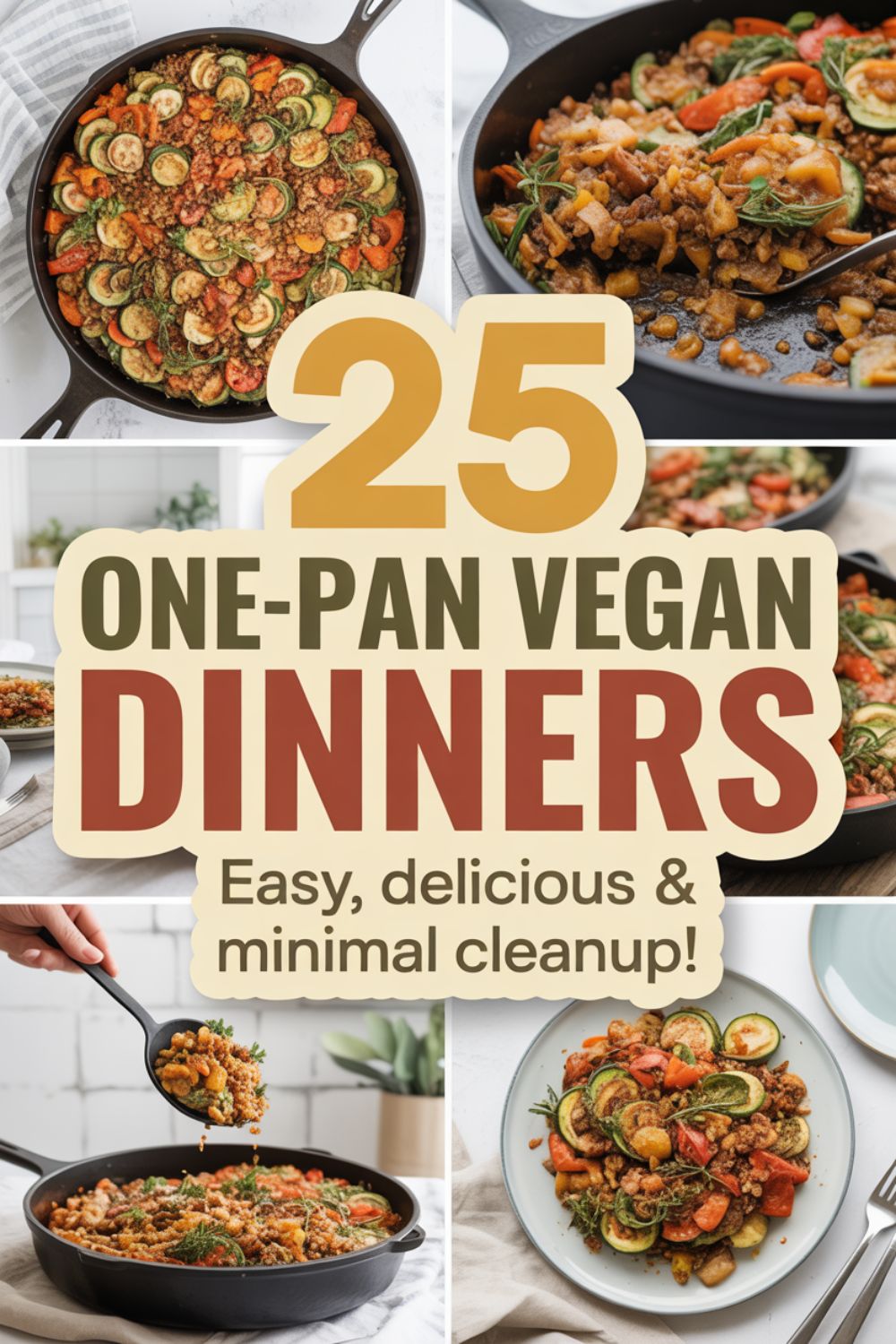
But here’s the thing: one-pan vegan dinners changed my life. I’m talking about meals where everything—your protein, your veggies, your grains—all cook together on a single sheet pan or in one skillet. You toss it in the oven or on the stove, maybe stir once or twice, and boom. Dinner’s ready, and you’ve got exactly one thing to wash.
The beauty of one-pan cooking goes beyond just saving time on cleanup. When you roast vegetables alongside plant-based proteins, something magical happens. Flavors meld together, natural sugars caramelize, and you get this depth that’s hard to achieve when everything’s cooked separately. Plus, research from the Academy of Nutrition and Dietetics shows that appropriately planned vegan diets can be nutritionally adequate for all life stages—and when you’re keeping things simple with one-pan meals, you’re more likely to actually stick with healthy eating.
Why One-Pan Vegan Cooking Actually Works
I used to think that good cooking required multiple pans, precise timing, and some kind of culinary degree. Turns out, I was overthinking it. One-pan meals work because they embrace simplicity without sacrificing flavor.
When you’re roasting vegetables on high heat, you’re essentially building flavor through the Maillard reaction—that’s the fancy science term for what makes food brown and delicious. Chickpeas get crispy, Brussels sprouts develop those caramelized edges, and tofu picks up a golden crust that’s way better than anything you’d get from steaming or boiling.
The other genius part? Everything cooks at roughly the same rate. You’re not babysitting five different burners or worrying about whether your rice is done before your protein. You just need to know which ingredients take longer (looking at you, potatoes and carrots) and give them a head start before adding quicker-cooking items like leafy greens or pre-cooked grains.
Cut your root vegetables into smaller pieces than you think you should. They’ll cook faster and get more surface area for that crispy, caramelized goodness. Nobody wants a raw potato chunk hiding under perfectly roasted broccoli.
I also love that one-pan cooking forces you to be more intentional about seasoning. You can’t rely on different sauces in different pans—you need one cohesive flavor profile. That might sound limiting, but it actually makes meal planning easier. Pick a cuisine (Mediterranean, Asian-inspired, Mexican), grab the appropriate spices, and you’re already halfway there.
The Essential Tools You Actually Need
You don’t need a ton of fancy equipment, but having the right basics makes a huge difference. I’m talking about the stuff that’ll last you years and actually improve how your food turns out.
First up: a good heavy-duty sheet pan. Not those flimsy ones that warp in the oven and send your vegetables sliding into a corner. I’m talking about the kind with a rim that catches any liquid and won’t buckle under heat. I use this half-sheet pan for literally everything—it’s the perfect size for two people or meal prep for one.
Then there’s the cast iron skillet situation. If you don’t have one yet, a 12-inch cast iron skillet is worth every penny. It goes from stovetop to oven, holds heat like a champ, and gets better with age. Plus, it’s basically indestructible. I’ve dropped mine more times than I’d like to admit, and it’s still going strong.
For easy cleanup, I swear by silicone baking mats. They’re reusable, nothing sticks to them, and you never have to deal with scrubbing baked-on food off your pans. Just wipe them down and you’re done.
If you’re looking for more ways to simplify your vegan cooking routine, check out these easy vegan meal prep ideas. They’re perfect for Sunday prep sessions when you want to set yourself up for an easy week.
Getting Your Protein Without the Fuss
One question I get all the time: how do you make sure you’re getting enough protein with vegan one-pan meals? Honestly, it’s easier than you’d think.
Chickpeas are my go-to. Drain a can, toss them with some olive oil and spices, and roast them until they’re crispy. You get about 15 grams of protein per cup, plus they add this satisfying crunch. I’ve found that patting them dry before roasting makes a massive difference—wet chickpeas steam instead of crisp up.
Tofu is another winner, but you have to press it first. I use this tofu press because I’m lazy and don’t want to mess around with paper towels and heavy books. Pressed tofu absorbs marinades way better and gets that crispy exterior everyone loves.
Tempeh is underrated, IMO. It’s got a nutty flavor and holds up beautifully in the oven. Slice it into strips, marinate it for like 15 minutes, and roast it alongside your veggies. The protein content is impressive—about 20 grams per cup—and according to Medical News Today, plant-based proteins from sources like tempeh and legumes can support heart health and reduce the risk of chronic diseases.
For those nights when you want something heartier, check out these high-protein vegan meals. They’re designed to actually keep you satisfied, not leave you raiding the pantry an hour later.
Mixing Up Your Protein Sources
I try to rotate between different protein sources throughout the week. It’s not just about variety—different plants offer different amino acid profiles, and mixing them up helps you get a complete nutritional picture.
Lentils are fantastic in one-pan meals, especially if you use the pre-cooked ones. They’re softer than chickpeas but still hold their shape when roasted. Black beans work too, though they can get a bit mushy if you’re not careful.
And here’s a weird tip: nutritional yeast isn’t just for making things cheesy. It’s got about 8 grams of protein per serving and adds this umami depth that makes vegetables taste more interesting. I sprinkle it on basically everything.
“I started making one-pan vegan dinners three months ago and honestly can’t believe the difference. Not only am I eating more vegetables, but I’ve actually lost 12 pounds without trying. The lack of cleanup means I’m not tempted to order takeout on busy nights.”
The Vegetables That Actually Roast Well
Not all vegetables are created equal when it comes to one-pan cooking. Some turn to mush, others stay stubbornly raw, and a select few hit that perfect sweet spot of tender inside, caramelized outside.
Brussels sprouts are S-tier. Cut them in half, toss with a bit of oil, and they develop these crispy, almost burnt edges that are genuinely addictive. Cauliflower does something similar—it gets this nutty, sweet flavor that’s nothing like the sad steamed version you remember from childhood.
Sweet potatoes and regular potatoes are workhorses. They take longer to cook, so I usually chop them smaller or give them a 10-minute head start in the oven. The payoff is worth it—you get these crispy edges and fluffy interiors that make the whole dish feel more substantial.
Bell peppers and onions are basically mandatory. They add sweetness and break down into this jammy texture that coats everything else on the pan. I always use way more onions than I think I need because they shrink down to almost nothing.
Don’t overcrowd your pan. Seriously. If vegetables are touching and overlapping, they’ll steam instead of roast. You want space between pieces so air can circulate and everything gets that caramelized crust. Use two pans if you need to.
The Vegetables to Avoid
Leafy greens are tricky in one-pan meals. Spinach and kale turn into crispy chips if you’re not careful, and not in a good way. I usually add them at the very end, just to wilt them, or skip them entirely and serve a fresh salad on the side.
Zucchini can be hit or miss. It releases a ton of water when it cooks, which can make everything else soggy. If you’re using it, slice it thick and add it halfway through cooking so it doesn’t turn to mush.
Meal Prep Essentials Used in This Plan
Glass Meal Prep Containers (Set of 10)
These are perfect for storing your one-pan meals. They’re microwave-safe, don’t hold odors, and stack nicely in the fridge. I use them every single week.
Vegetable Chopper Pro
If you’re doing meal prep, this thing is a game-changer. Dice onions, peppers, and potatoes in seconds without crying over your cutting board.
Oven Thermometer
Your oven is probably lying to you about its temperature. This cheap little thermometer ensures everything actually cooks at the temp you set.
Vegan Meal Prep Mastery Guide (Digital)
A comprehensive PDF with 50+ one-pan recipes, grocery lists, and prep schedules. Takes the guesswork out of planning your week.
Plant-Based Nutrition Tracker (App)
Track your macros and make sure you’re hitting your protein goals. Has a massive database of vegan foods and recipes.
One-Pan Vegan Cooking Video Course
Step-by-step video tutorials showing exactly how to prep, season, and roast everything for maximum flavor. Includes 30 recipes.
Flavor Combinations That Never Fail
This is where one-pan cooking gets fun. You can go in about a million different directions, but I’ve found a few flavor profiles that work every single time.
Mediterranean vibes: Chickpeas, cherry tomatoes, red onion, and bell peppers with oregano, garlic, and lemon juice. Finish with fresh parsley and a drizzle of tahini. It’s bright, savory, and feels like you’re eating on a Greek island (or at least that’s what I tell myself).
Asian-inspired: Tofu, broccoli, snap peas, and bell peppers with soy sauce, ginger, and sesame oil. I add a sprinkle of sesame seeds at the end because they look pretty and add a nice crunch. This combo pairs perfectly with these vegan pasta dishes if you want to bulk it up with some noodles.
Mexican-style: Black beans, sweet potatoes, corn, and poblano peppers with cumin, smoked paprika, and lime. Top with cilantro and avocado. This one’s basically a deconstructed burrito bowl, and it’s dangerously addictive.
Moroccan-spiced: Chickpeas, cauliflower, carrots, and red onion with cumin, coriander, cinnamon, and turmeric. Finish with chopped dates and almonds for a sweet-savory thing that’s way more interesting than it sounds.
The Role of Acid and Fat
This is the secret that separates okay one-pan meals from incredible ones: you need acid and fat.
Fat is obvious—olive oil, coconut oil, whatever you prefer. It helps vegetables caramelize and prevents them from drying out. But don’t go crazy. A couple tablespoons is usually enough for a whole pan.
Acid is the game-changer most people forget. A squeeze of lemon or lime juice at the end brightens everything up and balances out the rich, roasted flavors. Sometimes I’ll add a splash of balsamic vinegar before roasting, which caramelizes into this sticky, sweet glaze.
Speaking of bold flavors, if you’re looking for more inspiration, these vegan soups and stews use similar seasoning principles to create deeply satisfying meals. And when you want something completely different for breakfast, these vegan breakfast ideas will keep things interesting.
Temperature and Timing Tips
Most one-pan vegan meals work best at 400-425°F. That’s hot enough to get good caramelization but not so hot that everything burns before it’s cooked through.
Root vegetables like potatoes, carrots, and beets need about 30-40 minutes. Softer vegetables like bell peppers, zucchini, and tomatoes only need 15-20 minutes. Leafy greens and fresh herbs go in during the last 5 minutes, if at all.
Here’s my standard timeline for a mixed vegetable pan:
- 0 minutes: Start with potatoes, carrots, and beets
- 15 minutes: Add chickpeas, tofu, cauliflower, and Brussels sprouts
- 25 minutes: Toss in bell peppers, tomatoes, and green beans
- 35 minutes: Everything’s done—add fresh herbs and a squeeze of lemon
I set a timer for each stage because I’ve definitely spaced out and ended up with charcoal where vegetables used to be. It happens.
Flip everything halfway through. I know it’s annoying to open the oven and lose heat, but that extra step means every side gets crispy instead of just the bottom. Use a good pair of tongs so you’re not burning your fingers.
Meal Prep Strategy for the Week
Sunday meal prep with one-pan dinners is stupidly easy. I usually make 2-3 different pans with different flavor profiles so I don’t get bored eating the same thing all week.
Let’s say you want to prep for five dinners. Here’s what I do:
Pan 1 (Mediterranean): Chickpeas, cherry tomatoes, red onion, zucchini, and bell peppers. Season with oregano, garlic powder, and lemon zest. This holds up great for 4-5 days.
Pan 2 (Asian-inspired): Tofu, broccoli, snap peas, and mushrooms. Toss with soy sauce, ginger, and sesame oil. Keeps well for 3-4 days.
Pan 3 (Mexican): Sweet potatoes, black beans, corn, and poblanos with cumin and chili powder. Good for 4-5 days, though the sweet potatoes might get a little soft.
I portion everything into those glass meal prep containers I mentioned earlier. Each container gets about a cup and a half of the roasted vegetables plus protein. Then I add a scoop of quinoa or brown rice (I make that separately because grains don’t really work on sheet pans).
Want more ideas for keeping lunch interesting? Check out these quick vegan lunches that are perfect for busy workdays.
“I used to hate meal prep because it felt so boring, but these one-pan dinners are actually exciting. My coworkers keep asking what smells so good when I heat up my lunch.”
Common Mistakes and How to Avoid Them
I’ve made every possible mistake with one-pan cooking, so let me save you some trouble.
Mistake 1: Not using enough oil. Vegetables need fat to caramelize. Trying to “save calories” by barely coating them just means they’ll dry out and taste like cardboard. Two tablespoons of olive oil for a full pan is not excessive—it’s necessary.
Mistake 2: Cutting everything the same size. Dense vegetables need to be smaller than soft ones. If you cut your potatoes and peppers the same size, your potatoes will still be raw when your peppers are mush.
Mistake 3: Using a cold pan. Always preheat your sheet pan for a few minutes before adding vegetables. This helps them start browning immediately instead of steaming.
Mistake 4: Forgetting to season enough. Roasted vegetables need more salt than you think. I season before roasting AND after, when everything comes out of the oven. Don’t be shy with the spices either.
Mistake 5: Opening the oven too often. Every time you open that door, you lose heat and extend your cooking time. Trust the process and only check when your timer goes off.
Dealing with Leftovers
Leftover roasted vegetables are incredibly versatile. I use them in grain bowls, wraps, salads, and even blended into soups. They’ll keep in the fridge for about 5 days, though the texture gets softer the longer they sit.
If you’ve made too much, most roasted vegetables freeze well. Let them cool completely, then portion into freezer bags. They’ll keep for up to 3 months. When you reheat them, use the oven instead of the microwave to bring back some of that crispiness.
For more ideas on what to do with leftovers, these easy vegan dinner recipes are designed to be mix-and-match friendly.
Tools & Resources That Make Cooking Easier
Kitchen Timer with Magnetic Back
Stick it on your oven and never forget about your food again. Loud enough to hear from another room but not annoying.
Stainless Steel Mixing Bowls (Set of 6)
Perfect for tossing vegetables with oil and spices before roasting. Lightweight, durable, and dishwasher-safe.
Chef’s Knife (8-inch)
A sharp knife makes all the difference. This one holds an edge forever and feels great in your hand.
Weekly Meal Planner Template (Printable PDF)
Plan your week in 15 minutes with this customizable template. Includes grocery list sections and prep notes.
Vegan Pantry Staples Checklist
Never wonder what to buy at the store again. This checklist covers everything you need to keep on hand for one-pan meals.
Join Our Vegan Cooking Community on WhatsApp
Get daily recipe ideas, meal prep tips, and support from hundreds of other plant-based cooks. Free to join.
Budget-Friendly Approaches
One-pan vegan meals can be incredibly affordable, especially if you’re smart about what you buy.
Frozen vegetables are your friend. They’re picked at peak ripeness, flash-frozen, and often cheaper than fresh. I always keep bags of broccoli, cauliflower, and mixed peppers in my freezer for nights when I don’t have time to shop.
Buying in bulk saves a ton. Dried chickpeas, lentils, and beans are way cheaper than canned, and they’re not that hard to cook. I make a big batch on Sunday and use them throughout the week. Same goes for spices—buying them in the bulk section instead of those tiny jars saves probably 70% on cost.
Seasonal produce is always cheaper and tastes better. In the winter, I lean heavily on root vegetables and cruciferous stuff like cabbage and Brussels sprouts. Summer means tomatoes, zucchini, and bell peppers are dirt cheap.
If you’re trying to eat healthy on a budget, check out these vegan snacks—they’re designed to be both nutritious and wallet-friendly.
Making It Work for Special Diets
The beauty of one-pan vegan meals is how adaptable they are. Need to avoid gluten? Skip the soy sauce and use coconut aminos instead. Oil-free? Use vegetable broth for roasting (it works, I promise, though you won’t get quite as much caramelization).
If you’re counting calories, one-pan meals make it easy because you can control exactly what goes in. A typical pan with chickpeas and vegetables comes out to about 300-400 calories per serving, depending on how much oil you use.
For those following a whole-food plant-based approach, just stick to minimally processed ingredients. Use fresh herbs instead of dried spice mixes, and make your own seasonings from scratch.
Pairing with Sides and Grains
While one-pan meals are complete on their own, sometimes you want a little something extra to round out the plate.
Quinoa is my default grain. It cooks in 15 minutes, has a decent protein content, and absorbs flavors well. I make a big batch and keep it in the fridge all week.
For something heartier, brown rice or farro work great. They take longer to cook, but you can make them while your vegetables are roasting. A rice cooker is honestly worth the counter space—set it and forget it.
If you want bread, whole grain pita or naan are perfect for scooping up all those roasted vegetables and any sauce left on the pan. Or keep it simple with some crusty sourdough.
Looking for something sweet to finish the meal? These vegan desserts are way easier than you’d think and don’t require a bunch of specialty ingredients.
Seasonal Variations Throughout the Year
One-pan dinners change with the seasons, which keeps things interesting and takes advantage of what’s fresh and cheap.
Spring: Asparagus, peas, new potatoes, and radishes. Light lemon-herb seasonings. Everything cooks quickly because spring vegetables are tender.
Summer: Tomatoes, zucchini, corn, bell peppers, and eggplant. Mediterranean or Mexican flavors work best. Things can get a bit watery because summer vegetables release a lot of moisture, so I roast at a higher temp.
Fall: Sweet potatoes, Brussels sprouts, butternut squash, and apples (yes, apples on a savory pan—trust me). Warming spices like cinnamon, nutmeg, and sage. Everything needs longer to cook because root vegetables are dense.
Winter: Carrots, beets, parsnips, cabbage, and cauliflower. Hearty, warming flavors with lots of garlic and herbs. I lean into comfort food territory here.
Frequently Asked Questions
Can I use frozen vegetables for one-pan dinners?
Absolutely. Frozen vegetables work great, especially things like broccoli, cauliflower, and Brussels sprouts. Just make sure to pat them dry or let them thaw first to avoid excess moisture. They might not get quite as crispy as fresh vegetables, but they’ll still be delicious and way more convenient.
How do I prevent everything from sticking to the pan?
Use enough oil to lightly coat everything—about 2 tablespoons for a full sheet pan. You can also line your pan with parchment paper or a silicone baking mat. If you’re going oil-free, vegetable broth works as a substitute, though you won’t get the same level of caramelization.
What’s the best way to reheat leftover one-pan meals?
The oven is your best bet if you want to restore some crispiness. Spread leftovers on a baking sheet and reheat at 375°F for about 10 minutes. The microwave works fine if you’re in a hurry, but everything will be softer. Add a fresh squeeze of lemon or a sprinkle of herbs after reheating to brighten things up.
How long will one-pan meals last in the fridge?
Most roasted vegetables and plant-based proteins will keep for 4-5 days in airtight containers. The texture might soften a bit over time, but they’re still perfectly safe to eat. If you want to keep them longer, freeze portions in freezer-safe containers for up to 3 months.
Can I make one-pan meals in an air fryer instead?
Yes, but you’ll need to work in batches because air fryers are smaller than sheet pans. The cooking time is usually shorter—about 15-20 minutes at 400°F for most vegetables. Just make sure not to overcrowd the basket, or everything will steam instead of getting crispy.
Final Thoughts
One-pan vegan dinners aren’t just a hack for lazy nights (though they definitely work for that). They’re a legit way to eat more vegetables, save time, and actually enjoy the process of cooking without feeling overwhelmed by cleanup.
The best part? You don’t need to follow recipes exactly. Once you understand the basic principles—roasting temperature, timing based on vegetable density, proper seasoning—you can throw together a meal from whatever’s in your fridge.
Start with one or two combinations that sound good to you. Get comfortable with the timing and flavors. Then experiment. Add different spices, try new vegetables, swap proteins. That’s how you find the combinations you’ll want to make again and again.
And seriously, invest in those silicone baking mats. Future you will thank present you every single time you don’t have to scrub a pan.