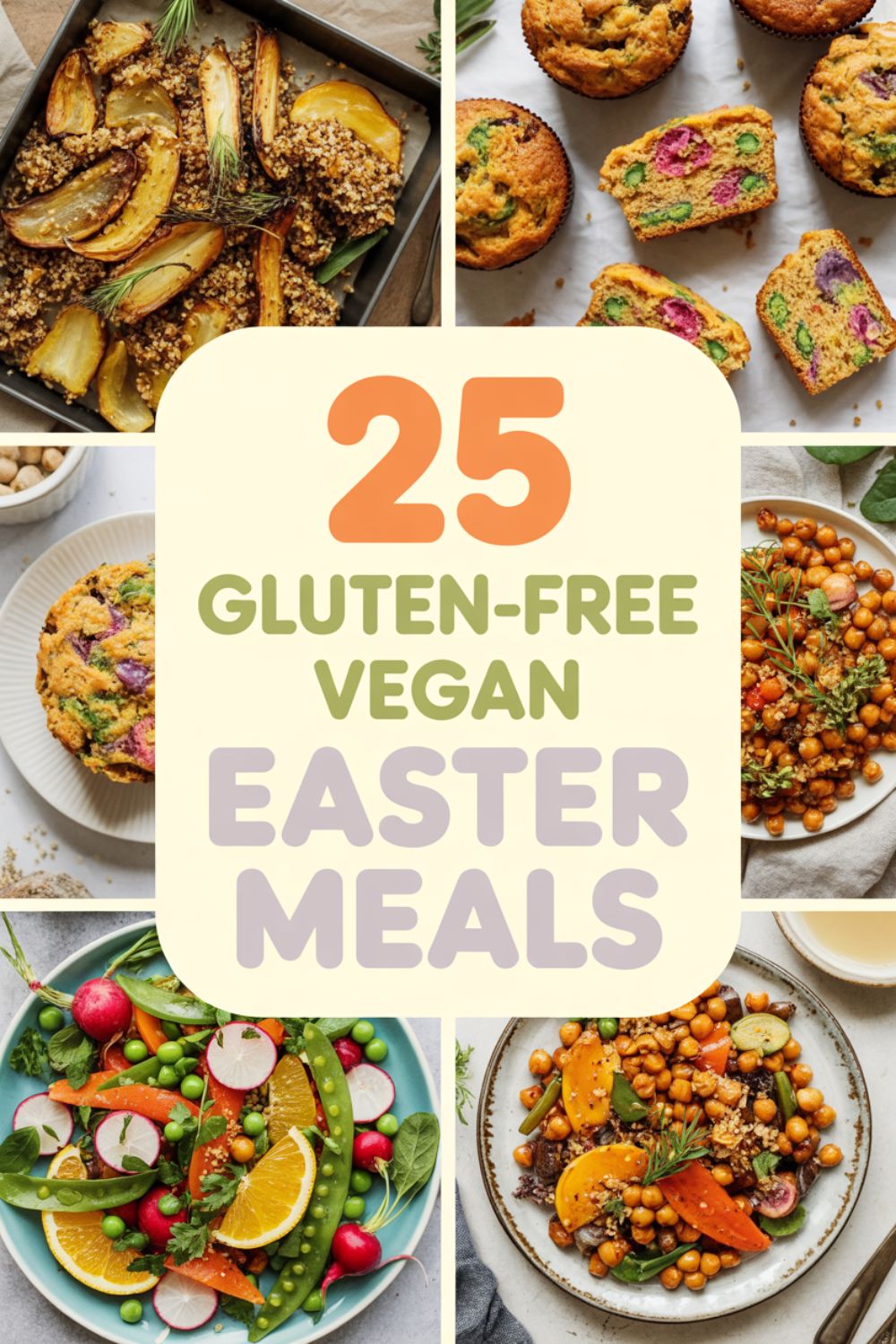
25 Gluten-Free Vegan Easter Meals That’ll Make Everyone Ask for Seconds
Easter dinner doesn’t have to mean choosing between your dietary needs and a table full of amazing food. I spent way too many holidays watching everyone else dig into creamy casseroles and fluffy rolls while I nibbled on plain vegetables. Not anymore.
Combining gluten-free and vegan eating for Easter might sound like you’re signing up for steamed broccoli and disappointment, but here’s the thing—it’s actually easier than you think. And way more delicious than anyone expects. We’re talking crispy roasted vegetables drizzled with herb-infused olive oil, creamy pasta dishes that’ll have people fighting over the last serving, and desserts so good your aunt will demand the recipe.
This isn’t about deprivation. It’s about celebrating spring with food that makes you feel good, tastes incredible, and happens to be free from gluten and animal products. Whether you’re hosting the whole family or just making Sunday dinner special, these 25 meals will turn your Easter table into something worth remembering.
Why Gluten-Free Vegan Easter Meals Actually Work
Let’s get real for a second. The overlap between gluten-free and vegan diets is bigger than most people realize. According to Healthline’s guide to gluten-free vegan diets, many naturally plant-based foods are already gluten-free—think quinoa, rice, beans, lentils, and basically every fruit and vegetable you can name.
The challenge isn’t finding things to eat. It’s finding things that don’t taste like cardboard. Easter is supposed to be about celebration, not sacrifice. So when I started planning gluten-free vegan Easter meals, I focused on dishes that deliver on flavor first. The dietary restrictions? Just details to work around.
Here’s what I learned: spring produce is your secret weapon. Asparagus, peas, artichokes, fresh herbs, strawberries, and baby potatoes are all at their peak around Easter. These ingredients are naturally gluten-free, vegan, and packed with the kind of fresh flavor that makes you forget you’re “missing out” on anything.
When you’re building your Easter menu, think about textures and colors. One of the biggest mistakes people make with gluten-free vegan cooking is ending up with a plate that’s all one color and texture. Boring. Mix crispy roasted vegetables with creamy sauces, fluffy grains with crunchy toppings, bright greens with deep oranges and purples.
Breakfast and Brunch Options That Beat the Classic Easter Spread
Easter brunch is where things usually get tricky. Traditional Easter brunch is basically a tribute to eggs and dairy—quiche, French toast, those weird egg casseroles your grandmother makes. But gluten-free vegan versions? They’re actually better.
Start with something substantial like a tofu scramble loaded with seasonal vegetables. I use this silicone spatula for scrambling tofu—keeps it from sticking without adding extra oil. Season it with black salt for that eggy flavor, add some turmeric for color, and throw in whatever spring vegetables you’ve got. Asparagus, cherry tomatoes, and fresh spinach are my go-to trio.
Pancakes and waffles are surprisingly easy to make gluten-free and vegan. The secret? Don’t overmix the batter. Get Full Recipe for fluffy vegan pancakes that work with any gluten-free flour blend. I’ve tested them with both store-bought blends and homemade mixes, and they work every time.
For something a little fancier, try making glazed cinnamon rolls with gluten-free flour. Yes, they take some time. No, they’re not difficult. And yes, people will lose their minds over them. I proof mine in this glass bowl because I can actually see when the dough has doubled.
The Overnight Solution
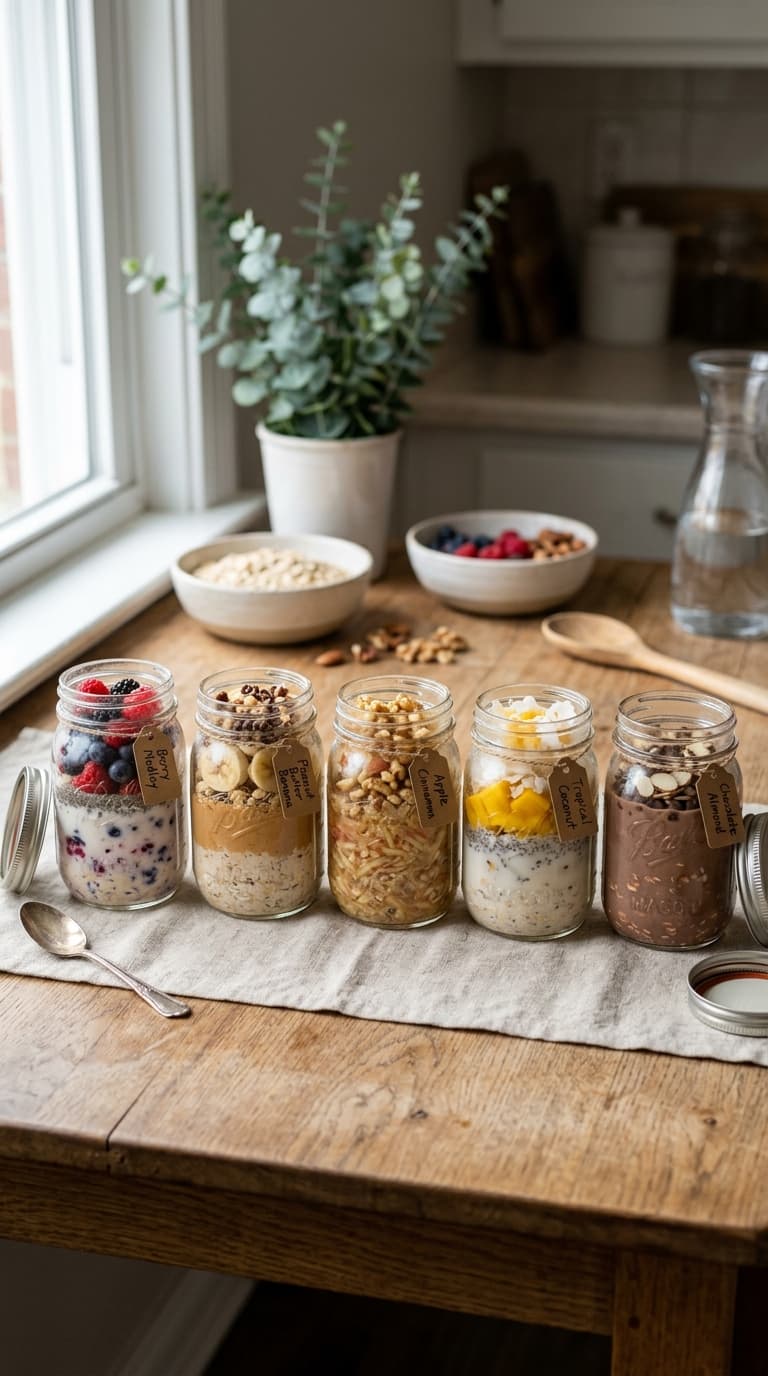
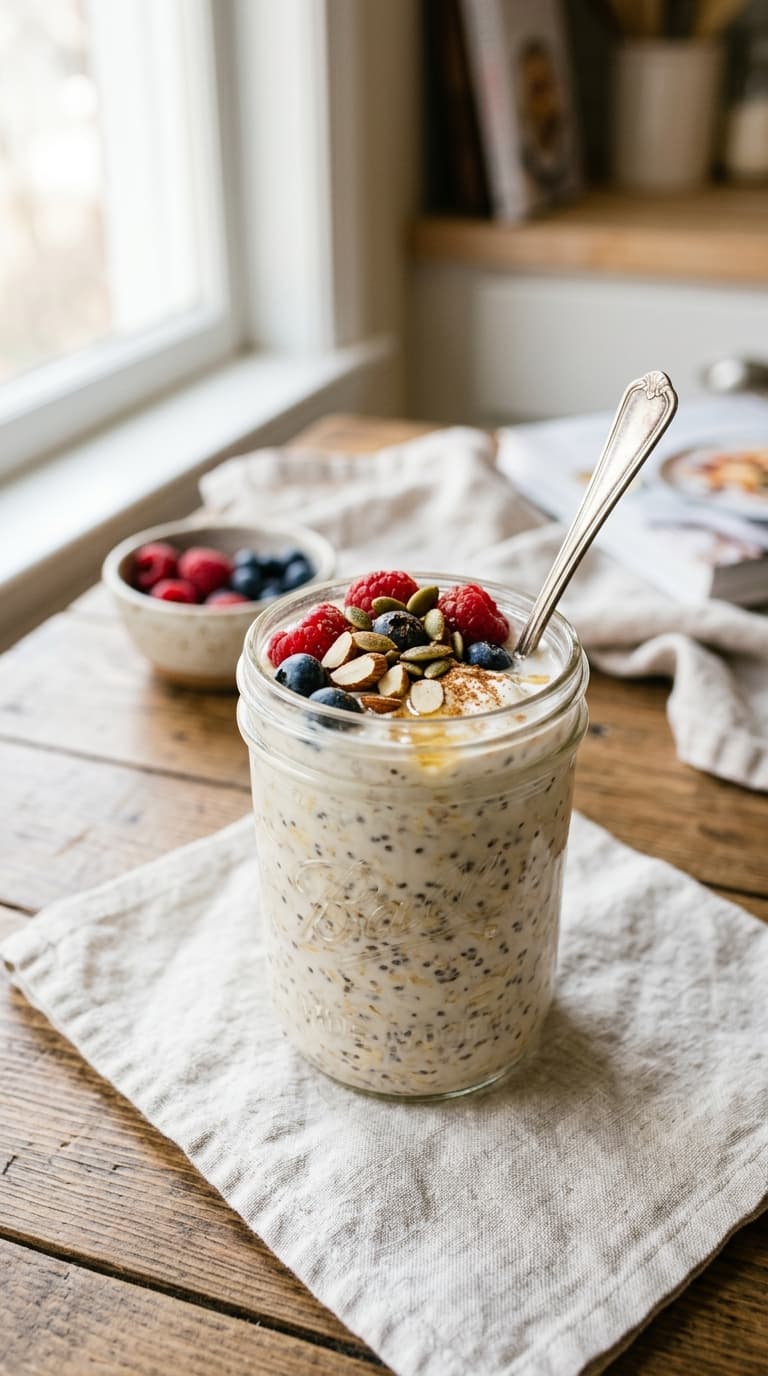
If you’re hosting Easter brunch, do yourself a favor and make something overnight. A chia pudding parfait bar is genius—set out different toppings, let people build their own, and you’re basically a hero who didn’t have to wake up at dawn. This smoothie plan has some great flavor combinations that translate perfectly to overnight preparations.
Research from the Gluten Intolerance Group suggests that planning balanced plant-based meals becomes easier when you think in terms of protein, fiber, and healthy fats at each meal. For breakfast, this might mean pairing nut butter with fruit, or topping your oats with seeds and berries.
Meal Prep Essentials Used in This Plan
Here’s what actually makes Easter cooking easier, based on what I use every single time:
Physical Products:- Glass meal prep containers with compartments – I store prepped vegetables in these and they last way longer than in plastic bags
- High-speed blender – For the creamiest sauces and smoothest soups without any weird chunks
- Silicone baking mats – Because I’m done scrubbing sheet pans and honestly these make cleanup feel like cheating
- 30-Day Vegan Challenge (Free Download) – Even if you’re already vegan, the meal planning framework is solid
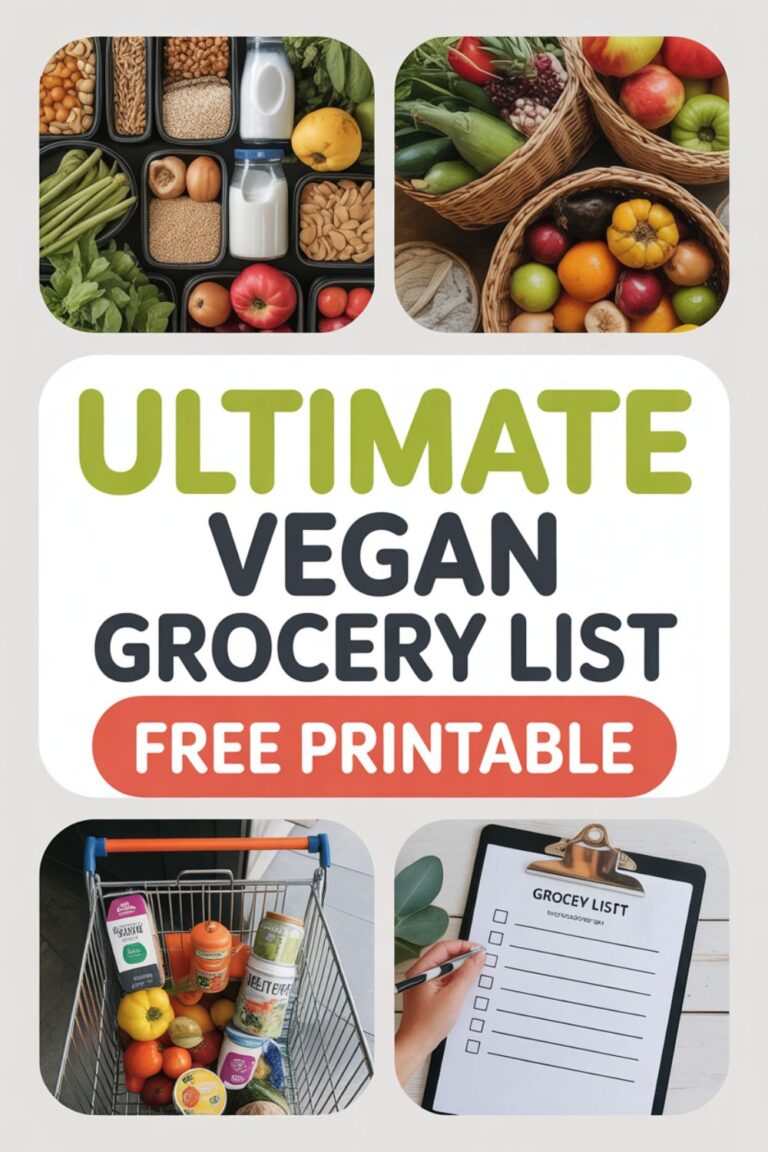
- The Ultimate Vegan Grocery List (Free Printable) – Print it, check off what you need, done
- 30-Day Vegan Eating Tracker (Printable PDF) – If you’re transitioning or just want to track your nutrition better
Looking for more morning inspiration? These 10-minute vegan breakfasts prove that quick doesn’t mean boring, and this collection of Easter brunch ideas will give you even more options for your spread.
Main Dishes That Steal the Show
This is where Easter dinner either shines or falls flat. You need a centerpiece. Something that makes people stop scrolling through their phones and actually pay attention to the table.
Stuffed acorn squash works beautifully. Cut them in half, roast them cut-side down until they’re tender, then fill them with a mixture of quinoa, cranberries, pecans, and fresh herbs. The natural sweetness of the squash plays perfectly against the savory filling. Plus it looks impressive, which matters more than any of us want to admit.
For something with more substance, try a lentil and mushroom shepherd’s pie topped with mashed sweet potatoes. Get Full Recipe from this collection of cozy dinners. I use this potato masher for the sweet potato topping—it’s the perfect texture between smooth and chunky.
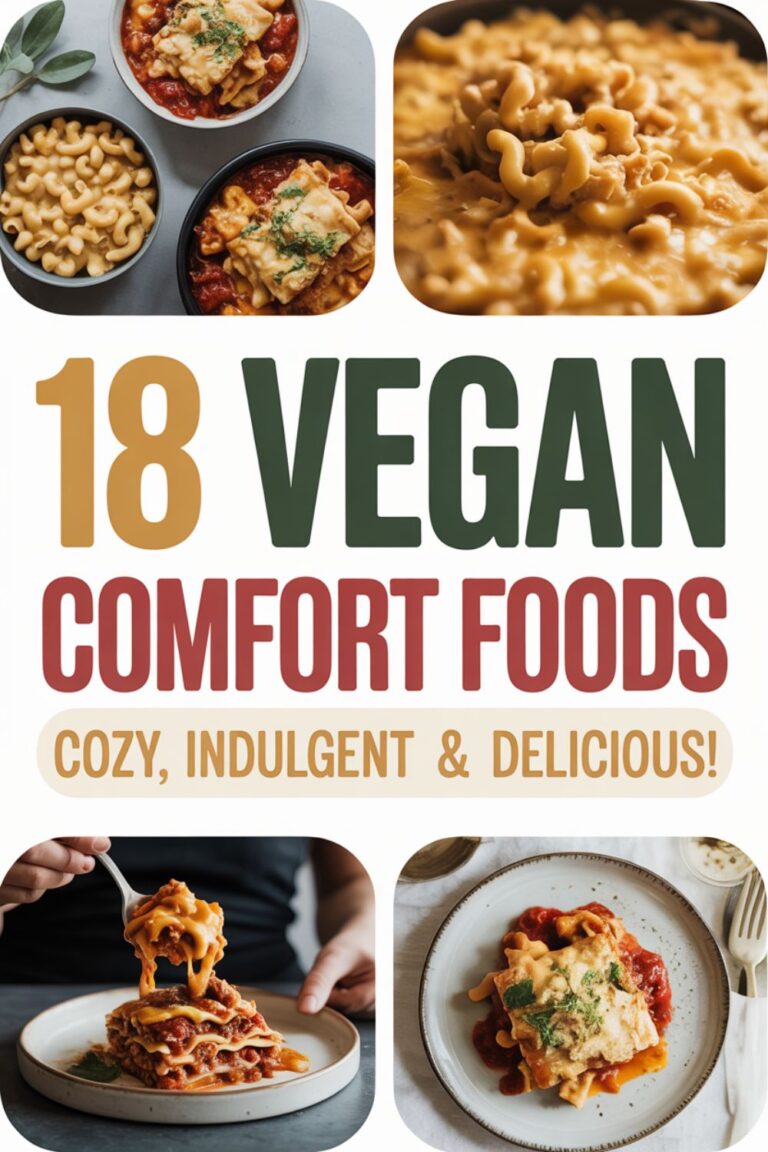
Pasta dishes are always a crowd-pleaser, and gluten-free pasta has come a long way. My favorite Easter pasta is a creamy mushroom and asparagus linguine made with cashew cream. You soak the cashews for a few hours, blend them with nutritional yeast and garlic, and you’ve got a sauce that’s somehow richer than anything made with dairy. Trust me on this one.
The Protein Question
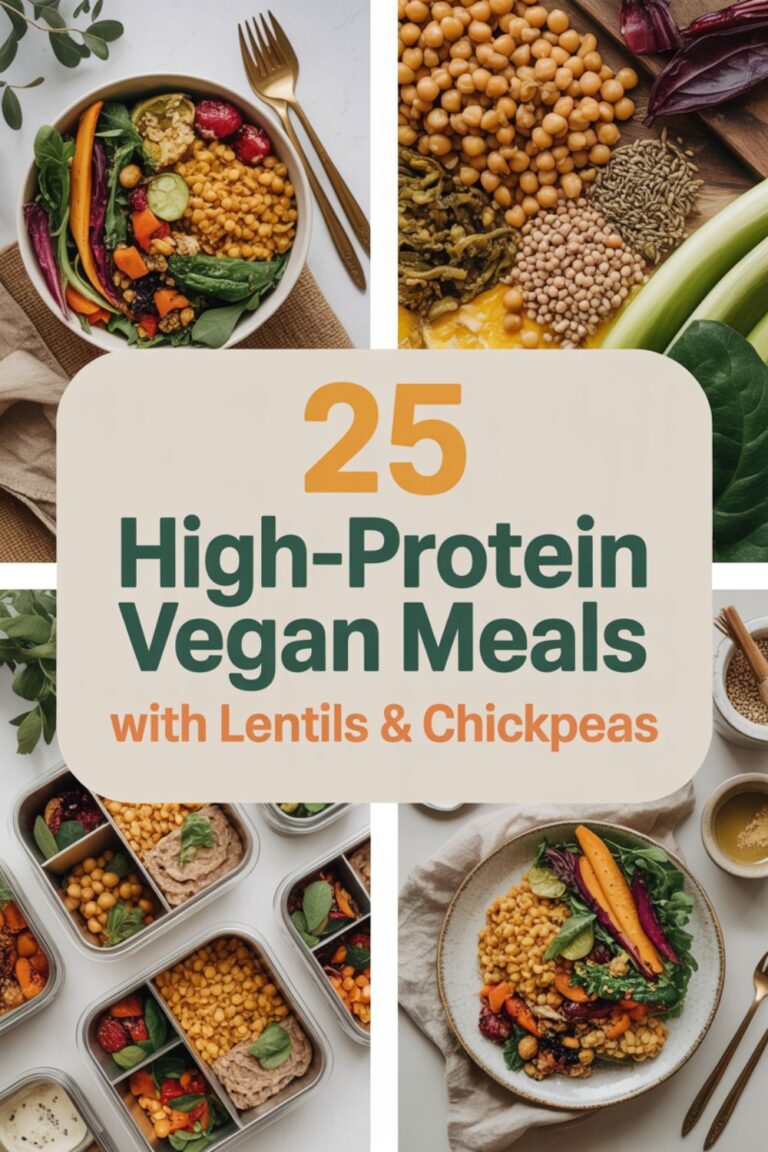
People always ask about protein. Always. Here’s the thing—when you’re combining different plant proteins throughout the meal, you’re getting plenty. Lentils, chickpeas, quinoa, nuts, and seeds all bring protein to the table. According to VegNews’ comprehensive guide, the key is variety rather than obsessing over numbers at every single meal.
One of my favorite high-protein options is a herb-crusted tofu roast. Press the tofu really well—like, way better than you think you need to—then marinate it in herbs, lemon, and olive oil before coating it in ground nuts and breadcrumbs made from gluten-free bread. Roast it until it’s golden and crispy on the outside. It slices beautifully and holds up on a serving platter.
If you’re looking for more substantial main course ideas, check out these high-protein vegan meals or these easy vegan dinner recipes that translate perfectly to holiday cooking.
Side Dishes That People Actually Fight Over
Side dishes are where you can really play with spring flavors. Roasted carrots with a maple glaze and fresh thyme. Green beans almondine made with slivered almonds toasted until they’re fragrant. Garlic mashed potatoes that happen to be made with olive oil instead of butter and taste just as creamy.
Brussels sprouts get a bad rap, but when you shred them thin and toss them with a lemon vinaigrette, dried cranberries, and toasted pumpkin seeds, they disappear faster than anything else on the table. I use this mandoline to get them paper-thin without risking my fingertips.
Don’t sleep on grain salads. A quinoa salad with roasted beets, orange segments, arugula, and pistachios brings color and texture that balances out richer dishes. Make it the day before and let the flavors develop overnight. Sometimes shortcuts are actually better.
The Secret to Vegetable Sides That Don’t Suck
Here’s what I learned after years of making sad, boring vegetables: salt them properly and roast them hot. Like, 425°F hot. Most people roast vegetables at too low a temperature and they just steam instead of caramelizing. You want those crispy edges. You want the natural sugars to develop.
For asparagus, I toss it with olive oil, salt, and pepper, then roast it until the tips are crispy. Finish with lemon zest and a handful of toasted pine nuts. Takes fifteen minutes and tastes like you actually tried. These salad recipes have some great vegetable preparation techniques that work for sides too.
Speaking of seasonal eating, these fresh vegan meals for spring lean heavily into what’s actually good right now—peas, asparagus, artichokes, and fresh herbs that make everything taste like the season changed overnight.
Soups and Starters Worth Making
A light soup before the main course feels elegant without being fussy. Spring pea soup is my go-to. You basically just cook frozen peas with vegetable broth, blend it until it’s smooth, and finish with fresh mint and a drizzle of olive oil. It’s bright green, tastes like spring, and you can make it hours ahead.
For something with more substance, try a creamy cauliflower soup. Roast the cauliflower first—this is non-negotiable—then blend it with cashews, nutritional yeast, and a bit of white wine if you’re feeling fancy. It’s one of those soups that makes people ask what you put in it because they can’t believe it’s vegan.
Stuffed mushrooms are perfect for passing around while people are still arriving. I fill portobello caps with a mixture of quinoa, sun-dried tomatoes, spinach, and cashew cheese, then bake them until everything’s golden. Get Full Recipe variations and more soup ideas here.
These cozy vegan soups aren’t just for winter—many of them work beautifully with spring vegetables if you swap out the heavier ingredients for lighter seasonal options.
Desserts That Make the Meal Memorable
Easter dessert is non-negotiable. It’s happening. The question is just what you’re making. Lemon bars are classic for a reason—they’re tart, sweet, and somehow taste like spring decided to show up on a plate. The gluten-free crust is actually easier than traditional pastry because you just press it into the pan instead of rolling it out.
For the filling, I blend cashews with lemon juice, maple syrup, and a little coconut cream until it’s completely smooth. Pour it over the crust, bake until it’s just set, and dust with powdered sugar. I keep this fine mesh sieve specifically for dusting powdered sugar because it gives you that professional bakery look.
Carrot cake feels appropriate for Easter, and it’s actually one of the easiest cakes to make gluten-free and vegan. The moisture from the carrots covers up any dryness from gluten-free flour, and a simple cashew cream cheese frosting is so good that people who claim to hate vegan desserts will eat two slices. Get Full Recipe for crowd-pleasing vegan desserts.
The Chocolate Situation
Can we talk about chocolate for a second? Because Easter and chocolate are basically synonymous, and there are some genuinely excellent vegan dark chocolates out there now. I make individual chocolate mousse cups with silken tofu, melted dark chocolate, and a touch of coffee. They set up in the fridge and taste ridiculously decadent.
Or keep it simple with chocolate-dipped strawberries. Get the biggest, prettiest strawberries you can find, melt some dark chocolate with a tiny bit of coconut oil to keep it glossy, and dip away. Arrange them on a platter and people will think you’re fancy. It takes maybe twenty minutes.
For more sweet inspiration, these vegan holiday desserts prove that special occasion desserts don’t need dairy or eggs to be spectacular.
Tools & Resources That Make Cooking Easier
These are the things that actually make a difference when you’re cooking for a crowd:
Physical Products:- Food processor with multiple blades – For everything from pie crusts to cashew cream to shredding vegetables
- Cast iron skillet – Perfect heat distribution for roasting and it goes from stovetop to oven seamlessly
- Kitchen scale – Gluten-free baking is way more reliable when you measure by weight instead of volume
- 10 Best Vegan Cookbooks for Beginners – Some of these have incredible gluten-free sections too
- 7 Kitchen Tools Every Vegan Home Cook Needs – The essentials that make everything easier
- 12 High-Protein Vegan Pantry Essentials – Stock these and you’ll always have the building blocks for a solid meal
Making It All Come Together
Here’s the reality check: you don’t need to make 25 different dishes for Easter dinner. Pick a main, two or three sides, a dessert, and call it done. The goal is to enjoy the meal, not to exhaust yourself cooking it.
I usually start with what I can make ahead. Desserts? Almost always better the next day. Soups? Same deal. Grain salads? They actually improve after sitting overnight. That leaves you with maybe roasting some vegetables and reheating a few things on Easter day. Way more manageable.
One thing I wish someone had told me earlier: room temperature is fine for most dishes. Not everything needs to come out of the oven piping hot. Salads, grain dishes, many vegetable sides—they’re all perfectly good at room temperature. This takes so much pressure off the timing.
When Someone Asks What They Can Bring
Always say yes. Always. Give them something specific—a vegetable platter, a loaf of gluten-free bread, wine, whatever. People want to help, and you trying to do everything yourself just makes the day more stressful for everyone.
I keep a list on my phone of easy asks for guests. Things like fresh fruit, a bag of salad greens, sparkling water, or even just paper napkins. It takes items off your plate and makes people feel included. Win-win.
If you’re new to plant-based cooking and feeling overwhelmed, start with this collection of easy vegan meal prep ideas. Many of these techniques translate directly to holiday cooking, just with fancier plating.
Dealing With The Non-Vegan Guests
Let’s address the elephant in the room. Or rather, the lack of elephant at the dinner table. If you’re serving gluten-free vegan food to people who usually eat everything, there are two approaches: announce it beforehand or just serve incredible food and let them figure it out later.
I usually go with the second option. When food tastes good, people don’t really care what category it falls into. But if someone asks directly, be honest. “Yeah, everything’s plant-based and gluten-free. Try the roasted carrots—they’re ridiculous.”
The key is confidence. If you act apologetic about the food being vegan, people will assume something’s wrong with it. If you serve it like it’s the best meal they’ll eat all week, they’ll approach it with curiosity instead of skepticism.
These vegan party appetizers are specifically designed to win over skeptics, and this collection of crowd-pleasing recipes includes several that work beautifully for Easter gatherings.
Grocery Shopping Strategy That Won’t Break the Bank
Gluten-free vegan eating doesn’t have to be expensive, but it can be if you’re buying a bunch of specialty products. Here’s my strategy: build meals around whole foods first, then add specialty items where they actually matter.
Potatoes, rice, beans, lentils, seasonal produce—all naturally gluten-free and vegan, all relatively cheap. Buy those in bulk. Then splurge on good quality olive oil, a nice dark chocolate for dessert, or some specialty flour for baking. The research from the PACHA guide to gluten-free vegan eating emphasizes focusing on naturally compliant whole foods rather than processed alternatives.
I use these glass storage containers to buy bulk items like rice and quinoa. They keep everything fresh way longer than the bags they come in, and you can actually see when you’re running low.
For gluten-free flour, I usually just buy a blend instead of trying to mix my own. Is it slightly more expensive? Yes. Is it worth not having to buy eight different flours and figure out the ratios? Absolutely. Pick your battles.
The Amazon Shortcut
Some things are just easier to order online. Nutritional yeast, specialty baking ingredients, bulk nuts and seeds—these vegan Amazon staples include most of what you’ll need. I set up Subscribe & Save for things I use regularly and just adjust the frequency as needed.
When it comes to plant-based alternatives, this comparison of dairy-free milks and these butter and cheese alternatives will help you figure out what’s actually worth buying.
What About Leftovers?
Let’s be honest—Easter leftovers are sometimes better than the actual meal. Everything’s already cooked, you’re not stressed, and you can just graze all day. My favorite leftover move is turning everything into a grain bowl.
Take whatever roasted vegetables are left, add some quinoa or rice, throw on some leftover sauce or dressing, maybe add some fresh greens. Boom. You’ve got lunch for the next three days. I store everything in separate containers so I can mix and match instead of eating the exact same bowl repeatedly.
Soups get better after a day or two. Desserts obviously keep well. Even some of the main dishes taste better cold the next day. I’ve been known to eat cold lentil shepherd’s pie straight from the container at midnight. No judgment.
For more ideas on stretching your meal prep, check out these vegetarian meal prep ideas and these vegan bowl combinations that work perfectly with holiday leftovers.
Frequently Asked Questions
Can I make gluten-free vegan Easter meals ahead of time?
Absolutely, and you should. Most side dishes, soups, and desserts actually taste better when made a day or two ahead. Grain salads develop better flavor overnight, soups have time for the seasonings to meld, and desserts set up properly in the fridge. This also takes massive pressure off Easter day so you can actually enjoy it instead of being stuck in the kitchen.
What’s the best gluten-free flour for Easter baking?
For most recipes, a good quality all-purpose gluten-free blend works perfectly. Look for one that includes xanthan gum already mixed in—brands like Bob’s Red Mill or King Arthur work well. If you’re making something specific like pie crust or bread, you might need different blends, but for general Easter baking, stick with all-purpose and save yourself the headache of mixing multiple flours.
How do I make sure gluten-free vegan meals have enough protein?
Stop stressing about hitting protein targets at every single meal and look at your overall day instead. Include a variety of protein sources—lentils, beans, quinoa, nuts, seeds, tofu, tempeh. When you’re eating a diverse plant-based diet, protein takes care of itself. For Easter specifically, adding a protein-rich main like lentil shepherd’s pie or herb-crusted tofu gives you a solid base, and the sides contribute more than you’d think.
What if my guests aren’t vegan or gluten-free?
Serve food that tastes incredible and let the quality speak for itself. Most people don’t care about dietary labels when the food is actually good. Focus on dishes with bold flavors, interesting textures, and beautiful presentation. Skip the apologetic explanations and just present the meal with confidence—you’d be surprised how many “I could never go vegan” people will ask for seconds of your cashew cream pasta.
Are gluten-free vegan meals more expensive?
They can be if you’re buying a lot of specialty products, but they don’t have to be. Build your meals around whole foods—potatoes, rice, beans, seasonal vegetables—which are naturally gluten-free, vegan, and cheap. Then splurge on a few specialty items where they actually matter, like good quality olive oil or dark chocolate for dessert. Skip the expensive vegan cheese unless you’re using it somewhere it really shines, and make your own cashew cream instead of buying prepared versions.
Final Thoughts on Gluten-Free Vegan Easter Cooking
Making Easter dinner gluten-free and vegan isn’t about restrictions. It’s about choosing ingredients that happen to be both delicious and aligned with how you want to eat. When you focus on seasonal produce, proper seasoning, and cooking techniques that bring out natural flavors, the dietary categories become secondary.
The best Easter meals I’ve made weren’t successful because they were perfectly vegan or meticulously gluten-free. They worked because the food tasted good, the table looked inviting, and everyone left happy. That’s really all that matters.
Start with one or two recipes you feel confident about. Maybe it’s a soup you’ve made before, or roasted vegetables that always turn out well. Build the rest of the menu around those anchors. Easter dinner doesn’t have to be complicated to be memorable.
And if something doesn’t work out? Order dessert from a bakery that does gluten-free vegan options. Have some store-bought hummus on standby. Give yourself permission to not be perfect. The point is gathering people around a table and sharing food, not executing a flawless culinary performance.
Spring is about renewal and fresh starts. Maybe this is the year Easter dinner looks different than it used to. Different can be better. Sometimes way better.