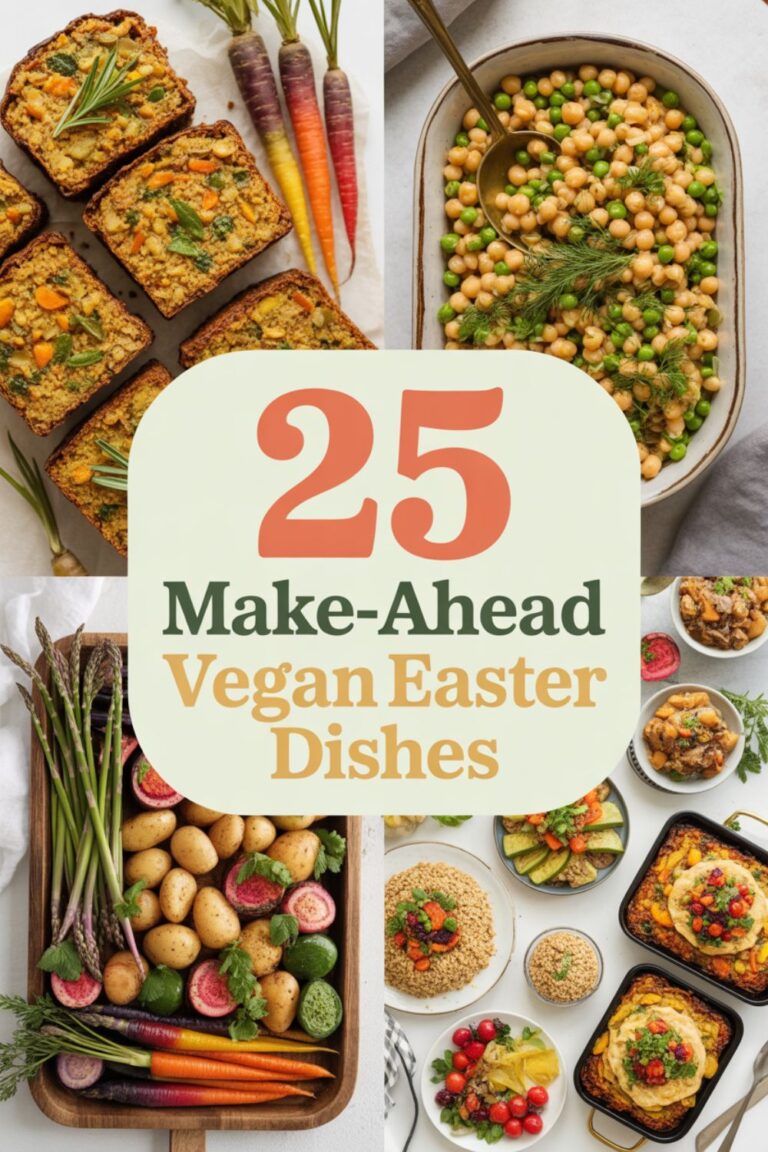
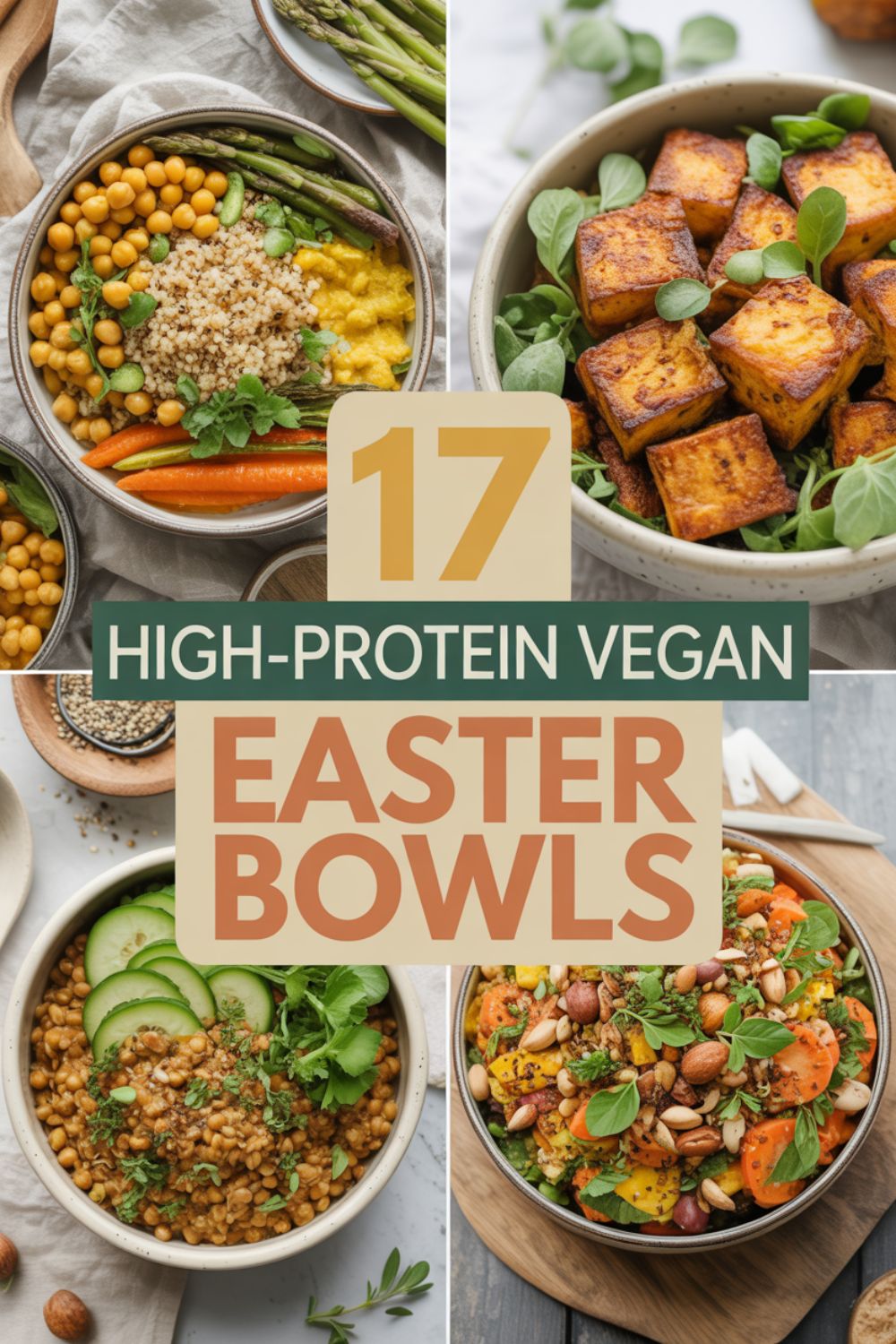
17 High-Protein Vegan Easter Bowls That’ll Actually Keep You Full
Let me guess—you’re tired of Easter spreads that leave you starving an hour later? Yeah, me too. Look, I love a good pastel-colored celebration as much as the next person, but there’s something about traditional Easter food that just doesn’t do it for me anymore. It’s all carbs and sugar with barely any protein to speak of.
Here’s the thing: you can absolutely celebrate spring without feeling like you need a nap by 2 PM. These 17 high-protein vegan Easter bowls are about to change your whole holiday game. We’re talking actual meals that keep you satisfied, not just pretty plates that photograph well.
Why High-Protein Vegan Bowls Make Sense for Easter
Easter falls smack in the middle of spring when your body’s basically screaming for fresh, light food. But light doesn’t mean unsatisfying. According to research on plant-based proteins, incorporating diverse protein sources from plants can support cardiovascular health and provide essential amino acids your body needs.
The beauty of bowl meals is that you can pack them with protein-rich ingredients like chickpeas, lentils, quinoa, and tofu while still keeping things colorful and festive. Plus, bowls are ridiculously easy to customize. Someone doesn’t like beets? They can skip them. Need extra protein? Double the tempeh.
I’ve been making these bowls for the past three Easters, and honestly, my family doesn’t even miss the ham anymore. The key is layering flavors and textures so every bite feels interesting. You want some crunch, some creaminess, something tangy, something savory. When you nail that balance, nobody’s thinking about what’s missing.
The Protein Powerhouses You’ll Be Using
Before we jump into the actual bowl recipes, let’s talk about what makes these things work. You need solid protein sources, and vegan options deliver way more than people give them credit for.
Legumes Are Your Best Friend
Chickpeas, black beans, lentils—these aren’t just filler ingredients. One cup of cooked chickpeas gives you about 15 grams of protein. Lentils? Around 18 grams per cup. That’s not nothing. Studies on plant-based protein sustainability show that legumes provide excellent nutritional value while being environmentally friendly.
What I love about legumes is they absorb whatever flavors you throw at them. Roast chickpeas with smoked paprika and they taste completely different from chickpeas tossed in tahini and lemon. Same ingredient, totally different vibe.
Tofu and Tempeh Actually Taste Good
If you think tofu is bland, you’re not preparing it right. FYI, pressing the water out and then marinating it changes everything. Tempeh has this nutty flavor that works perfectly in spring bowls, especially when you crumble it and pan-fry it until crispy.
Half a block of firm tofu packs about 20 grams of protein. Tempeh? Even higher at around 15 grams per half cup. These ingredients aren’t trying to pretend they’re meat—they’re their own thing, and that’s what makes them great.
Quinoa and Other Ancient Grains
Quinoa gets talked about a lot, but there’s a reason—it’s a complete protein. That means it contains all nine essential amino acids your body can’t make on its own. One cup cooked gives you 8 grams of protein, plus it cooks in like 15 minutes.
Don’t sleep on farro, bulgur, and freekeh either. These grains add this chewy texture that makes bowls feel more substantial. They’re also packed with fiber, which keeps you full longer.
Speaking of complete plant-based meals, these high-protein vegan meals show you how to combine different protein sources for maximum nutrition throughout the day.
17 High-Protein Vegan Easter Bowls
1. Mediterranean Chickpea Power Bowl
Start with a base of quinoa, pile on roasted chickpeas seasoned with za’atar, add cucumber, cherry tomatoes, red onion, and a massive dollop of hummus. Drizzle tahini dressing over everything. This bowl hits about 25 grams of protein and tastes like spring in the Mediterranean.
The trick is getting your chickpeas really crispy. I toss mine in a tiny bit of olive oil and roast them at 425°F for about 30 minutes, shaking the pan halfway through. If you want to skip the oven time, an air fryer works even better and cuts the time in half.
2. Rainbow Buddha Bowl with Peanut Sauce
This one’s all about color. Purple cabbage, shredded carrots, edamame, baked tofu, and mango chunks over brown rice. The peanut sauce is what ties it together—peanut butter, lime juice, soy sauce, maple syrup, and a splash of water.
Edamame alone gives you 17 grams of protein per cup, plus the tofu adds another 20. You’re looking at close to 30 grams of protein in one bowl. Not too shabby for something that takes maybe 20 minutes to throw together.
3. Spring Green Goddess Bowl
Think asparagus, snap peas, spinach, avocado, and white beans over freekeh. The dressing is what makes this special—blend up basil, parsley, lemon juice, garlic, and tahini until it’s smooth and bright green.
White beans are underrated. One cup has 17 grams of protein and they have this creamy texture that works perfectly in light spring bowls. I usually buy the canned ones because let’s be real, who’s soaking dried beans for a weeknight meal?
Meal Prep Essentials Used in This Plan
- Physical Products:
- Glass meal prep containers (5-pack) – These don’t stain, don’t hold smells, and you can see exactly what’s inside. Worth every penny.
- High-speed blender – For those creamy dressings and sauces that make these bowls sing. Mine’s been going strong for three years.
- Mandoline slicer – Gets your veggies paper-thin and uniform. Just watch your fingers—learned that one the hard way.
- Digital Products:
- 30-Day Vegan Challenge (Free Download) – Perfect timing if Easter’s your starting point for eating more plant-based.
- 21-Day Vegan Smoothie Plan – Great for quick breakfasts when you’re not feeling a full bowl.
- The Ultimate Vegan Grocery List – Seriously saves time at the store. No more wandering the aisles wondering what you need.
4. Smoky Black Bean and Sweet Potato Bowl
Roasted sweet potato cubes, black beans, corn, red bell pepper, and cilantro lime rice. Season everything with cumin and smoked paprika. Top with avocado and a squeeze of lime.
Black beans bring 15 grams of protein per cup, and when you combine them with rice, you get a complete protein. The sweet potato adds this natural sweetness that balances the smoky spices perfectly.
5. Asian-Inspired Sesame Noodle Bowl
Soba noodles (buckwheat = protein), edamame, cucumber ribbons, shredded carrots, crispy baked tofu, and sesame seeds. Toss everything in a ginger-sesame dressing.
Soba noodles have way more protein than regular pasta—about 12 grams per serving. Add the edamame and tofu, and you’re easily hitting 35+ grams of protein. This bowl also works cold, which makes it perfect for outdoor Easter celebrations.
If you’re into Asian-inspired flavors, you might also dig these vegan pasta dishes that use similar ingredients in completely different ways.
6. Moroccan-Spiced Lentil Bowl
Red lentils cooked with cinnamon, cumin, and coriander over quinoa. Add roasted carrots, golden raisins, toasted almonds, and fresh mint. Drizzle with a lemon-tahini sauce.
Lentils cook faster than you think—red lentils are done in about 15 minutes. They break down into this almost creamy texture that coats the quinoa. The combination of warm spices and fresh mint just screams springtime celebration.
7. Greek-Style Farro Bowl
Farro as your base (chewy and satisfying), marinated chickpeas, cucumber, tomatoes, red onion, kalamata olives, and a huge pile of arugula. Top with homemade tzatziki made from cashew yogurt.
Farro has 8 grams of protein per cup, which is higher than most grains. The chickpeas push this bowl to about 28 grams of protein total. I make the tzatziki with cashew yogurt instead of dairy—tastes identical but keeps everything plant-based.
8. BBQ Tempeh and Slaw Bowl
Crumbled tempeh tossed in BBQ sauce, creamy coleslaw, corn, black beans, and brown rice. This one’s got that cookout vibe but in bowl form.
Tempeh soaks up BBQ sauce like a dream. I pan-fry it first to get it crispy, then toss it in sauce. The slaw adds crunch and cools down the heat from the BBQ. Total protein? Around 30 grams.
9. Teriyaki Tofu and Broccoli Bowl
Pressed tofu cubes marinated in homemade teriyaki sauce, steamed broccoli, edamame, and jasmine rice. Sprinkle with sesame seeds and sliced green onions.
The key to good teriyaki is the right ratio of soy sauce to sweetener. I use maple syrup instead of sugar because it gives this deeper flavor. Between the tofu and edamame, you’re getting about 32 grams of protein.
10. Tuscan White Bean and Kale Bowl
Cannellini beans, massaged kale, roasted cherry tomatoes, artichoke hearts, and orzo pasta. Dress with balsamic vinegar and olive oil. Add some pine nuts for crunch.
Massaging kale makes it way less bitter and tough. Just squeeze it with your hands for a minute or two until it wilts down. The cannellini beans are buttery and mild—they work with pretty much any flavor profile.
For more kale-based meals that actually taste good, check out these vegan salad recipes that prove leafy greens don’t have to be boring.
11. Curry Roasted Cauliflower Bowl
Cauliflower florets roasted with curry powder, chickpeas, brown rice, spinach, and a coconut curry sauce. Top with cilantro and cashews.
Roasting cauliflower brings out this natural sweetness that balances the curry spices. The chickpeas get crispy in the oven at the same time. This bowl has about 24 grams of protein and tastes way fancier than the effort it takes.
12. Mexican Street Corn and Quinoa Bowl
Grilled corn (or frozen works too), black beans, quinoa, pico de gallo, avocado, and a creamy cashew lime sauce. Dust everything with chili powder and nutritional yeast for that cheesy flavor.
I grill my corn in a grill pan because not everyone has outdoor grill access. Gets those char marks that make it taste like actual street corn. The nutritional yeast adds B vitamins plus gives you that savory umami thing.
13. Pesto Pasta Power Bowl
Whole wheat pasta, homemade basil pesto (with nutritional yeast instead of cheese), white beans, cherry tomatoes, and arugula. Finish with a sprinkle of hemp seeds.
Hemp seeds might seem like health food overkill, but they add 10 grams of protein in just 3 tablespoons. Plus they have this nutty flavor that works perfectly with pesto. The white beans bring the total protein to about 28 grams.
14. Buffalo Chickpea Ranch Bowl
Roasted chickpeas tossed in buffalo sauce, romaine lettuce, shredded carrots, celery, and quinoa. Drizzle with homemade ranch made from cashews and herbs.
This one’s got all the flavors of buffalo wings but in a way healthier package. The ranch dressing is stupid easy—blend cashews, garlic powder, onion powder, dill, parsley, lemon juice, and a splash of non-dairy milk. Takes maybe 5 minutes.
15. Thai Peanut and Veggie Bowl
Rice noodles, bell peppers, snap peas, shredded cabbage, baked peanut tofu, and crushed peanuts. The peanut sauce is thick, creamy, and has just a little heat from red pepper flakes.
I make the peanut sauce with natural peanut butter that’s just peanuts and salt. The oils separate but it blends up smoother than the ultra-processed stuff. This bowl delivers about 26 grams of protein.
Looking for more Thai-inspired recipes? These easy vegan dinners include several Asian fusion options that use similar flavor profiles.
16. Harvest Grain and Roasted Root Veggie Bowl
A grain mix of quinoa, wild rice, and barley, roasted beets, carrots, and parsnips, chickpeas, and a maple mustard dressing. Top with pumpkin seeds.
Root vegetables are having their moment in spring after being stored all winter. Roasting them concentrates their sweetness. The grain mix gives you varied textures and about 10 grams of protein before you even add the chickpeas.
17. Spicy Korean Gochujang Bowl
Brown rice, kimchi, cucumber, shredded carrots, pan-fried tofu glazed with gochujang sauce, and sesame seeds. Add some sliced nori if you’re feeling fancy.
Gochujang is this Korean fermented chili paste that’s sweet, savory, and spicy all at once. A little goes a long way. Mix it with a bit of maple syrup and soy sauce, coat your tofu, and pan-fry until it caramelizes. The kimchi adds probiotics and that tangy crunch.
Tools & Resources That Make Cooking Easier
- Physical Products:
- Sharp chef’s knife – I cannot stress this enough. A good knife makes prep work actually enjoyable instead of a chore.
- Bamboo cutting board – Gentle on your knives and naturally antimicrobial. Mine’s held up for years.
- Silicone baking mats – Roasting vegetables without these is just asking for a scrubbing session later. Nothing sticks to these.
- Digital Products:
- 12 Best Vegan Protein Powders Tested & Ranked – If you want to boost protein even more, adding a scoop to smoothies helps.
- 12 High-Protein Vegan Pantry Essentials – What to always have stocked so you can make these bowls any time.
- 7 Kitchen Tools Every Vegan Home Cook Needs – The actual essentials that make cooking plant-based easier.
How to Build Your Own High-Protein Easter Bowl
Once you get the formula down, you can create infinite variations. Here’s the basic framework I use:
Base (1-2 cups): Quinoa, brown rice, farro, wild rice, or mixed grains. This is your foundation. Pick something with some protein and fiber.
Protein (1-1.5 cups): Chickpeas, lentils, black beans, white beans, tofu, or tempeh. Aim for at least 15-20 grams here. Season these well—this is where a lot of your flavor comes from.
Vegetables (2-3 cups): Mix raw and cooked. Raw adds crunch, cooked adds comfort. Think cucumber, carrots, bell peppers, broccoli, cauliflower, sweet potato, beets. Go heavy on the veggies.
Healthy fats: Avocado, nuts, seeds, or olives. These keep you full longer and help absorb nutrients. Just a small handful does the trick.
Sauce or dressing: This makes or breaks the bowl. Tahini-based, nut butter-based, or simple olive oil and lemon. Make it flavorful enough to tie everything together.
Toppings: Fresh herbs, microgreens, sesame seeds, nutritional yeast, or hemp seeds. These are optional but add texture and nutrition.
Want more guidance on building balanced plant-based meals? This vegan meal prep guide breaks down exactly how to structure your weekly cooking.
Making These Bowls Easter-Festive
The thing about Easter is it’s supposed to feel special. You can take any of these bowls and make them more festive with a few simple touches.
Use spring vegetables like asparagus, peas, radishes, and baby carrots. These ingredients are peak season in spring and they photograph beautifully. Add edible flowers if you’re going for that extra Instagram-worthy presentation.
Serve in nice bowls instead of your regular weeknight dishes. Presentation matters more than we like to admit. I grabbed these ceramic bowls last year and they make everything look more intentional.
Set up a DIY bowl bar where everyone builds their own. Lay out all the components separately and let people customize. This works great for families with picky eaters or different dietary preferences.
Meal Prep Strategy for Easter Week
If you’re hosting Easter, the last thing you want is to spend the entire morning in the kitchen. Here’s how I prep these bowls ahead of time.
Sunday before Easter: Cook all your grains and store them in containers. They last 4-5 days in the fridge. Roast chickpeas and any vegetables that need roasting. Press and marinate tofu or tempeh.
Wednesday or Thursday: Chop all raw vegetables and store them in containers lined with paper towels to absorb moisture. Make all your dressings and sauces—they actually taste better after sitting for a day.
Easter morning: Just assemble. Everything’s already cooked and prepped. Takes maybe 15 minutes to put together beautiful bowls.
This approach saved my sanity last year when I had 12 people coming over. Everyone thought I spent all morning cooking when really I just heated things up and arranged them nicely.
If meal prep isn’t your thing yet, these quick vegan lunch ideas show you how to make satisfying meals without hours of prep work.
Common Mistakes (and How to Avoid Them)
I’ve made every mistake possible with these bowls, so learn from my failures.
Under-seasoning Your Proteins
Plain chickpeas are sad. Plain tofu is sadder. Season aggressively. Salt, pepper, spices, marinades—use them all. Your proteins should taste good on their own before they even go in the bowl.
Drowning Everything in Dressing
More isn’t always better. You want enough dressing to coat ingredients lightly, not turn your bowl into soup. Start with 2-3 tablespoons and add more if needed.
Not Pressing Tofu Enough
Wet tofu won’t crisp up. It’ll just steam and get weird. Press it for at least 15 minutes, preferably 30. I know it feels like forever but it makes a massive difference.
Making Everything the Same Temperature
Mix temperatures. Some ingredients cold, some warm, some room temperature. This creates more interesting texture contrast. Nobody wants a lukewarm bowl of mush.
IMO, the biggest mistake is thinking vegan food has to be boring or require specialty ingredients you can’t pronounce. Everything in these bowls is stuff you can find at a regular grocery store. Check out this vegan grocery list to see exactly what I mean.
What About Kids and Picky Eaters?
Real talk: not everyone’s going to be thrilled about a bowl full of vegetables. But there are ways to make this work for the whole family.
Let kids build their own bowls. Control is huge. When they pick their own ingredients, they’re way more likely to actually eat it. Put out all the components and let them choose what goes in.
Start with familiar flavors. The BBQ tempeh bowl or the pasta pesto bowl feel more accessible than something with exotic spices. Once they’re comfortable, you can introduce new flavors gradually.
Hide vegetables in the sauce. I blend roasted red peppers into my cashew sauces all the time. Adds nutrients, makes the sauce prettier, and nobody notices they’re eating more vegetables.
Make one component they definitely like. Maybe that’s the grain, maybe it’s roasted sweet potato. Having something familiar makes the unfamiliar stuff less scary.
For more family-friendly plant-based options, these vegan breakfast ideas include lots of kid-approved options that work for any meal.
Leftover Magic
These bowls actually get better as leftovers because the flavors have time to blend. Store components separately if you can—keeps everything fresh longer.
Grains last 4-5 days in the fridge. Cooked beans and legumes last about the same. Roasted vegetables are good for 3-4 days. Fresh vegetables should be chopped no more than 2 days ahead.
Dressings with oil and acid (lemon juice, vinegar) last a week easily. Creamy cashew-based dressings last about 5 days. Always smell before using—your nose knows if something’s off.
Turn leftover bowls into wraps. Seriously, stuff everything into a large tortilla with some extra greens and you’ve got a completely different meal. Or warm up the grains and proteins, skip the cold stuff, and you’ve got a cozy dinner instead of a cold bowl.
Speaking of using leftovers creatively, these vegan soups and stews show you how to transform extra vegetables and grains into completely new meals.
Frequently Asked Questions
Can I make these bowls without cooking every component?
Absolutely. Use canned beans instead of cooking dried ones, buy pre-cooked grains (many stores sell microwaveable packets), and use raw vegetables where possible. You can throw together a high-protein bowl in 10 minutes if you’re smart about shortcuts. Nobody’s judging you for using convenience items that make your life easier.
How do I get enough protein if I’m really active or trying to build muscle?
Double your protein portions—use 2 cups of beans instead of 1, add both tofu and tempeh, throw in some hemp seeds or pumpkin seeds. You can also add a scoop of vegan protein powder to your post-workout smoothie. Active people need around 0.7-1 gram of protein per pound of body weight, and these bowls can definitely get you there with some smart planning.
Are these bowls actually filling or will I be hungry an hour later?
The combination of protein, fiber, and healthy fats keeps most people full for 4-5 hours. If you’re still hungry, you might need to increase portions or add more calorie-dense ingredients like nuts, seeds, or avocado. Everyone’s different, so adjust based on your body’s needs.
What if I don’t like tofu or tempeh?
Stick with beans and legumes. Chickpeas, lentils, and black beans are incredibly versatile and nobody’s forcing you to eat soy products. You can get plenty of protein from non-soy sources. The variety in plant-based protein is actually way bigger than most people realize.
Can I freeze these bowls for later?
Cooked grains, beans, and tofu freeze well. Raw vegetables don’t. If you’re meal prepping for the freezer, freeze the cooked components separately and add fresh vegetables when you’re ready to eat. Dressings with fresh herbs don’t freeze great either, so make those fresh or keep them in the fridge.
Final Thoughts
Look, Easter doesn’t have to be about heavy, protein-scarce food that leaves you feeling sluggish. These 17 high-protein vegan Easter bowls prove you can celebrate spring with colorful, satisfying meals that actually fuel your body.
The beauty of bowls is their flexibility. Hate beets? Skip them. Need more protein? Add extra beans. Want something warmer? Heat up more components. You’re not locked into one specific recipe—you’re learning a framework you can use year-round.
Start with one or two bowls this Easter. See what your family thinks. Make adjustments. Next year, try a few more. Before you know it, you’ll have your own signature Easter bowl that everyone requests.
And honestly? Once you master these bowls, you’ve got yourself an easy dinner solution that works way beyond Easter. These are the kinds of meals I make on random Tuesdays when I want something healthy but don’t want to think too hard about it.
Happy Easter, and may your bowls be colorful, your proteins plentiful, and your family pleasantly surprised that vegan food can actually be this good.