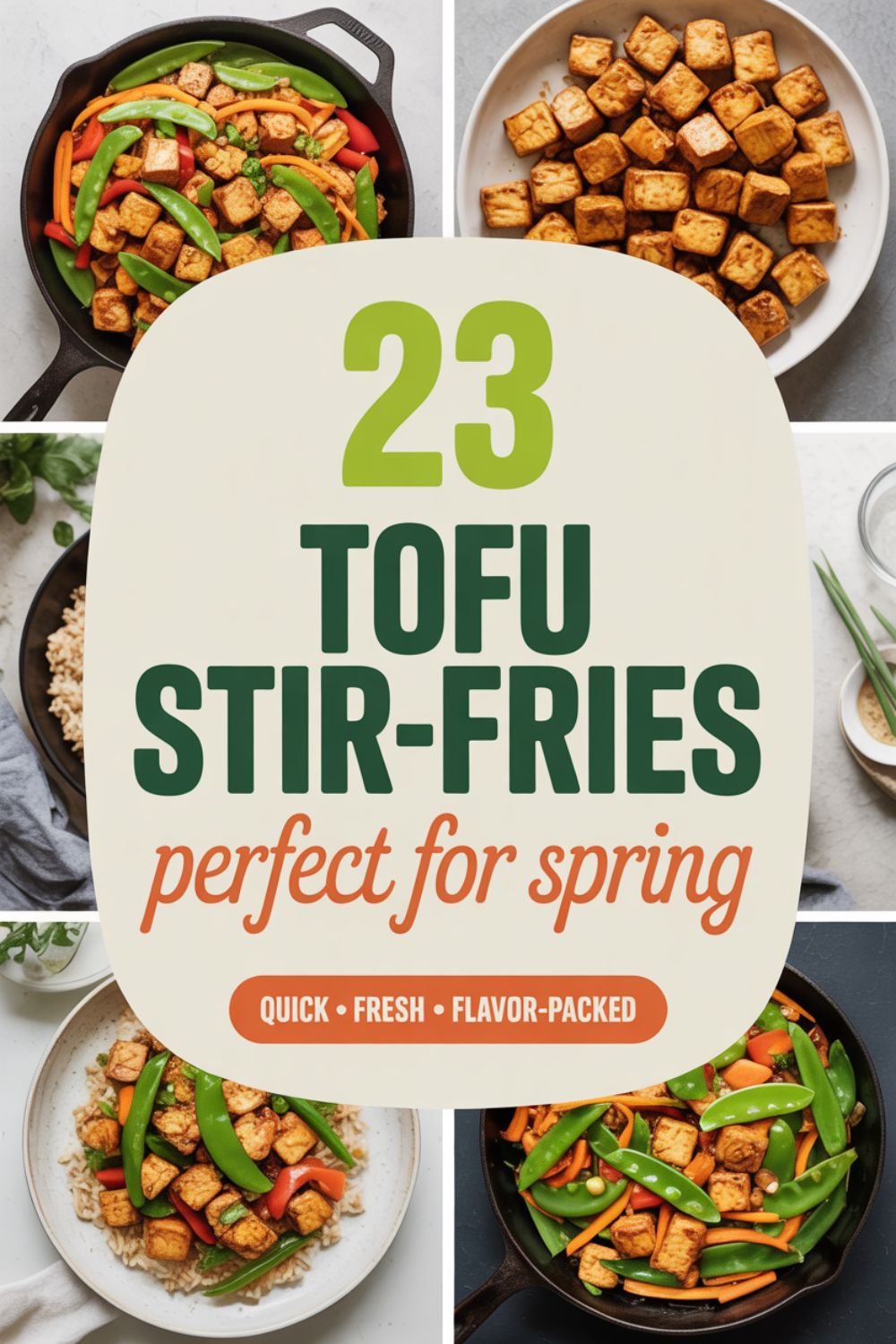
23 Tofu Stir-Fries Perfect for Spring
Spring brings this weird energy, doesn’t it? Everything feels lighter, fresher, and suddenly you want to eat things that don’t leave you in a food coma. That’s where tofu stir-fries come in—they’re quick, ridiculously versatile, and honestly? They make you feel like you’ve got your life together even when you absolutely don’t.
Look, I wasn’t always a tofu person. I spent years pushing it around my plate at questionable Thai restaurants, wondering why anyone willingly chose to eat what basically tasted like wet sponge. But then I learned the secret: tofu is only as good as what you do to it. Press it properly, get your pan screaming hot, and suddenly you’re dealing with crispy, golden perfection that soaks up whatever sauce you throw at it.
Spring vegetables and tofu are basically made for each other. Asparagus, snap peas, baby bok choy—they all cook fast, stay crispy, and bring this vibrant green energy that winter vegetables just can’t match. Plus, according to research on tofu’s nutritional benefits, this stuff packs serious protein while keeping things light on calories. We’re talking complete protein with all nine essential amino acids, which is kind of a big deal for plant-based eating.
Why Spring Is Actually the Best Time for Tofu Stir-Fries
Spring produce hits different. You’ve got asparagus that snaps when you bend it, snap peas so sweet you’ll eat them raw while prepping, and radishes that add this peppery crunch nobody expects. Unlike those heavy winter stews, spring stir-fries feel light but still satisfying.
Here’s what I love about this combo: tofu doesn’t compete with the vegetables. It’s not trying to be the star of the show. Instead, it acts like the supporting actor who makes everyone else look good while secretly stealing scenes with its crispy edges and sauce-soaked center.
The American Heart Association’s research on tofu found that people eating at least one serving weekly had lower heart disease risk compared to those who rarely ate it. Not bad for something that costs like three bucks a block.
Pro Tip
Press your tofu for at least 15 minutes before cooking. Wrap it in a clean towel, stick it between two plates, and put something heavy on top. Less water means crispier results and better sauce absorption.
The Foundation: Getting Your Tofu Right
Let’s talk about the elephant in the room—mushy tofu. We’ve all been there. You follow the recipe, everything seems fine, and then you bite into soggy disappointment. The fix? It’s all about moisture management and heat.
First, buy the right tofu. For stir-fries, you want extra-firm or super-firm. That silken stuff belongs in smoothies and desserts, not your wok. Once you’ve got your block, press it. I’m serious about this. Get as much water out as humanly possible.
Cut your tofu into cubes or slabs—whatever shape makes you happy. Some people swear by triangles. I usually go with cubes because they’re easier to flip and get crispy on multiple sides. Toss them with a tiny bit of cornstarch if you want next-level crispiness.
The Heat Situation
Your pan needs to be hot. Like, really hot. If you’re not slightly worried about setting off the smoke alarm, it’s probably not hot enough. This is where cast iron or carbon steel woks shine—they hold heat like nobody’s business.
Add your oil (I use a high-smoke-point oil like avocado oil or refined coconut oil), let it shimmer, then add the tofu. And here’s the hard part: leave it alone. Don’t poke it, don’t flip it every five seconds, just let it develop that golden crust.
Meal Prep Essentials Used in This Plan
These are the things sitting on my counter that actually get used, not collecting dust in the back of some cabinet:
- EZ Tofu Press – Honestly game-changing. Press your tofu in 15 minutes instead of the usual hour-long plate situation.
- 14-inch carbon steel wok – Gets screaming hot, heats evenly, and once you season it properly, nothing sticks. Worth every penny.
- Microplane grater – For ginger and garlic. Makes prep so much faster than chopping, plus you get better flavor distribution.
- 30-Day Vegan Challenge (Free Download) – If you’re new to plant-based cooking, this walks you through everything without being preachy.
- The Ultimate Vegan Grocery List – Print it, stick it on your fridge, never forget the cornstarch again.
- 21-Day Vegan Smoothie Plan – Because sometimes you need breakfast that doesn’t involve turning on the stove.
Spring Vegetables That Actually Work in Stir-Fries
Not all vegetables are created equal when it comes to stir-frying. Some turn to mush in seconds, others stay stubbornly raw no matter how long you cook them. Here’s what actually works.
Asparagus
Snap off the woody ends, cut into two-inch pieces, and throw them in. They cook fast and keep this great crisp-tender texture. Plus they’re loaded with vitamins A, C, E, and K. Just don’t overcook them—nobody wants limp asparagus.
Sugar Snap Peas and Snow Peas
These are my secret weapons. They’re sweet, crunchy, and cook in literally ninety seconds. Pull the strings off the sides first unless you enjoy eating dental floss. If you can find fresh ones at the farmers market, even better—they’re noticeably sweeter than the grocery store version.
Baby Bok Choy
Cut them in half lengthwise and you get this beautiful presentation plus they cook evenly. The stems need a bit more time than the leaves, so add them first. They bring this mild, slightly sweet flavor that doesn’t fight with your sauce.
Looking for more ways to use spring vegetables? These fresh vegan meals for spring are packed with seasonal produce ideas that actually taste good.
Radishes
Okay, hear me out. Cooked radishes are completely different from raw ones. They lose that sharp bite and get almost sweet, with this interesting texture that’s half-pickle, half-turnip. Slice them thin and toss them in during the last few minutes.
Quick Win
Prep your veggies Sunday night and store them in containers lined with paper towels. Thank yourself all week when dinner takes 10 minutes instead of 30.
Sauce Formulas That Never Fail
The sauce makes or breaks a stir-fry. You can have perfect tofu and beautiful vegetables, but if your sauce tastes like sadness, the whole thing falls apart. Here are three formulas I rotate through constantly.
Classic Soy-Ginger
Mix together low-sodium soy sauce, fresh grated ginger, minced garlic, a splash of rice vinegar, and a tiny bit of maple syrup or honey. Thicken it with cornstarch mixed with water. This is your reliable weeknight sauce that never disappoints.
I keep a jar of pre-minced ginger in the fridge for lazy nights, though fresh is obviously better. Sometimes good enough is actually good enough, you know?
Spicy Peanut
Natural peanut butter, soy sauce, lime juice, sriracha, and a bit of water to thin it out. This one’s rich and coating, perfect when you need something more substantial. The peanut butter debate is real though—you want the natural stuff that separates, not the sweetened kind.
Sesame-Miso
White miso paste, toasted sesame oil, rice vinegar, and a touch of agave. This brings serious umami without being heavy. Miso keeps forever in the fridge, so it’s worth buying even if you only use it occasionally.
For measuring and mixing, I swear by this set of mini whisks—sounds ridiculous, but they’re perfect for getting lumps out of cornstarch slurries.
Speaking of protein-packed meals, if you’re trying to build more tofu into your rotation, check out these high-protein vegan meals that actually keep you full. Game-changers for meal prep.
The 23 Combinations You Need to Try
Alright, here’s where we get into the actual stir-fry combinations. I’m organizing these by flavor profile because that’s how my brain works, but feel free to mix and match. That’s the whole point of stir-fries—they’re basically edible improv.
Fresh and Light
Lemon-Asparagus with Crispy Tofu: Thin asparagus spears, tofu, lemon zest, white wine (or veggie broth), fresh dill. Sounds fancy, tastes fancy, takes 20 minutes.
Snap Pea and Radish with Sesame: Sugar snap peas, thinly sliced radishes, toasted sesame seeds, sesame oil, rice vinegar. The radishes add this unexpected crunch that people always ask about.
Baby Bok Choy and Shiitake: Baby bok choy, fresh shiitake mushrooms, ginger, garlic, soy sauce. Simple but the mushrooms bring serious depth.
Spring Herb Medley: Whatever vegetables you’ve got, but finish with loads of fresh herbs—cilantro, basil, mint. Totally changes the vibe from Chinese takeout to Southeast Asian fresh.
Rich and Savory
Miso-Glazed Tofu with Broccolini: Broccolini (or regular broccoli if that’s what you have), white miso glaze, a drizzle of tahini at the end. Creamy, nutty, perfect over brown rice.
Black Bean Garlic Explosion: Black bean garlic sauce, whatever spring greens you can find, loads of fresh garlic. This is for when you want something with serious punch. Get Full Recipe
Peanut-Lime with Snap Peas: That peanut sauce I mentioned earlier, snap peas, shredded carrots, topped with crushed peanuts and lime wedges. Restaurant-quality at home.
Teriyaki-Glazed Everything: Make your own teriyaki (it’s literally just soy sauce, mirin, sake or white wine, and sugar), whatever vegetables need using up. The homemade version is so much better than bottled.
If these combinations are speaking to you, you might also love these easy vegan dinner recipes for every night of the week. Same energy, different formats.
Spicy Situations
Szechuan Pepper Madness: Szechuan peppercorns (buy them whole and toast them yourself), dried chilies, asparagus, tofu. Your mouth will tingle. It’s supposed to.
Korean Gochujang Glory: Gochujang paste, sesame oil, whatever vegetables, topped with kimchi. The fermented funkiness is everything.
Thai Basil and Chili: Thai basil (not regular basil—they’re different), Thai bird’s eye chilies, soy sauce, palm sugar. Finish with a squeeze of lime.
Sriracha-Maple Balance: Sriracha and maple syrup in equal parts, thinned with soy sauce. Sweet heat that works with literally any vegetable combination.
Pro Tip
Buy a spice grinder specifically for toasting and grinding Szechuan peppercorns. It unlocks flavors the pre-ground stuff just doesn’t have. Plus you can use it for fresh cumin, coriander, whatever.
Unexpected Winners
Curry Powder Surprise: Good curry powder, coconut milk, spring vegetables, fresh lime juice. It’s not traditional but who cares when it tastes this good.
Orange-Ginger Brightness: Fresh orange juice and zest, tons of fresh ginger, a bit of soy sauce, asparagus and snap peas. Bright, zingy, perfect after a heavy lunch.
Tomato-Basil Fusion: Yeah, I know, tomatoes in a stir-fry sounds wrong. Cherry tomatoes, fresh basil, garlic, balsamic vinegar. Trust me on this one.
Coconut-Lime Creamy: Coconut milk, lime juice, lemongrass if you can find it, baby bok choy, tofu. Like a deconstructed Thai curry but lighter.
Meal Prep Champions
Everything Bagel Tofu Bowl: Season your tofu with everything bagel seasoning (or make your own), add whatever spring vegetables, serve over quinoa. Get Full Recipe
Mediterranean-ish Stir-Fry: Tofu, asparagus, artichoke hearts (from a jar is fine), sun-dried tomatoes, oregano, lemon. Weird but works.
Five-Spice Rainbow: Chinese five-spice powder, all the colorful vegetables you can find, soy sauce, rice vinegar. Makes your kitchen smell incredible.
Honey-Mustard Spring Mix: Dijon mustard, honey, apple cider vinegar, whatever’s green and seasonal. Sounds like a salad dressing because it basically is, but warmed up over stir-fried vegetables.
Buffalo Tofu Stir-Fry: Buffalo sauce, tofu, celery, maybe some carrots, topped with a drizzle of cashew ranch. For when you’re craving bar food but want vegetables.
Maple-Balsamic Elegance: Maple syrup, balsamic vinegar, fresh thyme, asparagus, tofu. Fancy enough for guests, easy enough for Tuesday.
Cilantro-Lime Fiesta: Loads of fresh cilantro, lime juice, cumin, smoked paprika, whatever vegetables. Finish with diced avocado because why not.
Need more meal prep inspiration? These vegan meal prep ideas for busy weeks are clutch when life gets chaotic.
Tools & Resources That Make Cooking Easier
Here’s what actually lives on my counter and gets used regularly, not shoved in a drawer somewhere:
- OXO Good Grips Silicone Spatula Set – Sounds boring but you need heat-resistant spatulas that can actually scrape the corners of your wok.
- Glass meal prep containers – Because nobody wants their lunch tasting like plastic and last week’s curry.
- Mini food processor – For quick garlic-ginger pastes. Saves so much time and your hands don’t smell for three days.
- 7 Kitchen Tools Every Vegan Home Cook Needs – The actual essentials, not the gadgets that sound cool but never get used.
- 10 Vegan Sauces and Condiments – Level up your stir-fry game with stuff you can buy or make yourself.
- 12 High-Protein Vegan Pantry Essentials – Stock your pantry right and you can throw together dinner from random ingredients.
Common Mistakes and How to Avoid Them
Look, we’ve all messed up stir-fries. It’s basically a rite of passage. Here are the mistakes I see constantly and how to dodge them.
The Soggy Tofu Tragedy
This comes down to two things: water content and heat. Press your tofu properly. Use high heat. Don’t crowd the pan. If you’re putting wet tofu in a lukewarm pan, you’re basically steaming it, which is the opposite of what we want.
The Overcrowded Pan Problem
When you pile too much stuff in your wok, the temperature drops and everything steams instead of stir-frying. Cook in batches if you need to. Yeah, it takes longer, but the results are worth it. According to Harvard Health’s guidance on cooking tofu, proper cooking technique maximizes both flavor and nutrient retention.
The Sauce Timing Disaster
Adding sauce too early turns everything soggy. Add it at the end, let it bubble and thicken for like a minute, then serve immediately. The vegetables should be just coated, not swimming.
The “Everything Goes In Together” Issue
Different vegetables cook at different rates. Asparagus needs more time than snap peas. Garlic burns in thirty seconds while onions need several minutes. Start with whatever takes longest, add things progressively. It’s not complicated, it just takes paying attention.
For more spring-specific meal ideas that highlight seasonal produce, these vegan Easter brunch ideas and picnic-perfect vegan recipes are packed with fresh inspiration.
Serving Suggestions That Actually Matter
Stir-fries need something underneath them. Rice is classic for a reason, but there are other options that work just as well.
Brown rice: Nuttier, chewier, more nutritious than white rice. Takes longer to cook though, so make a big batch and freeze portions.
Quinoa: Cooks faster than rice and brings extra protein to the party. Rinse it first unless you enjoy bitter undertones.
Rice noodles: Soak them in hot water for 10 minutes, drain, and toss with a bit of oil so they don’t stick. Add your stir-fry on top.
Cauliflower rice: For when you want more vegetables and fewer carbs. I use a box grater to make it myself because the pre-riced stuff is weirdly expensive.
Nothing: Sometimes the stir-fry is enough on its own. Especially the ones with more vegetables or if you’re just not that hungry.
Top everything with sesame seeds, sliced scallions, fresh herbs, or a drizzle of chili oil. The garnishes aren’t optional—they add texture and fresh flavors that make the whole dish come alive.
Make-Ahead and Meal Prep Strategies
Stir-fries are perfect for meal prep if you do it right. The key is keeping components separate until you’re ready to eat.
Press and cube your tofu on Sunday. Store it in the fridge in a container lined with paper towels. It’ll last four to five days and you can crisp it up fresh each night.
Prep all your vegetables. Wash them, chop them, store them in containers. Some people swear by those vacuum-seal containers that claim to keep produce fresh longer. I’m skeptical but they do seem to work.
Make your sauce and store it in a jar. Most stir-fry sauces keep for a week in the fridge. Give it a shake before using since things tend to separate.
Cook your base (rice, quinoa, whatever) in a big batch. Portion it out and refrigerate or freeze. Cold rice actually stir-fries better anyway because it doesn’t get mushy.
When you’re ready to eat, heat your pan, crisp your tofu, cook your vegetables, add your sauce, serve over reheated rice. The whole thing takes maybe 15 minutes, which is faster than most delivery.
If you’re new to the whole meal prep thing, this collection of vegetarian meal prep ideas breaks down the process without making it feel overwhelming.
Quick Win
Make double the sauce every time. Store half in the fridge or freezer. Future you will be grateful when you can skip a step.
Nutritional Benefits Worth Knowing
Let’s talk about why this combination of tofu and spring vegetables is actually good for you, beyond just tasting good and being convenient.
Tofu brings complete protein to the table. We’re talking all nine essential amino acids your body needs but can’t make itself. Half a cup of firm tofu gives you about 22 grams of protein with only 181 calories. That’s a pretty solid ratio.
Beyond protein, tofu contains isoflavones, which research suggests might support heart health, bone density, and even help with menopause symptoms. The evidence keeps getting stronger that soy foods are genuinely beneficial, not the hormone-disrupting villain some people claim.
Spring vegetables bring their own benefits. Asparagus is loaded with folate and vitamins K and C. Snap peas give you vitamin K and fiber. Bok choy provides calcium, vitamin A, and vitamin C. Basically, you’re getting a nutritional powerhouse that happens to taste good.
The combination of plant protein, fiber, vitamins, and minerals means these meals keep you full without that heavy, weighed-down feeling you get from cream-based pasta or fried food. Your digestive system will thank you.
For more on how plant-based proteins can keep you satisfied, check out these high-fiber meals for better digestion and anti-inflammatory recipes that prove healthy food doesn’t have to be boring.
Frequently Asked Questions
Do I really need to press tofu every time?
For stir-fries? Yeah, pretty much. The water content is what prevents it from getting crispy, so pressing makes a massive difference. You can buy pre-pressed tofu if you’re willing to pay extra, but pressing it yourself takes like 15 minutes and costs way less. If you’re using super-firm tofu, you can get away with a lighter press, but extra-firm and firm definitely need the full treatment.
Can I use frozen vegetables instead of fresh?
You can, but the texture won’t be quite the same. Frozen vegetables release a lot of water when they thaw, which can make your stir-fry soggy and dilute the sauce. If you’re going frozen, thaw them completely first, press out excess moisture with paper towels, and maybe bump up your sauce quantities to compensate. Fresh or even slightly wilted fresh vegetables work better for the crisp-tender texture we’re going for here.
How do I store leftover stir-fry?
Keep it in an airtight container in the fridge for up to four days. The vegetables will soften a bit, and the tofu won’t be as crispy, but it still tastes good. Reheat it in a hot pan rather than the microwave if you can—it helps restore some of that texture. Add a splash of water or extra sauce if things look dry.
What’s the best oil for stir-frying?
You need something with a high smoke point that can handle serious heat without burning. Avocado oil, refined coconut oil, or peanut oil all work great. Regular olive oil will smoke and taste bitter at stir-fry temperatures, so save that for lower-heat cooking. Toasted sesame oil is for flavoring at the end, not for cooking—it burns too easily.
Can I make this soy-free?
Absolutely. Swap the soy sauce for coconut aminos, which taste similar but are made from coconut sap instead of soy. You can also skip tofu entirely and use chickpeas, white beans, or even just load up on more vegetables. The techniques and flavor profiles work the same way regardless of your protein source.
The Bottom Line
Spring tofu stir-fries are one of those rare things that check every box: quick, healthy, delicious, affordable, and endlessly customizable. You can meal prep them, throw them together last-minute, make them spicy or mild, rich or light.
The foundation is simple—crispy tofu, fresh spring vegetables, a good sauce, high heat. Everything else is just variations on that theme. Once you nail the basics, you can improvise based on what’s in your fridge or what sounds good that day.
Start with whichever combination sounds most appealing, mess around with the sauce ratios until they match your taste, and don’t stress about making it perfect. Stir-fries are forgiving like that. Worst case scenario, you add more sauce or throw some extra vegetables in. Best case, you end up with a new favorite dinner that takes 20 minutes and makes you feel like you’ve got your life together.
Now get in the kitchen and make something good.