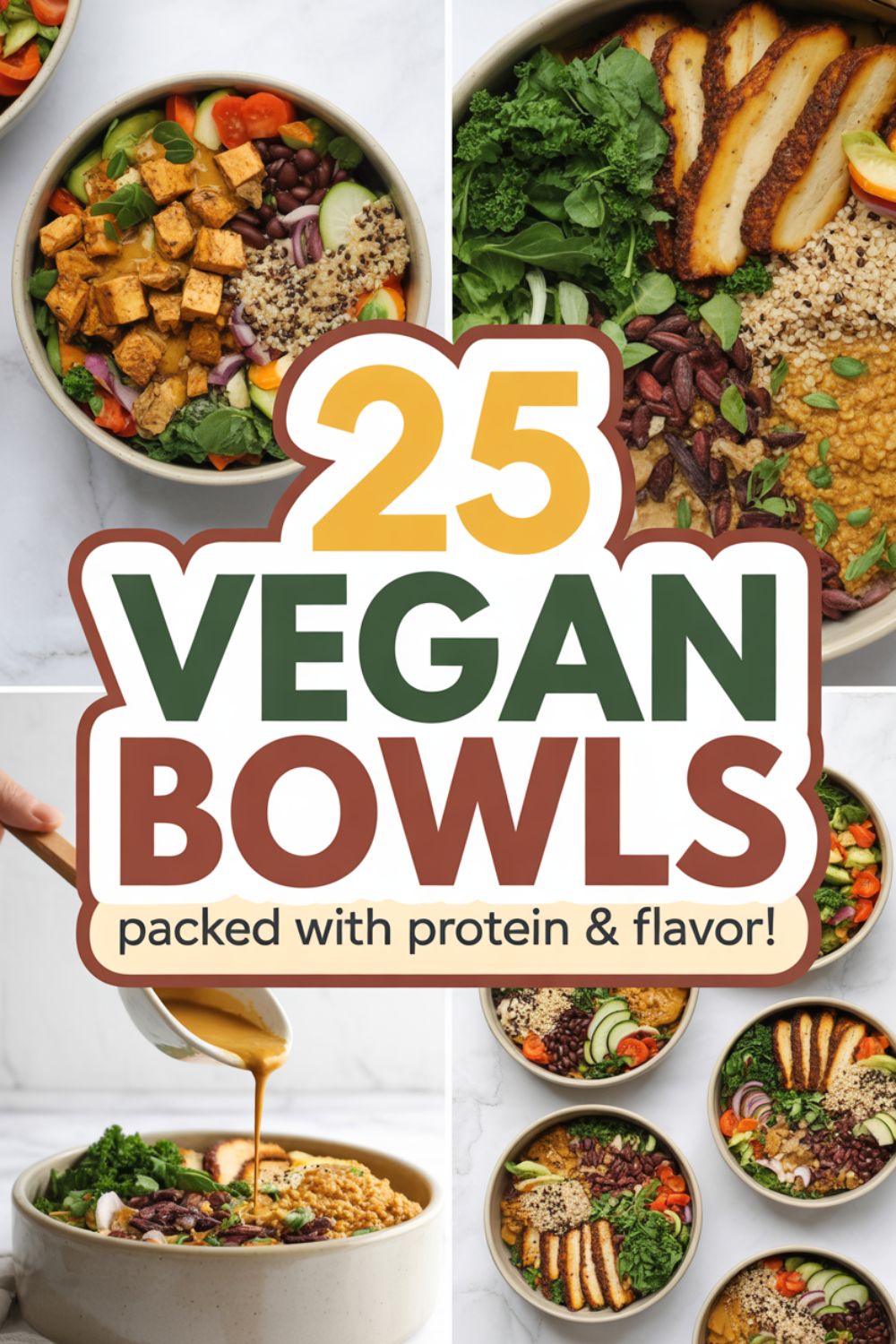
25 Vegan Bowls Packed with Protein and Flavor
Look, I get it. You’re trying to eat more plant-based meals, but you’re tired of feeling hungry an hour after dinner. You’ve been told that vegan food can’t possibly keep you full or give you enough protein. Here’s the thing though—that’s complete nonsense.
I’ve spent years perfecting vegan bowl recipes that actually satisfy, and I’m talking about meals that keep you going for hours without that annoying mid-afternoon crash. These aren’t your sad desk salads or those depressing steamed vegetable situations. These are legitimate, flavor-packed bowls that happen to be loaded with protein.
The secret? It’s all about combining the right ingredients. When you pair legumes with whole grains, toss in some nuts or seeds, and add the right sauces, you’re looking at 20-30 grams of protein per bowl. That’s more than some chicken breasts, FYI.
Why Plant-Based Protein Actually Works
Before we jump into the recipes, let’s clear up some myths. A lot of people think plant proteins are “incomplete” and won’t give you everything you need. But here’s what the science actually shows—research from UCLA Health confirms that eating a wide variety of plant-based proteins throughout the day provides all nine essential amino acids your body needs.
The real advantage? Plant proteins come packaged with fiber, vitamins, and minerals that animal proteins simply don’t have. Your body gets protein plus all these bonus nutrients that studies show can help with everything from blood sugar regulation to heart health.
Quinoa, for instance, is a complete protein all by itself—meaning it has all nine essential amino acids. Same goes for soy products like tofu and tempeh. But even when you’re working with “incomplete” proteins like beans or lentils, combining them with grains creates that complete protein profile your muscles need.
Pro Tip: Batch-cook your grains and proteins on Sunday. Store them separately in the fridge, and you can throw together these bowls in literally 10 minutes on busy weeknights. Your future self will thank you.
The Foundation: Building Your Perfect Protein Bowl
Every great vegan bowl starts with three key components: a base, a protein source, and toppings. Get these right, and you’re golden.
Choosing Your Base
Your base should be something substantial—this isn’t the place for baby spinach to shine. I’m talking about grains that can hold up to heavy toppings and soak up sauces. Quinoa is the obvious MVP here with 8 grams of protein per cooked cup. Brown rice, farro, and bulgur wheat are solid options too.
But don’t sleep on less common options like black rice (it’s nutty and dramatic-looking) or buckwheat groats. These ancient grains bring texture and flavor that regular rice just can’t match. Plus, when you’re meal prepping with quality glass storage containers, these grains stay fresh for days without getting mushy.
Speaking of bases, if you’re looking for more grain inspiration, these easy vegan meal prep ideas will give you tons of options for prepping bases ahead of time.
Loading Up on Protein
This is where the magic happens. Your protein layer should deliver at least 15-20 grams per serving. My go-to options include:
- Chickpeas: Roast them with spices until crispy, or mash them for a “tuna” salad vibe
- Lentils: Green, red, or black—each brings different texture and 18 grams of protein per cup
- Tofu: Press it properly and get it crispy. This makes or breaks the dish
- Tempeh: Nuttier than tofu and packed with probiotics
- Black beans: Especially good when you’re craving Mexican-inspired flavors
- Edamame: Pop them straight from frozen to steamer—easy protein boost
I use this tofu press religiously because nobody has time to balance heavy pans on tofu blocks. Twenty minutes in that thing and your tofu is ready to get perfectly crispy.
Meal Prep Essentials Used in These Bowls
25 Protein-Packed Vegan Bowl Recipes
Alright, let’s get into the actual recipes. I’ve organized these by flavor profile and protein content, so you can pick whatever sounds good and know you’re getting the nutrients you need.
Mediterranean-Inspired Bowls
1. Greek Goddess Bowl
Start with quinoa, add crispy chickpeas roasted with oregano and lemon zest, pile on cucumber, tomatoes, red onion, and Kalamata olives. Drizzle with tahini-lemon dressing. Protein: 22g
The trick here is roasting those chickpeas until they’re genuinely crispy—not just warm. Crank your oven to 425°F and don’t crowd the pan. I learned this the hard way after too many soggy chickpea disasters.
2. Falafel-Inspired Bowl
Use bulgur wheat as your base, top with baked falafel balls, shredded purple cabbage, pickled red onions, and fresh parsley. Add a dollop of hummus and some harissa for heat. Protein: 24g
Making falafel from scratch is easier than you think, especially with a good food processor. Just don’t use canned chickpeas—dried ones that you soak overnight are the move here.
3. Lemon-Herb Lentil Bowl
Green lentils over brown rice, roasted bell peppers, artichoke hearts, sun-dried tomatoes, and a generous handful of fresh dill. Top with a lemon-tahini sauce that’s more addictive than it has any right to be. Protein: 20g
For more Mediterranean meal inspiration that pairs perfectly with these bowls, check out these cozy vegan soups and stews.
Asian-Fusion Bowls
4. Teriyaki Tempeh Bowl
Black rice base, marinated tempeh strips (marinate them for at least an hour), steamed broccoli, edamame, shredded carrots, and sesame seeds. The teriyaki sauce? Make it yourself—it’s just soy sauce, rice vinegar, maple syrup, and ginger. Protein: 26g
“I made the teriyaki tempeh bowl three times last week. My meat-eating boyfriend didn’t even realize it was vegan until I told him. He’s now asking me to meal prep these every Sunday.” – Rachel from our community
5. Peanut-Ginger Tofu Bowl
Brown rice, crispy tofu cubes, snow peas, red cabbage, and that peanut sauce that makes everything taste incredible. Throw some crushed peanuts on top for extra crunch and protein. Protein: 23g
The peanut sauce is ridiculously easy—peanut butter, soy sauce, lime juice, maple syrup, and a splash of water to thin it out. Blend it in a small blender until smooth.
6. Korean BBQ Bowl
Seasoned quinoa, gochujang-glazed tofu, kimchi (the good fermented kind), sautéed spinach, pickled cucumbers, and a sprinkle of sesame seeds. This one has serious flavor depth. Protein: 21g
7. Thai Peanut Noodle Bowl
Swap the grain for rice noodles here. Add baked tofu, julienned vegetables, fresh cilantro, mint, and that peanut sauce again (told you it’s versatile). Top with crushed peanuts and lime wedges. Protein: 19g
8. Sesame-Orange Chickpea Bowl
Jasmine rice, chickpeas tossed in a sesame-orange glaze, steamed bok choy, shredded carrots, and green onions. Finish with a drizzle of sesame oil and orange zest. Protein: 18g
Mexican-Inspired Bowls
9. Burrito Bowl Supreme
Cilantro-lime rice, seasoned black beans, corn, pico de gallo, guacamole, and cashew sour cream. Add some jalapeños if you’re feeling brave. Protein: 22g
This is basically Chipotle at home, but better and cheaper. The cashew sour cream situation is unreal—just blend soaked cashews with lemon juice, apple cider vinegar, and salt.
10. Taco-Spiced Lentil Bowl
Brown rice, lentils cooked with taco seasoning, black beans, roasted peppers, avocado, and a drizzle of chipotle cashew cream. Top with crushed tortilla chips for crunch. Protein: 25g
Get Full Recipe for the chipotle cashew cream—it’s smoky, creamy, and I put it on everything.
11. Sweet Potato Black Bean Bowl
Quinoa base, roasted sweet potato cubes, black beans, corn, red cabbage slaw, and avocado-lime dressing. This one’s got that perfect sweet-savory balance. Protein: 20g
12. Southwestern Quinoa Bowl
Quinoa, pinto beans, roasted poblano peppers, cherry tomatoes, cilantro, and a creamy avocado-cilantro sauce. Add some pepitas for crunch and extra protein. Protein: 21g
Middle Eastern Bowls
13. Za’atar Chickpea Bowl
Freekeh or bulgur, chickpeas roasted with za’atar, roasted eggplant, cherry tomatoes, cucumber, and tahini sauce. Fresh mint makes it pop. Protein: 23g
Za’atar is this Middle Eastern spice blend that transforms everything it touches. You can find it at most grocery stores now, or make your own if you’re feeling ambitious.
14. Moroccan-Spiced Lentil Bowl
Couscous, red lentils cooked with cumin and coriander, roasted carrots, chickpeas, dried apricots, and a drizzle of harissa-yogurt sauce (use coconut yogurt). Protein: 22g
Quick Win: Cook a big batch of spiced lentils at the start of the week. They freeze beautifully and reheat in minutes. Suddenly you’re 5 minutes away from dinner every night.
15. Shawarma-Style Bowl
Rice pilaf, spiced chickpeas and cauliflower, diced cucumber and tomatoes, pickled turnips, and garlic-tahini sauce. This tastes just like street food. Protein: 20g
Comfort Food Bowls
16. BBQ Chickpea Bowl
Brown rice, BBQ chickpeas (just toss them in your favorite sauce and bake), corn, coleslaw, pickled red onions, and ranch dressing made from cashews. Southern comfort, vegan style. Protein: 21g
If you’re into this style of cooking, you’ll love these easy vegan dinner recipes that bring similar comfort food vibes.
17. Buffalo Cauliflower Bowl
Quinoa, buffalo-roasted cauliflower, shredded romaine, chickpeas, cherry tomatoes, and ranch dressing. All the buffalo wing flavor without the mess. Protein: 19g
18. Mac and Cheese Bowl
Yes, really. Base of quinoa, vegan mac and cheese, roasted broccoli, chickpeas, and a sprinkle of nutritional yeast. It’s ridiculous and delicious. Protein: 24g
The mac and cheese comes together with cashews, nutritional yeast, and a secret ingredient—white miso paste. Trust me on this one.
19. Cajun Red Beans and Rice Bowl
Brown rice, red beans cooked with Cajun spices, sautéed peppers and onions, collard greens, and hot sauce. This bowl has soul. Protein: 20g
Tools & Resources That Make Cooking Easier
Breakfast Bowls (Yes, They Count!)
20. Savory Breakfast Bowl
Quinoa, black beans, sautéed spinach, roasted sweet potato, avocado, and salsa. Who says bowls are just for lunch and dinner? Protein: 21g
This is my go-to when I’m tired of sweet breakfasts. It keeps me full until lunch without that sugar crash. For more morning meal ideas, these vegan breakfast ideas will keep your mornings interesting.
21. Mediterranean Breakfast Bowl
Farro, white beans, roasted tomatoes, wilted spinach, olives, and tahini drizzle. Add some fresh herbs and lemon zest. Protein: 19g
Light But Filling Bowls
22. Summer Roll Bowl
Rice vermicelli, crispy tofu, cucumber, carrots, fresh herbs (mint, cilantro, Thai basil), and peanut sauce. All the flavors of summer rolls without the rolling. Protein: 18g
These also make fantastic quick vegan lunches that you can pack for work. Just keep the sauce separate until you’re ready to eat.
23. Rainbow Buddha Bowl
Mixed grains, chickpeas, rainbow of roasted vegetables (beets, carrots, sweet potato, broccoli), and a ginger-tahini dressing. This one’s as pretty as it is nutritious. Protein: 20g
24. Green Goddess Bowl
Quinoa, edamame, cucumber, avocado, snap peas, and a creamy herb dressing packed with basil, parsley, and cilantro. Light but surprisingly filling. Protein: 22g
Get Full Recipe for the green goddess dressing—it’s made with hemp seeds for extra protein and omega-3s.
High-Protein Power Bowls
25. Ultimate Protein Bowl
Quinoa, black beans, chickpeas, tofu, edamame, and hemp hearts. Yeah, it’s protein overkill, but sometimes you need that post-workout fuel. Add whatever vegetables you want and a tahini-miso dressing. Protein: 35g
This is the bowl I make when I’ve had a tough workout or know I won’t have time to eat again for hours. It sounds like a lot, but the flavors work surprisingly well together.
If you’re serious about high-protein eating, definitely check out these high-protein vegan meals for even more ideas.
The Sauce Situation
Look, you can have the perfect combination of grains, proteins, and vegetables, but if your sauce game is weak, the whole bowl falls apart. Sauces are what transform a pile of food into an actual meal.
My most-used sauces are ridiculously simple. Tahini-based sauces are my default—tahini, lemon juice, garlic, water, salt. Blend it until smooth and adjust the consistency. That’s it. You can add different spices to change the flavor profile (cumin for Middle Eastern, ginger for Asian, chipotle for Mexican).
Cashew-based sauces are the other workhorse in my kitchen. Soak raw cashews for a few hours, blend them with water and whatever flavorings you want. You can make ranch, caesar, alfredo, or even a cheese sauce with this basic technique.
I keep this immersion blender next to my stove because it makes blending sauces so much easier than dragging out the big blender every time.
“Started making these bowls for meal prep and I’ve saved so much money on takeout. Plus I actually look forward to lunch now instead of dreading another sad sandwich. Down 12 pounds in two months without even trying.” – Marcus from our community
Meal Prepping These Bowls Like a Pro
Here’s the system that actually works for me. Sunday afternoon, I cook 3-4 different grains, 2-3 proteins, and roast a bunch of vegetables. Everything gets stored separately in those glass containers I mentioned earlier.
Then during the week, I just mix and match based on what sounds good. Monday might be quinoa with teriyaki tempeh and Asian vegetables. Tuesday could be the same quinoa with BBQ chickpeas and different toppings. You’re not eating the exact same thing, but you’re using pre-prepped components.
The key is keeping your sauces separate until you’re ready to eat. Nothing worse than a soggy bowl that’s been sitting in sauce for three days.
Pro storage tip: Use small silicone containers for your sauces and dressings. They’re the perfect portion size and don’t take up much room in your bag.
Pro Tip: Roast different vegetables on separate parts of the same sheet pan. Just section it off with a piece of foil. Carrots need longer than broccoli, so add the quick-cooking stuff halfway through.
IMO, meal prepping is the only reason I manage to eat well during busy weeks. Without those pre-cooked components in the fridge, I’d be ordering takeout every night.
Sneaky Ways to Boost Protein Even More
Sometimes you need that extra protein push. Here are my favorite add-ins that won’t mess with the flavor of your bowl:
- Hemp hearts: 3 tablespoons = 10g protein. Nutty flavor, soft texture, works in literally everything
- Nutritional yeast: Cheesy flavor + protein + B vitamins. Sprinkle generously
- Sunflower seeds: Cheaper than nuts, similar protein content, adds crunch
- Pumpkin seeds: Roast them with spices for a killer topping
- Vegan protein powder: Blend it into your sauces. Sounds weird, works great
That last one is a game-changer when you need to hit higher protein targets. A scoop of unflavored protein powder in your cashew sauce or tahini dressing adds 20g protein without changing the taste much.
What About Fiber and Digestion?
Real talk—when you suddenly start eating a ton of beans and lentils, your digestive system might protest. This is normal and temporary.
Start with smaller portions of legumes and gradually increase over a couple weeks. Your gut bacteria need time to adjust. Also, rinse your canned beans thoroughly (or better yet, cook them from dry and add kombu to the water). These simple steps reduce the compounds that cause gas.
Drinking plenty of water is crucial when you’re eating this much fiber. Like, more water than you think you need. Your digestive system will thank you.
And honestly? The fiber is one of the biggest benefits here. Most people don’t get anywhere near enough. These bowls will get you to the recommended 25-35 grams per day without even trying.
Budget-Friendly Bowl Building
One of the best things about these bowls? They’re cheap. Dried beans and lentils cost almost nothing. Rice and grains are budget-friendly staples. The most expensive components are usually the toppings and sauces.
Shop sales for your vegetables and don’t be afraid of frozen options. Frozen edamame, corn, and peas are just as nutritious as fresh and often cheaper. I keep freezer-safe bags stocked with these staples.
Buy your nuts and seeds in bulk from the bulk bins at health food stores—way cheaper than those tiny packages. Same with spices. Those little glass jars at regular grocery stores are a ripoff.
If you’re watching your budget, check out these healthy vegan snacks that won’t break the bank either.
Common Mistakes to Avoid
Under-seasoning your components. Each element of your bowl should be seasoned as you cook it. Don’t rely on the sauce to do all the flavor work. Season your grains while cooking, season your proteins, season your vegetables before roasting.
Soggy roasted vegetables. Don’t crowd the pan. Give your vegetables room to breathe or they’ll steam instead of roast. High heat, single layer, don’t touch them too much.
Sad, mushy tofu. Press it properly. Dry it thoroughly. Cook it on high heat. Don’t flip it until it releases easily from the pan. These simple steps are the difference between amazing crispy tofu and disappointing mush.
Not having enough texture variety. You need soft (avocado, sauce), crunchy (seeds, crispy chickpeas), and chewy (grains, proteins) elements. A bowl that’s all one texture is boring.
Ignoring acid and fat. These are what make food taste good. Add a squeeze of lemon or lime. Don’t skip the avocado or tahini. These components make everything more satisfying.
Making Bowls Work for Your Goals
Whether you’re trying to build muscle, lose weight, or just eat healthier, these bowls adapt easily.
For muscle building: Focus on the high-protein bowls and add extra protein boosters like hemp hearts and protein powder in your sauces. Eat larger portions. Include more calorie-dense ingredients like nuts and avocado.
For weight loss: Load up on the vegetables and use grains more as a side component than the base. Keep portions of calorie-dense toppings moderate. The fiber and protein will still keep you full.
For general health: Aim for rainbow colors in your bowl—different colored vegetables contain different nutrients. Rotate your protein sources throughout the week.
These principles apply whether you’re making these specific bowls or experimenting with your own combinations from these vegan meal prep ideas.
Frequently Asked Questions
Can I really get enough protein from plants to build muscle?
Absolutely. These bowls provide 18-35 grams of protein per serving, which is plenty for muscle building when combined with proper training. The key is eating a variety of plant proteins throughout the day to get all essential amino acids. Athletes have been thriving on plant-based diets for years—it’s totally doable and backed by science.
How long do these meal-prepped bowls last in the fridge?
Cooked grains and proteins stay fresh for 4-5 days when stored properly in airtight containers. I recommend storing components separately and assembling your bowls throughout the week. Keep sauces separate until you’re ready to eat to prevent sogginess. Raw vegetables should be added fresh for best texture.
What if I don’t like certain ingredients like tempeh or tahini?
That’s the beauty of these bowls—they’re totally customizable. Don’t like tempeh? Use tofu or chickpeas instead. Not a fan of tahini? Try cashew-based sauces or a simple olive oil and lemon dressing. The component-based approach means you can swap in your favorites while still hitting your protein targets.
Are these bowls suitable for kids?
Definitely! Kids often love bowl-style meals because they can see all the components and choose what to try. Start with milder flavors if your kids are picky, and let them help assemble their own bowls. The protein and fiber will keep them full and energized way better than processed snacks.
Do I need expensive equipment to make these bowls?
Not at all. A basic pot for cooking grains, a baking sheet for roasting, and a blender for sauces are all you really need. The specialty tools I mentioned make things easier and faster, but they’re not essential. Start with what you have and upgrade later if you find yourself making these bowls regularly.
Your Bowl Building Adventure Starts Now
Here’s the thing about these vegan protein bowls—they’re not some trendy diet thing that’ll fizzle out next month. This is just smart, practical cooking that happens to be plant-based and protein-packed.
Start with one or two bowls that sound good to you. Get the technique down. Figure out which combinations you actually enjoy eating. Then branch out and experiment with different flavors and ingredients.
The goal isn’t perfection. It’s about having reliable, satisfying meals that support your health without making you feel like you’re missing out. These bowls do exactly that.
And when someone inevitably asks you where you get your protein (because they will), just smile and tell them about your favorite bowl. Better yet, make them one. Nothing converts people faster than actually tasting how good this food can be.
Now go raid your pantry, pick a bowl, and get cooking. Your taste buds and your body will thank you.