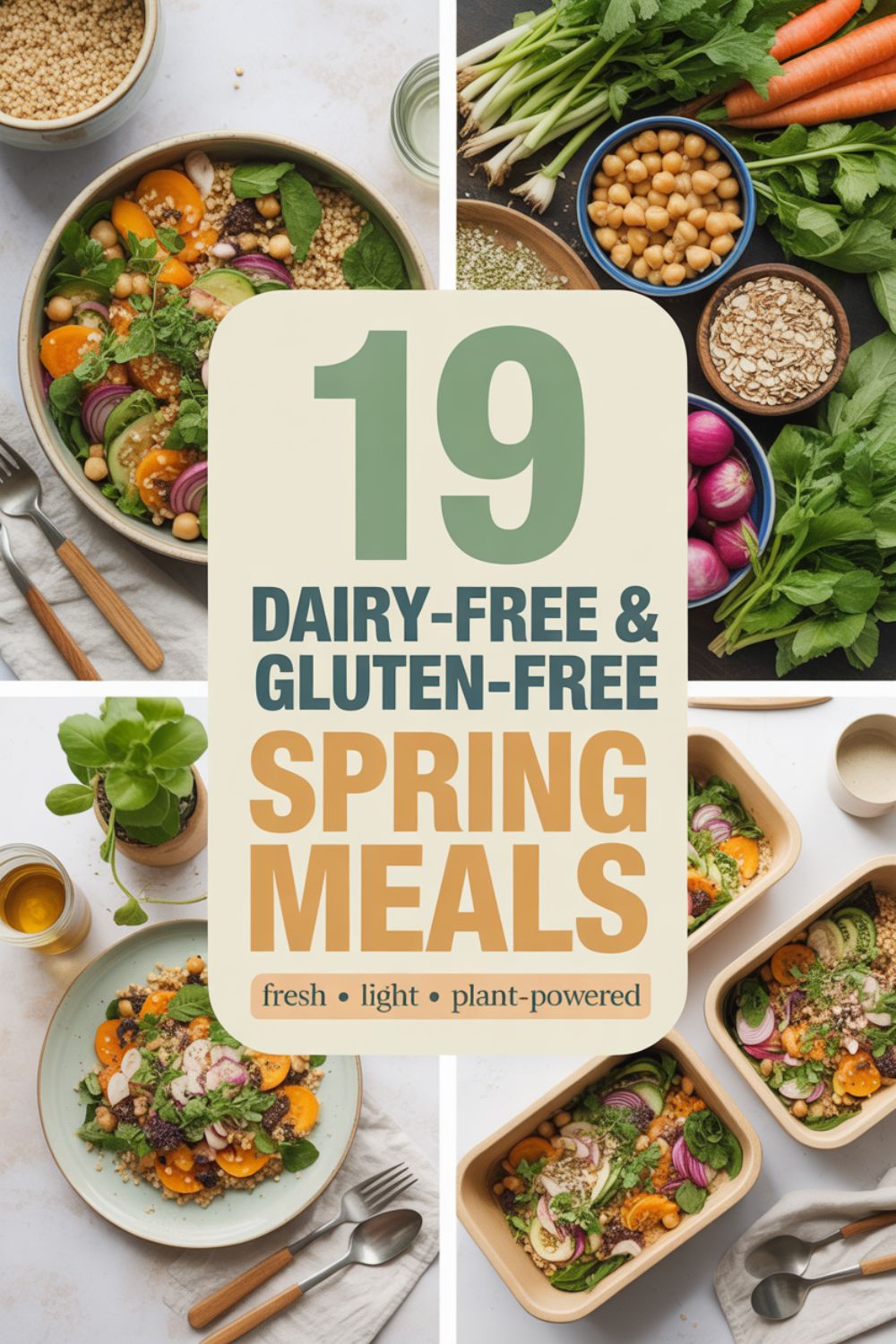
19 Dairy-Free & Gluten-Free Spring Meals
Spring hits different when your fridge is stocked with meals that don’t make you feel like you’re missing out. You know that sluggish feeling after eating foods your body just doesn’t vibe with? Yeah, I’m over that too.
Going dairy-free and gluten-free doesn’t mean settling for boring salads or overpriced specialty products that taste like cardboard. I’ve spent the last few seasons figuring out what actually works—meals that taste good, keep you energized, and don’t require a culinary degree to pull off.
These 19 spring meals lean into seasonal produce without making you feel deprived. We’re talking bright flavors, satisfying textures, and zero afternoon crashes. Whether you’re dealing with sensitivities or just curious about how ditching dairy and gluten might make you feel, this list has your back.
Why Dairy-Free and Gluten-Free Makes Sense in Spring
Spring vegetables are naturally gluten-free, and most don’t need heavy cream or cheese to shine. Asparagus, snap peas, radishes, and fresh herbs basically beg for simple preparation. When you’re working with produce this good, you don’t need to mask it.
I notice a difference in my energy when I eat lighter during warmer months. Heavy pasta dishes and cheese-loaded casseroles hit different in February than they do in April. Your body tends to crave what it needs, and in spring, that usually means crisp textures and bright flavors.
The Mayo Clinic notes that people often report improved energy and better digestion when they eliminate gluten, especially if they have sensitivities. Dairy can cause similar issues—bloating, sluggishness, skin problems. Spring feels like the perfect time to reset.
Breakfast Ideas That Actually Fill You Up
1. Strawberry Chia Pudding with Coconut Milk
This one’s stupid easy. Mix chia seeds with coconut milk the night before, top with fresh strawberries in the morning. The chia seeds expand and create this pudding-like texture that’s surprisingly satisfying. I add a drizzle of maple syrup and some sliced almonds for crunch.
Chia seeds pack serious omega-3s and fiber, which keeps you full way longer than most breakfast options. Plus, they’re completely neutral in flavor, so you’re really just tasting the coconut and berries.
2. Sweet Potato Hash with Asparagus and Avocado
Dice sweet potatoes small, crisp them up in a pan with some olive oil, then toss in chopped asparagus toward the end. Top with sliced avocado and a squeeze of lime. It’s filling without being heavy, and the asparagus adds this slight bitterness that balances the sweet potato.
I use this cast iron skillet for the hash—it gets everything crispy without sticking, and cleanup is a breeze.
3. Banana Oat Pancakes (Gluten-Free Oats)
Blend oats, banana, and a splash of almond milk. That’s it. Pour onto a hot pan and you’ve got pancakes that hold together surprisingly well. They’re not fluffy like traditional pancakes, but they’re satisfying and don’t leave you in a food coma.
These work great for meal prep—make a batch on Sunday, refrigerate, and reheat throughout the week. Way better than reaching for processed breakfast options when you’re rushed.
Light Lunches That Keep You Going
4. Spring Pea and Mint Soup
Blend cooked peas with vegetable broth, fresh mint, and a squeeze of lemon. Serve it chilled or warm. The mint makes it feel fresh without being weird, and the peas give it enough body that it doesn’t feel like you’re just drinking broth.
This soup comes together in about 15 minutes, which is clutch when you’re working from home and need something quick. If you’re looking for more quick options, check out these quick vegan lunches you can pack for work.
5. Quinoa Bowl with Roasted Radishes and Lemon Tahini Dressing
Roasted radishes are underrated. They lose that sharp bite and get almost sweet. Toss them with cooked quinoa, some arugula, and drizzle with tahini thinned out with lemon juice and water. The tahini adds creaminess without dairy.
Quinoa is one of those rare plant-based complete proteins, meaning it has all nine essential amino acids. It’s also naturally gluten-free and cooks in about 15 minutes, making it perfect for vegetarian meal prep.
6. Cucumber Avocado Rolls with Almond Butter Dipping Sauce
Use a vegetable peeler to create thin cucumber strips, fill with avocado and shredded carrots, roll them up. The almond butter dipping sauce—just almond butter thinned with a bit of water and tamari—makes it feel more substantial.
I prep these with this veggie peeler that actually stays sharp. Nothing worse than fighting with dull kitchen tools when you’re trying to eat healthy.
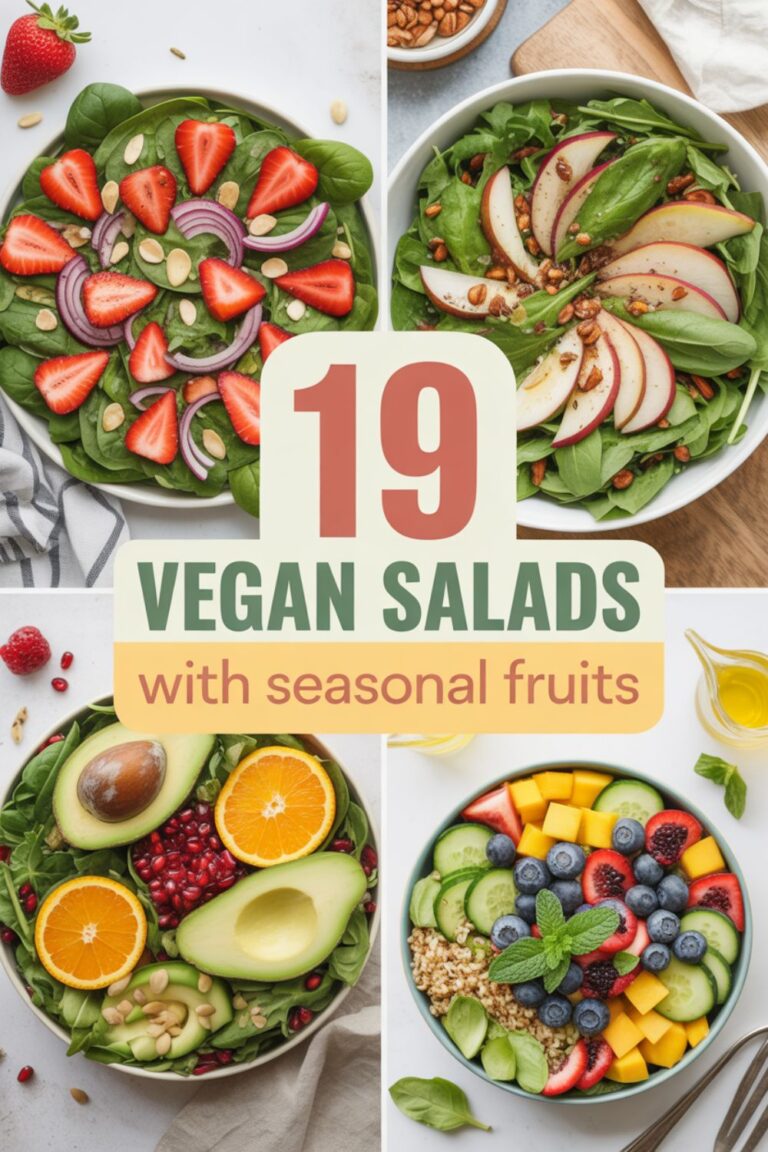
Speaking of fresh spring flavors, you might also love these fresh vegan meals for spring or these fresh and filling vegan salad recipes.
Satisfying Dinners Without the Heaviness
7. Lemon Herb Cauliflower Steaks with Roasted Carrots
Slice cauliflower into thick “steaks,” brush with olive oil and herbs, roast until golden. Serve alongside carrots roasted with cumin and a touch of maple syrup. The cauliflower gets crispy on the edges while staying tender in the middle.
This meal feels substantial without making you want to nap immediately after. The carrots add natural sweetness that plays well with the savory cauliflower.
8. Zucchini Noodles with Pesto and Cherry Tomatoes
Make dairy-free pesto by swapping nutritional yeast for parmesan. Toss with spiralized zucchini and halved cherry tomatoes. The nutritional yeast gives it that cheesy, umami flavor without any dairy.
I use this spiralizer for zucchini noodles—takes about two minutes to prep enough for two people. Way faster than boiling water for regular pasta, and you skip the post-pasta bloat.
9. Stuffed Bell Peppers with Wild Rice and Mushrooms
Cook wild rice (it’s actually gluten-free despite the name), sauté mushrooms until they release their moisture, mix together with fresh thyme. Stuff into halved bell peppers and roast. The mushrooms add meatiness, and the wild rice has this nutty flavor that regular white rice doesn’t.
Wild rice takes longer to cook than regular rice—about 45 minutes—but you can batch cook it and use it throughout the week in different meals. Get Full Recipe for detailed timing and temperatures.
10. Moroccan-Spiced Chickpea Stew
Sauté onions, add chickpeas, diced tomatoes, and Moroccan spices (cumin, coriander, cinnamon). Let it simmer. The cinnamon might sound weird in a savory dish, but it adds this warm depth that makes the stew feel complex.
This stew is even better the next day after the flavors meld. I make a big batch and freeze half for those nights when cooking feels impossible. Pair it with these high-protein vegan meals throughout the week for variety.
11. Grilled Portobello Mushrooms with Balsamic Glaze
Marinate portobello caps in balsamic vinegar, garlic, and olive oil. Grill until tender. The mushrooms get this almost steak-like texture, and the balsamic caramelizes into this sweet-tangy glaze.
Serve over a bed of arugula or alongside roasted potatoes. I’ve served these to non-vegan friends who legitimately didn’t miss meat. The umami in mushrooms is real.
Meal Prep Essentials Used in This Plan
Look, I’m not about to recommend stuff I don’t actually use. These are the products and resources that make dairy-free, gluten-free cooking way less annoying:
Physical Products:
- Glass meal prep containers – I’m obsessed with these for storing prepped vegetables and cooked grains. They don’t stain, don’t hold smells, and you can see what’s inside without opening them.
- High-speed blender – For smoothies, soups, and sauces. Mine gets chia pudding completely smooth and makes dairy-free pesto in 30 seconds.
- Silicone baking mats – Nothing sticks to these. I use them for roasting vegetables, and cleanup is basically non-existent. Worth every penny.
Digital Resources:
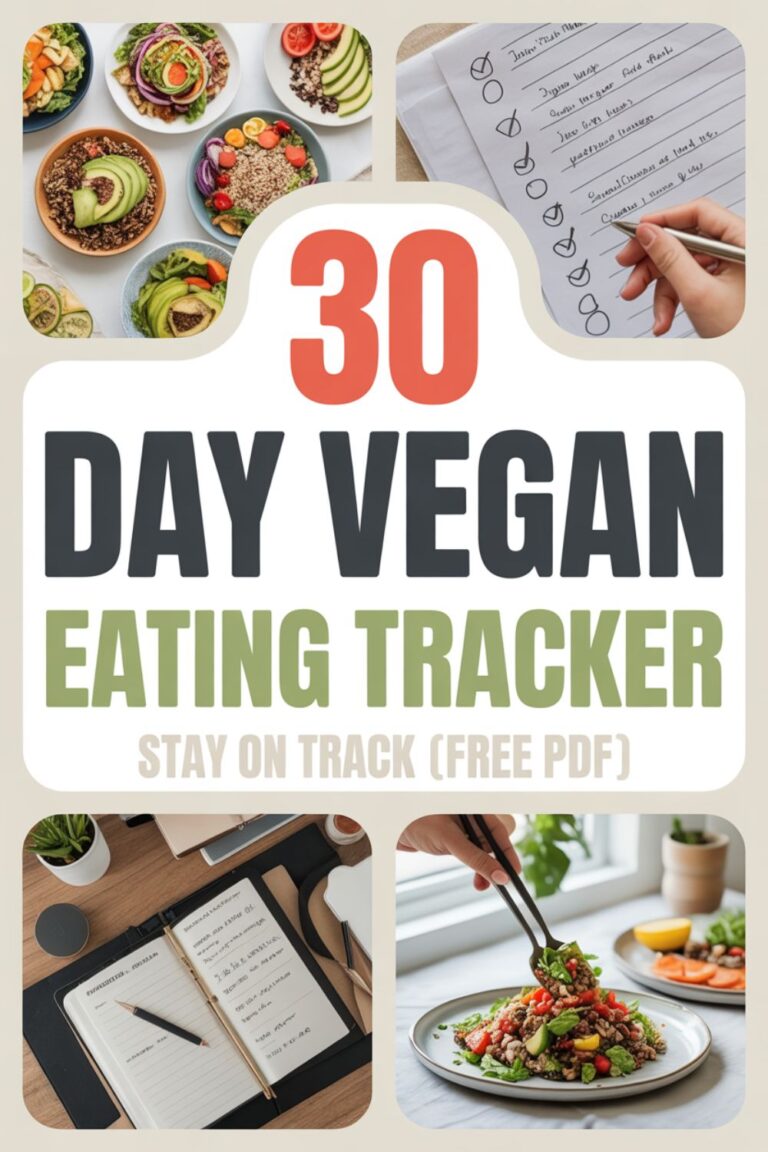
- 30-Day Vegan Challenge (Free Download) – Great if you’re transitioning and need structure.
- The Ultimate Vegan Grocery List (Free Printable) – I keep this on my phone when shopping. Saves so much decision fatigue.
- 21-Day Vegan Smoothie Plan (Printable Guide) – When breakfast feels repetitive, this helps mix things up.
Snacks and Sides Worth Making
12. Roasted Chickpeas with Smoked Paprika
Drain and dry chickpeas completely, toss with olive oil and smoked paprika, roast at 400°F until crispy. These are dangerously addictive. The key is getting them really dry before roasting—pat them down with a kitchen towel.
They stay crispy for about two days if you store them in an open container. Putting them in a sealed container makes them go soft, which defeats the purpose. If you need more snack ideas, check out these healthy and satisfying vegan snacks.
13. Spring Vegetable Fritters
Grate zucchini and carrots, squeeze out excess moisture, mix with chickpea flour and fresh dill. Pan-fry until golden. Chickpea flour acts as the binder (no eggs needed) and adds protein.
These fritters work as a side dish or a light meal. I usually make a double batch because they disappear fast. The dill is important—it adds brightness that elevates the whole thing.
14. Dairy-Free Ranch Dip with Raw Vegetables
Blend cashews (soaked for a few hours), lemon juice, garlic, dill, and water until smooth. This ranch is legit—creamy, tangy, and works perfectly with raw spring vegetables like snap peas, radishes, and carrots.
The soaking step is annoying but necessary. It’s what makes the cashews blend into that silky texture. I use this small food processor specifically for making dips and sauces—easy to clean and doesn’t take up much counter space.
Looking for more ways to use spring vegetables? These vegetarian salads that aren’t boring might give you some inspiration.
Tools & Resources That Make Cooking Easier
Here’s what actually makes a difference in my kitchen:
Kitchen Tools:
- Quality chef’s knife – Sounds basic, but a sharp knife makes vegetable prep about 10 times faster and way less frustrating.
- Microplane grater – For zesting lemons, grating garlic, and adding fresh nutmeg to dishes. Small tool, big impact.
- 7 Kitchen Tools Every Vegan Home Cook Needs – More detailed breakdown of what’s actually worth buying.
Ingredient Resources:
- 12 Dairy-Free Milks Compared – Because they’re not all created equal, and some work better for cooking than others.
- 10 Best Vegan Butter & Cheese Alternatives – The brands that actually taste good and melt properly.
- 12 High-Protein Vegan Pantry Essentials – Stock these and you’ll always have options for quick meals.
Sweet Treats for Spring
15. Strawberry Coconut Ice Cream
Blend frozen strawberries with full-fat coconut milk and a touch of maple syrup. Eat immediately for soft-serve texture, or freeze for a firmer consistency. The coconut milk makes it creamy without any dairy, and the strawberries are naturally sweet enough that you barely need added sweetener.
This is one of those recipes that feels too simple to work, but it genuinely rivals regular ice cream. Lisa from our community made this for her kids, and they had no idea it wasn’t “real” ice cream.
16. Lemon Almond Flour Cookies
Mix almond flour, coconut oil, lemon zest, and a bit of maple syrup. Bake until the edges turn golden. These cookies are chewy in the middle with slightly crispy edges. The almond flour keeps them gluten-free while adding protein.
I sometimes add poppy seeds for texture and that classic lemon-poppy combination. They keep well for about five days in an airtight container.
17. Coconut Milk Panna Cotta with Berries
Heat coconut milk with agar-agar (instead of gelatin), add vanilla, pour into ramekins and chill. Top with fresh berries. It’s elegant enough for dinner guests but easy enough for a random Tuesday.
Agar-agar is plant-based and sets at room temperature, which is wild. You can find it at most health food stores or Asian markets. For more dessert ideas, these vegan desserts are legitimately good.
Meal Ideas That Travel Well
18. Mason Jar Spring Salads
Layer dressing at the bottom, then sturdy vegetables (chickpeas, cucumbers), then greens on top. When you’re ready to eat, shake it up. The layering keeps everything fresh, and the greens don’t get soggy.
I use wide-mouth mason jars because they’re easier to eat from and actually fit a proper portion. Regular-mouth jars are too narrow for getting a fork in there comfortably.
19. Energy Balls with Dates and Sunflower Seeds
Blend dates, sunflower seeds, and a pinch of sea salt. Roll into balls. These are clutch for afternoon energy dips or pre-workout fuel. The dates provide natural sweetness and quick energy, while the seeds add protein and healthy fats.
They’re also great for back-to-school lunch ideas if you’re packing for kids. No refrigeration needed, and they hold up well in a lunchbox.
Making It Work Long-Term
The hardest part about eating dairy-free and gluten-free isn’t the actual food—it’s the planning. You can’t just grab whatever’s convenient anymore, at least not at first. Once you figure out your go-to meals and stock your pantry, it gets way easier.
I keep certain staples on hand always: canned chickpeas, coconut milk, gluten-free oats, quinoa, almond butter, and a variety of spices. With those basics, I can throw together a meal without much thought.
Batch cooking is your friend. Make a big pot of quinoa, roast a sheet pan of vegetables, prep some chickpeas. Having these ready in the fridge means you’re always 10 minutes away from a decent meal. Check out these vegan bowls you’ll meal prep every week for more assembly ideas.
Don’t try to replicate your old meals exactly. Gluten-free bread will never taste exactly like regular bread, and dairy-free cheese has its own thing going on. Instead, focus on meals that are naturally free of these ingredients and happen to be delicious—like most of the recipes on this list.
Frequently Asked Questions
Can you get enough protein on a dairy-free and gluten-free diet?
Absolutely. Quinoa, chickpeas, lentils, nuts, seeds, and tofu are all naturally gluten-free and dairy-free while being solid protein sources. The key is eating a variety of these foods throughout the day rather than relying on just one. If you’re concerned about protein, these high-protein vegetarian meals might help.
Is eating gluten-free and dairy-free expensive?
It can be if you buy a lot of specialty products. But if you focus on whole foods—vegetables, fruits, beans, rice, potatoes—it’s actually pretty affordable. A bag of lentils costs less than most gluten-free bread, and fresh produce is often cheaper than packaged dairy alternatives. The expense comes when you try to replace every conventional product with a gluten-free or dairy-free version.
How do you handle eating out on a dairy-free and gluten-free diet?
Most restaurants are getting better about accommodations. I usually check the menu online first and call ahead if needed. Mexican, Thai, and Mediterranean restaurants tend to have more naturally compatible options. Don’t be shy about asking how things are prepared—most servers are happy to check with the kitchen. Worst case, you can usually get a grilled protein with vegetables and a simple salad.
Will I lose weight going dairy-free and gluten-free?
Maybe, but it’s not guaranteed. Some people lose weight because they end up cutting out a lot of processed foods. Others don’t see much change because they replace regular products with gluten-free or dairy-free versions that have similar calorie counts. Weight loss depends more on overall calorie intake and activity level than specific food restrictions.
Can kids thrive on a dairy-free and gluten-free diet?
Yes, with proper planning. Kids need calcium, vitamin D, and enough calories for growth. You can get calcium from fortified plant milks, leafy greens, and tahini. Vitamin D often requires supplementation regardless of diet. The main thing is making sure they’re eating enough variety and not just living on french fries and fruit. If you’re feeding kids this way, consulting with a pediatric nutritionist can give you peace of mind.
Related Recipes You’ll Love
Looking for more ways to make dairy-free and gluten-free eating work for your life? Here are some recipes that pair perfectly with this spring meal plan:
More Seasonal Ideas:
Quick Meal Solutions:
- 25 Easy Vegan Dinner Recipes
- 20 Vegan Breakfasts in 10 Minutes
- 12 Vegetarian Lunches That Keep You Full
Final Thoughts
Spring is honestly the easiest season to eat dairy-free and gluten-free. The produce does most of the heavy lifting, and you’re not fighting cravings for heavy comfort food the way you might in winter.
These 19 meals aren’t revolutionary, but they work. They’re the kind of food you’ll actually make on a Tuesday night when you’re tired, not just recipes you save and never look at again. They use ingredients you can find at a regular grocery store, and most come together in under 30 minutes.
Start with two or three recipes that sound good to you. Make them part of your regular rotation. Once they feel automatic, add another couple. Building habits beats trying to overhaul everything at once.
Your body will tell you if this way of eating works for you. Some people feel dramatically better, others notice subtle improvements. Either way, spring is a good time to experiment. The worst that happens? You eat a bunch of fresh vegetables and feel fine. Not exactly a downside.