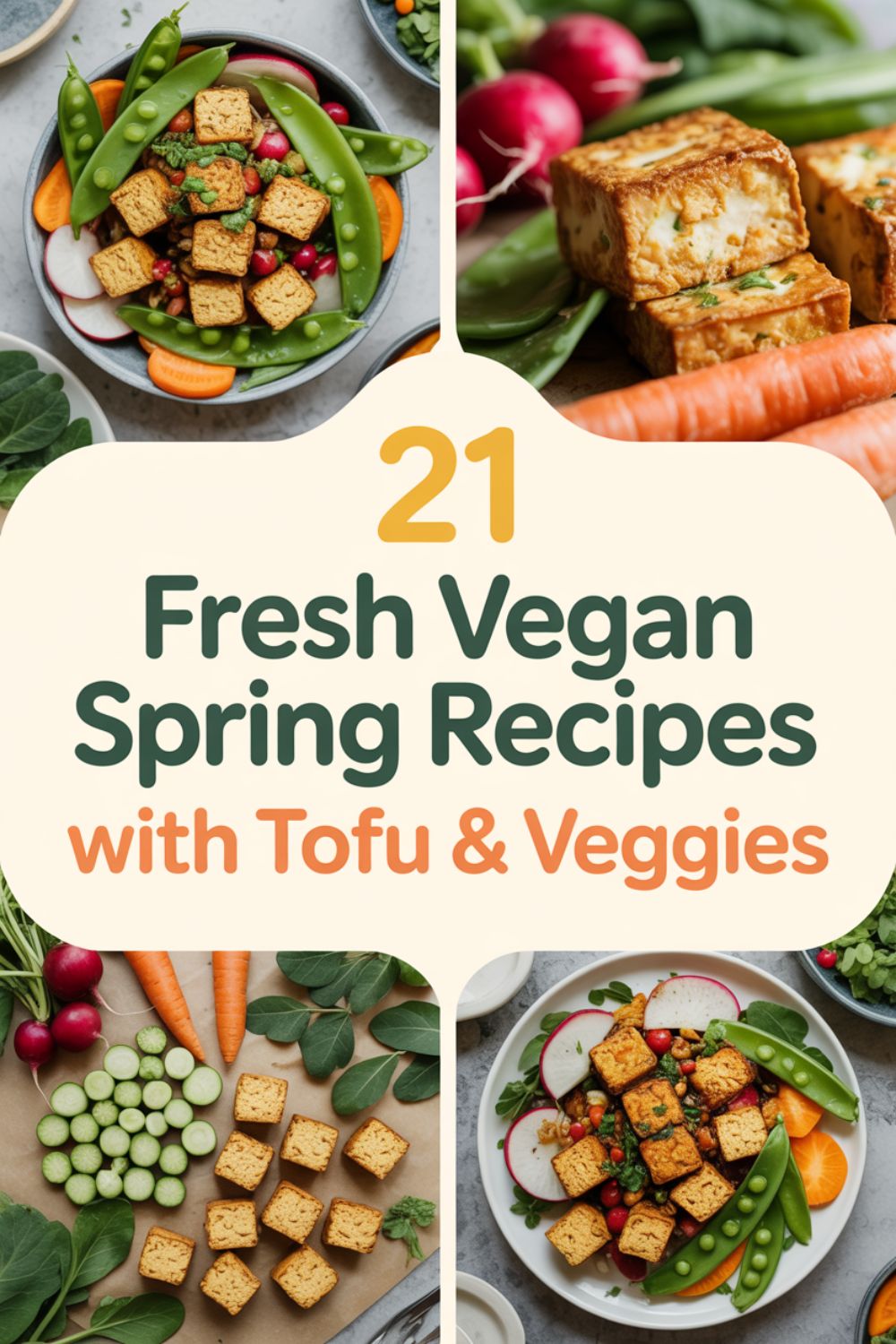
21 Fresh Vegan Spring Recipes with Tofu and Veggies
Spring just hit different this year, doesn’t it? One week I’m drowning in winter soup leftovers, the next I’m staring at crisp asparagus stalks at the farmers market like they’re long-lost friends. If you’re anything like me, you’ve been waiting months to cook with something that isn’t a root vegetable or canned tomatoes.
Here’s the thing about spring cooking—tofu becomes your secret weapon. I know, I know, you’ve heard the tofu hype before. But when you pair it with fresh spring vegetables like snap peas, baby carrots, and tender greens, something magical happens. The textures work together, the flavors actually pop, and suddenly you’re not forcing down healthy food—you’re genuinely excited about it.
I’ve spent the last few weeks testing combinations that actually make sense for real life. No seventeen-ingredient marinades or hard-to-find vegetables that cost more than my phone bill. Just 21 solid recipes that use what’s actually in season right now, work with firm or extra-firm tofu, and won’t leave you hungry an hour later.
Why Tofu and Spring Vegetables Actually Work Together
Look, tofu gets a bad rap from people who’ve only ever had it rubbery and flavorless. But spring vegetables have this light, crisp quality that complements tofu’s mild character instead of fighting against it. The key is understanding that tofu isn’t trying to be chicken—it’s its own thing.
According to research from Harvard Health, tofu delivers complete protein with all nine essential amino acids your body needs. Half a cup of firm tofu packs about 22 grams of protein, which is honestly more than most people realize. It’s also rich in calcium, iron, and those isoflavones everyone talks about.
Spring vegetables bring their own nutritional firepower. Asparagus loads you up with folate and vitamin K. Snap peas deliver fiber and vitamin C. Baby spinach throws in iron and antioxidants. When you combine these with tofu’s protein density, you’re building meals that actually fuel your body instead of just filling space on a plate.
The texture contrast matters more than you’d think. Crispy spring vegetables against silky or crispy tofu creates actual interest in every bite. I’ve served these combos to friends who claimed they “don’t do tofu,” and they’ve gone back for seconds without realizing what they’re eating.
If you’re looking to build out your vegan cooking skills beyond just spring recipes, I’ve found that having a solid meal prep strategy makes everything more manageable during busy weeks.
The Best Spring Vegetables to Pair with Tofu
Not all vegetables work equally well with tofu, and spring gives us some genuinely perfect options. I’m talking about produce that’s naturally sweet, tender, and doesn’t require drowning in heavy sauces to taste good.
Asparagus
Asparagus season is criminally short, so when those bright green spears show up fresh, you grab them. They roast beautifully alongside marinated tofu, and the slight bitterness plays well against tofu’s neutral base. According to nutrition research from Signos, asparagus is loaded with folate, potassium, and fiber, making it a nutritional powerhouse for spring meals.
I usually snap off the woody ends (they break naturally at the right spot), toss the spears with a little olive oil spray, and roast them at 425°F while the tofu crisps up in a separate pan. The timing works out perfectly if you start the tofu first.
Snap Peas and Sugar Snap Peas
These are the vegetables that make stir-fries worth eating. They stay crunchy even after cooking, they’re sweet without being cloying, and they’re one of the few vegetables my picky-eater nephew will actually consume without complaint. That’s a win in my book.
One cup of snap peas gives you a solid dose of vitamins A, C, and K, plus about 8 grams of fiber. They work in literally everything—stir-fries, cold noodle salads, grain bowls, you name it.
Baby Carrots and Spring Carrots
Not the sad baby carrots from a bag, but actual young carrots with their greens still attached. These have a sweetness that older carrots just don’t match, and they roast up tender without turning to mush. I like using this vegetable peeler that actually gets the job done without requiring a wrestling match.
Carrots bring beta-carotene and vitamin A to the table, supporting eye health and immune function. They’re also dirt cheap even at farmers markets, which matters when you’re cooking for more than just yourself.
Radishes
Here’s where people get weird on me. Raw radishes? Sure, everyone’s down. But roasted radishes next to crispy tofu? Game changer. The heat mellows out their peppery bite and brings out this unexpected sweetness. They’re high in vitamin C and have this satisfying crunch that works whether you eat them raw in salads or cooked in warm bowls.
Speaking of fresh flavors, if you’re into salads that actually satisfy, check out these filling vegan salads that use similar spring ingredients.
Leafy Greens (Spinach, Arugula, Bok Choy)
Spring greens are tender, not tough and bitter like their winter counterparts. Baby spinach wilts in seconds, arugula adds peppery notes to grain bowls, and bok choy brings that satisfying crunch to stir-fries. I always grab a salad spinner to dry these properly—wet greens make everything soggy and nobody wants that.
Greens also pack serious nutrition into minimal calories. Spinach delivers iron and calcium, while bok choy provides vitamins A and C along with bone-supporting vitamin K.
Meal Prep Essentials Used in This Plan
After making these recipes on repeat, here’s what actually makes cooking easier:
- Extra-firm tofu press – Forget the towel method, this thing cuts prep time in half and gets your tofu crispier than you thought possible
- Glass meal prep containers (set of 10) – These have saved me so much money on takeout it’s honestly embarrassing to admit
- High-speed blender – For sauces, dressings, and those mornings when only a smoothie will do
- 30-Day Vegan Challenge (Free Download) – Structured plan that takes the guesswork out
- Ultimate Vegan Grocery List (Printable) – I keep this on my phone and reference it weekly
- 30-Day Vegan Eating Tracker – Helps you see patterns in what actually works for your routine
Spring Tofu Recipe Ideas That Actually Work
I’m not going to list every single one of the 21 recipes here (this isn’t a novel), but I’ll walk you through the categories that have worked best for me. These aren’t just random combos I threw together—they’re based on what I actually cook when I’m tired, hungry, and don’t want to think too hard.
Breakfast Options
Tofu scrambles get all the attention, but spring vegetables take them from “fine I guess” to genuinely craveable. Crumbled firm tofu with sautéed asparagus, cherry tomatoes, and nutritional yeast hits different than your standard scramble. The asparagus adds texture, the tomatoes bring acidity, and suddenly you have something worth waking up for.
I also make what I call “spring breakfast bowls”—roasted sweet potato cubes, wilted spinach, pan-fried tofu, and a drizzle of tahini. Sounds fancy, takes about 20 minutes start to finish. For more morning inspiration, these vegan breakfast ideas use similar seasonal ingredients.
Lunch Bowls and Wraps
This is where spring recipes really shine. Cold sesame noodle bowls with crispy tofu, snap peas, shredded carrots, and a peanut-lime dressing. Rice paper rolls stuffed with marinated tofu, cucumber, radishes, and fresh herbs. Get Full Recipe for the sesame noodle version—it’s become my weekly staple.
The key with lunch is making enough for leftovers without getting bored. I’ll make a big batch of marinated tofu on Sunday, then use it differently throughout the week. Monday it’s in a wrap, Wednesday it tops a grain bowl, Friday it goes into fried rice. Same protein, different contexts.
For portable options that travel well to work, I’ve had success with these quick vegan lunches that use similar meal prep strategies.
Stir-Fries and Skillet Meals
Stir-fries are the obvious choice, but spring vegetables mean you can skip the heavy sauces that usually weigh these down. My go-to is crispy tofu with snap peas, baby bok choy, and ginger-garlic sauce. I use this carbon steel wok that gets seriously hot and gives you that restaurant-style char without setting off the smoke alarm.
Another favorite is one-pan tofu and asparagus with lemon-herb seasoning. Everything cooks on the same large rimmed baking sheet, which means fewer dishes and more time not standing over the stove. Get Full Recipe if you want exact temperatures and timing.
Salads That Don’t Suck
Real talk: most vegan salads leave you hungry and resentful. But protein-packed spring salads with crispy tofu, roasted chickpeas, and actual substance? Those work. I’m talking butter lettuce with marinated tofu, strawberries (yes, strawberries), candied walnuts, and balsamic reduction. Or arugula with roasted beets, crispy tofu, and creamy tahini dressing.
The trick is building layers of texture and making sure there’s enough fat and protein to satisfy you. Nobody should finish a salad and immediately raid the pantry for crackers. That defeats the purpose.
Soups and Lighter Miso Bowls
Spring soups are different from their winter cousins—lighter, brighter, less “I need this to survive until morning.” I make a simple miso soup with silken tofu, wakame, green onions, and whatever spring vegetables need using up. Takes maybe ten minutes and costs almost nothing.
Another solid option is Thai-inspired coconut soup with tofu, snap peas, and fresh basil. The coconut milk makes it rich enough to feel satisfying without that heavy feeling winter soups sometimes leave. If you’re into comforting soups that don’t weigh you down, these vegan soups bridge the gap between seasons nicely.
How to Actually Cook Tofu So It Doesn’t Suck
I’m going to level with you—most people screw up tofu not because tofu is difficult, but because they skip basic steps. Here’s what actually matters.
Press It
Water is tofu’s enemy when you’re trying to get it crispy or help it absorb marinade. Get the water out. I use a tofu press that does the job in 15 minutes, but the towel-and-heavy-pan method works too if you’re patient.
Cut It Right
Size matters here. Thick slabs work for grilling or baking. Small cubes are perfect for stir-fries and bowls. Thin strips go great in wraps and sandwiches. Don’t just hack at it randomly—think about how it’ll cook and how you’ll eat it.
Get It Crispy
This is where the American Heart Association’s research on tofu’s heart health benefits becomes relevant—you don’t need deep frying to make it good. A hot pan with a little oil, patience to let it develop a crust before flipping, and you’re golden. Literally.
I sometimes coat cubes in cornstarch before pan-frying. It creates this crackling exterior that holds up even when you toss it with sauce later. Game changer for meal prep.
Season Aggressively
Tofu is not naturally flavorful. That’s a feature, not a bug, but it means you need to help it along. Marinades, dry rubs, sauces—don’t be shy. I keep this spice rack organizer stocked with basics like garlic powder, smoked paprika, and nutritional yeast specifically for tofu seasoning.
For those of you tracking protein intake seriously, knowing that tofu provides complete amino acids matters. It’s not just about volume—you’re getting quality protein that supports muscle maintenance and recovery. If you’re focused on hitting protein goals, these high-protein vegan meals break down the numbers more thoroughly.
Tools & Resources That Make Cooking Easier
These aren’t just nice-to-haves—they’re what I reach for constantly:
- Non-stick ceramic skillet – Tofu slides right off, no wrestling required, and it’s held up for two years of near-daily use
- Microplane zester – Fresh ginger and garlic in seconds, makes a massive difference in stir-fries
- Kitchen scale – If you’re serious about consistent results, weighing tofu and vegetables beats guessing
- 10 Best Vegan Cookbooks for Beginners – When you’re ready to expand beyond the basics
- 7 Kitchen Tools Every Vegan Cook Needs – Breakdown of what’s actually worth buying
- High-Protein Vegan Pantry Essentials – Keep these stocked and you’re never more than 20 minutes from a solid meal
Meal Prep Strategy for Spring Tofu Recipes
Making one recipe at a time is fine, but prepping components in advance changes everything. I’m not talking about those sad containers of the exact same meal every day for a week. I mean having building blocks ready so you can mix and match based on what sounds good.
Sunday I’ll press and marinate a full block of extra-firm tofu, roast a sheet pan of mixed spring vegetables, cook a big pot of rice or quinoa, and make two different sauces. That setup gives me probably eight different meal combinations throughout the week without eating the exact same thing twice.
One reader from our community, Jessica, told me she dropped 12 pounds in two months just by consistently meal prepping spring vegetable bowls with tofu instead of grabbing whatever was convenient. She wasn’t even trying to diet—just having good food ready made better choices automatic.
The vegetables that hold up best for meal prep are heartier options like roasted asparagus, carrots, and radishes. Delicate greens like spinach and arugula I add fresh the day I’m eating them. Snap peas work both ways—raw if I want crunch, quickly sautéed if I want them warm.
Sauces make or break meal prep. I rotate between peanut-lime, tahini-lemon, miso-ginger, and a simple balsamic vinaigrette. Having these in squeeze bottles means I can transform the same base ingredients into completely different flavor profiles. For more structured planning, check out these vegetarian meal prep ideas that follow similar principles.
Common Mistakes People Make with Spring Tofu Recipes
I’ve screwed up enough batches to know what doesn’t work. Here’s what to avoid.
Using Silken Tofu When You Need Firm
Silken tofu has its place—smoothies, sauces, desserts. But if you’re trying to make crispy cubes for a stir-fry and grab silken by mistake, you’re going to have a bad time. It falls apart. Ask me how I know.
Extra-firm is your friend for most spring recipes. It holds its shape, crisps up beautifully, and absorbs marinades without disintegrating. Save the silken stuff for when the recipe specifically calls for it.
Overcrowding the Pan
When you cram too much tofu into one pan, it steams instead of crisping. You end up with sad, soggy cubes that never develop that golden crust. Give it space. Work in batches if you need to. Your patience will be rewarded with actual texture.
Forgetting to Season Your Vegetables
Spring vegetables are sweet and tender, sure, but they still need seasoning. A little salt, some black pepper, maybe garlic powder or smoked paprika—these aren’t optional flourishes, they’re what makes the difference between “this is healthy” and “this is actually good.”
Skipping the Marinade
Tofu absorbs flavor beautifully if you give it the chance. Fifteen minutes in a decent marinade beats an hour of trying to fix bland food with sauce later. IMO, this is where most people give up on tofu—they expect it to taste like something without putting in the minimal effort to help it along.
For those experimenting with dairy-free options beyond tofu, understanding dairy-free milk alternatives and vegan butter and cheese options rounds out your ingredient knowledge.
Seasonal Variations and Flexibility
Spring doesn’t last forever, and honestly, that’s part of what makes it special. But the basic framework of these recipes adapts easily when the seasons shift.
Come summer, you swap asparagus for zucchini, radishes for tomatoes, snap peas for green beans. The tofu prep stays the same, the cooking methods don’t change, you’re just working with what’s fresh and affordable. When fall hits, you might lean toward heartier vegetables like cozy fall dinner options or shift to warming winter soups and stews.
I’ve noticed that understanding seasonal cooking makes grocery shopping way less stressful. Instead of wandering the produce section wondering what to buy, you grab what looks good, what’s priced reasonably, and what’s actually in season. Everything else is just noise.
Some people get precious about “authentic” seasonal eating, but honestly, if frozen organic spinach costs half as much as fresh and you’re going to cook it anyway, make the choice that works for your budget and schedule. Perfect is the enemy of good enough, especially when you’re just trying to feed yourself consistently.
Making These Recipes Work for Different Dietary Needs
These recipes are already vegan, obviously, but people have other considerations too. If you’re gluten-free, most of these work as-is or with simple swaps—use tamari instead of soy sauce, skip the wheat-based noodles for rice noodles or vegetable noodles.
For those watching sodium, making your own sauces and marinades gives you total control. Commercial teriyaki sauce can pack 600mg of sodium per tablespoon. Homemade with coconut aminos and maple syrup? You’re looking at maybe 140mg for the same volume.
Low-carb folks can load up on non-starchy spring vegetables and skip the grains entirely. A stir-fry with tofu, asparagus, snap peas, and cauliflower rice works just fine. The protein from tofu keeps you satisfied without needing rice or noodles to feel full.
FYI, if you’re dealing with digestive issues or focusing on gut health, these high-fiber vegan meals and anti-inflammatory recipes might be particularly helpful alongside spring vegetable dishes.
Budget-Friendly Tofu and Spring Vegetable Cooking
Let’s talk money because pretending food is free doesn’t help anyone. Tofu is genuinely cheap—usually around two or three dollars for a block that gives you multiple servings of complete protein. Compare that to chicken breast at eight dollars a pound and the math gets pretty clear.
Spring vegetables at farmers markets often cost less than the supermarket, especially late in the day when vendors are trying to move product before packing up. I’ve scored deals on asparagus and snap peas just by showing up an hour before closing. Not glamorous, but effective.
Frozen vegetables are also fair game. Frozen organic spinach, peas, and green beans work great in most of these recipes and they don’t go bad if you forget about them for a week. I keep these freezer-safe containers stocked with backup vegetables for when fresh isn’t an option.
Growing your own herbs makes a surprising difference too. A small pot of basil on the windowsill costs maybe five dollars and produces more than you’ll use in a month. Fresh herbs transform basic tofu and vegetable combos into something that feels restaurant-quality.
Frequently Asked Questions
Can I freeze cooked tofu for meal prep?
You can, but the texture changes significantly. Freezing makes tofu spongier and chewier, which some people love for certain applications like vegan “chicken” nuggets, but it’s not ideal for most spring recipes where you want that tender, crispy contrast. If you do freeze it, press it again after thawing and before cooking. For best results, just keep cooked tofu in the fridge for up to five days instead of freezing.
How do I know if my tofu has gone bad?
Fresh tofu smells clean, almost like nothing. If it smells sour, tangy, or just off, trust your nose and toss it. Visual signs include discoloration (yellowing or browning beyond the normal beige color), slimy texture, or visible mold. Unopened tofu usually lasts well past the sell-by date if refrigerated properly, but once you open it, use it within three to five days max.
Do I really need to press tofu every single time?
For crispy results or good marinade absorption? Yes. For silken tofu going into a smoothie or sauce? No. For baked tofu or stir-fries where you want actual texture, pressing removes enough water to make a noticeable difference. It’s fifteen minutes of passive time that drastically improves the final dish. Skip it if you’re genuinely in a rush, but don’t skip it regularly and wonder why your tofu isn’t crispy.
What’s the best way to reheat tofu without making it soggy?
Oven or air fryer, hands down. Microwaving makes it rubbery and steams out any crispiness you worked to develop. Preheat your oven to 375°F, spread tofu on a baking sheet, and give it about 10 minutes. Air fryer works even faster—maybe 5 minutes at 350°F. Both methods restore that exterior crunch while warming it through.
Can I use the same spring vegetable combinations for meal prep all week?
You can, but varying your sauces and grains keeps things from getting boring. Same roasted asparagus and tofu tastes completely different over quinoa with tahini-lemon dressing versus over rice noodles with peanut sauce. Change one or two elements each day and you won’t feel like you’re eating leftovers—you’re eating planned variety.
Final Thoughts on Spring Tofu Cooking
Here’s what I’ve learned after cooking these recipes on repeat for the past month: spring vegetables and tofu work together because neither one tries too hard. The vegetables bring natural sweetness and crunch. The tofu provides protein and takes on whatever flavors you throw at it. Together they create meals that feel light but keep you satisfied.
You don’t need expensive ingredients or complicated techniques. You need fresh vegetables at their peak, properly prepared tofu, and enough seasoning to make things interesting. That’s it. The rest is just showing up consistently and cooking real food instead of relying on whatever’s convenient.
These 21 recipes aren’t meant to be followed like gospel. They’re frameworks you can adapt based on what’s available, what’s affordable, and what sounds good on any given day. Spring cooking should feel flexible, not restrictive. Use what’s fresh, skip what’s not, and trust that the basic combination of protein-rich tofu and seasonal vegetables will work regardless of minor variations.
The goal isn’t perfection. It’s finding a sustainable way to feed yourself well without it feeling like a chore. If these recipes help with that, I’ve done my job. Now go press some tofu and see what your farmers market has worth grabbing this week.