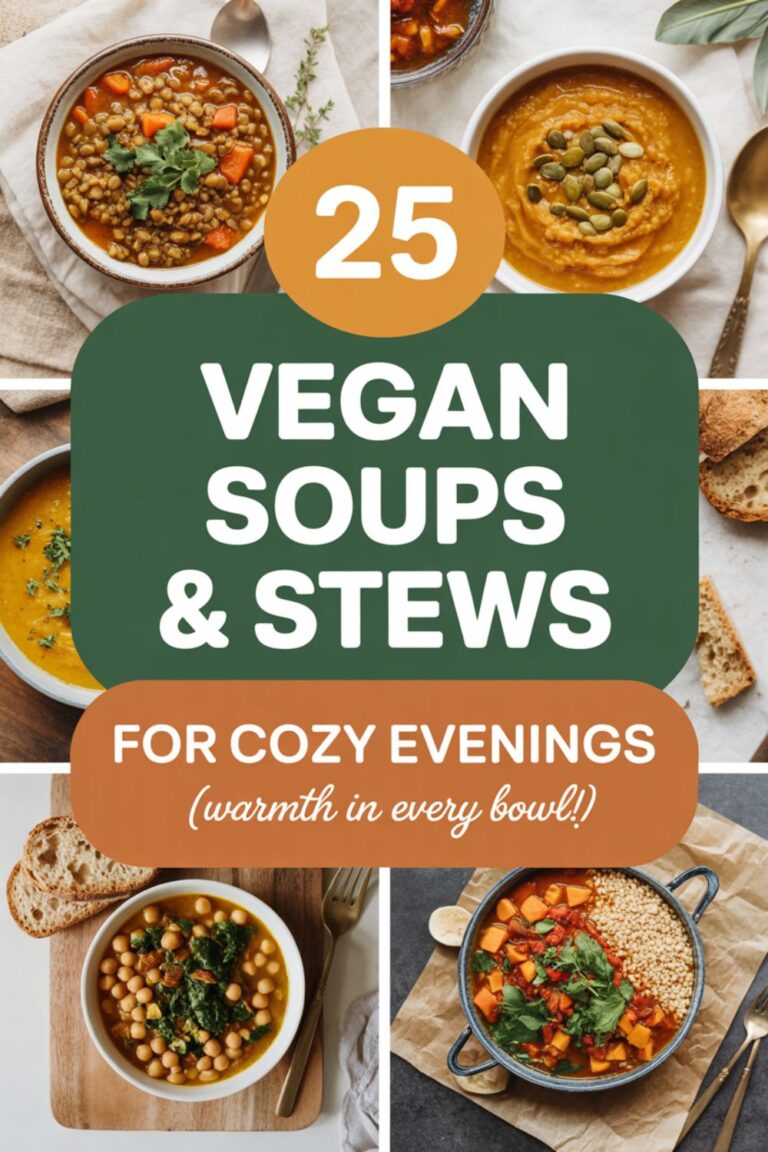
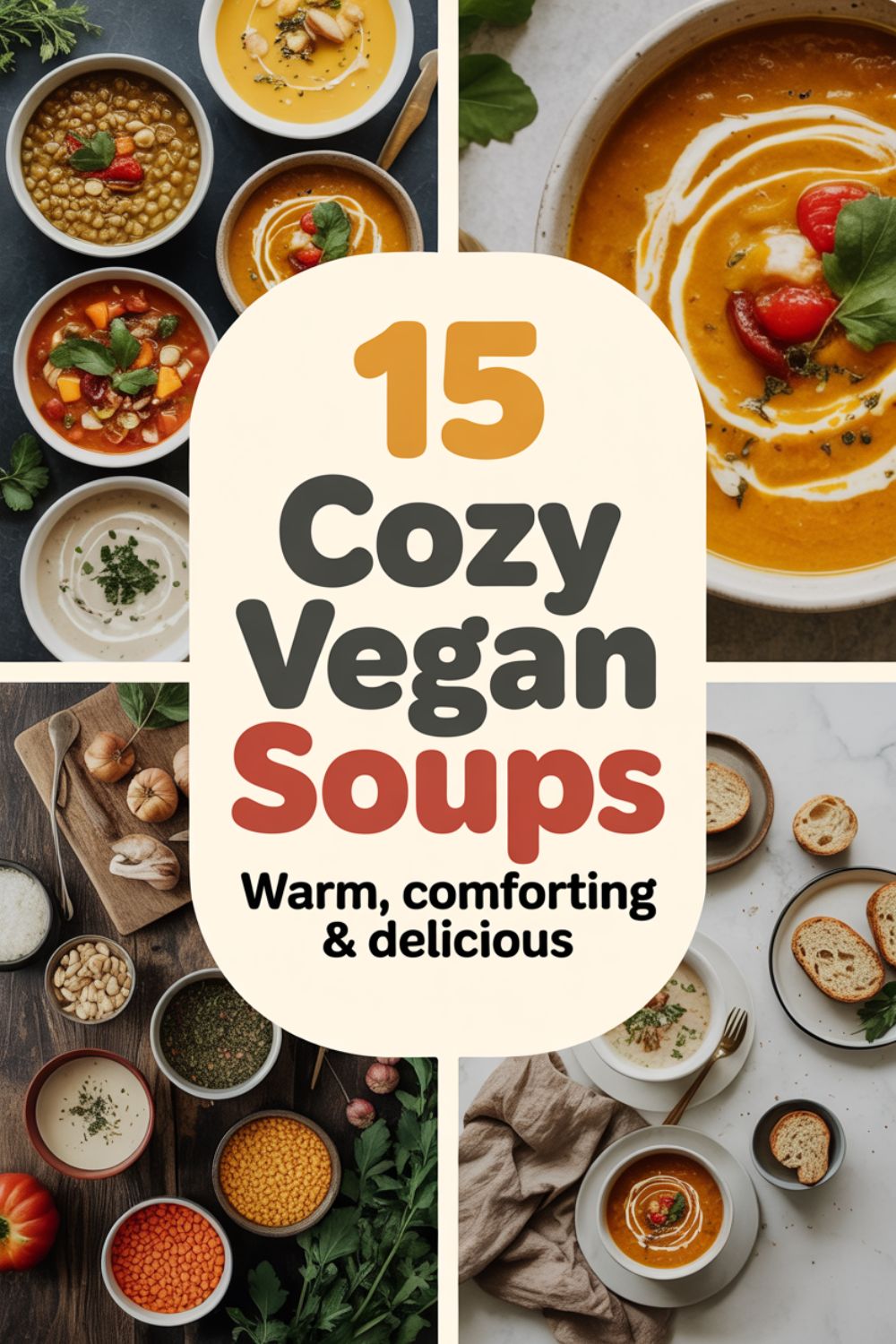
15 Cozy Vegan Soups for Cold Nights
There’s something magical about coming home to a steaming bowl of soup when the temperature drops and the sky goes dark by 5 PM. I’m talking about the kind of soup that warms you from the inside out, the kind that makes you forget you’re missing out on anything just because it’s plant-based.
Look, I get it. When people hear “vegan soup,” they sometimes picture watery vegetable broth with sad, floating carrots. But that’s not what we’re doing here. These 15 soups are thick, creamy, packed with flavor, and honestly? They’ll make you wonder why you ever needed dairy or meat in the first place.
I’ve spent way too many evenings experimenting in my kitchen, and I’m here to share the winners—soups that actually stick to your ribs and taste like you put in way more effort than you did. Whether you’re meal prepping for the week or just need something comforting after a brutal Monday, I’ve got you covered.
Why Vegan Soups Hit Different on Cold Nights
Here’s the thing about plant-based soups—when done right, they’re not just a substitute for traditional recipes. They’re actually better. No heavy cream sitting in your stomach like a brick. No wondering what’s really in that chicken stock. Just pure, honest ingredients that make you feel good about what you’re eating.
I used to think soup needed meat to be filling. Then I discovered the magic of beans, lentils, and coconut milk. Game changer. These ingredients bring protein, healthy fats, and a creaminess that rivals anything from a dairy aisle. Plus, your body actually digests them without going into hibernation mode.
The beauty of vegan soups is their versatility. You can batch cook them on Sunday, freeze half, and have instant comfort food ready whenever you need it. I keep at least three different soups in my freezer at all times—call it my emergency stash for days when cooking feels impossible.
1. Creamy Roasted Tomato Basil Soup
This soup is what converted my dairy-loving mom. She couldn’t believe there was no cream in it. The secret? Cashews soaked overnight and blended until silky smooth. Pair that with roasted tomatoes that have been caramelized in the oven, and you’ve got something that tastes like it came from a fancy bistro.
I roast the tomatoes with whole garlic cloves, and that roasted garlic gets blended right into the soup. It adds this depth that raw garlic just can’t match. Throw in fresh basil at the end, and suddenly you’re living your best life with a grilled cheese made on sourdough bread.
The best part? This soup freezes beautifully. I make a double batch, freeze it in portions, and whenever I’m craving it, I just reheat and add fresh basil. It’s one of those recipes that makes you look like you have your life together even when you absolutely don’t.
2. Hearty Lentil and Vegetable Stew
If you need something that’ll actually fill you up, this is it. Red lentils break down and thicken the broth naturally, while green or brown lentils hold their shape and give you that satisfying bite. I throw in whatever vegetables are lurking in my fridge—carrots, celery, potatoes, kale—and it always turns out great.
The flavor base is simple: sautéed onions, garlic, and a good amount of cumin and smoked paprika. Those spices are non-negotiable. They transform the soup from “meh” to “why am I not eating this every day?” I also add a splash of apple cider vinegar at the end—it brightens everything up.
This is the soup I bring to potlucks because it’s impossible to mess up and everyone asks for the recipe. It’s also ridiculously cheap to make, which is a bonus when you’re trying to eat healthy without emptying your wallet. Get Full Recipe.
Speaking of filling meals, if you’re into batch cooking, you might want to check out these easy vegan meal prep ideas. They pair perfectly with soup-based meal planning and will save you so much time during the week.
3. Thai Coconut Curry Soup
This one’s for when you want something with a kick. I use red curry paste, coconut milk, and whatever vegetables I have on hand—usually bell peppers, mushrooms, and snap peas. The coconut milk makes it creamy without being heavy, and the curry paste brings all the flavor you need.
I buy my curry paste from an Asian grocery store because it’s cheaper and tastes better than the stuff at regular supermarkets. A little jar lasts forever since you only need a tablespoon or two per pot. Just make sure to sauté it in some oil first to release all those aromatics—it makes a huge difference.
For extra protein, I add crispy tofu that I’ve pan-fried separately. You can use a tofu press to get rid of excess moisture, then cut it into cubes and fry until golden. It soaks up the curry flavors and adds texture. Trust me, it’s worth the extra step.
Why Coconut Milk Works So Well
Coconut milk is the MVP of vegan cooking. It’s rich, creamy, and has this natural sweetness that balances out spicy and savory flavors. Plus, according to Healthline’s research on coconut milk, it contains medium-chain triglycerides that your body processes differently than other fats.
I always keep a few cans in my pantry. Just shake them well before opening because the cream separates from the liquid. And FYI, full-fat coconut milk is where it’s at—don’t bother with the light stuff for soups. You want that richness.
4. Classic Minestrone with White Beans
Minestrone is one of those soups that gets better the longer it sits. I make it on Sunday and eat it all week, and by Thursday it’s somehow even more delicious than day one. The key is using white beans (cannellini or great northern) and plenty of vegetables—zucchini, carrots, celery, tomatoes, and greens.
I also add small pasta like ditalini or elbow macaroni. Cook it separately and add it to individual bowls rather than the whole pot. This prevents the pasta from getting mushy if you’re storing leftovers. It’s a small thing, but it makes a big difference in texture.
My secret ingredient? A parmesan rind—wait, hear me out. Okay, so for the vegan version, I use nutritional yeast and a piece of kombu (seaweed) to add that umami depth. It sounds weird, but it works. The kombu gets removed before serving, and you’re left with this incredible savory flavor that mimics traditional minestrone.
5. Butternut Squash and Apple Soup
This soup is fall in a bowl. The sweetness from the butternut squash pairs beautifully with tart apples—I usually use Granny Smith. Roasting the squash first caramelizes the sugars and adds depth you just can’t get from boiling it.
I season it with sage, thyme, and a pinch of nutmeg. Nothing crazy, but those warm spices make it taste like you spent hours perfecting it. Blend it smooth, top with toasted pumpkin seeds (which you can make in a small skillet in about 5 minutes), and you’ve got something that looks restaurant-quality.
Here’s a tip: when you’re roasting the squash, throw the apple chunks in there too for the last 15 minutes. They get slightly caramelized and add another layer of flavor. It’s one of those small moves that elevates the whole dish.
6. Spicy Black Bean Soup
If you like heat, this soup will become your new obsession. I use dried black beans that I soak overnight—they have way more flavor than canned, and the cooking liquid becomes part of the broth. Plus, it’s cheaper and you control the salt content.
The spice comes from chipotle peppers in adobo sauce. Start with one pepper and work your way up because they’re potent. I blend half the soup to make it creamy while leaving the other half chunky. Top it with avocado, cilantro, and a squeeze of lime, and it’s absolutely perfect.
This soup is incredibly high in protein and fiber, which means it keeps you full for hours. According to research published in the Journal of Nutrition, black beans are one of the best plant-based sources of resistant starch, which supports gut health and steady blood sugar levels.
For more protein-packed meal ideas that’ll keep you satisfied, I highly recommend checking out these high-protein vegan meals. They’re game-changers for staying full and energized.
7. Moroccan-Spiced Chickpea Soup
This soup brings the flavor. I’m talking cumin, coriander, cinnamon, and turmeric—all toasted in oil before adding the liquid. That step is crucial. Toasting spices releases their essential oils and makes them way more fragrant and flavorful.
I use chickpeas as the base, along with diced tomatoes, sweet potatoes, and kale. The sweetness from the potatoes balances the warm spices perfectly. Sometimes I’ll add a handful of raisins or dried apricots for an extra sweet-savory element that’s very traditional in Moroccan cooking.
Serve it over couscous or with warm pita bread. I keep a stash of whole wheat pita in my freezer for exactly this purpose. Just heat it up in a toaster oven, and you’re good to go.
8. Creamy Potato Leek Soup
This is comfort food at its finest. Yukon gold potatoes work best because they’re naturally creamy when blended. I sauté the leeks slowly in a little olive oil until they’re soft and sweet—this is where all the flavor comes from, so don’t rush it.
Instead of cream, I use blended cashews or even just the starchy potato water itself. If you cook the potatoes until they’re really soft and blend everything well, you get this velvety texture that doesn’t need any dairy at all. It’s simple but incredibly satisfying.
I garnish mine with crispy leeks (just slice some thin and fry them until golden) and fresh chives. It looks fancy but takes maybe three extra minutes. People always think I went to culinary school when I serve this, which is hilarious because I learned to cook from YouTube.
9. Tuscan White Bean and Kale Soup
This is my go-to when I’m feeling under the weather or just need something wholesome. It’s loaded with white beans, kale, tomatoes, and plenty of garlic. Like, a whole head of garlic. Don’t @ me—it’s perfect.
I add rosemary and bay leaves while it simmers, which gives it that classic Italian flavor. The beans make it hearty, and the kale adds nutrients and a bit of texture. I mash about a third of the beans against the side of the pot to thicken the broth naturally—no need for flour or cornstarch.
Serve it with crusty bread for dipping. I’m obsessed with artisan bread from my local bakery, but store-bought works just fine. Just warm it up and you’re living the dream. Get Full Recipe.
Meal Prep Essentials Used in This Plan
If you’re serious about making these soups part of your weekly routine, here’s what I actually use and recommend:
Physical Products:
- Heavy-duty soup pot (8-quart) – You need something big enough for batch cooking
- Glass storage containers with locking lids – Plastic absorbs soup smells, trust me on this
- Silicone freezer bags – Reusable, lay flat for easy storage, and you can write on them with dry erase markers
Digital Resources:
- 30-Day Vegan Challenge Guide – Perfect if you’re new to this whole plant-based thing
- The Ultimate Vegan Grocery List – Keeps you organized and prevents those “what do I even buy” moments
- 30-Day Eating Tracker – Helps you stay on track with your soup meal prep goals
10. Curried Red Lentil Soup
Red lentils are underrated. They cook in like 20 minutes and break down into this creamy, thick soup that doesn’t need any blending. I make this when I’m exhausted but still want something homemade and nutritious.
The curry powder does most of the work here—I use a good quality one with turmeric, coriander, cumin, and fenugreek. Sauté onions and garlic, add the curry powder, toast it for a minute, then add the lentils and broth. That’s literally it. Simmer until the lentils are soft, maybe 25 minutes tops.
I finish it with a squeeze of lemon juice and some fresh cilantro. The acidity from the lemon is key—it brightens up the earthy lentils and makes the whole thing pop. Sometimes I’ll add coconut milk for extra creaminess, but it’s honestly great even without it.
11. Smoky Split Pea Soup
Growing up, split pea soup always had ham in it. Then I discovered liquid smoke, and suddenly I didn’t need the ham anymore. Just a few drops of this stuff gives you that smoky, savory depth that makes the soup taste like it simmered for hours with a ham hock.
I use green split peas, carrots, celery, and onions. Nothing fancy. The peas naturally thicken the soup as they cook down, so you get this thick, stick-to-your-ribs consistency that’s perfect for cold nights. I also add a bay leaf and some thyme because why not.
This soup is dirt cheap to make and packed with protein. One pot feeds me for nearly a week. I portion it out in containers using my trusty portion control containers and grab one for lunch whenever I need it. Meal prep doesn’t get easier than this.
12. Mexican Tortilla Soup
This soup is fun and flavorful. I use a tomato-based broth with black beans, corn, bell peppers, and plenty of spices—cumin, chili powder, oregano. The real star, though, is the toppings. We’re talking crispy tortilla strips, avocado, cilantro, lime wedges, and jalapeños.
I make the tortilla strips by cutting corn tortillas into strips and baking them with a little oil and salt. You could also fry them, but baking is easier and less messy. They get super crispy and add this amazing crunch to the soup. Honestly, I could just eat the tortilla strips by themselves.
The lime juice is crucial here—don’t skip it. Squeeze it right before serving, and it transforms the whole bowl. It’s one of those soups where the toppings make it, so go wild. Sometimes I’ll add some vegan sour cream made from cashews, and it’s incredible.
13. Cream of Mushroom Soup
This is not your grandma’s canned cream of mushroom soup. This is the real deal—earthy, rich, and luxurious. I use a mix of mushrooms: cremini, shiitake, and some dried porcini that I rehydrate. The porcini add this intense umami flavor that you just can’t get from fresh mushrooms alone.
I sauté the mushrooms in batches so they actually brown instead of steaming. Crowding the pan = soggy mushrooms. Once they’re all browned, I deglaze with some white wine (or vegetable broth if you’re skipping alcohol), add the broth and soaked cashews, then blend until smooth.
Fresh thyme is essential here. It pairs with mushrooms like they were made for each other. I also add a splash of soy sauce for extra savory depth—sounds weird in a cream soup, but it works. You can use a fine mesh strainer after blending if you want it extra smooth, but I usually skip that step.
If you’re looking for more cozy dinner ideas beyond soups, check out these cozy vegan fall dinners and these easy vegan dinner recipes. They’re perfect for rounding out your weekly meal rotation.
14. Italian Wedding Soup (Plant-Based Version)
Traditional Italian wedding soup has meatballs and eggs. This version? Just as good, maybe better. I make mini “meatballs” from a mixture of cooked lentils, breadcrumbs, nutritional yeast, and Italian seasoning. They hold together beautifully and taste amazing.
The broth is simple—vegetable stock with plenty of garlic and a little white wine. I add small pasta like orzo or acini di pepe, and tons of greens—escarole is traditional, but spinach or kale works great too. The result is comforting, flavorful, and honestly kind of nostalgic.
I bake the lentil meatballs separately on a parchment-lined baking sheet, then add them to the soup at the end. This keeps them from falling apart in the broth. It’s a little extra work, but the texture is so much better this way.
15. Roasted Red Pepper and Cauliflower Soup
This soup is gorgeous—like, Instagram-worthy gorgeous. The color alone makes it worth making. I roast red bell peppers and cauliflower florets until they’re charred and caramelized, then blend them with vegetable broth and some soaked cashews for creaminess.
The roasting is key. It concentrates the flavors and adds this subtle sweetness that you can’t get from boiling. I also add smoked paprika and a pinch of cayenne for warmth. The combination of sweet roasted peppers and nutty cauliflower is seriously addictive.
I garnish with a drizzle of olive oil and some fresh herbs—basil or parsley work great. Sometimes I’ll add a swirl of coconut cream for presentation, but it’s delicious even without it. This is the soup I make when I want to impress people without actually working that hard. Get Full Recipe.
The Science Behind Roasting Vegetables
Roasting vegetables triggers the Maillard reaction—a chemical reaction between amino acids and sugars that creates complex flavors and that delicious golden-brown color. According to food science research, this process is what makes roasted vegetables taste so much better than boiled or steamed ones.
That’s why I always roast vegetables for soup when I have time. It’s the difference between “pretty good” and “why is this so amazing?” You can roast a bunch at once and freeze them for later, which makes weeknight soup prep way easier.
Tools & Resources That Make Cooking Easier
Here’s what I keep in my kitchen and recipe arsenal to make soup season actually enjoyable:
Kitchen Tools I Actually Use:
- Dutch oven (6-7 quart) – Goes from stovetop to oven, perfect for soups and stews
- High-speed blender – Makes cashew cream silky smooth, worth every penny
- Soup ladle set – Sounds basic but having the right size makes serving so much easier
Helpful Digital Guides:
- High-Protein Vegan Pantry Essentials – Stock these and you can make soup anytime
- Vegan Sauces and Condiments Guide – Great for customizing soup flavors
- Kitchen Tools Every Vegan Needs – Comprehensive list beyond just soup stuff
Tips for Making the Best Vegan Soups
Build Layers of Flavor
Don’t just dump everything in the pot at once. Sauté your aromatics first—onions, garlic, celery. Let them develop flavor. Add your spices and toast them for a minute. Then add your liquids and other ingredients. This layering technique is what separates bland soup from incredible soup.
I learned this the hard way after making countless pots of boring soup. Now I always start with a good sauté, and it makes all the difference. Even just a few extra minutes at the beginning changes everything.
Don’t Forget Acid and Salt
A squeeze of lemon juice or splash of vinegar at the end brightens up any soup. It’s the missing piece most people forget. Same with salt—taste as you go and adjust. Under-seasoned soup is sad soup, and nobody wants that.
I keep a bottle of apple cider vinegar and a bunch of lemons on hand specifically for this purpose. Just a little bit makes such a huge difference. Sometimes I’ll use lime juice instead, especially in Mexican or Thai-inspired soups.
Texture Matters
Mix smooth and chunky. Blend half the soup and leave half chunky. Or add a creamy base with crispy toppings. Texture keeps things interesting bite after bite. Nobody wants to eat 100% smooth soup for an entire week—your taste buds will revolt.
Toppings are your friend: toasted nuts, crispy chickpeas, fresh herbs, a drizzle of good olive oil. These little additions make each bowl feel special instead of like you’re eating the same thing for the millionth time. You can prep toppings in advance using small glass jars and keep them in the fridge.
Invest in Good Broth
Store-bought vegetable broth is fine, but if you make your own, you’ll taste the difference. Save your vegetable scraps in a bag in the freezer, and when it’s full, make a big batch of broth. It’s free, it’s zero waste, and it tastes way better than anything from a box.
I keep a large freezer bag specifically for veggie scraps. Onion peels, carrot ends, celery leaves, mushroom stems—it all goes in there. Once it’s full, I simmer it with some herbs and spices for a couple hours, strain it, and boom—amazing homemade broth.
For more winter comfort food inspiration, you’ll love these vegan soups and stews for winter. They’re specifically designed for the coldest months when you need maximum coziness.
Storing and Reheating Your Soups
Most of these soups taste even better the next day after the flavors have had time to meld. I store them in glass containers because plastic can absorb smells and stain easily. Glass is also safer for reheating in the microwave.
For freezing, I let the soup cool completely, then portion it into containers or freezer bags. Label everything with the date and what it is—future you will appreciate it when you’re staring into a freezer full of mystery bags. Soup keeps in the freezer for about 3 months.
When reheating, add a splash of broth or water if it’s gotten too thick. Soups with pasta or grains might need extra liquid since those ingredients absorb moisture over time. Reheat gently on the stovetop or in the microwave, stirring occasionally. Don’t just blast it on high heat—it’ll heat unevenly and you’ll burn your tongue on one spoonful and freeze on the next.
Why These Soups Are Perfect for Meal Prep
Here’s the reality: cooking every single night is exhausting. I don’t care how much you love cooking—some days you just can’t. That’s where these soups shine. Make one big batch, portion it out, and you’ve got lunches or dinners sorted for days.
I do most of my soup cooking on Sunday afternoons. I’ll make two different soups, portion them into containers, and stack them in my fridge. Some go in the freezer for later. Then during the week, I just grab one, reheat it, maybe toast some bread, and dinner’s done in 5 minutes.
The nutritional benefits don’t hurt either. These soups are loaded with vegetables, legumes, and whole grains. You’re getting fiber, protein, vitamins, and minerals in every bowl. It’s the kind of food that makes you feel good about what you’re eating without feeling restricted or deprived.
For those looking to streamline their weekly cooking even more, these soups pair perfectly with make-ahead breakfast ideas and packable vegan lunches. It’s all about creating a system that actually works for your life.
Frequently Asked Questions
Can I freeze these vegan soups?
Absolutely. Most of these soups freeze beautifully for up to 3 months. Let them cool completely before transferring to freezer-safe containers or bags. Soups with pasta or potatoes might have texture changes after freezing, so I usually add those fresh when reheating. Just thaw in the fridge overnight and reheat on the stovetop or microwave.
How do I make vegan soups creamy without dairy?
There are tons of options. Soaked cashews blended until smooth are my go-to—they create an incredibly silky texture. Coconut milk works great for Thai or curry-based soups. You can also use the natural starch from potatoes or white beans by blending a portion of the soup. Even oat milk or unsweetened soy milk can work in a pinch, just avoid almond milk as it can separate when heated.
Are these soups actually filling enough for a main meal?
Yes, especially the ones with beans, lentils, or other protein sources. The key is making sure your soup has a good balance of protein, fiber, and healthy fats. I pair most of these with crusty bread or serve them over grains like quinoa or rice if I need extra calories. The lentil, black bean, and chickpea soups are particularly satisfying and will keep you full for hours.
How long do these soups last in the fridge?
Most will keep for 4-5 days in the fridge when stored in airtight containers. The flavors actually improve after a day or two as everything melds together. If you’re not going to eat it within that timeframe, I’d recommend freezing portions instead. Always smell and check your soup before eating—if it smells off or looks funky, toss it.
Can I use store-bought vegetable broth instead of homemade?
Of course. Not everyone has time to make homemade broth, and store-bought is totally fine. Just read the labels because some brands are way saltier than others. I prefer low-sodium varieties so I can control the seasoning myself. Better Than Bouillon makes a good vegetable base that’s super concentrated and lasts forever in the fridge.
Wrapping It Up
These 15 vegan soups have gotten me through countless cold nights, busy weeks, and days when I just needed something warm and comforting without any fuss. They’re proof that you don’t need meat or dairy to make soup that’s satisfying, delicious, and actually fills you up.
The best part? Once you get the hang of a few basic techniques—building flavor layers, balancing textures, finishing with acid—you can improvise and create your own variations based on whatever you have in your fridge. Soup is forgiving like that.
So grab your biggest pot, stock up on some beans and vegetables, and get cooking. Your freezer will thank you when you’ve got homemade soup ready to go on those nights when cooking feels impossible. And honestly? There’s something deeply satisfying about knowing you made something delicious, nutritious, and completely from scratch.
Now if you’ll excuse me, I’ve got a pot of lentil soup calling my name.