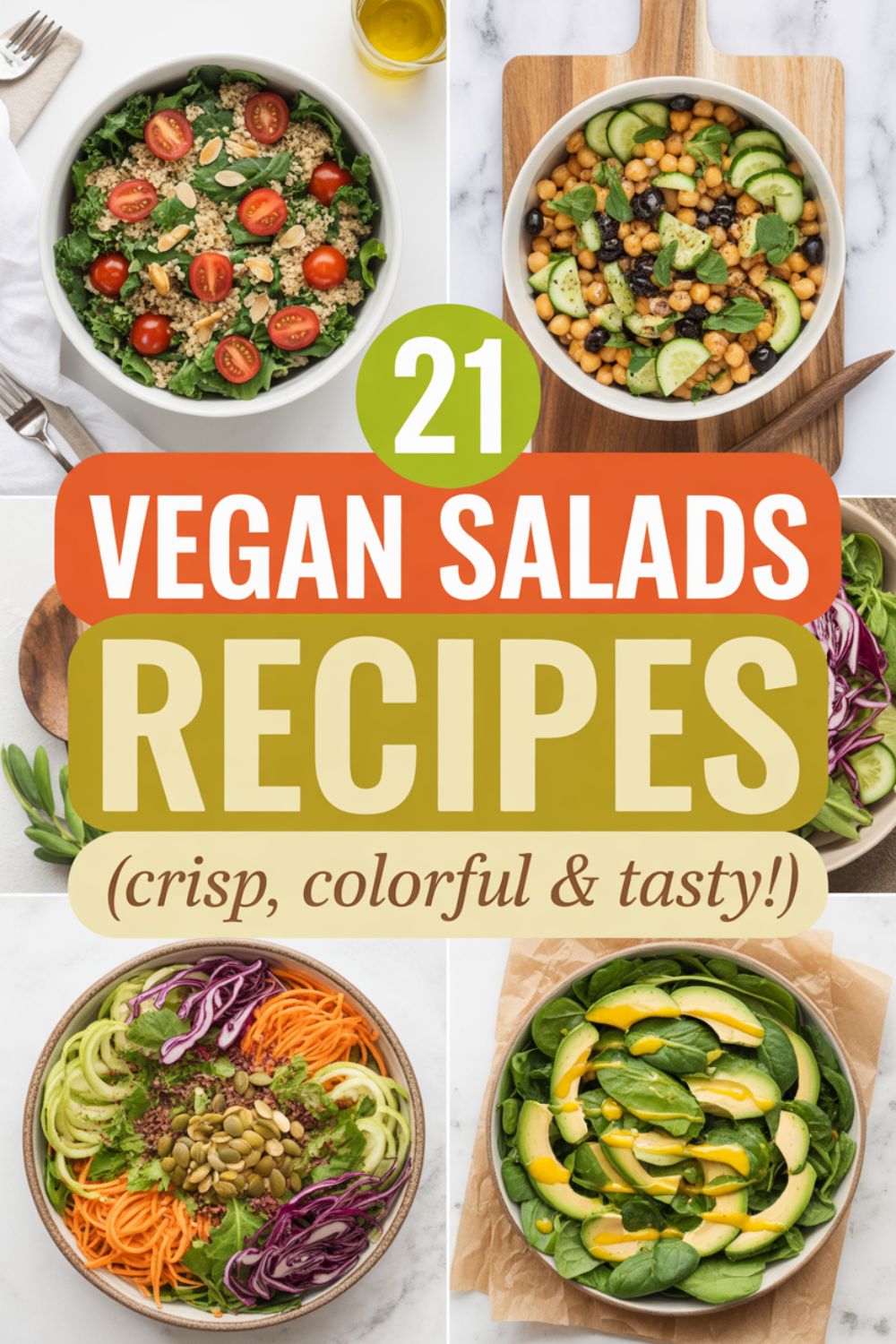
21 Vegan Salad Recipes That Are Fresh and Filling
Let me tell you something I learned the hard way: a proper vegan salad isn’t about deprivation. It’s about loading up your bowl with so much good stuff that you actually feel satisfied. We’re talking plant-based proteins, healthy fats, complex carbs, and flavors that make you want to lick the bowl clean (not that I’ve ever done that, of course).
The secret? It’s all about balance. You can’t just throw some iceberg lettuce in a bowl and call it lunch. That’s a rookie move. Research shows that consuming around 400 grams of vegetables daily in salad form can improve weight management and lipid profiles. But we’re not just looking at numbers here—we’re building meals that actually work for your life.

Why Vegan Salads Actually Work
Here’s what most people don’t realize about vegan salads—they’re basically nutrient powerhouses disguised as lunch. When you pack them right, you’re getting fiber that keeps your digestion happy, vitamins that make your skin glow, and proteins that fuel your muscles.
The trick is knowing what to throw in there. IMO, the biggest mistake people make is thinking salad equals just vegetables. Nah. You need some substance. Legumes like chickpeas pack around 12 grams of protein per cup, and they’re cheap, versatile, and actually taste good when you season them properly.
🌱 Join Our Vegan Recipe Community
Want daily recipe inspiration, meal prep tips, and exclusive plant-based content? Join our WhatsApp channel where I share quick recipes, grocery hauls, and answer your cooking questions in real-time. It’s like having a vegan friend in your pocket.
Join the WhatsApp Channel →And let’s talk about those healthy fats for a second. Your body needs fat to absorb certain vitamins—the fat-soluble ones like vitamin K that hang out in your leafy greens. So when you add avocado, nuts, or seeds to your salad, you’re not just making it taste better. You’re actually helping your body use all those nutrients more efficiently. Pretty smart, right?
Vitamix E310 Explorian Blender
Listen, I resisted getting a high-powered blender for years because of the price tag. But after making chunky, separated dressings in my cheap blender for the hundredth time, I finally caved. This thing makes the creamiest tahini dressings, smoothest nut-based sauces, and even handles tough ingredients like dates and frozen fruit without breaking a sweat.
- Variable speed control for perfect texture every time
- 48-ounce container (perfect for batch-making dressings)
- Self-cleaning – just add water and a drop of dish soap
- 10-year warranty (they stand behind their product)
- Makes restaurant-quality dressings in under 30 seconds
Building Your Perfect Vegan Salad Base
Forget everything you know about salad bases being boring. We’re not doing the wilted iceberg lettuce thing here. Your base should bring something to the party—flavor, texture, nutrients, the whole package.
The Greens That Actually Matter
Spinach and kale aren’t just trendy health food buzzwords. They’re legitimately packed with protein for greens—spinach has about 1 gram per cup, and kale brings 2 grams. Plus they taste way better than that watery iceberg stuff, and they won’t wilt into a sad puddle the second you add dressing.
I personally love mixing different greens for texture. Arugula adds this peppery bite that wakes up your taste buds. Baby spinach is mild and tender. Kale gives you that satisfying chew. Mix them up and you’ve got layers of flavor happening.
When you’re shopping for greens, grab that salad spinner—seriously, it’s a game changer. Nobody likes soggy salad, and this little gadget gets your greens perfectly dry so your dressing actually sticks to them instead of pooling at the bottom of your bowl.
Protein That Packs a Punch
This is where vegan salads go from “meh” to “wow, I’m actually full.” You need some serious protein action, and plants deliver if you know where to look.
Lentils are my secret weapon. One cup gives you around 18 grams of protein, which is pretty impressive for something that costs basically nothing. They’ve got this earthy flavor that works with almost any dressing, and they stay good in the fridge for days.
Chickpeas are the other MVP here. Roast them with some spices and you’ve got crunchy little flavor bombs that replace croutons but actually feed your muscles. I toss mine with paprika and garlic powder, spread them on a rimmed baking sheet, and roast them until they’re crispy. Game changer.
Tofu gets a bad rap from people who’ve only had it prepared badly. But when you press it, cube it, toss it with soy sauce and garlic powder, and bake it on parchment paper? It’s actually really good. About 10 grams of protein per half cup, and it soaks up whatever flavors you give it.
Speaking of protein-packed options, you’ll love how these ingredients come together in our collection. Get Full Recipe for the ultimate protein salad that combines all these elements perfectly.
The 21 Vegan Salad Recipes That’ll Change Your Mind
Alright, let’s get into the good stuff. These aren’t your average throw-some-lettuce-in-a-bowl situations. Each one brings something different to the table, and I’m betting you’ll find at least a few that become your new go-to meals.
1. Mediterranean Chickpea Power Bowl
This one’s got everything—cherry tomatoes, cucumbers, Kalamata olives, and a tangy lemon-tahini dressing that makes you want to drink it straight from the jar (don’t judge me). The chickpeas bring 12 grams of protein per serving, and the whole thing comes together in about 15 minutes.
What makes this salad work is the balance. You’ve got the brininess from the olives, sweetness from the tomatoes, crunch from the cucumbers, and that creamy tahini ties it all together. Mix your tahini with fresh lemon juice in a small mixing bowl until it’s smooth and pourable.
2. Thai Peanut Quinoa Crunch
If you’ve never had a Thai-inspired salad, you’re missing out. This one combines quinoa (8 grams of protein per cup), red cabbage, carrots, edamame, and a peanut dressing that’s sweet, salty, tangy, and slightly spicy all at once.
The key is shredding your cabbage really thin so it’s not too crunchy. I use a mandoline slicer for this—makes quick work of it and gives you those perfect ribbons. Toss in some crushed peanuts for extra crunch and you’re golden.
For more Asian-inspired dishes that bring similar flavor profiles, check out these spicy Asian noodle bowls or this crispy tofu stir-fry that uses the same peanut sauce technique.
3. Roasted Sweet Potato and Black Bean Fiesta
Mexican flavors and salads are a match made in heaven. This one features roasted sweet potatoes, black beans, corn, avocado, and a lime-cilantro dressing that’ll make you forget all about those boring salads from your past.
The sweet potatoes need to be properly roasted—crispy on the outside, creamy on the inside. Cut them into uniform cubes, toss with olive oil and cumin, and spread them on your baking sheet so they’re not touching. That’s how you get the good caramelization. Get Full Recipe for the exact roasting technique that works every time.
4. Lentil and Roasted Vegetable Harvest Bowl
This is my go-to when I want something warm and comforting but still fresh. Brown lentils, roasted Brussels sprouts, butternut squash, and kale all come together with a maple-balsamic dressing that tastes like fall in a bowl.
The lentils bring serious protein—18 grams per cup—plus they’re loaded with fiber and iron. Cook them in vegetable broth instead of water for extra flavor. It’s a small thing that makes a big difference.
5. Asian Sesame Edamame Bowl
Edamame is criminally underused in salads, and I don’t understand why. It’s got 17 grams of protein per cup, it’s already cooked when you buy it frozen, and it tastes great. This salad combines edamame with shredded carrots, red cabbage, cilantro, and a sesame-ginger dressing.
I keep a bag of frozen edamame in my freezer at all times. Just run it under warm water for a minute and it’s ready to go. Toss it in this salad with some toasted sesame seeds from your spice grinder and you’ve got yourself a protein-packed lunch.
6. Greek-Inspired Lemon Herb Delight
Sometimes you want something bright and fresh that doesn’t weigh you down. This salad delivers with romaine, chickpeas, cucumbers, red onion, and a simple lemon-oregano dressing that lets the vegetables shine.
The secret is using fresh oregano if you can get it. Dried works fine, but fresh brings this whole other level of flavor. And don’t skip the red onion—just slice it thin and soak it in cold water for 10 minutes to take the edge off the bite.
7. Southwest Quinoa Fiesta
Another Mexican-inspired winner here. Quinoa, black beans, corn, bell peppers, and avocado with a creamy chipotle dressing. This one’s great for meal prep because the quinoa actually gets better as it sits and absorbs the dressing flavors.
Cook your quinoa in a 2:1 ratio of liquid to quinoa in a good saucepan with a tight-fitting lid. Once it’s done, fluff it with a fork and let it cool completely before adding it to your salad. Nobody likes hot quinoa on their greens.
8. Moroccan Spiced Chickpea Adventure
If you’ve never tried Moroccan spices on chickpeas, you’re about to have a revelation. Cumin, coriander, cinnamon, and paprika turn regular chickpeas into something magical. Add some roasted carrots, arugula, and dried apricots for sweetness.
The dried apricots are key here—they add this natural sweetness that balances the warm spices perfectly. Chop them into small pieces so you get a bit in every bite. Get Full Recipe for the spice blend that makes this salad sing.
📚 The Ultimate Vegan Meal Prep Guide
Stop winging it every week. This comprehensive digital guide includes 50+ make-ahead recipes, grocery lists, and a foolproof system to prep all your meals in under 2 hours. No more 3 PM hunger crashes or expensive takeout because you forgot to plan.
Get the Guide Now →9. Green Goddess Power Salad
This is what I make when I want to feel like I’m doing something really good for my body. Baby spinach, broccoli, edamame, avocado, pumpkin seeds, and a creamy green goddess dressing made with tahini, herbs, and lemon.
The dressing is where the magic happens. Blend up tahini, fresh parsley, cilantro, garlic, lemon juice, and a bit of water until it’s smooth and pourable. It’s like ranch dressing but actually healthy and tastes even better. If you’re craving more green-focused meals, try these detox green smoothie bowls or this emerald power soup.
10. Buddha Bowl Bonanza
Buddha bowls are basically salads that don’t feel like salads. This one has brown rice, roasted chickpeas, steamed broccoli, shredded carrots, avocado, and a tahini-miso dressing that’s umami heaven.
The brown rice adds staying power—you’ll actually stay full for hours after eating this. Cook it in advance and keep it in the fridge. It’s great for throwing together quick bowls all week long.
11. Italian Chopped Salad Remix
All those Italian salad bar vibes, but make it vegan. Romaine, chickpeas, artichoke hearts, cherry tomatoes, red onion, and a red wine vinaigrette with oregano and basil.
The artichoke hearts are non-negotiable here. They add this briny, slightly tangy flavor that makes the whole thing work. Get the marinated ones from a jar—they’re already seasoned and ready to go. Just drain them well before adding to your salad.
12. Warm Lentil and Mushroom Comfort Bowl
Sometimes you want a salad that feels more like a hug. This one features warm lentils, sautéed mushrooms, baby spinach, and a balsamic reduction that ties everything together.
The mushrooms need to be properly caramelized—don’t crowd them in the pan. Give them space to develop that deep, meaty flavor. A good cast iron skillet is perfect for this. Get it hot, add your mushrooms with a pinch of salt, and leave them alone for a few minutes before stirring.
13. Rainbow Veggie Extravaganza
This one’s all about the colors. Red cabbage, orange bell peppers, yellow corn, green edamame, purple carrots—basically every color you can find. Toss it with a ginger-carrot dressing that’s bright and zippy.
The ginger-carrot dressing is made by blending cooked carrots with fresh ginger, rice vinegar, and a touch of maple syrup. It’s naturally sweet and creamy without any dairy. Seriously addictive stuff.
🎯 Plant-Based Protein Cheat Sheet
Never wonder “am I getting enough protein?” again. This printable PDF breaks down exactly how much protein is in every vegan ingredient, plus 30 high-protein meal combinations that actually taste good. Perfect for meal planning and grocery shopping.
Download Instantly →14. Middle Eastern Tabbouleh Twist
Traditional tabbouleh is mostly herbs with a little bulgur wheat. This version flips it—quinoa as the base, tons of fresh parsley and mint, tomatoes, cucumbers, and a bright lemon dressing. It’s fresh, herbaceous, and surprisingly filling.
The key to good tabbouleh is chopping your herbs really fine. I use a chef’s knife and just take my time with it. It’s kind of meditative, actually. The fine chop helps distribute the herb flavors throughout the whole salad.
15. Spicy Korean BBQ Tempeh Bowl
Tempeh is fermented soybeans, and it’s got a nutty flavor and firm texture that works great in salads. This one features marinated tempeh with Korean-inspired flavors, kimchi, sesame spinach, cucumber, and brown rice.
The tempeh marinade is soy sauce, sesame oil, gochugaru (Korean chili flakes), garlic, and a touch of maple syrup. Let it sit for at least 20 minutes, then bake it until it’s crispy on the edges. FYI, this keeps great in the fridge for meal prep.
16. California Sunshine Salad
This one screams summer. Mixed greens, strawberries, avocado, candied pecans, and chickpeas with a tangy balsamic dressing. The combination of sweet, savory, and creamy is absolutely chef’s kiss.
For the candied pecans, toss them with maple syrup and cinnamon, spread on parchment paper, and bake until golden. They add this amazing crunch and sweetness that makes the whole salad feel special. Store extras in an airtight container from your kitchen storage set.
17. Autumn Harvest Bowl
When fall hits and you want all those cozy flavors, this is your salad. Roasted butternut squash, dried cranberries, kale, white beans, pumpkin seeds, and a maple-mustard dressing.
The roasted butternut squash is the star here. Cut it into cubes, toss with olive oil and a pinch of cinnamon, and roast until caramelized. It’s naturally sweet and pairs perfectly with the tangy mustard dressing.
18. Vietnamese Fresh Spring Roll Bowl
All the flavors of a spring roll, but in a bowl. Rice noodles, crispy tofu, fresh herbs (mint, cilantro, Thai basil), carrots, cucumber, and a peanut-hoisin sauce.
The fresh herbs are what make this salad special. Don’t skimp on them—they’re not just garnish, they’re a main ingredient. Tear them with your hands instead of chopping for the best texture and flavor.
19. Protein-Packed Quinoa Crunch
This is my go-to when I need maximum protein and minimal fuss. Quinoa, chickpeas, hemp seeds, edamame, mixed greens, and a lemon-tahini dressing. We’re talking over 30 grams of protein per serving here.
Hemp seeds are underrated—3 tablespoons give you 10 grams of protein plus omega-3s. Just sprinkle them on top. They’ve got a mild, nutty flavor that doesn’t overpower anything. Keep them in your fridge though, because they can go rancid at room temperature.
20. Mexican Street Corn Salad
Elote (Mexican street corn) inspired this beauty. Grilled corn, black beans, romaine, avocado, cilantro, and a creamy lime-chili dressing with a bit of vegan mayo for richness.
The corn needs to be charred for that authentic street corn flavor. If you don’t want to fire up the grill, a grill pan works great. Just get it screaming hot and don’t move the corn until you see those char marks developing.
21. Ancient Grains Superfood Bowl
This one’s packed with all the trendy grains—farro, quinoa, wheat berries—plus roasted vegetables, chickpeas, kale, and a tangy red wine vinaigrette. It’s hearty, chewy, and keeps you satisfied for hours.
The ancient grains give you this great chewy texture that regular rice just doesn’t deliver. Plus they’re loaded with fiber and minerals. Cook them according to package directions, but always add a pinch of salt to the cooking water for better flavor. Get Full Recipe for the grain cooking guide that gets them perfect every time.
If you’re loving these grain-based options, you’ll definitely want to explore these protein-packed grain bowls and this Mediterranean farro salad that takes the ancient grains concept even further.
The Dressing Situation
Let’s be real—a salad is only as good as its dressing. You can have the most amazing ingredients, but if your dressing is boring or nonexistent, you’re just eating vegetables out of obligation.
The good news? Vegan dressings are ridiculously easy to make and taste way better than store-bought. Tahini is your best friend here—it’s creamy, protein-rich, and blends beautifully with lemon juice and garlic. Blend it with water to thin it out and you’ve got an instant dressing.
Nut butters work the same way. Peanut butter, almond butter, cashew butter—they all make incredible dressing bases. Mix with soy sauce, rice vinegar, maple syrup, and a touch of sriracha for a quick Asian-style dressing that’ll blow your mind.
For simpler vinaigrettes, it’s just oil, acid, and flavor. Extra virgin olive oil, lemon juice or vinegar, Dijon mustard for emulsification, and whatever herbs or spices you’re feeling. Shake it up in a mason jar and you’re done.
Meal Prep Like You Mean It
Want to know the real secret to eating more salads? Make them stupid easy to throw together. I’m talking meal prep level easy, where you can build a complete salad in under three minutes because everything’s already prepped and ready.
Here’s my system: dedicate an hour on Sunday to prep. Wash and dry your greens, store them wrapped in paper towels inside containers. Cook your grains and proteins—quinoa, brown rice, lentils, chickpeas. Chop your vegetables and keep them in separate containers. Make 2-3 dressings.
Then during the week, you just grab what you want and assemble. It’s like a salad bar in your own fridge, except you’re not paying $12 per pound for mediocre toppings. A good set of glass meal prep containers makes this whole operation run smoothly—you can see what you’ve got, and they don’t get funky like plastic can.
Some vegetables hold up better than others. Kale and cabbage stay crisp for days. Spinach and arugula are more delicate—use them first. Tomatoes and cucumbers should be added fresh the day you’re eating them, or they’ll make everything soggy.
Rubbermaid Brilliance Glass Food Storage Set
If you’re serious about meal prep, you need proper containers. These glass ones changed my entire meal prep game. They’re 100% leak-proof (I’ve literally thrown them in my bag sideways with dressing inside), they don’t absorb odors or stains like plastic, and you can see exactly what’s inside without opening every single one.
- Completely leak-proof lids with secure latches
- Microwave, dishwasher, and freezer safe
- Crystal-clear glass so you can see your prepped ingredients
- BPA-free and stain/odor resistant
- Stackable design saves tons of fridge space
- Comes in multiple sizes for different salad components
The Anti-Soggy Strategy
Ever made a salad and come back to find it’s a sad, wilted mess? That’s because wet greens plus dressing equals disaster. The fix is simple—keep your greens bone dry and add dressing right before eating.
If you’re packing salads for work, use the jar method. Put your dressing at the bottom, add hearty vegetables and proteins next, then greens on top. When you’re ready to eat, shake it up or dump it into a bowl. Everything stays crisp until the moment you want to eat it.
Nutrition That Actually Makes Sense
Let’s talk numbers for a second, because understanding what you’re eating helps you build better meals. A proper vegan salad should hit these targets: 15-25 grams of protein, 10-15 grams of fiber, and healthy fats from nuts, seeds, or avocado.
Why these numbers? Protein keeps you full and helps maintain muscle mass. Fiber slows digestion, keeping your blood sugar stable and preventing that 3 PM crash. Healthy fats help absorb fat-soluble vitamins and keep your brain happy.
Here’s what surprised me when I started tracking this stuff: it’s actually pretty easy to hit these targets with plant-based ingredients. A cup of lentils gives you 18 grams of protein and 15 grams of fiber. Add some spinach, avocado, and pumpkin seeds, and you’ve got a nutritionally complete meal that would make any dietitian happy.
OXO Good Grips Salad Spinner
This might seem like an unnecessary gadget, but hear me out. Wet greens = sad, soggy salads where your dressing just slides off and pools at the bottom. This spinner gets your greens bone dry in about 10 seconds with minimal effort. The pump mechanism is way easier than those old crank-style ones, and the whole thing doubles as a storage bowl with the lid on.
- One-handed pump operation (way easier than crank models)
- Non-slip base stays put on your counter
- Large 6.22-quart capacity for big meal prep sessions
- Basket works as a colander for washing produce
- Brake button stops spinning instantly
- Dishwasher safe and takes up less space than you’d think
People always ask me about complete proteins—do you need to combine foods to get all your amino acids? The short answer is no. As long as you’re eating a variety of plant foods throughout the day, your body handles the amino acid combining on its own. Don’t stress about it.
Making Salads Kids Will Actually Eat
If you’ve got kids, getting them to eat salad can feel like negotiating with tiny, stubborn dictators. But here’s what works: let them build their own. Set out all your prepped ingredients buffet-style and let them choose what goes in their bowl.
Kids are way more likely to eat something they assembled themselves. Plus, you can sneak in nutrients without making a big deal about it. They want only corn and chickpeas? Fine. At least they’re eating legumes and vegetables. They’ll expand their palates eventually.
Keep a few kid-friendly options on hand: mild dressings like maple-tahini instead of spicy ones, crunchy elements like croutons or crispy chickpeas, and sweet components like dried cranberries or mandarin oranges. Make it fun, not a battle.
💬 Never Run Out of Recipe Ideas
Tired of eating the same meals every week? Our WhatsApp community gets fresh recipe drops every Monday, meal prep shortcuts on Wednesdays, and weekend cooking inspo that actually works for busy schedules. Plus, you can ask questions and get real answers from people who’ve been there.
Click Here to Join Free →Frequently Asked Questions
How do I make vegan salads more filling?
The secret is adding substantial ingredients beyond just greens. Include cooked grains like quinoa or brown rice, legumes such as chickpeas or lentils for protein, healthy fats from avocado or nuts, and don’t skip the dressing. A proper vegan salad should have 15-25 grams of protein and plenty of fiber to keep you satisfied for hours. Think of it as building a complete meal in a bowl rather than just eating vegetables.
Can you meal prep vegan salads for the whole week?
Absolutely, but there’s a strategy to it. Prep your components separately—wash and dry greens, cook grains and proteins, chop hardy vegetables, and make dressings. Store everything in separate containers and assemble fresh each day. Alternatively, use the jar method: dressing on the bottom, hearty vegetables and proteins in the middle, delicate greens on top. This keeps everything crisp until you’re ready to eat. Avoid adding tomatoes, cucumbers, or dressing to greens until serving time to prevent sogginess.
What’s the best vegan protein source for salads?
Lentils are my top pick because they pack 18 grams of protein per cup, cost almost nothing, and work with virtually any flavor profile. Chickpeas are a close second with 12 grams per cup, plus they’re delicious roasted for extra crunch. Other excellent options include edamame (17 grams per cup), tofu (10 grams per half cup when properly prepared), and hemp seeds (10 grams per 3 tablespoons). The best approach is to mix and match these proteins throughout the week for variety.
Do I need to eat complete proteins in one meal?
Nope, that’s outdated nutrition information. Your body is smart enough to combine amino acids from different plant foods throughout the day to form complete proteins. As long as you’re eating a variety of whole plant foods daily—grains, legumes, nuts, seeds, vegetables—you’ll get all the amino acids you need. Don’t stress about combining specific foods in every single meal.
How long do homemade vegan dressings last?
Most homemade dressings will stay fresh in the fridge for 5-7 days when stored in an airtight container. Vinaigrettes with oil and vinegar last longer (up to two weeks), while creamy dressings made with tahini or nut butters are best used within a week. Always give them a good shake before using since natural ingredients separate. If your dressing smells off or changes color, toss it out. The trade-off for fresh, preservative-free dressings is a shorter shelf life, but honestly they taste so much better that you’ll finish them quickly anyway.
🥗 52 Weeks of Salad Recipes Bundle
A different salad for every single week of the year. Each recipe includes full nutrition info, prep time, storage tips, and substitution options. Plus you get bonus dressing recipes and a seasonal ingredient guide. Never eat a boring salad again.
Get Full Access →The Bottom Line
Here’s what I want you to take away from all this: vegan salads don’t have to be boring, sad, or leave you hungry an hour later. When you build them right—with substantial proteins, healthy fats, complex carbs, and flavors that actually excite your taste buds—they become meals you genuinely look forward to eating.
The real game changer is shifting your mindset from “salad as side dish” to “salad as complete meal.” That means treating your bowl with the same care and creativity you’d give to any other dinner. Layer flavors, play with textures, don’t be afraid of fat and carbs, and for the love of everything good, season your food properly.
Start with one or two recipes from this list that sound appealing. Make them a few times until you get comfortable with the techniques. Then start experimenting—swap proteins, try different dressings, add your favorite vegetables. There’s no single “right” way to make a vegan salad. The right way is the way that makes you actually want to eat it.
Your body will thank you for all the nutrients, your wallet will thank you for the affordable ingredients, and your taste buds will thank you for finally treating them to something that doesn’t taste like punishment. That’s a win-win-win situation if I’ve ever heard one.
Now go make yourself something delicious. You deserve it.