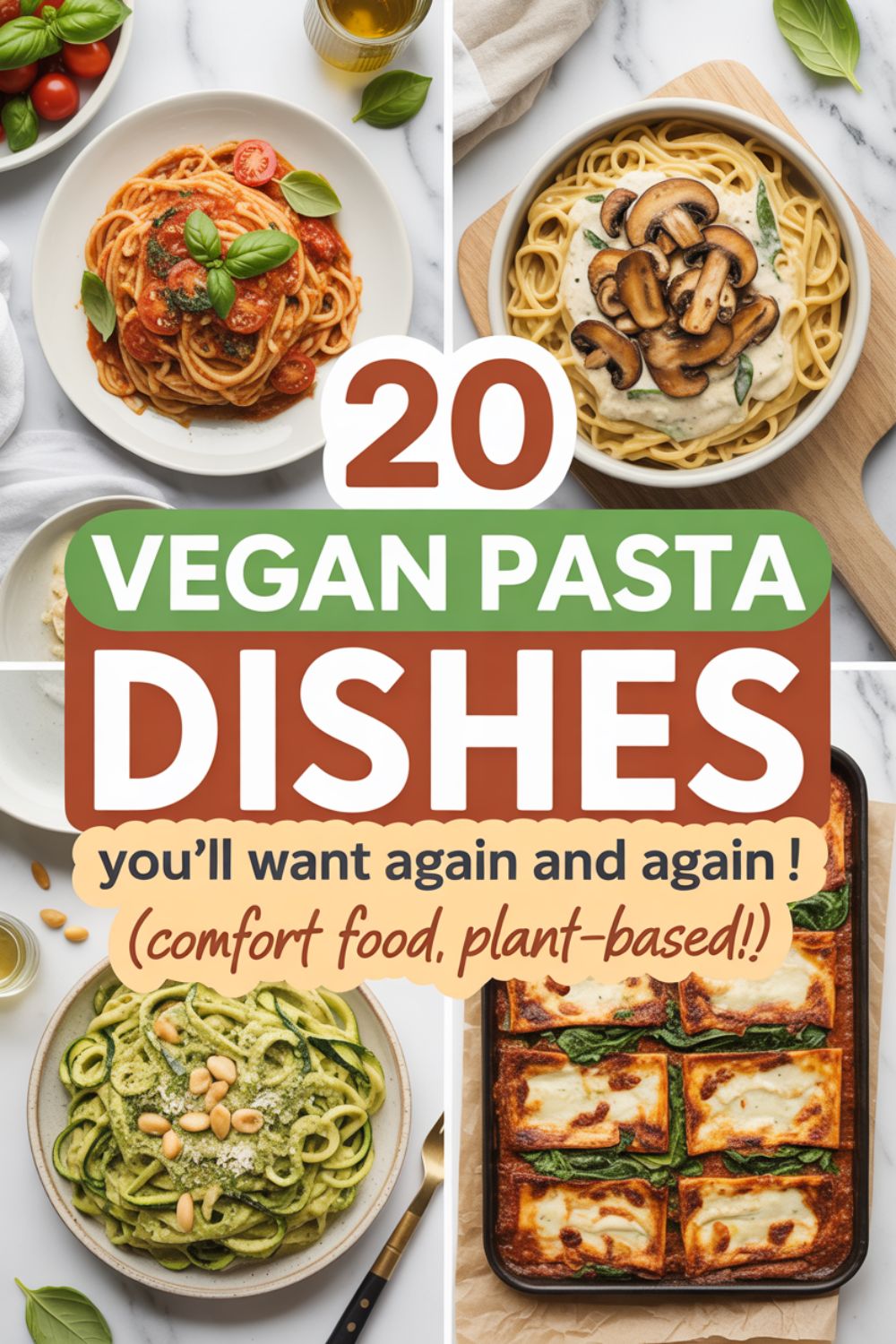
20 Vegan Pasta Dishes You’ll Want Again and Again
Let’s be honest—pasta is the ultimate comfort food, and going vegan doesn’t mean you have to give up those cravings for creamy carbonara or spicy arrabbiata. Actually, vegan pasta might just blow your mind with how ridiculously good it can be. Whether you’re already plant-based or just trying to eat less meat, these 20 vegan pasta dishes will become your new weeknight heroes.

Why Vegan Pasta Is Actually a Game-Changer
Before we jump into the recipes, let’s talk about why vegan pasta deserves a spot in your regular rotation. First off, most traditional pasta is already vegan—it’s just flour and water. The magic happens when you start playing with sauces and toppings that don’t rely on dairy or eggs.
Here’s the thing: plant-based pasta varieties made from whole grains or legumes pack way more fiber than refined wheat versions. We’re talking about three times the fiber content, which does wonders for your gut health. Your digestive system will thank you, trust me.
Plus, when you swap regular pasta for varieties made with chickpeas, lentils, or quinoa, you’re getting a serious protein boost. Research shows that higher fiber intake is linked to lower risks of cardiovascular disease, type 2 diabetes, and obesity. Not bad for a bowl of noodles, right?
The Ultimate Vegan Pasta eBook
50+ restaurant-quality recipes with step-by-step photos, meal prep guides, and sauce-making masterclass. Never run out of dinner ideas again!
Get the eBook – $19Pro Tip: Always save a cup of pasta water before draining. That starchy liquid is liquid gold for creating silky, restaurant-quality sauces at home.
The Best Vegan Pasta Types to Stock Your Pantry
Traditional Wheat Pasta
Let’s start with the classic. Regular durum wheat pasta is naturally vegan and works for just about any recipe. It’s got that familiar texture we all grew up with, and it won’t break the bank. Just check the label to make sure there are no eggs sneaking in there—some fresh pasta varieties do contain them.
I usually keep a few shapes on hand: spaghetti for those late-night cacio e pepe cravings, penne for baked dishes, and rigatoni because those ridges hold sauce like nobody’s business.
Professional Non-Stick Pasta Pot
This 8-quart stainless steel pasta pot has changed my cooking game. Built-in strainer, glass lid, and perfect for making multiple batches without the hassle.
- Built-in strainer saves time and counter space
- Heavy-duty construction heats evenly
- Dishwasher safe for easy cleanup
Legume-Based Pasta
Now we’re getting interesting. Chickpea pasta, red lentil pasta, and black bean pasta have completely changed my weeknight dinner game. They cook in about the same time as regular pasta, but they bring way more to the table nutritionally.
The texture is slightly different—a bit more toothsome—but in a good way. And that earthy flavor? It actually works really well with bold sauces. I love using red lentil penne for spicy arrabbiata because the flavors just sing together.
Whole Grain Options
Whole wheat, spelt, and brown rice pasta fall into this category. They’ve got that nutty flavor and chewier texture that some people love and others… well, tolerate. I’m somewhere in the middle, but I appreciate the extra nutrients.
If you’re new to whole grain pasta, try mixing it half-and-half with regular pasta at first. Your taste buds will adjust, and before you know it, you’ll actually prefer the more complex flavor.
Classic Vegan Pasta Dishes That Never Disappoint
1. Aglio e Olio (Garlic and Oil)
This is where simplicity meets perfection. You literally need just five ingredients: pasta, garlic, olive oil, red pepper flakes, and parsley. That’s it. The trick is slicing the garlic super thin and cooking it low and slow in really good olive oil—don’t rush this step or you’ll end up with bitter, burnt garlic.
When your pasta is al dente, toss it in the garlic oil with a splash of that pasta water. The starch emulsifies with the oil to create this glossy, clingy sauce. It’s pure magic. Some people add a squeeze of lemon at the end, and honestly, I’m not mad about it.
I use this garlic press for when I want super fine garlic, and this microplane when I’m feeling fancy and want to add lemon zest. Both are total kitchen workhorses.
2. Classic Marinara
A good marinara is like a little black dress—versatile, reliable, and never goes out of style. The secret to transcendent marinara is using quality canned San Marzano tomatoes and not overcooking the sauce. You want it to taste bright and fresh, not like it’s been simmering since breakfast.
Start with garlic sautéed in olive oil, crush those tomatoes by hand (so satisfying), add a pinch of sugar to balance the acidity, and let it bubble away for about 20 minutes. Fresh basil goes in at the very end. Get Full Recipe for a version that includes my secret ingredient: a splash of balsamic vinegar.
Speaking of tomato-based sauces, if you’re looking for more inspiration, you might also enjoy exploring different takes on classic Italian flavors.
3. Pesto Perfection
Traditional pesto has Parmesan, but the vegan version is just as good—sometimes even better. Swap the cheese for nutritional yeast and maybe add a handful of cashews for that creamy, umami richness.
Fresh basil is non-negotiable here. You need a big bunch, and yes, it needs to be fresh. The pine nuts can get pricey, so I often use walnuts or even sunflower seeds. Toast them first in a small skillet for about three minutes until they smell incredible.
Pro move: make a double batch and freeze half in ice cube trays. Then you’ve got instant pesto anytime you need it. Game changer for busy weeknights.
Quick Win: Freeze leftover pesto in ice cube trays. Pop out a cube or two for instant flavor whenever you need it. Works for tomato paste too.
Creamy Vegan Pasta Without the Dairy
4. Cashew Alfredo
If you told me ten years ago that blended cashews could replace heavy cream, I would’ve laughed in your face. But here we are, and this stuff is legitimately incredible.
Soak raw cashews for a few hours (or cheat and boil them for 10 minutes), then blend them with garlic, nutritional yeast, lemon juice, and a splash of pasta water until it’s silky smooth. You want it thinner than you think because it’ll thicken up when you toss it with hot pasta.
The consistency is spot-on, and that nutritional yeast brings a cheesy flavor that’s honestly better than the dairy version. I’m not even being dramatic here. Add some roasted broccoli and you’ve got a weeknight dinner that feels fancy but took 20 minutes. Get Full Recipe to nail the perfect ratio of cashews to liquid.
I blend mine in this high-speed blender because you really need the power to get that restaurant-smooth texture. Cheaper blenders leave it grainy, and nobody wants that.
5. Coconut Cream Pasta
Okay, hear me out on this one. Full-fat coconut milk makes an unbelievably luscious pasta sauce. It’s rich, it’s creamy, and if you do it right, you won’t even taste the coconut.
The trick is balancing it with bright, acidic flavors—lots of lemon juice, fresh herbs, maybe some white wine if you’re feeling it. I love adding sun-dried tomatoes and spinach to this base. The coconut cream clings to every piece of pasta, and it reheats beautifully the next day.
FYI, you want the canned coconut milk that’s been sitting in your pantry, not the stuff in cartons from the refrigerated section. Check the ingredients—it should just say coconut and maybe water. That’s it.
6. Butternut Squash Sauce
This one always surprises people. Roasted butternut squash blended with vegetable broth, garlic, and a touch of sage creates this velvety, naturally sweet sauce that clings to pasta like it was born to do it.
Roasting the squash is key—you want those caramelized edges that bring depth to the sauce. Toss the cubes in olive oil, salt, and pepper, then roast at 425°F until they’re golden and tender. Usually takes about 30 minutes, depending on how big you cut them.
Blend everything until smooth, adjusting the consistency with pasta water. I like to finish it with a drizzle of good olive oil and some crispy sage leaves. It feels fancy without being fussy.
For cutting squash without losing a finger, I swear by this chef’s knife. The weight does the work for you.
Bold and Spicy Vegan Pasta Options
7. Arrabbiata That Actually Has Heat
Arrabbiata means “angry” in Italian, and this sauce should have some attitude. Too many versions are timid with the chili flakes, and that’s just wrong. You want enough heat to make you sit up and pay attention.
Start with garlic and a generous amount of red pepper flakes blooming in olive oil—this step is crucial for distributing the heat throughout the sauce. Add crushed tomatoes, let it simmer, and don’t be shy with the red pepper. You can always add more, but you can’t take it away.
Finish with fresh parsley and a drizzle of your best olive oil. Perfection. If you’re looking for more ways to add heat to your meals without relying on meat-heavy dishes, this is your template.
8. Vodka Sauce (Yes, Really)
Vodka sauce without cream? Absolutely possible, and it’s ridiculously good. The vodka isn’t just for show—it actually helps release flavors from the tomatoes that are alcohol-soluble. Science is cool.
Make your tomato base, add a good glug of vodka (use something you’d actually drink), let it cook off for a few minutes, then stir in cashew cream or coconut cream. The result is this silky, slightly sweet, impossibly smooth sauce that coats penne like a dream.
I always make extra and freeze it in these containers because future-me deserves an easy dinner too.
9. Spicy Peanut Noodles
This is where things get fun. Creamy peanut butter, soy sauce, rice vinegar, sriracha, and a touch of maple syrup come together to create this addictive sauce that works with literally any noodle shape.
Toss it with some sautéed vegetables—bell peppers, snap peas, shredded carrots—and you’ve got a meal that rivals any takeout. The sauce keeps in the fridge for a week, so I often make a big batch on Sunday and use it throughout the week on different bases.
Sometimes I do it with soba noodles, sometimes regular spaghetti, sometimes even zucchini noodles when I’m pretending to be healthy. It works every single time.
🌱 Join Our Vegan Recipe Community!
Get exclusive vegan pasta recipes, cooking tips, and meal prep hacks delivered straight to your phone. Join 5,000+ plant-based food lovers in our WhatsApp channel!
Join WhatsApp ChannelPro Tip: When making peanut sauce, thin it out with warm water instead of cold. It emulsifies better and stays silky smooth instead of seizing up into a paste.
Veggie-Packed Pasta Dishes
10. Primavera Done Right
Pasta primavera gets a bad rap for being boring, but that’s only because people don’t cook it right. The vegetables should be charred and caramelized, not steamed into submission.
I roast everything separately at high heat—zucchini, bell peppers, cherry tomatoes, asparagus—until they’ve got those beautiful brown edges. Then toss it all with pasta, garlic, olive oil, and a handful of fresh basil. Each vegetable keeps its own flavor and texture instead of turning into mush.
The key is not overcrowding the pan when you’re roasting. Give those veggies room to breathe. Spread them out on a large baking sheet in a single layer. This isn’t the time to be stingy with pan space.
11. Lemon Asparagus Pasta
This screams spring even when it’s the dead of winter outside. Thin asparagus spears, loads of lemon zest and juice, garlic, and pasta water come together to create this bright, fresh dish that feels lighter than it has any right to be.
Snap the woody ends off the asparagus and cut them into 1-inch pieces on the diagonal. They cook quickly in the same water you’re using for the pasta—just throw them in during the last three minutes of cooking time. Easy.
Fresh herbs are crucial here. Basil, mint, or parsley all work beautifully. Sometimes I add all three if I’m feeling extra. The brightness cuts through any richness and makes the whole dish sing.
Premium Chef’s Knife Set
Honestly, a sharp knife makes all the difference when prepping vegetables for pasta. This set includes everything you need and stays razor-sharp for years.
- German stainless steel – professional quality
- Ergonomic handles reduce hand fatigue
- Includes chef’s knife, paring knife & utility knife
12. Mushroom Ragu
This is my answer to meaty Bolognese, and honestly, it’s better. A mix of mushrooms—cremini, shiitake, portobello, whatever you can find—gets chopped fine and cooked down with tomatoes, wine, and herbs until it’s thick, rich, and deeply savory.
The trick is cooking the mushrooms hard at the beginning to drive off their moisture and concentrate their flavor. Don’t stir them constantly—let them sit and develop that beautiful brown crust. That’s where the magic happens.
This sauce gets better the longer it sits, so it’s perfect for meal prep. Make it on Sunday and eat it all week, or freeze it in portions. Get Full Recipe for the version I’ve been making on repeat for years.
Vegan Pasta Mastery Video Course
Master homemade pasta, perfect sauces, and plating techniques. 12 video lessons + downloadable recipe cards. Cook like a pro chef at home!
Watch Free PreviewFor chopping mushrooms quickly, I use this food processor. Saves about 15 minutes of knife work and my wrists are happier for it.
Baked Vegan Pasta Comfort Food
13. Vegan Lasagna
Lasagna is the ultimate comfort food, and the vegan version is just as decadent as the original. Layer after layer of noodles, marinara, vegan ricotta made from tofu or cashews, and vegetables like spinach and mushrooms.
The ricotta is where most people get nervous, but it’s actually simple. Blend firm tofu with nutritional yeast, lemon juice, garlic, and herbs until it’s smooth and creamy. Taste it and adjust the seasonings—it should be flavorful on its own because it needs to hold up against the sauce.
Cover the lasagna with foil for the first 30 minutes of baking, then uncover it and let the top get golden and bubbly. Let it rest for 10 minutes before cutting, or you’ll have a gorgeous mess on your plate instead of neat slices.
14. Baked Ziti
This is lasagna’s easier, more laid-back cousin. Same comfort level, half the assembly time. Cook your ziti, toss it with marinara and vegan ricotta, dump it in a baking dish, and bake until it’s hot and bubbly.
Top it with vegan mozzarella if you want that cheese pull, or skip it entirely and let the ricotta do the heavy lifting. Either way, you’re looking at pure comfort in a 9×13 pan. I bake mine in this ceramic dish because it heats evenly and looks nice enough to go straight to the table.
15. Mac and Cheese That Doesn’t Taste Like Sadness
Vegan mac and cheese used to be a joke, but those days are long gone. The secret is building layers of flavor: nutritional yeast for cheesiness, miso paste for depth, a touch of mustard for tang, and cashews or potatoes for creaminess.
You can go full-on baked mac with a crispy breadcrumb topping, or keep it stovetop-creamy. Both versions are excellent. The baked version gets these incredible crispy edges that everyone fights over, while the stovetop version is silky and ready in 15 minutes.
Add some roasted broccoli or peas to pretend it’s healthy. Nobody’s judging.
Quick Weeknight Vegan Pasta Wins
16. One-Pot Lemon Garlic Pasta
When you’re too tired to function but still need to eat something that isn’t cereal, this is your answer. Everything cooks in one pot—pasta, garlic, lemon, spinach, pasta water—and somehow it becomes this cohesive, delicious meal.
The pasta releases its starch into the cooking liquid, which becomes your sauce. Add spinach in the last minute to wilt it, squeeze in lemon juice, drizzle with olive oil, and you’re done. Dinner in 20 minutes with minimal cleanup.
This is the kind of recipe you memorize after making it twice because it’s that useful.
Cast Iron Dutch Oven
Perfect for making big batches of pasta sauce, this 6-quart Dutch oven distributes heat like a dream. Goes from stovetop to oven seamlessly.
- Enameled cast iron retains heat perfectly
- Ideal for slow-cooked ragus and baked pasta
- Lifetime durability – buy it once, keep it forever
17. Pantry Pasta with Whatever’s Around
This isn’t really a specific recipe—it’s more of a technique for when you need dinner but haven’t grocery shopped in a week. Grab whatever pasta you have, raid your pantry for olives, capers, sun-dried tomatoes, artichoke hearts, whatever.
Sauté some garlic in olive oil, throw in your pantry finds, toss with pasta and pasta water, and finish with lots of black pepper and fresh herbs if you have them. It sounds chaotic, but these ingredient combinations work together surprisingly well.
I always keep a jar of good quality olives and sun-dried tomatoes around for exactly this purpose.
18. Tomato Basil Simplicity
Sometimes simple is exactly what you need. Fresh tomatoes, garlic, basil, and pasta. That’s the whole deal. The tomatoes barely cook—you want them to break down just enough to release their juices and create a light, fresh sauce.
Use the ripest, most flavorful tomatoes you can find. In the summer, this dish is transcendent with farmers market tomatoes. In winter, good cherry tomatoes are your best bet—they tend to have better flavor year-round than larger varieties.
Tear the basil by hand instead of cutting it with a knife. I don’t know why this matters, but it does.
International Vegan Pasta Inspiration
19. Asian-Inspired Sesame Noodles
Cold sesame noodles are criminally underrated. Chewy noodles coated in a sauce made from tahini or sesame paste, soy sauce, rice vinegar, and a touch of sugar. Add some cucumber, shredded carrots, and scallions, and you’ve got something special.
This works equally well as a main dish or a side. I make it for cookouts in the summer because it’s better at room temperature anyway, and it feeds a crowd without requiring oven space or grill time.
The sauce keeps for weeks in the fridge, so make extra and use it as a dressing for grain bowls or roasted vegetables. It’s that versatile.
30-Day Vegan Meal Plan Bundle
Complete meal plans, grocery lists, and prep schedules. Takes the guesswork out of plant-based eating. Includes breakfast, lunch, dinner & snacks!
Get Started Today – $2720. Mediterranean Orzo
Okay, orzo is technically pasta even though it looks like rice. This dish is loaded with Mediterranean flavors—lemon, olives, sun-dried tomatoes, artichokes, and fresh herbs. It’s equally good hot or cold, which makes it perfect for meal prep.
Cook the orzo until it’s al dente, then toss it with all your mix-ins while it’s still warm so it absorbs all those flavors. The key is being generous with the lemon juice and olive oil—this isn’t the time to be cautious.
Sometimes I add chickpeas to make it more substantial, or serve it alongside grilled vegetables. It’s adaptable like that. Get Full Recipe for the exact proportions I use.
💬 Never Miss a Recipe!
Want weekly vegan dinner ideas and insider cooking tips? Our WhatsApp community shares easy recipes, substitution tricks, and answers all your plant-based cooking questions!
Join Free CommunityFrequently Asked Questions
Is all pasta automatically vegan?
Not quite, but most dried pasta is. Traditional dried pasta is usually just durum wheat and water, which makes it naturally vegan. However, fresh pasta and egg noodles typically contain eggs, so always check the ingredients list. Some specialty pastas might also contain dairy or other animal products, especially if they’re flavored or filled.
How can I make vegan pasta more filling?
The secret is adding protein and healthy fats. Try using legume-based pasta like chickpea or lentil varieties for an automatic protein boost. Add ingredients like cashew cream, nutritional yeast, beans, or tofu to your sauces. Don’t forget to load up on vegetables—they add volume, fiber, and nutrients without weighing you down.
What’s the best vegan cheese for pasta?
This depends on what you’re making. For creamy sauces, I prefer making my own cashew-based cheese because you can control the flavor and consistency. For baked dishes where you want that melty texture, store-bought vegan mozzarella works well. Nutritional yeast is your best friend for that cheesy flavor without any special ingredients—it’s affordable, versatile, and adds great umami depth.
Can I meal prep vegan pasta dishes?
Absolutely, and it’s one of the best ways to ensure you eat well during busy weeks. Most vegan pasta dishes keep for 3-4 days in the fridge. Oil-based sauces like aglio e olio reheat better than cream sauces, though adding a splash of water or plant milk when reheating can help revive them. Baked dishes like lasagna and ziti actually taste better the next day after the flavors have melded together.
Why does my vegan pasta sauce sometimes turn out watery?
The most common culprit is not letting tomatoes cook down enough or adding vegetables that release too much moisture without accounting for it. Always drain canned tomatoes if they’re swimming in liquid, and cook your sauce uncovered so excess moisture can evaporate. If you’re adding vegetables like zucchini or mushrooms, sauté them separately first to drive off their water before mixing them into your sauce. And remember—pasta water is your friend for adjusting consistency because its starch helps bind everything together.
Final Thoughts on Vegan Pasta Life
Here’s what I’ve learned after years of cooking vegan pasta: it’s not about replicating traditional dishes exactly. It’s about understanding what makes pasta delicious—the interplay of flavors, textures, and that perfect al dente bite—and building on that foundation with plant-based ingredients.
The recipes I’ve shared here are my most-cooked, most-loved pasta dishes that happen to be vegan. They’re not trying to be anything other than delicious. Some are quick weeknight saves, others are weekend projects, and a few are the kind of thing you make when you want to impress someone.
Start with one or two recipes that sound good to you. Master those, then move on to others. Build your confidence with the techniques—making cashew cream, balancing acidity, getting pasta water consistency just right. These skills transfer across all kinds of cooking, not just pasta.
And remember, the best pasta dish is the one you’ll actually make. Don’t stress about having every exotic ingredient or the perfect kitchen equipment. Work with what you’ve got, taste as you go, and adjust seasonings to your preferences. That’s how you develop your own style and favorites.
Whether you’re fully plant-based or just trying to eat more vegetables, these vegan pasta dishes prove that you’re not giving anything up. You’re gaining a whole new repertoire of flavors and techniques that make dinner exciting again. And honestly, isn’t that what we’re all looking for?