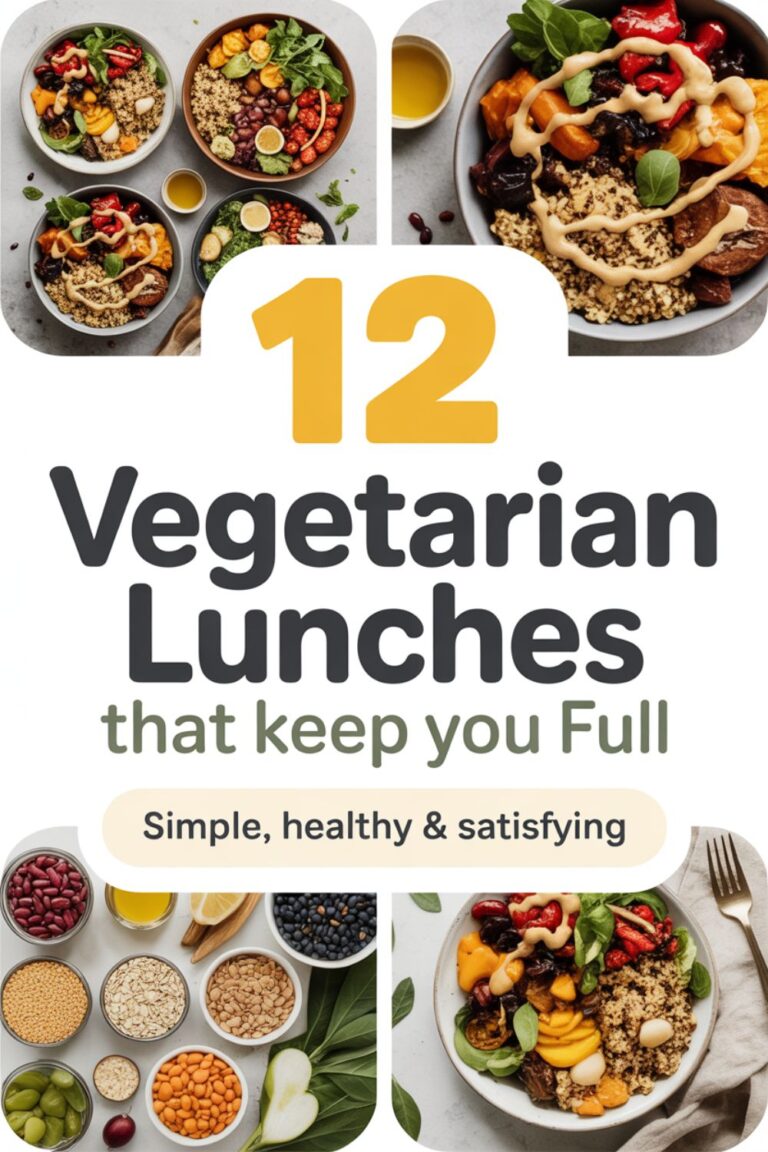
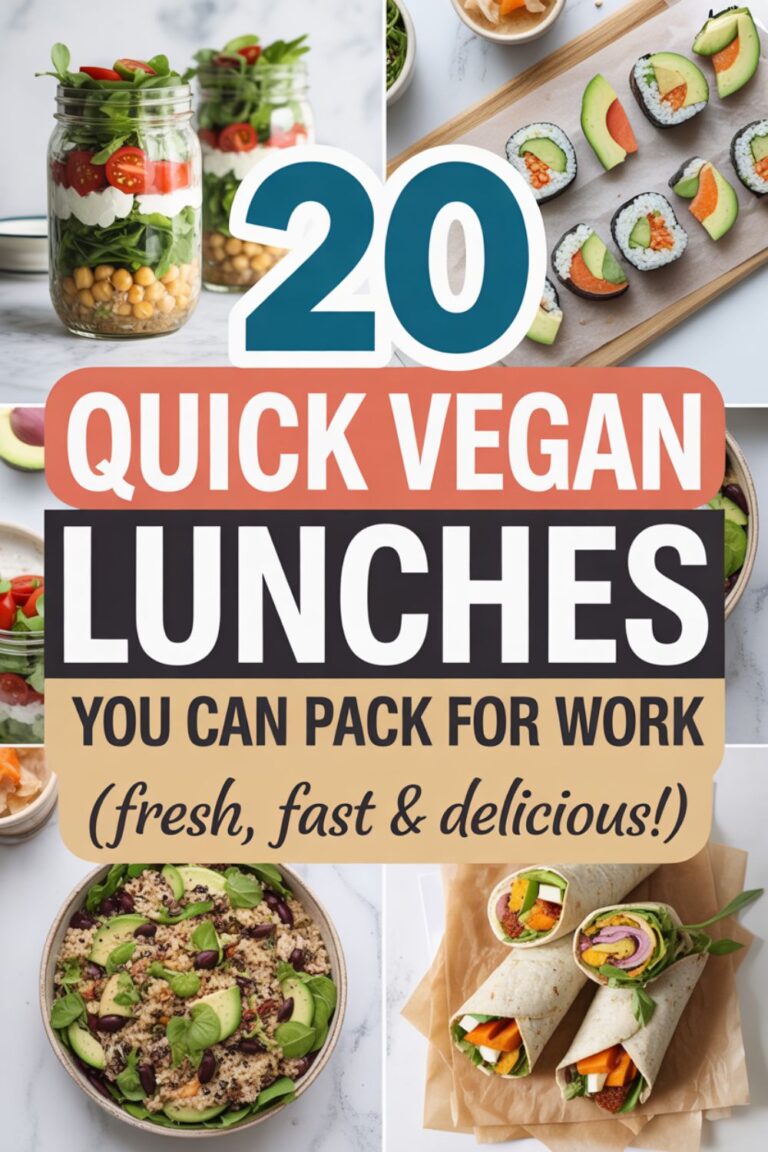
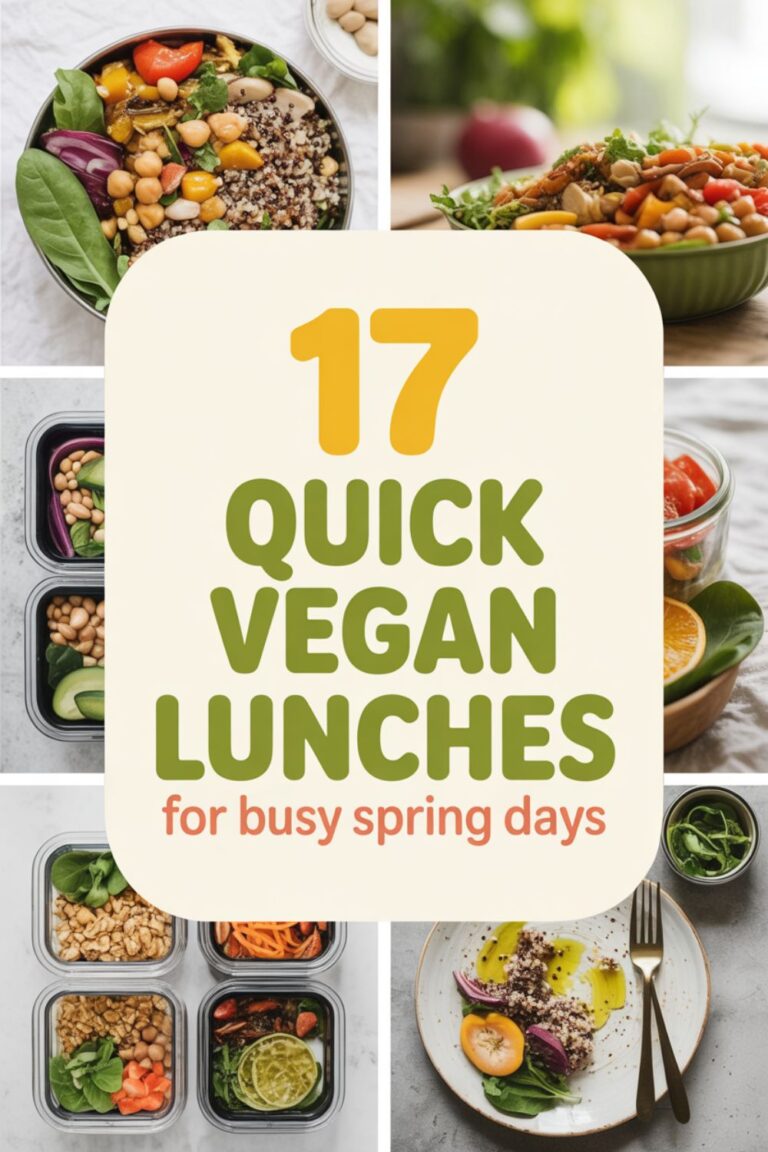
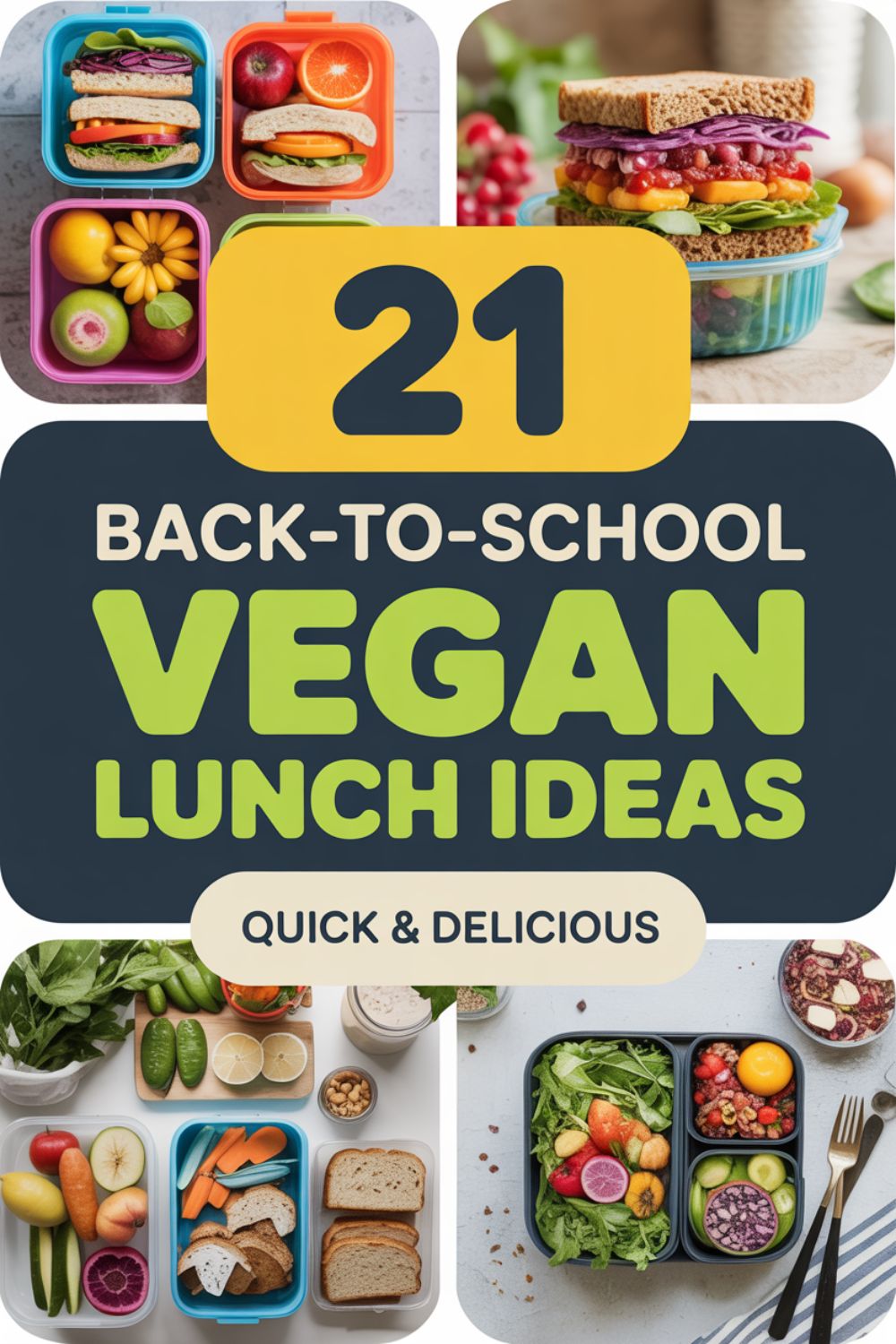
21 Back-to-School Vegan Lunch Ideas
Look, I get it. The morning scramble is real. You’re half-asleep, the kids are asking where their shoes are for the third time, and you’re staring at an empty lunchbox wondering what magical meal you can conjure up that won’t end up in the cafeteria trash.
But here’s the thing—packing vegan lunches doesn’t have to feel like solving a Rubik’s cube blindfolded. I’ve been doing this for years now, and honestly? Once you’ve got a solid rotation of ideas, it becomes second nature. No more panic-prepping sad PB&J sandwiches at 7 AM.
These 21 lunch ideas are the ones that actually work. Not the Pinterest-perfect bento boxes that take an engineering degree to assemble, but real food that holds up in a backpack, tastes good at room temperature, and—most importantly—gets eaten. Whether you’re packing for picky eaters, protein-obsessed teens, or just trying to avoid spending your paycheck on overpriced cafeteria food, I’ve got you covered.
Why Vegan Lunches Are Actually Easier Than You Think
Let me clear up a misconception right off the bat. Going vegan for school lunches doesn’t mean you’re signing up for complicated recipes or spending hours in the kitchen every Sunday. In fact, some of the easiest lunches I make are completely plant-based.
The secret? Plant-based diets naturally include more fiber, vitamins, and minerals, which means kids stay fuller longer and have more sustained energy throughout the school day. No 2 PM energy crash, no begging for vending machine snacks.
Plus, vegan lunches tend to travel better. No worrying about mayo going bad or cheese getting sweaty. Most plant-based foods are sturdy enough to handle being tossed around in a backpack without turning into a science experiment by lunchtime.
The Protein Question Everyone Asks
Ah yes, the inevitable “but where do they get their protein?” question. I’ve heard it from teachers, grandparents, and random strangers at the grocery store eyeing my cart.
Here’s the reality: getting enough protein on a vegan diet is stupidly easy if you know what you’re doing. Chickpeas, lentils, tofu, tempeh, nuts, seeds, and even quinoa all pack serious protein. A single cup of cooked lentils has 18 grams of protein—that’s more than three eggs.
I always make sure to include at least one solid protein source in every lunch. Could be a handful of roasted chickpeas, some almond butter on whole grain bread, or leftover baked tofu nuggets from dinner. The kids don’t even notice they’re hitting their protein goals because the food actually tastes good.
If you want more ideas on keeping those protein levels up, check out these high-protein vegan meals that actually keep you full. Trust me, they’re game-changers.
21 Back-to-School Vegan Lunch Ideas That Actually Get Eaten
1. The Classic Rainbow Wrap
This one’s a staple in our house. Grab a whole wheat tortilla, spread some hummus, and load it up with shredded carrots, purple cabbage, cucumber strips, and spinach. Roll it tight, slice it in half diagonally, and you’re done. The colors alone make it look impressive, and kids love the crunch factor.
I use this spiralizer for quick veggie prep—makes those carrot ribbons in about ten seconds flat. Way faster than knife work, and somehow the spiralized veggies taste better to picky eaters. Go figure.
2. Mediterranean Chickpea Salad
Mix canned chickpeas with diced tomatoes, cucumbers, red onion, and a lemon-tahini dressing. Pack it in a container with some whole grain pita chips on the side for scooping. This one’s protein-packed and holds up perfectly in the fridge for days.
Get Full Recipe for a complete Mediterranean-inspired meal.
3. PB&J With a Twist
Okay, hear me out. Regular PB&J is fine, but it gets boring fast. Try using almond butter instead of peanut butter, add some sliced bananas or strawberries, and maybe a drizzle of maple syrup. Use whole grain bread that actually has some substance to it.
The fruit adds natural sweetness and extra vitamins without making the sandwich soggy if you pack it right. Just keep the fruit and nut butter in separate sections until lunch.
4. Asian-Inspired Noodle Bowl
Cook up some rice noodles, toss them with sesame oil, add shredded carrots, edamame, and a peanut sauce. This travels well cold and tastes amazing even hours later. Pack it in one of those divided bento containers to keep everything separated.
The peanut sauce is key here—make a big batch and keep it in the fridge. It makes everything taste restaurant-quality.
5. Hummus Power Box
This is basically adult Lunchables but way healthier and cheaper. Pack a generous scoop of hummus in a container with veggie sticks (carrots, celery, bell peppers), whole grain crackers, and some cherry tomatoes. Add grapes or berries on the side for something sweet.
My kids actually request this one, which shocked me the first time. Turns out if you let them dip things, they’ll eat just about any vegetable.
6. Vegan Sushi Rolls
Before you panic, I’m not suggesting you become a sushi chef. Buy a bamboo sushi roller for like eight bucks, spread some rice on nori sheets, add cucumber and avocado strips, roll it up, and slice. Done.
Pack some soy sauce packets on the side. Kids think this is fancy, and it’s honestly easier than making a sandwich once you get the hang of it.
Looking for more creative lunch ideas? These quick vegan lunches you can pack for work are equally great for school.
7. Loaded Sweet Potato
Microwave or bake a sweet potato until it’s soft, let it cool, then pack it with toppings in separate containers: black beans, corn, diced tomatoes, and a squeeze of lime. They can assemble it at lunch or eat everything separately—either way works.
Sweet potatoes are nutritional powerhouses, and unlike regular potatoes, they actually taste good cold.
8. DIY Burrito Bowl
Brown rice as the base, black beans, roasted veggies (I usually do bell peppers and onions), corn, salsa, and guacamole. Pack everything in separate sections of a three-compartment container so it doesn’t get soggy.
This is basically Chipotle at home but without the $12 price tag and questionable ingredient quality.
9. Pasta Salad Supreme
Cook some chickpea pasta (extra protein, bonus points), toss it with cherry tomatoes, olives, artichoke hearts, and Italian dressing. This gets better as it sits in the fridge, so make a big batch on Sunday.
The chickpea pasta holds up way better than regular pasta for meal prep, and it doesn’t turn into that weird mushy texture by day three.
10. Buddha Bowl
Quinoa base, roasted chickpeas, steamed broccoli, shredded carrots, and a tahini drizzle. Pack the sauce separately to keep everything fresh. Buddha bowls are basically just “throw a bunch of healthy stuff in a bowl,” but somehow calling it a Buddha bowl makes it sound more appealing.
Get Full Recipe for perfectly seasoned roasted chickpeas that actually stay crunchy.
Meal Prep Essentials Used in These Lunches
After years of packing lunches, here are the tools and ingredients that make my life infinitely easier:
Physical Products:
- BPA-Free Bento Containers – The three-compartment ones are my go-to. They keep wet foods away from crunchy foods, and they’re actually leak-proof unlike those cheap ones that promise the world.
- Insulated Lunch Bag – Get one with a built-in ice pack. Game changer for keeping things fresh without needing separate ice packs that always go missing.
- Reusable Food Wraps – These beeswax-alternative wraps are perfect for sandwiches and cut fruit. Way better than plastic wrap and they actually work.
Digital Products & Resources:
- Weekly Meal Prep Planner – A simple template that helps you map out the whole week of lunches in one go. Saves so much mental energy.
- 50 Vegan Lunch Recipes eBook – Honestly the best investment I made. It’s got color photos, nutrition info, and shopping lists already organized.
- Meal Prep Video Course – If you’re more visual, this walks you through batch cooking basics and shows you how to prep five lunches in under an hour.
11. Falafel Pita Pocket
Make or buy falafel (frozen ones work great), stuff them in a whole wheat pita with lettuce, tomatoes, and tahini sauce. Pack the sauce separate to avoid sogginess—learned that one the hard way.
Falafel is one of those foods that’s somehow even better cold, which makes it perfect for lunch boxes.
12. Veggie Fried Rice
Use leftover rice from dinner, scramble it up with frozen mixed veggies, a little soy sauce, and sesame oil. Pack it cold—it’s one of those dishes that’s equally good hot or cold.
This is my go-to for using up whatever random vegetables are lurking in the crisper drawer. Carrots, peas, corn, bell peppers—all fair game.
13. Apple Sandwiches
Slice an apple into rounds, remove the core with a small cookie cutter, spread almond butter between two slices, and sprinkle with granola or chocolate chips. Technically a snack, but pack enough and it’s a meal.
Kids love these because they’re fun and crunchy, and I love them because they take literally two minutes to make.
For more ideas on plant-based variety, check out these vegan breakfast ideas that’ll make you excited to wake up—many of them work perfectly for lunch too.
14. Soup Thermos Surprise
Invest in a good thermos that actually keeps things hot. Fill it with lentil soup, minestrone, or tomato soup. Pack crackers or a roll on the side. Warm soup on a cold day? Your kid will be the envy of the lunch table.
The trick is to heat the soup until it’s almost uncomfortably hot before packing it. By lunchtime, it’ll be perfect.
15. Quinoa Tabbouleh
Quinoa, tons of fresh parsley, tomatoes, cucumber, lemon juice, and olive oil. This is fresh, bright, and loaded with protein. Pack it with some whole grain pita bread for scooping.
Tabbouleh gets better as it sits, so this is another great make-ahead option.
16. Energy Bite Collection
Okay, so this isn’t exactly a meal, but pack 4-5 homemade energy bites with some fruit and veggie sticks, and you’ve got a solid lunch. These things are concentrated nutrition—dates, nuts, seeds, and maybe some chocolate chips if you’re feeling generous.
Get Full Recipe for no-bake energy bites that last all week in the fridge.
17. Bean and Rice Bowl
Simple but effective. Brown rice, black beans or pinto beans, salsa, and some diced avocado. Maybe throw in some corn for color. This is packed with plant-based protein and fiber that actually keeps kids full through afternoon classes.
Sometimes the simplest lunches are the best ones. This combo is a complete protein and costs next to nothing.
18. Veggie Spring Rolls
Rice paper wrappers, rice noodles, shredded carrots, cucumber, avocado, and fresh herbs. Pack a peanut or sweet chili sauce for dipping. These look way fancier than the effort required.
Pro tip: wet the rice paper just enough to make it pliable. Too wet and you’ll end up with a sticky mess. Ask me how I know.
19. Loaded Nachos
Pack tortilla chips in one container, and in separate compartments add: refried beans, salsa, guacamole, and dairy-free cheese shreds. They assemble it themselves at lunch. Interactive food is always a win.
This hits that junk food craving but is actually reasonably healthy. Win-win.
20. Veggie Sushi Bowl (Deconstructed)
Don’t feel like rolling sushi? Just pack all the ingredients separately: sushi rice, nori sheets torn into pieces, cucumber sticks, avocado, and some pickled ginger. Add soy sauce packets. Same flavors, zero rolling skills required.
Honestly tastes just as good and takes a fraction of the time.
21. The Ultimate Snack Plate
When all else fails, the snack plate saves the day. Pack a variety: trail mix, sliced veggies with ranch (vegan ranch exists and it’s good), fruit, crackers, and some dairy-free cheese slices. Variety keeps things interesting.
Sarah from our community tried rotating through these ideas and told me her kids stopped complaining about lunch for the first time ever. Sometimes it’s just about having enough options that you’re not making the same thing every single day.
Making It Work With Picky Eaters
Let’s be real for a second. Not every kid is going to enthusiastically devour quinoa tabbouleh on day one. Some kids think anything green is suspicious, and I totally get that.
The trick I’ve learned? Start with familiar foods and gradually introduce new things. If they like regular pasta, try the chickpea pasta. If they’re into chicken nuggets, try vegan nuggets that are honestly shockingly similar.
Also, involving kids in the lunch-packing process helps. Let them choose between two options: “Do you want the hummus box or the pasta salad tomorrow?” Suddenly they have ownership over the decision and they’re way more likely to actually eat it.
And look, some days they’re going to come home with a full lunchbox. It happens. Don’t take it personally. Just ask what they didn’t like and adjust for next time.
Need more variety in your rotation? Check out these vegan snacks that are healthy and satisfying to round out any lunch.
The Sunday Meal Prep Strategy
Here’s my honest take on meal prep: you don’t need to spend four hours every Sunday making elaborate lunches for the entire week. That’s a recipe for burnout.
Instead, do this. Pick two or three lunch ideas for the week. Prep the components—cook the grains, chop the veggies, make the sauces. Store everything in separate containers. Then assembly during the week takes like five minutes tops.
For example, on Sunday I’ll cook a big batch of quinoa, roast a bunch of chickpeas, chop all my veggies, and make two different sauces. Then throughout the week, I’m just mixing and matching those components into different combinations.
Monday might be a Buddha bowl. Tuesday, those same roasted chickpeas go into a wrap. Wednesday, the quinoa becomes tabbouleh. You get the idea.
If you’re looking for a complete strategy, these easy vegan meal prep ideas for busy weeks will give you the full framework.
Tools & Resources That Make Lunch Prep Easier
These are the things I actually use every week—not the gadgets that looked cool but ended up in the back of the cupboard:
Must-Have Physical Tools:
- Glass Meal Prep Containers – Yes, they’re heavier than plastic, but they don’t stain, don’t hold smells, and you can see exactly what’s inside without opening them.
- Sharp Chef’s Knife – I resisted getting a good knife for way too long. A sharp knife cuts your prep time literally in half. Plus it’s safer than struggling with a dull blade.
- Vegetable Chopper – For those mornings when you just cannot with the knife work. Onions, peppers, carrots—done in seconds.
Digital Resources Worth Getting:
- Vegan Kids Nutrition Guide – Breaks down exactly what nutrients kids need and which plant foods provide them. Takes the guesswork out.
- Batch Cooking Masterclass – Shows you how to cook once and eat multiple times without everything tasting the same.
- School Lunch Ideas Database – Searchable by ingredient, prep time, and whether it needs refrigeration. Lifesaver when you’re out of ideas.
Join the Community: We’ve got a WhatsApp group for parents packing vegan lunches. Share ideas, troubleshoot picky eater problems, and swap recipes that actually worked. DM for the link.
Handling Common Challenges
The Soggy Sandwich Problem
Nothing’s worse than packing a beautiful sandwich only to have it return home as a sad, mushy mess. The solution? Pack wet ingredients separately. Tomatoes, pickles, sauces—all in little containers on the side. Let them assemble at lunch.
Or use ingredients that don’t get soggy. Hummus is great because it’s already spreadable and doesn’t make bread wet. Nut butters too. Just avoid watery vegetables touching the bread directly.
The Temperature Issue
Some schools have refrigeration, most don’t. Plan accordingly. Ice packs in insulated lunch bags work great, but also choose foods that are fine at room temperature. Most of the lunches I listed above handle a few hours outside the fridge without any problems.
When in doubt, pack things that are actually meant to be eaten at room temperature. Nobody’s expecting a cold salad to be hot, you know?
The Allergy-Friendly Classroom
Nut-free zones are increasingly common, which rules out peanut butter, almond butter, and trail mix. But you’ve still got tons of options: sunflower seed butter (honestly tastes similar to peanut butter), hummus, beans, tofu, and all the regular veggies and grains.
Just read labels carefully. Some granola bars and crackers have “may contain traces of nuts” warnings even if nuts aren’t in the actual ingredients.
Budget-Friendly Tips
Vegan lunches can be stupid cheap if you shop smart. Dried beans and lentils cost pennies per serving. Rice and pasta are basically free. Research shows that plant-based diets often cost less than omnivorous ones when you focus on whole foods instead of processed vegan substitutes.
Buy produce that’s in season—it’s cheaper and tastes better. Frozen vegetables are just as nutritious as fresh and they’re available year-round at consistent prices. I probably use frozen broccoli and edamame more than fresh at this point.
Make your own snacks instead of buying pre-packaged ones. Energy bites cost like 30 cents each to make versus $2+ for store-bought ones. Same with hummus—a can of chickpeas makes a huge batch for less than one small container from the store.
If you’re trying to keep costs down while still eating well, these easy vegan dinner recipes for every night of the week use similar affordable ingredients and you can repurpose leftovers for lunch.
What About School Cafeterias?
Some schools are getting way better about offering vegan options. Salad bars, bean burritos, pasta with marinara—it varies wildly by district. Worth checking out what your school offers.
If the cafeteria has decent options, you might be able to do a hybrid approach. Pack lunch three days a week, buy two days. Takes some pressure off and gives kids variety.
Just be aware that “vegetarian” and “vegan” aren’t the same thing. A lot of cafeteria vegetarian options still have cheese or milk in them. Always double-check.
Dealing With Social Pressure
This is the part nobody talks about enough. Your kid might be the only one with a vegan lunch, and kids can be weirdly judgmental about food.
I’ve found that packing lunches that look “normal” helps. A wrap looks like a wrap. A pasta salad looks like pasta salad. Nobody needs to know there’s no meat or cheese if it looks and tastes good.
Also, teach your kids some simple responses. “I like how I eat” works great. Or “My family doesn’t eat animal products.” Most kids lose interest quickly when they realize it’s not a big deal.
And honestly? When your kid’s lunch looks colorful and appetizing, other kids get curious in a good way. I’ve had multiple reports of kids asking to trade because the vegan lunch looked better than their ham sandwich.
Making Lunches Fun Without Going Overboard
You don’t need cookie cutters in seventeen shapes or those elaborate bento box designs that take an hour to make. But a little fun doesn’t hurt.
Sometimes I’ll add a joke written on a napkin. Or pack fruit in rainbow order. Or use fun toothpicks for kebabs. Small touches that take two seconds but make lunch feel special.
Honestly though? Don’t stress about making Pinterest-worthy lunches every day. Fed is best. If they ate it and they’re not hungry, you won. That’s the whole goal.
Looking for more creative ideas? These vegan salad recipes that are fresh and filling can easily be adapted for lunch boxes.
Frequently Asked Questions
How do I make sure my kid gets enough calcium without dairy?
Great question, and easier than you’d think. Fortified plant milks, tofu made with calcium sulfate, leafy greens, almonds, and tahini are all excellent calcium sources. A serving of fortified almond milk has as much calcium as cow’s milk. Pack a small thermos of fortified soy milk with lunch or include calcium-rich foods like the hummus and tahini sauces I mentioned.
What if my kid’s school doesn’t have a microwave?
Most of these lunches are designed to taste good cold or at room temperature. For warm options, invest in a quality thermos that keeps food hot for 6+ hours. Fill it with soup, pasta, or rice bowls in the morning, and it’ll still be warm by lunch. Just preheat the thermos with boiling water before adding the hot food—it helps maintain temperature.
How long do these lunches stay fresh?
In an insulated lunch bag with an ice pack, most of these stay perfectly fine for 4-5 hours. Some—like the pasta salad, wraps, and grain bowls—actually taste better after sitting for a bit as flavors meld. Avoid packing cut avocado without lemon juice (it’ll brown), and keep dressings separate from salads. Otherwise, you’re good to go.
Are vegan lunches filling enough for active kids or teens?
Absolutely, when you plan them right. The key is including protein and healthy fats in every lunch—things like nuts, seeds, avocado, tofu, beans, and whole grains. A burrito bowl with beans and rice, or a chickpea salad with tahini dressing, has plenty of calories and nutrients to fuel sports practice or growth spurts. IMO, teens actually stay fuller longer on plant-based meals because of the fiber content.
What’s the best way to introduce vegan lunches to a skeptical kid?
Start with foods they already like that happen to be vegan—like PB&J, pasta with marinara, or fruit and crackers. Gradually introduce new things alongside familiar favorites. Don’t make a big deal about it being “vegan”—just call it lunch. Let them help choose and pack their lunches so they feel involved. And be patient. Some kids take weeks to warm up to new foods, and that’s totally normal.
Final Thoughts
Packing vegan school lunches doesn’t have to be complicated, time-consuming, or stressful. Once you’ve got a solid rotation of ideas and you’ve done the prep work, it becomes as automatic as tying your shoes.
The twenty-one ideas I’ve shared are my go-to rotation, but honestly? You could probably survive with just five or six favorites on repeat. Kids are creatures of habit. They don’t need gourmet variety every single day—they need food that tastes good, keeps them full, and doesn’t require a PhD to eat in a crowded cafeteria.
Start with two or three lunches from this list. Master those. Then add more as you feel comfortable. Before you know it, you’ll be that parent who has this whole lunch thing figured out while everyone else is panic-buying Lunchables at 7:30 AM.
And look, some days you’ll phone it in with a simple sandwich and an apple. That’s fine. The goal isn’t perfection—it’s feeding kids nutritious food without losing your mind in the process. You’ve got this.