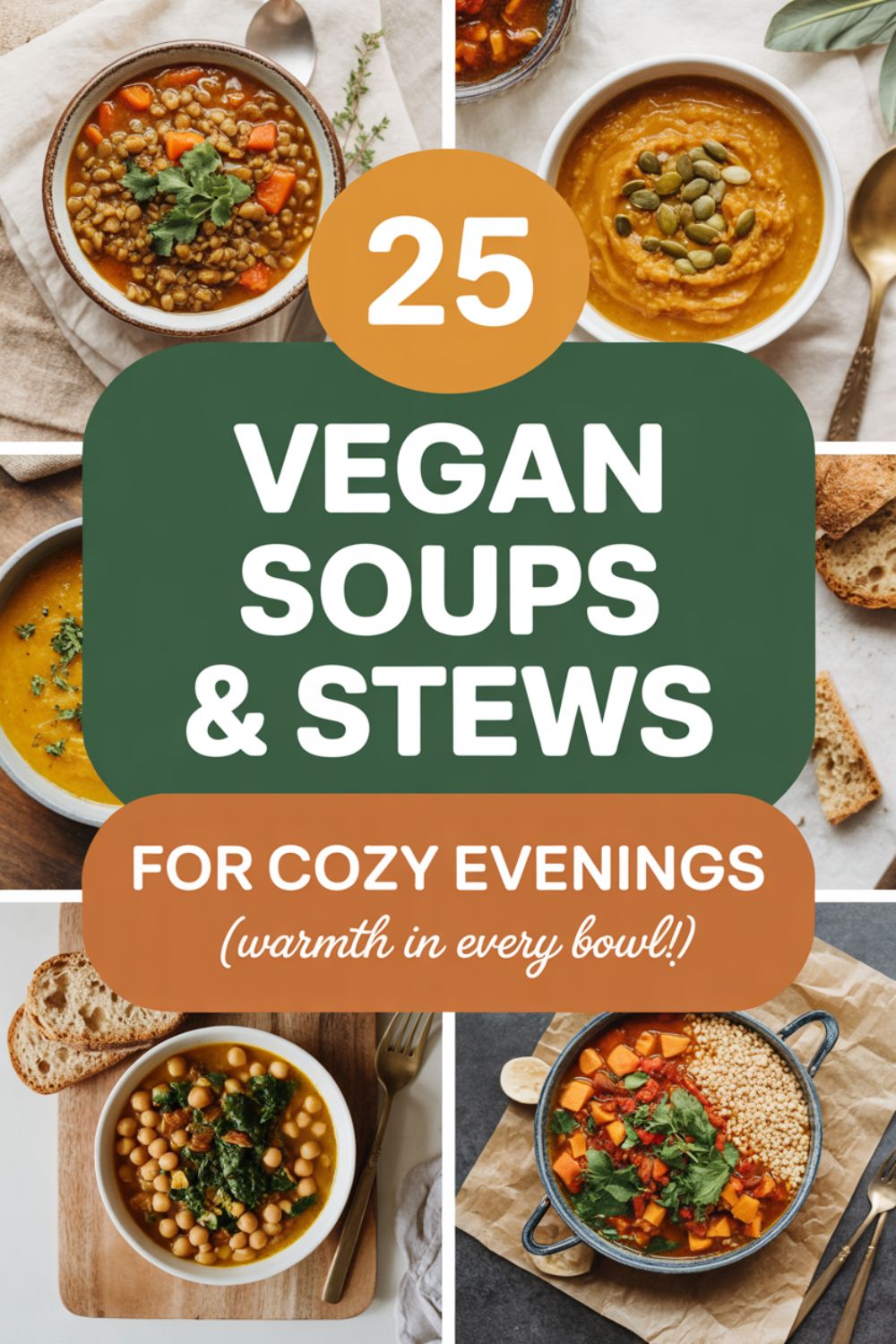
25 Vegan Soups and Stews for Cozy Evenings
Look, I’m not here to tell you that soup is the answer to all your problems. But on a cold evening when you’re too tired to think about what’s for dinner? Yeah, soup is pretty much the answer to all your problems.
I’ve been making vegan soups for years now, and honestly, they’ve become my go-to comfort food. There’s something about a bowl of hot, flavorful stew that just hits different when you’re curled up on the couch with a blanket. No meat, no dairy, no problem—just pure plant-based goodness that’ll warm you from the inside out.
So let’s talk about 25 incredible vegan soups and stews that’ll make you forget all about that chicken noodle stuff your mom used to make. Trust me, these recipes are so good, even your meat-eating friends will be asking for seconds.

Why Vegan Soups Are Actually Better (Fight Me)
Before we dive into the recipes, let me address the elephant in the room. Or rather, the lack of elephant—or any other animal—in the pot. Some people think vegan soups are bland, boring, or just not as satisfying as their meaty counterparts. Those people are wrong, and I’m about to tell you why.
First off, plant-based ingredients bring complexity. When you’re not relying on chicken stock or bacon for flavor, you actually have to get creative with spices, herbs, and umami-rich ingredients. This means more layers of flavor, not fewer. We’re talking roasted garlic, smoked paprika, miso paste, nutritional yeast—the good stuff that makes your taste buds do a little happy dance.
Second, vegan soups are easier on your digestive system. No heavy cream sitting in your stomach like a brick. No meat sweats. According to research from Harvard Medical School, plant-based diets are associated with better digestive health and reduced inflammation. Just pure, clean energy that keeps you going without the post-meal crash.
Third, and this is important—vegan soups are ridiculously versatile. You can throw in whatever vegetables you’ve got languishing in your crisper drawer, adjust the spice level on the fly, and make substitutions without worrying about food safety. That’s freedom, my friends.
The Foundation: Building Blocks of Amazing Vegan Soup
Alright, before we get to the actual recipes, let’s talk about what makes a vegan soup go from “meh” to “holy crap, can I have the recipe?” It’s not rocket science, but there are a few key principles you need to understand.
The Flavor Base Trinity
Start with aromatics. I’m talking onions, garlic, celery, and carrots—the classic mirepoix. Sauté these bad boys in some olive oil or vegetable broth until they’re soft and fragrant. This creates a flavor foundation that’s absolutely crucial. Skip this step, and your soup will taste like hot vegetable water. Do it right, and you’re building something magical.
I personally love using this ceramic Dutch oven for soup-making—it distributes heat evenly and looks gorgeous enough to go straight from stove to table. Plus, the heavy lid traps moisture perfectly for those long, slow simmers.
Here’s what you need in your flavor arsenal:
- Yellow or white onions for sweetness and depth
- Garlic (fresh, never that jarred stuff—trust me on this)
- Celery for that subtle, earthy undertone
- Carrots for natural sweetness and body
Umami Is Your Secret Weapon
Since we’re not using meat or fish sauce, we need to get umami from other sources. This is where vegan cooking gets interesting. Miso paste, soy sauce, tomato paste, mushrooms, and nutritional yeast are your new best friends. These ingredients add that savory, satisfying depth that makes you go back for thirds.
I keep this organic white miso paste in my fridge at all times. Just a tablespoon stirred into your broth at the end of cooking can completely transform a soup from good to restaurant-quality. And before you ask—no, it doesn’t make everything taste “Asian.” It just makes everything taste better.
Speaking of umami-rich meals, if you’re looking for more plant-based dinner inspiration, you might want to check out some high-protein vegan meals that’ll keep you satisfied all evening long.
Texture Matters More Than You Think
A good soup needs textural variety. You want some creaminess, some chew, maybe a bit of crunch on top. This is why I always finish my soups with something extra—toasted nuts, crispy chickpeas, fresh herbs, or a drizzle of good olive oil.
For creaminess without cream, you’ve got options. Coconut milk works beautifully in Thai-inspired soups. Cashew cream (just soaked cashews blended with water) is perfect for European-style soups. And don’t sleep on white beans—pureed up, they create this silky, velvety texture that’s honestly better than heavy cream.
My high-speed blender gets more use than any other appliance in my kitchen. It’s perfect for blending soups until they’re impossibly smooth, and it crushes cashews into cream like nobody’s business.
Professional Immersion Blender Set
This is hands-down my most-used tool for soup making. Blend directly in the pot, no transferring hot liquids. Comes with whisk attachment and chopper bowl. Makes velvety smooth soups in seconds without the cleanup nightmare of a traditional blender.
The Main Event: 25 Vegan Soups and Stews
Now for what you actually came here for—the recipes. I’ve organized these by type because I’m helpful like that, but honestly, you should make all of them. Some will become weeknight staples, others are perfect for meal prep, and a few are fancy enough for company.
Creamy Comfort Soups
1. Classic Vegan Tomato Soup
Let’s start with the obvious. Tomato soup is basically a hug in a bowl, and the vegan version is just as comforting as the one you remember from childhood. I make mine with fire-roasted tomatoes for extra depth, a splash of balsamic vinegar for complexity, and coconut milk for richness. Get Full Recipe.
The secret here is roasting your tomatoes first. Yeah, it takes an extra 20 minutes, but the caramelization that happens in the oven creates this sweet, slightly smoky flavor that canned tomatoes just can’t match. According to nutritional research published in the National Institutes of Health, cooking tomatoes actually increases their lycopene content, making them even more nutritious.
2. Butternut Squash Soup
This is the soup that converts people to the vegan cause. It’s naturally sweet, incredibly creamy without any cream, and has this gorgeous orange color that just screams fall. I add ginger and curry powder to mine because I like a little heat with my sweet. The result? Pure autumn magic in a bowl.
Pro move: roast your squash instead of boiling it. The caramelization on the edges adds so much flavor. Toss it with this avocado oil spray before roasting—it’s my secret weapon for evenly coated vegetables with zero mess.
3. Cauliflower “Cream” Soup
Cauliflower is having a moment, and for good reason. When you cook it down and blend it up, it creates this unbelievably creamy texture that rivals any dairy-based soup. I make mine with roasted garlic, white wine, and a touch of nutmeg. It’s elegant enough for dinner parties but easy enough for Tuesday night.
If you’re into cauliflower’s versatility, you’d probably love these plant-based comfort food classics that use similar techniques to create rich, satisfying meals without any animal products.
Premium Enameled Dutch Oven (6-Quart)
The single best investment for soup lovers. Even heat distribution, goes from stovetop to oven, and it’s so beautiful you can serve straight from it. I’ve made hundreds of soups in mine and it still looks brand new. Worth every penny.
4. Thai Coconut Soup (Tom Kha)
This is my go-to when I’m craving something with a bit of zing. It’s got that perfect balance of creamy coconut milk, tangy lime, spicy Thai chilies, and aromatic lemongrass. Plus, it comes together in like 20 minutes, which is clutch when you’re hangry.
The key ingredients here are galangal, lemongrass, and kaffir lime leaves—these aromatics are what make Thai cuisine so distinctive. If you can’t find fresh, dried works fine. Just simmer them in your coconut milk to extract all those fragrant oils.
5. Roasted Red Pepper Soup
Sweet, smoky, and slightly addictive. I char my peppers directly over my gas burner (or under the broiler if you’re not into playing with fire), then blend them with vegetable broth, garlic, and smoked paprika. It’s like summer in a bowl, even in the dead of winter.
Hearty Stews That Stick to Your Ribs
6. Moroccan Chickpea Stew
Now we’re getting into the serious stuff. This stew is loaded with chickpeas, sweet potatoes, tomatoes, and about a million warm spices—cumin, coriander, cinnamon, turmeric. It’s the kind of meal that makes your whole house smell amazing and gives you enough leftovers for days.
I serve this over fluffy couscous or quinoa and top it with fresh cilantro and a squeeze of lemon. The brightness from the citrus cuts through the richness of the stew and just ties everything together beautifully. Get Full Recipe.
7. Lentil and Sweet Potato Stew
Lentils are the unsung heroes of vegan cooking. They’re cheap, packed with protein and fiber, and they absorb whatever flavors you throw at them. This stew combines green or brown lentils with cubed sweet potatoes, tomatoes, and curry spices for something that’s both nutritious and crave-worthy.
Here’s the thing about lentils—different types cook at different rates. Red lentils disintegrate into mush (which is perfect for some soups), while green and brown lentils hold their shape. For this stew, you want the latter. They give you that satisfying bite that makes the stew feel substantial.
8. White Bean and Kale Stew
This is Italian comfort food at its finest. Creamy white beans, tender kale, tomatoes, and loads of garlic simmered in a rich broth. I finish it with a drizzle of really good olive oil and some red pepper flakes because I’m fancy like that.
The secret to this stew is using dried beans instead of canned. I know, I know—it takes longer. But dried beans have this creamy texture and robust flavor that canned beans just can’t match. Plus, the starchy cooking liquid becomes part of your stew base, adding body and richness. Just remember to soak them overnight, or use this electric pressure cooker to speed things up without sacrificing quality.
9. Black Bean Chili
Let’s settle this right now—chili is soup. Fight me. This black bean version is smoky, spicy, and so hearty you’ll forget there’s no meat in it. I load mine up with bell peppers, onions, tomatoes, and enough chili powder to make my eyes water (in a good way).
Top it with diced avocado, a dollop of cashew sour cream, some fresh cilantro, and crushed tortilla chips. That textural contrast is what takes it from good to “I’m bringing this to the next potluck and taking all the credit.”
For more protein-packed plant-based meals that’ll keep you full for hours, these high-protein vegan dinner ideas are absolutely worth exploring.
10. Mushroom Barley Stew
If you want something that tastes like you spent all day cooking but actually took 45 minutes, this is your stew. Mushrooms bring massive umami, barley adds this wonderful chewy texture, and the combination is just deeply satisfying.
Use a mix of mushrooms if you can—cremini, shiitake, oyster. Each one brings its own flavor profile. And don’t skimp on the dried mushrooms either. Reconstitute them in hot water, then use that liquid as part of your broth. It’s liquid gold, I’m telling you.
Asian-Inspired Bowls
11. Miso Soup with Tofu and Wakame
Classic, simple, and oddly soothing. This isn’t just an appetizer at Japanese restaurants—it’s a full meal when you load it up with silken tofu, wakame seaweed, scallions, and maybe some udon noodles if you’re feeling extra hungry.
The trick with miso soup is never let it boil after you add the miso paste. High heat kills the beneficial probiotics and can make the miso taste bitter. Add it at the very end, off the heat, and just stir it in until dissolved.
12. Vietnamese Pho
Real talk—making pho from scratch is a commitment. But holy hell, is it worth it. The broth alone takes hours of simmering with star anise, cinnamon, ginger, and charred onions. The result is this deeply aromatic, complex broth that’s absolutely worth the wait.
Serve it with rice noodles, fresh herbs (Thai basil, cilantro, mint), bean sprouts, lime wedges, and sliced jalapeños. Let everyone customize their bowl. It’s interactive dining at its finest. Get Full Recipe.
13. Korean Kimchi Jjigae
If you like things spicy and funky, this stew is your jam. Kimchi brings probiotics and serious flavor, tofu adds protein, and gochugaru (Korean chili flakes) brings the heat. It’s warming, it’s gut-healthy, and it’s absolutely addictive.
The longer your kimchi has been fermenting, the better it’ll taste in this stew. Really aged kimchi has this deep, tangy funk that just can’t be replicated with fresh kimchi. If you’re making your own, these fermentation weights make the process foolproof.
14. Thai Red Curry Soup
This is basically liquid comfort in a bowl. Rich coconut milk, spicy red curry paste, vegetables of your choice (I love sweet potatoes and bell peppers), and fresh basil on top. It’s creamy, it’s spicy, it’s perfect.
Don’t be scared of curry paste. A little goes a long way, and it packs so much flavor that you barely need any other seasonings. Thai Kitchen brand makes a solid vegan red curry paste that I always keep in my fridge.
15. Ramen with Miso Broth
Forget those instant packets. Real ramen has a deeply flavored broth that takes time but isn’t actually difficult. My vegan version uses a combination of miso, soy sauce, sesame oil, and vegetable broth. Top it with soft-boiled eggs (wait, wrong diet), I mean marinated tofu, corn, scallions, and nori.
Mediterranean Flavors
16. Minestrone
Italian grandmas everywhere just nodded in approval. This vegetable soup is traditionally made with whatever’s in season, which means it’s different every time you make it. Tomatoes, beans, pasta, zucchini, carrots, celery—it’s a vegetable party in a pot.
The key to great minestrone is adding your vegetables in stages based on cooking time. Hardy vegetables like carrots go in first. Delicate ones like zucchini go in near the end. This way, everything is perfectly cooked, not mushy. And always finish with fresh basil and a generous amount of black pepper.
If you’re all about Mediterranean eating, you’ll probably love these Mediterranean diet meal ideas that bring the same bright, veggie-forward approach to weeknight cooking.
17. Greek Lemon Rice Soup (Avgolemono)
This soup is bright, tangy, and comforting in a completely different way than heavy, cream-based soups. The traditional version uses eggs, but the vegan version relies on cornstarch and coconut milk to create that silky texture. Lots of lemon juice makes it wonderfully tart and refreshing.
Serve it with crusty bread for dipping, and maybe a simple salad on the side. It’s light but still satisfying, which is a rare combination in the soup world.
18. Tuscan White Bean Soup
Simple ingredients, maximum flavor. This is the soup you make when you want something comforting but don’t want to spend all day in the kitchen. Cannellini beans, tomatoes, rosemary, and plenty of garlic. That’s it. That’s the soup. And it’s glorious.
I make this in my enameled cast iron pot because it goes from stovetop to oven seamlessly if I want to finish it with a crispy breadcrumb topping. Yes, breadcrumbs on soup. Trust me.
📖 Vegan Soup Mastery eBook
Transform your cooking with this comprehensive digital cookbook. Features 75 restaurant-quality vegan soup recipes, ingredient substitution guide, and troubleshooting section. Never make bland soup again!
Download Now →Latin American-Inspired
19. Black Bean Soup with Cumin
This is different from the chili I mentioned earlier—it’s smoother, more refined, but still deeply flavorful. I blend half the beans to create a creamy base, then leave the rest whole for texture. Cumin, oregano, and a squeeze of lime at the end make it sing.
Top with diced red onion, cilantro, and a squeeze of lime. If you want to get fancy, add some diced avocado too. The creaminess of the avocado against the earthy beans is chef’s kiss.
20. Tortilla Soup
Technically, this is more of a Mexican soup than a Latin American one, but work with me here. It’s tomato-based, loaded with vegetables, flavored with chipotle peppers for smokiness, and topped with crispy tortilla strips, avocado, and cilantro.
The tortilla strips are crucial. They add crunch and they also start to soften in the hot broth, creating this amazing textural gradient. I make mine by cutting corn tortillas into strips and baking them with a little olive oil spray until they’re golden and crispy. Way better than store-bought.
21. Pozole Verde
This Mexican stew is traditionally made with pork, but the vegan version with hominy and tomatillos is absolutely incredible. It’s bright green, tangy from the tomatillos, and the hominy adds this wonderful chewy texture that’s completely unique.
Serve it with all the toppings—shredded cabbage, radishes, oregano, lime wedges, and tostadas for scooping. It’s fun, it’s interactive, and it’s seriously delicious. Get Full Recipe.
Cold Weather Warriors
22. Split Pea Soup
This is the soup your grandma made, veganized. No ham hock needed when you’ve got smoked paprika and liquid smoke. Split peas cook down into this thick, almost stew-like consistency that’s unbelievably comforting.
The texture is naturally creamy—no blender required. Just let those peas simmer low and slow until they break down completely. Add carrots, celery, onions, and plenty of black pepper. It’s humble food that tastes like home.
23. Potato Leek Soup
Fancy name, simple ingredients. This soup is velvety smooth, subtly sweet from the leeks, and just plain comforting. I use Yukon gold potatoes for their buttery flavor and blend everything until it’s impossibly silky.
Here’s a tip: save your potato peels. Simmer them with vegetable scraps to make your own broth. Nothing goes to waste, and you get better-tasting soup. That’s what I call a win-win.
24. French Onion Soup
Yes, you can veganize French onion soup. The secret is caramelizing the onions properly—we’re talking 45 minutes minimum of slow, patient cooking. They become deeply sweet and golden brown, creating a broth that’s rich and complex.
Top it with toasted baguette slices and vegan cheese if you want the full experience. I use a cashew-based mozzarella that melts pretty convincingly. Or just skip the cheese and let the onions be the star. They’ve earned it.
25. Wild Rice and Mushroom Soup
This is the soup that makes you feel like you’re at a fancy lodge in the mountains. Wild rice has this nutty, chewy texture, and combined with earthy mushrooms and herbs like thyme and sage, it’s just pure comfort. I finish mine with a splash of white wine and some coconut cream for richness.
Wild rice takes longer to cook than regular rice, so factor that into your timing. But it’s worth the wait. The texture is unlike anything else, and it makes the soup feel really special.
Meal Prep Magic: Making Soup Work for Your Week
Here’s where soup really shines—it’s the ultimate meal prep food. Most of these soups taste even better the next day after the flavors have had time to meld. Plus, they freeze beautifully, which means you can always have a homemade meal ready to go.
Storage tips that actually matter: Let your soup cool completely before refrigerating. This prevents condensation, which can make your soup watery. Store it in airtight containers—I’m obsessed with these glass meal prep containers because they’re microwave-safe, dishwasher-safe, and don’t stain or absorb odors.
Glass Food Storage Container Set (10-Pack)
Game-changer for soup storage. These snap-lid glass containers are leak-proof, stackable, and you can see exactly what’s inside. Microwave from frozen, no weird plastic smell or staining. Perfect portions for single servings or family meals.
Most soups will keep in the fridge for 4-5 days and in the freezer for up to 3 months. Leave some headspace in your containers when freezing, because liquids expand as they freeze. Nothing worse than a soup explosion in your freezer.
When you’re ready to eat, thaw overnight in the fridge if you’re organized, or just reheat from frozen in a pot over medium-low heat, stirring occasionally. Add a splash of broth or water if it’s thickened up too much during storage.
For more plant-based meal prep ideas that’ll save you time and stress during the week, check out these vegan meal prep recipes that work with any schedule.
The Technical Stuff (That Actually Makes a Difference)
Okay, let’s talk about some techniques that’ll level up your soup game. This isn’t about being fancy—it’s about understanding why certain steps matter so you can make better decisions in the kitchen.
Layering Flavors
Building flavor happens in stages. You start with your aromatics, then add your spices (toasting them briefly releases their oils and intensifies their flavor), then your liquids, then your vegetables based on cooking time. Each layer adds complexity.
This is why dumping everything in a pot at once usually results in a flat-tasting soup. FYI, this is probably the most common mistake I see people make. They treat soup like it’s just “throw stuff in water and heat it up.” Nope. Good soup requires thought and timing.
Acid Is Your Friend
Always finish your soup with something acidic—lemon juice, lime juice, vinegar, or even a splash of white wine. Acid brightens flavors and balances richness. It’s the difference between a soup that tastes flat and one that makes your taste buds perk up.
Add it at the very end, after cooking. Taste your soup, add a little acid, taste again. You’ll be shocked at how much of a difference it makes.
Salt in Stages
Season throughout the cooking process, not just at the end. When you salt your aromatics as they cook, when you add your vegetables, and again at the end, you’re building seasoned layers. This creates deeper flavor than if you just dump a ton of salt in at the end.
That said, be conservative with salt if you’re using store-bought broth. Many brands are already pretty salty. Taste as you go, and remember you can always add more but you can’t take it away.
Common Soup Mistakes (And How to Fix Them)
Let’s be real for a second. We’ve all made soup that was just… meh. Maybe it was bland, maybe it was weirdly watery, maybe the vegetables turned to mush. Here’s how to avoid those pitfalls.
Mistake #1: Using water instead of broth. Water has no flavor. Use vegetable broth, or at minimum, make your own quick broth by simmering vegetable scraps with herbs and spices. The flavor difference is massive.
Mistake #2: Not browning anything. That caramelization on your aromatics and vegetables? That’s flavor. Don’t skip the step where you sauté your onions until they’re golden. That’s where the magic happens.
Mistake #3: Overcooking delicate vegetables. Spinach, peas, and zucchini take minutes to cook. Add them near the end so they don’t turn into gray mush. Nobody wants gray spinach soup.
Mistake #4: Not tasting as you go. Taste your soup multiple times during cooking. This is how you learn what it needs—more salt, more acid, more spice. Cooking is about constant adjustment, not following a recipe blindly.
Mistake #5: Making it too thick or too thin. Too thick? Add more broth. Too thin? Simmer it uncovered to reduce, or add a slurry of cornstarch and water. These are easy fixes, so don’t stress.
Beyond the Bowl: Serving Suggestions That Matter
Soup is great on its own, but the right accompaniments can take it from a simple meal to something memorable. Here’s what I reach for depending on the type of soup.
For creamy soups: Crusty bread for dipping is non-negotiable. I also love adding a drizzle of good olive oil, some toasted nuts or seeds for crunch, and fresh herbs for brightness. Sometimes I’ll even add a sprinkle of smoked paprika or red pepper flakes for visual appeal and a little kick.
For hearty stews: Serve over grains like quinoa, rice, or farro. Or go with crusty bread again—bread is always the answer. A simple side salad with a tangy vinaigrette helps cut through the richness of the stew.
For brothy soups: These are great on their own or with a side of dumplings, crusty bread, or even just some crackers. I like to add noodles directly to the soup for a more substantial meal.
Speaking of grain bowls and complete meals, these Buddha bowl recipes follow a similar philosophy—nutritious, colorful, and satisfying without any animal products.
For spicy soups: Balance the heat with something cooling. A dollop of coconut yogurt, some sliced avocado, or a squeeze of lime all help tame the spice while adding their own flavors.
I serve most of my soups with these rustic ceramic bowls—they’re deep enough for a generous portion, they retain heat beautifully, and they just look gorgeous on the table. Sometimes presentation really does make the meal taste better.
Making It Your Own
Here’s the beautiful thing about soup—there are no soup police. Nobody’s going to arrest you for adding spinach to a recipe that calls for kale, or using red lentils instead of green. Soup is forgiving, adaptable, and wants you to succeed.
Substitution guidelines that actually work:
- Most greens are interchangeable—kale, spinach, chard, collards. Just adjust cooking times.
- Different types of beans can usually swap in for each other. White beans, cannellini, great northern—they’re all similar.
- Can’t find a specific spice? Use what you have. The flavor will be different but still good.
- Don’t have fresh herbs? Dried herbs work fine. Use about 1/3 of the amount called for since dried herbs are more concentrated.
The point is to use what you have and what you like. Hate cilantro? Use parsley. Can’t eat gluten? Skip the pasta and add more vegetables. Prefer things super spicy? Add more chili. This is your soup. Make it work for you.
The Economics of Soup
Let’s talk money for a second. Soup is one of the most economical ways to eat well. A pot of soup that costs maybe $10-15 to make can easily give you 6-8 servings. That’s less than $2 per meal—cheaper than any takeout and way healthier.
Budget-friendly tips: Buy dried beans and lentils in bulk. They’re ridiculously cheap and last forever in your pantry. Shop the produce section for whatever’s on sale or in season. Use vegetable scraps to make broth instead of buying it. Cook once, eat multiple times.
IMO, soup is one of the best investments you can make in terms of time and money. The return on investment is incredible—you get healthy, delicious meals that cost pennies per serving and take minimal effort once you’ve got the basics down.
🎯 30-Day Vegan Soup Challenge
Ready to level up your soup game? This interactive challenge includes daily recipes, shopping lists, video tutorials, and a private community for support. Make soup-making a habit that sticks!
Join the Challenge →Frequently Asked Questions
How long do vegan soups last in the fridge?
Most vegan soups will keep for 4-5 days in the refrigerator when stored in airtight containers. Creamy soups might separate slightly but just stir them when reheating. If your soup contains pasta, store the pasta separately if possible since it can get mushy. Always let soup cool to room temperature before refrigerating to prevent condensation.
Can I freeze soup with coconut milk or cashew cream?
Yes, but creamy soups can sometimes separate when frozen and thawed. This doesn’t affect safety or taste—just give it a good stir or quick blend when reheating. For best results, you can freeze the soup base without the cream and add it fresh when you reheat. Soups freeze well for up to 3 months.
How do I make vegan soup more filling?
Add protein-rich ingredients like beans, lentils, tofu, or tempeh. Include starchy vegetables like potatoes or sweet potatoes. Serve your soup over grains like quinoa, rice, or farro. Add nuts or seeds as a topping for extra protein and healthy fats. The combination of protein, complex carbs, and fiber will keep you satisfied for hours.
What’s the best way to thicken vegan soup without flour?
Blend a portion of the soup and stir it back in—this works especially well with bean soups. Add pureed white beans or cashews for creaminess. Let the soup simmer uncovered to reduce and naturally thicken. Use potato starch or cornstarch mixed with cold water if you need quick thickening. Mashed sweet potato or butternut squash also work beautifully as thickeners.
Can I make these soups in a slow cooker or Instant Pot?
Absolutely! Most of these soups adapt perfectly to slow cookers or pressure cookers. For slow cookers, cook on low for 6-8 hours or high for 3-4 hours. For Instant Pots, most soups cook in 15-25 minutes at high pressure, then natural release. Just remember to sauté your aromatics first if your appliance has that function—it makes a huge flavor difference.
Final Thoughts
Look, I could keep going. There are probably hundreds more vegan soup recipes out there worth trying. But these 25 are my tried-and-true favorites—the ones I come back to again and again, the ones that have warmed me up on countless cold evenings, the ones I make for friends who claim they “need meat to feel full.”
The beauty of soup is that it’s both simple and endlessly variable. You can follow a recipe exactly, or you can use it as a loose guideline and make it your own. You can meal prep for the week, or you can make a single batch for dinner tonight. You can keep it simple, or you can go all out with fancy garnishes and homemade bread.
The point is just to start. Pick one recipe that sounds good. Get your ingredients. Put on some music, pour yourself a glass of wine (or tea, I don’t judge), and start cooking. Your house will smell amazing. You’ll have leftovers for days. And you’ll wonder why you don’t make soup more often.
Because here’s the thing—in a world that’s constantly rushing, constantly demanding more, constantly pushing us to do everything faster, soup asks you to slow down. It asks you to pay attention. To stir. To taste. To adjust. To wait while flavors develop and ingredients soften and magic happens in the pot.
And at the end of all that, you get to sit down with a bowl of something warm and nourishing that you made with your own two hands. That’s pretty damn special if you ask me.
So go make some soup. Your future self (and your taste buds) will thank you.