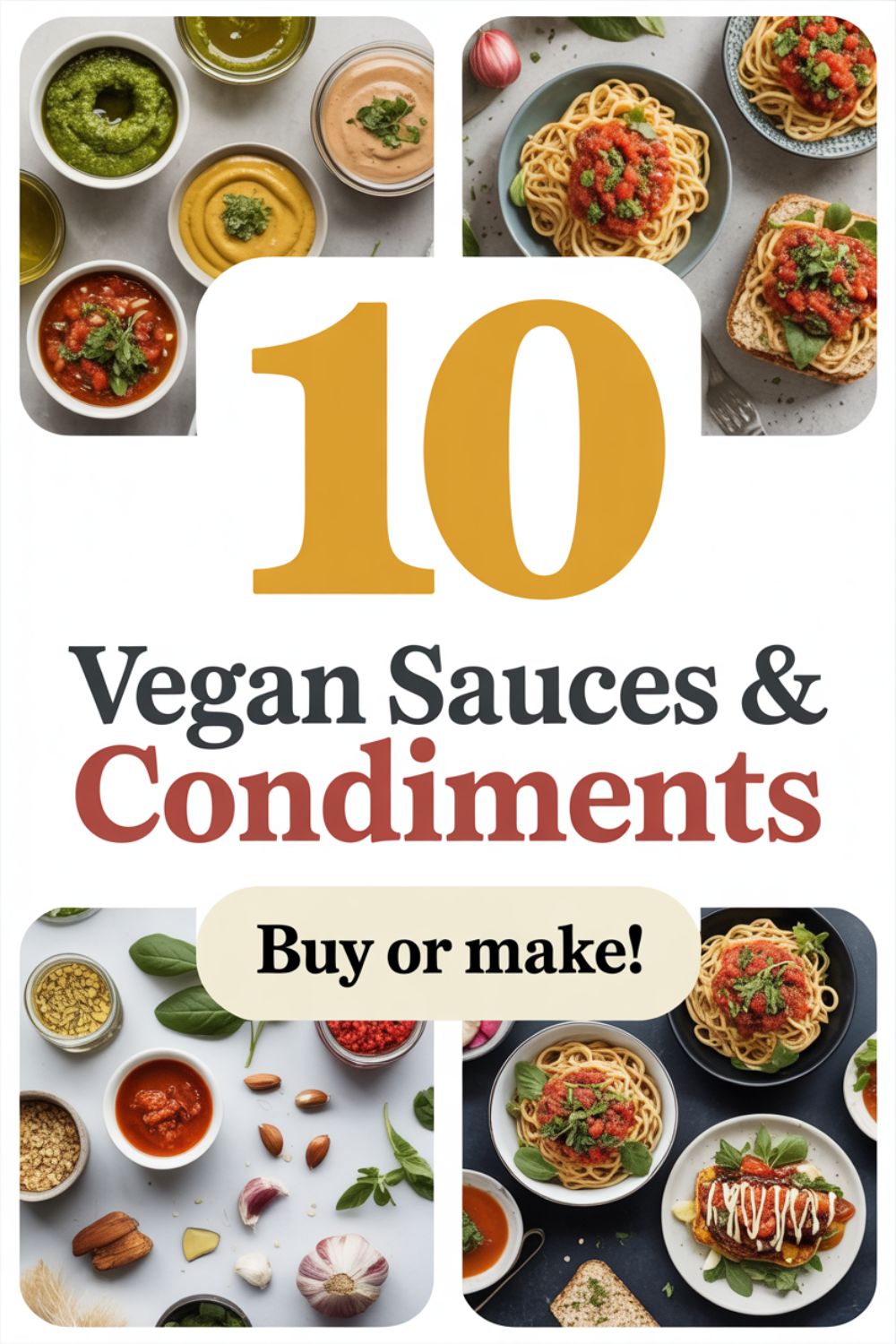
10 Vegan Sauces and Condiments You Can Buy or Make
Here’s the thing about going vegan—nobody warns you that you’ll spend the first month staring at your plain bowl of rice like it personally wronged you. Sure, the veggies are great, the grains are wholesome, but without a killer sauce? You might as well be eating cardboard with good intentions.
I learned this the hard way after my third consecutive dinner of unseasoned quinoa and steamed broccoli. My taste buds staged a full-on rebellion. That’s when I discovered the magic of vegan sauces and condiments. They’re not just flavor boosters—they’re the secret weapon that transforms your “I guess I’m eating healthy” meals into “holy crap, I can’t believe this is vegan” experiences.
Whether you’re team homemade or team “I’ll buy it because who has time for that,” I’ve got you covered. These ten sauces and condiments have saved my dinner routine more times than I can count, and they’ll do the same for you.
1. Cashew Cream—The Swiss Army Knife of Vegan Sauces
If you only master one vegan sauce, make it cashew cream. Seriously, this stuff is absurdly versatile. You can drizzle it over Get Full Recipe for breakfast tacos, stir it into pasta, or use it as a base for literally any creamy sauce your heart desires.
The beauty of cashew cream lies in its simplicity. Soak raw cashews overnight (or do the quick version—boil them for 15 minutes), blend with water until silky smooth, and boom. You’ve got yourself a dairy-free cream that puts actual cream to shame. Nutritional yeast is rich in B vitamins and adds that cheesy depth vegans often miss, so I always toss a tablespoon into my cashew cream for extra flavor.
You can buy pre-made versions, sure, but homemade tastes infinitely better and costs about a third of the price. I use this high-speed blender because cheap blenders just can’t get the texture smooth enough—you’ll end up with gritty sauce, and nobody wants that.
2. Tahini Sauce—Nutty, Tangy, and Stupidly Easy
Tahini sauce is what happens when sesame seeds realize their full potential. It’s nutty, it’s tangy, it’s got this beautiful Middle Eastern vibe that makes everything taste more sophisticated than it actually is.
Mix tahini paste with lemon juice, garlic, and water until it reaches your preferred consistency. That’s it. Three ingredients, maybe five minutes of your time. I drizzle this over roasted vegetables, grain bowls, and fresh salads like there’s no tomorrow.
Store-bought tahini sauce exists, but it’s usually loaded with preservatives and costs way more than it should. Making your own means you control the garlic level (I like mine aggressive), the thickness, and whether you want to add cumin or not. IMO, cumin makes everything better.
For the tahini itself, I grab this organic tahini because the flavor is just superior. Cheap tahini can taste bitter and ruin the whole sauce, so don’t skimp here.
3. Nutritional Yeast-Based Cheese Sauce—Better Than You’d Think
Look, I know “nutritional yeast” sounds like something you’d feed laboratory mice, but hear me out. This deactivated yeast has a naturally cheesy, umami flavor that makes vegan cheese sauce not just possible, but genuinely crave-worthy.
Blend soaked cashews, nutritional yeast, garlic powder, a splash of plant milk, and a pinch of turmeric for color. What you get is a sauce so rich and cheesy that non-vegans will question everything they thought they knew. Pour it over pasta dishes, nachos, or steamed broccoli.
According to Cleveland Clinic, fortified nutritional yeast provides over 300% of your daily B12 needs in just one tablespoon—pretty impressive for something that basically looks like fish food. This makes it especially valuable for vegans who struggle to get enough B12 from plant sources alone.
Meal Prep Essentials Used in This Plan
These are the game-changers I actually use every week:
- Glass Meal Prep Containers Set – Stackable, microwave-safe, and they don’t stain like plastic
- High-Speed Blender – Non-negotiable for smooth sauces and creams
- Silicone Spatula Set – Gets every last drop of sauce out of the blender
- Vegan Meal Prep Masterclass (Digital) – Step-by-step video course on batch cooking
- Plant-Based Sauce Recipe E-Book – 50+ sauce recipes with storage tips
- Weekly Meal Planning Template – Printable PDF to organize your week
- Join our WhatsApp Community – Daily tips, recipe swaps, and motivation from fellow vegans
If you want to skip the DIY route, brands like Kite Hill and Miyoko’s make excellent store-bought versions, but they’ll run you about $8 per container. Your call.
4. Classic Marinara—Because Everyone Needs a Go-To Red Sauce
Not all marinara sauces are vegan, which honestly shocked me when I first started reading labels. Some brands sneak in cheese or anchovy paste, because apparently tomato sauce wasn’t good enough on its own?
Making your own is dead simple. Sauté garlic in olive oil, add canned San Marzano tomatoes, season with basil, oregano, and a pinch of sugar to cut the acidity. Let it simmer for 20 minutes and you’ve got a sauce that’ll make your weeknight dinners feel way fancier than they are.
I keep these Italian peeled tomatoes in my pantry at all times. They’re the secret to restaurant-quality sauce without the restaurant effort. Store-bought marinara works in a pinch—just read the ingredients carefully.
Marinara is also perfect for meal prep. If you’re looking for complete dinner ideas that use this sauce, check out these vegan meal prep ideas or try these cozy soup recipes that pair beautifully with a good tomato base.
5. Sriracha Mayo—Spicy, Creamy, Addictive
This is what happens when sriracha and vegan mayo have a beautiful, spicy baby. You can buy it pre-made (most Asian grocery stores carry it), or you can make it yourself by mixing vegan mayo with sriracha until it reaches your preferred heat level.
I use this on everything from veggie burgers to spring rolls to random midnight snacks I probably shouldn’t be eating. It’s got that perfect balance of creamy richness and fiery kick that makes boring food interesting.
For the mayo base, this aquafaba-based mayo has the best texture I’ve found—thick, rich, and completely egg-free. Mix it with your favorite hot sauce and you’re set.
6. Peanut Sauce—Thai-Inspired Perfection
Ever wonder why Thai food tastes so incredible? Half the time, it’s the peanut sauce doing the heavy lifting. This stuff is magic—sweet, savory, slightly spicy, with that nutty richness that makes you want to pour it over absolutely everything.
Whisk together peanut butter, soy sauce (or tamari if you’re gluten-free), lime juice, maple syrup, ginger, and garlic. Thin it with water to your liking. Use it as a dip, a dressing, or a stir-fry sauce. I guarantee you’ll go through it faster than you think.
The key is using high-quality peanut butter. I grab this natural peanut butter because it has no added sugar or oils—just pure roasted peanuts. The flavor difference is noticeable.
Speaking of high-protein meals, peanut sauce is sneaky good for adding extra protein and healthy fats to your dinner without trying too hard.
7. Vegan Pesto—Basil, Garlic, and Pure Green Goodness
Traditional pesto has parmesan, but honestly? Vegan pesto tastes just as good, if not better. Blend fresh basil, pine nuts (or walnuts—cheaper and just as delicious), garlic, nutritional yeast, lemon juice, and olive oil until smooth.
This sauce is summer in a jar. Toss it with pasta, spread it on sandwiches, or use it as a pizza base. You can also make big batches and freeze them in ice cube trays for instant flavor bombs whenever you need them.
Store-bought vegan pesto exists, but it’s usually expensive and never has enough garlic. Making your own costs a fraction of the price and tastes way fresher. I use this food processor because hand-chopping basil for pesto sounds like a medieval punishment.
Looking for more ways to use pesto? Try it on these quick lunch ideas or mix it into your morning breakfast scrambles for an herbaceous twist.
8. Coconut Aminos—The Soy Sauce Alternative You Didn’t Know You Needed
If you’re avoiding soy or just want something with a slightly sweeter, less salty profile, coconut aminos is your new best friend. It’s made from coconut sap and has this deep, umami-rich flavor that works beautifully in stir-fries, marinades, and dipping sauces.
You can’t really make this at home (unless you have a coconut farm), so buying it is your only option. This coconut aminos brand is my go-to—it’s organic, has no weird additives, and the flavor is spot-on.
Use it anywhere you’d normally use soy sauce. The taste is a little different—slightly sweeter, less sharp—but it’s delicious in its own right. I keep both in my pantry because sometimes you want that classic soy sauce punch, and sometimes you want something gentler.
Tools & Resources That Make Cooking Easier
Here’s what actually makes a difference in my kitchen:
- Chef’s Knife Set – Sharp knives make prep 10x faster and safer
- Measuring Cup & Spoon Set – Consistent measurements = consistent results
- Spice Rack Organizer – Stop digging through cabinets for cumin at 6 PM
- Beginner’s Vegan Cooking Guide (Digital) – Covers knife skills, cooking methods, and pantry basics
- Flavor Pairing Cheat Sheet – PDF chart showing which herbs and spices work together
- Budget Vegan Shopping List – Downloadable template organized by store section
9. Balsamic Glaze—Sweet, Tangy, Ridiculously Simple
Balsamic glaze is just reduced balsamic vinegar with a touch of sweetness. It’s thicker, sweeter, and more concentrated than regular balsamic, which makes it perfect for drizzling over salads, roasted vegetables, or even strawberries if you’re feeling fancy.
Making it is stupidly easy. Pour balsamic vinegar into a saucepan, add a little maple syrup, and simmer until it reduces by half and gets syrupy. That’s it. Store-bought versions work too, but they’re often loaded with added sugar and cost way more than they should.
I use this aged balsamic vinegar because the flavor is rich and complex—cheap balsamic tastes like sour wine, and nobody wants that on their food.
10. Chipotle Cashew Cream—Smoky, Spicy, Utterly Addictive
This is what I make when regular cashew cream feels too boring. Blend soaked cashews with chipotle peppers in adobo sauce, lime juice, garlic, and a pinch of smoked paprika. What you get is a sauce with serious attitude—smoky, spicy, creamy, and completely irresistible.
I use this on tacos, burrito bowls, and as a dip for tortilla chips. It’s also incredible on roasted sweet potatoes or as a topping for black bean soup. The smokiness from the chipotle peppers gives it this depth that regular hot sauce just can’t match.
You can buy chipotle-flavored vegan sauces, but they never have enough heat for my taste. Making your own means you control the spice level. I keep these canned chipotle peppers in my pantry specifically for this sauce—they last forever and add instant smoky flavor to anything.
This sauce pairs perfectly with sweet desserts if you’re into that sweet-spicy combo, or try it with savory options like these Get Full Recipe for a complete meal experience.
Why Vegan Sauces Are Actually Healthier (Most of the Time)
Here’s something nobody talks about enough—vegan sauces can actually be healthier than their dairy-based counterparts. Cashew-based sauces, for example, are loaded with healthy fats, protein, and minerals like magnesium and zinc. According to research cited by nutrition experts, cashews are considered an excellent source of copper and provide essential nutrients without the saturated fat found in dairy.
Plant-based sauces also tend to have lower cholesterol and fewer calories than cream-based options. That doesn’t mean you should eat them with reckless abandon (moderation exists for a reason), but it does mean you can feel a little less guilty about drowning your vegetables in tahini sauce.
Of course, not all vegan sauces are created equal. Store-bought versions can be loaded with sodium, sugar, and preservatives, which is why I lean toward homemade whenever possible. You get full control over what goes in, and you avoid the mystery ingredients lurking in processed foods.
The Secret to Making Sauces Last Longer
Most homemade vegan sauces will last about 5-7 days in the fridge if stored properly. The key word there is “properly”—use airtight containers (I swear by these glass jars with tight lids), and always use clean utensils when scooping out sauce to avoid contamination.
Freezing is your friend for long-term storage. Pesto, cashew cream, and marinara all freeze beautifully. Pour them into ice cube trays, freeze until solid, then transfer to freezer bags. Now you’ve got portion-sized sauce cubes you can thaw as needed.
Some sauces, like tahini and balsamic glaze, are naturally shelf-stable and can hang out in your pantry for months. Others, like fresh pesto, start to lose their vibrant color and flavor after a week. FYI, adding a thin layer of olive oil on top of pesto before storing helps preserve the color.
Frequently Asked Questions
Can I freeze vegan sauces?
Absolutely! Most vegan sauces freeze beautifully. Cashew cream, pesto, marinara, and peanut sauce all maintain their texture and flavor when frozen. Pour them into ice cube trays for easy portioning, then transfer to freezer bags once solid. They’ll keep for up to 3 months. Just thaw in the fridge overnight before using.
What’s the best substitute for nutritional yeast in cheese sauces?
If you can’t find nutritional yeast or just don’t like the taste, try using white miso paste for a similar umami depth. It won’t give you the exact cheesy flavor, but it adds richness and saltiness that work well in creamy sauces. Another option is using a combination of garlic powder, onion powder, and a squeeze of lemon juice to mimic some of that tangy complexity.
How do I thicken vegan sauces without dairy?
There are several plant-based thickening methods that work great. Soaked cashews or sunflower seeds blended into sauces create natural creaminess. Cornstarch or arrowroot powder mixed with cold water works for gravy-style sauces. For tomato-based sauces, just simmer longer to reduce and thicken naturally. Coconut cream (the thick part from a can of full-fat coconut milk) also works brilliantly for rich, creamy sauces.
Are store-bought vegan sauces worth it?
It depends on your priorities. Store-bought versions save time and can taste great, but they’re usually pricier and contain preservatives you wouldn’t use at home. If you’re short on time, absolutely grab them—just read labels carefully to avoid unnecessary additives and excessive sodium. For regular use, homemade is cheaper and often tastier, but convenience has its place.
Can I make oil-free vegan sauces?
Yes! Many vegan sauces work perfectly without oil. Use vegetable broth or water to sauté aromatics, and rely on nuts, seeds, or aquafaba for creaminess. Tahini, nut butters, and blended cashews provide richness without added oils. For dressings, try blending silken tofu with lemon juice and herbs for a creamy, oil-free base that still has body and flavor.
Final Thoughts
Look, you don’t need all ten of these sauces in your repertoire immediately. Start with one or two that sound good to you, master those, then expand from there. The goal isn’t to become a sauce expert overnight—it’s to make your vegan meals taste so good that you actually look forward to eating them.
Sauces are the difference between “I’m eating healthy because I have to” and “I’m eating healthy because this food is genuinely delicious.” They’re what make meal prep sustainable long-term. They’re what convince your non-vegan friends that plant-based food isn’t just rabbit food.
Experiment, adjust recipes to your taste, and don’t stress about perfection. Some of my best sauce discoveries happened because I screwed up a recipe and had to improvise. That’s the beauty of cooking—there’s always room to make it your own.
Similar Posts
27 Vegan Party Platters for an Easter Celebration Everyone Will Love
27 Vegan Party Platters for Easter Celebration | Her Daily Haven Vegan Easter Entertaining 27 Vegan Party Platters for an Easter Celebration Everyone Will Love Beautiful, crowd-pleasing boards and platters that happen to be entirely plant-based — no compromises required. 27 Platter Ideas Easter Entertaining 100% Plant-Based Easy to Prep Let me be upfront with…
30 Vegan Smoothies for Glowing Skin
30 Vegan Smoothies for Glowing Skin | Her Daily Haven 30 Vegan Smoothies for Glowing Skin Let’s be real—your skin’s been through it. Late nights, questionable food choices, stress that would make a yoga instructor panic. And now you’re here, probably hoping I’ll tell you some magical kale smoothie will turn you into a dewy-faced…
19 Nutella Overnight Oats Recipes That Feel Indulgent
19 Nutella Overnight Oats Recipes That Feel Indulgent Let’s be real — breakfast is either the best part of your day or the most chaotic five minutes before you run out the door. Nutella overnight oats? They somehow manage to be both luxurious and completely stress-free. You prep them the night before, wake up, and…
18 Vegan Comfort Foods That Feel Indulgent
18 Vegan Comfort Foods That Feel Indulgent | Her Daily Haven 18 Vegan Comfort Foods That Feel Indulgent Let’s be real for a second: whoever said vegan food can’t be comfort food clearly hasn’t had a proper loaded baked potato with cashew sour cream or a bowl of creamy mushroom stroganoff that makes you want…
10 Best Vegan Cookbooks for Beginners
10 Best Vegan Cookbooks for Beginners – Her Daily Haven 10 Best Vegan Cookbooks for Beginners Look, I’m not going to sugarcoat it—switching to a vegan lifestyle can feel overwhelming at first. Between deciphering ingredient labels, figuring out what the heck nutritional yeast actually is, and trying not to eat the same sad chickpea salad…
25 Low-Calorie Vegan Meals for Weight Loss
25 Low-Calorie Vegan Meals for Weight Loss 25 Low-Calorie Vegan Meals for Weight Loss Look, I’m not gonna sugarcoat it—finding vegan meals that actually help you lose weight without leaving you hungry two hours later is tough. I’ve been there, staring at a sad bowl of lettuce wondering if this is what my life has…