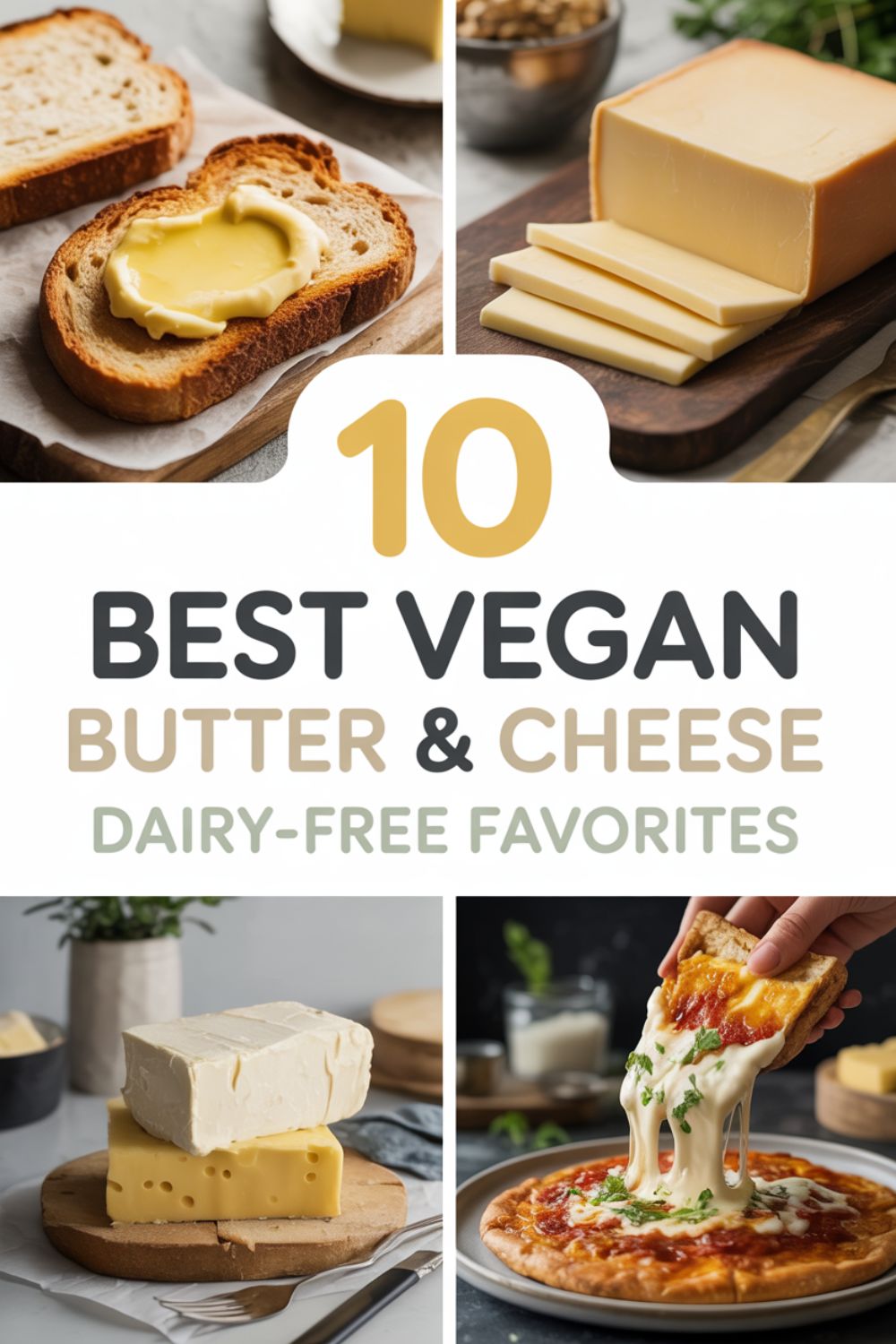
10 Best Vegan Butter & Cheese Alternatives
Look, I get it. You went vegan and suddenly realized that giving up cheese feels like breaking up with your soulmate. And butter? That golden, creamy spread that made everything taste better? Yeah, that stings too. But here’s the thing—we’re living in a time where plant-based alternatives have gotten ridiculously good. I’m talking about spreads that actually melt, cheeses that stretch, and flavors that’ll make you forget you’re not eating dairy.
I’ve spent way too much money and counter space testing every vegan butter and cheese I could find. Some were absolute disasters (looking at you, chalky mozzarella from 2015), but others? Game changers. So grab your shopping list, because I’m about to walk you through the best alternatives that’ll save your taste buds and your conscience.
Why Even Bother With Vegan Alternatives?
Before we jump into the good stuff, let’s talk about why you’d swap out traditional dairy. Maybe you’re lactose intolerant and tired of the consequences. Maybe you watched one too many documentaries about factory farming. Or maybe you just want to lower your cholesterol without giving up the foods you love.
According to research on plant-based nutrition, vegan butter alternatives often contain heart-healthy monounsaturated fats that can support better cardiovascular health. The key is choosing products made with quality ingredients rather than heavily processed options loaded with additives.
Traditional dairy butter packs in about 7 grams of saturated fat per tablespoon—that’s a third of what you should eat in an entire day. Vegan alternatives can be lower in saturated fat, though not always. The truth? It depends entirely on what oils they use. Coconut oil-based spreads can have just as much saturated fat as regular butter, while those made with olive or avocado oil tend to be healthier options.
Pro Tip: Always flip that package and read the nutrition label. Not all vegan alternatives are created equal—some are basically glorified vegetable oil with fancy marketing.
The Best Vegan Butter Alternatives
1. Miyoko’s Creamery European-Style Cultured Vegan Butter
If I could only keep one vegan butter in my fridge, this would be it. Miyoko’s nailed the cultured, tangy flavor that makes real butter so addictive. It’s made from cashews and coconut oil, and honestly, I’ve served this to non-vegan friends who couldn’t tell the difference.
Best for: Baking, spreading on warm bread, and making people question if you really went vegan. The texture is creamy without being greasy, and it melts beautifully. I use this silicone pastry brush for spreading it evenly when I’m making croissants—less mess, better coverage.
2. Earth Balance Original Buttery Spread
The OG of vegan butter. Earth Balance has been around forever, and there’s a reason it’s still popular. It’s made with a blend of oils including palm, canola, and olive oil. The consistency is softer than Miyoko’s, which makes it perfect for spreading straight from the fridge.
One tablespoon has about 100 calories and 11 grams of fat. Not exactly a health food, but it gets the job done. I keep this one around for everyday cooking and toast situations. When I’m making a big batch of vegan pancakes, I grab this flat griddle—heats evenly and the Earth Balance doesn’t burn like it does in a regular pan.
3. Country Crock Plant Butter With Avocado Oil
Country Crock jumped on the plant-based train and actually did a decent job. This one’s made primarily with avocado oil, which means you’re getting more unsaturated fats and less of the saturated stuff. It’s also one of the more affordable options out there.
The flavor is mild—almost too mild if you ask me—but that makes it versatile. Use it anywhere you need butter flavor without butter stealing the show. I especially like it for sautéing vegetables because it doesn’t overpower the natural flavors. For veggie prep, these ceramic knives are ridiculously sharp and never need sharpening.
If you’re looking for more ways to use these butter alternatives in your cooking, you’ll love these 25 Easy Vegan Meal Prep Ideas that make plant-based eating a breeze. Also check out these Easy Vegan Dinner Recipes for weeknight inspiration.
4. Nutiva Organic Coconut Oil (The DIY Option)
Okay, hear me out. Sometimes the best vegan butter is the one you make yourself. Coconut oil can replace butter in a 1:1 ratio in most recipes, and it’s way cheaper than buying specialty vegan butter. Plus, you know exactly what’s in it—just coconuts.
The downside? It tastes like coconut. Which is great if you’re making tropical-flavored desserts, but less ideal if you’re making garlic bread. For savory cooking, I blend coconut oil with a tiny bit of nutritional yeast and salt. Works like a charm. I store mine in these glass jars with bamboo lids—they keep it fresh and look way better than plastic containers.
5. Kite Hill Chive Cream Cheese Style Spread
Not technically butter, but this spread deserves a spot on the list. Made from almond milk, it’s got that tangy cream cheese vibe with little bits of chive mixed in. Perfect for bagels, obviously, but I also use it as a base for creamy pasta sauces.
It’s higher in protein than most vegan butter alternatives thanks to the almond base, and it doesn’t have that weird aftertaste some nut-based spreads get. When I’m meal prepping breakfast, I smear this on everything bagels with tomato and cucumber. Get Full Recipe for my favorite breakfast bagel combination.
The Best Vegan Cheese Alternatives
Now for the real challenge. Cheese is harder to replicate than butter because it’s not just about flavor—it’s about texture, meltability, and that satisfying stretch. I’ve tried dozens of vegan cheeses, and these are the ones that actually deliver.
6. Violife Just Like Mature Cheddar Block
This is the cheese that converted my cheese-obsessed brother. Violife uses a coconut oil base, but somehow they’ve managed to nail that sharp, aged cheddar flavor without any weird aftertaste. It slices beautifully, melts surprisingly well, and shreds without turning into a sticky mess.
I use this for grilled cheese sandwiches, mac and cheese, and anywhere else you need serious cheese flavor. The texture is firm enough to slice thin, which matters more than you’d think. Pro tip: let it come to room temperature before eating for maximum flavor. For perfect grilled cheese, this cast iron sandwich press creates those crispy edges everyone fights over.
“I switched to Violife cheddar three months ago and haven’t looked back. My kids can’t even tell the difference in their mac and cheese, and my cholesterol levels dropped 20 points.” — Sarah M., community member
7. Kite Hill Ricotta Alternative
Almond-based and absolutely delicious. This ricotta works perfectly in lasagna, stuffed shells, or anywhere you need that creamy, slightly grainy texture. It’s got a mild flavor that takes on whatever seasonings you throw at it, which is exactly what you want from ricotta.
The protein content is solid too—about 3 grams per serving, which isn’t much compared to dairy ricotta but better than most vegan cheeses. I add extra nutritional yeast and Italian seasoning to amp up the flavor. Looking for complete meal ideas? These Vegan Pasta Dishes feature several recipes using dairy-free ricotta.
8. Miyoko’s Mozzarella
Fresh mozzarella was the last cheese I gave up when I went vegan, and finding this was like reuniting with an old friend. It’s made from cashews, and while it doesn’t have quite the same pull as fresh dairy mozzarella, it melts beautifully on pizza and in caprese salads.
The key is treating it gently. Don’t overcook it or it’ll get weird and separated. I usually add it in the last few minutes of baking. When making homemade pizza, this pizza stone gives you that crispy crust that pairs perfectly with the melted mozzarella.
9. Follow Your Heart Parmesan Shreds
Here’s where things get interesting. This vegan parmesan doesn’t come in a block—it’s pre-shredded and sold in a shaker bottle. The flavor is nutty and salty, just like real parm, and it’s made from a soy base. Sprinkle it on pasta, soups, salads, or anywhere you need that umami kick.
The texture won’t fool anyone who’s looking closely, but the flavor is spot-on. I go through a bottle of this every two weeks. It’s become essential in my kitchen. For extra flavor in your meals, try adding it to these Vegan Soups and Stews—it adds that perfect finishing touch.
10. Homemade Cashew Cheese
Sometimes the best cheese is the one you make yourself. Soak raw cashews overnight, blend them with nutritional yeast, lemon juice, garlic, and salt, and you’ve got a spreadable cheese that’s way better than most store-bought options. No weird ingredients, no preservatives, just real food.
The flavor is mild and creamy with a slight tang from the lemon juice. I make big batches and keep it in the fridge for up to a week. Spread it on crackers, use it as a veggie dip, or thin it out with plant milk for a cheese sauce. According to nutritional research on plant-based cheese alternatives, cashew-based cheeses tend to have better nutritional profiles than coconut oil-based options.
For blending, you need a high-powered blender—trust me on this. This vitamix-style blender turns cashews into silk in under a minute. Regular blenders just don’t cut it.
Quick Win: Soak your cashews in hot water for 30 minutes instead of overnight if you forgot to prep ahead. The texture won’t be quite as smooth, but it’ll save you when you need cheese NOW.
Meal Prep Essentials Used in These Recipes
Making the switch to vegan butter and cheese is easier when you’ve got the right tools. Here’s what lives in my kitchen:
- Glass food storage containers with snap lids – Keep homemade cheese fresh for days and stack beautifully in the fridge
- High-speed blender – Non-negotiable for smooth cashew cheese. Regular blenders leave chunks
- Silicone baking mats – Nothing sticks, not even the stickiest vegan cheese when melted
Digital Products That Changed My Plant-Based Game:
- Complete Vegan Cheese Making Guide – Detailed PDF with 20+ recipes and troubleshooting tips
- Plant-Based Meal Planner – Weekly planning template that makes dairy-free eating effortless
- Vegan Baking Substitution Chart – Never guess ratios again when swapping butter and cheese
Want personalized recipe tips and meal planning support? Join our WhatsApp community where we share daily recipe hacks and answer all your vegan cooking questions.
What Makes a Good Vegan Butter or Cheese?
Not all plant-based alternatives are created equal. After testing way too many products, I’ve figured out what separates the winners from the wannabes. First up: ingredients. The shorter the ingredient list, the better. If you see a bunch of words you can’t pronounce, that’s usually a red flag.
Second: fat content and type. Vegan butter and cheese need fat to work properly—that’s just reality. But there’s a difference between getting your fat from whole food sources like nuts and avocados versus heavily refined oils. According to nutrition experts, products made with olive, avocado, or nut oils tend to have healthier fat profiles than those relying heavily on coconut or palm oil.
Third: flavor. This seems obvious, but you’d be surprised how many vegan cheeses taste like cardboard mixed with sadness. A good alternative should taste good on its own, not just passable when buried under other ingredients.
Speaking of flavor, if you’re looking for dishes that showcase these alternatives perfectly, check out these Vegan Breakfast Ideas and these Quick Vegan Lunches that’ll make you actually excited about eating plant-based.
The Nutrition Breakdown You Actually Need to Know
Let’s talk numbers because marketing claims only tell you so much. Most vegan butter contains between 80-100 calories per tablespoon and 9-11 grams of fat. That’s pretty much identical to dairy butter in terms of calories and fat content. The big difference? Zero cholesterol in plant-based versions.
Vegan cheese is trickier. Some brands pack in as much saturated fat as dairy cheese, especially the coconut oil-based ones. Others made from nuts or soy tend to be lower in saturated fat but also lower in protein and calcium unless they’re fortified. You win some, you lose some.
The bottom line: don’t assume vegan automatically means healthy. Read those nutrition labels and choose products that fit your health goals. If you’re watching saturated fat, stick to nut-based cheeses and avoid coconut oil-heavy options. If you need more protein, look for soy-based or pea protein-enriched products.
“I used to think all vegan cheese was the same until I started reading labels. Switching to cashew-based cheese instead of coconut oil versions dropped my saturated fat intake by 60%. My doctor was shocked at my bloodwork improvement.” — Michael T., community member
Cooking Tips That’ll Save Your Dishes
Here’s what I’ve learned through trial and error (mostly error, TBH). Vegan butter and cheese behave differently than dairy, so you need to adjust your cooking methods.
For baking with vegan butter: Most vegan butters have higher water content than dairy butter, which can make baked goods spread more or turn out greasier. I usually reduce the amount by about 10-15% and add an extra tablespoon of flour to compensate. Also, don’t overmix your batter—vegan butter tends to break down faster under heavy mixing.
For melting vegan cheese: Low and slow is your friend. High heat makes most vegan cheeses separate and get oily. Add cheese in the last few minutes of cooking and keep the temperature moderate. If you’re making a cheese sauce, whisk constantly and add a bit of plant milk to keep things smooth. This double boiler pot is perfect for gentle melting without scorching.
For slicing and shredding: Cold cheese behaves better. Pop your block in the freezer for 15 minutes before shredding and you’ll get way better results. Room temperature vegan cheese turns into a sticky nightmare when you try to shred it.
Pro Tip: Make a batch of cashew cheese sauce on Sunday and use it all week. It reheats beautifully and works in everything from pasta to nachos to vegetable gratins.
Tools & Resources That Make Cooking Easier
Beyond the basics, these game-changers make plant-based cooking actually enjoyable:
- Cheese grater with container – Catches all the shreds, no mess on the counter
- Measuring cups and spoons set – Precision matters when swapping ingredients
- Kitchen scale – Some recipes work better by weight than volume, especially with nut cheeses
Digital Resources:
- Vegan Cheese Pairing Guide – Match plant-based cheeses with perfect wine and food combos
- Oil-Free Cooking Masterclass – Video course on making low-fat versions of these favorites
- Quick Reference Conversion Chart – Convert any recipe from dairy to vegan with this one-pager
Common Mistakes Everyone Makes (and How to Fix Them)
I’ve made every vegan cheese and butter mistake in the book, so learn from my failures. Mistake number one: expecting vegan cheese to taste exactly like dairy cheese. It won’t. It’ll taste like its own thing, and that’s okay. Once you stop comparing, you’ll actually start enjoying it.
Mistake two: not reading ingredient lists. Some vegan products are packed with additives, artificial flavors, and enough sodium to preserve a mummy. Just because it says “vegan” doesn’t mean it’s good for you. I always flip the package and scan for real, recognizable ingredients.
Mistake three: storing products wrong. Most vegan cheese gets weird if you don’t wrap it properly. I use beeswax wraps (wait, those aren’t vegan—okay, use reusable silicone food storage bags instead) to keep cheese fresh without drying out. Vegan butter should stay in an airtight container in the fridge; it picks up odors way faster than dairy butter.
Mistake four: using the wrong cheese for the wrong job. Not all vegan cheeses melt the same way. Soft, spreadable cashew cheese won’t work on pizza. Block-style Violife won’t work in a cheese sauce. Match the cheese to the recipe and you’ll have way better results.
For more ideas on incorporating these alternatives into satisfying meals, try these High Protein Vegan Meals and these Vegan Snacks that prove plant-based eating doesn’t mean sacrificing satisfaction.
Budget-Friendly Options That Don’t Suck
Real talk: vegan specialty products can be expensive. Like, ridiculously expensive. A block of Miyoko’s costs more than fancy imported cheese, which feels wrong when you’re trying to make ethical choices without going broke.
Here’s how I keep costs down. First, I make my own when possible. Cashew cheese costs a fraction of store-bought once you figure out the ratio. Second, I buy in bulk when things go on sale. Vegan butter freezes beautifully, so I stock up when I find deals.
Third, I use nutritional yeast as a cheese flavor booster instead of buying expensive parmesan alternatives. A big container costs about ten bucks and lasts months. Fourth, I prioritize. I splurge on good mozzarella for pizza nights but use cheaper options for everyday cooking where cheese isn’t the star.
Store brands have gotten way better too. Trader Joe’s, Whole Foods, and even Target have decent vegan butter and cheese at lower prices than name brands. They’re not always as good, but they work fine in most recipes.
The Environmental Angle (Because It Matters)
I’m not here to preach, but if you’re curious about the environmental impact of your choices, it’s worth knowing. Dairy production is resource-intensive—we’re talking massive amounts of water, land, and feed. One kilogram of butter requires over 5,500 liters of water to produce. That’s… a lot of water.
Vegan alternatives aren’t perfect either. Palm oil production has its own environmental issues, including deforestation and habitat destruction. Coconut oil comes with a big carbon footprint if it’s shipped from far away. The best options tend to be those made from local, sustainable ingredients like nuts or seeds.
My approach: I choose products from companies that prioritize sustainability, use organic ingredients when possible, and avoid products with palm oil unless it’s certified sustainable. It’s not perfect, but it’s better than nothing.
Frequently Asked Questions
Is vegan butter actually healthier than regular butter?
It depends on the brand and ingredients. Vegan butter contains zero cholesterol, which is a plus, but many varieties have similar saturated fat levels to dairy butter—especially those made with coconut oil. The healthiest options use oils like olive, avocado, or nut-based fats. Always check the nutrition label rather than assuming all vegan products are automatically better for you.
Why doesn’t vegan cheese melt like dairy cheese?
Dairy cheese melts because of its protein structure (specifically casein) and fat content. Vegan cheese tries to replicate this using starches, gums, and oils, but it doesn’t behave identically. Some brands melt better than others—look for ones with tapioca starch or modified food starch in the ingredients. Using low heat and adding a splash of plant milk can help improve melting too.
Can I use vegan butter in a 1:1 ratio for baking?
Mostly, yes, but with caveats. Vegan butter often has more water content than dairy butter, which can affect texture. For cookies and cakes, I reduce the vegan butter by about 10% and add a tablespoon of flour to compensate. For pie crusts and pastries where butter quality really matters, stick to high-quality brands like Miyoko’s or Earth Balance.
What’s the best vegan cheese for someone who’s never tried it before?
Start with Violife cheddar slices or Miyoko’s mozzarella. They’re the closest to dairy cheese in texture and flavor, so they’re less likely to disappoint. Avoid soft, spreadable cashew cheeses as your first try—they taste great but the texture is different enough that it might throw you off if you’re expecting regular cheese.
How long does homemade cashew cheese last in the fridge?
About 5-7 days in an airtight container. If it starts smelling sour (and not in a good, cultured cheese way) or develops any mold, toss it. You can extend the shelf life by adding a bit of lemon juice or apple cider vinegar, which acts as a natural preservative while also improving the tangy flavor.
Final Thoughts on Making the Switch
Going vegan doesn’t mean giving up the foods you love—it just means getting creative with how you make them. The butter and cheese alternatives I’ve listed here are the ones I actually use in my kitchen, not just products that sound good on paper. Some work better than others depending on what you’re making, but all of them are solid options worth trying.
My advice? Don’t try to replace everything at once. Start with one or two products, see what you like, and build from there. Give your taste buds time to adjust. The first vegan cheese you try might seem weird, but after a few weeks without dairy, your palate changes and suddenly these alternatives taste amazing.
And honestly? Some vegan butter and cheese is just plain good, regardless of whether you’re vegan or not. I’ve had non-vegan friends choose Miyoko’s butter over dairy because they genuinely prefer the taste. That tells you how far these products have come.
The plant-based movement isn’t slowing down, which means more innovation, better flavors, and hopefully lower prices as these products become mainstream. We’re in the golden age of vegan alternatives, so take advantage of it. Your taste buds, your health, and probably the planet will thank you.
Now go forth and conquer that vegan butter and cheese aisle. You’ve got this.