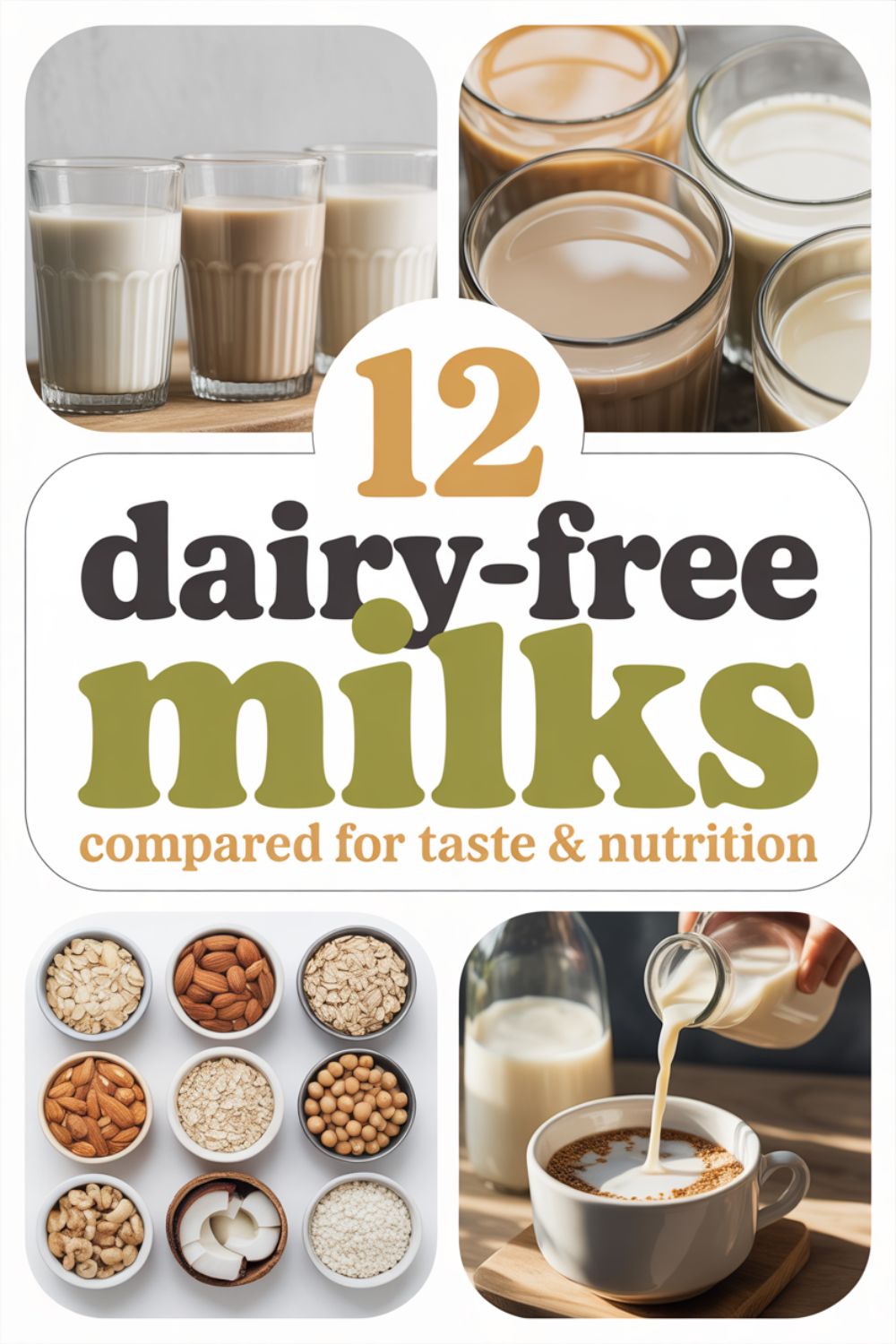
12 Dairy-Free Milks Compared (Best for Taste & Nutrition)
Look, I’m not here to tell you that all dairy-free milks taste like magic. Some taste like cardboard water. But here’s the thing—once you find your perfect match, you’ll wonder why you didn’t make the switch sooner.
The dairy-free milk aisle has exploded into this overwhelming wonderland of options. Oat, almond, soy, coconut, cashew, and a dozen others are all fighting for your attention. But which ones actually deliver on taste? Which ones pack enough nutrition to justify the price tag? And honestly, which ones won’t ruin your morning coffee?
I’ve spent way too much money testing every dairy-free milk I could get my hands on. I’ve had some that made me question my life choices and others that genuinely impressed me. So let’s cut through the marketing fluff and figure out which dairy-free milks are worth your hard-earned cash.
Why Even Bother with Dairy-Free Milk?
Before we get into the rankings, let’s talk about why people are ditching dairy in the first place. Maybe you’re lactose intolerant and tired of the digestive drama. Maybe you’re vegan. Or maybe you just don’t like how dairy makes you feel.
Whatever your reason, you’re not alone. According to research on plant-based milk alternatives, sales of non-dairy milk have more than doubled in recent years while traditional dairy consumption keeps dropping.
But here’s what nobody tells you—switching to dairy-free milk isn’t as simple as grabbing the first carton you see. The nutritional profiles vary wildly. Some are protein powerhouses while others are basically flavored water. Some work great in coffee while others curdle into sad little clumps.
If you’re already exploring plant-based eating, you might want to check out these easy vegan meal prep ideas to see how dairy-free milks fit into your weekly routine.
The Protein Problem (And Why It Matters)
Let’s get real about protein for a second. Regular dairy milk packs about 8 grams of protein per cup. That’s legit. Most dairy-free alternatives? Not even close.
This matters if you’re relying on your morning milk for nutrition. Experts at Mayo Clinic note that unsweetened soy milk comes closest to matching dairy’s protein content with about 7 grams per cup. Everything else trails behind significantly.
Almond milk? Usually just 1 gram. Coconut milk? Barely any. Cashew milk? Also pretty minimal. If you need protein in your milk, you’ve got limited options.
For those focused on getting enough protein throughout the day, these high-protein vegan meals can help fill the gap.
The Big 12: Dairy-Free Milks Ranked and Reviewed
1. Oat Milk – The Barista’s Best Friend
Oat milk is having a serious moment, and it’s not just hype. This stuff actually froths beautifully, making it perfect for lattes and cappuccinos. It’s naturally sweet from the oats themselves, so even unsweetened versions have a pleasant taste.
Nutrition breakdown: About 120 calories per cup, 3 grams of protein, and 16 grams of carbs. It’s higher in calories than most nut milks, but it also contains soluble fiber that helps stabilize blood sugar.
The fiber content is legit. Oat milk contains beta-glucans, which research suggests can help lower cholesterol levels. I use this ceramic milk frother to get café-quality foam at home—works perfectly with oat milk’s creamy texture.
Best for: Coffee drinks, baking, cereal. It’s versatile enough for almost anything.
Worst for: Low-carb diets. Those 16 grams of carbs add up quickly if you’re watching your intake.
2. Soy Milk – The Protein Champion
Soy milk is the OG of dairy-free milks, and it’s still one of the best. With 7 grams of protein per cup, it’s the closest nutritional match to dairy milk you’ll find in the plant-based world.
According to Mayo Clinic’s nutritional comparison, soy milk provides a complete protein source with all essential amino acids. That’s a big deal if you’re plant-based.
Nutrition breakdown: Around 100 calories, 7 grams protein, 4 grams fat, and it’s often fortified with calcium and vitamin D.
One heads up—soy is a common allergen. If you’ve got sensitivities, this obviously isn’t your pick. Also, some people avoid soy due to concerns about phytoestrogens, though current research doesn’t support most of those worries.
Best for: Anyone prioritizing protein, smoothies, cooking.
Worst for: People with soy allergies (obviously) or those who don’t like the slightly beany aftertaste some brands have.
Speaking of breakfast, if you’re looking for more morning inspiration, try these vegan breakfast ideas that pair perfectly with any plant milk. Get Full Recipe.
3. Almond Milk – The Low-Calorie Favorite
Almond milk became popular for good reason—it’s ridiculously low in calories. Unsweetened versions clock in around 30-40 calories per cup. That’s impressive if you’re calorie-conscious.
But let’s be honest about the downsides. The protein content is pitiful—usually just 1 gram per cup. And commercially made almond milk is mostly water with a handful of almonds thrown in. You’re basically paying for expensive water with almond flavoring.
Nutrition breakdown: 30-40 calories, 1 gram protein, 2.5 grams fat. Most brands fortify with calcium and vitamins A, D, and E.
The environmental impact is worth mentioning. Almond farming in California uses massive amounts of water—about 1.1 gallons per single almond. That adds up when you’re producing millions of gallons of almond milk.
I keep this nut milk bag in my kitchen for making homemade almond milk. It’s way more economical and you actually taste the almonds.
Best for: Coffee, smoothies, anyone watching calories.
Worst for: Anyone needing protein or substantial nutrition from their milk.
4. Coconut Milk (Carton Version) – Tropical Vibes
We’re talking about the refrigerated carton here, not the thick canned stuff you use for curry. Carton coconut milk is light, slightly sweet, and has that subtle tropical flavor.
Nutrition breakdown: About 70-80 calories, minimal protein (less than 1 gram), and virtually no carbs if you get unsweetened. The fat content varies but it’s mostly medium-chain triglycerides (MCTs), which some people swear by for energy and metabolism.
The taste is divisive. Some people love the coconut hint. Others find it overpowering, especially in savory dishes. I wouldn’t recommend it for your morning coffee unless you’re specifically going for that tropical twist.
Best for: Smoothies, chia pudding, Asian-inspired recipes.
Worst for: Coffee, savory cooking, anyone avoiding saturated fat.
5. Cashew Milk – Creamy but Mild
Cashew milk is like the Switzerland of dairy-free milks—neutral, inoffensive, and creamy without being overpowering. It’s made from cashews and water, obviously, and has a richer texture than almond milk.
Nutrition breakdown: 25-50 calories per cup, minimal protein (about 1 gram), and lots of heart-healthy monounsaturated fats. Many brands fortify it with calcium, magnesium, and potassium.
The mild flavor makes it incredibly versatile. It works in both sweet and savory recipes without dominating. I use it in creamy pasta sauces and you’d never know it wasn’t dairy.
Homemade cashew milk is super easy to make. You don’t even need to strain it like almond milk because cashews blend so smoothly. This high-speed blender makes quick work of soaked cashews.
Best for: Creamy sauces, soups, baking, coffee.
Worst for: Anyone with tree nut allergies or looking for protein.
If you’re into making your own plant-based meals, these vegan soups and stews taste amazing with cashew milk added for creaminess.
6. Hemp Milk – The Omega-3 Powerhouse
Hemp milk flies under the radar but deserves more attention. It’s made from hemp seeds (no, you won’t get high) and packs a solid nutritional punch with omega-3 and omega-6 fatty acids.
Nutrition breakdown: About 60-80 calories, 2-3 grams protein, and those beneficial omega-3s that support heart health. It’s also naturally free of common allergens—no soy, no nuts, no gluten.
The taste is earthy and slightly nutty. It’s not for everyone, but if you like hemp hearts in your smoothies, you’ll probably appreciate hemp milk. It works well in cereals and smoothies but can be a bit strong for coffee.
Best for: Smoothies, cereals, anyone wanting omega-3s without fish.
Worst for: Coffee, delicate flavored dishes.
7. Pea Protein Milk – The Unexpected Contender
Pea protein milk is relatively new but impressively nutritious. Made from yellow split peas, it matches dairy milk’s protein content at 8 grams per cup. That’s huge for plant-based options.
Nutrition breakdown: 70-100 calories, 8 grams protein, and typically fortified with calcium and vitamins. It’s allergen-friendly since it contains no nuts, soy, or gluten.
The taste is… interesting. Brands like Ripple have done a solid job making it palatable, but there’s still a slightly chalky aftertaste some people notice. The protein content makes it worth trying, especially if you’re active or need that protein boost.
Best for: Post-workout drinks, protein smoothies, anyone avoiding common allergens.
Worst for: Straight drinking if you’re picky about texture.
Meal Prep Essentials Used in This Plan
Making the switch to dairy-free gets easier when you’ve got the right tools and ingredients on hand. Here’s what I keep stocked:
- Glass milk storage bottles – Perfect for homemade nut milks, keeps them fresh for 5 days
- Organic oat milk powder – Add water and you’re done, no refrigeration needed until mixed
- Nut milk bag set – Makes straining homemade milks so much easier than cheesecloth
- Quick Vegan Lunch Guide – Digital resource with 20 lunch ideas using various plant milks
- Healthy Vegan Snack Collection – 25 snack recipes that pair perfectly with any dairy-free milk
- Dairy-Free Dessert Blueprint – Shows you exactly which milk works best for different desserts
8. Rice Milk – The Hypoallergenic Option
Rice milk is the safest bet for people with multiple allergies. It’s free from nuts, soy, gluten, and dairy. But nutritionally? It’s pretty much the bottom of the barrel.
Nutrition breakdown: 120 calories, less than 1 gram protein, and high in carbs from the rice. It’s naturally sweet but very watery in texture.
The high glycemic index is a concern if you’re watching blood sugar. Rice milk breaks down quickly, causing faster blood sugar spikes than other options. Not ideal for diabetics or anyone managing insulin sensitivity.
Best for: People with multiple food allergies, rice pudding.
Worst for: Anyone wanting nutrition or managing blood sugar.
9. Macadamia Milk – The Luxury Pick
Macadamia milk is bougie and I’m not even sorry about it. It’s incredibly creamy with a subtle, buttery flavor that’s genuinely delicious.
Nutrition breakdown: 50-60 calories, minimal protein, but loaded with monounsaturated fats that are great for heart health.
The price tag is steep—usually twice the cost of almond or oat milk. But for special occasions or when you want to treat yourself, it’s legitimately good. Works beautifully in matcha lattes and gives baked goods a rich flavor.
Best for: Special coffee drinks, treating yourself, impressing guests.
Worst for: Your budget, everyday use.
10. Flax Milk – The Omega-3 Alternative
Flax milk is another omega-3 rich option, similar to hemp milk but with a milder flavor. It’s made from cold-pressed flax oil and typically fortified with vitamins and minerals.
Nutrition breakdown: 25-50 calories, minimal protein, high in omega-3 fatty acids, and often fortified with calcium and vitamins A, B12, and D.
The texture is thin and the flavor is pretty neutral, which makes it versatile. It’s allergen-friendly and works well in most applications. Good Karma is the main brand you’ll find in stores.
Best for: Smoothies, baking, anyone wanting omega-3s.
Worst for: Coffee (too thin), anything needing creaminess.
For complete meal ideas that incorporate these dairy-free options, check out these easy vegan dinner recipes perfect for weeknight cooking.
11. Quinoa Milk – The Protein-Rich Newcomer
Quinoa milk is one of the newer players, and honestly, it’s hard to find. But it’s worth mentioning because quinoa is a complete protein, meaning this milk contains all nine essential amino acids.
Nutrition breakdown: 70 calories, 2 grams protein, naturally gluten-free and allergen-friendly.
The flavor is slightly nutty and earthy—think quinoa taste but milder. It’s not as widely available as other options, which is probably why it hasn’t taken off yet.
Best for: Adventurous eaters, smoothies, anyone wanting complete protein.
Worst for: Coffee, wide availability.
12. Hazelnut Milk – The Coffee Shop Specialty
Hazelnut milk is what happens when someone decides regular nut milk needs more personality. It’s got that distinctive hazelnut flavor that works beautifully in coffee.
Nutrition breakdown: 30-40 calories, 1 gram protein, and that unmistakable hazelnut taste.
It’s not as versatile as other options because the flavor is so specific. But for flavored coffee drinks or desserts where you want that hazelnut vibe? Perfect. I wouldn’t use it in savory cooking unless you’re going for something really specific.
Best for: Coffee, desserts, hazelnut enthusiasts.
Worst for: Savory dishes, all-purpose use.
How to Pick the Right Dairy-Free Milk for You
Choosing a dairy-free milk isn’t rocket science, but it helps to know what you’re actually looking for. Here’s my practical approach:
For coffee: Oat milk or macadamia milk. They froth well and have enough body to stand up to coffee’s strong flavor. Barista blends are worth the extra dollar if you’re serious about your lattes.
For protein: Soy milk or pea protein milk. Nothing else comes close. If you’re relying on milk for protein, these are your only real options.
For baking: Soy, oat, or cashew milk. They’re neutral enough to work in most recipes and have enough fat to keep baked goods moist. I use these measuring cups specifically for dairy-free baking.
For smoothies: Basically anything works. Coconut milk adds tropical vibes, hemp milk adds nutrition, almond milk keeps calories low. Pick based on your taste preference.
For cooking: Cashew or soy milk for creamy sauces, coconut milk for Asian dishes, oat milk for soups. Match the flavor profile to what you’re making.
If you’re meal prepping with these alternatives, these vegan pasta dishes showcase how different plant milks create amazing cream sauces.
The Hidden Sugar Trap
Here’s something that drives me crazy—most “original” flavored dairy-free milks are loaded with added sugar. We’re talking 7 grams per cup, which is over a tablespoon of sugar you didn’t ask for.
Always buy unsweetened versions unless you specifically want sweetened. The flavored ones—vanilla, chocolate, whatever—can pack 13+ grams of added sugar. That’s almost as much as a can of soda.
Check the label for calcium and vitamin D content too. Many plant milks are fortified, but the amounts vary wildly between brands. You want at least 300mg of calcium and some vitamin D to match what dairy provides.
This nutrition scale helps me track exactly what I’m consuming when I’m testing different brands.
Tools & Resources That Make Cooking Easier
Beyond just buying plant milk, these tools make working with dairy-free alternatives actually enjoyable:
- Electric milk frother – Creates café-quality foam from any plant milk in 30 seconds
- Silicone baking mat – Non-stick surface perfect for dairy-free baking, nothing sticks
- Glass storage containers – Keep homemade nut milks fresh without absorbing odors
- Fresh Vegan Salad Collection – Shows creative ways to use plant-based cream dressings
- Morning Routine Guide – Breakfast recipes optimized for different plant milks
- WhatsApp Community Link – Join our plant-based cooking group for daily tips and recipe swaps (DM for invite)
Making Your Own vs. Buying
Should you make your own nut milk? Honestly, it depends on your time and priorities.
Homemade nut milk tastes noticeably better—more nutty flavor, better texture, no weird additives. But it requires soaking nuts overnight, blending, and straining. Plus homemade versions only last 3-5 days refrigerated.
Store-bought is convenient and fortified with nutrients that homemade versions lack. Unless you’re supplementing calcium and vitamin D elsewhere, fortification matters.
My compromise? I make cashew milk at home because it’s easy (no straining needed), and I buy fortified oat milk for my coffee and cereal. Best of both worlds.
For anyone wondering how plant-based eating fits into a bigger picture, these meal prep strategies show how dairy-free milks integrate into weekly planning. Get Full Recipe.
Environmental Considerations
If sustainability matters to you (and it should), here’s the rundown. Oat milk has the smallest environmental footprint. Oats require less water than almonds, less land than soy, and produce fewer emissions than dairy.
Almond milk gets a bad rap for water usage, and it’s deserved. Growing almonds in drought-prone California isn’t great for the planet. Soy gets criticized for deforestation, though most soy grown for deforestation goes to animal feed, not human consumption.
Coconut milk has its issues too—most coconuts are imported from tropical countries with questionable labor practices. Nothing’s perfect, but being aware helps you make better choices.
Common Mistakes People Make
Don’t assume all dairy-free milks work the same in recipes. They don’t. Coconut milk will make everything taste like coconut. Almond milk can curdle in hot coffee if it’s too cold. Rice milk is too thin for most cooking applications.
Don’t expect the same nutrition from every plant milk. The differences are massive. Soy and pea protein milk are nutritional powerhouses. Almond and rice milk are basically flavored water with vitamins added.
Don’t store opened plant milk for too long. Most last 7-10 days after opening, but homemade versions spoil faster. When in doubt, smell it. Spoiled nut milk has an unmistakable sour smell.
Frequently Asked Questions
Which dairy-free milk has the most protein?
Soy milk and pea protein milk tie for first place with 7-8 grams of protein per cup. That’s almost identical to dairy milk’s protein content. If protein is your priority, these are your best bets. Everything else—almond, cashew, coconut, oat—falls way behind with 1-3 grams max.
Can I use dairy-free milk in coffee without it curdling?
Yes, but technique matters. Let your coffee cool for 30 seconds before adding cold plant milk. Oat milk is the most stable and rarely curdles. Look for “barista blends” which are formulated specifically for coffee. Avoid adding very cold milk to piping hot coffee—temperature shock causes curdling.
Is dairy-free milk actually healthier than regular milk?
It depends on your definition of healthy and your specific needs. Dairy milk provides more natural protein and calcium, but plant milks work better for people with lactose intolerance, dairy allergies, or those following vegan diets. Neither is universally “better”—it’s about what fits your body and lifestyle.
Why does my homemade nut milk separate?
Separation is completely normal and happens because homemade versions lack the emulsifiers and stabilizers that commercial brands add. Just shake the container before using and you’re good to go. If you want a more stable homemade version, add a tiny pinch of sunflower lecithin when blending.
How long does opened dairy-free milk last in the fridge?
Store-bought dairy-free milk typically lasts 7-10 days after opening when refrigerated properly. Homemade versions only last 3-5 days max. Always smell it before using—spoiled plant milk develops a sour, off smell that’s pretty obvious. When in doubt, toss it out.
Final Thoughts
The perfect dairy-free milk doesn’t exist. What works for you depends on your taste preferences, nutritional needs, budget, and what you’re using it for.
If I had to pick just one? I’d go with oat milk for everyday use. It’s versatile, tastes good, works in coffee, and has a reasonable nutritional profile. But I keep soy milk around for protein smoothies and cashew milk for creamy sauces.
IMO, the worst thing you can do is stick with one option because you think you’re supposed to. Try different ones. See what you actually like. Your taste buds matter more than what’s trendy.
The dairy-free milk world keeps expanding with new options every year. What seemed impossible a decade ago—getting café-quality foam from plant milk—is now totally normal. Who knows what’s coming next.
Just remember to check those labels, watch the added sugars, and don’t assume all plant milks are created equal. Because they definitely aren’t.