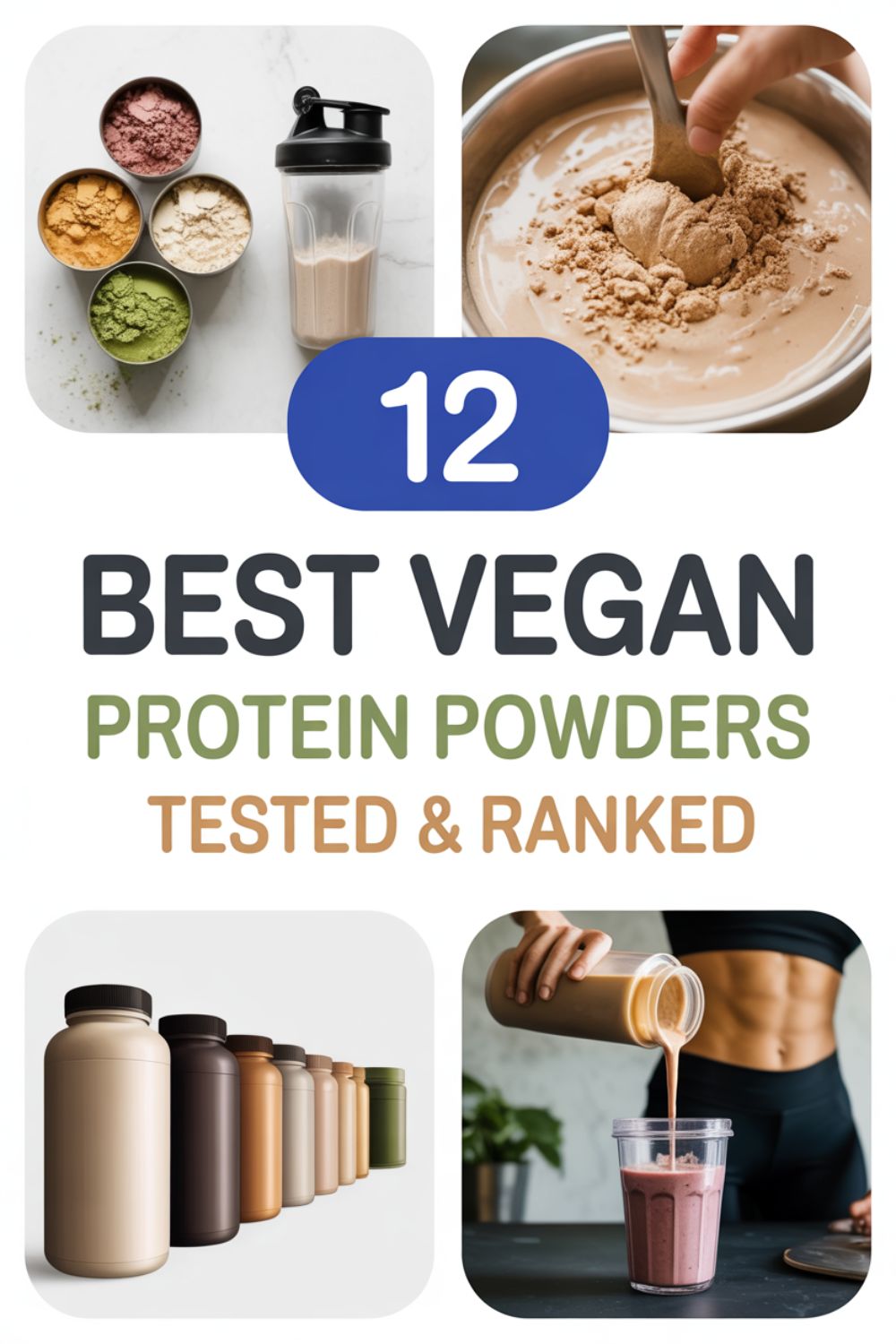
12 Best Vegan Protein Powders (Tested & Ranked)
Real testing, honest opinions, zero BS
Look, I’ve tasted more vegan protein powders than I care to admit. Some tasted like sweetened dirt, others clumped up like wet cement, and a few actually made me gag. But here’s the thing—when you find a good one, it’s a total game-changer.
I spent the last three months testing every vegan protein powder I could get my hands on. Not just reading labels or looking at reviews, but actually mixing them up, drinking them, baking with them, and paying attention to how my body felt afterward. And yeah, my kitchen looked like a protein powder graveyard for a while.
Whether you’re fully plant-based, lactose intolerant, or just trying to cut back on dairy, you deserve a protein powder that doesn’t taste like punishment. So let me save you some time (and money) by breaking down what actually works.
Why Vegan Protein Powder Isn’t Just for Vegans
Here’s something most people don’t realize: vegan protein powders aren’t some niche product just for plant-based eaters. They’re actually becoming the go-to choice for a lot of athletes, fitness enthusiasts, and regular folks who just want a cleaner protein source.
The biggest reason? Digestion. If you’ve ever felt bloated or gassy after a whey shake (guilty), you know what I’m talking about. Research shows that plant-based proteins can be easier on your gut, especially if you’re sensitive to lactose or dairy in general.
Plus, variety matters. When you’re downing protein shakes every day, rotating your protein sources can help prevent food sensitivities from developing. It’s like not eating chicken breast seven days a week—your body appreciates the diversity.
Mix your protein powder with frozen banana and a handful of spinach—you won’t taste the greens, I promise, and it makes the texture way creamier.
What Actually Makes a Vegan Protein Powder Good?
After testing dozens of these things, I’ve figured out what separates the winners from the wannabes. It’s not rocket science, but most brands still manage to screw it up.
Complete Amino Acid Profile
Your body needs all nine essential amino acids to build muscle properly. Whey gets all the credit here, but guess what? Many plant-based blends deliver the same thing. The trick is combining different plant sources—like pea and rice protein—to create a complete profile.
Single-source proteins (I’m looking at you, straight pea protein) often fall short on methionine. But a good blend? That’s where the magic happens.
Texture and Mixability
Nobody wants to chew their protein shake. I’ve tested powders that turned into sludge the second they hit liquid, and others that stayed grainy no matter how much I blended them. The best ones dissolve smoothly whether you’re using a basic shaker bottle or just stirring with a spoon.
Actual Taste (Not Just “Good for Plant-Based”)
I’m tired of the low standards. “It tastes good for a vegan protein powder” isn’t good enough. The best ones taste legitimately delicious—period. No qualifiers needed.
Chocolate should taste like chocolate, not like cocoa-flavored chalk. Vanilla should be smooth and sweet, not weirdly artificial. And unflavored should be, well, mostly neutral so you can add it to anything without wrecking the flavor.
The 12 Best Vegan Protein Powders (Ranked)
1. Orgain Organic Plant-Based Protein
This one’s been my daily driver for the past two months. The chocolate flavor actually tastes like real chocolate—not that weird, artificial sweetness you get from most protein powders. Plus, it mixes incredibly well even in just water.
What sets Orgain apart is the texture. It’s creamy without being thick, which means you can slam it down post-workout without feeling like you’re drinking a milkshake. The ingredient list is clean too: pea protein, brown rice protein, chia seeds, and organic cacao.
Best for: Anyone who wants a solid all-around protein powder that doesn’t taste like punishment. It’s also great for baking—I’ve used it in Get Full Recipe for protein-packed brownies.
The only downside? It’s slightly pricier than some competitors. But when you factor in taste and quality, I think it’s worth the extra few bucks. You can grab it from most health food stores or pick it up through this online retailer if you prefer doorstep delivery.
2. Vega Sport Premium Protein
If you’re serious about fitness, Vega Sport is probably already on your radar. This isn’t just protein—it’s got BCAAs, tart cherry, and probiotics thrown in for recovery support.
I tested the vanilla flavor, and honestly? It’s one of the best vanilla protein powders I’ve tried, vegan or otherwise. Smooth, not too sweet, and it plays well with basically any smoothie combination you throw at it.
Best for: Athletes and people who train hard. The added recovery ingredients make a noticeable difference if you’re pushing yourself regularly. If you’re meal prepping, check out these meal prep ideas that pair perfectly with post-workout nutrition.
Fair warning: it’s not the cheapest option out there. But if you’re already spending money on separate BCAAs or recovery supplements, consolidating everything into one powder might actually save you money in the long run.
3. Garden of Life Raw Organic Protein
Garden of Life went all-in on the whole foods approach. This powder is literally just sprouted grains, seeds, and legumes ground into powder form. No artificial anything—which is both its biggest strength and its biggest weakness.
The unflavored version is genuinely unflavored, making it perfect for adding to breakfast recipes without changing the taste. But if you go for chocolate or vanilla, brace yourself—it’s definitely an acquired taste. Think “earthy” more than “dessert.”
Best for: Health purists who want absolutely nothing artificial in their supplements. Also great if you’re planning to bake or cook with your protein powder rather than just drinking shakes.
The texture is grittier than most—it never fully dissolves, even with aggressive blending. I actually don’t mind it in smoothies where you’ve got fruit and other stuff going on, but straight up with water? Yeah, that’s rough.
Prep your protein shakes the night before and store them in glass mason jars in the fridge. Shake before drinking—saves you precious morning minutes.
4. Ritual Essential Protein
Ritual burst onto the scene with their minimalist aesthetic and transparent sourcing, and their protein powder lives up to the hype. It’s a pea protein base, but they’ve somehow managed to make it not taste like straight peas (which is harder than it sounds).
The vanilla flavor is subtle—almost too subtle for some people’s taste—but I actually appreciate that. It means you can mix it into basically anything without it overpowering other flavors. I’ve added it to soup recipes to boost protein content without anyone noticing.
Best for: People who hate overly sweet protein powders. Also, if you care about ingredient transparency (and you should), Ritual literally shows you where every ingredient comes from.
The main catch? It’s pricey. Like, really pricey. We’re talking premium territory here. But the quality is undeniable, and if you’re someone who reads every label twice, you’ll appreciate what you’re paying for.
5. Naked Pea Protein
No flavoring, no sweeteners, no additives—just pure pea protein. Naked Pea is for people who want total control over what goes into their body. The ingredient list is literally one item long.
I’ll be straight with you: this stuff tastes like peas. Not overwhelmingly so, but yeah, there’s definitely a pea-ish flavor happening. That said, when you blend it with frozen berries, banana, and some nut butter, the taste completely disappears.
Best for: DIY enthusiasts who want to create their own flavor combinations. Also perfect for people with multiple food sensitivities who need to avoid all additives.
The texture is surprisingly smooth for an unflavored powder. It mixes well in smoothies and baked goods. FYI, I’ve used this in these high-protein meals with great results.
6. KOS Organic Plant Protein
KOS nailed the creamy texture game. Seriously, this powder creates one of the smoothest, most shake-like consistencies I’ve tested. The secret? They blend in quinoa, which adds creaminess without making it thick or heavy.
The chocolate peanut butter flavor is legitimately addictive. It tastes like a dessert shake, which makes it dangerous because you’ll want to drink it all the time even when you’re not actually hungry.
Best for: Anyone who struggles to drink protein shakes because of texture issues. Also great for snack recipes when you want something that feels indulgent but is actually nutritious.
One thing to note: it’s fairly sweet, even the vanilla flavor. If you’re not into sweet shakes, this might not be your jam. But if you’ve got a sweet tooth and want to feel like you’re treating yourself while hitting protein goals, KOS delivers.
Looking for more protein-rich inspiration? These quick lunch ideas pair perfectly with an afternoon protein shake, and these filling salads round out your daily nutrition beautifully.
7. Sunwarrior Warrior Blend
Sunwarrior’s been around forever, and their Warrior Blend is a classic for a reason. It combines pea, hemp, and goji berry proteins with a bunch of superfoods thrown in for good measure.
The flavor options are solid—natural, chocolate, vanilla, and berry. I tested the natural flavor, which has a mild sweetness from stevia but doesn’t taste artificial. It’s versatile enough to add to smoothies, oatmeal, or even mix into homemade energy balls.
Best for: People who want extra nutrients beyond just protein. The added superfoods (spirulina, coconut MCT oil, etc.) make this more of a comprehensive supplement than a basic protein powder.
The texture is on the thinner side, which some people love and others hate. It doesn’t create that thick, creamy shake consistency—it’s more like flavored water with protein. Not bad, just different.
8. Nuzest Clean Lean Protein
From New Zealand (because apparently they make amazing protein powder down there), Nuzest is all about purity. European golden peas, minimal processing, and a surprisingly smooth end product.
The Real Coffee flavor deserves a special mention—it actually tastes like coffee, not some weird chemical approximation. Perfect for morning smoothies when you need caffeine and protein in one shot. Mix it with ice, almond milk, and a frozen banana for what’s basically a healthy iced latte.
Best for: Coffee lovers and people who want a protein powder that works for breakfast. Also great if you’re sensitive to most protein powders—Nuzest is ridiculously clean.
The price point is higher than average, but a little goes a long way. The servings are well-sized, and you’re getting quality ingredients that justify the cost. You can find it at most specialty health stores or order from their official website.
9. PlantFusion Complete Protein
PlantFusion takes the blend approach seriously—pea, artichoke, algae, and amaranth proteins all working together. The result is one of the most complete amino acid profiles in the plant-based world.
I tested their cookies and cream flavor (because obviously), and it’s fun. Like, legitimately fun. Little crunchy cookie pieces mixed throughout. It’s not the cleanest option on this list, but sometimes you want your protein shake to feel like a treat.
Best for: People who get bored easily with plain flavors. The variety of flavor options (they’ve got everything from birthday cake to salted caramel) keeps things interesting.
Texture-wise, it’s smooth but a bit foamy when you shake it up. Not a dealbreaker, but worth mentioning if foam bothers you. I usually just let it sit for a minute after mixing and the foam settles.
10. NOW Sports Pea Protein
Budget pick alert! NOW Sports delivers solid quality at a fraction of the cost of premium brands. It’s unflavored, unsweetened, and straightforward—which makes it incredibly versatile.
The protein content is legit: 24 grams per serving with a clean amino acid profile. Yeah, it tastes like peas (can’t escape that with unflavored pea protein), but when you’re making smoothies or adding it to recipes, the taste disappears completely.
Best for: People on a budget who still want quality protein. Also great for bakers—I’ve used this in vegan desserts without any weird aftertaste showing up.
If you’re meal prepping on a budget, pair this with these easy dinner recipes for a complete protein strategy that won’t break the bank.
You can find NOW Sports at basically any supplement store or grab it online. I buy mine in bulk from discount supplement retailers to save even more money.
11. Ora Organic Protein Powder
Ora went full organic and actually pulled it off without sacrificing taste. The vanilla chai flavor is my personal favorite—it’s got real vanilla and warming spices that make your shake feel cozy and indulgent.
Beyond protein, they’ve added digestive enzymes and prebiotics, which is clutch if you’re someone whose stomach gets upset easily. I noticed less bloating compared to other powders, which is saying something.
Best for: People with sensitive digestion. The added enzymes make a real difference, and the organic certification means you’re avoiding pesticides and other nasties.
It’s pricier than basic options, but not as expensive as the ultra-premium brands. Good middle ground if you want quality without completely emptying your wallet. Mix it up in a high-powered blender for the smoothest results.
12. Tropeaka Lean Protein
Australian brand, tropical vibes, and surprisingly effective. Tropeaka’s Lean Protein isn’t just about protein—it’s formulated for weight management with added thermogenic ingredients.
The coconut flavor is polarizing. You either love it or hate it. I’m in the “love it” camp, especially mixed with pineapple and mango in a smoothie. Tastes like vacation in a glass.
Best for: People trying to lean out while maintaining muscle. The added green coffee bean extract and garcinia cambogia support metabolism without making you jittery.
It’s definitely more of a specialized product than a general-use protein powder. If you’re just looking for basic protein supplementation, there are simpler (and cheaper) options. But if weight management is a goal, the formula is well thought out.
Meal Prep Essentials Used With These Proteins
Over the months of testing these powders, I’ve figured out which tools and products make protein supplementation actually work in real life. Here’s what’s been game-changing:
Physical Products That Make Life Easier
- BlenderBottle Classic Shaker – Sounds basic, but the wire whisk ball actually works. No more clumpy protein disasters at the gym.
- Vitamix Blender – Yeah, it’s an investment, but if you’re making smoothies daily, the difference in texture is massive. Everything comes out velvety smooth.
- Glass Meal Prep Containers – For prepping protein-packed meals ahead of time. No weird plastic taste, and they last forever.
Digital Resources Worth Checking Out
- Plant-Based Protein Guide (digital cookbook) – Comprehensive recipes specifically designed for vegan protein powders. Not just smoothies—we’re talking pancakes, muffins, energy balls, you name it.
- Macro Tracking App Premium – If you’re serious about hitting protein goals, tracking makes a huge difference. The premium version syncs with recipes and calculates everything automatically.
- Meal Prep Blueprint (downloadable planner) – Takes the guesswork out of weekly planning. Includes shopping lists and prep schedules that actually make sense.
Plus, if you’re looking for ongoing support and recipe ideas, there’s a WhatsApp community called Plant-Based Protein Squad where people share what’s working for them. Real people, real results, zero sales pitches.
How to Actually Use Vegan Protein Powder
Having great protein powder is one thing. Knowing how to use it effectively? That’s where most people stumble.
Timing Matters More Than You Think
Post-workout is the obvious window, but don’t sleep on protein throughout the day. I’ve found that adding protein to breakfast (either in oatmeal or a morning shake) keeps me full way longer than carbs alone ever did.
According to nutrition research, spreading protein intake across meals leads to better muscle synthesis than loading it all into one or two meals. Your body can only process so much at once.
Don’t Just Drink It—Cook With It
This is where most people are missing out. Protein powder isn’t just for shakes. I’ve been adding unflavored protein to basically everything: pasta sauces, soups, baked goods, even pancake batter.
Pro move: use vanilla protein powder in homemade granola. Game. Changer. You’re getting protein for breakfast without feeling like you’re forcing down a shake first thing in the morning.
Watch Your Total Protein Intake
Protein powder is a supplement, not a replacement for actual food. Most people need around 0.8-1 gram of protein per pound of body weight if they’re active. That’s a lot, but you should be getting most of it from whole foods.
I typically use protein powder for 20-30 grams max per day, getting the rest from beans, lentils, tofu, tempeh, and all the other delicious plant-based proteins that come with fiber and nutrients powder can’t match.
Tools & Resources That Make Cooking Easier
The difference between someone who uses protein powder occasionally and someone who makes it a sustainable habit? Having the right setup. Here’s what’s worked for me:
Kitchen Tools Worth Having
- NutriBullet Pro – Smaller than a full blender, perfect for single-serving smoothies. The extraction blade actually breaks down protein powder completely.
- Silicone Baking Mats – If you’re baking with protein powder (and you should be), these prevent sticking without adding extra oil or butter.
- Digital Kitchen Scale – Measuring protein powder by weight instead of volume is way more accurate. Scoops are notoriously inconsistent.
Digital Products That Actually Help
- High-Protein Recipe Collection (ebook) – Over 100 recipes using protein powder in creative ways. Some are hits, some are misses, but overall it’s expanded my repertoire significantly.
- Fitness & Nutrition Tracker Premium – Syncs with your fitness tracker and calculates exactly how much protein you need based on your activity level. Takes the guesswork out completely.
- Weekly Meal Planner Template (Google Sheets) – Pre-made template that automatically calculates macros when you plug in recipes. Saves hours of planning time.
There’s also a super active WhatsApp group called Vegan Gains Community where people share protein powder recipes, compare brands, and troubleshoot issues together. It’s surprisingly helpful when you’re trying to figure out why your protein pancakes turned out like rubber.
Freeze leftover protein shake in ice cube trays, then blend the cubes with fresh fruit for an instant thick smoothie. No ice needed, and you’re not wasting leftover shake.
Common Mistakes People Make (And How to Avoid Them)
After watching countless people struggle with vegan protein powders, I’ve noticed some patterns. Here’s what to watch out for.
Using Too Much Too Fast
Your gut needs time to adjust to increased protein, especially plant-based protein with all that fiber. Start with half servings for the first week or so, then work your way up. Trust me on this—your stomach will thank you.
Mixing With the Wrong Liquids
Not all protein powders play nice with all liquids. Some get weirdly thick with certain nut milks. Others taste metallic with water. Experiment to find what works for your specific powder.
IMO, unsweetened almond milk is the safest bet for most powders. It’s neutral enough to not clash with flavors, and the slight creaminess improves texture without adding many calories.
Ignoring Storage Instructions
Protein powder can go rancid if stored improperly, especially those with added healthy fats. Keep it in a cool, dry place—not in your hot car or humid bathroom. I learned this the hard way with a $40 tub of hemp protein that smelled like old socks after a month.
What About Heavy Metals?
Real talk: some plant-based proteins have tested positive for concerning levels of heavy metals like lead and cadmium. It’s not fear-mongering—it’s a legitimate concern, especially with rice-based proteins.
Look for brands that do third-party testing. Certifications from NSF International, Informed Choice, or Clean Label Project mean the product has been tested for contaminants. Most of the brands I’ve recommended here have these certifications.
Brown rice protein tends to be higher in heavy metals because rice absorbs them from soil. That’s why blended proteins (pea + rice + hemp) are often safer—you’re not relying heavily on any single source.
Frequently Asked Questions
Is vegan protein powder as good as whey for building muscle?
Yeah, it really is. As long as you’re getting a complete amino acid profile and enough total protein, your muscles don’t care whether it came from peas or milk. Multiple studies have shown comparable results between plant-based and whey proteins for muscle growth and recovery. The key is consistency and total daily protein intake, not the source.
Why does my protein shake get foamy or clumpy?
Foam usually comes from overmixing or using a powder with certain gums and thickeners. Let it sit for a minute after shaking and it’ll settle. For clumps, the issue is usually adding powder to liquid instead of liquid to powder—always add your protein to the liquid, not the other way around. Also, make sure your liquid isn’t too cold, as this can cause clumping with some brands.
How much protein powder should I actually be using per day?
Most people do well with one to two servings max, giving you 20-50 grams of protein from powder. Remember, this is a supplement—you should be getting most of your protein from actual food like beans, lentils, tofu, and whole grains. If you’re using protein powder to replace meals consistently, that’s a red flag that your overall diet needs work.
Can I use vegan protein powder if I’m trying to lose weight?
Absolutely. Protein helps you feel full longer and preserves muscle mass while you’re in a calorie deficit, which is exactly what you want when losing weight. Just watch the total calories—some flavored powders sneak in a lot of added sugars that can work against your goals. Stick with unsweetened or minimally sweetened options and count them toward your daily calorie target.
What’s the deal with soy protein—is it safe?
The short answer: yes, soy protein is safe for most people despite the fear-mongering you might have heard. The concerns about soy affecting hormones are way overblown and not supported by actual research in humans. That said, some people are allergic to soy or just don’t digest it well, so listen to your body. If soy works for you, it’s actually one of the highest-quality plant proteins available with a complete amino acid profile.
The Bottom Line
Finding the right vegan protein powder is personal. What works amazingly for me might not work for you, and that’s totally fine. Your taste preferences, dietary needs, budget, and fitness goals all factor into what makes a protein powder “the best.”
That said, you really can’t go wrong with any of the options on this list. They’ve all been tested thoroughly (by me, in my own kitchen, with my own taste buds), and they all deliver on the basics: complete protein, decent taste, and good mixability.
Start with one that matches your priorities—whether that’s budget, taste, texture, or ingredient purity. Give it a solid two weeks before deciding if it’s working for you. Your body needs time to adjust, and your taste buds might need a minute to get used to plant-based proteins if you’re coming from whey.
And remember: protein powder is just one piece of the puzzle. If you’re eating a varied plant-based diet full of whole foods, staying active, and taking care of yourself generally, the specific brand of protein powder you choose matters way less than you think.
Now go blend something delicious and hit those protein goals. You’ve got this.