The Ultimate Vegan Grocery List (Free Printable)
Let’s be real—walking into a grocery store as a new vegan can feel like navigating a foreign country without a map. You stand in the produce section wondering if you need to buy every vegetable in sight, then drift over to the aisles hoping for some kind of sign that you’re doing this right. Been there, done that, bought way too much kale.
Here’s the thing though: once you crack the code on vegan grocery shopping, it becomes second nature. You’ll breeze through the store with confidence, knowing exactly what to grab for quick weeknight dinners, meal prep sessions, and those random snack cravings that hit at 9 PM. This isn’t about perfection or spending your entire paycheck at Whole Foods—it’s about building a solid foundation of staples that’ll carry you through any recipe or craving.
I’m sharing the grocery list I wish I had when I first went vegan. No fluff, no ingredients you’ll use once and never touch again. Just the essentials that’ll help you create satisfying meals without the guesswork.
Why Your Vegan Pantry Matters More Than You Think
Before we dive into the actual list, let’s talk about why having a well-stocked vegan pantry is a total game-changer. When you’ve got the basics covered, you’re not scrambling to figure out what to eat or ending up with sad toast for dinner because you forgot to plan ahead.
A solid pantry setup means you can throw together meals without overthinking it. Got canned chickpeas, tahini, and lemon? Boom, you’ve got hummus. Rice, beans, and some spices? There’s your burrito bowl. The beauty of vegan cooking is that once you understand which ingredients work as building blocks, you can create hundreds of different meals without needing a PhD in nutrition.
Plus, according to Harvard Health, plant-based eating patterns have been shown to reduce the risk of heart disease, certain cancers, and type 2 diabetes. So yeah, stocking your kitchen with these foods isn’t just convenient—it’s one of the best investments in your long-term health.
Stock up on sale items when you can. Dried beans, grains, and canned goods last forever, so grab extras when they’re discounted. Your future self will thank you.
Pantry Staples That Do the Heavy Lifting
Grains and Starches
These are your best friends for bulk and substance. They’re filling, versatile, and honestly pretty hard to screw up.
- Brown rice – The workhorse grain that goes with literally everything
- Quinoa – Complete protein and cooks faster than rice
- Oats – Not just for breakfast; amazing in smoothies and baking
- Pasta – Get whole wheat or chickpea pasta for extra protein
- Rice noodles – Your ticket to quick Asian-inspired meals
- Whole grain bread – Check the label; some sneaky ones have milk or eggs
- Tortillas – Flour or corn, both work for wraps and quesadillas
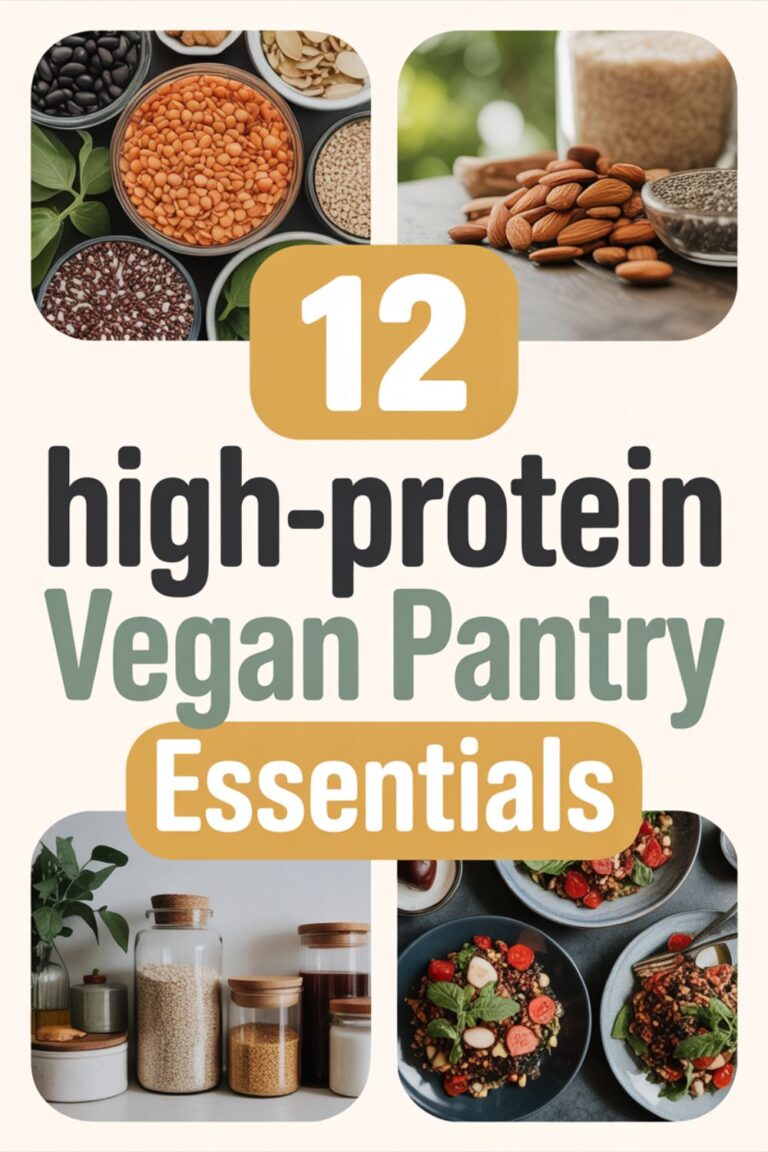
I keep my grains in these airtight glass containers because they look nicer than random bags and actually keep things fresh longer. Plus you can see exactly what you have at a glance.
Legumes and Protein Sources
This is where you’ll get most of your protein, and trust me, there’s plenty of it here. Anyone who says vegans can’t get enough protein hasn’t met a can of black beans.
- Canned chickpeas – For hummus, curries, or roasting as crunchy snacks
- Black beans – Perfect for tacos, burritos, and bowls
- Lentils – Red, green, or brown—they all cook fast and taste great
- Dried beans – Cheaper than canned if you have time to soak them
- Tofu – Extra firm for stir-fries, silken for smoothies and desserts
- Tempeh – Fermented soybeans with a nutty flavor and tons of protein
- Edamame – Frozen bags are perfect for quick protein additions
If you’re new to cooking tofu, I’d recommend getting this tofu press. Makes a huge difference in texture because nobody wants soggy, watery tofu in their stir-fry.
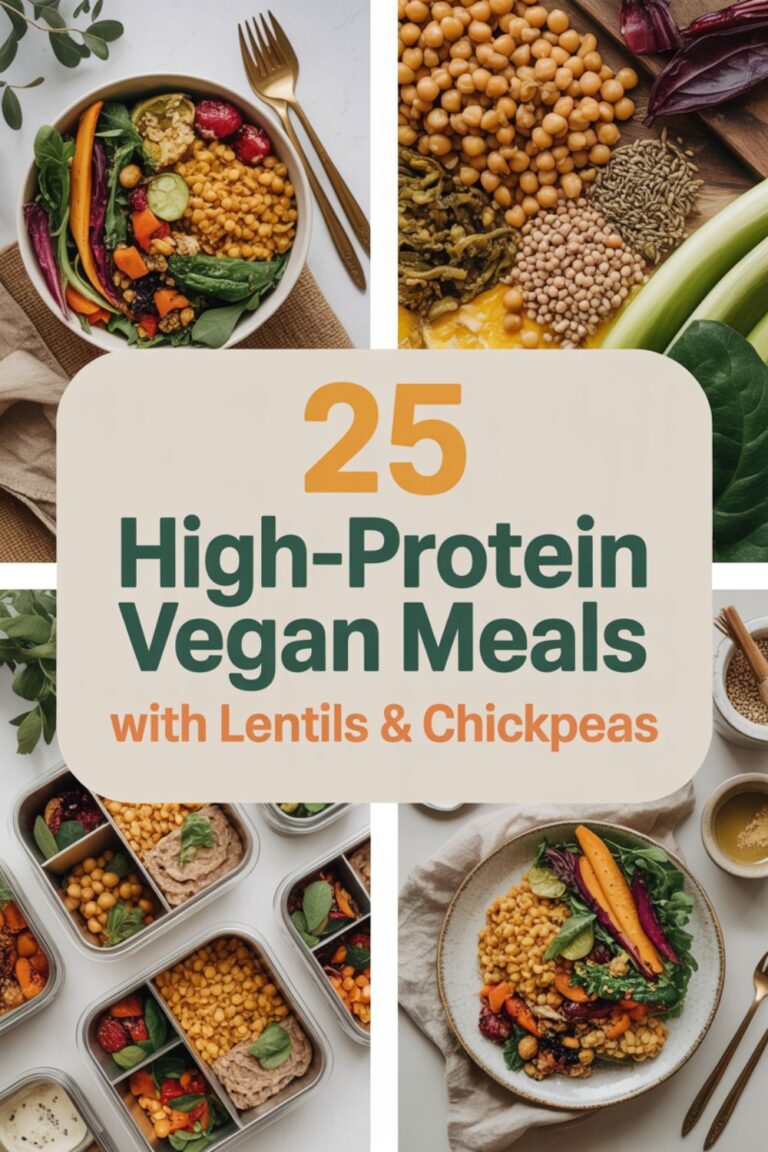
Speaking of protein-packed meals, you’ll definitely want to check out these high-protein vegan meals that actually keep you full. They’re lifesavers when you need something substantial.
Healthy Fats and Flavor Boosters
Don’t skip the fats—they keep you satisfied and help absorb certain vitamins. Plus, food tastes way better with them.
- Nuts – Almonds, cashews, walnuts, peanuts (yes, technically a legume)
- Seeds – Chia, flax, hemp, pumpkin, sunflower
- Nut butters – Peanut, almond, cashew, tahini
- Olive oil – For cooking and dressings
- Coconut oil – Great for baking and high-heat cooking
- Avocado oil – High smoke point, neutral flavor
- Nutritional yeast – The secret weapon for cheesy flavor without dairy
I buy my nuts and seeds in bulk and store them in these stackable containers in the fridge to keep them from going rancid. Game changer for organization.
Canned and Jarred Essentials
This section is criminally underrated. Canned goods are cheap, last forever, and can save your butt when you forgot to meal prep (which, let’s be honest, happens to all of us).
- Canned tomatoes – Diced, crushed, whole—stock all three
- Tomato paste – Concentrated flavor for sauces and stews
- Coconut milk – Full-fat for curries, lite for smoothies
- Vegetable broth – Or bouillon cubes if you’re tight on space
- Salsa – Instant flavor upgrade for bowls and tacos
- Marinara sauce – Keep a few jars on hand for quick pasta nights
- Soy sauce or tamari – Essential for Asian dishes
- Hot sauce – Personal preference, but I always have sriracha and Frank’s
- Maple syrup – Not just for pancakes; great in dressings too
Keep a can of coconut milk and a jar of curry paste in your pantry. You’re always 15 minutes away from a restaurant-quality curry.
Spices and Seasonings (AKA the Fun Stuff)
This is where vegan cooking goes from bland to absolutely crave-worthy. You don’t need every spice known to humanity, but having a solid rotation makes a massive difference.
- Garlic powder and onion powder – Quick flavor without the chopping
- Cumin – Earthy, warm, perfect for Mexican and Indian food
- Paprika – Regular and smoked varieties
- Chili powder – Different from cayenne; it’s a blend
- Italian seasoning – Oregano, basil, thyme all in one
- Turmeric – Anti-inflammatory and adds great color
- Cinnamon – Not just for desserts
- Black pepper and sea salt – The basics that never let you down
- Red pepper flakes – For when you want some heat
I organize my spices in these magnetic tins on the side of my fridge. Saves counter space and looks way cooler than a messy spice cabinet.
Fresh Produce Essentials
Obviously this section varies based on what’s in season and what you like, but here are the MVPs I always grab.
Vegetables
- Leafy greens – Spinach, kale, arugula, romaine
- Broccoli and cauliflower – Roast them, rice them, steam them
- Bell peppers – All colors, all delicious
- Onions and garlic – The flavor foundation of most dishes
- Tomatoes – Cherry tomatoes last longer and taste better IMO
- Carrots – Great for snacking and cooking
- Sweet potatoes – Versatile and filling
- Zucchini – Spiralize it for noodles or slice it for grilling
Fruits
- Bananas – Breakfast staple and natural sweetener
- Berries – Fresh or frozen for smoothies and oatmeal
- Apples – Easy snack that lasts weeks
- Lemons and limes – Brighten up literally everything
- Oranges – Vitamin C and natural energy
- Avocados – Healthy fats and creamy texture
For keeping produce fresh longer, I swear by these produce saver containers. My spinach used to turn into slime after three days; now it lasts over a week.
Refrigerator and Freezer Staples
Don’t sleep on the freezer section. Some of the best vegan convenience foods live there.
- Plant-based milk – Oat, almond, soy, whatever you prefer
- Vegan butter – Earth Balance or Miyoko’s are solid choices
- Frozen vegetables – Just as nutritious as fresh and way more convenient
- Frozen fruit – Perfect for smoothies year-round
- Frozen berries – Cheaper than fresh and already prepped
- Veggie burgers – For when you need something fast
If you’re into meal prep, which honestly saves so much time during the week, check out these easy vegan meal prep ideas for busy weeks. Total lifesavers.
Meal Prep Essentials Used in This Plan
Glass Meal Prep Containers (Set of 10)
Leak-proof, microwave-safe, and way better than plastic. These are the containers I use every single week for portioning out lunches.
High-Speed Blender
Makes smoothies, sauces, soups, and nut butters. Not the cheapest investment, but it’ll last you years and gets used almost daily.
Cast Iron Skillet
Perfect heat distribution, lasts forever, and makes everything taste better. I use mine for everything from pancakes to stir-fries.
Vegan Meal Planning Template (Digital Download)
Printable weekly meal planner designed specifically for plant-based eating. Includes shopping list sections and prep notes.
Plant-Based Protein Guide (eBook)
Complete breakdown of vegan protein sources, daily requirements, and meal combinations to hit your goals effortlessly.
Spice Blend Recipe Cards (PDF Pack)
15 homemade spice blend recipes to make your own taco seasoning, curry powder, Italian mix, and more. Save money and customize flavors.
Want personalized meal planning support? Join our WhatsApp community for daily tips, recipe swaps, and accountability from fellow plant-based eaters.
Building Your Weekly Shopping Routine
Okay, so you’ve got the master list. Now how do you actually use it without buying the entire store every week?
Here’s my system: I keep a running list on my phone of what I’m out of or getting low on. Then before shopping, I plan 3-4 dinners for the week and add whatever produce and fresh items I need for those specific meals. The pantry staples get restocked as needed, but I’m not buying everything every time.
For breakfast and lunch, I usually rotate the same few things I know I like and are easy to throw together. No need to reinvent the wheel daily. Looking for quick options? These vegan breakfast ideas and quick vegan lunches you can pack for work have you covered.
Shop the bulk bins for grains, nuts, and spices. Way cheaper than packaged versions, and you can buy exactly the amount you need.
Shopping by Store Section
I organize my list by where things are in the store because wandering around aimlessly wastes time and leads to impulse buys. Here’s how I break it down:
Produce section first – Grab all your fruits and veggies while they’re fresh in your mind. Don’t skip the herbs; fresh cilantro or basil can elevate a simple meal.
Bulk bins next – If your store has them, stock up on grains, nuts, and dried fruit here.
Canned goods aisle – Beans, tomatoes, coconut milk, and broths.
International foods – This is where I find better deals on things like soy sauce, coconut milk, and noodles.
Freezer section – Frozen veggies, fruit, and maybe some vegan ice cream if you’re feeling it.
Dairy alternatives – Plant milks, vegan butter, and cheese if you use it.
Budget-Friendly Vegan Shopping Tips
Listen, I’m not trying to spend my entire paycheck on groceries, and I’m guessing you aren’t either. The good news is that vegan eating can actually be super affordable if you’re strategic about it.
The cheapest foods in the store are often naturally vegan—rice, beans, potatoes, oats, bananas. Base your meals around these and add variety with whatever’s on sale or in season. Research from Healthline shows that whole-food, plant-based diets can support healthy weight management while being nutritionally complete and often more affordable than meat-heavy diets.
Buy store brands instead of name brands. Seriously, canned chickpeas are canned chickpeas. Same with pasta, rice, and most canned goods. Save your money for the items where quality actually matters, like nut butters or olive oil.
Frozen produce is your friend. It’s picked at peak ripeness, flash frozen, and often cheaper than fresh. Plus it doesn’t go bad sitting in your fridge while you contemplate what to make for dinner.
When you’re trying to stick to a budget, these easy vegan dinner recipes are total lifesavers. Most use ingredients that cost under $10 total.
What About Special Diet Needs?
Going vegan doesn’t mean you automatically meet all your nutritional needs—you’ve gotta be intentional about a few key nutrients that are harder to get from plants alone.
The Big Ones to Watch
Vitamin B12 – This one’s non-negotiable. You need to supplement or eat fortified foods because B12 doesn’t occur naturally in plant foods. I take a weekly supplement and call it good. According to Mayo Clinic research, B12 deficiency can have serious implications for neurologic health, so don’t skip this one.
Iron – Plant-based iron (non-heme) isn’t absorbed as easily as the kind from meat, but you can boost absorption by eating it with vitamin C. So toss some bell peppers in your bean chili or squeeze lemon on your spinach salad.
Omega-3s – Flax seeds, chia seeds, hemp seeds, and walnuts all contain ALA omega-3s. Some people also take an algae-based DHA/EPA supplement.
Calcium – Fortified plant milks, tofu made with calcium sulfate, leafy greens, and almonds all contribute. Just check your plant milk labels to make sure calcium is added.
Vitamin D – Most people, vegan or not, are low on this. Get some sun or take a supplement, especially in winter months.
For recipe ideas that pack in these nutrients naturally, these vegan salad recipes are loaded with iron and vitamin C combinations.
Stocking Up for Different Types of Meals
Let’s talk about how to actually use all this stuff beyond just having it sit in your pantry looking pretty.
Quick Weeknight Dinners
Keep it simple. Pasta with marinara and roasted veggies. Stir-fry with whatever vegetables you have and some tofu or tempeh. Bean tacos with all the fixings. Rice bowls with chickpeas, avocado, and tahini sauce. None of these require a recipe or more than 30 minutes.
When you need inspiration that doesn’t require chef-level skills, check out these vegan pasta dishes. They’re ridiculously good and use pantry basics.
Meal Prep Sundays
This is where batch cooking shines. Make a big pot of soup or chili that’ll last several days. Roast a few sheet pans of vegetables. Cook a batch of grains and beans. Prep some overnight oats or energy balls for breakfast and snacks.
I use these silicone baking mats for roasting vegetables because cleanup is literally just rinsing them off. No scrubbing burnt-on bits.
Comfort Food Nights
Sometimes you just need something cozy and indulgent. That’s where stuff like vegan mac and cheese, loaded nachos, or creamy pasta comes in. And yes, you can absolutely make these from your pantry staples with a little creativity.
For those nights when only dessert will do, these vegan desserts prove you don’t need dairy to make something incredible.
Tools & Resources That Make Cooking Easier
Instant Pot or Pressure Cooker
Turns dried beans into perfectly cooked beans in under an hour with zero soaking. Also great for grains, soups, and even making yogurt.
Good Chef’s Knife
You’re going to be chopping a lot of vegetables. A sharp, well-balanced knife makes it actually enjoyable instead of tedious.
Spiralizer
Turn zucchini into noodles in seconds. Makes adding more veggies to your meals feel less like a chore and more like fun.
Vegan Substitution Cheat Sheet (Printable)
Quick reference guide for replacing eggs, dairy, and meat in any recipe. Includes ratios and best-use scenarios for each substitute.
Freezer Meal Prep Guide (Digital Course)
Step-by-step video tutorials for making 20+ freezer-friendly vegan meals you can batch cook and store for busy weeks.
Seasonal Produce Calendar (PDF)
Know what’s in season month by month so you can save money and get the freshest, most flavorful produce year-round.
Join our WhatsApp recipe exchange group where members share what they’re cooking in real-time, ask for substitution advice, and motivate each other to try new things.
Making the List Work for You
Here’s the thing about grocery lists—they’re meant to be customized. This isn’t some rigid rule book where you have to buy every single item I mentioned. It’s a framework.
Maybe you hate mushrooms. Cool, skip them. Not a fan of tempeh? Stick with tofu and beans. Gluten-free? Swap the regular pasta for chickpea or rice varieties. The whole point is to create a foundation of staples that works for YOUR taste preferences and YOUR budget.
Start with the basics—grains, beans, some produce, and a few spices. Build from there as you figure out what you actually cook and eat. Don’t feel pressured to stock your pantry like a restaurant kitchen on day one.
Snacks That Save the Day
Let’s be honest, snacking is where a lot of people struggle. You get hungry between meals and suddenly that vending machine full of chips looks really appealing.
Having good snacks readily available is crucial. I keep these small containers filled with portioned nuts and dried fruit in my bag. Game changer for avoiding the 3 PM hunger crash.
Easy vegan snacks from your grocery list:
- Apple slices with peanut butter
- Hummus with carrot sticks or crackers
- Trail mix (make your own to save money)
- Roasted chickpeas
- Energy balls made from dates and nuts
- Popcorn (air-popped or with a little oil)
- Fruit with a handful of nuts
For more ideas that’ll actually keep you satisfied, these vegan snacks are perfect for stashing in your desk drawer or gym bag.
What About Eating Out and Social Situations?
Okay, so you’ve got your home kitchen sorted. But what happens when you’re at a restaurant or someone’s house for dinner?
Most restaurants have at least a few vegan options if you know how to spot them. Asian cuisines are usually a safe bet—Thai, Indian, Japanese, and Chinese places often have tons of plant-based choices. Mexican restaurants can easily make burrito bowls or tacos without cheese and sour cream. Even steakhouses usually have decent salads and side dishes you can combine into a meal.
Don’t be shy about asking for modifications. Most places are happy to leave off the cheese or substitute olive oil for butter. The worst they can say is no, and then you order something else.
For social gatherings, I usually offer to bring a dish. That way I know there’s at least one thing I can eat, and I’ve also introduced friends to vegan food that’s actually good. Win-win.
Seasonal Shopping Strategies
Buy what’s in season and you’ll save money while getting better-tasting produce. Strawberries in January might look pretty, but they taste like cardboard and cost twice as much as they should.
Summer is all about tomatoes, corn, zucchini, berries, and stone fruits. Fall brings squash, apples, pears, and root vegetables. Winter is citrus season—oranges, grapefruits, and pomegranates. Spring gives you asparagus, peas, and early greens.
Frozen vegetables are the great equalizer though. When fresh asparagus is $6 a pound, frozen is like $2 and tastes basically the same once it’s cooked.
Common Shopping Mistakes to Avoid
Let me save you some headaches by sharing the mistakes I made when I started.
Buying too many specialty ingredients. You see a recipe that calls for some obscure flour or rare spice, buy the whole package, use two tablespoons, and then it sits in your pantry forever. Stick to basics first.
Assuming everything labeled “vegan” is healthy. Oreos are vegan. So are Fritos. That doesn’t make them health food. Read the ingredients.
Not planning meals at all. Just buying random vegetables and hoping they’ll magically become dinner doesn’t work. Ask me how I know.
Forgetting to check what you already have. I cannot tell you how many times I’ve bought a second jar of tahini because I forgot I had one hiding in the back of the fridge.
Take a picture of your pantry and fridge before shopping. Sounds ridiculous, but you can reference it when you’re at the store and can’t remember if you need more oats.
Comfort Foods for Cold Weather
When it’s freezing outside and you just want something warm and cozy, your pantry staples become absolute heroes.
Soups and stews are perfect for this. Lentil soup with crushed tomatoes and vegetables. Chickpea curry with coconut milk. Black bean chili loaded with spices. All of these come together with canned goods and pantry items, and they taste even better the next day.
These vegan soups and stews are exactly what you need when you want something that feels like a hug in a bowl.
I make soup in this big Dutch oven and it’s literally perfect for batch cooking. Makes enough for several meals and heats evenly so nothing burns on the bottom.
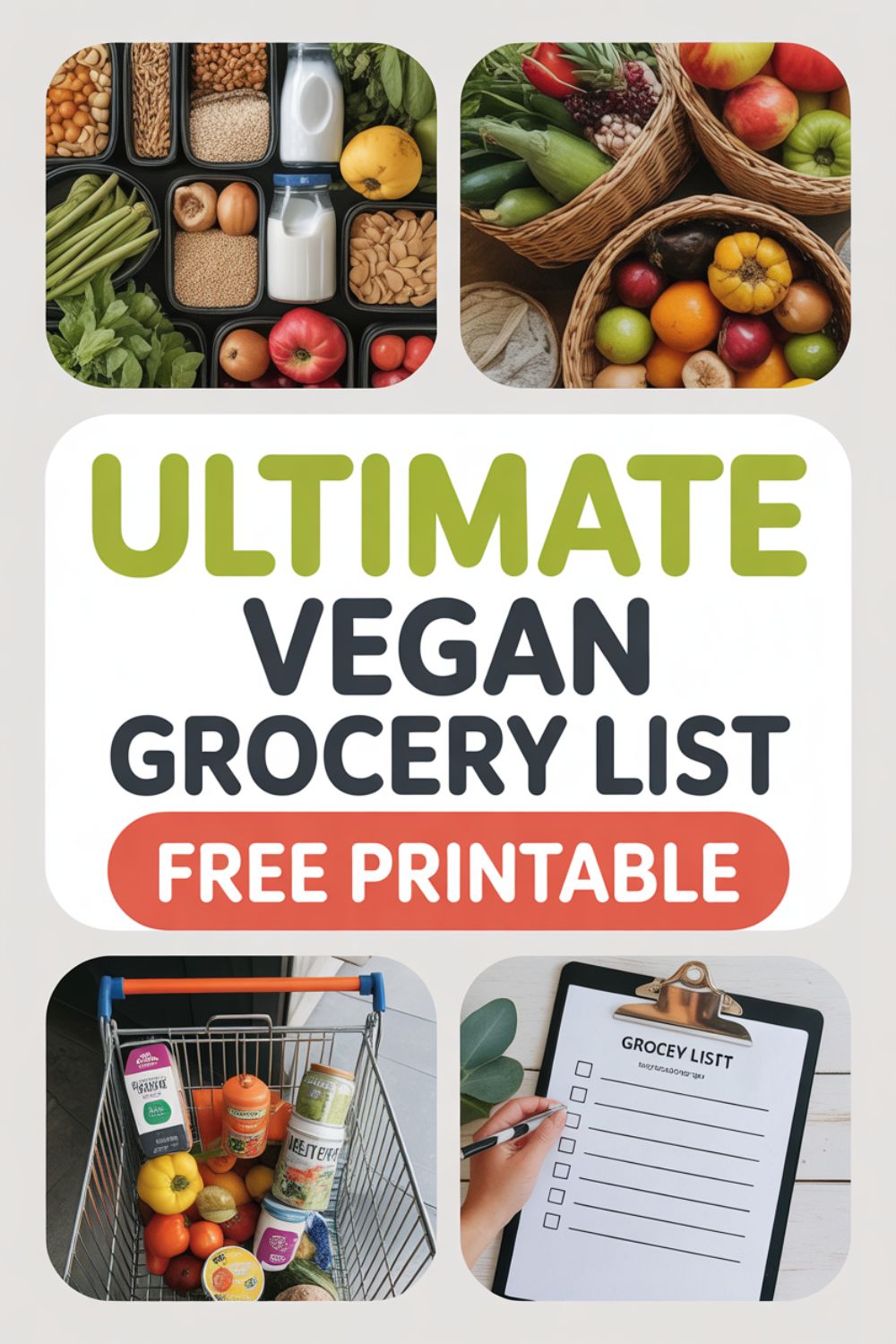
Your Free Printable Grocery List
Alright, let’s put this all together into something you can actually use. I’ve created a printable checklist that organizes everything by category so you can quickly mark what you need each week.
The beauty of having a master list is that you’re not starting from scratch every time you need to shop. Just scan through, check off what you’re running low on or what you need for specific recipes, and you’re done.
Keep it on your fridge, in your wallet, or saved on your phone—wherever works best for you. Customize it by crossing out things you never buy and adding your personal favorites.
Frequently Asked Questions
Do I really need to buy everything on this list at once?
Absolutely not. Start with the basics—a grain or two, a couple types of beans, some produce, and essential spices. Build your pantry gradually over a few weeks. Trying to buy everything at once is overwhelming and expensive. Focus on what you’ll actually use for the meals you plan to make this week.
Is eating vegan more expensive than eating meat?
It really depends on what you buy. Beans, rice, oats, and seasonal produce are some of the cheapest foods available. Where vegan eating gets expensive is when you load up on specialty products like fancy nut cheeses and mock meats. Stick to whole foods as your base and you’ll likely spend less than you did before.
How do I make sure I’m getting enough protein?
Beans, lentils, tofu, tempeh, quinoa, nuts, and seeds all pack plenty of protein. Most people get more than enough by simply eating a varied diet. If you’re worried, track your meals for a few days on an app—you’ll probably be surprised by how much protein you’re already getting without even trying.
What’s the one item I absolutely shouldn’t skip?
A B12 supplement. Seriously, this is non-negotiable for long-term health. Beyond that, having dried beans or canned chickpeas on hand will save you more times than you can count. They’re cheap, versatile, and turn boring meals into something actually filling.
How long do pantry staples actually last?
Dried goods like rice, beans, pasta, and oats last for years if stored properly in airtight containers. Canned goods are usually good for 1-2 years past the date on the can. Nuts and seeds last longer in the fridge or freezer. Spices lose potency after about a year but won’t hurt you if they’re older.
Final Thoughts
Look, going vegan doesn’t have to be complicated or expensive. It’s really just about knowing what to buy and how to use it. Once you’ve got your pantry stocked with the basics, you can throw together meals without stress or constant trips to the store.
This list isn’t meant to be perfect or comprehensive—it’s meant to be useful. Start where you are, buy what makes sense for your budget and taste preferences, and build from there. You’ll figure out your own rhythm pretty quickly.
The best part about vegan cooking is that you can get really creative with simple ingredients. That can of chickpeas sitting in your pantry could become curry, hummus, a salad topper, or crispy roasted snacks depending on what you’re in the mood for. Same ingredients, totally different meals.
Print out the list, stick it on your fridge, and check off what you need each week. Before you know it, you won’t even need it anymore because you’ll have your own system down. And that’s when vegan cooking stops feeling like a project and just becomes how you eat.