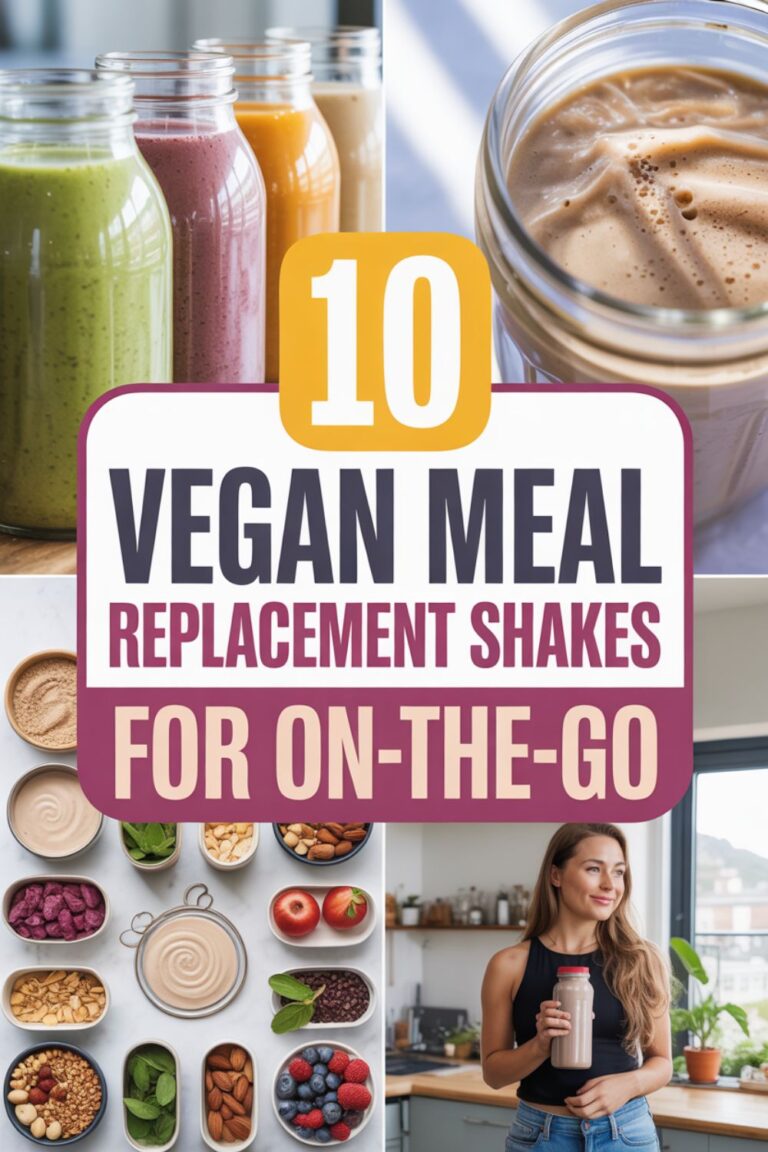
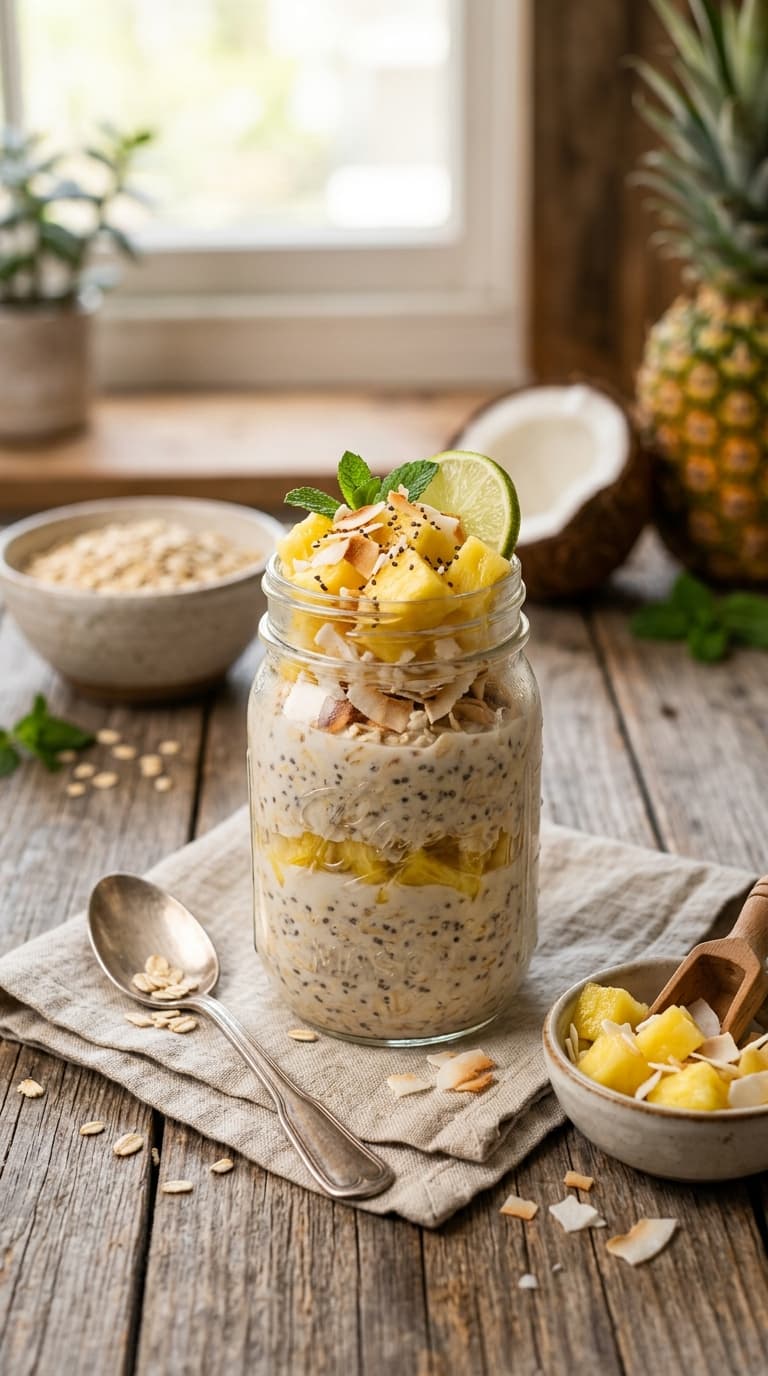
21-Day Vegan Smoothie Plan (Printable Guide)
Look, I’m not going to lie to you—when I first thought about committing to three weeks of smoothies, my brain immediately went to “boring green sludge” territory. But here’s the thing: a solid vegan smoothie plan isn’t about choking down the same kale-banana combo for 21 days straight. It’s about discovering how ridiculously easy it can be to actually enjoy your mornings while sneaking in nutrients you’d otherwise ignore.
So if you’re someone who hits snooze five times and then grabs whatever’s fastest (guilty as charged), or you’re just tired of the same old breakfast routine, this 21-day plan might be exactly what you need. No fancy equipment required. No $15 superfood powders. Just real ingredients, real results, and a printable guide so you don’t have to think too hard before your first cup of coffee.
Why 21 Days Makes Sense (And Why It Actually Works)
Three weeks. That’s the magic number researchers keep throwing around when it comes to forming habits. Not because your brain suddenly transforms on day 22, but because you’ve given yourself enough time to move past the “this is weird and different” phase into the “oh, this is just what I do now” zone.
The Johns Hopkins Medicine team notes that smoothies pack in fruits, vegetables, protein, and fiber in ways that actually work with your schedule instead of against it. When you blend whole ingredients—not juice them, but actually blend them—you keep all that fiber intact, which means you’re not just drinking sugar water disguised as health food.
Here’s what sold me: you can meal prep these. Seriously. Dump your ingredients into bags, freeze them, and then blend when you’re ready. Zero excuses on those mornings when you can’t even remember where you put your keys.
Plus, according to nutrition research on plant-based diets, starting your day with fiber and protein helps curb those mid-morning cravings that make you ransack the office snack drawer. And honestly? That alone makes it worth trying.
What Makes This Plan Different From Every Other Smoothie Thing Out There
I’ve seen those Instagram-perfect smoothie challenges. You know the ones—they require seventeen ingredients you’ve never heard of, all of which expire in three days and cost more than your electric bill. This isn’t that.
This plan rotates through three distinct weeks with different flavor profiles so you’re not stuck in a monotonous loop. Week one focuses on berry-based blends, week two leans tropical, and week three brings in more greens and earthy flavors. By the time you finish, you’ll have a solid repertoire of go-to recipes instead of just one tired formula you’re sick of.
And listen, if you’re worried about protein because you’re vegan, relax. Between nut butters, hemp seeds, chia seeds, and the occasional scoop of plant-based protein powder, you’ll hit your targets without overthinking it. I personally love tossing in a spoonful of almond butter because it makes everything taste like dessert, and if breakfast doesn’t bring you at least a little joy, what’s the point?
Speaking of breakfast inspiration, if you’re someone who loves variety in the morning, you might also enjoy exploring these creative vegan breakfast ideas that go beyond the blender.
The Foundation: What Actually Goes Into These Smoothies
Let’s break down the building blocks because once you understand the formula, you can freestyle like a pro.
Your Liquid Base (Pick Your Fighter)
Unsweetened almond milk, oat milk, soy milk, or even coconut water—whatever floats your boat. I usually grab whatever’s on sale, though soy milk sneaks in more protein if that’s your goal. Just skip the sweetened versions unless you want a sugar crash by 10 AM.
The Greens (Yes, You Need Them)
Spinach or kale. Both are mild enough that you won’t taste them when blended with fruit. Start with a handful of spinach if you’re skeptical. The goal is nutrition, not punishment.
Fruit (Fresh or Frozen, Both Work)
Bananas are your secret weapon for creaminess. Frozen mango brings that tropical vibe. Berries—strawberries, blueberries, raspberries—load you up with antioxidants without making your smoothie taste like a salad bar accident. And if you’re feeling adventurous, frozen cauliflower adds thickness and fiber without any weird flavor.
Protein and Healthy Fats (The Stuff That Keeps You Full)
This is where nut butter, chia seeds, hemp seeds, or ground flaxseeds come in. Mix and match. They all bring different nutrients to the table—omega-3s, protein, fiber—and they turn a juice-adjacent beverage into an actual meal.
For more ideas on how to pack protein into your plant-based routine, check out these high-protein vegan meals that prove you don’t need meat to stay satisfied.
Optional Boosters (AKA the Fun Stuff)
Dates for natural sweetness. Cacao powder if you want a chocolate fix. Turmeric and ginger if you’re into that anti-inflammatory game. Vanilla extract because why not make it taste good?
Meal Prep Essentials Used in This Plan
Okay, let’s talk about the stuff that makes this whole thing run smoothly. I’m not trying to sell you a kitchen renovation, but a few key items genuinely make life easier.
Physical Products:
- High-speed blender—doesn’t have to be the $500 version, just something that can pulverize frozen fruit without sounding like a jet engine taking off
- Reusable freezer bags—silicone ones are clutch for prepping smoothie packs because they’re easier to fill and actually seal properly
- Mason jars or to-go cups—if you’re taking your smoothie on the road, get something with a secure lid unless you enjoy cleaning blueberry stains out of your car
Digital Resources:
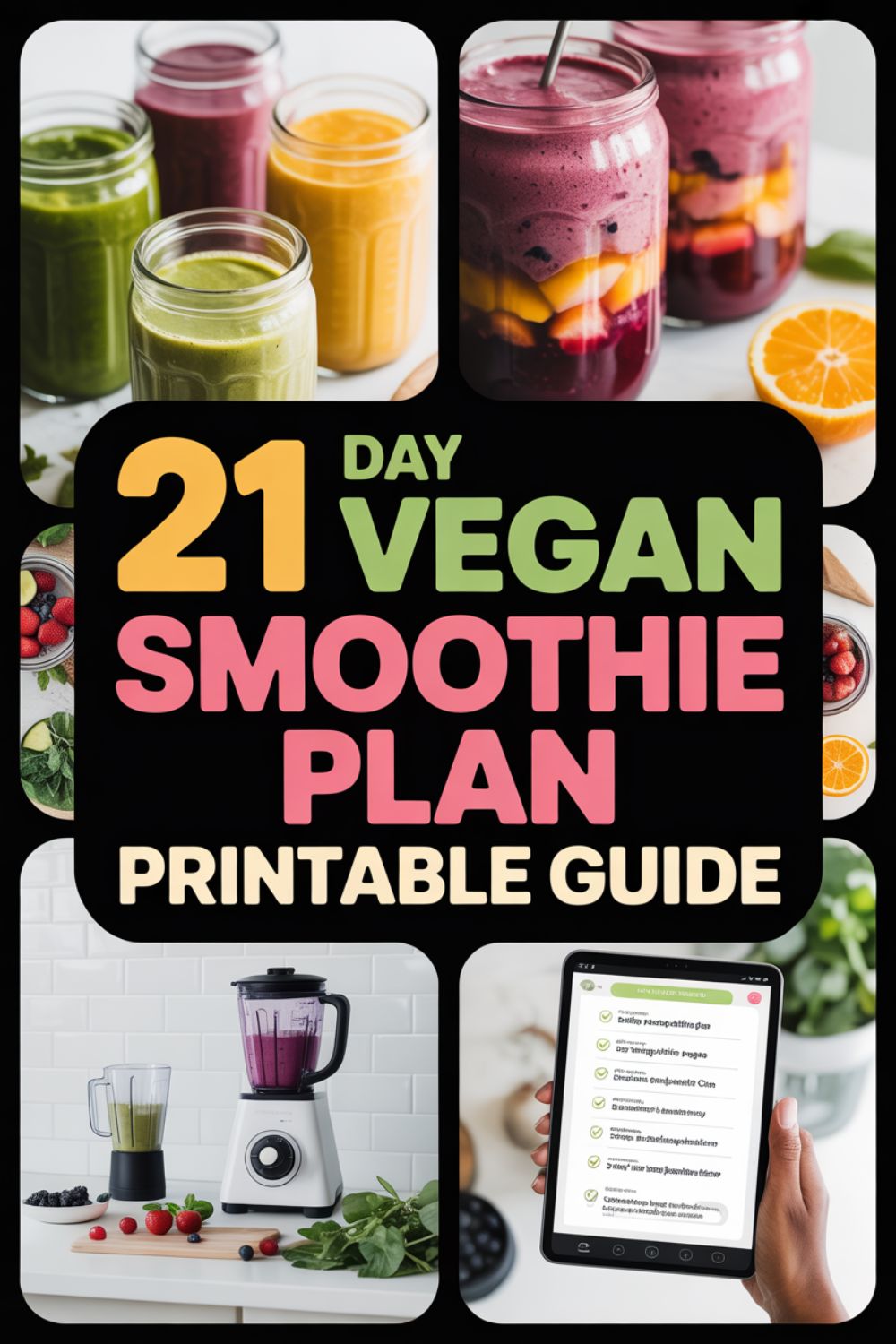
- Printable 21-Day Smoothie Calendar—I’ve mapped out the whole plan with ingredient lists and prep notes so you’re not winging it
- Shopping List Template—organized by week so you can knock out grocery shopping in one trip
- Nutrition Breakdown Guide—macros for each smoothie if you’re tracking or just curious
Community Support:
Join the Plant-Based Meal Prep WhatsApp Group where people share their smoothie wins, troubleshoot blender disasters, and swap ingredient substitutions. It’s honestly way more helpful than scrolling through random internet forums at midnight.
Week One: Berry Bliss and Morning Energy
We’re starting strong with berry-based smoothies because they’re familiar, delicious, and ridiculously forgiving. Even if you mess up the ratios, berries pretty much always taste good.
Days 1-3: Classic Berry Boost
Mixed berries (I use whatever’s in the freezer), one banana, handful of spinach, almond milk, tablespoon of chia seeds, and a scoop of vanilla plant protein powder. Blend until smooth. This one’s your baseline—simple, effective, and it tastes like a smoothie should.
The chia seeds do double duty here: they add texture and keep you full longer. According to research on fiber and satiety, those little seeds expand in your stomach, which means you’re not raiding the pantry by 11 AM.
Days 4-5: Strawberry Almond Cream
Strawberries, frozen banana, two tablespoons of almond butter, oat milk, and a handful of oats. Yes, oats. They blend up smooth and add this nice creamy texture plus extra fiber. If you want it sweeter, add a pitted date.
Days 6-7: Triple Berry Protein Punch
Blueberries, raspberries, blackberries, spinach, hemp seeds, and coconut water. This one’s lighter but still filling because of the hemp seeds. They’re loaded with complete protein and have this slightly nutty flavor that works perfectly with berries.
If you’re looking for more ways to incorporate berries into your routine beyond smoothies, these healthy vegan snacks offer plenty of inspiration for keeping things interesting throughout the day.
Week Two: Tropical Vibes and Afternoon Power
Time to switch it up. Week two brings mango, pineapple, and all those flavors that make you feel like you’re on vacation even though you’re probably just standing in your kitchen in pajamas.
Days 8-10: Mango Turmeric Sunrise
Frozen mango, half a banana, fresh ginger (just a small chunk, don’t go crazy), turmeric powder, coconut milk, and a handful of spinach. The turmeric gives it this gorgeous golden color and brings anti-inflammatory benefits. Pair it with black pepper—sounds weird, but it helps your body actually absorb the turmeric.
I like making this one in a single-serve blender cup so I can drink it straight from the container and skip the whole “washing extra dishes” situation.
Days 11-13: Pineapple Coconut Dream
Pineapple, banana, coconut milk (the canned kind for extra creaminess), lime juice, and a scoop of vanilla protein powder. This tastes like a piña colada minus the hangover. Add spinach if you’re feeling virtuous, skip it if you just want to enjoy the tropical moment.
Days 14: Peachy Green Goddess
Frozen peaches, kale (I know, but trust me), avocado for creaminess, almond milk, and hemp seeds. The avocado makes this insanely smooth and adds healthy fats. Kale brings iron and calcium. The peaches cover up any “green” taste. Win-win-win.
For lunch ideas that complement this tropical breakfast energy, you might want to explore these quick vegan lunches that keep the momentum going through your day.
Week Three: Green Machines and Earthy Flavors
By week three, you’re a smoothie veteran. Time to lean into the greens and more complex flavor combinations.
Days 15-17: Chocolate Mint Protein
Spinach, frozen banana, cacao powder, fresh mint leaves, peanut butter, and soy milk. This one tastes like a thin mint cookie but somehow counts as breakfast. The cacao brings antioxidants, the peanut butter adds protein, and the mint makes it refreshing instead of heavy.
Days 18-19: Apple Cinnamon Oat
One whole apple (core removed), handful of spinach, rolled oats, cinnamon, almond butter, and oat milk. Blend it well because apples need a good pulverizing. This tastes like apple pie filling but won’t spike your blood sugar thanks to all the fiber.
Days 20-21: Ultimate Green Reset
Cucumber, celery, green apple, lemon juice, ginger, spinach, hemp seeds, and coconut water. This is your detox smoothie without any of that sketchy juice cleanse nonsense. It’s hydrating, refreshing, and loaded with minerals. Perfect way to wrap up the 21 days.
Speaking of green vegetables and creative ways to use them, check out Get Full Recipe for a killer green smoothie bowl variation that turns this concept into something you can eat with a spoon.
If you’ve made it this far and you’re craving more plant-based variety, these comforting vegan soups and satisfying pasta dishes round out a solid weekly meal rotation.
Tools and Resources That Make This Easier
Let’s be real—having the right gear doesn’t make you healthy, but it sure makes staying on track less annoying.
Physical Tools:
- Portable blender—for when you’re traveling or just want to make a single serving without dirtying your giant blender
- Measuring cups and spoons—yeah, I know eyeballing seems easier, but consistent portions matter if you’re tracking nutrition
- Silicone ice cube trays—freeze leftover smoothie in cubes and toss them into future smoothies for extra thickness
Digital Downloads:
- Ingredient Substitution Cheat Sheet—because sometimes you’re out of bananas or someone ate all your almond butter
- Smoothie Troubleshooting Guide—too thick, too thin, tastes weird, whatever the problem, there’s a fix
- Macro Calculator Spreadsheet—plug in your ingredients, get instant nutritional breakdown
Join the Community:
The Smoothie Challenge WhatsApp Group has over 500 members sharing daily check-ins, recipe tweaks, and moral support. It’s like having a bunch of friends who actually get why you’re excited about a perfectly blended green smoothie at 7 AM.
Common Mistakes (And How to Actually Fix Them)
Let’s troubleshoot the disasters before they happen.
Your Smoothie’s Too Thick
Add more liquid, genius. Start with a quarter cup at a time. Or, throw in some ice cubes and blend again. Sometimes frozen fruit turns your smoothie into a milkshake—which isn’t necessarily bad, just impractical if you wanted something drinkable.
It Tastes Like Lawn Clippings
You went too heavy on the greens. The ratio should be about 2:1 fruit to greens, especially if you’re new to this. Add more banana or a date to sweeten things up. Or just accept that maybe kale isn’t your thing and stick with spinach—no judgment here.
You’re Starving an Hour Later
Not enough protein or fat. Add more nut butter, bump up the seeds, or include a scoop of protein powder. Smoothies are great, but they can’t defy the laws of satiety. If it’s just fruit and liquid, yeah, you’re gonna be hungry.
Your Blender Sounds Like It’s Dying
Stop overloading it. Blend in stages if you need to. Liquid and softer ingredients first, then add frozen stuff gradually. And maybe invest in a better blender if yours legitimately can’t handle frozen bananas—life’s too short for that kind of struggle.
How to Customize This Plan Without Ruining It
The beauty of this framework is that it’s flexible. Hate blueberries? Use strawberries. Can’t do nuts? Sunflower seed butter exists. Allergic to bananas? (That’s a thing, apparently.) Use avocado or frozen cauliflower for creaminess instead.
Just keep the basic structure: liquid base + greens + fruit + protein/fat + optional booster. As long as you hit those categories, you’re golden.
Some people add coffee to their morning smoothie. Some toss in a shot of espresso and call it breakfast. Some freeze leftover smoothie and eat it like ice cream at night. There are no smoothie police. Do what works for you.
And if you’re someone who meal preps like a boss, you’ll probably love these comprehensive vegan meal prep ideas that go beyond just smoothies and cover your whole week.
The Printable Guide (And Why You Actually Need It)
Here’s the deal: you can read this article, nod along, and then completely forget everything by tomorrow morning. Or you can download the printable 21-day calendar, stick it on your fridge, and actually follow through.
The guide includes a daily checklist, shopping lists organized by week, and prep notes so you know what you can make ahead. It’s designed for people who don’t want to think too hard before coffee—which is basically all of us.
Print it. Use it. Cross off each day. There’s something weirdly satisfying about checking boxes and watching progress happen in real time.
What Happens After Day 21
Hopefully by the end of three weeks, smoothies have just become part of your routine. You’re not forcing it anymore. You’ve figured out your favorite combinations. You know which reusable straws don’t get clogged with chia seeds.
Some people keep going indefinitely. Others rotate smoothies with other quick breakfasts but keep them in the mix a few times a week. The point isn’t to live on smoothies forever—it’s to prove to yourself that eating well doesn’t have to be complicated or time-consuming.
And honestly? Once you realize you can pack a day’s worth of vegetables into a 16-ounce cup and actually enjoy drinking it, a lot of other healthy habits start feeling more doable too.
For more complete meal ideas that keep this healthy momentum going, explore these easy vegan dinner recipes and fresh salad combinations that round out a balanced plant-based approach.
Frequently Asked Questions
Can I really lose weight drinking smoothies for 21 days?
Weight loss depends on your overall calorie intake and lifestyle, but smoothies can definitely help. They’re portion-controlled, nutrient-dense, and when you include protein and fiber, they keep you full longer than most grab-and-go breakfast options. Just don’t go overboard with high-calorie add-ins like nut butters—stick to the recommended portions and you’ll be fine.
Do I need a fancy blender or will any blender work?
Any decent blender works, but I won’t lie—a higher-powered blender makes life easier, especially with frozen fruit and leafy greens. If your current blender struggles with ice, you might need to let frozen ingredients thaw slightly or blend in stages. That said, plenty of people complete this plan with basic $40 blenders, so don’t let equipment hold you back.
What if I don’t like the taste of green smoothies?
Start with more fruit and less greens, then gradually increase the green ratio as your taste buds adjust. Spinach is milder than kale, so that’s your best starting point. And honestly, if you blend in enough banana and berries, you won’t taste the spinach at all. The goal is nutrition, not suffering—if a smoothie tastes terrible, you won’t stick with it, so find the balance that works for you.
Can I prep smoothies ahead and freeze them?
Absolutely. You can either prep individual smoothie bags with all ingredients (except liquid) and freeze them, or blend the smoothies completely and freeze them in jars. If you go the pre-blended route, leave about an inch of space at the top because liquids expand when frozen. Thaw overnight in the fridge or blend the frozen smoothie with a splash of fresh liquid to thin it out.
Is it okay to have smoothies every single day?
For most people, yes. As long as you’re including variety in ingredients, balancing macros with protein and healthy fats, and not relying solely on smoothies for all your nutrition, daily smoothies are perfectly fine. They’re just one tool in your healthy eating toolkit. If you start feeling bored or your digestion feels off, take a break and switch to other breakfast options for a few days.
Final Thoughts
Three weeks might not sound like a long time, but it’s enough to shift how you think about mornings, nutrition, and what “easy” actually means. You don’t need to overhaul your entire life or spend hours in the kitchen to eat well—sometimes you just need a blender and a willingness to try something different.
This plan isn’t about perfection. It’s about momentum. About proving to yourself that healthy habits don’t have to be miserable or complicated. And if by day 21 you’ve discovered that smoothies are actually kind of your thing, then yeah, I’d call that a win.
So grab your blender, print the guide, and let’s do this. Your future self—the one who’s not frantically searching for breakfast at 8:47 AM—will thank you.