24 Baked Oats vs Overnight Oats — Which Is Better?
Baked Oats vs Overnight Oats — Which Is Better?
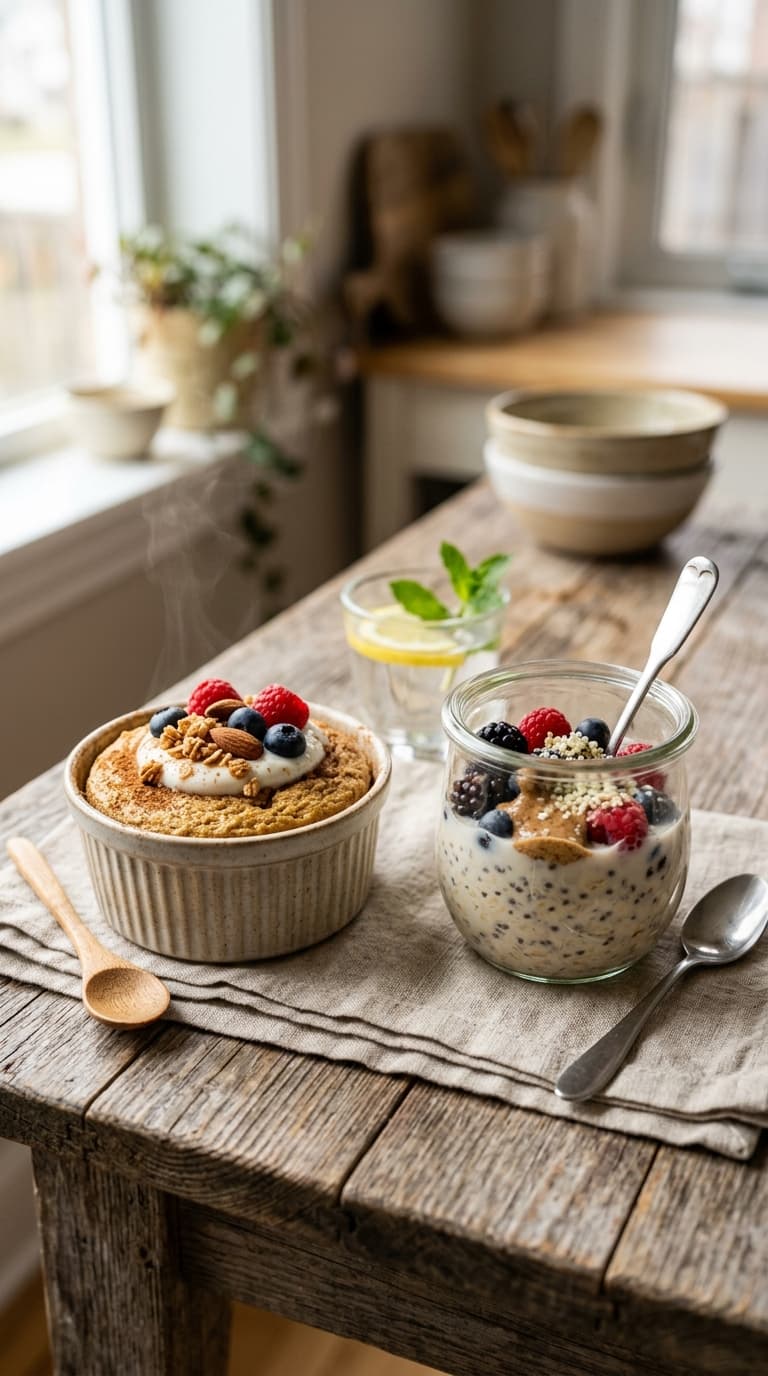
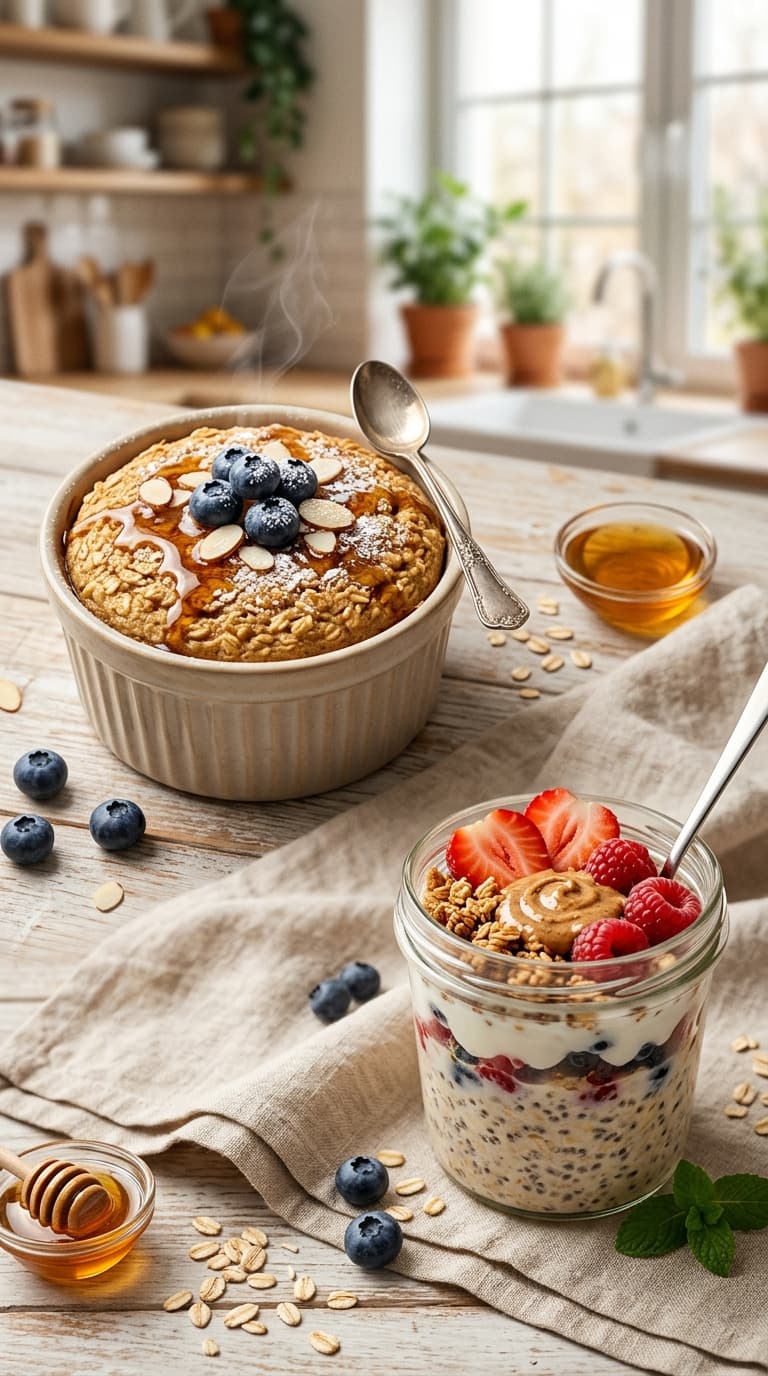
Okay, let’s settle this once and for all. You’ve probably seen both of these all over your social media feed — creamy overnight oats in cute mason jars and golden, cake-like baked oats fresh from the oven. But which one actually deserves a permanent spot in your breakfast routine? I’ve eaten embarrassing amounts of both, and I’m here to give you the real, unfiltered breakdown.
What Even Are Baked Oats?
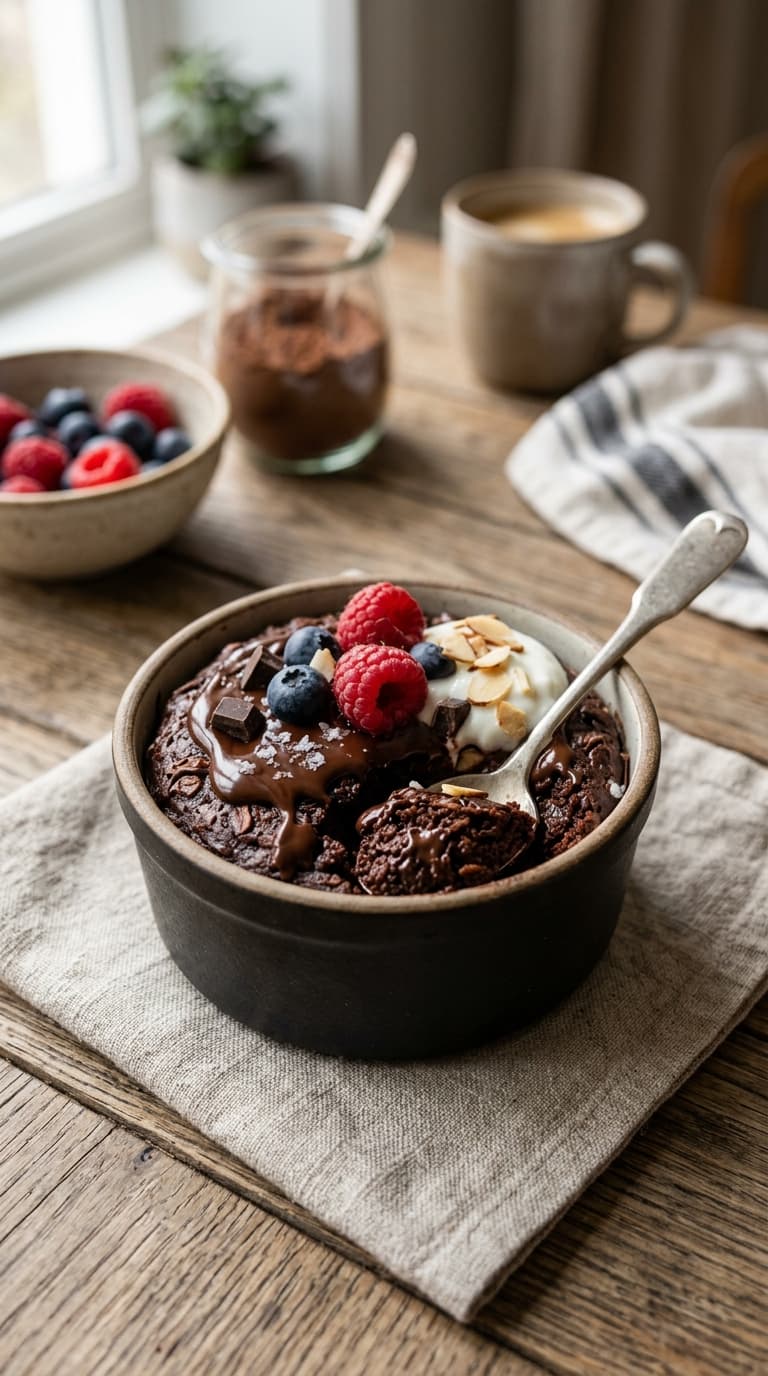
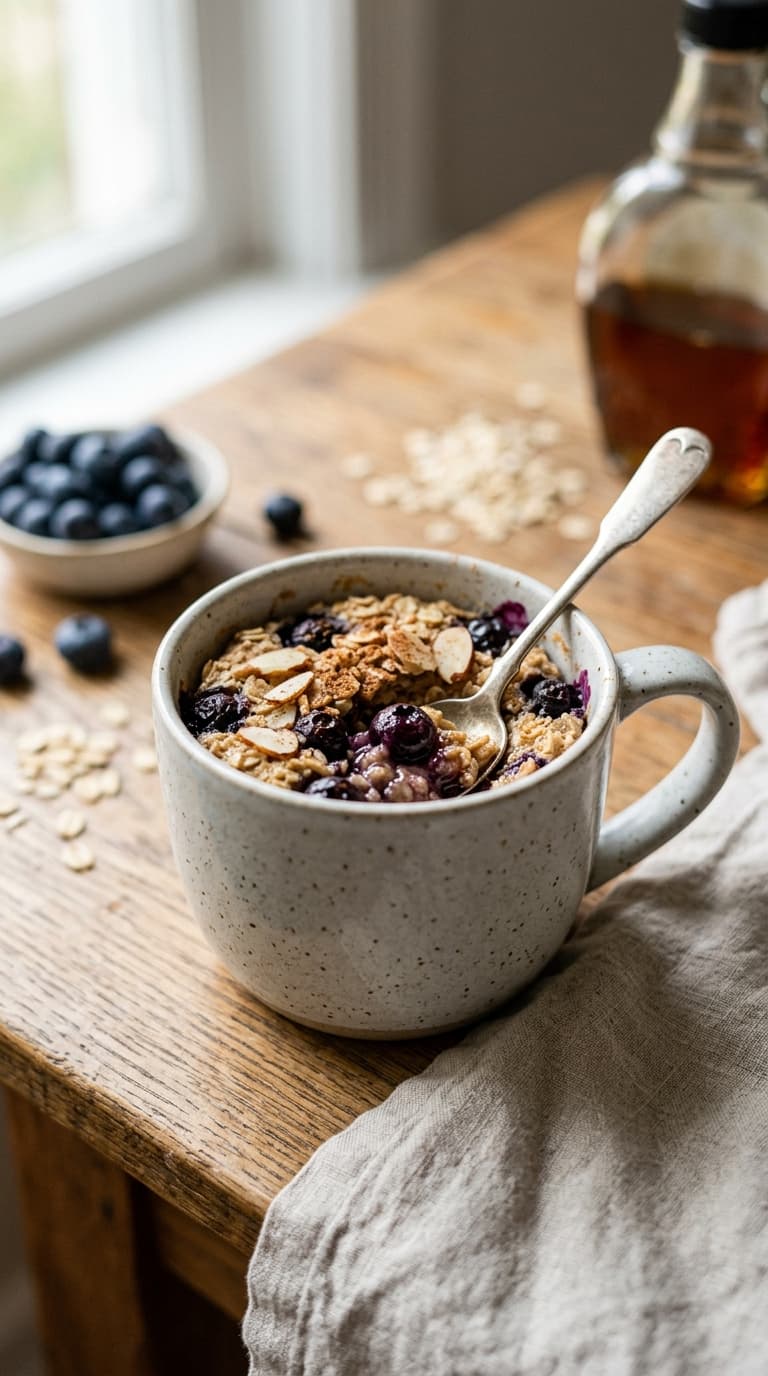
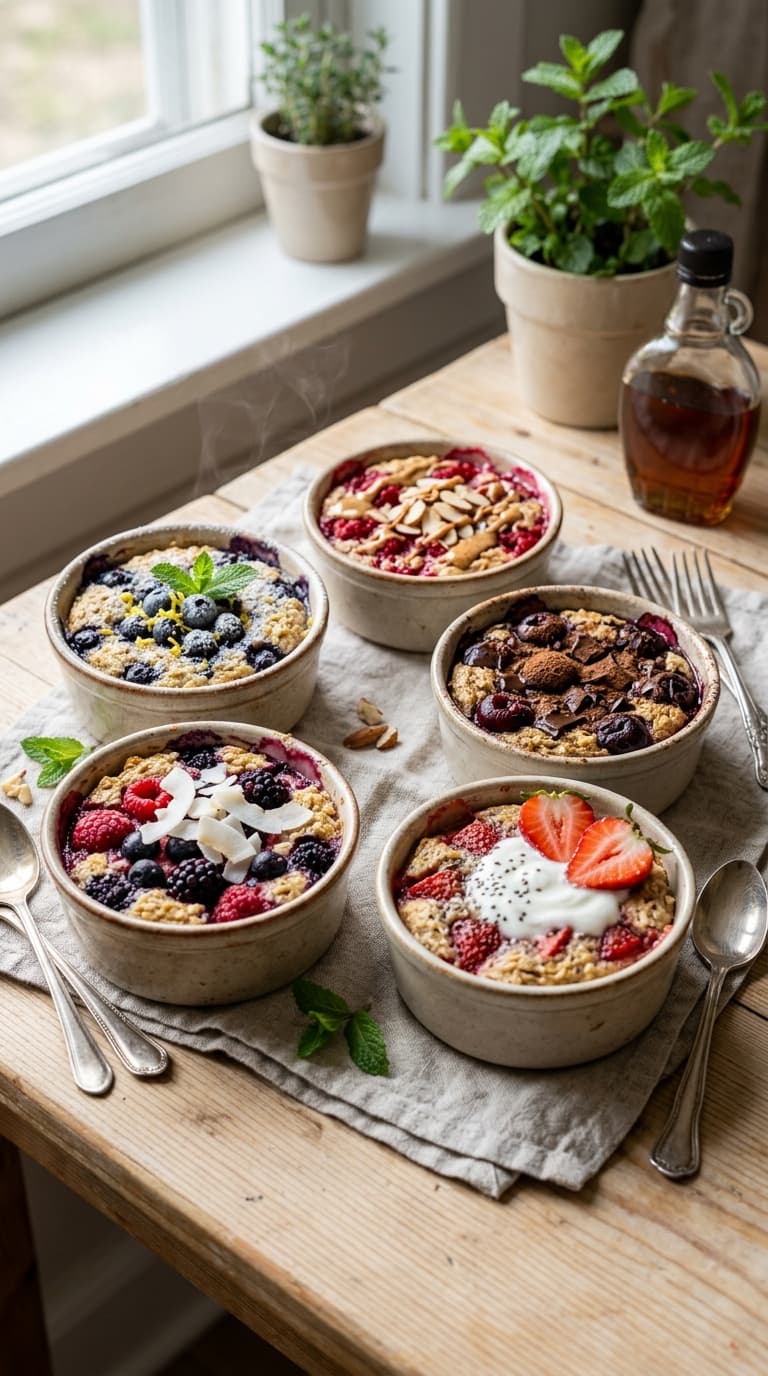
If you somehow missed the baked oats trend, where have you been? 🙂 Baked oats took over the internet a few years ago, and honestly, they earned the hype. The basic idea is simple — you blend your oats with ingredients like banana, eggs (or a flax egg if you’re plant-based), milk, and a sweetener, then bake the mixture until it puffs up into something that genuinely tastes like cake for breakfast.
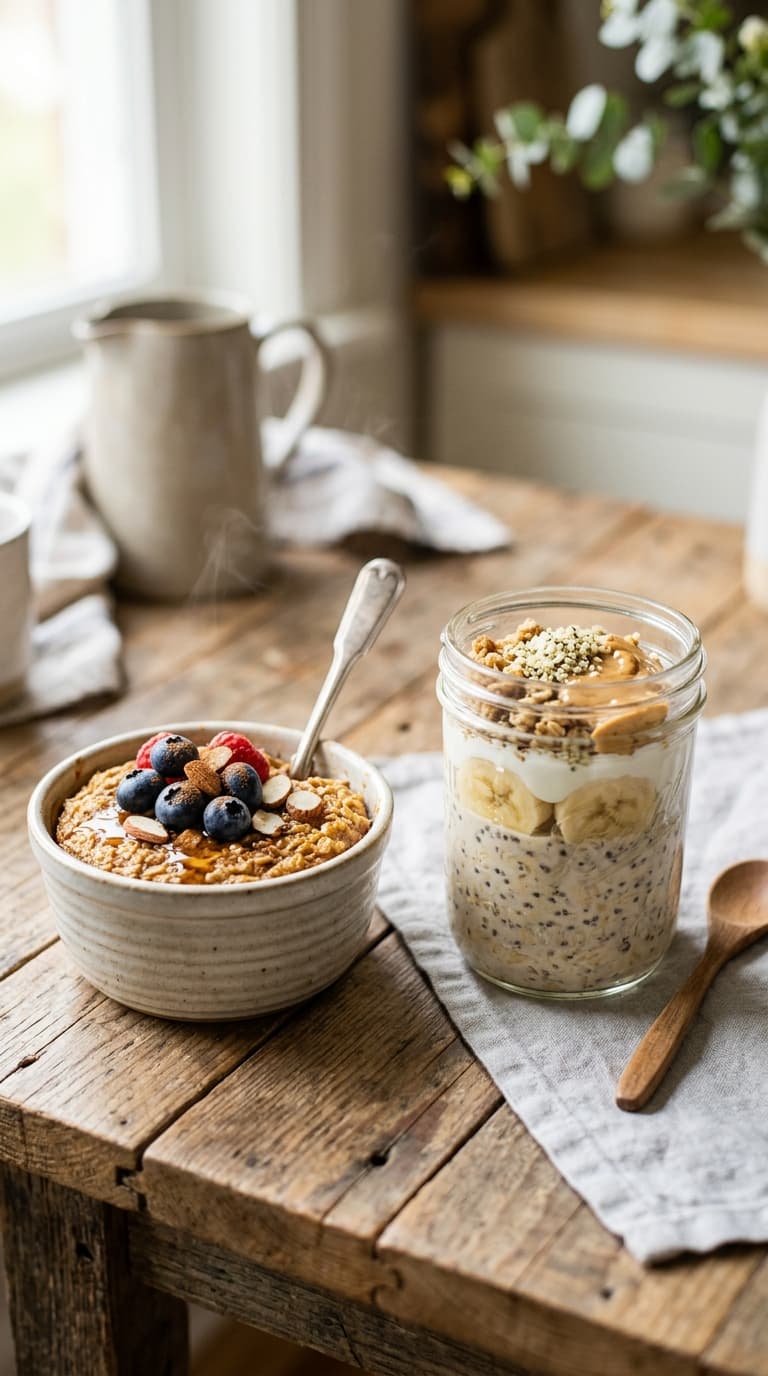
The result is warm, fluffy, and feels indulgent — even when it’s actually pretty nutritious. You can eat it straight from the ramekin, and it makes your kitchen smell incredible. That alone is worth something on a cold morning.
How Do You Make Baked Oats?
The process takes about 25–30 minutes from start to finish, including baking time. Here’s the general flow:
- Blend rolled oats into a rough flour
- Add banana, milk, egg or flax egg, baking powder, and sweetener
- Pour into a greased ramekin or baking dish
- Bake at around 375°F (190°C) for 20–25 minutes
- Top with whatever you love — nut butter, fresh fruit, a drizzle of maple syrup
You can load baked oats with chocolate chips, berries, peanut butter swirls, or pretty much anything your heart desires. The customization game is strong here.
What Are Overnight Oats?
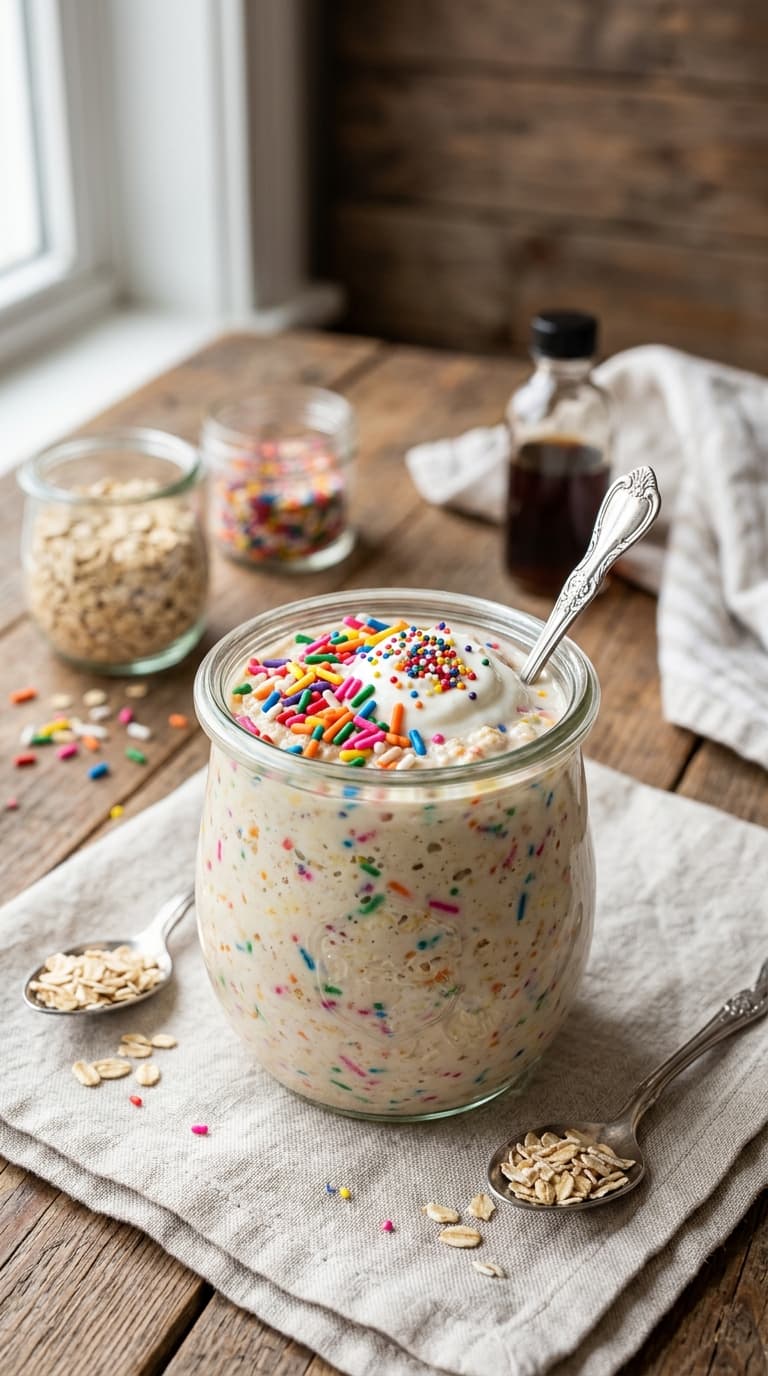
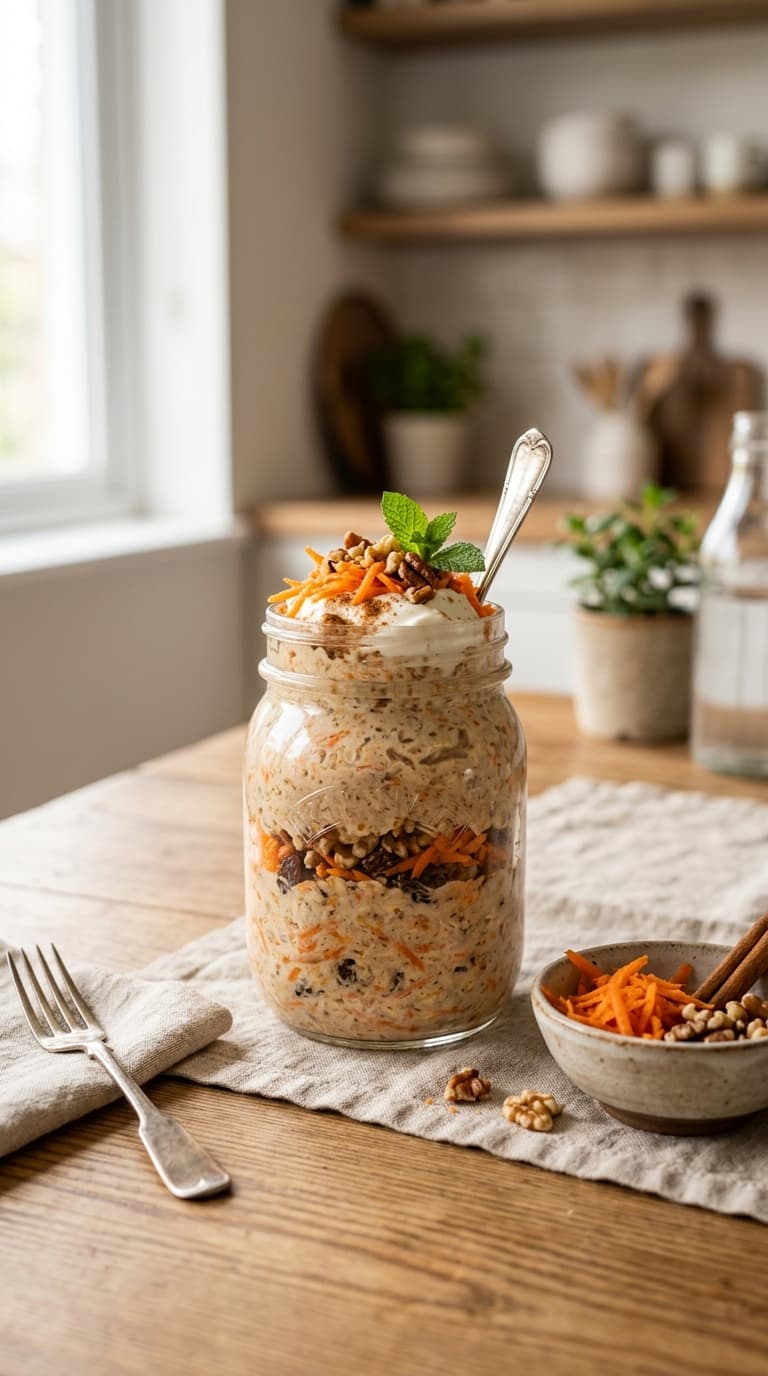
Overnight oats are about as low-effort as breakfast gets. You combine rolled oats with liquid — usually milk or a plant-based alternative — and let them soak in the fridge overnight. By morning, the oats have absorbed the liquid and turned creamy, thick, and ready to eat cold (or warmed up if you prefer).
No cooking. No blending. No oven. Just stir, refrigerate, and wake up to breakfast already waiting for you. If you’re the kind of person who struggles to function before your first coffee, overnight oats were basically invented for you.
How Do You Make Overnight Oats?
The base recipe couldn’t be simpler:
- Combine ½ cup rolled oats with ½ cup milk (dairy or non-dairy)
- Add a tablespoon of chia seeds for thickness and nutrition
- Sweeten with maple syrup or honey
- Stir in yogurt for extra creaminess if you like
- Refrigerate overnight (or at least 4–6 hours)
- Top with fruit, nuts, or granola in the morning
If you’re already building out a solid vegan breakfast rotation, overnight oats fit in seamlessly. They’re endlessly adaptable and genuinely delicious.
Baked Oats vs Overnight Oats: Nutrition Comparison
Here’s where things get interesting. Both options use oats as the base, which means you’re starting with a genuinely solid foundation — fiber, complex carbs, and decent protein. But the way you prepare them changes the nutritional picture a little.
Baked Oats Nutrition
Baked oats often include an egg or banana as a binder, which adds natural sugars and protein. Depending on your toppings and mix-ins, a single serving can range anywhere from 300 to 500 calories. The banana adds natural sweetness, but it also bumps up the carbohydrates.
On the upside, baked oats tend to be more filling because the texture is denser and more satisfying. You feel like you’ve eaten an actual meal, not just a snack in disguise.
Overnight Oats Nutrition
Overnight oats can actually be lower in calories, depending on what you add. A basic serving with oats, chia seeds, and almond milk sits around 250–350 calories. Chia seeds add omega-3 fatty acids and extra fiber, making this a surprisingly nutrient-dense option.
The raw oats in overnight oats also retain slightly more of their resistant starch, which is great for gut health. If you’re someone who keeps an eye on overall intake, overnight oats might edge ahead — especially if you’re browsing low-calorie vegan meals for weight loss as part of a broader plan.
Bottom line on nutrition: Both are healthy. Neither is dramatically better than the other from a macros standpoint — it really comes down to your specific goals and what you’re adding to them.
Taste and Texture: The Real Deciding Factor
Let’s be real — most of us pick our breakfast based on what we actually want to eat, not just what scores highest on a nutrition label. So how do these two stack up in the taste department?
Baked Oats: Warm, Cake-Like, and Cozy
Baked oats have a genuinely satisfying texture that feels like a treat. The outside gets slightly golden, the inside stays soft and almost pudding-like, and if you add chocolate chips, they melt into little pockets of joy. IMO, baked oats win on the “feels like dessert but is technically breakfast” scale.
They’re especially good in colder months when you want something warm and comforting. Pair them with a hot drink and you have a morning routine that actually makes you want to get out of bed.
Overnight Oats: Cool, Creamy, and Refreshing
Overnight oats have a completely different vibe. They’re cold (unless you heat them), creamy, and almost pudding-like in texture when made well. Add some fresh fruit, a spoonful of nut butter, and a sprinkle of granola, and they become genuinely craveable.
Some people find the cold texture of overnight oats off-putting at first — fair enough. But once you get used to it, especially in warmer months, they feel refreshing in a way that baked oats just can’t match. They remind me of the kind of satisfying, nourishing meals you’d find in a collection of high-protein vegan meals that actually keep you full.
Prep Time and Convenience: Who Wins?
This is arguably the most practical comparison, and the answer depends entirely on your lifestyle.
Baked Oats Require Active Time
You need to actually be awake and functional to make baked oats. You’ll spend 5–10 minutes prepping and blending, then another 20–25 minutes waiting for them to bake. That’s totally fine on a relaxed weekend morning, but on a Tuesday when you have a 7am meeting? Good luck. :/
That said, you can make a larger batch of baked oats and reheat portions throughout the week — which changes the convenience equation significantly. Batch cooking is always a win.
Overnight Oats Are the Ultimate Meal Prep Hero
Overnight oats are basically designed for meal prep. You can make 4–5 jars on Sunday evening and have breakfast sorted for the entire week. No morning effort required. No cooking. No waiting.
FYI — if you’re already into weekly meal prep, overnight oats pair perfectly with that habit. They fit naturally into a broader easy vegan meal prep strategy for busy weeks, right alongside prepped lunches and dinners.
When it comes to weekday convenience, overnight oats win — no contest.
Customization and Versatility
Both options are wildly customizable, which is one of the biggest reasons oats have stayed so popular. But they each lend themselves to different kinds of flavors and add-ins.
Baked Oats Flavor Ideas
- Chocolate peanut butter — add cocoa powder and a swirl of peanut butter
- Blueberry lemon — fold in fresh blueberries and a little lemon zest
- Cinnamon apple — top with sautéed cinnamon apples and a drizzle of maple syrup
- Cookie dough style — add chocolate chips and a touch of vanilla extract
Overnight Oats Flavor Ideas
- Strawberries and cream — mix in Greek-style coconut yogurt and fresh strawberries
- Mango coconut — use coconut milk and top with diced mango
- Chocolate banana — add cocoa powder and sliced banana
- Chai spiced — steep a chai tea bag in your milk before adding it to the oats
Both styles work brilliantly with dairy-free milks — oat milk makes overnight oats especially creamy, while coconut milk adds a gorgeous richness to baked oats.
Which One Is Better for Weight Loss?
If weight management is a priority, both can absolutely fit into your plan — but there are a few nuances worth knowing.
Overnight oats tend to be lower in calories by default, especially when made with unsweetened plant-based milk and minimal added sweeteners. The chia seeds add fiber that slows digestion and keeps you fuller longer. They’re easy to portion control because you’re assembling them in individual jars.
Baked oats can be higher in calories depending on your mix-ins, but they also tend to be more satisfying from a psychological standpoint. Eating something warm and cake-like can reduce cravings later in the day, which matters more than most people realize.
For a focused weight-loss approach, overnight oats are probably the better default choice — but baked oats made with a simple, low-sugar recipe are absolutely not off the table. Check out some vegan breakfasts you can make in 10 minutes for more quick, balanced ideas to round out your mornings.
Which One Is Better for Muscle Building?
If you’re focused on protein intake, neither plain oats recipe is a protein powerhouse on its own — but you can boost both easily.
For baked oats, add a scoop of protein powder directly into the blend. It bakes surprisingly well and doesn’t affect the texture much. You can also add Greek yogurt or a second egg to push the protein up.
For overnight oats, stir in a scoop of vegan protein powder or hemp seeds the night before. By morning, everything is incorporated perfectly.
Both options support muscle-building goals when you optimize them. If this is your focus, you might also find solid inspiration in a roundup of high-protein vegan recipes for muscle gain.
Baked Oats vs Overnight Oats: Side-by-Side Comparison
| Feature | Baked Oats | Overnight Oats |
|---|---|---|
| Prep time | 25–35 minutes | 5 minutes (night before) |
| Texture | Warm, fluffy, cake-like | Cold, creamy, pudding-like |
| Calories (approx.) | 300–500 | 250–350 |
| Meal prep friendly | Yes (batch bake) | Extremely yes |
| Best season | Fall/Winter | Spring/Summer |
| Customization | High | Very high |
| Protein boost potential | High | High |
So, Which One Should You Choose?
Here’s the honest answer — it depends on what you need from your breakfast.
Choose baked oats if:
- You have time in the morning (or can batch cook on weekends)
- You want something warm and comforting
- You struggle with sweet cravings and want breakfast to feel like a treat
- You enjoy the ritual of cooking in the morning
Choose overnight oats if:
- Your mornings are chaotic
- You prefer cold or room-temperature breakfasts
- You’re serious about meal prep and convenience
- You want maximum control over your calorie intake
Honestly? The smartest move is to keep both in your rotation. Make overnight oats on weekdays when time is short, and save baked oats for weekend mornings when you can actually enjoy the process. That’s what I do, and it keeps breakfast from ever getting boring.
Final Thoughts
Both baked oats and overnight oats deserve a place in a healthy, balanced lifestyle. They’re affordable, nutritious, incredibly versatile, and actually enjoyable to eat — which is more than you can say for a lot of “healthy breakfast” options out there.
If you’re just getting started with plant-based eating or trying to clean up your mornings, either of these is a great anchor for your routine. And once you’ve got breakfast sorted, you might find yourself wanting to level up the rest of your day too — which is exactly where a good easy vegan meal prep plan can take things to the next level.
So, which team are you on — baked or overnight? Try both for a week and let your taste buds decide. I’ll be over here eating cake for breakfast and calling it self-care.