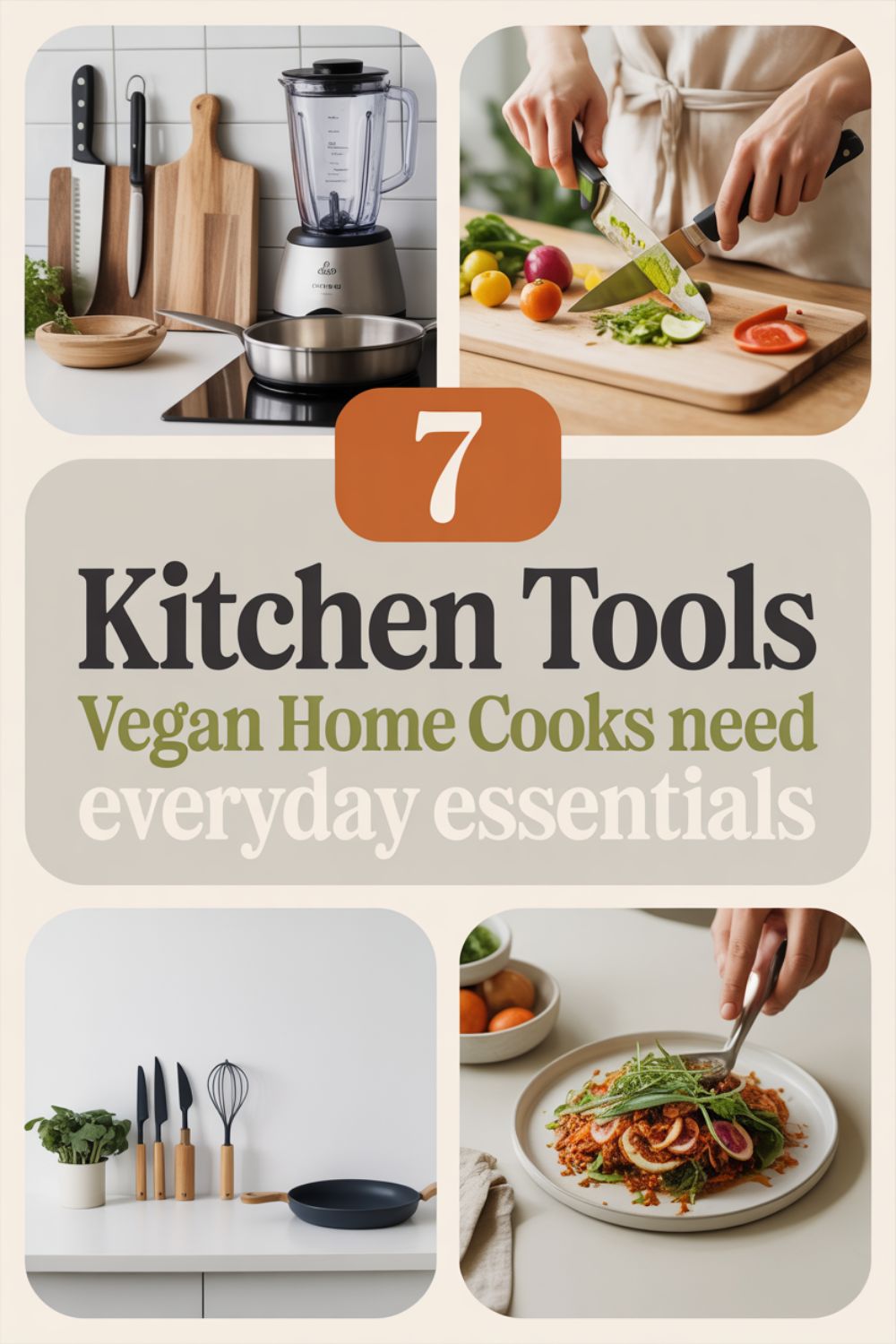
7 Kitchen Tools Every Vegan Home Cook Needs
Let’s be real for a second: if you’re cooking vegan food at home, you’re probably tired of hacking away at butternut squash with a dull knife or watching your cashew cream turn into chunky soup because your blender gave up halfway through. I’ve been there, and honestly, the right tools make all the difference between loving your time in the kitchen and wanting to order takeout every night.
You don’t need a kitchen full of gadgets to cook amazing plant-based meals, but there are a handful of tools that’ll save your sanity and make the whole experience way more enjoyable. Whether you’re just starting out or you’ve been plant-based for years, these seven essentials will help you prep faster, cook smarter, and actually look forward to making your own meals.
Here’s the thing: plant-based diets offer incredible health benefits, from better heart health to lower inflammation, but you’ve got to actually enjoy cooking to stick with it long-term. That’s where these tools come in.
1. A High-Speed Blender That Actually Works
If you’re going to invest in one single piece of equipment for your vegan kitchen, make it a solid blender. I’m talking about something with enough power to pulverize frozen fruit, turn raw cashews into silky cream, and make nut butters without sounding like it’s about to explode.
You know what I learned the hard way? Cheap blenders are a false economy. I went through three mediocre ones before finally getting a proper high-speed model that could handle everything I threw at it. The difference is night and day.
A good blender opens up a whole world of possibilities. Smoothies, obviously, but also creamy soups, dairy-free sauces, homemade hummus, and even nice cream that tastes like actual ice cream. When you’re craving something quick and nutritious, being able to toss ingredients into a blender and have breakfast ready in two minutes is pretty much magic.
Pro Tip:
Always add liquid first, then soft ingredients, and finish with frozen or hard items on top. Your blender will thank you, and you’ll get way smoother results without having to stop and scrape down the sides every 30 seconds.
For those mornings when you’re running late but still want something nutritious, check out these vegan breakfast ideas that are perfect for blender-based meals. Seriously, some of them take less time than waiting in line at a coffee shop.
2. A Sharp Chef’s Knife (And I Mean Actually Sharp)
You’re chopping vegetables constantly when you cook plant-based. Like, constantly. Onions, garlic, bell peppers, carrots, sweet potatoes, zucchini—the list goes on. Having a genuinely sharp chef’s knife is the difference between enjoying your prep work and dreading it.
I used to think any knife would do the job, but once I upgraded to a quality 8-inch chef’s knife, my whole relationship with cooking changed. Suddenly, slicing through tomatoes didn’t turn them into mush, and I could actually get those paper-thin onion slices you see in recipes.
Here’s the deal: a dull knife is dangerous. You end up using way more pressure than you should, which increases the chance of the knife slipping and, well, you can imagine how that ends. A sharp knife glides through food with minimal effort, which is safer and so much more satisfying.
“I finally invested in a proper chef’s knife after reading about it everywhere, and wow—I actually enjoy chopping vegetables now. My meal prep time dropped by at least 20 minutes every week.” — Emma K., community member
Don’t forget to grab a knife sharpener too. Even the best knife needs regular maintenance. I sharpen mine every few weeks, and it takes like five minutes max. Totally worth it.
3. A Food Processor for Next-Level Meal Prep
Okay, so you’ve got your blender for liquids and smoothies, but what about when you need to make pesto, falafel, veggie burgers, or energy balls? That’s where a food processor comes in, and trust me, it’s a total game-changer.
The main difference between a blender and a food processor is texture. Blenders are great for smooth, liquid-based stuff, but food processors excel at keeping things chunky and textured. You can pulse ingredients just a few times to get that perfect consistency without turning everything into baby food.
I use mine for shredding vegetables (hello, quick coleslaw), making homemade hummus that’s way better than store-bought, and chopping nuts for granola. It’s also clutch for making meal prep way easier—you can process a week’s worth of cauliflower rice in under two minutes.
If you’re trying to eat more whole foods and cut down on processed stuff, a solid food processor becomes your best friend. Making your own veggie burgers, falafel, and nut-based sauces means you know exactly what’s going into your food.
Quick Win:
Use your food processor to make big batches of pesto or cashew cream on Sunday, then store them in small containers. You’ll have instant flavor boosters ready to go all week long.
Speaking of protein-packed meals, if you’re looking for ways to stay full and satisfied on a plant-based diet, these high-protein vegan meals are absolute lifesavers.
4. Quality Cutting Boards (Plural, Not Singular)
Here’s something nobody tells you when you start cooking more: you need multiple cutting boards. Not just one massive one that takes over your entire counter, but a few different sizes for different tasks.
I keep a large wooden cutting board for big jobs like breaking down a head of cauliflower or slicing multiple sweet potatoes. Then I’ve got a couple of smaller ones for quick tasks—mincing garlic, slicing a lemon, chopping herbs. Having options means you’re not constantly washing and drying the same board between tasks.
Wood vs. plastic is a whole debate, but honestly, I prefer wood for most things. It’s gentler on your knife edges, looks better on the counter, and with proper care, it’ll last for years. Just oil it every few months with food-safe mineral oil, and you’re good to go.
One thing I learned from experience: get a cutting board with a juice groove if you’re working with watery vegetables or citrus. Nothing worse than tomato juice running all over your counter and onto the floor.
5. A Cast Iron Skillet That’ll Outlive You
If you don’t have a cast iron skillet yet, you’re missing out on one of the most versatile tools in vegan cooking. These things are basically indestructible, they heat evenly, and they can go from stovetop to oven without skipping a beat.
I use mine for everything: sautéing vegetables, making crispy tofu, baking cornbread, roasting chickpeas—you name it. The best part? Once it’s properly seasoned, it’s naturally non-stick, so you don’t need to drown everything in oil.
Getting a 10-inch cast iron skillet was one of those purchases where I immediately wondered why I waited so long. It’s perfect for making one-pan dinners, and cleanup is actually easier than you’d think. Just rinse it out while it’s still warm, wipe it dry, and you’re done. No soap needed most of the time.
“I was intimidated by cast iron for the longest time, but once I got the hang of it, I literally use it almost every single day. Best $30 I’ve ever spent on kitchen gear.” — Marcus T., plant-based home cook
For incredible one-pan meals that make the most of your cast iron, check out these easy vegan dinner recipes. Some of them are ready in under 30 minutes, which is clutch on busy weeknights.
Meal Prep Essentials Used in This Plan
Looking to level up your kitchen game? Here’s what makes meal prep actually enjoyable instead of a total drag:
Physical Products:
- Glass meal prep containers with snap lids – No more mystery smells from plastic, and they’re microwave-safe
- Silicone storage bags – Reusable, eco-friendly, and they actually seal properly
- Kitchen scale – Game-changer for portion control and recipe accuracy
Digital Resources:
- Weekly Vegan Meal Planner Template (PDF download) – Takes the guesswork out of planning
- Plant-Based Pantry Staples Checklist – Never forget essential ingredients again
- 30-Day Vegan Challenge Guide – Perfect if you’re just starting out or getting back on track
6. Measuring Cups and Spoons That Actually Measure Correctly
This might sound basic, but hear me out: not all measuring tools are created equal. I’ve had cheap sets where the “tablespoon” was actually closer to a teaspoon and a half, which completely threw off my recipes.
Baking is basically chemistry, and even savory cooking benefits from accurate measurements, especially when you’re learning new recipes. Getting a quality stainless steel measuring cup and spoon set means your recipes will turn out consistently every time.
I prefer metal over plastic because it’s more durable, easier to clean, and won’t stain or absorb odors. Plus, you can use metal measuring spoons to scoop things directly from jars without worrying about them cracking or warping.
Here’s a weird tip that actually works: keep two sets. One for dry ingredients and one for wet/oily stuff. It sounds excessive, but when you’re in the middle of making vegan desserts, not having to stop and wash sticky maple syrup off your measuring spoons between ingredients is surprisingly nice.
Pro Tip:
When measuring flour or other dry ingredients, spoon them into the measuring cup and level off with a knife. Don’t pack or tap the cup—you’ll end up with way more than the recipe calls for, and your baked goods will come out dense.
7. A Mandoline Slicer for Uniform Cuts
Want to know the secret to restaurant-quality presentation at home? Consistent cuts. And the easiest way to get those perfect, uniform slices is with a mandoline slicer.
I resisted getting one for ages because I thought it was just another gadget I’d never use, but man, was I wrong. It’s perfect for slicing potatoes for homemade chips, getting paper-thin cucumber for salads, or creating those fancy vegetable ribbons you see all over Instagram.
Fair warning: these things are sharp. Like, scary sharp. Nutrition experts emphasize that preparing fresh vegetables at home is key to a healthy plant-based diet, but you’ve got to be careful with sharp tools. Always use the hand guard that comes with a mandoline slicer—seriously, don’t skip it.
The time you’ll save is wild, though. What used to take me 10 minutes of careful knife work now takes less than two. And when you’re prepping ingredients for quick vegan lunches for the whole week, that efficiency adds up fast.
If you’re into making your own veggie chips or trying out recipes that call for thinly sliced vegetables, this tool is going to blow your mind. Just respect the blade, use the guard, and you’ll be golden.
Tools & Resources That Make Cooking Easier
These are the extras that take you from “I can cook” to “I actually enjoy cooking every day”:
Physical Products:
- Adjustable apron with pockets – Keep your phone and recipe cards within reach
- Bamboo utensil set – Sustainable and won’t scratch your pans
- Digital kitchen timer – Because using your phone timer means getting distracted by notifications
Digital Resources:
- Vegan Substitutions Guide – Quick reference for replacing eggs, dairy, and meat in any recipe
- Batch Cooking Made Simple eBook – Step-by-step system for cooking once and eating all week
- Plant-Based Grocery Shopping Guide – Budget-friendly tips and brand recommendations
Join the Community: We’ve got a WhatsApp group where home cooks share their wins, recipe tweaks, and kitchen fails. It’s refreshingly real and super helpful when you’re stuck on a recipe or just need some motivation.
Why These Tools Actually Matter
Look, you can technically cook vegan food with just a pot, a pan, and a knife. People have been doing it for centuries. But here’s the reality: modern life is busy, and anything that makes cooking faster, easier, or more enjoyable increases the chances you’ll actually do it.
When you’ve got the right tools, plant-based eating becomes more sustainable long-term. You’re not fighting against your equipment or wasting time on tedious tasks that could be done in seconds with the right gadget.
I’ve noticed that people who enjoy their time in the kitchen are way more likely to stick with cooking at home, which means they eat healthier and save money. It’s not about having a fancy kitchen—it’s about having tools that work with you, not against you.
Plus, when you can whip up something delicious in less time than it takes to order delivery, you’re way more likely to choose the homemade option. And honestly, food you make yourself almost always tastes better and feels more satisfying.
For more inspiration on what to make with your newly equipped kitchen, these vegan soups and stews are perfect for batch cooking and using multiple tools at once.
What About All Those Other Gadgets?
Every kitchen store wants you to believe you need seventeen different specialized tools for every possible task. Avocado slicer? Banana keeper? Special tool just for removing strawberry stems? Yeah, you don’t need any of that.
The seven tools I’ve mentioned here are workhorses. They’re versatile, you’ll use them constantly, and they genuinely make your life easier. Everything else is basically optional, depending on what you like to cook.
That said, if you find yourself making the same thing over and over and wishing you had a specific tool for it, then maybe it’s worth considering. But start with these basics, and you’ll be set for 90% of what you want to make.
IMO, it’s better to have seven really good tools than twenty mediocre ones cluttering up your drawers and making you feel guilty about not using them.
Investing in Quality vs. Going Cheap
I know the temptation to buy the cheapest version of everything is strong, especially when you’re just starting out. But here’s what I learned after years of replacing broken blenders and sharpening terrible knives: buying quality the first time saves you money in the long run.
You don’t need top-of-the-line, professional-grade everything. But getting the mid-range option instead of the absolute cheapest usually means it’ll last years instead of months. Do the math—would you rather spend $50 on a good knife that lasts a decade, or $15 on one you replace three times?
Plus, quality tools make cooking more pleasant. When your blender actually blends things smoothly, when your knife cuts instead of tears, when your pans heat evenly—cooking stops feeling like a chore and starts feeling like something you might actually enjoy.
If budget is tight, prioritize the knife and cutting board first. Those two alone will make the biggest immediate difference in your cooking experience. Then add the others as you can afford them.
Quick Win:
Check out thrift stores or estate sales for cast iron skillets and other durable kitchen tools. You can find amazing deals on stuff that’s built to last, and a little cleaning brings them back to perfect condition.
How to Actually Use What You Buy
The worst thing is buying all these tools and then letting them collect dust because you’re not sure how to incorporate them into your routine. Here’s my advice: start with one new tool at a time and commit to using it for a week straight.
Got a new blender? Make smoothies every morning for a week. Just bought a food processor? Try making hummus, pesto, and energy balls. When you force yourself to use something regularly, it becomes second nature, and you’ll start seeing opportunities to use it that you hadn’t thought of before.
Watch a few YouTube videos on proper technique, too. Knowing how to actually use your tools correctly makes a huge difference. I had a mandoline for months before I watched a tutorial and realized I’d been using it all wrong.
And don’t be afraid to experiment. Some of my favorite recipes came from just throwing stuff in the food processor to see what would happen. (Okay, not all experiments were successful, but the wins made up for the weird ones.)
Looking for recipes that make the most of your kitchen tools? These vegan pasta dishes are perfect for getting comfortable with multiple tools in one recipe.
Maintaining Your Investment
Once you’ve invested in quality tools, taking care of them is pretty straightforward. Knives need regular sharpening and hand washing—never throw them in the dishwasher. Wood cutting boards get oiled every few weeks. Cast iron gets wiped down and lightly oiled after each use.
It sounds like more work, but honestly, it takes like five extra minutes and adds years to your tools’ lifespan. I’ve had my main chef’s knife for six years now, and it’s still going strong because I take 30 seconds to care for it properly.
Blenders and food processors just need a good rinse right after use—don’t let stuff dry and crust on there. Most of them are dishwasher safe, but I usually just blend some warm soapy water for 30 seconds and call it done. Way easier than scrubbing.
The measuring cups and spoons? Those are basically indestructible. Just toss them in the dishwasher whenever they need it.
Frequently Asked Questions
Do I really need all seven tools, or can I start with just a few?
You can definitely start with just the essentials and build from there. If I had to pick three to start with, it would be a good chef’s knife, a quality cutting board, and a decent blender. Those three will cover probably 70% of your basic cooking needs. Add the others as your budget allows and as you figure out what you’re cooking most often.
How much should I expect to spend on these seven tools?
If you’re going for mid-range quality (not bottom-tier, not top-of-the-line), you’re looking at roughly $300-500 for all seven tools. That might sound like a lot upfront, but spread it out over several months, and it’s totally manageable. Plus, these tools last for years, so you’re really investing in better cooking for the long haul.
Can I use a regular blender instead of a high-speed one?
You can, but you’ll run into limitations pretty quickly. Regular blenders struggle with things like frozen fruit, raw nuts, and making smooth nut butters. If you’re just making simple smoothies with soft ingredients, a regular blender might work fine. But if you want to make creamy sauces, nut milks, or nice cream, a high-speed blender is worth the investment.
Is cast iron really that much better than non-stick pans?
For vegan cooking, cast iron is fantastic because it heats evenly, goes from stovetop to oven, and develops a natural non-stick surface over time. Non-stick pans are convenient, but they don’t last as long and you can’t use metal utensils on them. Cast iron requires a bit more care, but it’ll literally outlive you if you treat it right.
How often should I sharpen my chef’s knife?
It depends on how much you use it, but generally, honing your knife with a steel every few uses and doing a proper sharpening every 2-3 months keeps it in great shape. If you’re cutting through a lot of hard vegetables or using it daily, you might need to sharpen more frequently. The good news is that once you get into a rhythm, knife maintenance becomes second nature.
Final Thoughts
Getting your kitchen set up with the right tools isn’t about having the fanciest equipment or the most gadgets. It’s about making cooking enjoyable enough that you actually want to do it, which is the real secret to sticking with a plant-based diet long-term.
These seven tools have completely changed how I approach cooking. Meal prep doesn’t feel like a massive production anymore, weeknight dinners come together faster, and I’m genuinely excited to try new recipes instead of defaulting to the same five things.
Start with what you can afford, build gradually, and pay attention to which tools you reach for most often. Everyone’s cooking style is different, so what works for me might be slightly different from what works for you. But these seven essentials are a solid foundation that’ll serve you well no matter what direction your vegan cooking journey takes.
And remember, plant-based diets provide numerous health benefits when done right, and having the proper tools makes “doing it right” way easier and more sustainable. Now stop reading and go make something delicious.