30-Day Vegan Challenge (Free Download)
Look, I’m not going to pretend that switching to a plant-based diet is easy. It’s not like you wake up one morning craving chickpeas instead of chicken wings. But here’s the thing—after doing this for a while, I’ve realized it’s not about perfection. It’s about discovering what works for you, finding recipes that don’t taste like cardboard, and maybe feeling a bit better in the process.
This 30-day vegan challenge isn’t some hardcore boot camp where you’ll feel deprived and cranky. It’s more like a friendly experiment. Think of it as giving your body a test drive with different fuel and seeing what happens. No judgment, no pressure, just honest exploration.
Whether you’re doing this for health reasons, environmental concerns, or you’re just curious about what all the fuss is about, I’ve got you covered. This guide breaks down everything you need to know, from what to eat (spoiler: it’s not just salads) to how to handle that awkward dinner at your meat-loving uncle’s house.
What Actually Happens During 30 Days of Vegan Eating
Let’s get real about what you can expect. The first week? Yeah, you’ll probably miss cheese. Like, really miss it. But by week two, something interesting happens. Your taste buds start to adjust, and foods you never paid attention to suddenly become appealing.
According to research published in Frontiers in Nutrition, people who follow well-planned vegan diets often experience reduced risks of chronic diseases including type 2 diabetes and hypertension. But honestly, what I noticed first wasn’t some medical miracle—it was just having more consistent energy throughout the day.
The beauty of a structured 30-day challenge is that it gives you enough time to actually notice changes without committing to forever. You’re not making a lifetime vow; you’re just trying something different for a month. That psychological shift makes everything easier.
Week-by-Week Breakdown
Week 1: The Adjustment Phase – Your body is confused, your cravings are real, and you’ll probably Google “is hummus actually good for you” at 2 AM. This is normal. Focus on simple meals and don’t try to be a gourmet chef yet.
Week 2: The Discovery Phase – You start finding combinations that work. Maybe it’s that perfect smoothie bowl or realizing nutritional yeast on popcorn is actually incredible. You’ll also start noticing you’re not as bloated after meals.
Week 3: The Confident Phase – Meal planning becomes second nature. You’ve figured out your go-to breakfast, lunch, and dinner options. Social situations feel less awkward because you’ve learned to navigate menus and communicate your choices.
Week 4: The Reflection Phase – By now, you’re either thinking “I could totally do this long-term” or “I appreciate the experience but I miss salmon.” Both reactions are completely valid. The point was to learn something about yourself and your relationship with food.
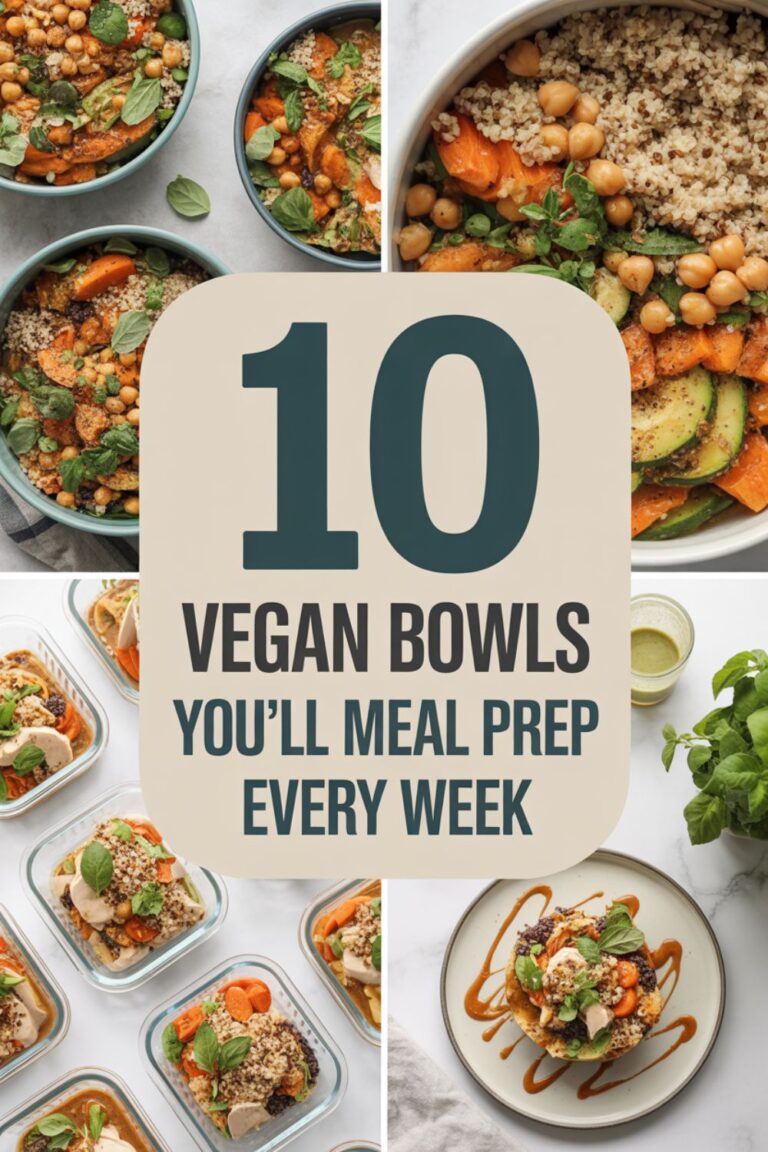
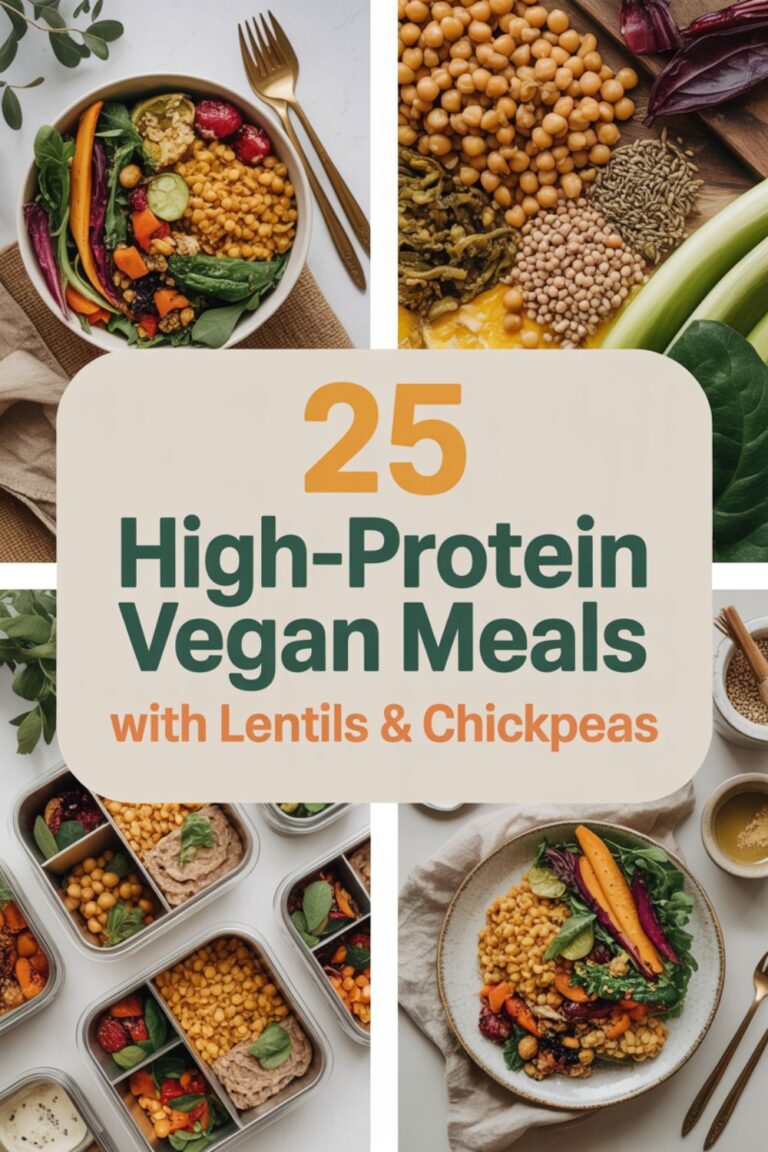
Speaking of meal planning, if you’re struggling with what to actually cook each week, you might want to check out these easy vegan meal prep ideas that seriously save time. I also found these high-protein vegan meals super helpful for staying satisfied throughout the day.
The Nutrition Stuff Nobody Talks About
Here’s where most vegan challenge guides either oversimplify or overcomplicate things. Let’s find the middle ground. Yes, you need to pay attention to certain nutrients. No, it’s not rocket science.
Protein is probably your biggest concern, right? Everyone and their grandmother will ask where you’re getting your protein. The truth is, it’s easier than people think. Lentils, chickpeas, tofu, tempeh, quinoa, and even peanut butter pack serious protein. I use this plant-based protein powder for smoothies on lazy mornings—tastes way better than the chalky stuff I tried first.
Vitamin B12 is non-negotiable. You can’t get it from plants in sufficient amounts, period. Take a supplement or eat fortified foods. Studies show that B12 deficiency can lead to fatigue and weakness, which nobody wants. I keep these sublingual B12 tablets next to my toothbrush so I never forget.
Iron from plant sources (non-heme iron) isn’t absorbed as easily as iron from meat. The hack? Pair iron-rich foods with vitamin C. Spinach salad with strawberries, lentil soup with lemon juice, fortified cereal with orange juice. It’s all about combinations.
The Omega-3 Situation
This one trips people up. Fish oil is obviously not vegan, but your brain still needs those omega-3 fatty acids. Enter flaxseeds, chia seeds, walnuts, and algae-based supplements. I grind flaxseeds in this little coffee grinder and toss them into everything from oatmeal to smoothies. Game changer.
Research from the American Journal of Clinical Nutrition indicates that while vegan diets typically contain less omega-3s, proper planning with the right plant sources can meet nutritional needs. Just don’t rely on the occasional walnut and call it good.
Meal Prep Essentials Used in This Plan
Look, you don’t need a kitchen full of gadgets to pull this off, but a few smart tools make life significantly easier. Here’s what actually gets used in my kitchen, not just collecting dust:
- High-speed blender – For smoothies, soups, and creamy sauces that don’t taste grainy
- Glass meal prep containers (set of 10) – Because plastic absorbs turmeric stains and nobody wants orange Tupperware
- Instant Pot or pressure cooker – Turns dried beans into dinner in 30 minutes instead of overnight soaking
- 30-Day Vegan Challenge Meal Plan PDF – Complete shopping lists, daily menus, and prep guides (free download link)
- Vegan Nutrition Tracker Spreadsheet – Track protein, B12, iron, and other key nutrients without obsessing
- Plant-Based Substitution Guide – Quick reference for replacing eggs, dairy, and meat in any recipe
The Social Side of Going Vegan (Yes, It Gets Weird)
Nobody warns you about this part. Suddenly, your food choices become everyone else’s business. Your coworker wants to debate protein. Your mom thinks you’re going to waste away. Your friend asks if you’re “still doing that vegan thing” like it’s a phase you’ll grow out of.
Here’s my survival strategy: don’t be preachy, but don’t apologize either. When someone asks why you’re vegan (and they will), keep it simple. “I’m trying it for a month to see how I feel” is way less confrontational than launching into a lecture about factory farming.
Eating out is actually easier than you’d think. Most restaurants have at least a few options if you’re willing to customize. Thai, Indian, Mediterranean, Mexican, and Japanese places are goldmines. Even steakhouses usually have decent salads and veggie sides—though admittedly, you’ll probably leave hungry and hit up a vegan snack on the way home.
What to Say When People Get Judgmental
You know what’s funny? People who eat fast food five times a week will suddenly become nutrition experts when you mention you’re eating vegan. Don’t take the bait. Smile, nod, and change the subject. Your job isn’t to convince anyone of anything—it’s to complete your own challenge and see how you feel.
If someone’s genuinely curious and respectful, share your experience. If they’re just looking for a debate, excuse yourself to go refill your water. Life’s too short for food fights (pun intended).
For more morning inspiration that’ll make you actually want to wake up, try these vegan breakfast ideas or these quick vegan lunches you can pack for work.
The Meal Planning Strategy That Actually Works
Let me save you some frustration: winging it doesn’t work. The nights you come home exhausted with nothing planned are the nights you’ll cave and order non-vegan pizza. I learned this the hard way.
Instead, pick one day a week for meal prep. Sunday works for most people, but do whatever fits your schedule. Cook big batches of grains (quinoa, brown rice, farro), roast vegetables, prep proteins like baked tofu or cooked lentils, and portion everything into containers.
This chickpea curry I make in my Dutch oven feeds me for four days and somehow tastes better on day three. That’s the beauty of vegan cooking—flavors develop and meld over time. Plus, you’re not standing in front of the stove every single night wondering what to make.
The Template System
Here’s what simplified everything for me: create templates instead of following strict recipes. Your breakfast template might be overnight oats with fruit and nuts. Your lunch template could be grain bowl with greens, protein, and dressing. Your dinner template might be pasta with sauce and vegetables.
Within each template, you swap ingredients based on what’s on sale, what’s in season, or what you’re craving. Monday you have oats with berries and almonds. Tuesday it’s oats with banana and peanut butter. Same template, different execution. Zero decision fatigue.
For dinner inspiration that won’t bore you to tears, these easy vegan dinner recipes and vegan pasta dishes are on repeat in my house. Get Full Recipe for my personal favorite coconut curry that’s stupidly simple.
Handling Cravings (Because They’re Real)
Let’s address the elephant in the room: you’re going to crave non-vegan foods. Cheese, eggs, maybe a juicy burger. Pretending those cravings don’t exist is pointless. Acknowledge them, understand why they’re happening, and have a plan.
Cheese cravings are usually about salt and fat. Cashew-based cheese sauces, nutritional yeast on everything, and yes, occasionally some store-bought vegan cheese (which has gotten way better, FYI) can help. I keep this cashew butter on hand for making quick cheese sauces that actually taste good.
Egg cravings often mean you need more protein or healthy fats at breakfast. Tofu scrambles with the right seasoning (seriously, black salt makes it taste eggy—weird but true), chickpea omelets, or hearty smoothies can fill that gap.
Meat cravings might indicate you need more protein, iron, or just something substantial and savory. Lentil bolognese, mushroom steaks, smoky tempeh bacon, or the ridiculously good plant-based burgers they sell now (you know the ones) are all fair game during a challenge.
The Sweet Tooth Situation
Good news: most desserts can be veganized without sacrificing taste. Better news: many accidentally vegan treats already exist—Oreos, certain dark chocolates, fruit sorbets, and lots of accidentally vegan cookies and candies.
When you want something homemade, these vegan desserts are so good nobody will know they’re dairy-free. I’ve served that chocolate avocado mousse at parties without telling people it’s vegan, and they genuinely can’t tell.
Tools & Resources That Make Cooking Easier
Beyond the basics, these are the things that took my vegan cooking from “I guess this is edible” to “wait, I actually made this?”
- Spiralizer for veggie noodles – Zucchini noodles, sweet potato ribbons, endless pasta alternatives
- Food processor with multiple blades – Hummus, energy balls, sauces, and chopping vegetables in seconds
- Silicone baking mats (set of 3) – Roast vegetables without oil, zero sticking, zero scrubbing afterward
- Weekly Meal Planner Printable – Visual planning sheet that actually gets used instead of abandoned in a drawer
- Vegan Pantry Staples Checklist – Stop standing in the grocery store wondering what you need
- WhatsApp Community for Challenge Participants – Ask questions, share wins, get recipe ideas from people doing the same thing
The Money Question Everyone Asks
Is vegan eating more expensive? Depends. Are you buying specialty products, pre-made meals, and fancy superfood powders? Yeah, that’ll cost you. Are you cooking from scratch using beans, rice, seasonal vegetables, and bulk grains? You’ll probably save money compared to buying meat and dairy.
My grocery bill actually went down during my challenge, but that’s because I stopped impulse buying random stuff and started planning meals. Dried beans cost pennies compared to chicken breasts. A bag of lentils goes further than ground beef. Tofu is cheaper than steak in most places.
The trick is shopping the bulk section and buying in-season produce. Nobody needs out-of-season berries at $8 per tiny container. Frozen vegetables are just as nutritious, way cheaper, and you can’t tell the difference in most cooked dishes. I stock up on these reusable produce bags and buy everything I can in bulk.
Where to Splurge and Where to Save
Splurge on: good quality olive oil, nutritional yeast (the cheap stuff tastes like sadness), your favorite plant milk, and maybe one or two specialty sauces that make everything taste better. These are your flavor foundations.
Save on: beans, lentils, rice, pasta, seasonal vegetables, frozen fruits for smoothies, and store-brand versions of staples. The generic canned chickpeas taste the same as the fancy ones, I promise.
IMO, the best money-saving move is learning to make your own basics. Hummus takes five minutes in a blender and costs a fraction of store-bought. Same with salad dressings, marinara sauce, and energy bars. You’ll find some solid base recipes in these vegan soups and stews that stretch your dollar while actually tasting good.
What Happens After the 30 Days
So you’ve completed the challenge. Now what? Honestly, this is where it gets personal and there’s no one right answer. Some people transition to full-time veganism and never look back. Others go back to their previous diet but incorporate more plant-based meals. Some become vegetarian or adopt a flexitarian approach.
Whatever you choose, you’ve gained something valuable: awareness. You know how your body responds to different foods. You’ve expanded your cooking repertoire. You’ve proven to yourself that you can stick to a commitment even when it’s challenging.
If you’re thinking about continuing, my advice is to stay flexible. The all-or-nothing mentality trips people up. Maybe you’re vegan at home but not when traveling. Maybe you’re plant-based six days a week with one flex day. Design something sustainable for your lifestyle, not what Instagram influencers say you should do.
If you’re looking to expand your plant-based repertoire beyond the challenge, these vegan salad recipes are fresh and filling—not the sad desk lunch kind. I also keep coming back to this Mediterranean bowl that’s become my go-to easy dinner.
Frequently Asked Questions
Will I lose weight on a 30-day vegan challenge?
Possibly, but it’s not guaranteed. Many people do lose weight because plant-based diets tend to be lower in calories and higher in fiber, which keeps you fuller longer. However, you can absolutely gain weight on a vegan diet if you’re eating tons of vegan junk food, processed snacks, and large portions. Weight loss depends more on overall calorie intake and food quality than simply being vegan.
What if I accidentally eat something non-vegan during the challenge?
Honestly, don’t stress about it. This isn’t a pass-fail test where one mistake ruins everything. If you accidentally have honey in your tea or realize that bread had milk in it, just acknowledge it and move on. The point is learning and experimenting, not achieving perfection. Beating yourself up doesn’t help anyone.
How do I get enough protein without meat and dairy?
Easier than you think. Lentils, chickpeas, black beans, tofu, tempeh, quinoa, nuts, seeds, and even vegetables contain protein. Most people eating varied plant-based diets easily meet their protein needs without supplements. If you’re worried, track your meals for a few days using an app—you’ll likely be surprised by how much protein you’re already getting.
Can I eat out at restaurants during the challenge?
Absolutely. Most restaurants have at least a few vegan options, and many are happy to modify dishes if you ask politely. Check menus online before you go, look for cuisines that are naturally plant-friendly (Thai, Indian, Mediterranean, Mexican), and don’t be shy about asking questions. The worst they can say is no, and you’ll find something that works.
Do I need to take supplements on a vegan diet?
Vitamin B12 is essential and should be supplemented since it’s not naturally found in plant foods in sufficient amounts. Beyond that, consider vitamin D (especially if you live somewhere with limited sunlight), omega-3s from algae oil, and possibly iron if you’re prone to deficiency. Get your levels checked by a doctor if you’re concerned about specific nutrients.
The Bottom Line
A 30-day vegan challenge won’t solve all your problems or magically transform your life. But it will teach you things about nutrition, cooking, and your own habits that you probably didn’t know before. You’ll discover new foods, develop new skills, and gain perspective on how interconnected diet, health, and lifestyle really are.
The real success isn’t about completing all 30 days perfectly. It’s about showing up, trying your best, and learning from the experience. Maybe you’ll become a lifelong vegan. Maybe you’ll just incorporate more plant-based meals into your routine. Maybe you’ll go back to exactly how you ate before but with more knowledge and awareness.
Whatever happens, you’ll have 30 days of data about your own body, preferences, and willpower. That’s pretty valuable, regardless of how you eat afterward. So if you’re thinking about trying it—even if you’re skeptical, nervous, or convinced you could never give up cheese—give yourself permission to experiment. The worst that happens is you learn something new and gain some recipes you actually like.
Ready to get started? Download the free meal plan, stock your pantry with the basics, and remember that every expert was once a beginner who didn’t give up. You’ve got this.
Similar Posts
10 Vegan Bowls You’ll Meal Prep Every Week
10 Vegan Bowls You’ll Meal Prep Every Week 10 Vegan Bowls You’ll Meal Prep Every Week Let me guess—you’re tired of eating the same three meals on repeat, staring into your fridge at 7 PM like it might magically produce dinner ideas. I’ve been there, friend. The good news? Vegan bowl meal prep is about…
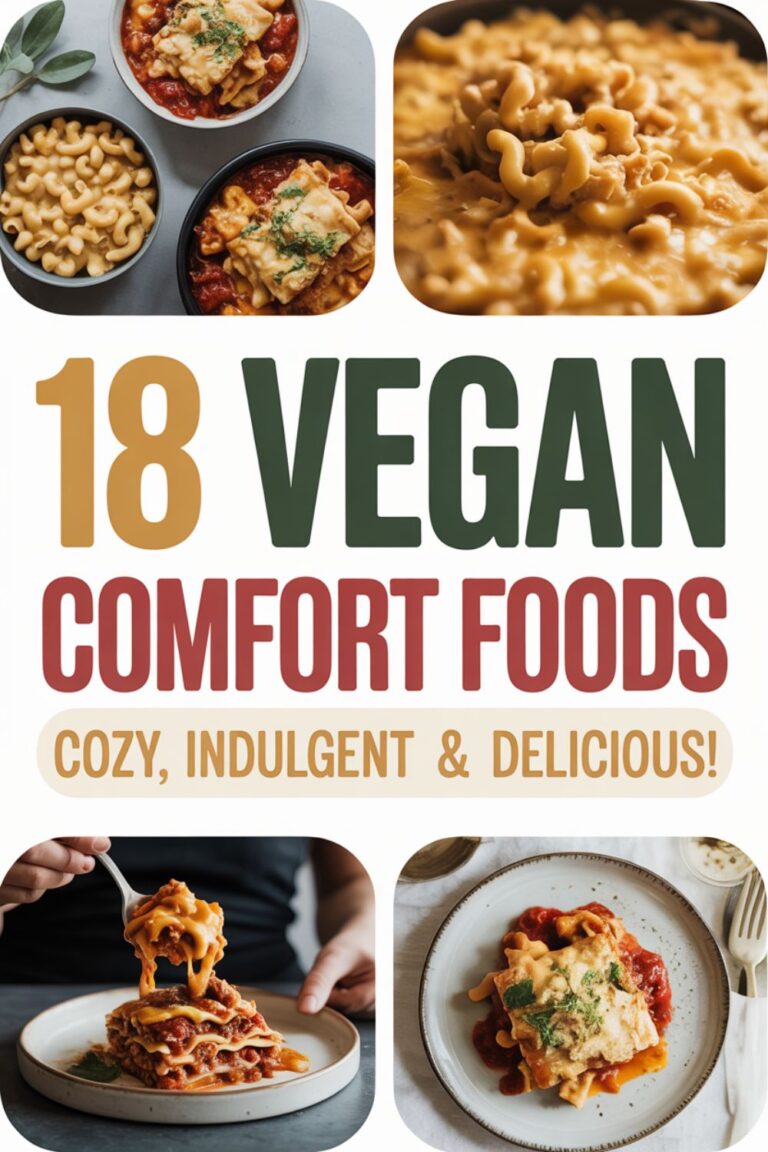
18 Vegan Comfort Foods That Feel Indulgent
18 Vegan Comfort Foods That Feel Indulgent | Her Daily Haven 18 Vegan Comfort Foods That Feel Indulgent Let’s be real for a second: whoever said vegan food can’t be comfort food clearly hasn’t had a proper loaded baked potato with cashew sour cream or a bowl of creamy mushroom stroganoff that makes you want…
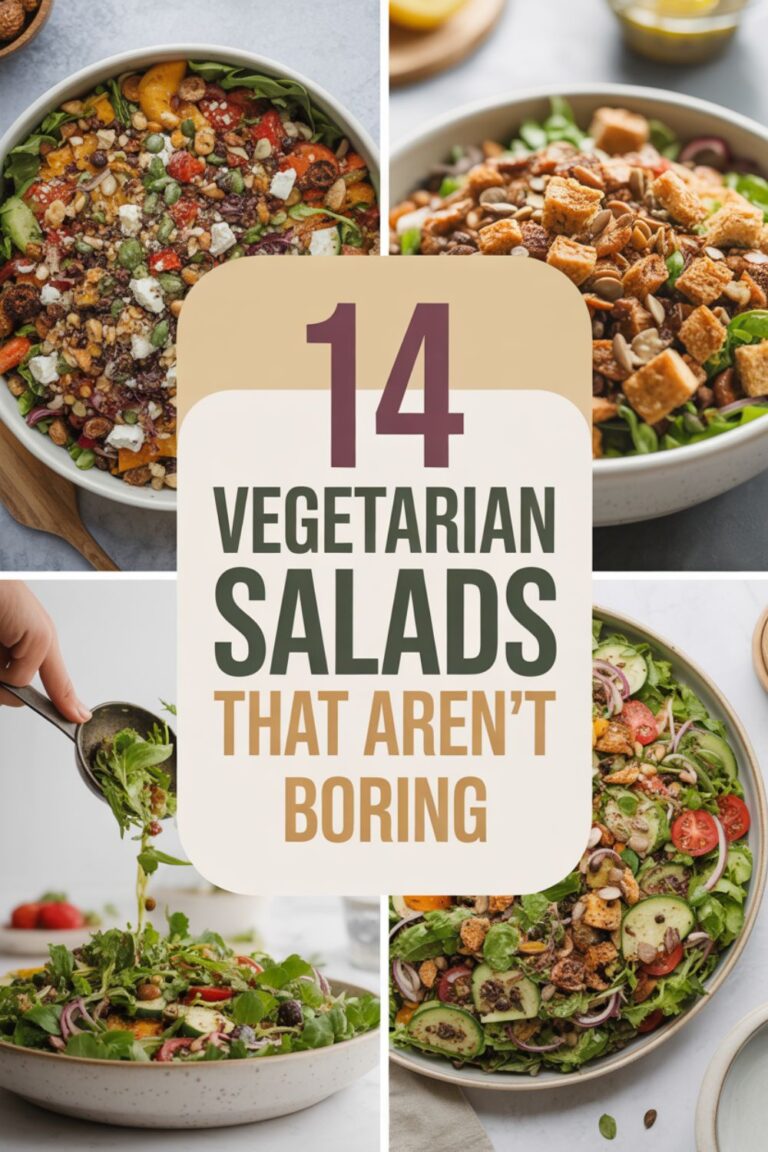
14 Vegetarian Salads That Aren’t Boring
14 Vegetarian Salads That Aren’t Boring 14 Vegetarian Salads That Aren’t Boring Let’s get real for a second. When someone says “salad for dinner,” do you immediately picture a sad pile of iceberg lettuce with a few cherry tomatoes thrown on top? Yeah, me too. And honestly, that’s the exact reason why salads have gotten…
25 High-Protein Vegan Meals with Lentils & Chickpeas
25 High-Protein Vegan Meals with Lentils & Chickpeas 25 High-Protein Vegan Meals with Lentils & Chickpeas Look, I get it. You’re tired of hearing “but where do you get your protein?” at every family dinner. And honestly? Lentils and chickpeas are about to become your new best friends in shutting down that conversation for good….
12 High-Protein Vegan Pantry Essentials
12 High-Protein Vegan Pantry Essentials 12 High-Protein Vegan Pantry Essentials Look, I’m not going to sugarcoat it—figuring out protein on a vegan diet used to stress me out. I’d stand in my kitchen at 6 PM, staring into a sad, half-empty pantry, wondering how the heck I was supposed to hit my protein goals without…
30-Day Vegan Eating Tracker (Printable PDF)
30-Day Vegan Eating Tracker (Printable PDF) – Your Complete Guide 30-Day Vegan Eating Tracker (Printable PDF) Look, I’m not going to sugarcoat it—tracking what you eat for an entire month sounds about as fun as watching paint dry. But here’s the thing: a 30-day vegan eating tracker might actually be the missing piece between you…