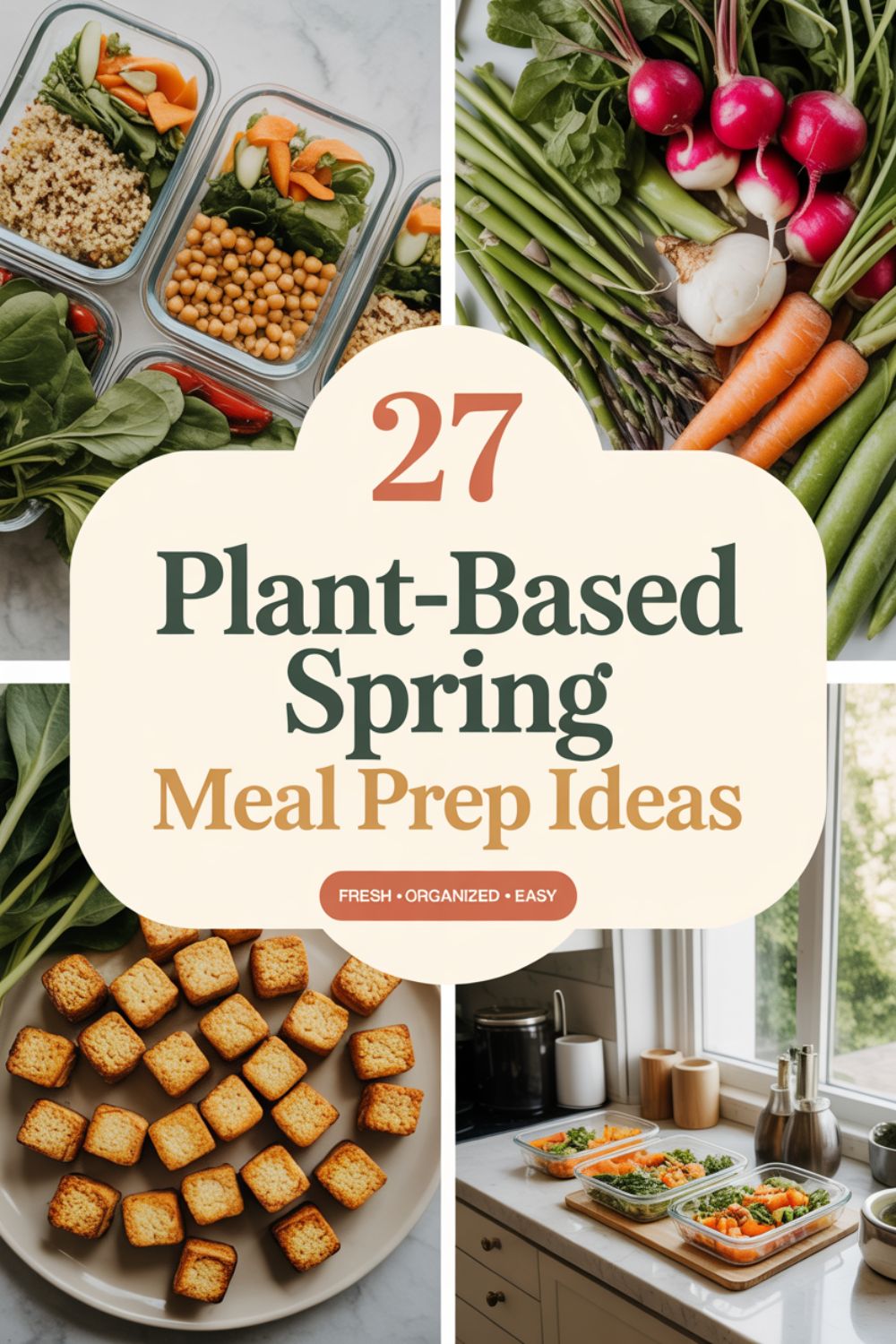
27 Plant-Based Spring Meal Prep Ideas
Spring meal prep hits different. I’m not talking about the sad desk lunch vibes of January—I mean the kind of food that makes you excited to open your fridge at 6 PM when you’re too tired to think straight. We’re talking bright greens, crisp vegetables, and meals that taste like you actually tried, even though you batch-cooked everything on Sunday while catching up on podcasts.
Look, I get it. Meal prep sounds like one of those things organized people do while the rest of us panic-order pizza at 8 PM. But here’s the truth: research shows that planning your meals ahead actually makes you more likely to stick with healthy eating habits, and it’s way less intimidating than Instagram makes it look.
This isn’t about spending your entire Sunday making 47 different containers of chicken and broccoli. We’re going for variety, flavor, and meals that actually sound good on Thursday when the week feels longest. Plus, spring produce is ridiculously good right now, so why not take advantage?
Why Spring Changes the Meal Prep Game
Spring produce is basically nature’s way of saying “hey, stop eating heavy comfort food and try something that won’t make you need a nap.” The vegetables are crisp, the herbs are actually affordable, and suddenly salads don’t feel like punishment.
But beyond the obvious freshness factor, spring meal prep works because the ingredients last longer in your fridge. Winter squash gets mushy after a few days, but snap peas, asparagus, and radishes? They’re still crunchy on day four. That’s the difference between actually eating your meal prep and watching it slowly wilt while you order Thai food.
There’s also something about lighter meals that makes them more appealing to reheat. Nobody wants to microwave a heavy stew in April, but a grain bowl with roasted vegetables and tahini dressing? That actually sounds good.
The Spring Produce You Need to Stock Up On
Before we dive into the actual recipes, let’s talk ingredients. Spring farmers’ markets are basically showing off right now, and you want to grab stuff while it’s peak season. Here’s what to look for.
Fresh Greens That Actually Taste Good
Spinach, arugula, and baby kale are everywhere right now, and unlike their winter counterparts, they’re tender and not bitter. I usually grab a couple of big containers and use them for everything from breakfast scrambles to dinner salads. They wilt down to nothing when cooked, so buy more than you think you need.
Pea shoots are having a moment too, and honestly? They’re worth the hype. They taste like spring in plant form—sweet, delicate, and they make any bowl look fancy without you having to do anything extra.
Asparagus: The Spring MVP
Asparagus is one of those vegetables that’s only truly good for like, eight weeks a year, so take advantage. It roasts beautifully, adds protein when you pair it with high-protein plant-based mains, and honestly tastes better than it has any right to.
I roast a huge batch with olive oil, garlic, and lemon at 425°F for about 15 minutes. Use rimmed baking sheets like these because asparagus has a tendency to roll everywhere and create chaos.
Radishes, Snap Peas, and Other Crunchy Things
The beauty of spring vegetables is the crunch factor. Radishes add bite to grain bowls, snap peas are perfect for snacking, and both last way longer than summer tomatoes that turn to mush if you look at them wrong.
Speaking of snap peas—if you haven’t tried roasting them, you’re missing out. They get slightly sweet and caramelized. Toss them with sesame oil and a sprinkle of sea salt. Game changer.
27 Plant-Based Spring Meal Prep Ideas That’ll Actually Get Eaten
Alright, let’s get into the actual food. These are meals I’ve made repeatedly because they taste good on day one AND day four, which is the real test of meal prep success.
Breakfast Ideas (Because Morning You Deserves Better)
1. Overnight Oats with Strawberries and Basil: Sounds weird, tastes incredible. The basil adds this fresh, almost floral note that makes basic overnight oats feel restaurant-worthy. Mix oats, plant milk, chia seeds, and maple syrup the night before. Top with fresh strawberries and torn basil in the morning.
2. Savory Chickpea Flour Pancakes: Also called socca or besan chilla depending on who you ask. Mix chickpea flour with water, add diced tomatoes, green onions, and turmeric. Cook like regular pancakes. They’re high in protein, weirdly satisfying, and actually improve in the fridge overnight. Get Full Recipe.
3. Green Smoothie Prep Packs: Portion out spinach, frozen mango, banana slices, and a scoop of plant-based protein powder into individual bags. In the morning, dump in blender, add liquid, blend. That’s it. No thinking required before coffee.
For more ways to start your day right, these vegan breakfast ideas will keep your mornings interesting all season long.
4. Spring Vegetable Frittata Muffins: Beat together silken tofu with chickpea flour, nutritional yeast, and your favorite spices. Add sautéed asparagus, peas, and green onions. Bake in a muffin tin for individual portions. They reheat perfectly and you can grab two on your way out the door.
5. Chia Pudding with Lemon and Blueberries: Chia seeds, coconut milk, lemon zest, and a touch of agave. Let it sit overnight. Top with fresh blueberries and a sprinkle of hemp seeds. It’s like dessert but counts as breakfast, which feels like winning.
Lunch Bowls That Won’t Leave You Hungry at 3 PM
6. Mediterranean Quinoa Bowl: Cooked quinoa, roasted red peppers, cucumbers, cherry tomatoes, chickpeas, and a massive handful of fresh herbs. Dress with lemon-tahini dressing. This is the bowl I make when I need to feel like I have my life together.
7. Spring Roll Bowls (Deconstructed): All the flavors of spring rolls without the annoying rolling part. Rice noodles, shredded cabbage, carrots, cucumber, mint, cilantro, and baked tofu. Make a batch of peanut sauce and keep it separate. According to nutrition research on plant-based eating, meals with diverse vegetables and plant proteins help maintain stable energy levels throughout the day.
8. Lentil and Arugula Salad with Roasted Beets: Cook green lentils until just tender, roast beets until they’re sweet and caramelized, toss with peppery arugula and a simple balsamic vinaigrette. The lentils soak up the beet juice and turn this beautiful pink color.
Need more midday inspiration? Check out these quick vegan lunches you can pack for work or explore options from our fresh and filling salad collection.
9. Thai-Inspired Peanut Noodle Bowl: Cold peanut noodles are criminally underrated for meal prep. Whole wheat spaghetti, shredded carrots, edamame, red cabbage, and a peanut-lime dressing that’s mostly peanut butter, lime juice, soy sauce, and maple syrup. Mix it all together and it gets better as it sits.
10. White Bean and Artichoke Salad: Cannellini beans, marinated artichoke hearts, sun-dried tomatoes, fresh basil, and arugula with a lemon-garlic dressing. It’s one of those salads that actually fills you up and doesn’t make you sad.
Dinner Mains That Taste Like You Tried
11. Sheet Pan Roasted Vegetables with Herbed Tahini: This is my default dinner when I can’t think of anything else. Toss asparagus, baby potatoes, cherry tomatoes, and red onion with olive oil and herbs. Roast at 425°F. Make tahini sauce with fresh dill and lemon. Done.
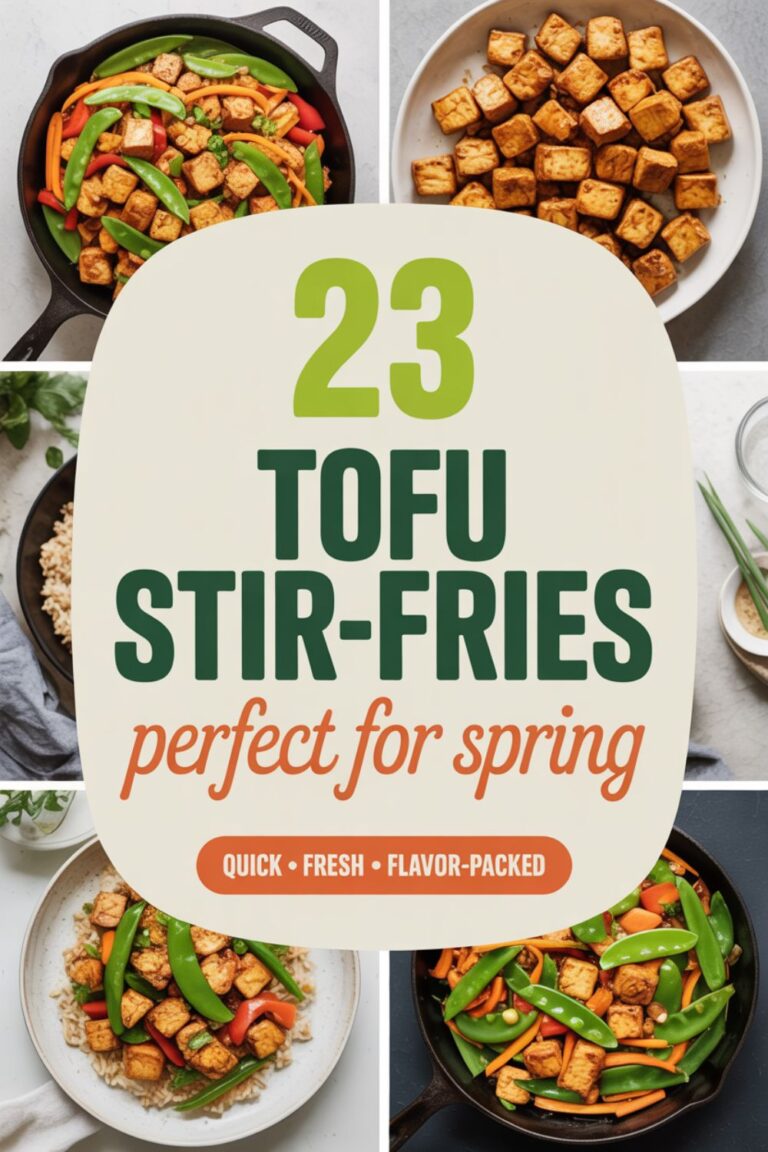
12. Spring Vegetable Stir-Fry with Ginger-Garlic Sauce: Snap peas, asparagus, bok choy, and whatever else looks good. I use a wok like this one because everything cooks faster and gets that perfect char. Make the sauce ahead—ginger, garlic, soy sauce, rice vinegar, and a little cornstarch to thicken it.
13. Creamy Pea and Mint Pasta: Blend frozen peas with fresh mint, garlic, lemon juice, and a splash of pasta water until smooth. Toss with your favorite pasta shape. It’s bright green, tastes like spring, and takes 15 minutes. For more pasta inspiration, dive into these vegan pasta dishes you’ll make on repeat.
14. Stuffed Bell Peppers with Quinoa and Black Beans: Halve bell peppers, stuff with a mixture of cooked quinoa, black beans, corn, diced tomatoes, and taco seasoning. Bake until the peppers are tender. These freeze beautifully, which is rare for meal prep vegetables.
15. Chickpea Curry with Spinach: Sauté onions, add curry paste, coconut milk, and chickpeas. Simmer until thick, then add massive handfuls of spinach at the end. Serve over rice. This is one of those recipes that somehow tastes better on day three. Get Full Recipe.
16. Roasted Cauliflower Tacos with Lime Crema: Toss cauliflower florets with cumin, smoked paprika, and chili powder. Roast until crispy. Make a quick cashew crema with soaked cashews, lime juice, and garlic blended until smooth. Build tacos with the cauliflower, shredded cabbage, cilantro, and crema.
Meal Prep Essentials Used in This Plan
Look, you don’t need a million gadgets to meal prep, but a few key items make everything way easier. Here’s what actually gets used in my kitchen every single week.
- Glass Meal Prep Containers (Set of 10) — I’ve tried plastic, I’ve tried the fancy divided ones, and these simple glass containers are the winners. They don’t stain, they don’t hold smells, and you can see what’s inside without opening 47 lids.
- High-Speed Blender — For smoothie packs, sauces, and any time you need something creamy without dairy. Worth every penny if you’re making plant-based meals regularly.
- Large Baking Sheet Set — You’ll use these for roasting vegetables multiple times per week. Get ones with a rim so nothing rolls off and makes a mess in your oven.
- 30-Day Vegan Challenge (Free Download) — A complete roadmap if you’re new to plant-based eating. Includes meal plans, shopping lists, and recipes that actually work.
- 21-Day Vegan Smoothie Plan — Takes the guesswork out of breakfast. Every smoothie is balanced for nutrition and actually tastes good.
- Ultimate Vegan Grocery List — Print this out and take it to the store. It covers everything you need to keep a well-stocked plant-based kitchen.
17. Lemon-Garlic White Beans and Greens: Sauté garlic in olive oil, add white beans and vegetable broth, simmer for a few minutes, then add chopped kale or chard. Finish with lemon juice and red pepper flakes. Serve over toast or with crusty bread for dipping.
18. Spring Vegetable Risotto (Simplified): Okay, traditional risotto is annoying to make, but here’s the cheat: cook arborio rice like normal rice with vegetable broth, then stir in roasted asparagus, peas, and nutritional yeast at the end. It’s not authentic, but it’s delicious and doesn’t require constant stirring.
Snacks and Sides That Pull Their Weight
19. Crispy Roasted Chickpeas: Drain and dry canned chickpeas, toss with olive oil and whatever seasonings sound good (I like smoked paprika and garlic powder), roast at 400°F for 25-30 minutes until crunchy. They lose some crispness after a day, but they’re still good.
20. Hummus Three Ways: Make a big batch of basic hummus, then divide it and flavor each third differently. Classic lemon-garlic, roasted red pepper, and herb-loaded versions. Pair with cut vegetables and you’ve got snacks for days. For more snack ideas, check out these healthy and satisfying vegan snacks.
21. Marinated Cucumber and Tomato Salad: Dice cucumbers and tomatoes, toss with red onion, red wine vinegar, olive oil, and dried oregano. This keeps for almost a week and gets better as it sits. It’s the side dish that goes with literally everything.
22. Energy Balls with Dates and Almonds: Blend dates, almonds, cocoa powder, and a pinch of sea salt in a food processor until it forms a sticky dough. Roll into balls. Store in the fridge. These are perfect for when you need something sweet but don’t want to destroy your afternoon energy levels.
23. Roasted Radishes with Herbs: I know, roasted radishes sound weird. But they lose that peppery bite and become mild, almost like roasted potatoes. Toss with olive oil, fresh thyme, and salt. Roast at 425°F for 20 minutes.
Soups and Stews for Those Cooler Spring Evenings
24. Spring Minestrone: Vegetable broth, diced tomatoes, white beans, pasta, and whatever spring vegetables you have—peas, asparagus, zucchini. Finish with fresh basil. According to Harvard Health, soups packed with vegetables and legumes provide sustained energy and help you feel full longer. More soup lovers? These vegan soups and stews are perfect for meal prep.
25. Creamy Asparagus Soup: Sauté onions and garlic, add chopped asparagus and vegetable broth, simmer until tender, blend until smooth. Add coconut milk for creaminess. Garnish with a drizzle of olive oil and cracked black pepper. This freezes perfectly in individual portions.
26. Thai-Inspired Coconut Curry Soup: Coconut milk, vegetable broth, red curry paste, lime juice, and whatever vegetables you want—I like bok choy, mushrooms, and snap peas. Add rice noodles or serve over rice. It’s warming without being heavy.
27. Green Lentil and Vegetable Stew: The ultimate set-it-and-forget-it meal. Brown lentils, diced tomatoes, carrots, celery, vegetable broth, and plenty of herbs. Let it simmer until the lentils are tender. This tastes even better the next day after the flavors have melded together.
How to Actually Stick with Meal Prep (Real Talk)
Here’s the thing about meal prep: it only works if you actually do it consistently, and that means making it as easy as possible. I’m not going to tell you to prep 21 meals every Sunday because that’s exhausting and you’ll burn out by week two.
Instead, pick 2-3 recipes from this list. Make them. See how you feel. If you hate quinoa bowls by Thursday, don’t make quinoa bowls next week. There’s no award for forcing yourself to eat food you don’t like.
The Actual Meal Prep Schedule That Works
Sunday afternoon (or whenever you have 2-3 hours free): Pick your recipes, go grocery shopping, and do the bulk of your cooking. Roast vegetables, cook grains, make a big batch of something.
Wednesday evening (optional but helpful): Quick refresh. Chop more vegetables if you’re running low, make another batch of dressing, or cook one more meal if you underestimated how much food you’d need.
That’s it. Don’t overthink it. The goal is to have food ready when you’re hungry and tired, not to become a professional meal prep influencer.
Storage Tips That Prevent Food Waste
Keep dressings and sauces separate until you’re ready to eat. Nobody likes soggy salad that’s been sitting in vinaigrette for four days. I use small mason jars for individual portions of dressing.
Label everything with the date. I know this sounds excessive, but you will forget when you made that lentil stew, and you’ll end up playing food safety roulette.
Most cooked vegetables last 3-4 days in the fridge. Grains and legumes can push 5 days. When in doubt, freeze half. Soup especially freezes beautifully, and having backup meals in the freezer is clutch when meal prep doesn’t happen one week.
Tools & Resources That Make Cooking Easier
Beyond the basics, these resources and tools have genuinely changed how I approach plant-based cooking. Not essential, but definitely helpful.
- Instant Pot or Pressure Cooker — Cuts cooking time in half for beans, lentils, and grains. You can go from dried chickpeas to perfectly cooked in 30 minutes.
- Good Quality Chef’s Knife — Chopping vegetables is 80% of meal prep. A sharp knife makes it faster and way less annoying.
- Vegetable Spiralizer — For when you want noodles but don’t want actual noodles. Zucchini noodles, sweet potato curls, all that stuff.
- Best Vegan Protein Powders (Tested & Ranked) — We actually tested these to find ones that don’t taste like chalk. Makes smoothie prep way easier.
- Essential Kitchen Tools for Vegan Cooking — The tools that actually matter, not the ones that sit in your cabinet unused.
- High-Protein Vegan Pantry Staples — What to always keep stocked so you can throw together a meal even when you haven’t grocery shopped.
The Nutritional Benefits of Spring Meal Prep
Let’s talk about why this actually matters beyond just convenience. Spring vegetables are legitimately more nutritious when they’re in season. They’re fresher, which means more vitamins and minerals haven’t degraded yet, and they often taste better, which means you’ll actually eat them.
Plant-based diets built around whole foods have been extensively studied, and the results are pretty compelling. Research published in medical journals shows that eating more plants and less processed food correlates with better metabolic health, reduced inflammation, and improved digestive function.
The fiber alone makes a massive difference. Most people don’t get nearly enough, and then they wonder why they’re hungry two hours after lunch. Meals built around legumes, whole grains, and vegetables keep you full longer because they’re packed with both soluble and insoluble fiber.
Protein: The Thing Everyone Asks About
Yes, you can get enough protein from plants. No, you don’t need to combine specific foods at every meal like we thought in the ’70s. Just eat a variety of plant-based proteins throughout the day and you’re fine.
Lentils, chickpeas, black beans, quinoa, tofu, tempeh, edamame—all solid protein sources. If you’re still concerned, add nutritional yeast to literally everything. It’s got protein, B vitamins, and makes food taste cheesy without any actual cheese.
Looking for more protein-packed options? These high-protein vegan meals will keep you satisfied all day, and if variety is what you need, browse through these easy vegan dinner recipes for every night of the week.
The Seasonal Eating Advantage
Eating seasonally isn’t just hipster nonsense. Spring vegetables like asparagus, peas, and leafy greens are at their peak nutritional value right now. They’re also significantly cheaper when they’re in season, which means you can buy more variety without destroying your grocery budget.
Plus, there’s something psychologically satisfying about eating food that aligns with the weather. Heavy stews in winter, light salads in spring—it just makes sense. Your body seems to crave different things in different seasons, and fighting that feels unnecessarily difficult.
Common Meal Prep Mistakes (And How to Avoid Them)
I’ve made every possible meal prep mistake, so let me save you some trouble. The biggest one? Making food you don’t actually want to eat. It doesn’t matter how healthy or Instagram-worthy it is—if you dread opening that container, you won’t eat it.
Another classic mistake: not accounting for texture changes. Some foods get better after sitting in the fridge (curry, marinated beans), while others get progressively worse (anything crispy, most salads). Plan accordingly. Don’t expect roasted chickpeas to stay crunchy for five days.
The Variety Problem
Eating the exact same thing for five days straight sounds efficient until you’re staring at your fourth identical quinoa bowl wondering why you hate your life. Build variety into your plan. Make two different lunches and alternate. Use the same base ingredients in different ways.
For example, roasted vegetables can become a grain bowl one day, get tossed with pasta another day, and turn into soup on day three. Same prep work, totally different meals.
Underpacking (Or Overpacking) Portions
This one’s tricky because everyone’s appetite is different. Start by slightly overestimating how much you’ll need. It’s easier to freeze extra food than to be starving on Wednesday with no backup plan.
That said, don’t go overboard and make enough food for a small army unless you have a small army to feed. Freezer space is finite, and you’ll get sick of eating the same thing before you get through it all.
Frequently Asked Questions
How long does spring meal prep actually last in the fridge?
Most cooked vegetables and grains stay fresh for 3-4 days in airtight containers. Soups and stews can push to 5 days. If you’re meal prepping on Sunday, plan to eat everything by Thursday or Friday. Anything you won’t finish by then should go in the freezer right away—don’t wait until it’s questionable and then freeze it.
Can I meal prep if I don’t have a lot of time on weekends?
Absolutely. Start with just prepping breakfast and lunch for three days instead of a full week. You can also do “ingredient prep” instead of full meals—roast a bunch of vegetables, cook a pot of grains, and chop raw veggies. Then assemble meals throughout the week in 10 minutes or less. Not everything has to be portioned into containers on Sunday.
What if I get sick of eating the same thing by day three?
Make smaller batches of more variety. Instead of seven servings of one recipe, make 3-4 servings of two different recipes and alternate. You can also use the same base ingredients in different ways—roasted vegetables can be a grain bowl, pasta topping, or soup base depending on how you season and serve them.
Do I need expensive containers for meal prep?
Not at all. I started with repurposed glass jars and takeout containers. That said, investing in a set of uniform glass containers makes storage easier and they last forever. Skip the fancy divided containers unless you actually prefer everything separated—most people don’t use them.
How do I keep salads from getting soggy in meal prep?
Store dressing separately in small containers or jars and add right before eating. Layer ingredients strategically if you’re making jar salads—dressing at the bottom, sturdy vegetables in the middle, delicate greens on top. Or skip traditional salads entirely and do grain bowls or pasta salads that actually benefit from marinating.
Making Spring Meal Prep Work for Your Life
Look, meal prep isn’t about perfection. It’s about having food ready when you need it so you’re not making bad decisions when you’re exhausted and hungry. Some weeks you’ll nail it and feel like a domestic goddess. Other weeks you’ll eat cereal for dinner three times and that’s fine too.
The goal is progress, not perfection. If you currently meal prep zero times per week and you start doing it once, that’s a win. Build from there. Don’t compare your week one meal prep attempts to someone’s Instagram feed who’s been doing this for three years.
Spring is honestly the easiest season to start this habit because the food is naturally appealing. Take advantage of that. Make meals that sound good. Use lots of fresh herbs because they’re finally affordable. Eat things that make you feel energized instead of sluggish.
And remember—the best meal prep plan is the one you’ll actually follow. If that means preparing just lunches and winging dinners, that’s completely valid. If it means batch-cooking on Wednesday instead of Sunday, do that. The meal prep police don’t exist, and you’re allowed to modify this however makes sense for your schedule, your appetite, and your preferences.
Start with one or two recipes from this list. See how they fit into your week. Adjust as needed. Before you know it, you’ll have a rotation of spring meals that work for you, and that 6 PM panic about what to eat will be a thing of the past. Or at least significantly reduced. We’re aiming for improvement, not miracles.