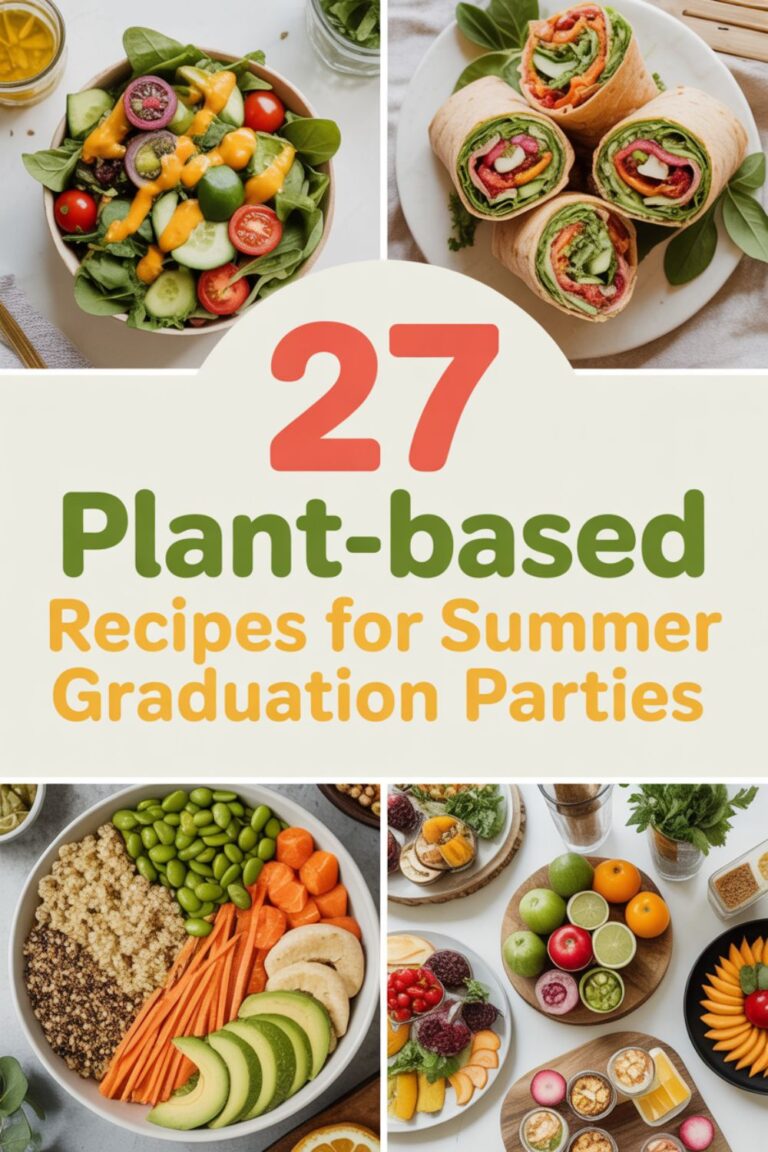
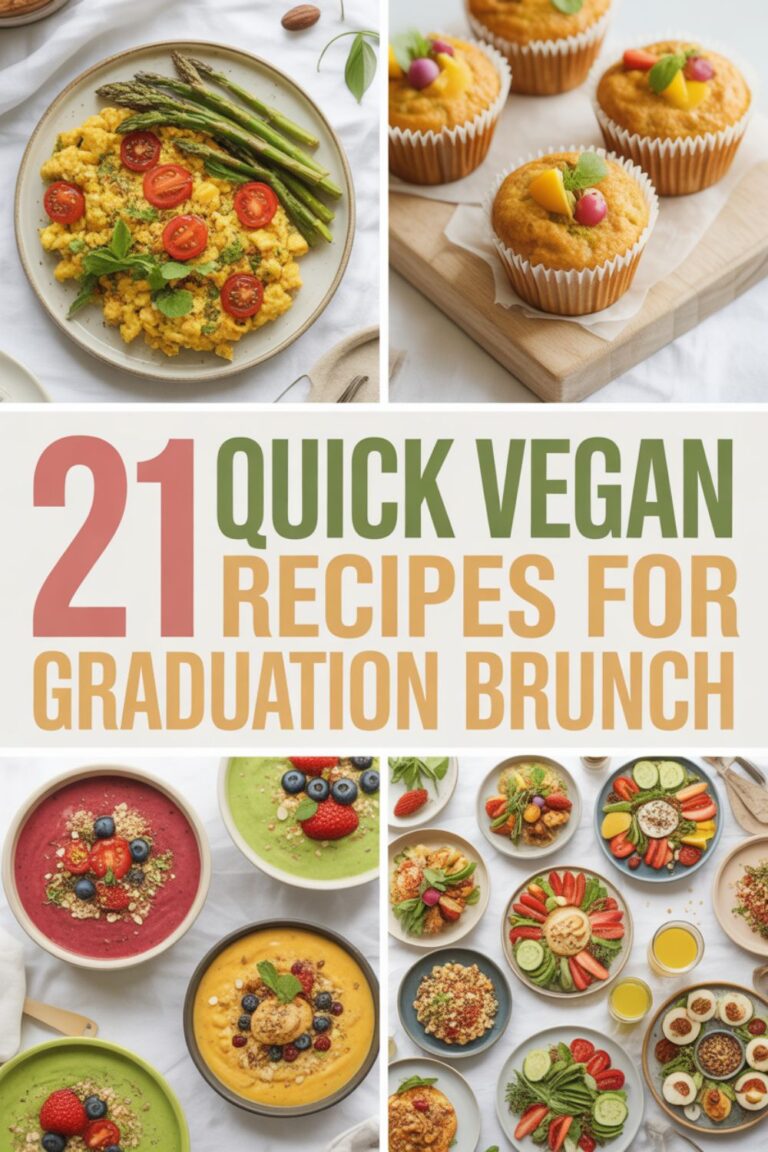
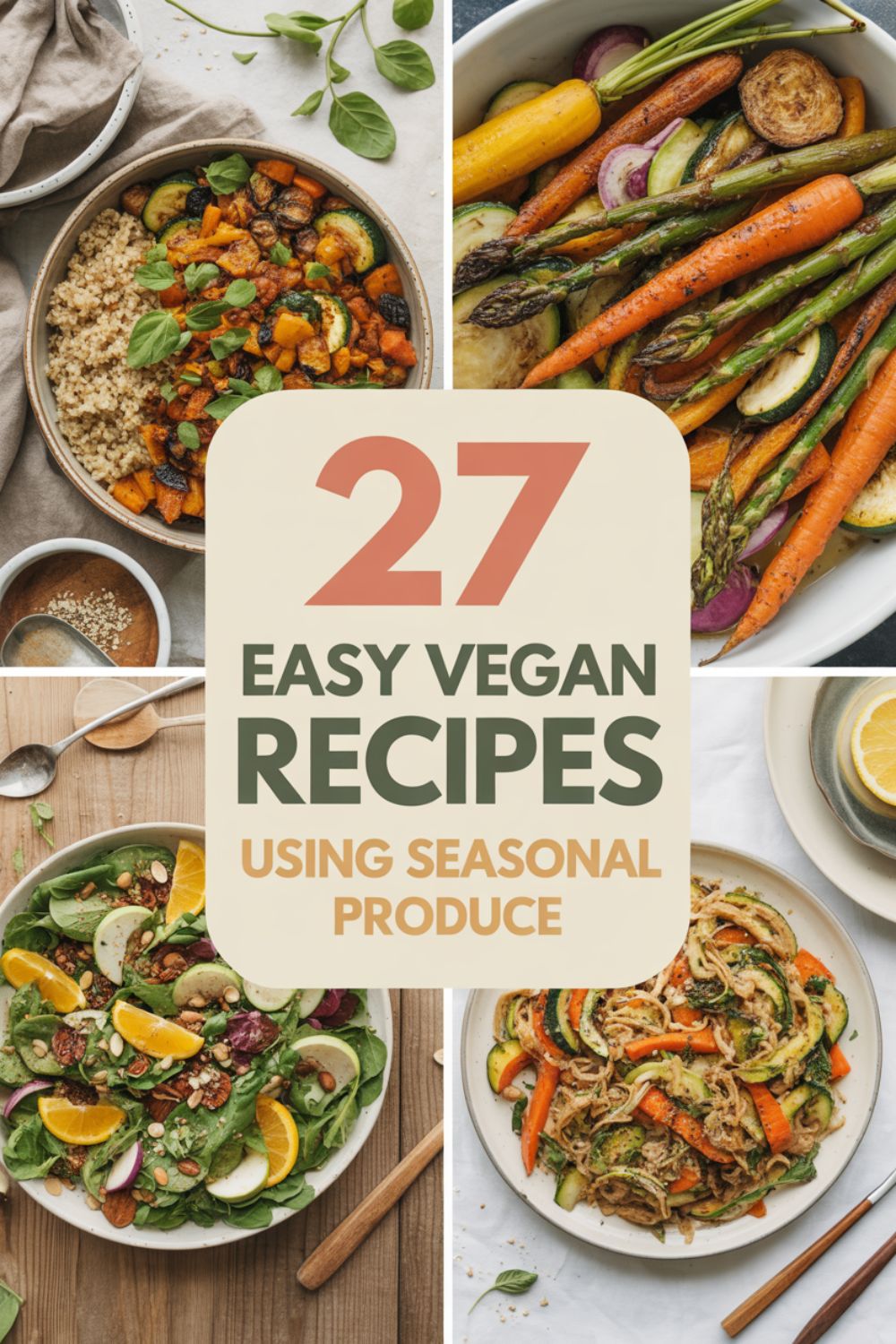
27 Easy Vegan Recipes Using Seasonal Produce
Let’s be honest—there’s nothing worse than buying a bunch of asparagus in December, paying twice what it should cost, and ending up with sad, flavorless spears that taste like they’ve been on a cross-country road trip. Been there, done that, learned my lesson.
Here’s the thing about cooking vegan: it’s already bursting with flavor when you work with what’s actually in season. You’re not masking anything with cheese or drowning stuff in cream sauce—the produce itself is the star. And when that produce is fresh, local, and picked at its peak? Game changer.
I used to think seasonal eating was some kind of foodie elitism, like you needed a chart and a farmer’s almanac to pull it off. Turns out, it’s way simpler than that. You just buy what’s cheap and abundant at the market, and suddenly your cooking tastes better without you even trying. Research shows that seasonal produce can have up to 50% more vitamin C than out-of-season options, and honestly, you can taste the difference.
So if you’re tired of spending a fortune on flavorless tomatoes in February or wondering why your summer squash tastes like cardboard in November, stick with me. I’ve pulled together 27 ridiculously easy vegan recipes that make the most of what’s fresh right now—no matter what season you’re in.
Why Seasonal Produce Actually Matters (Beyond the Hipster Factor)
Look, I’m not trying to lecture you about shopping local or reducing your carbon footprint—though those are nice side effects. I’m talking about flavor, nutrition, and not going broke at the checkout.
When fruits and veggies are in season, they’re grown in conditions they actually like. They ripen naturally on the plant instead of in a warehouse somewhere. According to the American Heart Association, in-season strawberries are sweeter, redder all the way through, and pack way more antioxidants than their pale winter cousins.
Plus, seasonal stuff is cheaper. Basic economics—when there’s a ton of zucchini flooding the market in August, prices drop. When you’re buying imported asparagus in January, you’re paying for fuel, storage, and the fact that nobody else is dumb enough to grow asparagus in winter.
The flavor thing is real, though. A tomato that ripened on the vine in July tastes like an entirely different vegetable compared to one picked green and gassed with ethylene to turn it red. One tastes like summer; the other tastes like disappointment.
Spring Recipes: When Everything Tastes Like a Fresh Start
Spring is my favorite time to cook vegan because everything feels light and bright after months of root vegetables. You’ve got tender greens, sweet peas, and the first strawberries that actually taste like something.
1. Asparagus and Lemon Pasta
This is stupid simple but tastes fancy. Snap off the woody ends of fresh asparagus, blanch them for like three minutes, then toss with pasta, lemon zest, garlic, and good olive oil. The asparagus should still have a snap to it—nobody wants mushy spears. Get Full Recipe.
2. Pea and Mint Soup
Fresh peas in spring are sweet enough to barely need seasoning. Sauté some shallots, throw in the peas with vegetable broth, simmer for 10 minutes, blend with fresh mint. Boom—bright green, silky soup that tastes like spring in a bowl.
3. Strawberry Spinach Salad
I know, I know—salad sounds boring. But when strawberries are actually in season, they’re sweet enough to balance out peppery arugula or baby spinach. Toss in some candied walnuts (I use this mini toaster oven to toast them—less babysitting, no burning), add a simple balsamic reduction, and you’ve got something people will actually fight over.
For more morning inspiration, try these creative vegan breakfast ideas or this collection of nutrient-packed smoothies.
4. Radish and Herb Tartines
This is peak spring fancy-but-not-really food. Smear some cashew cream cheese on toasted sourdough, top with thinly sliced radishes, flaky salt, and whatever soft herbs you have. It’s crunchy, creamy, peppery, and takes about four minutes to throw together.
5. Artichoke and White Bean Stew
Fresh artichokes are intimidating, but you can totally use jarred hearts for this. Sauté onions and garlic, add white beans, artichoke hearts, vegetable broth, and fresh thyme. Let it simmer until everything’s friendly. Serve with crusty bread for dipping.
Meal Prep Essentials Used in This Plan
Look, I’m not saying you need to buy all this stuff, but these are the things that make seasonal cooking way less annoying:
- Glass meal prep containers with compartments – Store your prepped veggies without them getting soggy. The divided sections are clutch for keeping things separate.
- A good chef’s knife – Seriously, stop hacking at your vegetables with that dull blade. A sharp knife makes prep faster and way less dangerous.
- Produce storage bags – These keep greens fresh for like two weeks instead of two days. Worth every penny.
- 30-Day Vegan Challenge (Free Download) – Printable guide with daily recipes and shopping lists
- Ultimate Vegan Grocery List – Never forget ingredients again
- Vegan Eating Tracker (PDF) – Track your meals and how you feel
Summer Recipes: Peak Produce Season (AKA Why We Suffer Through Winter)
Summer is when farmers markets become dangerous for my wallet. Everything looks good, everything’s cheap, and you end up with 47 tomatoes and no plan. These recipes will help you use that haul before it goes bad.
6. Heirloom Tomato Bruschetta
This is what summer tastes like. Chop ripe tomatoes, mix with fresh basil, minced garlic, good olive oil, and salt. Let it sit for 30 minutes so the flavors get cozy. Pile it on toasted bread. That’s it. That’s the recipe. If your tomatoes are bland, no amount of seasoning will save you—wait for August.
7. Grilled Zucchini with Herb Oil
When zucchini takes over your garden (and it will), fire up the grill. Slice them lengthwise, brush with olive oil, grill until they’ve got char marks. Drizzle with an herb oil made from blending olive oil with basil, parsley, and lemon juice. I use this immersion blender for quick herb oils—cleanup is like 30 seconds.
8. Corn and Black Bean Tacos
Fresh corn off the cob is so much better than canned, it’s not even funny. Char it in a cast iron skillet, mix with black beans, lime juice, cilantro, and cumin. Stuff into tortillas with avocado and salsa. These are the tacos that convert people to vegan food without them realizing it.
Speaking of satisfying meals, you might also love these high-protein vegan dinners or these packable lunch ideas.
9. Peach and Basil Salad
Yeah, I put basil with fruit. Fight me. Ripe peaches with torn basil, arugula, and a drizzle of balsamic glove is weirdly amazing. The sweet-savory thing works when peaches are at their juicy peak. Winter peaches? Hard pass.
10. Cucumber and Dill Cold Soup
When it’s too hot to cook, blend cucumbers with fresh dill, lemon juice, garlic, and a splash of vegetable broth. Chill it. Eat it cold. It’s refreshing, hydrating, and requires zero heat. Perfect for those days when even turning on the stove feels like punishment.
“I tried the seasonal approach after reading about it here, and honestly, my grocery bill dropped by almost $30 a week. Plus, my kids actually eat the vegetables now because they don’t taste like cardboard. The zucchini recipes alone saved my summer garden haul!” – Sarah M., Community Member
11. Eggplant Caponata
This Sicilian sweet-and-sour situation is perfect for late summer eggplant. Dice eggplant, sauté with tomatoes, capers, olives, and a splash of red wine vinegar. The longer it sits, the better it tastes. Serve it on bread, with pasta, or straight from the pan if nobody’s watching.
12. Watermelon and Mint Salad
Cube cold watermelon, toss with fresh mint and lime juice. That’s literally it. Sometimes simple is best, especially when watermelon is so sweet you could serve it as dessert. Add a pinch of salt if you’re feeling fancy—it makes the sweetness pop even more.
13. Summer Vegetable Ratatouille
This is the dish that makes you feel like you know what you’re doing in the kitchen. Layer sliced zucchini, eggplant, and tomatoes in a ceramic baking dish, drizzle with olive oil and herbs, bake until everything’s soft and caramelized. It’s gorgeous, it’s delicious, and it uses up all those summer veggies threatening to take over your kitchen.
Fall Recipes: Comfort Food Without the Guilt
Fall is when vegan cooking gets cozy. You’ve got squash, apples, Brussels sprouts, and all the earthy root vegetables that roast up beautifully. Mayo Clinic research shows that fall produce like butternut squash and beets are nutritional powerhouses when harvested in season.
14. Butternut Squash Soup
Roast a halved butternut squash until it’s soft and caramelized. Scoop out the flesh, blend with sautéed onions, vegetable broth, and a splash of coconut milk. Season with nutmeg and sage. This is the soup that makes people say “wait, there’s no cream in this?”
15. Apple and Fennel Salad
Thinly slice crisp fall apples and fennel bulb—I swear by this mandoline slicer for paper-thin cuts. Toss with lemon juice, olive oil, and toasted walnuts. The combination of sweet, anise-y, and crunchy is addictive.
16. Roasted Brussels Sprouts with Balsamic Glaze
People who say they hate Brussels sprouts haven’t had them roasted properly. Halve them, toss with olive oil and salt, roast at 425°F until crispy and caramelized. Drizzle with balsamic glaze. The crispy leaves are the best part—borderline potato chip territory.
17. Pumpkin and Sage Pasta
Roast pumpkin chunks with garlic, blend into a creamy sauce with nutritional yeast and fresh sage. Toss with pasta. This tastes indulgent and fancy but is actually just vegetables and carbs having a good time together. Get Full Recipe.
18. Sweet Potato and Black Bean Chili
Dice sweet potatoes, throw them in a pot with black beans, tomatoes, chili powder, and cumin. Let it simmer until the sweet potatoes are tender. The natural sweetness balances the spice perfectly. Top with avocado and cilantro.
For more cozy fall inspiration, check out these warming vegan dinners or these soul-satisfying soups.
19. Kale and White Bean Soup
Sauté onions, carrots, and celery (the holy trinity), add cannellini beans, vegetable broth, and a bunch of chopped kale. Simmer until the kale is tender. This is the kind of soup that makes you feel healthy just eating it.
Tools & Resources That Make Cooking Easier
These are the things that turned me from a stressed-out cook into someone who actually enjoys making dinner:
- Instant-read thermometer – Takes the guesswork out of roasting vegetables to the perfect doneness.
- Silicone baking mats – I use these on everything short of cereal bowls. Zero sticking, zero scrubbing.
- High-speed blender – For smooth soups and creamy sauces without chunks. Worth the investment.
- Best Vegan Cookbooks for Beginners – Tested and ranked by real home cooks
- Essential Kitchen Tools for Vegans – The actual must-haves (not the gimmicky stuff)
- 21-Day Smoothie Plan – Printable guide with shopping lists and prep tips
Winter Recipes: Making the Most of What’s Available
Winter gets a bad rap for produce, but root vegetables and hearty greens are at their peak. Plus, citrus season is actually winter, which people always forget.
20. Roasted Root Vegetable Medley
Chop carrots, parsnips, turnips, and beets into similar-sized chunks. Toss with olive oil, salt, and fresh thyme. Roast until caramelized. The natural sugars in root veggies get all concentrated and sweet when roasted—it’s basically vegetable candy.
21. Citrus and Avocado Salad
Segment oranges and grapefruits (winter citrus is peak), toss with sliced avocado, red onion, and cilantro. Drizzle with lime juice. This is bright and fresh when everything else feels heavy and brown.
22. Lentil and Kale Stew
Brown lentils with diced tomatoes, vegetable broth, and whatever winter vegetables you’ve got hanging around. Add chopped kale in the last 10 minutes. Season with smoked paprika and cumin. This is the kind of stew that sticks to your ribs without making you feel gross. Get Full Recipe.
23. Cabbage and Potato Hash
Shred cabbage, dice potatoes, sauté until everything’s crispy and caramelized. Season with caraway seeds if you’ve got them. This is humble food that tastes way better than it has any right to.
24. Winter Squash Tacos
Roast acorn or delicata squash with cumin and chili powder. The thin skin on delicata is edible, FYI, which saves you the annoying peeling step. Stuff into tortillas with black beans and this tangy lime crema.
Looking for more winter warmth? Try these comforting soups and stews or these belly-warming bowls.
25. Pomegranate and Walnut Salad
Winter greens like radicchio and endive with pomegranate seeds, toasted walnuts, and a maple-mustard dressing. Pomegranates are a pain to seed, but this bowl method makes it way less messy. Just whack the back of the halved fruit with a spoon over a bowl.
26. Miso Vegetable Soup
Miso paste, vegetable broth, whatever winter vegetables you’ve got (mushrooms, bok choy, daikon), and some cubed tofu. The umami from the miso makes this taste way more complex than the ingredient list suggests.
27. Braised Cabbage with Apples
Shred red cabbage, sauté with sliced apples, red wine vinegar, and a pinch of sugar. Let it braise until everything’s soft and tangy-sweet. This is a side dish that converts cabbage haters.
How to Actually Use This List Without Losing Your Mind
Here’s the thing—I’m not expecting you to make all 27 of these recipes this week. That would be insane. Instead, pick a few that match what’s cheap and abundant at your local market right now.
The beauty of seasonal cooking is that it’s flexible. See a ton of zucchini on sale? Make recipes 7, 8, and 13. Swimming in apples? Hit up 15, 19, and 27. You’re not following a rigid meal plan—you’re responding to what’s actually available and affordable.
And don’t stress about perfection. Sometimes the farmers market is crazy expensive, and you’re better off hitting the regular grocery store. Sometimes you’ll substitute ingredients because you can’t find exactly what the recipe calls for. That’s not failing; that’s cooking like a real person.
The goal isn’t to be some purist who only eats vegetables grown within a 20-mile radius. The goal is to notice what’s in season, buy more of that stuff, and enjoy the benefits of better flavor and lower prices. Everything else is just bonus points.
“Started meal prepping with seasonal vegetables after finding this site, and I’ve saved so much money. The produce lasts longer because it’s fresher, and my lunches actually taste good now instead of like soggy sadness. The butternut squash soup recipe is in weekly rotation at my house.” – Maya K., Community Member
The Semantic Stuff: Plant-Based Nutrition and Seasonal Eating
Let’s talk nutrition for a sec, because seasonal eating isn’t just about flavor and money—it’s about fueling your body properly.
When you eat a variety of seasonal produce, you’re naturally rotating through different nutrient profiles. Summer’s tomatoes and peppers are loaded with vitamin C and antioxidants. Fall’s squash and root vegetables bring beta-carotene and fiber. Winter’s citrus packs immune-boosting vitamin C right when you need it. Spring’s leafy greens deliver iron and folate.
This variety is way better than eating the same five vegetables year-round. Different colored vegetables contain different phytonutrients—that’s why nutritionists are always nagging you to “eat the rainbow.” Seasonal eating forces you to rotate through that rainbow naturally.
The fiber content in plant-based diets is clutch for digestion, and seasonal vegetables tend to be higher in fiber than their out-of-season counterparts. Research from PeaceHealth shows that fresh, seasonal produce retains more of its beneficial compounds compared to produce that’s been stored for months.
If you’re worried about getting enough protein on a vegan diet, pair these seasonal veggie recipes with legumes, nuts, or whole grains. Black beans with summer corn, lentils with winter kale, white beans with spring asparagus—you’re getting complete nutrition without overthinking it.
For more high-protein options, explore these quick vegetarian meals or check out our tested protein powder rankings.
Frequently Asked Questions
Does eating seasonal really make that much difference in taste?
Absolutely, and you don’t have to take my word for it—just try a summer tomato versus a winter one side by side. Produce picked at peak ripeness has more concentrated sugars, deeper flavors, and better texture than stuff harvested early for shipping. The difference is especially noticeable with delicate items like berries, tomatoes, and leafy greens.
What if I live somewhere with harsh winters and limited seasonal options?
Focus on what’s available locally (root vegetables, winter squash, stored apples) and supplement with frozen produce, which is flash-frozen at peak ripeness. Citrus is also in season during winter in warmer regions, so those are fair game. The goal isn’t perfection—it’s being aware of what’s naturally abundant versus what’s been flown in from another hemisphere.
Can I use frozen vegetables for these recipes?
For sure. Frozen vegetables are nutritionally solid and work great in soups, stews, and cooked dishes where texture isn’t critical. They’re less ideal for raw salads or recipes where you want that fresh crunch, but they’re perfect for the braised cabbage, vegetable soups, and chili recipes.
How do I know what’s actually in season in my area?
Hit up your local farmers market and see what’s abundant and cheap—that’s your seasonal guide. You can also check out the USDA’s seasonal produce guide or just Google “what’s in season [your state] [current month].” Price is usually the best indicator—when something’s in season, it’s everywhere and costs way less.
Are these recipes suitable for meal prep?
Most of them, yeah. Soups and stews actually get better after sitting in the fridge for a day or two. Roasted vegetables keep well for 4-5 days. Salads are trickier—prep your components separately and assemble right before eating so nothing gets soggy. The key is storing things properly in airtight containers and keeping wet ingredients away from crispy ones until serving.
Final Thoughts (Because Every Article Needs One)
Look, I’m not going to pretend that seasonal eating will solve all your problems or make you a better person. But it will make your food taste better, save you some cash, and give you a rotating menu that keeps things interesting.
The best part? You don’t need special equipment, a nutrition degree, or a farmers almanac. You just need to pay attention to what’s cheap and abundant at the store, buy that stuff, and cook it simply. Most of these recipes have like six ingredients and take under 30 minutes. That’s not intimidating—that’s Tuesday.
So next time you’re at the market and see a mountain of zucchini or a pile of butternut squash going for next to nothing, grab some. Figure out the recipe later. That’s how seasonal cooking actually works in real life—you respond to what’s available, not the other way around.
Your wallet and your taste buds will thank you. And if nothing else, you’ll stop wasting money on sad, flavorless produce that traveled 3,000 miles to disappoint you.