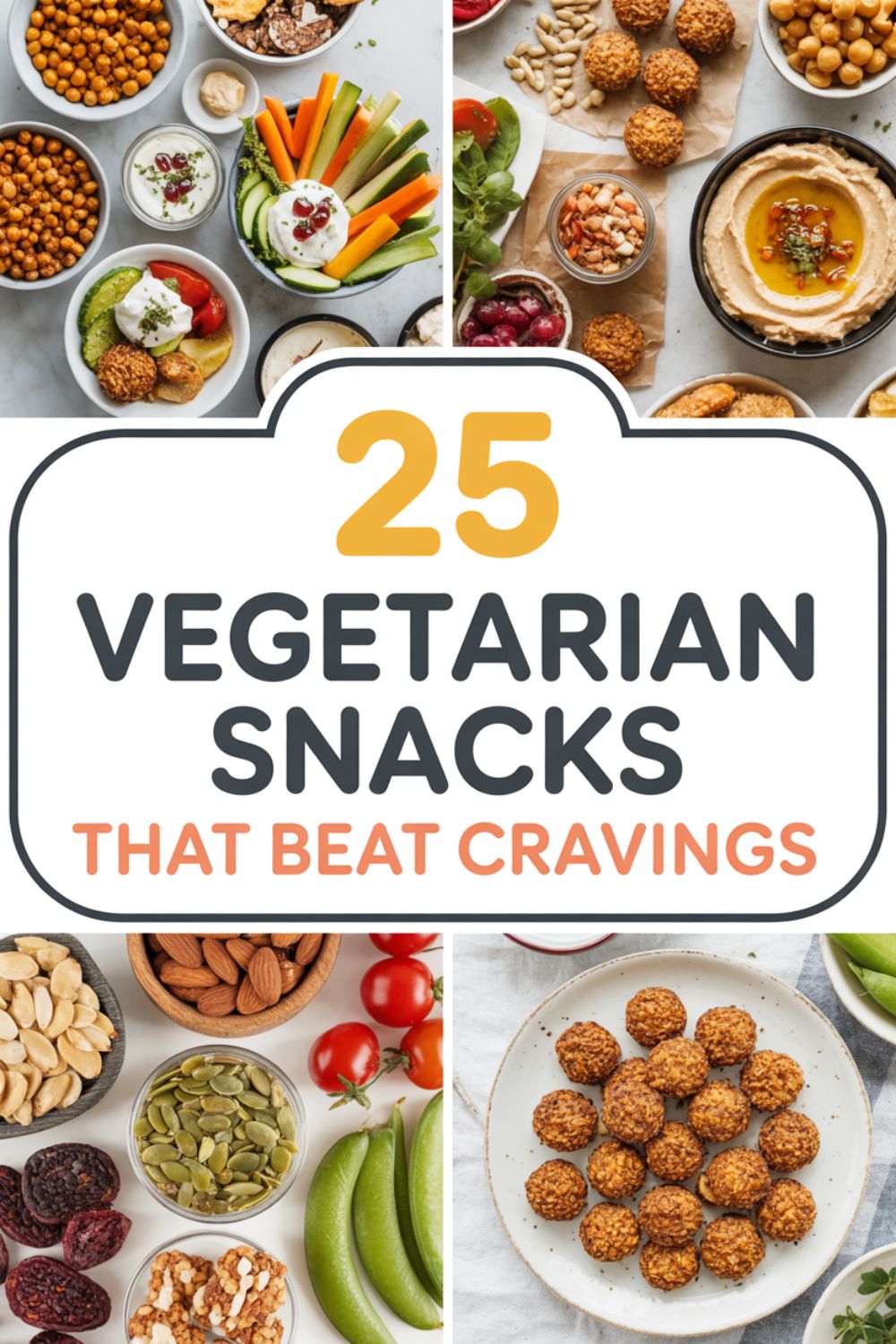
25 Vegetarian Snacks That Beat Cravings
After years of experimenting with vegetarian eating (and making more than a few snacking mistakes along the way), I’ve learned that the secret to beating cravings isn’t willpower. It’s having the right snacks ready to go. And no, I’m not talking about sad celery sticks or flavorless rice cakes.
I’m talking about snacks that actually taste good, keep you full, and don’t require a culinary degree to throw together. Because honestly, who has time for complicated when you’re just trying to make it to dinner without eating an entire bag of chips?
The science backs this up too. Research shows that snacks high in protein and fiber are significantly more effective at promoting satiety and controlling hunger compared to processed, high-sugar options. It’s not just about calories—it’s about choosing snacks that work with your body, not against it.
Why Most Vegetarian Snacks Fail (And What Actually Works)
Here’s what nobody tells you about vegetarian snacking: just because something doesn’t have meat doesn’t mean it’ll keep you satisfied. I learned this the hard way after spending too many afternoons mindlessly munching on pretzels, only to feel ravenous 30 minutes later.
The problem? Most conventional snacks are basically just refined carbs with a fancy label. They spike your blood sugar, give you a brief energy boost, then leave you crashed out and craving more.
What actually works is combining protein, fiber, and healthy fats. According to Mayo Clinic, vegetarians who focus on whole foods with adequate protein and fiber tend to feel more satisfied and have better long-term health outcomes.
Think about it this way: protein helps repair your muscles and keeps you full, fiber slows digestion and stabilizes blood sugar, and healthy fats provide sustained energy. When you combine all three, you’ve got a snack that actually does its job.
The Quick Wins: No-Prep Snacks for Busy Days
1. Greek Yogurt with Berries and Nuts
This is my go-to when I need something fast. A half-cup of Greek yogurt gives you about 12 grams of protein, and when you top it with a handful of blueberries and some crushed almonds, you’ve got fiber and healthy fats covered too.
The best part? You can eat this with one hand while answering emails with the other. Not that I’m recommending that, but I’m also not not recommending it.
2. Hummus and Veggie Sticks
I know, I know—this one sounds basic. But there’s a reason it’s a classic. Chickpeas pack protein and fiber, plus you get all those vitamins from the veggies. I like to use this veggie chopper to prep a week’s worth of carrots, bell peppers, and cucumbers in about five minutes.
Pro move: buy the hummus in individual cups. Yeah, it’s slightly more expensive, but it’s also portion-controlled and way more convenient.
3. Cheese and Whole Grain Crackers
Simple, satisfying, and surprisingly filling. A couple slices of cheddar or Havarti with some whole grain crackers hits that savory craving while giving you protein and fiber. I keep these crackers in my desk drawer for emergencies.
Just watch your portion sizes here—cheese is calorie-dense, so stick to about an ounce (roughly the size of your thumb) paired with 5-6 crackers.
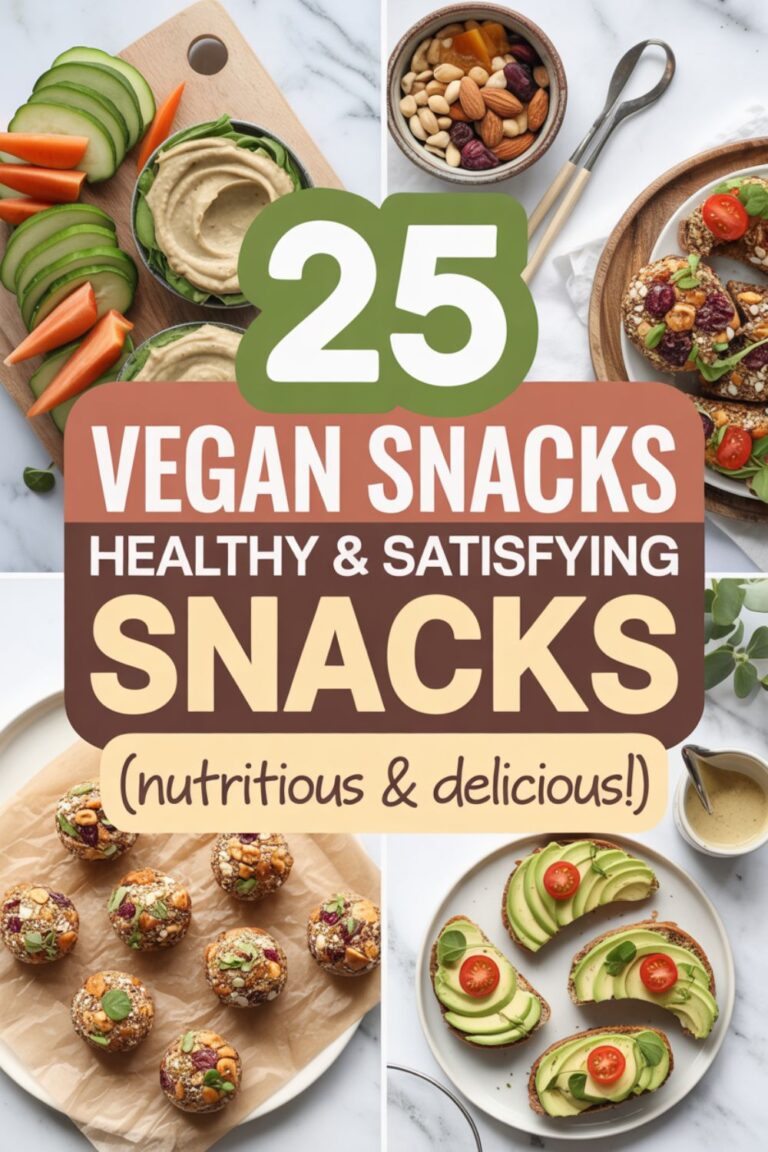
Looking for more quick ideas? Check out these healthy and satisfying vegan snacks that work whether you’re vegetarian or fully plant-based.
4. Apple Slices with Nut Butter
This combination is chef’s kiss for a reason. The apple gives you fiber and natural sweetness, while almond or peanut butter delivers protein and healthy fats. I use this apple slicer because I’m lazy and it makes the whole process take 10 seconds instead of two minutes.
Here’s a weird tip: add a tiny sprinkle of cinnamon on top. It makes it taste like apple pie without any of the guilt.
5. Hard-Boiled Eggs
If you eat eggs, these are clutch. One egg has about 6 grams of protein and keeps you full for hours. I make a batch of six every Sunday using this egg cooker that literally does all the work for you.
Season them with everything bagel seasoning, a dash of hot sauce, or just plain salt and pepper. They’re perfect for throwing in your bag on the way out the door.
Energy Balls and Bars: Make Once, Eat All Week
6. No-Bake Peanut Butter Energy Balls
These little guys are game-changers. Mix oats, peanut butter, honey, and mini chocolate chips together, roll into balls, and refrigerate. Done. You’ve got snacks for the entire week.
The recipe I use makes about 20 balls, and each one has roughly 3-4 grams of protein plus fiber from the oats. They taste like cookie dough but won’t make you feel like garbage afterward.
7. Date and Almond Energy Bites
If you haven’t discovered Medjool dates yet, prepare to have your mind blown. They’re naturally sweet, loaded with fiber, and when you blend them with almonds in a food processor, they turn into these incredible energy bites.
Add a pinch of sea salt and maybe some cocoa powder if you’re feeling fancy. Store them in an airtight container, and they’ll last about two weeks in the fridge.
8. Homemade Granola Bars
Store-bought granola bars are mostly sugar disguised as health food. Making your own is easier than you think, and you control what goes in them. I use oats, nuts, seeds, dried fruit, and honey, then press them into a baking pan lined with parchment paper.
Bake at 325°F for about 25 minutes, let them cool, and cut into bars. They’re chewy, satisfying, and actually keep you full. For even more breakfast and snack inspiration, try these vegan breakfast ideas—many double as perfect snacks.
Meal Prep Essentials Used in These Snacks
Physical Products:
- Glass meal prep containers with compartments – Perfect for portioning out hummus, veggies, and crackers
- Insulated snack bags – Keeps yogurt and cheese fresh when you’re on the go
- Mini food processor – Makes energy balls and nut butters ridiculously easy
Digital Resources:
- 30-Day Vegan Challenge (Free Download) – Includes snack planning templates
- The Ultimate Vegan Grocery List (Free Printable) – Never forget snack staples again
- 30-Day Vegan Eating Tracker – Track which snacks keep you fullest
Savory Snacks That Actually Satisfy
9. Roasted Chickpeas
These crunchy little nuggets are basically popcorn’s healthier, more filling cousin. Drain a can of chickpeas, toss with olive oil and your favorite spices, then roast at 400°F for 30-40 minutes until crispy.
I make mine with paprika, garlic powder, and a little cayenne. One cup has about 15 grams of protein and 12 grams of fiber. They’re perfect for when you’re craving something salty and crunchy.
10. Edamame with Sea Salt
Buy the frozen kind, microwave for three minutes, sprinkle with sea salt. That’s it. You’ve got yourself a high-protein snack with zero effort.
One cup of edamame has 17 grams of protein, which is more than most protein bars. Plus, there’s something oddly satisfying about popping them out of the pods.
11. Avocado Toast on Whole Grain
Yeah, it’s kind of a cliché at this point, but it works. Mash half an avocado on whole grain toast, add everything bagel seasoning or a squeeze of lemon, and you’ve got healthy fats, fiber, and enough substance to actually hold you over.
I use this avocado tool that slices, pits, and scoops in one motion. It’s unnecessarily specific, but it makes me way more likely to actually make this snack.
12. Cottage Cheese with Cherry Tomatoes
Don’t sleep on cottage cheese. Half a cup has 14 grams of protein, and when you add cherry tomatoes, fresh basil, and a drizzle of olive oil, it’s legitimately delicious.
If you’re not into the texture, try blending it until smooth—it becomes creamy like Greek yogurt but with even more protein. For more high-protein options, explore these high-protein vegan meals that can also work as substantial snacks.
13. Caprese Skewers
Thread cherry tomatoes, fresh mozzarella balls, and basil leaves onto small skewers. Drizzle with balsamic glaze. Eat them feeling fancy even though you’re probably in your sweatpants.
These are great for meal prep because you can make a bunch at once and grab them throughout the week. They’re also impressive if you need to bring something to a gathering.
Sweet Treats That Won’t Wreck Your Progress
14. Frozen Grapes
This sounds too simple to work, but trust me. Wash your grapes, freeze them overnight, and you’ve got these little ice-pop-like treats that last forever in your mouth.
They’re perfect for when you want something sweet but don’t want to demolish a pint of ice cream. Plus, grapes have antioxidants and natural sugars that won’t spike your blood sugar like candy.
15. Dark Chocolate with Almonds
The key here is dark chocolate—at least 70% cacao. It has less sugar than milk chocolate and comes with antioxidants. Pair it with about 10-12 almonds for protein and healthy fats.
I keep individually wrapped dark chocolate squares in my desk because portion control is real, and an entire bar won’t last the afternoon if I’m being honest.
16. Banana with Cinnamon and Almond Butter
Slice a banana, spread almond butter on each slice, and sprinkle with cinnamon. It tastes like dessert but has fiber, potassium, protein, and healthy fats.
Sometimes I’ll add a few mini chocolate chips on top if I’m really trying to satisfy a sweet tooth. No judgment—we’re all doing our best here.
17. Homemade Trail Mix
Store-bought trail mix is either full of M&Ms or costs $12 for a tiny bag. Make your own by combining almonds, cashews, dried cranberries, dark chocolate chips, and pumpkin seeds.
The ratio I use is 2 parts nuts, 1 part dried fruit, and a small handful of chocolate. Store it in small resealable bags so you can grab and go without eating the entire batch in one sitting.
If you’re looking for more dessert-inspired options that won’t derail your goals, check out these vegan desserts that can be adapted into smaller snack portions.
18. Rice Cakes with Cream Cheese and Berries
Before you roll your eyes at rice cakes, hear me out. Plain rice cakes are boring, yes. But spread them with cream cheese and top with fresh berries, and suddenly they’re a legitimate snack.
The cream cheese adds protein and makes them actually satisfying. I like using strawberries or blueberries, but raspberries work great too.
Warm Snacks for When You Need Comfort
19. Mug of Miso Soup
Keep instant miso soup packets in your pantry. They’re low-calorie but surprisingly filling because of the warm liquid and the umami flavor hits that savory craving.
I add some dried seaweed flakes and cubed tofu for extra protein. It takes two minutes to make and feels way more substantial than it is.
20. Baked Sweet Potato Rounds
Slice a sweet potato into rounds, brush with olive oil, season with salt and pepper, and bake at 425°F for 25-30 minutes until crispy on the edges.
They’re naturally sweet, loaded with fiber and vitamins, and you can top them with things like hummus, Greek yogurt, or mashed avocado. I use a mandoline slicer to get even slices, but a knife works fine too.
21. Whole Wheat Toast with Ricotta and Honey
Ricotta cheese is underrated for snacking. Spread it on whole wheat toast, drizzle with honey, and maybe add a sprinkle of cinnamon or some sliced strawberries.
It’s got protein from the ricotta, fiber from the bread, and just enough sweetness to feel like a treat. Plus, it’s warm and comforting without being heavy.
22. Air-Popped Popcorn with Nutritional Yeast
If you don’t have an air popper, get one. It’ll change your snacking game. Air-popped popcorn is low-calorie, high-fiber, and when you sprinkle it with nutritional yeast, it tastes like cheesy popcorn without the dairy.
Nutritional yeast also adds B vitamins and a little protein. It’s one of those ingredients that sounds weird but becomes essential once you try it.
On-the-Go Options When You’re Actually Running Late
23. Protein Bars (The Right Ones)
Most protein bars are candy bars with protein powder mixed in. Look for ones with at least 10 grams of protein, less than 10 grams of sugar, and ingredients you can actually pronounce.
My current favorites are these plant-based protein bars because they don’t taste like cardboard and actually keep me full. Keep a couple in your bag for true emergencies.
24. Individual Nut Butter Packets
These single-serve almond butter packets are perfect for throwing in your purse or gym bag. Pair with an apple or banana, and you’ve got a complete snack that travels well.
They’re more expensive than buying a jar, but the convenience factor is worth it when you’re rushing between meetings or running errands.
25. Store-Bought Veggie Chips with Guacamole
Not all veggie chips are created equal. Look for ones that are actually made from vegetables (not just vegetable powder on potato chips). Pair with individual guacamole cups for healthy fats.
This is my airport go-to because it’s one of the few options that won’t leave me hangry halfway through my flight. For more grab-and-go ideas, these quick vegan lunches can easily be downsized into portable snacks.
Tools & Resources That Make Snacking Easier
Physical Products:
- Bento-style snack containers – Keep different snacks separated and fresh
- Portable blender bottle – For making protein smoothies anywhere
- Silicone baking mats – Makes roasting chickpeas and sweet potatoes mess-free
Digital Resources:
- 12 High-Protein Vegan Pantry Essentials – Stock your pantry for snack success
- 12 Best Vegan Protein Powders Tested & Ranked – For adding protein to smoothie snacks
- 7 Kitchen Tools Every Vegan Home Cook Needs – Essential gear for snack prep
Want more support? Join our WhatsApp community for daily snack ideas, meal prep tips, and real-time recipe swaps with other vegetarians navigating the same challenges.
Making It All Work in Real Life
Here’s the reality: having a list of 25 snacks is great, but it’s useless if you don’t actually prepare any of them. The trick is to start small.
Pick three snacks from this list that sound doable for your schedule. Maybe it’s as simple as hard-boiling some eggs on Sunday, chopping veggies for hummus, and making a batch of energy balls. That’s it. Three snacks that you rotate through the week.
Once those become automatic, add another one or two. Eventually, you’ll have a rotation of snacks that work for your life, your taste preferences, and your schedule.
The goal isn’t perfection. It’s having options that are better than the vending machine and easier than ordering takeout when you’re starving at 3 PM.
The Protein and Fiber Sweet Spot
You’ve probably noticed I keep harping on protein and fiber. That’s because they’re the dynamic duo of satiety. Studies show that combining protein and fiber in snacks significantly improves appetite control and reduces overall energy intake at subsequent meals.
Think of it this way: protein tells your brain you’re satisfied, while fiber slows down digestion so that satisfied feeling lasts longer. When you eat a snack that’s just carbs (like pretzels or crackers), your blood sugar spikes and crashes, leaving you hungrier than before.
But when you pair those crackers with cheese, or eat an apple with almond butter, you’re getting the trifecta of nutrients that actually keep you full. It’s not magic—it’s just working with your body’s biology instead of fighting against it.
For a complete look at how to structure balanced vegetarian meals, check out these easy vegan meal prep ideas that apply the same protein-fiber-fat principles to full meals.
Common Snacking Mistakes to Avoid
Skipping snacks entirely: This seems logical for weight loss, but it usually backfires. You end up so hungry at dinner that you overeat, or you cave and grab whatever’s convenient (usually something processed).
Relying on “healthy” packaged snacks: Just because something says “organic” or “all-natural” doesn’t mean it’s nutritious. Read the labels. If it’s mostly sugar and refined flour, it’s not going to satisfy you.
Not planning ahead: This is the biggest one. When you’re hungry and unprepared, you’ll eat whatever’s available. Meal prep your snacks just like you would your meals.
Eating while distracted: When you eat in front of your computer or TV, you don’t register fullness the same way. Take five minutes to actually focus on your snack. You’ll eat less and feel more satisfied.
Forgetting about hydration: Sometimes what feels like hunger is actually thirst. Drink a glass of water before reaching for a snack. If you’re still hungry 10 minutes later, then eat.
Building Your Personal Snack Rotation
Not every snack on this list will work for you, and that’s fine. The goal is to find 5-7 options that fit your preferences, budget, and schedule.
Start by thinking about your cravings. Do you tend to want something sweet or savory? Crunchy or creamy? Cold or warm? Match snacks to those preferences so you’re more likely to actually eat them instead of reaching for junk food.
Also consider your schedule. If you’re constantly on the go, portable options like protein bars and nut butter packets make sense. If you work from home, you have more flexibility for things like avocado toast or cottage cheese bowls.
Budget matters too. Energy balls and homemade granola bars are way cheaper than buying pre-packaged options. But if you don’t have time to prep, spending a little more on convenience items is still better than hitting the drive-through.
For seasonal variety and inspiration throughout the year, explore these themed collections: light summer meals, cozy fall dinners, and winter soups and stews that can inspire your snack choices based on what’s in season.
When to Eat These Snacks
Timing matters more than people realize. The best time to snack is when you’re starting to feel genuinely hungry—not starving, but definitely past the “I could eat” stage.
Most people benefit from a snack mid-morning (around 10 AM) and mid-afternoon (around 3 PM). These are the times when energy naturally dips and cravings kick in.
That said, don’t force yourself to snack if you’re not hungry. Some days you might need three snacks. Other days, maybe just one. Listen to your body instead of following arbitrary rules about eating every three hours.
And if you’re someone who gets late-night munchies, having a plan for that helps too. Keep something protein-rich on hand like Greek yogurt or a small portion of nuts. It’s better to eat a planned 150-calorie snack than to mindlessly eat 600 calories of whatever’s in your pantry.
Frequently Asked Questions
How many snacks should I eat per day as a vegetarian?
It depends on your schedule and hunger levels, but most people do well with 1-2 snacks per day—typically mid-morning and mid-afternoon. If you’re very active or have a longer gap between meals, you might need a third snack. The key is listening to your actual hunger cues rather than following a strict schedule. Snacks should bridge the gap between meals, not replace them.
Can vegetarian snacks help with weight loss?
Yes, when chosen wisely. Snacks that combine protein, fiber, and healthy fats help control hunger and prevent overeating at meals. The trick is choosing whole foods over processed options and being mindful of portions. A planned 150-200 calorie snack that keeps you satisfied is way better than skipping snacks and then binge-eating later because you’re starving.
What’s the best high-protein vegetarian snack?
Greek yogurt tops the list with 12-15 grams of protein per half cup, followed closely by cottage cheese and hard-boiled eggs. For plant-based options, roasted chickpeas and edamame are excellent choices with 15-17 grams of protein per cup. Pair any of these with fiber-rich foods like fruit or vegetables for maximum satiety.
How do I meal prep vegetarian snacks for the week?
Focus on batch-preparing 3-4 snacks on Sunday that store well. Make energy balls or granola bars, pre-portion hummus and veggies into containers, hard-boil a dozen eggs, and chop fruit to pair with nut butter. Store everything in clear containers so you can see your options at a glance. This takes about an hour but saves you from making poor choices when you’re hungry and rushed during the week.
Are store-bought vegetarian snacks as healthy as homemade?
Not always. Many packaged “healthy” snacks are loaded with sugar, sodium, and preservatives. That said, some store-bought options like individual hummus cups, Greek yogurt, string cheese, and quality protein bars can be nutritious and convenient. The key is reading labels—look for short ingredient lists with recognizable foods, at least 5 grams of protein, and less than 10 grams of added sugar per serving.
Final Thoughts
The thing about vegetarian snacking is that it doesn’t have to be complicated or boring. You don’t need exotic ingredients or hours of prep time. Most of these snacks use stuff you probably already have in your kitchen, or stuff that’s easy to grab at any grocery store.
Start with what sounds good to you. Maybe it’s keeping hard-boiled eggs in the fridge. Maybe it’s making a batch of energy balls on Sunday. Maybe it’s just buying some decent hummus and pre-cutting your veggies so they’re ready to grab.
Whatever works for your life is the right answer. The goal isn’t to be perfect—it’s to have better options available than whatever’s in the vending machine or drive-through. Because consistently choosing slightly better options is what actually moves the needle over time.
And honestly? Once you get into the rhythm of having these snacks ready, you’ll wonder how you ever survived on stale pretzels and sugar crashes. Your energy levels will be more stable, your cravings will be more manageable, and you’ll probably save money by not constantly buying overpriced convenience food.
So pick a few snacks, make a grocery list, and give it a shot. Your future hungry self will thank you.