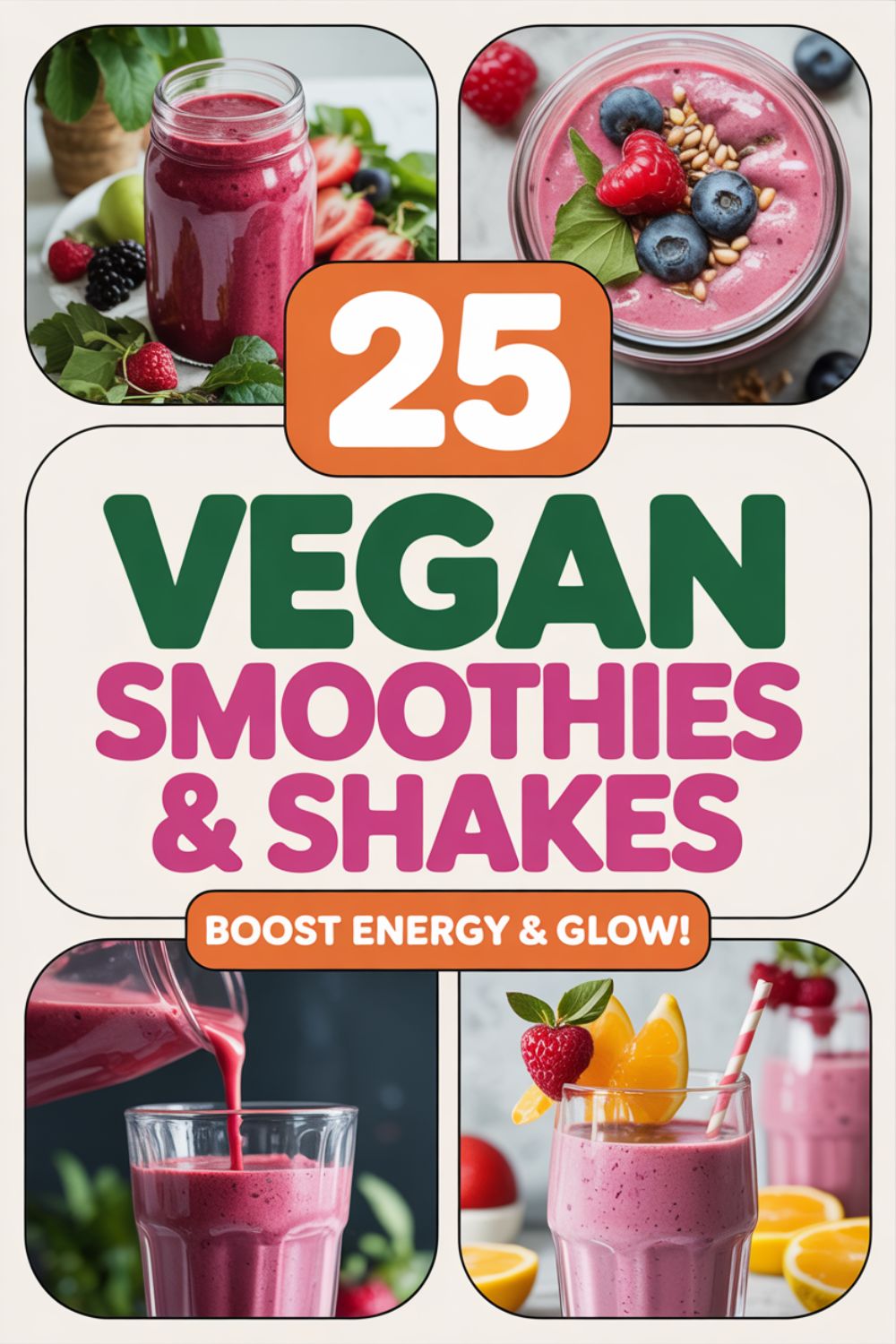
25 Vegan Smoothies and Shakes for Energy and Glow
Listen, I get it. You’re standing in your kitchen at 7 AM, bleary-eyed and wondering how you’re supposed to fuel your body without mainlining coffee. You want energy that lasts past noon, skin that actually looks alive, and maybe—just maybe—a breakfast you don’t have to chew.
Welcome to the world of vegan smoothies that actually deliver. No sad green sludge here. No chalky protein powder aftertaste that haunts you until lunch. Just 25 blends that’ll make you look forward to waking up, because honestly? That tropical mango situation in your blender beats stale cereal any day.
Here’s the thing about plant-based smoothies: they’re not some trendy wellness flex. Research from Johns Hopkins Medicine shows that fruits and vegetables are packed with flavonoids that work as antioxidants, reducing inflammation and supporting cellular health. Translation? Your body actually uses this stuff.
Why Your Body Actually Wants These Smoothies
Before we dive into the recipes (patience, my friend), let’s talk about why vegan smoothies are having their moment. And no, it’s not just because they photograph well.
Plant-based smoothies pack a serious nutritional punch without the digestive chaos that comes from dairy. A comprehensive review in the Journal of the Academy of Nutrition and Dietetics found that plant-based foods rich in vitamins and polyphenols can significantly improve skin health—we’re talking better hydration, reduced hyperpigmentation, and improved elasticity. Your skin literally drinks this stuff up.
Plus, unlike those juice cleanses your coworker keeps raving about, smoothies keep all that fiber intact. You’re getting the whole fruit and veggie, which means sustained energy instead of the sugar spike-and-crash rollercoaster. Your blood sugar will thank you.
Pro Tip: Freeze your ripe bananas when they start getting spotty. They make smoothies ridiculously creamy without needing ice, which just waters everything down and nobody wants that.
The Secret to Smoothies That Actually Fill You Up
Real talk: a smoothie is only as good as its ability to keep you full until your next meal. Nobody wants to be raiding the snack drawer an hour later.
The magic formula? Protein, healthy fats, and fiber. Think of it as the holy trinity of satisfaction. I’m talking nut butters, chia seeds, hemp hearts, and plant-based protein powders. These additions turn your smoothie from a glorified juice box into an actual meal.
I personally lean on this organic almond butter because it blends smooth and doesn’t leave that gritty texture some brands do. And for protein powder, this vanilla pea protein is subtle enough that it doesn’t overpower everything else. Some protein powders taste like you’re drinking cardboard. This one doesn’t.
Green Goddess Smoothies (The Ones That Don’t Taste Like Lawn Clippings)
Let’s address the elephant in the room: green smoothies have a PR problem. Too many people have been traumatized by straight kale blends that taste like punishment.
The trick is balance. You need enough fruit to make it palatable, but not so much that you’re basically drinking a milkshake. Start with spinach instead of kale—it’s milder and blends into oblivion. Add frozen mango or pineapple for sweetness, throw in half an avocado for creaminess, and boom. You’ve got something your taste buds won’t revolt against.
My go-to green blend includes spinach, frozen mango, banana, almond milk, and a scoop of vanilla protein. Blend it in this high-speed blender and you won’t even know there’s a vegetable situation happening. It tastes like a tropical vacation, not a salad.
Speaking of green goodness, if you’re serious about upping your veggie intake beyond smoothies, check out these vegan breakfast ideas that’ll actually make mornings bearable.
“I was skeptical about green smoothies until I tried the spinach-mango combo. Now it’s my pre-workout ritual, and I swear my skin looks clearer after two weeks.” — Jessica, community member
Berry Blast Smoothies (Nature’s Energy Drink)
Berries are basically tiny antioxidant bombs. Research published in the Journal of Clinical and Aesthetic Dermatology shows that the polyphenols in berries can help protect against cellular damage and support healthy, youthful-looking skin. They’re also lower in sugar than most fruits, which makes them perfect for keeping your energy steady.
My berry rotation includes frozen mixed berries (cheaper than buying them separately), a handful of spinach (trust me), banana for creaminess, and either coconut milk or oat milk. Sometimes I’ll toss in a tablespoon of ground flaxseed for omega-3s, which are excellent for brain function and heart health.
The best part? You can make these smoothies in bulk. I prep these freezer-safe mason jars with all the ingredients on Sunday, then just dump and blend throughout the week. Five minutes in the morning is all it takes. Get Full Recipe
Tropical Paradise Blends (When You Need Vacation Vibes)
There’s something about tropical smoothies that makes you feel like you should be on a beach somewhere. Mango, pineapple, coconut—these flavors transport you, even when you’re just standing in your kitchen in pajamas.
Pineapple is criminally underrated in smoothies. It’s naturally sweet, packed with vitamin C, and contains bromelain, an enzyme that aids digestion. Mango brings creaminess and a massive dose of vitamin A, which is crucial for skin health and immune function.
For a foolproof tropical blend, combine frozen mango, pineapple chunks, a splash of coconut milk, fresh lime juice, and a tiny pinch of turmeric. That last addition might seem random, but Healthline research confirms that turmeric’s anti-inflammatory properties are legit. Plus, it gives your smoothie this gorgeous golden color that looks amazing in photos. Not that you’re doing this for Instagram. But if you were, it would look great.
Looking for more ways to incorporate these tropical flavors into your meals? These easy vegan dinners have some creative fruit and veggie combos that actually work.
Quick Win: Buy frozen tropical fruit mixes instead of fresh. They’re pre-cut, often cheaper, and you don’t have to deal with the weird timing of when mangoes decide to ripen all at once.
Chocolate Lover’s Smoothies (Dessert That Fuels You)
Here’s a controversial take: chocolate smoothies can be healthy. I know, I know. But hear me out.
Raw cacao powder is different from the sugar-bomb hot chocolate mix your mom made. It’s loaded with antioxidants, magnesium, and iron. Combined with banana, almond butter, dates for sweetness, and plant-based milk, you get something that tastes indulgent but actually nourishes you.
I blend frozen banana, two tablespoons of raw cacao powder, a scoop of chocolate protein powder, almond milk, a spoonful of almond butter, and a couple of pitted dates. The result? Something that tastes like a Wendy’s Frosty but won’t make you crash an hour later.
The dates provide natural sweetness without refined sugar, and they’re packed with fiber. Plus, they give the smoothie this incredible thick, milkshake-like texture. If you’ve never blended with dates before, soak them in hot water for 10 minutes first. Game changer.
Protein-Packed Power Smoothies
Let’s get real about protein for a second. If you’re active, vegan, or just trying to build muscle, you need more protein than your average fruit smoothie provides. The solution? Strategic additions that don’t turn your drink into a chalky nightmare.
Plant-based protein powder is the obvious choice, but don’t sleep on whole food protein sources. Hemp hearts add 10 grams of protein per 3 tablespoons and blend completely smooth. Nut butters contribute protein plus healthy fats. Even silken tofu blends into smoothies without affecting the taste—seriously, try it before you judge.
My post-workout smoothie includes banana, frozen berries, vanilla pea protein powder, almond milk, a tablespoon of almond butter, and a handful of spinach. It clocks in at around 30 grams of protein, keeps me full for hours, and doesn’t taste like gym sock.
For more high-protein plant-based meal ideas that’ll keep you satisfied, check out these high-protein vegan meals that actually deliver on the fullness factor.
Energizing Morning Smoothies (Coffee’s Competition)
I’m not here to tell you to quit coffee. But these smoothies can seriously upgrade your morning energy situation. Instead of that jittery, anxious buzz followed by a mid-morning crash, you get sustained energy that actually lasts.
The secret? Complex carbs from oats, protein, healthy fats, and a touch of natural sugar from fruit. This combination gives you steady glucose release instead of the spike-and-crash cycle. Your blood sugar stays stable, your energy stays consistent, and you don’t find yourself face-down in a bag of chips by 11 AM.
Try this: rolled oats, banana, almond butter, cinnamon, vanilla extract, dates, and almond milk. Blend it all together and you’ve got something that tastes like oatmeal cookie dough but actually fuels your morning. The oats make it thick and satisfying, almost like a smoothie bowl but drinkable. Get Full Recipe
Smoothie-Making Essentials I Actually Use
- High-Speed Blender – Makes everything silky smooth, no chunks of spinach hiding in there
- Glass Storage Jars – Perfect for meal prep and they don’t absorb smells like plastic
- Reusable Straws – Because regular straws are too narrow for thick smoothies and we’re trying to save turtles here
- Smoothie Formula Guide (Digital) – My master template for creating balanced smoothies
- Weekly Meal Prep Tracker – Keeps your smoothie ingredients organized and nothing goes bad
- Vegan Protein Guide – Complete breakdown of plant-based protein sources and how to use them
Glow-Boosting Skin Smoothies
Alright, let’s talk about the glow factor. Because yes, what you eat absolutely affects your skin, and multiple studies in dermatology journals back this up.
Plant-based foods rich in vitamins C and E, beta-carotene, and antioxidants support collagen production, protect against oxidative damage, and improve skin barrier function. This isn’t some wellness influencer making stuff up—this is actual science.
For skin-focused smoothies, load up on carrots (vitamin A), berries (antioxidants), citrus (vitamin C), and add-ins like chia seeds (omega-3s) and almond butter (vitamin E). My favorite glow smoothie combines frozen mango, carrot juice, orange, banana, turmeric, and ginger. It’s bright orange, tastes amazing, and your skin will look noticeably better after making this a regular thing.
The turmeric-ginger combo isn’t just trendy—it’s genuinely anti-inflammatory and can help reduce skin redness and irritation. Just be careful with turmeric because it stains everything it touches. Learn from my mistakes and don’t blend in your white shirt.
Detox Smoothies (Without the Sketchy Claims)
Let’s clear something up: your liver and kidneys already detox your body. That’s literally their job. But can certain smoothies support these processes? Sure.
Hydrating ingredients like cucumber and celery, antioxidant-rich berries, fiber from leafy greens—these help your body’s natural detoxification systems work efficiently. Think of it as supporting your body’s maintenance crew, not replacing them.
A solid “detox” smoothie might include cucumber, celery, green apple, lemon, ginger, spinach, and coconut water. It’s refreshing, hydrating, and won’t make ridiculous promises about removing “toxins.” Because again, that’s what your organs do. These smoothies just give them good raw materials to work with.
Want to expand your plant-based repertoire beyond smoothies? These fresh vegan salads use similar ingredients and are equally energizing.
Pro Tip: Add a squeeze of lemon or lime to any green smoothie. The acid brightens the flavor and helps your body absorb the iron from leafy greens. Plus it makes everything taste way fresher.
Seasonal Smoothie Variations
Here’s something nobody talks about: smoothie seasonality. In winter, cold smoothies don’t hit the same way. Your body wants warmth, not an icy beverage at 7 AM when it’s 30 degrees outside.
Solution? Room temperature or slightly warmed plant milk, warming spices like cinnamon and ginger, and skip the ice. You can still have smoothies year-round without feeling like you’re punishing yourself.
Winter smoothies should lean into heartier ingredients: apples, pears, dates, cinnamon, nutmeg, cardamom. Think fall flavors that actually make sense when it’s cold outside. In summer, go wild with frozen fruit, fresh mint, cucumber, and all the berries.
Immunity-Boosting Blends
We’re not making medical claims here, but certain ingredients have been shown to support immune function. Citrus fruits (vitamin C), ginger (anti-inflammatory), berries (antioxidants), and leafy greens (various vitamins and minerals) all play a role.
My immune-support smoothie includes orange, frozen mango, carrot, fresh ginger, turmeric, banana, and a handful of spinach. It’s like a multivitamin that doesn’t taste like vitamins. The ginger gives it a slight kick, the orange makes it sweet, and the carrot adds body without being noticeable.
If you’re trying to eat more immune-supporting foods, these warming vegan soups are perfect for colder months and packed with nutrients.
Post-Workout Recovery Smoothies
Your muscles need protein and carbs after exercise. This isn’t bro science—your body is literally trying to repair and rebuild, and it needs raw materials to do that.
Post-workout smoothies should hit that 3:1 or 4:1 carb-to-protein ratio. Banana provides quick-absorbing carbs, protein powder rebuilds muscle, and a little nut butter adds healthy fats for nutrient absorption.
I keep individual smoothie packs in my freezer specifically for post-gym situations. Everything’s pre-portioned, so I just dump, blend with protein powder and milk, and I’m done. Takes literally 2 minutes, and I don’t have to think about ratios when I’m exhausted.
“Started making recovery smoothies after my morning runs, and I’m genuinely less sore. Plus I actually look forward to them, which makes me more consistent with working out.” — Marcus, community member
Smoothie Bowls vs. Drinkable Smoothies
Smoothie bowls are basically Instagram’s favorite breakfast. And look, they’re great if you have time. But let’s be honest—most mornings, you need something you can drink on your way out the door.
The difference is mostly texture. Bowls are thicker (less liquid, more frozen fruit) and topped with granola, seeds, and fruit. Drinkable smoothies have more liquid and go down easier. Neither is better—it depends on your morning chaos level.
When I do make bowls, I use these wide-mouth jars so I can eat directly from them without making a mess. Less dishes, more eating. And honestly, eating from a jar somehow makes breakfast feel more intentional, even when I’m still in pajamas.
Budget-Friendly Smoothie Strategies
Let’s address the elephant in the produce aisle: smoothie ingredients can get expensive fast. Especially the “superfoods” that wellness blogs love to push.
Here’s how to do this without going broke: Buy frozen fruit in bulk bags. It’s cheaper than fresh, already prepped, and honestly tastes better in smoothies. Stock up when your local store has sales on bananas—freeze them immediately. Use spinach instead of fancy greens. It’s mild, cheap, and blends perfectly.
Skip the expensive add-ins. You don’t need acai powder, spirulina, or protein powder made from unicorn tears. Regular bananas, frozen berries, spinach, and peanut butter will give you 90% of the benefits at 10% of the cost. Don’t let wellness culture convince you that cheap ingredients are somehow inferior.
For more budget-conscious plant-based meals, these vegan meal prep ideas will stretch your grocery budget while keeping things interesting.
Tools & Resources That Actually Help
- Immersion Blender – Perfect for single servings and way easier to clean
- Silicone Ice Cube Trays – Freeze leftover smoothies in cubes for easy smoothie bowls later
- Kitchen Scale – Helps you track portions if you’re into that, also useful for baking
- 30-Day Smoothie Challenge – Daily recipes and prep tips to build the habit
- Ingredient Substitution Guide – Never get stuck without a specific ingredient again
- Join Our Plant-Based Community – WhatsApp group for recipe swaps and support
Common Smoothie Mistakes (And How to Fix Them)
After years of smoothie making, I’ve made every mistake possible. Let me save you the trouble.
Mistake #1: Too much liquid. Your smoothie shouldn’t be soup. Start with less liquid than you think you need, then add more if it won’t blend. You can always thin it out, but you can’t un-water-down a sad, thin smoothie.
Mistake #2: Not enough fat. Fat carries flavor and keeps you full. Without it, your smoothie might taste flat and leave you hungry. Add nut butter, avocado, or coconut milk. Your taste buds and your satiety levels will thank you.
Mistake #3: Blending in the wrong order. Liquid first, then soft stuff (banana, avocado), then frozen items on top. This helps everything blend evenly and you won’t burn out your blender motor trying to move frozen chunks around.
How to Make Your Smoothies Last Longer
Smoothies are best fresh, but life happens. If you need to prep ahead, squeeze in some lemon or lime juice—the acid helps prevent oxidation and browning. Store in an airtight container (seriously, airtight matters) and keep it as cold as possible.
Smoothies will last about 24 hours in the fridge. After that, they separate and get weird. Freezing them works better for longer storage, but the texture changes. They’re fine for smoothie bowls but less great for drinking.
Honestly, though? The best strategy is just making them fresh. It takes 5 minutes. You spend longer scrolling Instagram while pretending to be productive.
Navigating Dietary Restrictions
One of the best things about smoothies is how adaptable they are. Nut allergy? Use seeds instead—sunflower seed butter, hemp hearts, and tahini all work beautifully. Soy-free? Skip the soy milk and protein powder—oat milk and pea protein have you covered.
Low FODMAP? Stick to strawberries, blueberries, and kiwi instead of high-FODMAP fruits like mango and watermelon. Use lactose-free plant milk and skip the dates. It’s all workable with a little planning.
The point is, you can make these work for basically any dietary need. Don’t let restrictions stop you from enjoying a good smoothie. There’s always a substitution that works.
Sustainable Smoothie Habits
Let’s talk about the environmental side of this. Buying fresh produce that goes bad before you use it? That’s wasteful. Frozen fruit solves this problem—it’s picked at peak ripeness and frozen immediately, so nothing spoils before you use it.
Buy in bulk when possible. Those individual smoothie packets are convenient but create so much unnecessary packaging. Get big bags of frozen fruit, portion them yourself, and use reusable silicone bags for storage.
Choose plant-based milk brands that use minimal packaging or, better yet, make your own. Homemade oat milk takes 5 minutes and costs pennies. You just need oats, water, and a nut milk bag for straining.
Looking for more sustainable plant-based recipes? These vegan pasta dishes use pantry staples and create minimal waste.
Quick Win: Save veggie scraps (carrot tops, celery leaves, herb stems) in the freezer. Toss them into savory smoothies or use them for making vegetable broth. Waste nothing, eat everything.
25 Smoothie Recipes at a Glance
Alright, here’s your master list. Mix and match, adapt to your taste, and don’t stress about following recipes exactly. Smoothies are forgiving—if it tastes good and fills you up, you did it right.
- Classic Green Machine: Spinach, mango, banana, almond milk, protein powder
- Berry Blast: Mixed berries, banana, spinach, oat milk, chia seeds
- Tropical Paradise: Mango, pineapple, coconut milk, lime, turmeric
- Chocolate Almond: Banana, cacao powder, almond butter, dates, almond milk
- Peanut Butter Power: Banana, peanut butter, oats, cinnamon, soy milk
- Orange Creamsicle: Orange, mango, vanilla protein, coconut milk
- Apple Pie: Apple, banana, oats, cinnamon, nutmeg, almond milk
- Matcha Energy: Matcha powder, banana, spinach, dates, oat milk
- Carrot Cake: Carrots, banana, dates, cinnamon, walnuts, oat milk
- Blueberry Muffin: Blueberries, banana, oats, vanilla, almond milk
- Mint Chocolate Chip: Spinach, banana, cacao nibs, mint, almond milk
- Strawberry Banana Classic: Strawberries, banana, hemp hearts, soy milk
- Ginger Peach: Frozen peaches, banana, fresh ginger, turmeric, oat milk
- Cucumber Mint: Cucumber, mint, lime, apple, spinach, coconut water
- Cherry Vanilla: Frozen cherries, banana, vanilla protein, almond milk
- Pumpkin Spice: Pumpkin puree, banana, cinnamon, nutmeg, dates, oat milk
- Mango Lassi Style: Mango, coconut yogurt, cardamom, lime, oat milk
- Coffee Protein: Cold brew, banana, chocolate protein, almond butter, almond milk
- Red Velvet: Beets, banana, cacao, vanilla, almond milk
- Acai Berry Bowl Base: Acai, banana, berries, minimal liquid (thick for bowls)
- Golden Milk: Banana, turmeric, ginger, cinnamon, black pepper, coconut milk
- Kiwi Pineapple: Kiwi, pineapple, spinach, lime, coconut water
- Fig & Walnut: Figs, banana, walnuts, cinnamon, oat milk
- Raspberry Chocolate: Raspberries, banana, cacao powder, dates, soy milk
- Papaya Lime: Papaya, banana, lime, ginger, coconut milk
Each of these follows the basic formula: liquid base, fruit for sweetness, optional greens, protein/fat source, and fun additions. Once you understand the pattern, you can create infinite variations. Get Full Recipe
Need more quick meal ideas? These packable vegan lunches pair perfectly with morning smoothies for all-day plant-based energy.
Making Smoothies a Sustainable Habit
Here’s the thing about any healthy habit: it only works if you actually do it consistently. And consistency comes from making things easy, not willpower.
Set yourself up for success. Keep your freezer stocked with frozen fruit. Buy bananas every week and freeze them immediately when they get ripe. Have plant milk on hand. Store protein powder where you can see it. The less friction between you and your smoothie, the more likely you’ll make it.
Prep smoothie packs on Sunday. Portion out everything except liquid into containers or bags, freeze them, and you’ve got grab-and-blend breakfasts for the week. It takes 20 minutes of prep for 5 days of effortless mornings. That’s a trade worth making.
And look, some mornings you won’t want a smoothie. That’s fine. These aren’t the only thing you can eat for breakfast. But having the option ready to go means you’re more likely to choose something nutritious instead of whatever’s fastest.
Frequently Asked Questions
Can I prep smoothies the night before?
Yes, but with caveats. Store them in airtight containers in the fridge for up to 24 hours. Add lemon or lime juice to prevent browning. The texture changes slightly and you’ll need to shake it before drinking, but it beats skipping breakfast. For longer storage, freeze smoothie packs with all ingredients except liquid.
How do I make smoothies without a high-powered blender?
Use softer fruits, thaw frozen ingredients slightly, add liquid first, and blend longer. Cut everything into smaller pieces before blending. If your blender struggles with leafy greens, blend them with liquid first, then add fruit. A regular blender works fine—you just need to baby it a bit more.
Are smoothies actually filling or will I be hungry in an hour?
Depends on what you put in them. Fruit-only smoothies spike your blood sugar and leave you hungry fast. Add protein (powder, nut butter, hemp hearts), healthy fats (avocado, nuts, seeds), and some oats or chia seeds for fiber. This combination keeps you full for 3-4 hours easily.
What’s the best plant milk for smoothies?
Personal preference, honestly. Oat milk is creamy and slightly sweet, almond milk is neutral and low-calorie, soy milk has more protein, coconut milk is rich and tropical. Try different ones and see what you like. Unsweetened varieties work best so you control the sweetness level yourself.
Can I add vegetables to any smoothie without ruining the taste?
Spinach is your friend—it’s so mild that you genuinely can’t taste it once blended with fruit. Start with a handful, work your way up. Frozen cauliflower adds creaminess without flavor. Carrots work in citrus or tropical blends. Avoid cruciferous veggies like broccoli unless you want your smoothie to taste like… broccoli.
Final Thoughts
Look, smoothies aren’t magic. They won’t transform your life overnight or give you supernatural energy. But as a consistent breakfast habit? They’re pretty solid.
You’re getting fruits, vegetables, protein, and healthy fats in one convenient package. You can make them in 5 minutes, take them on the go, and customize them endlessly. They’re budget-friendly if you shop smart, and they actually taste good when you don’t try to turn them into punishment drinks.
Start with one or two recipes from this list. Get comfortable with the basic formula. Then experiment. Add weird ingredients. Make mistakes. Figure out what works for your taste buds and your schedule.
The point isn’t perfection. It’s having another tool in your plant-based eating toolkit—one that makes mornings easier and keeps you fueled without requiring you to think too hard before your first coffee kicks in.
Now go blend something and stop overthinking it. Your blender’s been gathering dust long enough.