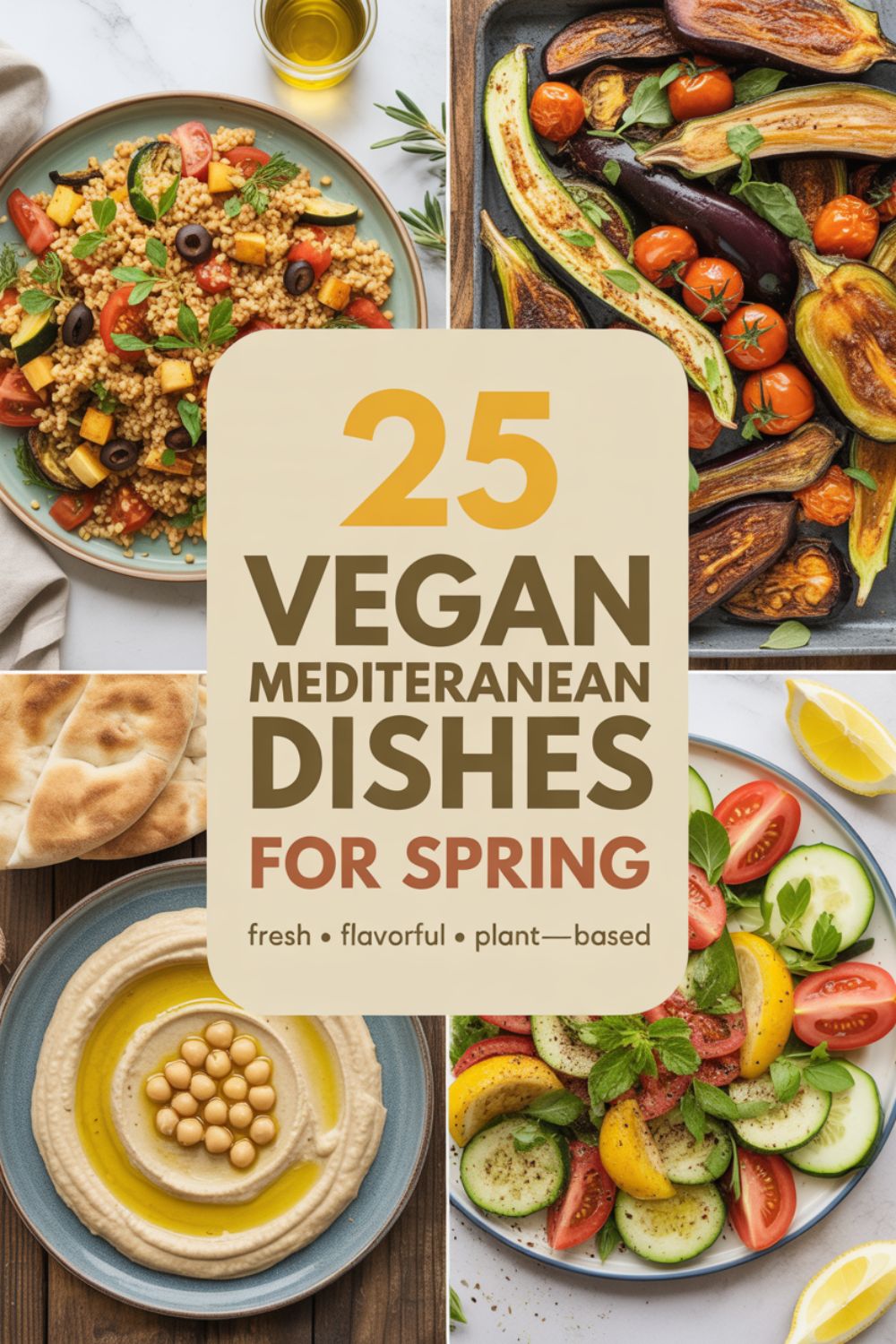
25 Vegan Mediterranean Dishes for Spring
Spring finally decided to show up, and honestly, I couldn’t be happier. There’s something about those first warm days that makes me want to throw open every window and eat nothing but fresh vegetables for a week straight. Maybe it’s the farmer’s markets overflowing with asparagus and peas, or maybe I’m just tired of winter’s heavy comfort foods.
Either way, Mediterranean cooking feels like it was invented specifically for this moment. Light but satisfying, bursting with herbs, and colorful enough to make your Instagram followers actually jealous for once. Plus, going full vegan with Mediterranean dishes is way easier than you’d think—most of the region’s best recipes were already plant-based to begin with.
I’ve been cooking my way through these dishes for the past few weeks, and let me tell you, my kitchen has never smelled better. We’re talking sun-dried tomatoes, fresh basil, lemon zest, garlic that’ll ward off vampires and boring meals simultaneously. These aren’t just recipes you make once and forget—they’re the kind you’ll keep coming back to all season long.
So grab your best olive oil (yes, it matters), sharpen your knife, and let’s talk about 25 vegan Mediterranean dishes that’ll make you wonder why you ever bothered with anything else.
Why Mediterranean Food Just Hits Different in Spring
Look, I’m not saying other cuisines don’t have their moment. But Mediterranean cooking in spring? That’s peak food experience right there. The whole philosophy behind it matches perfectly with what’s actually growing this time of year.
Think about it—asparagus, artichokes, fava beans, peas, fresh herbs like mint and dill. All of that shows up in markets right when you’re desperately craving something lighter than the stews and casseroles you’ve been eating since November. Research from Harvard shows that the Mediterranean dietary pattern reduces risk of heart disease, metabolic syndrome, and even depression—which honestly tracks, because eating this way genuinely makes you feel better.
The best part? You don’t need fancy ingredients or complicated techniques. Most Mediterranean recipes rely on quality produce, good olive oil, and simple preparations that let the ingredients actually taste like themselves. Revolutionary concept, I know.
And before anyone asks—yes, Mediterranean food can absolutely be vegan. Traditional recipes from the region have relied on vegetables, legumes, and grains for centuries, mainly because meat was expensive and saved for special occasions. We’re just cutting out the occasional yogurt or feta, which is easy enough to work around.
For more plant-based inspiration throughout the week, check out these easy vegan meal prep ideas that’ll save your sanity when things get hectic.
The Essential Spring Vegetables You’ll Be Using
Spring vegetables are the backbone of these recipes, and honestly, they’re so good right now that you barely need to do anything to them. Just don’t overcook them into mushy sadness, and you’re golden.
Asparagus
Asparagus is having its moment from March through June, and you should take full advantage. Look for firm stalks with tight tips—if they’re looking sad and wilted, move on. I usually snap off the woody ends (they’ll break naturally where they should) and either roast them with olive oil and lemon or toss them into pasta.
The thick stalks people avoid? Those are actually my favorite. They have more flavor and hold up better to cooking. Just peel the bottom third if they seem tough, and you’re good to go.
Artichokes
Fresh artichokes intimidate people way more than they should. Yeah, there’s some trimming involved, but once you get the hang of it, they’re incredibly versatile. Steamed with lemon and olive oil, braised with white wine and herbs, or marinated and grilled—all excellent options.
If you’re not feeling the whole fresh artichoke process (no judgment), good-quality jarred artichoke hearts work great for most recipes. Just rinse them well because the brine can be aggressively salty.
Fava Beans
Fava beans require more work than I’d like to admit, but they’re worth it for special occasions. You’ve got to shell them, blanch them, and then peel off the outer skin on each bean. It’s tedious, but the result is these beautiful, bright green beans with a subtle, almost buttery flavor.
That said, if you see frozen peeled fava beans, grab them immediately. They’re a massive time-saver and taste nearly identical to the fresh version.
Peas and Sugar Snap Peas
Fresh peas are a completely different vegetable than the frozen ones you grew up with. Sweet, crisp, and perfect for eating raw or barely cooked. Sugar snap peas are even easier—just trim the ends and eat the whole thing.
I usually keep both on hand during spring because they’re incredibly versatile. Throw them in salads, pasta, grain bowls, or just eat them as a snack. Sometimes simple is better, and a good quality vegetable peeler makes prep so much faster.
Speaking of spring vegetables, you’ll find tons of ways to use them in these fresh vegan meals for spring that celebrate seasonal produce.
25 Vegan Mediterranean Dishes That’ll Define Your Spring
Alright, let’s get into the actual recipes. I’ve organized these by meal type because that’s how normal humans think about food, and I’m trying to be helpful here.
Breakfast & Brunch
- Shakshuka with Chickpeas – The traditional version has eggs, but swapping them for chickpeas in a spiced tomato sauce works surprisingly well. Top it with fresh herbs and serve with crusty bread for dipping. Get Full Recipe
- Greek-Style Tofu Scramble – Crumbled tofu seasoned with turmeric, nutritional yeast, and za’atar, mixed with tomatoes, spinach, and olives. It’s basically a deconstructed Greek salad for breakfast, and yes, it’s as good as it sounds.
- Orange Blossom Overnight Oats with Pistachios – Rolled oats soaked in almond milk with a hint of orange blossom water, topped with crushed pistachios and fresh berries. Prepare it the night before, and breakfast is handled.
- Savory Chickpea Flour Pancakes (Socca) – These are crispy on the outside, custardy in the middle, and insanely addictive. Top them with sautéed vegetables or eat them plain with olive oil and herbs.
If you’re looking for more morning inspiration, these vegan breakfast ideas will give you enough variety to never get bored.
Soups & Stews
- Lemon Lentil Soup with Spinach – Red lentils cook down into a creamy base, finished with lemon juice and fresh spinach. It’s comforting without being heavy, which is exactly what spring calls for. Get Full Recipe
- White Bean and Escarole Stew – Escarole gets tender and slightly bitter in a good way, balanced by creamy white beans and plenty of garlic. This is the kind of stew that makes you feel like you’re doing something good for your body.
- Greek-Style Tomato and Chickpea Soup – Light tomato broth loaded with chickpeas, oregano, and a generous drizzle of olive oil. Serve it with a squeeze of lemon and some crusty bread.
Salads That Actually Fill You Up
- Fattoush with Spring Vegetables – Crispy pita chips tossed with cucumbers, radishes, tomatoes, and a tangy sumac dressing. The contrast between the crunchy bread and fresh vegetables is perfection.
- Israeli Couscous Salad with Herbs and Lemon – Pearl couscous (which is actually pasta, despite the name) mixed with tons of fresh herbs, cherry tomatoes, and a bright lemon dressing. Great for meal prep because it gets better as it sits.
- Roasted Asparagus and White Bean Salad – Asparagus roasted until slightly charred, tossed with white beans, arugula, and a lemon-dijon vinaigrette. This is substantial enough to be a meal on its own. Get Full Recipe
- Tabbouleh with Quinoa – Traditional tabbouleh is mostly parsley with a little bulgur, but using quinoa makes it more filling and adds extra protein. Still bright and herbaceous, just more substantial.
For even more creative salad combinations, explore these vegan salad recipes that prove salads don’t have to be boring.
Main Dishes
- Stuffed Grape Leaves (Dolmas) – Rice, herbs, pine nuts, and currants wrapped in tender grape leaves. These take some time to roll, but they’re excellent for entertaining or meal prep. Use a good quality baking dish to keep them snug while cooking.
- Moroccan Vegetable Tagine – A slow-cooked stew of spring vegetables, chickpeas, and dried apricots with warm spices like cinnamon, cumin, and coriander. Serve it over couscous or with flatbread.
- Eggplant and Tomato Bake (Briam) – Layers of eggplant, zucchini, potatoes, and tomatoes baked until everything is tender and slightly caramelized. It’s simple but somehow tastes like you spent all day in the kitchen. Get Full Recipe
- Gigantes Plaki (Greek Baked Beans) – Giant white beans baked in a rich tomato sauce with dill and parsley. The beans get creamy on the inside while soaking up all the flavor from the sauce.
- Spanakopita-Inspired Phyllo Bake – Layers of crispy phyllo dough filled with spinach, fresh herbs, and tofu ricotta. It’s got all the flavor of traditional spanakopita without the dairy. A pastry brush makes working with phyllo much less frustrating, trust me.
If you’re craving even more hearty options, these easy vegan dinner recipes have you covered for the whole week.
Meal Prep Essentials Used in This Plan
These are the ingredients and resources that make cooking these dishes infinitely easier. Not sponsored, just genuinely helpful.
- Quality Olive Oil – Get a mid-range bottle from a specialty store. Your food will actually taste like something.
- Glass Meal Prep Containers – For storing leftovers and prepped ingredients. Skip the plastic; glass doesn’t get weird after three uses.
- Microplane Zester – For lemon zest, garlic, and ginger. Once you have one, you’ll wonder how you ever lived without it.
- Ultimate Vegan Grocery List (Free Printable) – Download this to never forget an ingredient again.
- 21-Day Vegan Smoothie Plan – Perfect for quick breakfasts when you’re not feeling the full Mediterranean spread.
- 30-Day Vegan Challenge – A structured guide if you’re new to plant-based eating and want some direction.
Pasta & Grains
- Lemon Orzo with Peas and Mint – Tiny pasta cooked in vegetable broth, tossed with fresh peas, mint, and a generous amount of lemon zest. It’s light, bright, and ready in under 20 minutes.
- Sicilian Pasta with Eggplant and Tomatoes – Pasta alla Norma without the ricotta salata. Fried eggplant, tomato sauce, and fresh basil make this a classic for good reason. Get Full Recipe
- Mediterranean Farro Pilaf – Nutty farro cooked with vegetable stock, mixed with sun-dried tomatoes, olives, and toasted pine nuts. This works as a side dish or a light main.
- Vegan Pastitsio – Greek baked pasta with a rich tomato-lentil sauce and a creamy béchamel made from cashews. It’s comfort food that happens to be entirely plant-based.
Pasta lovers should definitely check out these vegan pasta dishes for even more Mediterranean-inspired options.
Sides & Small Plates
- Roasted Carrots with Harissa and Tahini – Carrots roasted until caramelized, drizzled with spicy harissa and creamy tahini sauce. The combination is ridiculously good.
- Crispy Smashed Potatoes with Za’atar – Boiled potatoes smashed flat and roasted until crispy, seasoned with za’atar and flaky salt. These are dangerously addictive. A cast iron skillet gives you the best crispy edges.
- Grilled Zucchini with Mint and Lemon – Zucchini sliced lengthwise, grilled until charred, and dressed with fresh mint, lemon juice, and olive oil. Simple but incredibly flavorful.
- Blistered Tomatoes with Garlic and Basil – Cherry tomatoes cooked in olive oil until they burst, creating a sauce that’s perfect for dipping bread or tossing with pasta.
- Marinated Olives and Artichokes – A simple antipasto plate with olives, artichoke hearts, sun-dried tomatoes, and roasted red peppers, all marinated in olive oil and herbs. Perfect for snacking or entertaining.
How to Actually Make These Dishes Work in Your Life
Having 25 recipes is great until you realize you still have to, you know, actually cook them. Here’s how to make this manageable without losing your mind.
Start with What You Already Know
Don’t try to make all 25 dishes in one week. That’s insane, and you’ll burn out immediately. Pick three or four recipes that sound appealing and start there. Once those become comfortable, add a couple more to your rotation.
I usually focus on one or two new recipes per week alongside dishes I already know how to make. This keeps things interesting without making every meal feel like a cooking exam.
Prep Your Ingredients in Batches
Sunday afternoon is when I chop vegetables, cook grains, and prep ingredients for the week. It sounds boring, and honestly, it kind of is. But it makes weeknight cooking infinitely easier when half the work is already done.
Wash and chop your vegetables as soon as you get home from the store. Cook a big batch of grains like quinoa, farro, or rice. Make a few jars of salad dressing. Future you will be very grateful. These vegan meal prep ideas break down the exact process I follow.
Use Your Freezer
Soups, stews, and grain-based dishes all freeze beautifully. I always make double batches and freeze half for those nights when cooking feels impossible. Label everything with the date and contents because three months later, you won’t remember what that mystery container holds.
Individual portions are especially helpful for lunches. Just grab one from the freezer in the morning, and by lunchtime, it’s ready to heat up. A set of freezer-safe containers makes this process much smoother.
Don’t Overthink It
Mediterranean cooking is supposed to be relaxed and enjoyable, not stressful. If a recipe calls for an ingredient you don’t have, substitute something similar. Can’t find fava beans? Use edamame or lima beans. Out of za’atar? Mix some thyme, sesame seeds, and sumac.
The point is to eat well and enjoy the process, not to follow recipes like they’re legally binding contracts. Some of my best meals have come from improvising with whatever was in the fridge.
The Pantry Staples That Make Everything Easier
Having a well-stocked pantry is the difference between throwing together a great meal in 20 minutes and staring blankly into your fridge wondering what went wrong with your life.
Olive Oil (The Good Stuff)
I mentioned this earlier, but it bears repeating: good olive oil matters. You don’t need the $50 bottle, but you do need something better than the cheapest option at the grocery store. Look for extra virgin, cold-pressed, and ideally in a dark bottle or tin to protect it from light.
Use the fancy stuff for dressings and finishing dishes. Save the mid-range bottle for cooking. According to Mayo Clinic’s Mediterranean diet guidelines, olive oil is the main source of fat in this eating pattern and provides beneficial monounsaturated fats that support heart health.
Dried Herbs and Spices
Oregano, thyme, rosemary, cumin, coriander, sumac, za’atar—these are your flavor foundation. Buy them in small amounts and replace them every six months to a year because they lose potency over time.
Fresh herbs are great when you can get them, but dried herbs are more practical for everyday cooking. I keep both on hand and use whichever makes sense for the dish.
Canned Goods That Don’t Suck
Good quality canned tomatoes, chickpeas, white beans, and artichoke hearts are lifesavers. Look for brands with minimal ingredients—just the vegetable, water, and maybe salt. Skip anything with weird preservatives or added sugar.
I also keep tahini, harissa paste, and capers in the pantry because they add instant flavor to otherwise simple dishes. For more pantry essentials, check out this list of high-protein vegan pantry staples.
Grains and Legumes
Quinoa, farro, bulgur, orzo, and various types of lentils give you endless options for building meals. They store well, cook relatively quickly, and provide substance without being heavy.
I cook grains in vegetable broth instead of water whenever possible. It adds flavor without any extra effort, and you’d be surprised how much difference it makes.
Tools & Resources That Make Cooking Easier
These aren’t necessarily essential, but they make the cooking process so much more enjoyable that I’d consider them worth it.
- Sharp Chef’s Knife – A good knife makes prep work faster and safer. You don’t need a whole set, just one quality chef’s knife.
- Dutch Oven – Perfect for soups, stews, and baked dishes. It goes from stovetop to oven and retains heat beautifully.
- Salad Spinner – Washing and drying greens without one is a special kind of annoying.
- Kitchen Tools Every Vegan Cook Needs – A comprehensive guide to building your kitchen toolkit.
- Best Vegan Cookbooks for Beginners – If you want more recipes and techniques beyond this list.
- 30-Day Vegan Eating Tracker – Helps you stay organized and see patterns in what you’re eating.
Making These Dishes Your Own
Recipes are guidelines, not commandments. Once you understand the basic techniques and flavor profiles of Mediterranean cooking, you can start improvising based on what you have available.
Seasonal Substitutions
These recipes focus on spring vegetables, but the same techniques work year-round with different produce. In summer, swap asparagus for green beans. In fall, use butternut squash instead of zucchini. Winter? Root vegetables like carrots, parsnips, and turnips work beautifully.
The core principles stay the same: quality ingredients, simple preparations, lots of olive oil and lemon, fresh herbs when possible. Everything else is flexible.
Protein Variations
Most of these dishes get their protein from legumes, but you can also add tofu, tempeh, or seitan if you want more variety. Marinated and grilled tofu works great in salads. Crumbled tempeh can replace ground meat in sauces and stews.
If you’re looking to increase protein content even more, these high-protein vegan meals provide tons of options that still fit the Mediterranean vibe.
Spice Level Adjustments
Mediterranean food isn’t typically spicy in the hot-pepper sense, but dishes like harissa-roasted vegetables or shakshuka can have some heat. Adjust according to your preference. More harissa for those who like it spicy, less or none for those who don’t.
Fresh herbs can also dial up or down the flavor intensity. Some people love aggressive amounts of mint and dill, while others prefer a lighter hand. Cook to your own taste, not what you think you’re supposed to like.
Common Mistakes and How to Avoid Them
Even straightforward recipes can go wrong if you’re not paying attention. Here are the mistakes I see most often and how to sidestep them.
Overcooking Vegetables
Vegetables should have some texture left when you’re done cooking them. Mushy, overcooked vegetables are sad and flavorless. Pay attention to cooking times, and when in doubt, undercook slightly—you can always cook them more, but you can’t undo mushiness.
Roasted vegetables should be tender with some caramelization, not soft and falling apart. Sautéed vegetables should still have a bit of bite. Steamed vegetables should be bright and vibrant, not dull and lifeless.
Underseasoning
Vegan food sometimes gets a bad rap for being bland, and honestly, that’s usually because people don’t season it properly. Salt brings out flavors. Lemon juice brightens everything. Fresh herbs add complexity.
Taste as you cook and adjust seasoning before serving. What tastes fine to you might need a little more salt or acid to really shine. And yes, that means actually tasting your food, not just trusting that the recipe got it right.
Skipping the Acid
Lemon juice, vinegar, sumac—Mediterranean cooking relies heavily on acidic ingredients to balance richness and brighten flavors. Don’t skip the lemon juice or reduce it because you’re worried about it being too sour. The acid is what makes these dishes taste vibrant instead of flat.
I always keep fresh lemons on hand and usually end up using more than the recipe calls for. If something tastes good but not great, add a squeeze of lemon. It’s surprising how often that’s the missing piece.
Using Low-Quality Ingredients
When recipes are this simple, the quality of ingredients matters more. Sad, flavorless tomatoes will result in sad, flavorless dishes. Rancid olive oil will make everything taste off. Stale spices won’t contribute anything meaningful.
This doesn’t mean you need to spend a fortune, but it does mean paying attention to what you’re buying. Shop at farmers markets when possible, smell your spices before using them, and taste your olive oil to make sure it’s still good.
Meal Planning with Mediterranean Dishes
Having a loose meal plan makes the week infinitely more manageable. I don’t plan every single meal down to the minute, but I do have a general idea of what I’m making and when.
Building a Balanced Week
I aim for variety throughout the week—different proteins, different cooking methods, different flavor profiles. Monday might be a grain bowl, Tuesday could be pasta, Wednesday a stew, Thursday a salad-based meal, and Friday something that requires minimal effort because I’m exhausted.
This prevents food boredom and ensures I’m getting a range of nutrients. It also means I’m not eating the same thing three days in a row unless I genuinely want to.
Leveraging Leftovers
Most of these dishes keep well for 3-4 days in the fridge, and many actually taste better the next day once the flavors have had time to meld. I intentionally make extra of things like grain salads, soups, and roasted vegetables so I have components ready to mix and match.
Leftover roasted vegetables can become a grain bowl topping, a pasta addition, or a sandwich filling. Leftover soup is lunch. Leftover grains get turned into a quick fried rice situation with whatever vegetables need to be used up.
For more structured meal planning strategies, check out these vegetarian meal prep ideas that work perfectly with Mediterranean cooking.
Quick Lunch Solutions
I’m not making elaborate lunches from scratch every day because I value my time and sanity. Instead, I rely on leftovers from dinner, grain bowls assembled from prepped components, or simple salads with whatever’s in the fridge.
Having a few go-to sauces and dressings makes this easier. Tahini sauce, lemon vinaigrette, and harissa yogurt (made with plant-based yogurt) can transform basic ingredients into something actually worth eating. These quick vegan lunches are perfect for this approach.
When You Need Something Sweet
Mediterranean desserts tend to be fruit-forward with nuts and honey, which translates easily to vegan versions. You don’t need elaborate cakes to finish a meal—simple, seasonal fruit with a drizzle of something sweet usually does the trick.
Poached pears with cinnamon and orange zest. Fresh figs with crushed pistachios and a drizzle of maple syrup. Grilled peaches with a sprinkle of thyme and a scoop of coconut ice cream. Oranges segmented and tossed with a little orange blossom water.
If you’re craving something more substantial, try almond-based cakes flavored with citrus, or phyllo pastry filled with nuts and sweetened with date syrup. Both are traditional and easy to make vegan.
For a wider variety of sweet options, these vegan desserts prove you don’t need dairy to make something incredible.
Eating Seasonally Beyond Spring
The Mediterranean approach to food is inherently seasonal, which means these principles apply year-round—you just change which vegetables you’re using.
Summer brings tomatoes, eggplant, peppers, and zucchini—perfect for ratatouille, grilled vegetable platters, and fresh salads. Fall transitions to heartier fare with pumpkin, mushrooms, and bitter greens. Winter leans into citrus, root vegetables, and slow-cooked stews.
The techniques stay consistent: roasting, grilling, simple sautés, and lots of olive oil and lemon. You’re just swapping out the vegetables based on what’s actually in season. This approach keeps your cooking interesting and ensures you’re eating produce at its peak flavor.
For summer-specific ideas, check out these light vegan summer meals and no-cook vegan meals for hot days. When fall arrives, these cozy vegan fall dinners will keep you satisfied.
Frequently Asked Questions
Can you really get enough protein from vegan Mediterranean dishes?
Absolutely. Chickpeas, lentils, white beans, and other legumes that show up constantly in Mediterranean cooking are all solid protein sources. A cup of cooked chickpeas has about 15 grams of protein, and lentils have even more. Add in nuts, seeds, and whole grains, and you’re easily hitting your protein goals without even trying that hard.
How do I make these recipes work if I can’t find certain ingredients?
Substitute freely. Can’t find sumac? Use lemon zest and a pinch of salt. No za’atar? Mix dried thyme with sesame seeds. Fresh fava beans sold out? Use edamame or lima beans instead. The specific ingredients matter less than understanding the flavor profile you’re going for—bright, herbaceous, and balanced with good olive oil and acid.
Are these dishes actually authentic, or are they Americanized versions?
They’re inspired by traditional Mediterranean cooking but adapted for accessibility and modern eating habits. Some are quite close to their traditional versions, others are more loosely interpreted. The goal isn’t perfect authenticity—it’s making delicious, healthy food that fits into your actual life.
How long do these dishes keep in the fridge?
Most will last 3-4 days when stored properly in airtight containers. Grain salads and bean dishes often taste better after a day or two as the flavors develop. Delicate salads with greens should be eaten within a day or two before they get soggy. Soups and stews freeze beautifully for up to three months.
Do I need special equipment to make these recipes?
Not really. A good chef’s knife, cutting board, a few pots and pans, and a baking sheet will get you through most of these recipes. A blender or food processor is helpful for making sauces and dressings, but you can often get by with a whisk and some elbow grease. Start with what you have and add tools as you find yourself needing them.
Spring and Mediterranean food were made for each other. The produce is at its peak, the weather makes you want lighter meals, and everything just tastes better when you’re not trapped inside eating stew for the fourth consecutive week.
These 25 dishes give you enough variety to keep things interesting without requiring you to become a full-time cook. Some are quick weeknight meals, others are leisurely weekend projects. All of them are worth making, and most will probably end up in your regular rotation.
Start with one or two recipes that sound appealing, get comfortable with the techniques, and build from there. Mediterranean cooking isn’t complicated—it’s just good ingredients treated well. You don’t need fancy skills or expensive equipment, just decent produce, quality olive oil, and the willingness to taste and adjust as you go.
So grab some asparagus, stock up on lemons, and make something that actually tastes like spring. Your kitchen will smell amazing, your meals will look like something out of a magazine, and you’ll probably feel pretty good about what you’re eating. Not a bad deal, honestly.