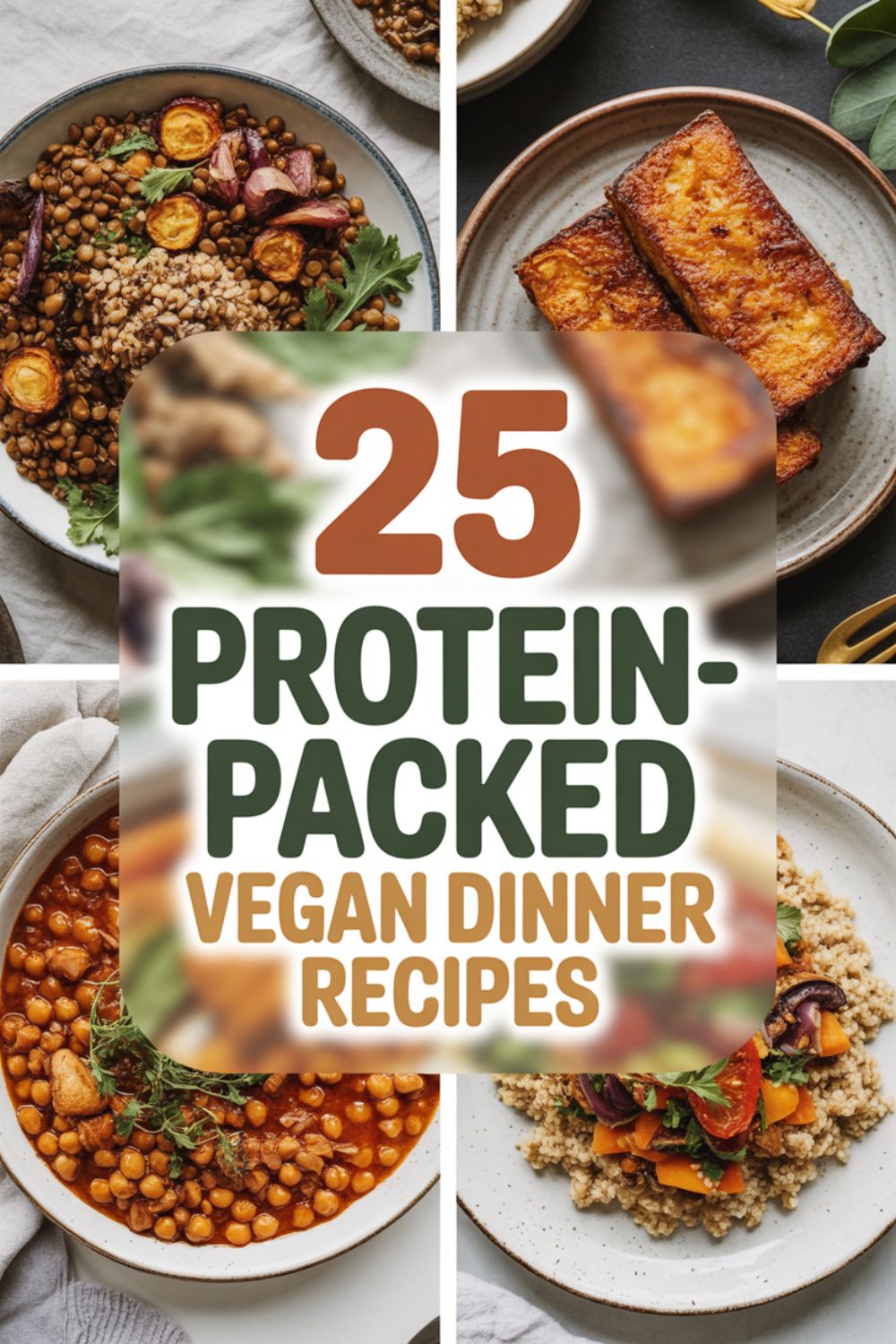
25 Protein-Packed Vegan Dinner Recipes That’ll Actually Keep You Full
Let’s get one thing straight: the whole “where do you get your protein?” question gets old fast. I’ve been eating plant-based for years now, and honestly? I’ve never felt stronger or more satisfied after meals. The trick isn’t some magical superfood or expensive supplement—it’s knowing which ingredients naturally pack a protein punch and how to combine them in ways that actually taste good.
Here’s the thing most people don’t realize about vegan protein—it’s everywhere. Lentils, chickpeas, tofu, tempeh, quinoa, even that handful of nuts you’re snacking on right now. The problem isn’t finding protein on a plant-based diet; it’s breaking out of the same three dinner rotations you’ve been stuck in since switching to plants.
I’m sharing 25 dinner recipes that prove you don’t need meat to feel satisfied. These aren’t your sad desk salads or those weird “nice cream” bowls people pretend are filling. We’re talking real, stick-to-your-ribs meals that happen to be loaded with plant protein.
Why Protein Matters on a Plant-Based Diet
Before we jump into the recipes, let’s talk about why you actually need protein. It’s not just for bodybuilders chugging shakes at 5 AM. Protein keeps you full between meals, helps your body repair itself, and basically runs the show for most of your bodily functions. Research shows that traditional legumes, nuts, and seeds provide sufficient protein to meet adult requirements, which means you don’t need to stress about hitting some impossible target.
Most adults need about 0.8 grams of protein per kilogram of body weight daily. For someone weighing 150 pounds, that’s roughly 54 grams per day. Totally doable on plants, especially when you’re intentional about it. The key is variety—mixing different protein sources throughout the day ensures you get all the essential amino acids your body can’t make on its own.
Pro Tip: Don’t overthink amino acid combining at every single meal. Your body pools amino acids throughout the day, so as long as you’re eating diverse protein sources, you’re golden.
The Best Plant Protein Sources for Dinner
Not all vegan proteins are created equal. Some pack way more punch per serving than others, and knowing your heavy hitters makes meal planning so much easier. Lentils clock in at about 18 grams of protein per cooked cup—that’s more than two eggs. Chickpeas bring 15 grams per cup, plus they’re ridiculously versatile. Tofu varies by firmness, but extra-firm delivers around 15 grams per quarter block.
Tempeh is my personal favorite because it’s got this nutty flavor that works in basically anything, plus 31 grams of protein per cup. Quinoa isn’t just trendy—it’s a complete protein with all nine essential amino acids, offering 8 grams per cooked cup. And don’t sleep on edamame; those little green guys have 18 grams per cup and make a killer addition to stir-fries.
Speaking of versatile proteins, I always keep a good high-speed blender on hand for making creamy chickpea sauces and silky tofu dressings. Studies have linked plant-based protein intake with improved cardiovascular health and better metabolic markers compared to animal proteins, which is just another reason to load up your dinner plate.
Lentils: The MVP of Vegan Protein
Red lentils cook in 15 minutes flat. Green and brown varieties take about 25 minutes. French lentils (the fancy ones) hold their shape better and work great in salads. I buy mine in bulk because they’re dirt cheap and last forever in your pantry. A good set of glass storage jars keeps them fresh and makes you feel like you have your life together.
If you’re looking for quick weeknight inspiration, check out these easy vegan dinner recipes that use lentils in creative ways.
Tofu and Tempeh: Stop Being Scared of Them
I get it—tofu has a reputation problem. But pressed tofu, properly seasoned and cooked until golden? Total game changer. The trick is removing as much water as possible. I use a tofu press because I’m lazy and it does all the work for me while I prep everything else.
Tempeh’s different. It’s fermented soybeans pressed into a cake, which sounds weird but tastes incredible. The fermentation gives it this umami depth that tofu doesn’t have. Just slice it thin, marinate it for at least 20 minutes, and pan-fry until crispy. Trust me on this one.
Quick Win: Freeze your tofu overnight, then thaw it completely before pressing. The texture becomes way chewier and more meat-like. Game changer for stir-fries.
Building a High-Protein Vegan Dinner Template
Every solid vegan dinner follows the same basic formula: protein + grain + vegetables + sauce. Sounds simple because it is. The magic happens when you start mixing and matching these components. Think teriyaki tempeh over brown rice with roasted broccoli. Or spiced lentils with quinoa and tahini drizzle. BBQ chickpeas on farro with slaw.
Your protein source should take up about a third of your plate. Another third goes to your grain or starchy vegetable (sweet potato, regular potato, whole grain pasta). The final third is where you load up on colorful veggies—the more variety, the better. This isn’t rocket science, but it works every single time.
For more complete meal ideas that follow this template, these high-protein vegan meals are all designed to keep you satisfied for hours. Get Full Recipe for any that catch your eye.
The Sauce Makes the Meal
Never underestimate what a good sauce can do. Tahini-lemon dressing, peanut sauce, cashew cream, even just quality olive oil with garlic and herbs. These aren’t afterthoughts—they’re what turn a decent dinner into something you actually crave. I keep a mini food processor on my counter specifically for whipping up quick sauces. Blend nuts, water, lemon juice, garlic, salt. Done. You’ve got creamy sauce in two minutes.
25 Protein-Packed Vegan Dinner Recipes
1. Lentil Bolognese Over Whole Wheat Pasta
Brown lentils simmered in tomato sauce create this rich, meaty texture that clings to pasta perfectly. The secret? A splash of balsamic vinegar and a pinch of cinnamon. Sounds weird, tastes incredible. One serving delivers about 22 grams of protein, and it reheats beautifully for lunch the next day. Get Full Recipe
2. Crispy Baked Tofu Stir-Fry
Press your tofu, cube it, toss it in cornstarch and spices, then bake at 425°F until golden. Seriously crispy without deep frying. Toss it with whatever vegetables are hanging out in your fridge and a simple soy-ginger sauce. About 25 grams of protein per serving, and way better than takeout. Get Full Recipe
Looking for more ways to use tofu throughout the week? These vegan meal prep ideas include several tofu-based options that hold up great in the fridge.
3. Chickpea Tikka Masala
Two cans of chickpeas in a creamy coconut-tomato curry. This is comfort food that happens to have 18 grams of protein per bowl. The spice blend is what makes it—cumin, coriander, garam masala, turmeric, a touch of cayenne. Serve it over basmati rice or with warm naan bread. Get Full Recipe
4. Tempeh Tacos with Black Beans
Crumbled tempeh seasoned with cumin, chili powder, and smoked paprika, plus black beans for extra protein. We’re talking 28 grams of protein per serving before you even add the toppings. Load them up with avocado, salsa, and a squeeze of lime. Tuesday nights just got better. Get Full Recipe
5. Quinoa-Stuffed Bell Peppers
Bell peppers filled with a mixture of quinoa, black beans, corn, and spices, then baked until tender. Each pepper has about 15 grams of protein. Make a batch on Sunday and reheat throughout the week. They’re one of those meals that somehow taste better as leftovers. Get Full Recipe
Pro Tip: Blanch your peppers in boiling water for 3 minutes before stuffing. They’ll be perfectly tender instead of crunchy, and the cooking time drops significantly.
6. White Bean and Kale Pasta
Cannellini beans, sautéed garlic, wilted kale, and a splash of pasta water to create a silky sauce. This comes together in the time it takes to boil pasta. About 20 grams of protein per serving. I use a large cast iron skillet for this because it retains heat beautifully and everything gets a nice golden edge. Get Full Recipe
7. Thai Peanut Noodles with Edamame
Rice noodles tossed in a creamy peanut sauce with loads of edamame and shredded vegetables. The peanut butter brings extra protein too, putting this dish at around 24 grams per serving. It’s equally good hot or cold, which makes it perfect for meal prep. Get Full Recipe
For more Asian-inspired plant-based dinners, these vegan pasta dishes include several fusion recipes that combine different cuisines.
8. Moroccan Lentil Stew
Red lentils cooked with tomatoes, chickpeas, warming spices, and a handful of raisins for sweetness. This one-pot wonder has about 21 grams of protein and gets better after sitting overnight. Serve it over couscous or with crusty bread for soaking up every drop. Get Full Recipe
9. BBQ Jackfruit and Chickpea Bowls
Jackfruit gives you the texture, chickpeas bring the protein—about 16 grams per bowl. Toss both in your favorite BBQ sauce and serve over brown rice with coleslaw and pickles. It’s messy, it’s delicious, and it’ll convince any skeptic that plant-based eating doesn’t mean deprivation. Get Full Recipe
10. Seitan Fajitas
Seitan is basically pure wheat protein—about 25 grams per serving. Slice it thin, season it with fajita spices, and cook it with peppers and onions until everything’s caramelized. Wrap it all in warm tortillas with guacamole and you’ve got yourself a proper feast. Get Full Recipe
11. Buddha Bowl with Tahini Dressing
Roasted chickpeas, quinoa, sweet potato, kale, and a generous drizzle of tahini-lemon dressing. This is the kind of bowl that looks fancy but takes minimal effort. About 19 grams of protein, and every bite is different. I prep the components separately and assemble throughout the week. Get Full Recipe
If Buddha bowls are your thing, check out these vegan bowl recipes that are specifically designed for meal prepping.
12. Spinach and Mushroom Lasagna
Layers of whole wheat noodles, tofu ricotta, spinach, mushrooms, and marinara. Each slice packs about 23 grams of protein. The tofu ricotta is just crumbled firm tofu mixed with nutritional yeast, garlic powder, lemon juice, and salt. Tastes way better than it sounds. Get Full Recipe
13. Curried Red Lentil Dal
Simple, warming, and ridiculously satisfying. Red lentils break down into this creamy consistency without any added dairy. Turmeric, curry powder, ginger, garlic, coconut milk. About 17 grams of protein per bowl. Serve it over rice or with naan—both work perfectly. Get Full Recipe
Meal Prep Essentials Used in These Recipes
These are the tools and products that make getting high-protein vegan dinners on the table way easier:
Physical Products:
- Tofu Press – Removes water in 15 minutes flat, no more wrapping tofu in towels and stacking cookbooks on it
- Large Cast Iron Skillet – Gets tofu and tempeh perfectly crispy, lasts forever, makes everything taste better
- Glass Meal Prep Containers (set of 10) – Keeps prepped ingredients fresh all week, doesn’t stain or hold smells like plastic
Digital Resources:
- 30-Day Vegan Challenge Free Download – Structured plan to help you transition smoothly
- The Ultimate Vegan Grocery List – Printable checklist so you never forget key protein sources
- 30-Day Vegan Eating Tracker – Track your meals and protein intake to hit your goals
14. Black Bean and Sweet Potato Enchiladas
Corn tortillas stuffed with mashed black beans and roasted sweet potato, rolled up and smothered in enchilada sauce. Each serving has about 16 grams of protein. Top them with cashew cream or sliced avocado. They freeze beautifully too—make a double batch. Get Full Recipe
15. Cauliflower and Chickpea Curry
Roasted cauliflower and chickpeas in a coconut curry sauce. The roasting step is key—it adds this caramelized depth you don’t get from just simmering everything. About 18 grams of protein per serving. I make the sauce while the veggies roast, then combine everything at the end. Get Full Recipe
For even more curry variations, these vegan soups and stews include several curry-based options perfect for cooler weather.
16. Protein-Packed Vegan Chili
Three types of beans (black, kidney, pinto), crumbled tempeh, tomatoes, and spices simmered until thick and rich. This is serious protein territory—about 27 grams per bowl. Top it with avocado, cilantro, and a squeeze of lime. It’s the kind of meal that feeds you for days. Get Full Recipe
17. Teriyaki Tempeh with Broccoli
Marinated tempeh pan-fried until crispy, tossed with steamed broccoli and homemade teriyaki sauce. About 26 grams of protein per serving. The teriyaki sauce is just soy sauce, maple syrup, rice vinegar, ginger, and a cornstarch slurry. Way better than bottled. Get Full Recipe
18. Mediterranean Chickpea Bowls
Roasted chickpeas seasoned with za’atar, cucumber-tomato salad, hummus, olives, and quinoa. Fresh, bright, and surprisingly filling at 20 grams of protein. I keep a jar of quality za’atar spice blend in my pantry specifically for this bowl. Get Full Recipe
19. Lentil Shepherd’s Pie
Savory lentils and vegetables topped with creamy mashed potatoes and baked until golden. Pure comfort food with about 19 grams of protein per serving. The mashed potato layer gets crispy edges that are worth fighting over. Make it in a deep ceramic baking dish for the best results. Get Full Recipe
20. Spicy Peanut Tofu Rice Bowls
Crispy baked tofu over rice with a spicy peanut sauce, quick-pickled vegetables, and fresh herbs. About 24 grams of protein and way more interesting than your average rice bowl. The quick-pickled veggies add this tangy crunch that pulls everything together. Get Full Recipe
If you’re into bowl-style meals, these vegan salad recipes offer similar customizable formats with different flavor profiles.
Quick Win: Make a big batch of peanut sauce on Sunday. Use it on grain bowls, noodles, spring rolls, or as a veggie dip all week. Keeps for 5 days in the fridge.
21. Mushroom and Lentil Stroganoff
Earthy mushrooms and lentils in a rich cashew cream sauce over egg-free pasta. This tastes ridiculously indulgent but has about 21 grams of protein per serving. The cashew cream is just soaked cashews blended with vegetable broth—no actual cream involved. Get Full Recipe
22. Baked Falafel Bowl
Homemade baked falafel (way easier than fried), served over greens with hummus, tahini sauce, and pickled vegetables. Each bowl has about 18 grams of protein. I use a food processor to make the falafel mixture because hand-chopping chickpeas is nobody’s idea of fun. Get Full Recipe
23. White Bean and Vegetable Soup
Creamy white beans, tons of vegetables, herbs, and vegetable broth. Simple, nourishing, and about 16 grams of protein per generous bowl. This is the kind of soup you make when you want something wholesome without a lot of fuss. Serve it with crusty bread and call it dinner. Get Full Recipe
24. Tofu Scramble Burrito Bowls
Seasoned tofu scramble, black beans, rice, salsa, and avocado. Breakfast for dinner energy, but with 23 grams of protein. The tofu scramble uses turmeric for color and nutritional yeast for that eggy flavor. It’s weirdly convincing. Get Full Recipe
25. Red Curry with Tofu and Vegetables
Coconut red curry loaded with tofu, bell peppers, snap peas, and bamboo shoots. About 20 grams of protein per serving. I buy Thai curry paste because making it from scratch is more trouble than it’s worth, and the jarred stuff tastes great. Get Full Recipe
Making High-Protein Vegan Dinners Work for You
The biggest mistake people make with plant-based eating is not planning ahead. You can’t just wing it every night and expect great results. But planning doesn’t have to mean spending your entire Sunday in the kitchen. Start with two or three recipes per week that share ingredients. If you’re making chickpea tikka masala on Monday, use the same spices for chickpea tacos on Thursday.
Batch cook your grains and beans. Seriously, this changes everything. Cook a big pot of brown rice, another of quinoa, and maybe some lentils on Sunday. Store them in the fridge and you’ve got the foundation for multiple meals throughout the week. A rice cooker makes this even easier because you can literally set it and forget it.
Want a structured approach to plant-based meal planning? The 21-Day Vegan Smoothie Plan includes breakfast strategies that pair perfectly with these high-protein dinners.
Tools & Resources That Make Cooking Easier
These aren’t just nice-to-haves—they’re what separate struggling through dinner prep from actually enjoying the process:
Physical Products:
- Quality Chef’s Knife – Chops vegetables in half the time, makes prep work actually pleasant
- Instant Pot or Pressure Cooker – Cooks dried beans in 30 minutes without soaking, perfect for last-minute meals
- Large Wooden Cutting Board – Gives you space to work, protects your knives, looks good on the counter
Digital Resources:
- 10 Best Vegan Cookbooks for Beginners – Comprehensive guides for building your recipe collection
- 12 High-Protein Vegan Pantry Essentials – Never run out of protein-rich ingredients again
- 7 Kitchen Tools Every Vegan Home Cook Needs – Essential equipment guide for plant-based cooking
Protein Beyond the Main Event
Don’t forget that protein sneaks into side dishes and toppings too. A handful of hemp seeds on your salad adds 10 grams of protein. Tahini in your dressing brings more protein and healthy fats. That sprinkle of nutritional yeast on your pasta? Another 5 grams of protein, plus B vitamins.
Nuts and seeds are underrated protein sources. Keep a variety on hand—walnuts, almonds, sunflower seeds, pumpkin seeds. They work in sauces, as garnishes, or just for snacking between meals. Just watch your portions because they’re calorie-dense. A small glass jar set keeps them fresh and visible in your pantry.
Looking for protein-rich snacks between meals? Check out these vegan snacks that keep hunger at bay without ruining your appetite for dinner.
What About Supplements?
Honestly, if you’re eating a varied plant-based diet with plenty of legumes, whole grains, nuts, and seeds, you’re probably getting enough protein. But there are scenarios where a protein powder makes sense—athletes with high protein needs, older adults who struggle to eat enough food, or people recovering from illness.
If you do go the powder route, look for ones that blend different plant proteins. Pea protein alone tastes pretty bad, IMO. But pea protein combined with rice protein or hemp protein? Much better. I keep a container of mixed plant protein powder around for smoothies and post-workout shakes, but I don’t rely on it for my main protein intake.
For detailed comparisons of different options, this guide to the best vegan protein powders breaks down taste, texture, and protein content.
Common Mistakes and How to Avoid Them
The number one mistake is relying too heavily on processed vegan meat substitutes. Yeah, they’re convenient, but they’re also expensive and often loaded with sodium. Use them occasionally if you want, but don’t make them your main protein source. Real whole foods—beans, lentils, tofu, tempeh—are cheaper, more nutritious, and honestly taste better once you learn how to cook them properly.
Another trap is not seasoning your food enough. Beans and tofu are basically blank canvases. They need salt, acid (lemon juice or vinegar), fat (olive oil or tahini), and aromatics (garlic, onion, ginger). Don’t be timid with spices either. That jar of cumin you bought two years ago? Use it. Generously.
Pro Tip: Season at multiple stages of cooking. Salt your vegetables before roasting, season your beans while they simmer, taste and adjust at the end. Layering seasonings creates depth that you can’t get from just salting at the end.
The third mistake is not eating enough calories overall. Plant foods are generally less calorie-dense than animal products, which means you need to eat larger portions to feel satisfied. If you’re constantly hungry on a vegan diet, you’re probably not eating enough food, period. Don’t be afraid of healthy fats—avocado, nuts, olive oil, tahini. They make meals more satisfying and help you absorb fat-soluble vitamins.
Adapting Recipes to Your Needs
All of these recipes are flexible. Don’t have tempeh? Use tofu or extra beans. Out of quinoa? Rice works fine. Can’t find a specific spice? Google substitutions and use what you have. The protein amounts will vary slightly depending on your swaps, but as long as you’re including a solid protein source, you’ll be in good shape.
If you’re cooking for someone with allergies or preferences, most of these adapt easily. Gluten-free? Use rice noodles instead of wheat pasta and tamari instead of soy sauce. Nut-free? Replace peanut sauce with tahini-based dressings and skip the garnishes. Soy-free? Focus on lentil and bean-based recipes instead of tofu and tempeh.
For more adaptable meal ideas that work for different dietary needs, these vegetarian meal prep ideas include modification tips for various restrictions.
Meal Prepping These Recipes
Most of these dinners are meal-prep friendly, which is kind of the whole point. Soups, stews, curries, and grain bowls all hold up great in the fridge for 4-5 days. Pasta dishes can get a little dry, but a splash of water or extra sauce when reheating fixes that. Crispy tofu and tempeh lose their crunch in the fridge, so if texture matters to you, cook those fresh each time.
I generally prep components rather than full meals. Roast a big batch of chickpeas, cook some grains, chop vegetables, make a couple of sauces. Then I mix and match throughout the week based on what I feel like eating. It’s less boring than eating the exact same thing five days in a row, and it takes about the same amount of time.
Store everything in clear glass containers so you can actually see what you have. Out of sight, out of mind is real, and I’ve wasted too much food because it got shoved to the back of the fridge in an opaque container.
Making Plant-Based Eating Sustainable
Here’s what I’ve learned after years of eating this way: perfection is the enemy of progress. You don’t have to eat 100% plant-based to benefit from adding more plants to your diet. Start where you are. Maybe that’s one vegan dinner per week. Cool. Work up to two or three. The goal isn’t to be perfect; it’s to make choices that feel sustainable for you long-term.
Also, don’t make it harder than it needs to be. You don’t need specialty ingredients or expensive superfoods. Dried beans, rice, frozen vegetables, canned tomatoes, and basic spices will get you through most of these recipes. Research demonstrates that plant-based diets can effectively lower body mass index, blood pressure, and cholesterol levels using affordable, accessible ingredients.
The environmental and ethical reasons for eating more plants are compelling, but honestly, I stick with it because I feel better. My energy’s more stable, my digestion is better, and I don’t get that heavy, sluggish feeling after meals anymore. The protein question becomes a non-issue once you know what you’re doing.
For additional support on your plant-based journey, these resources can help: the best store-bought vegan meals for when cooking feels overwhelming, and this comparison of dairy-free milk options for your morning coffee and cooking needs.
Frequently Asked Questions
Can I really get enough protein from plants alone?
Absolutely. Most adults need around 50-60 grams of protein daily, which is easily achievable with lentils (18g per cup), chickpeas (15g per cup), tofu (15g per serving), and tempeh (31g per cup). The key is eating varied protein sources throughout the day rather than stressing about hitting targets at every single meal.
Do I need to combine proteins at every meal?
No, that’s outdated advice. Your body pools amino acids throughout the day, so as long as you’re eating diverse protein sources across all your meals, you’ll get complete proteins. Just eat a variety of legumes, grains, nuts, and seeds throughout the week and you’re covered.
What’s the best vegan protein source for muscle building?
Tempeh and seitan pack the most protein per serving (25-31 grams), making them ideal for athletes and anyone focused on muscle building. Pair them with strength training and adequate calorie intake. Studies show plant proteins support muscle development just as effectively as animal proteins when consumed in sufficient quantities.
How do I make tofu taste good?
Press out the water first—this is non-negotiable. Then cube it, toss in cornstarch and seasonings, and either bake at high heat or pan-fry until golden and crispy. The cornstarch creates that crispy exterior everyone loves. Marinating for 20+ minutes before cooking adds even more flavor.
Are these recipes family-friendly?
Most of them are, especially the pasta dishes, tacos, and bowls. Kids tend to like foods they can customize, so anything with toppings works well. The curries and stews might need adjusting for spice levels depending on your family’s preferences. Start with less spice and let people add hot sauce if they want more heat.
Final Thoughts
Getting enough protein on a plant-based diet isn’t the challenge people make it out to be. The real challenge is breaking out of cooking ruts and trying new things. These 25 recipes give you a solid rotation that covers different cuisines, cooking methods, and flavor profiles. Some will become regulars in your meal plan, others you might make once and forget about. That’s fine.
Start with one or two recipes that sound appealing. Master those, then add a couple more. Before you know it, you’ll have a collection of go-to meals that prove plants can absolutely keep you full and satisfied. The whole “where do you get your protein” question becomes laughable when you’re eating lentil bolognese, teriyaki tempeh, or protein-packed chili on the regular.
Your taste buds adapt faster than you think. Give it a few weeks of consistently eating well-seasoned, properly cooked plant proteins and you’ll wonder why you ever thought you needed meat to feel satisfied. The protein’s been there all along—in beans, lentils, tofu, tempeh, quinoa, nuts, and seeds. You just needed to know how to use them.