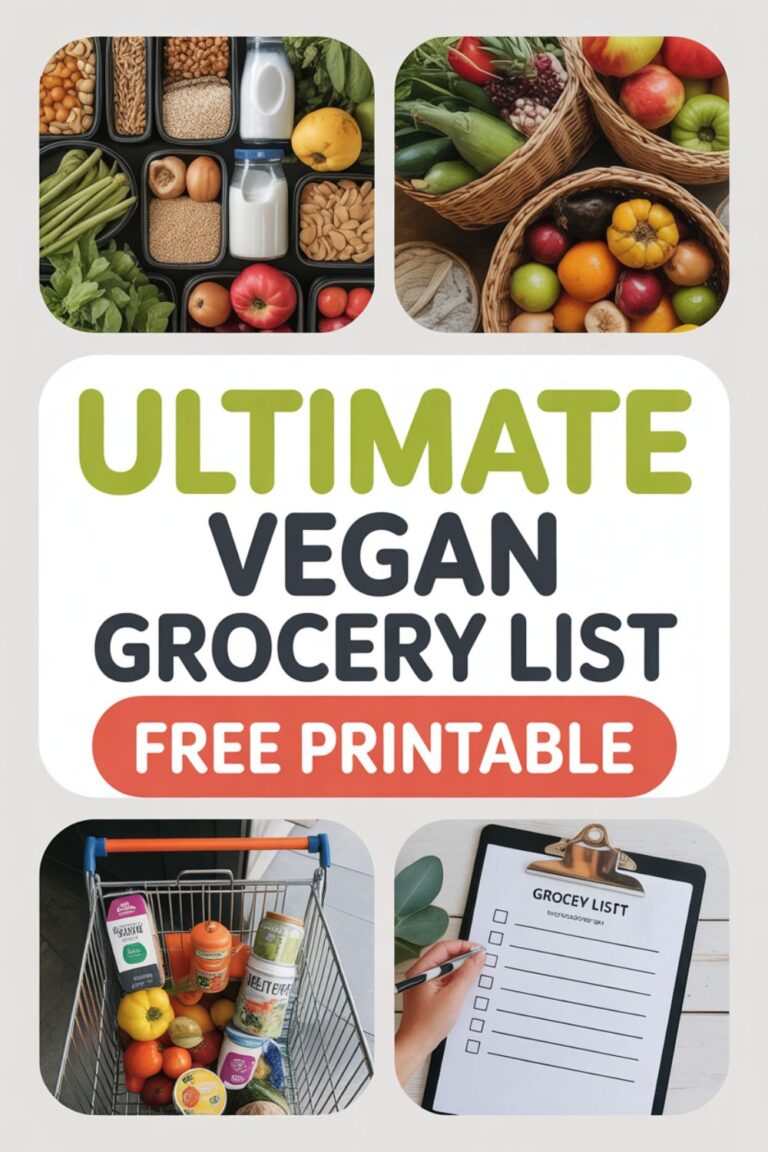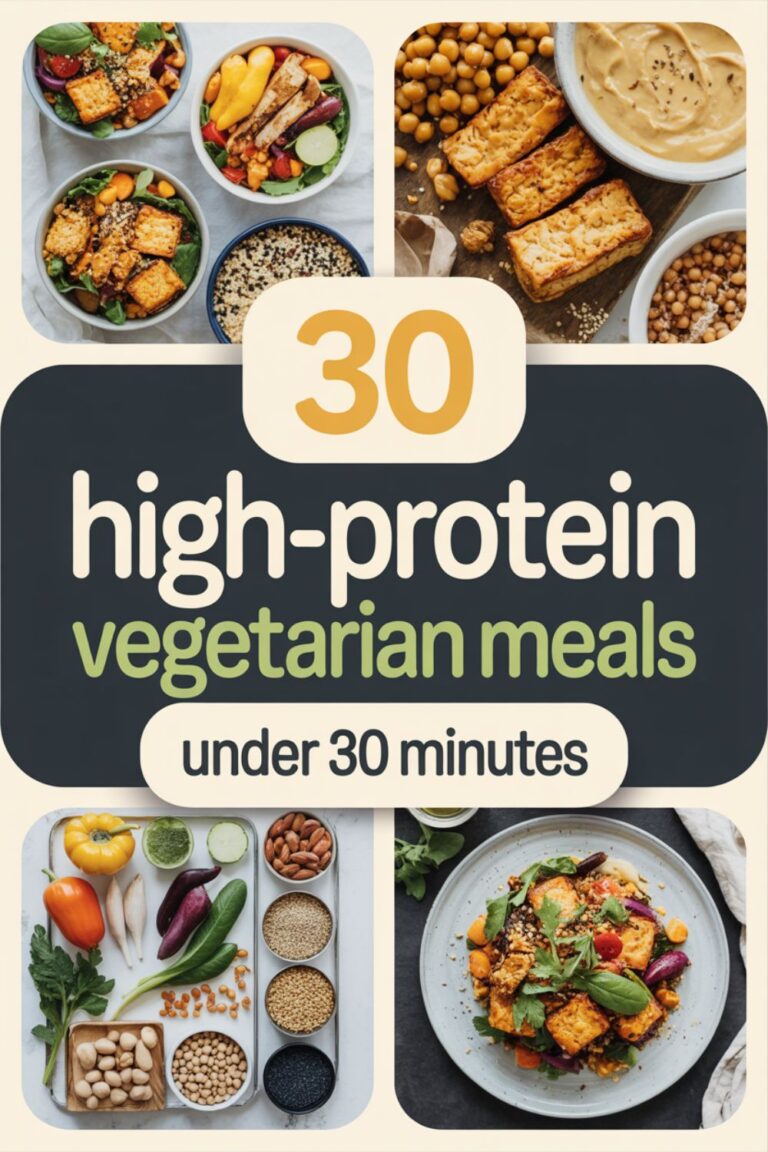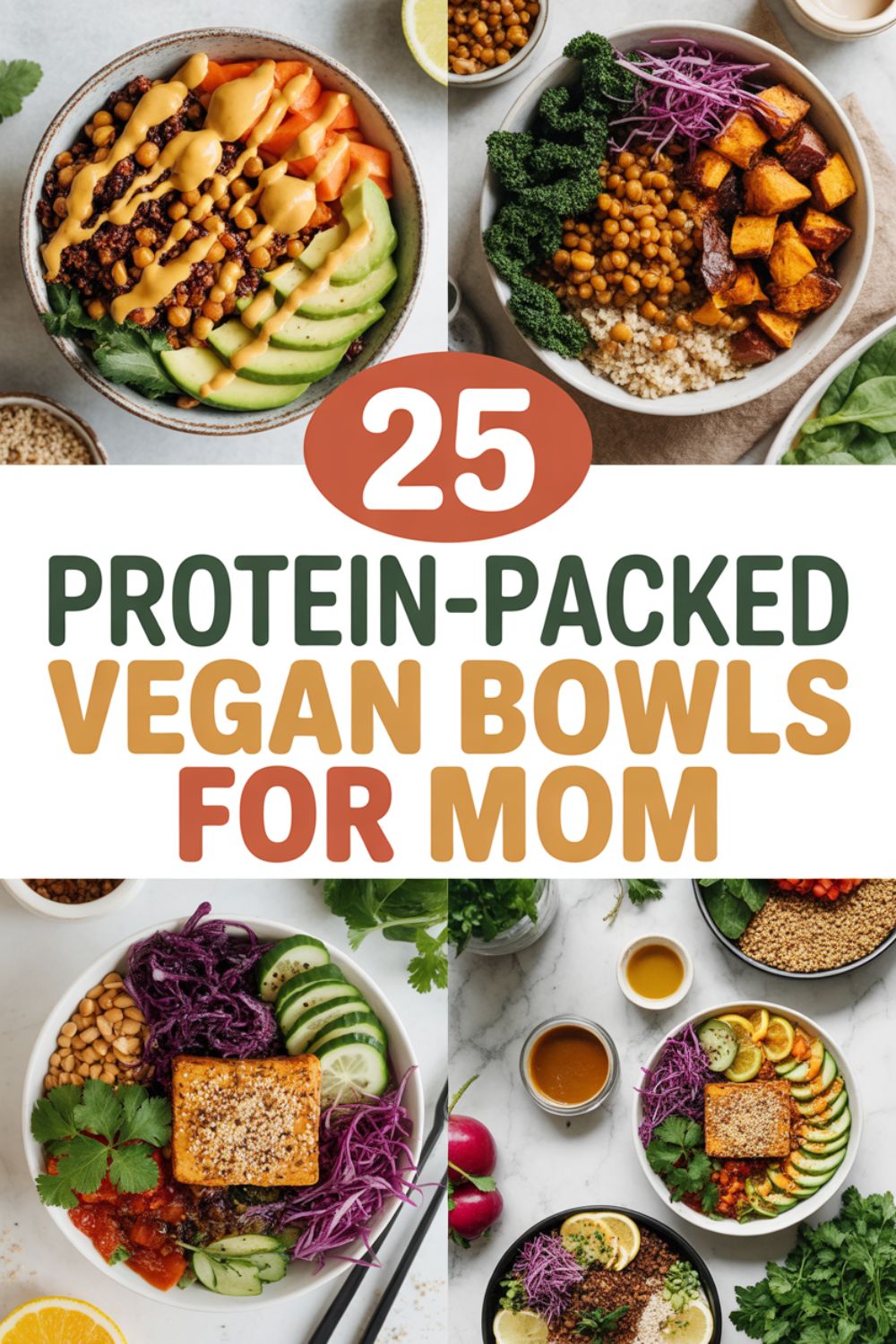
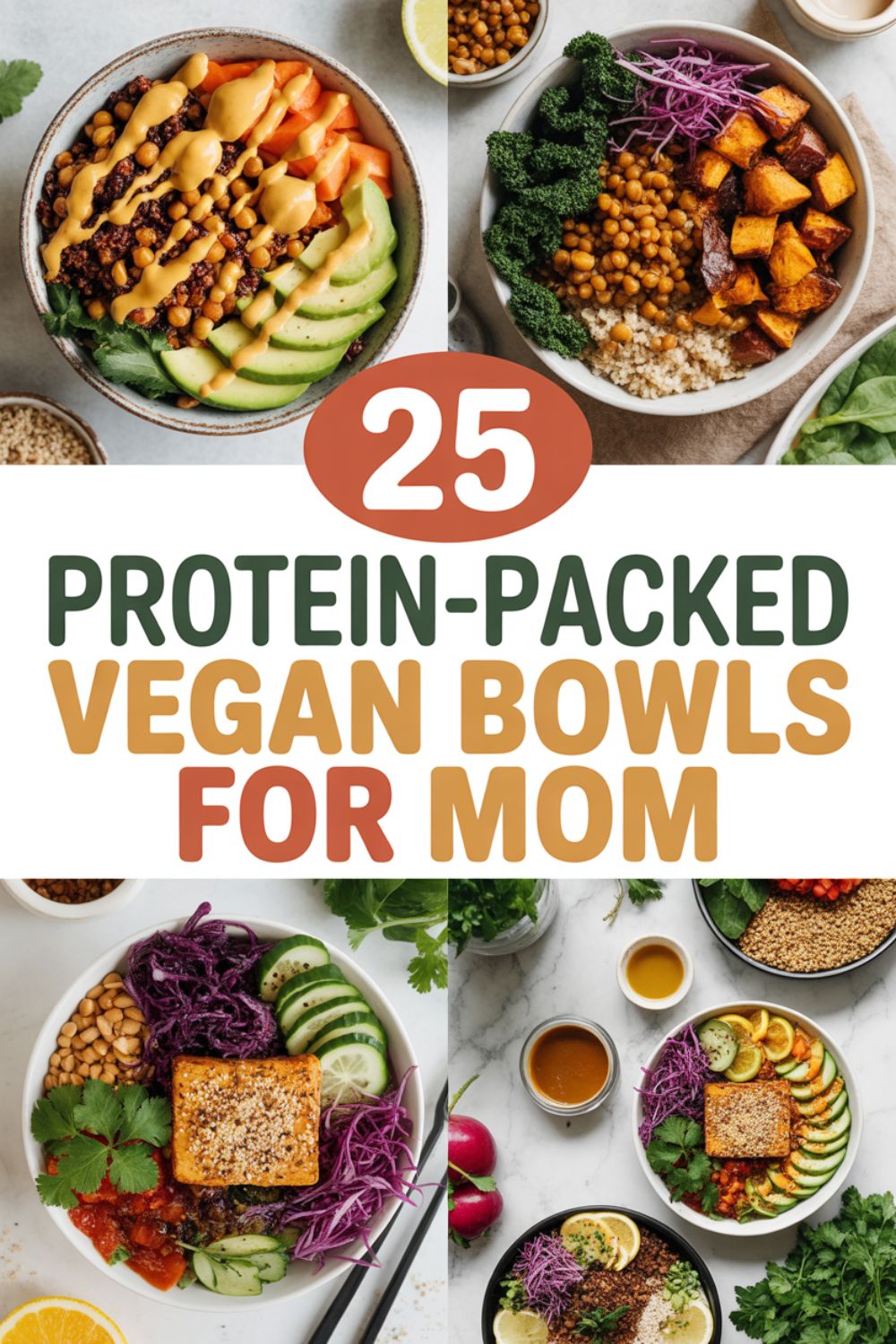
25 Protein-Packed Vegan Bowls for Mom
Nourishing, satisfying, and easy enough to actually make on a weeknight — these bowls have your back.
Let’s be real for a second. When someone says “vegan bowl,” there’s a decent chance you picture a sad pile of lettuce with exactly zero grams of protein and a motivational quote on the side. But that version of a bowl can stay in 2015, because we are not doing that here. These 25 protein-packed vegan bowls for mom are the kind of meals that actually fill you up, look gorgeous on the table, and — best part — can pull double duty for meal prep and a proper celebration dinner alike.
Whether you’re cooking for your own mom, you are the mom (hi, same), or you’re just a person who wants nourishing food that doesn’t taste like a compromise, this list is for you. Think golden chickpea Buddha bowls, smoky lentil grain bowls, crispy tofu teriyaki bowls, and every layered, saucy, colorful combination you can dream up between a pot of quinoa and a good tahini dressing. These are the bowls that make people go back for seconds without ever missing the meat.
Why Vegan Bowls Are the Perfect Protein Strategy for Moms
Before we get into the actual recipes, let’s talk about why bowls work so well as a protein delivery system for plant-based eating. The genius of a bowl is that it’s inherently layered — a grain base, a protein source, a pile of roasted or fresh vegetables, and a sauce. That structure means you’re almost always stacking multiple protein sources in one meal without even trying. Quinoa brings the protein. So do the lentils. So does the hemp seed you scatter on top. It adds up fast.
According to research from Healthline’s guide to vegan protein sources, legumes like lentils and chickpeas, combined with whole grains and seeds, provide more than enough protein to meet daily requirements for most adults. The old myth about needing to perfectly combine proteins at every single meal? Basically debunked. Your liver stores amino acids throughout the day, which means a morning lentil bowl and an evening edamame grain bowl can work together just fine.
For moms especially, the bowl format is a gift. You can prep the components once and assemble dinners (or lunches, or breakfasts — because grain bowls for breakfast are criminally underrated) for days. Less cooking per meal, more variety, and way less decision fatigue. FYI, that’s the dream.
Prep grains, roasted chickpeas, and your sauce on Sunday night. You’ll be thanking yourself by Wednesday when dinner is three minutes of assembly instead of forty.
The Protein Powerhouses You’ll See in Every Bowl
If you’re going to make 25 bowls that actually satisfy, you need a solid roster of plant-based proteins. These are the ingredients that do the heavy lifting, and once you get comfortable with them, you’ll find yourself tossing them into basically everything.
Chickpeas, Lentils, and Legumes
Chickpeas are the MVP of the vegan bowl world, and honestly they deserve every bit of the hype. Roast them with smoked paprika and cumin and they get crispy enough to eat by the handful. Blend them into hummus. Toss them cold into a Mediterranean grain bowl. One cup of cooked chickpeas carries around 15 grams of protein alongside a solid hit of fiber, iron, and folate. Lentils, especially red lentils, cook in about 20 minutes and pack 18 grams of protein per cooked cup. For high-protein meal combinations, lentils are genuinely hard to beat.
If you love cooking with these two specifically, the collection of 25 High-Protein Vegan Meals with Lentils and Chickpeas is a natural next read — basically a deep dive on your new best friends.
Tofu and Tempeh
Tofu gets a bad reputation mostly from people who’ve only had it boiled and unseasoned, which — fair, that is not the best version of itself. But press it, marinate it in tamari and sesame oil, and roast or pan-fry it until it’s got crispy golden edges? Completely different food. Firm tofu delivers around 20 grams of protein per cup. Tempeh, which is fermented tofu’s chunkier, nuttier cousin, hits even higher and adds gut-friendly probiotics to the mix. Swap freely between them depending on what texture suits the bowl.
Quinoa and Hemp Seeds
Quinoa is one of the rare plant foods that counts as a complete protein — meaning it contains all nine essential amino acids. It’s also quick to cook, neutral enough to pair with any flavor profile, and fluffy enough to carry a whole bowl’s worth of toppings. Hemp seeds are the quiet achiever here: three tablespoons gives you about 10 grams of protein, and you can sprinkle them on absolutely anything without changing the flavor. They’re the easiest protein upgrade you’ll ever make.
Add two tablespoons of hemp seeds to any bowl right before serving. Zero cooking, zero flavor impact, and a clean protein boost every time.
25 Protein-Packed Vegan Bowls for Mom
Here’s where it gets really good. These 25 bowls cover everything from 10-minute weeknight dinners to brunch-worthy showstoppers. Each one is built around a real protein foundation, a grain or hearty base, loads of vegetables, and a sauce that ties it all together. They’re listed roughly by category, so scroll to whatever mood you’re in right now.
Grain Bowls with Legumes
- Golden Chickpea Buddha Bowl — Roasted turmeric chickpeas, quinoa, cucumber, pickled red onion, and creamy tahini dressing. Classic for a reason. Get Full Recipe
- Smoky Lentil and Brown Rice Bowl — Red lentils simmered with smoked paprika and garlic, served over brown rice with roasted red peppers and a lemon-herb drizzle. Get Full Recipe
- Black Bean and Farro Power Bowl — Chewy, nutty farro is one of those underused grains that absolutely slaps under a pile of spiced black beans, corn salsa, and avocado. Get Full Recipe
- Miso-Glazed Edamame Grain Bowl — White miso dressing over steamed edamame, short-grain brown rice, shredded purple cabbage, and sesame seeds. Simple, stunning. Get Full Recipe
- Spiced Chickpea and Freekeh Bowl — Freekeh has a smoky, nutty depth that pairs beautifully with harissa-spiced chickpeas and a cooling cucumber yogurt made from coconut milk yogurt. Get Full Recipe
Tofu and Tempeh Bowls
- Crispy Tofu Teriyaki Bowl — Pan-fried extra-firm tofu in homemade teriyaki glaze, steamed broccoli, shredded carrots, and jasmine rice. This one earns a spot in the permanent rotation. Get Full Recipe
- Peanut Tempeh Noodle Bowl — Soba noodles, pan-crisped tempeh, shredded cabbage, edamame, and a creamy peanut-ginger sauce that will make you question every other sauce you’ve ever made. Get Full Recipe
- Sesame Ginger Tofu Bowl — Baked sesame-ginger tofu over quinoa with steamed bok choy, snap peas, and a drizzle of chili oil. Get Full Recipe
- Smoky BBQ Tempeh Bowl — Sliced tempeh glazed with smoky BBQ sauce, charred corn, black beans, and a creamy coleslaw on top of brown rice. Comfort food, plant-based edition. Get Full Recipe
- Lemon Herb Tofu and Farro Bowl — Light, fresh, and perfect for spring. Herb-marinated baked tofu, chewy farro, cherry tomatoes, olives, and a bright lemon vinaigrette. Get Full Recipe
“I made the smoky lentil bowl three times in one week. My husband — who’s definitely not vegan — asked for the recipe. That tells you everything you need to know.”
— Maya from our Her Daily Haven communityMediterranean and Middle Eastern Bowls
- Classic Falafel Bowl — Crispy baked falafel, warm pita croutons, cucumber, tomato, olives, and a generous pool of hummus. Get Full Recipe
- Quinoa Tabbouleh Protein Bowl — Quinoa instead of bulgur gives this a protein upgrade. Masses of flat-leaf parsley, tomato, cucumber, lemon, and olive oil. Serve alongside a side of white bean hummus. Get Full Recipe
- White Bean and Roasted Vegetable Bowl — Creamy cannellini beans with balsamic-roasted zucchini, eggplant, red onion, and fresh basil over a bed of farro. Get Full Recipe
- Harissa Lentil Bowl with Roasted Carrots — Red lentil dip as the base, topped with harissa-glazed roasted carrots, arugula, and toasted pine nuts. Dinner that looks like art. Get Full Recipe
- Chickpea Shawarma Bowl — Shawarma-spiced chickpeas (cumin, coriander, cinnamon, allspice) over herbed rice with pickled turnips, fresh parsley, and garlic sauce. Get Full Recipe
Asian-Inspired Bowls
- Korean-Style Bibimbap Bowl — Gochujang-glazed tempeh, sautéed spinach, julienned carrots, bean sprouts, and brown rice with a swirl of toasted sesame oil. IMO this one is the most impressive-looking for just under 30 minutes of work. Get Full Recipe
- Mango Tofu Satay Bowl — Peanut-satay marinated tofu, jasmine rice, fresh mango, shredded cabbage, and chopped roasted peanuts with a chili-lime drizzle. Get Full Recipe
- Thai Peanut Edamame Bowl — Shelled edamame and crispy chickpeas over rice noodles with a peanut-lime dressing, cucumber, and loads of fresh herbs. Get Full Recipe
- Sesame Soba and Baked Tofu Bowl — Cold sesame soba noodles, baked tofu, quick-pickled cucumbers, shredded purple cabbage, and sesame-miso dressing. Great warm or cold the next day. Get Full Recipe
- Turmeric Coconut Lentil Bowl — Red lentils simmered in coconut milk with turmeric and ginger, served over jasmine rice with wilted greens and crispy shallots. Cozy comfort in a bowl. Get Full Recipe
Power Breakfast Bowls
- Quinoa Breakfast Power Bowl — Warm quinoa with almond butter, sliced banana, chia seeds, hemp seeds, and a drizzle of maple syrup. Hits 20+ grams of protein without trying hard. Get Full Recipe
- Tofu Scramble Veggie Bowl — Turmeric tofu scramble over roasted sweet potato, wilted spinach, black beans, and salsa verde. This is the breakfast that converts skeptics. Get Full Recipe
- Lentil and Roasted Tomato Breakfast Bowl — Brown lentils with roasted cherry tomatoes, caramelized onion, fresh herbs, and a drizzle of good olive oil. Savory breakfast energy. Get Full Recipe
- Chia Pudding Protein Superfood Bowl — Overnight chia pudding in vanilla oat milk, topped with hemp seeds, almond butter, blueberries, and granola. Technically a breakfast bowl. Also technically dessert. Get Full Recipe
- Peanut Butter Banana Oat Bowl — Steel-cut oats with peanut butter stirred in, banana slices, hemp seeds, and toasted walnuts. Meal-prep friendly and endlessly riffable. Get Full Recipe
Batch-cook a big pot of steel-cut oats and refrigerate in portions. Reheat with a splash of oat milk and the toppings change the whole experience every morning — no boredom, no excuses.
The Science Behind Plant Protein Satiety
One of the most common concerns people have when switching to plant-based eating is whether they’ll actually stay full. And look, if you’re eating white rice with a few cherry tomatoes and calling it a bowl, no — you won’t stay full. But these bowls are built differently. A comprehensive review published in PMC found that plant-based protein sources, particularly legumes and soy, are associated with stronger satiety signals than many people expect, largely because they combine protein with significant dietary fiber — a one-two punch that keeps you fuller longer.
The key is pairing. Chickpeas + quinoa gives you a more complete amino acid profile than either one alone. Tofu + edamame covers all nine essential amino acids within a single bowl. Brown rice + black beans has been doing this quietly for decades across dozens of global cuisines. The bowls in this list are designed with exactly these combinations in mind, which is why they leave you genuinely satisfied rather than reaching for a snack an hour later.
It’s also worth noting that pea protein and soy protein — the backbones of most vegan protein powders — are absorbed and utilized by the body at rates comparable to whey. If you want to bump any of these bowls up even further, stirring a scoop of a clean vegan protein powder into your grain base before topping it is an easy and pretty invisible upgrade.
“I started making protein bowls for lunch every day and stopped getting the 3pm energy crash. Felt silly that I hadn’t done it sooner. The chickpea shawarma bowl is now my most-made recipe of the entire year.”
— Priya, community member since 2023Meal Prep Essentials Used in This Plan
These are the actual tools and resources I use to make bowl prep feel manageable — not a chore. Some are physical kitchen items, some are digital guides, and all of them are genuinely useful.
The divided ones mean your sauce stays separate and nothing goes soggy. Worth every penny for Sunday prep sessions.
Chickpeas from dry in 40 minutes, lentils in 15. Once you stop buying canned legumes you’ll wonder how you cooked without this.
Tahini dressings, creamy miso sauces, smooth lentil soups — a powerful blender is the secret behind every restaurant-quality bowl sauce.
A complete day-by-day guide that walks you through building a sustainable plant-based routine from scratch.
Stop staring blankly at the grocery store. This printable organizes everything by section so you’re in and out fast.
Track meals, protein, and how you feel day by day. Incredibly useful if you’re new to plant-based eating and want to spot patterns.
The Sauces That Make These Bowls Actually Addictive
Can we talk about sauces for a second? Because the difference between a bowl that tastes like effort and a bowl that tastes like a restaurant is almost always the sauce. Everything else can be borderline mediocre but a great sauce fixes it. Here are the five sauces that appear across these 25 bowls and that you should honestly just keep a jar of in your fridge at all times.
- Tahini Lemon Dressing — Two tablespoons of tahini, one lemon’s worth of juice, one crushed garlic clove, a splash of water to thin, salt. Done. Goes on everything.
- Ginger Miso Dressing — White miso, rice vinegar, toasted sesame oil, fresh ginger, and a tiny drip of maple syrup. Use on any Asian-inspired bowl instantly.
- Peanut Satay Sauce — Natural peanut butter (the kind where peanuts are the only ingredient), tamari, lime juice, a pinch of chili flakes, warm water to loosen. Dangerously good.
- Harissa Yogurt — Coconut milk yogurt + harissa paste + lemon. Spicy, creamy, and adds depth to Mediterranean and Middle Eastern bowls in about 30 seconds.
- Green Herb Sauce — Blended cilantro, parsley, garlic, jalapeño, lime, olive oil, and a pinch of cumin. Basically a vegan chimichurri that works on everything.
If you want to go even deeper on plant-based condiments, the roundup of 10 Vegan Sauces and Condiments You Can Buy or Make covers store-bought options too for those weeks when making a sauce from scratch is simply not happening.
Tools and Resources That Make Cooking Easier
These are the things that make the difference between cooking being a joy versus a grind. None of these are fancy or expensive — just genuinely useful.
Pressed tofu absorbs marinades in 20 minutes instead of overnight. This one is small, dishwasher safe, and genuinely changes how you cook tofu.
Greens that are dry actually hold dressing instead of watering it down. A salad spinner is one of those things you laugh at until you own one.
For the crispiest tofu and tempeh edges, nothing beats a properly seasoned cast iron. The one I use has lived on my stovetop for three years.
If you’re newer to plant-based cooking, these cookbooks are the ones actually worth buying. Ranked by ease-of-use and flavor payoff.
Stock your pantry with these 12 items and you can build a protein-packed bowl from nothing in under 20 minutes, any night of the week.
A thoughtfully curated list of tools that make plant-based cooking faster and more enjoyable — no clutter, no gimmicks.
How to Meal Prep These Bowls Without Losing Your Mind
Meal prepping bowls does not mean making 25 complete bowls and stacking them in your fridge. That’s a lot of bowls and a certain kind of chaos. The smarter approach is to prep components and assemble to order. Here’s the system that actually works:
- Sunday: Cook a big batch of one or two grains (quinoa and brown rice together take about the same amount of time). Roast one sheet pan of vegetables and one sheet pan of protein (chickpeas or tofu). Make one sauce.
- Weekdays: Mix and match the components into different bowls each day. Different sauce, different topping, same base. You’ll eat differently every day with almost zero extra effort.
- Freshness tip: Store greens and sauces separately. Add them at assembly time only. A bowl that sat in your fridge for three days with dressing already on it is not a happy bowl.
- Freezer hack: Cooked lentils and chickpeas freeze beautifully. Batch cook a double portion and freeze half in cup-sized portions for bowls three weeks from now when you really don’t feel like cooking.
For a fully structured weekly plan built around bowls and plant-based eating, the 27 Plant-Based Spring Meal Prep Ideas is a great companion resource that takes this system even further.
Frequently Asked Questions
How do I get enough protein from vegan bowls without eating a huge amount of food?
Stack your protein sources rather than relying on just one. A bowl with quinoa as the base, chickpeas as the protein, hemp seeds as a topping, and an edamame mix-in can easily reach 25–30 grams of protein in a normal portion. Think layers, not volume. You’re also not trying to match a chicken breast gram-for-gram — you’re building a complete amino acid picture across a whole meal.
Are vegan bowls good for muscle building and recovery?
They can be, absolutely. Research increasingly shows that plant proteins support muscle protein synthesis comparably to animal proteins when total daily intake is sufficient. The key is hitting your overall protein target for the day, which is roughly 0.7–1 gram per pound of body weight for active individuals. These bowls make that achievable without animal products, especially when you combine legumes, soy, seeds, and whole grains intentionally.
Can I make these vegan bowls gluten-free?
Most of them are already gluten-free or easily adapted. Swap farro or freekeh (which contain gluten) for quinoa, millet, or certified gluten-free brown rice. Soba noodles often contain wheat, so look for 100% buckwheat versions. All the legume-based proteins and most sauces in this list are naturally gluten-free. If you’re cooking for someone with celiac disease, just double-check your tamari and miso for hidden gluten.
What is the best base grain for a high-protein vegan bowl?
Quinoa wins if protein is your top priority — it delivers the most per serving and it’s a complete protein on its own. Farro is a close second for heartiness and texture. Brown rice is the most versatile and budget-friendly option. If you’re looking for something a little different, teff is a tiny grain with a malty flavor and impressive protein content that works beautifully in warm grain bowls.
How long do prepped vegan bowls keep in the fridge?
Assembled bowls without dressing keep well for 3–4 days in airtight containers. Sauces and dressings keep separately for up to a week. The components themselves — cooked grains, roasted chickpeas, baked tofu — actually hold up quite well individually, which is why the component-prep approach beats making finished bowls ahead of time. Roasted chickpeas will re-crisp in a 375°F oven for 5 minutes if they’ve softened.
The Bottom Line on Protein-Packed Vegan Bowls for Mom
There’s nothing complicated about eating well on a plant-based diet once you stop treating protein as a problem and start treating it as an opportunity. These 25 bowls prove that point every single time someone makes one and discovers, somewhat to their own surprise, that they’re full, satisfied, and actually excited about what they ate.
The bowls that work best are the ones you make your own. Start with the Golden Chickpea Buddha Bowl or the Crispy Tofu Teriyaki if you want proven crowd-pleasers. Then let the sauces lead you somewhere new. A tahini dressing that works on a Mediterranean bowl works just as beautifully on a simple grain-and-greens situation on a Tuesday night when inspiration is running low.
Cooking for mom — or cooking as a mom, or just cooking for yourself because you deserve a nourishing meal — doesn’t need to be an event. It just needs to be intentional. Load the bowl with protein, pile on the vegetables, drizzle over a sauce you love, and sit down and actually eat it. That’s the whole plan, and it works.