25 Picnic-Perfect Vegan Recipes That’ll Make Everyone Jealous
Look, I’m not here to convince you that vegan picnic food is automatically healthier or morally superior. But what I will say is this: there’s something deeply satisfying about showing up to a potluck with a gorgeous pasta salad that doesn’t wilt in the sun, wraps that don’t turn into a soggy disaster, and desserts that won’t melt into a puddle before anyone gets a bite.
Picnic food has one job—survive the journey, look good on the blanket, and taste incredible without requiring a full kitchen setup. And honestly? Plant-based recipes excel at this. No mayo-based dishes sitting in the danger zone, no mystery meat sweating in a cooler, just fresh, vibrant food that actually gets better as the flavors meld.
I’ve spent way too many summers experimenting with what works and what absolutely does not when it comes to outdoor eating. Some recipes looked Instagram-perfect at home and turned into mush by the time we spread out the picnic blanket. Others seemed boring on paper but became the dish everyone asked for the recipe. This list is the result of all that trial and error—25 vegan recipes that are legitimately picnic-proof.
Why Vegan Recipes Actually Win at Picnics
Here’s the thing nobody talks about: most traditional picnic disasters involve dairy or meat. That potato salad that seemed fine? Spoiled mayo. Those chicken skewers? Temperature nightmare. Cheese plate? Melted mess. Vegan food, when done right, sidesteps a lot of these issues entirely.
Plant-based ingredients tend to be more forgiving in warm weather. According to Harvard Health, plant-based diets are naturally higher in fiber and phytonutrients, which means the ingredients themselves pack more flavor and nutrition per bite. Plus, there’s less worry about cross-contamination when you’re not juggling raw meat on the same cooler as your fruit.
I learned this the hard way after a particularly memorable Fourth of July where my “fancy” charcuterie board turned into an expensive puddle while my friend’s chickpea salad remained perfectly intact and delicious. That’s when I started getting serious about mastering vegan picnic food.
The Foundation: Salads That Don’t Get Sad
1. Mediterranean Quinoa Salad
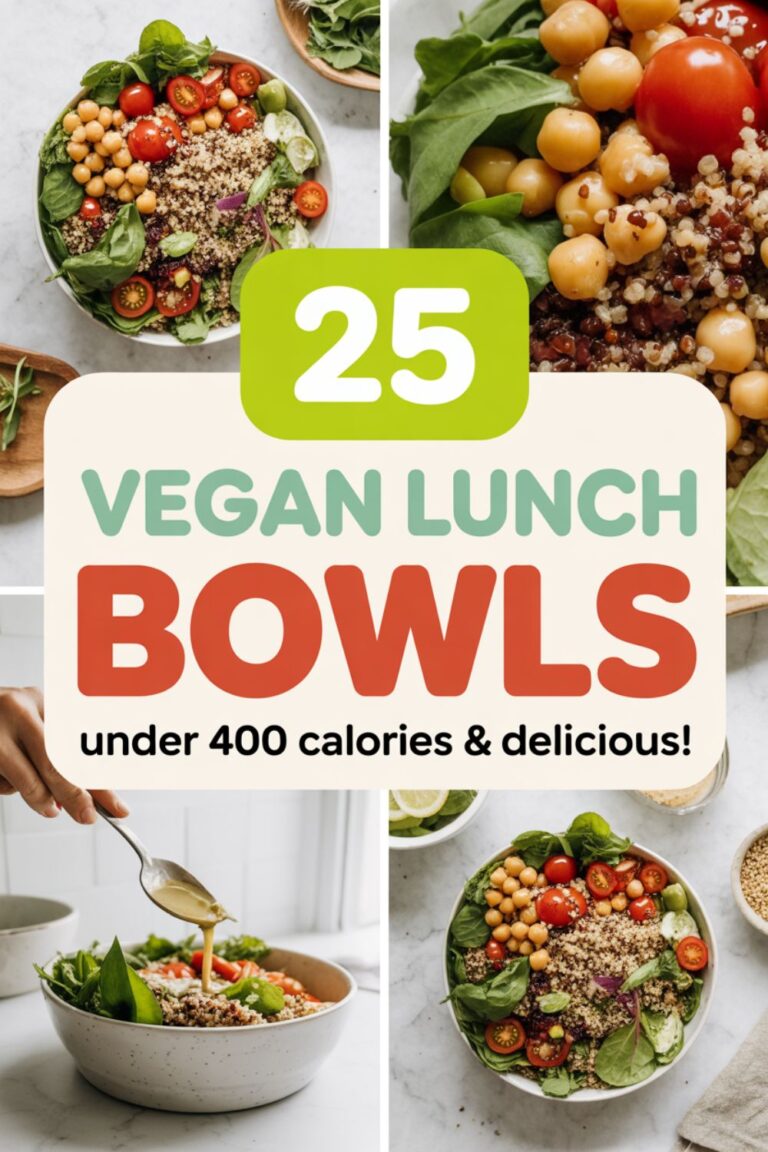
This is my absolute go-to because quinoa holds up like a champ. Unlike pasta that gets gummy or greens that wilt, quinoa stays fluffy and actually absorbs the dressing better as it sits. I toss it with cucumber, cherry tomatoes, kalamata olives, red onion, and a lemon-herb vinaigrette.
The key is letting it chill overnight so the flavors really develop. Get Full Recipe.
2. Asian-Inspired Cabbage Slaw
Cabbage is the unsung hero of picnic salads. It doesn’t wilt, it’s crunchy even hours later, and it’s dirt cheap. I make mine with red and green cabbage, shredded carrots, edamame, and a ginger-sesame dressing. Throw in some toasted sesame seeds right before serving for extra crunch.
3. White Bean and Arugula Salad
This one’s deceptively simple but always impresses. Canned white beans (rinsed well), fresh arugula, sun-dried tomatoes, and a balsamic reduction. The beans provide protein and substance, so it’s actually filling. If you prep the components separately and toss right before serving, the arugula stays perky.
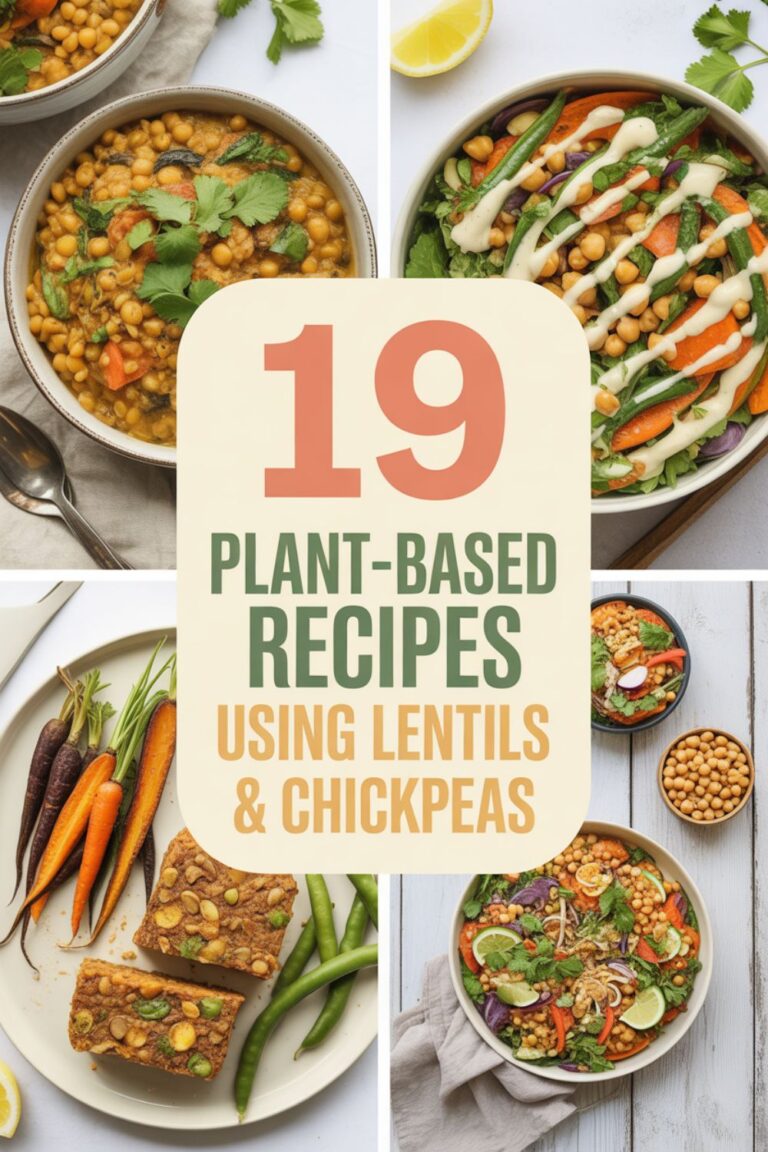
4. Roasted Chickpea and Vegetable Bowl
Roasted chickpeas are legitimately addictive and they travel beautifully. I crisp them up in this affordable air fryer with smoked paprika and garlic powder, then combine them with roasted sweet potato, bell peppers, and a tahini drizzle. It’s hearty enough to be a main dish.
For more protein-packed ideas that’ll keep you satisfied, check out these high-protein vegan meals or browse through these fresh and filling salad recipes.
5. Lentil Tabbouleh
Traditional tabbouleh is mostly parsley, which is fine, but adding lentils makes it substantial enough to be a standalone dish. The lentils also soak up the lemon juice and olive oil, creating this incredibly flavorful base. I use brown lentils because they hold their shape better than red ones.
Sandwiches and Wraps That Won’t Fall Apart
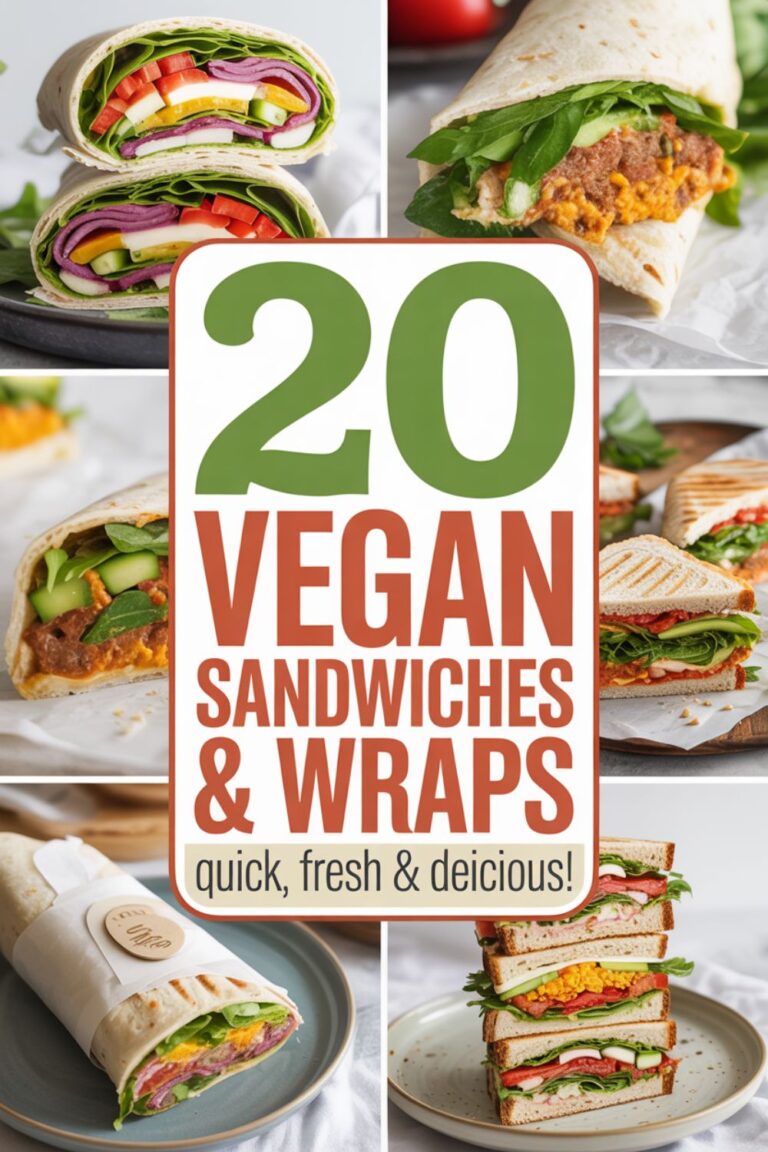
6. Hummus and Veggie Wraps
The trick here is the spread-to-veggie ratio. Too much hummus and everything slides out. Too little and it’s dry. I spread a thick layer of homemade hummus (store-bought works fine, but making it fresh takes five minutes and tastes way better), then add shredded carrots, cucumber, sprouts, and avocado.
Pro tip: wrap these tightly in parchment paper secured with twine—they look adorable and the paper prevents the wrap from getting soggy. Get Full Recipe.
7. Falafel Pita Pockets
Falafel is perfect because it’s good at any temperature. I make a big batch ahead of time (frozen falafel from Trader Joe’s also works in a pinch), then stuff pitas with falafel, shredded lettuce, tomatoes, cucumbers, and tahini sauce. Pack the sauce separately and add it right before eating.
8. Vietnamese-Style Spring Rolls
These take a bit more effort, but they’re worth it. Rice paper wrapped around vermicelli noodles, fresh herbs, cucumber, carrots, and tofu. They’re light, refreshing, and surprisingly filling. The peanut dipping sauce is what makes them special—I pack it in small leak-proof containers with screw-top lids so there’s zero spillage risk.
9. BBQ Jackfruit Sliders
Jackfruit has this weirdly convincing pulled pork texture that even meat-eaters admit is good. I simmer canned jackfruit in BBQ sauce (homemade or store-bought, whatever), then pile it on slider buns with coleslaw. These are messy in the best way and always disappear first.
Looking for more quick and portable lunch ideas? These packable vegan lunches are designed for easy transport.
10. Mediterranean Veggie Sandwiches
Layer focaccia or ciabatta with roasted red peppers, marinated artichokes, sun-dried tomatoes, fresh basil, and a drizzle of balsamic glaze. The key is using bread sturdy enough to handle the moisture without turning to mush. Focaccia is ideal because it’s already oily and holds up well.
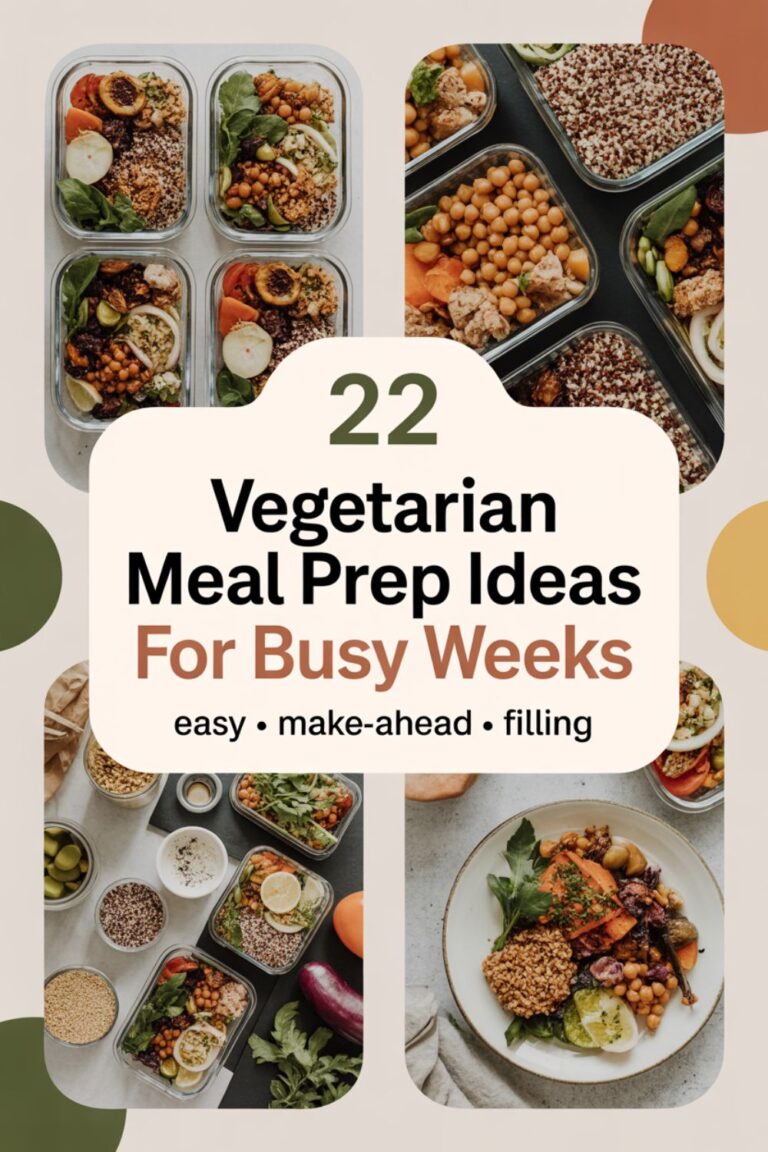
Meal Prep Essentials Used in These Recipes
After years of prepping picnic food, these are the items that actually earn their keep:
- Glass meal prep containers with snap lids – Nothing worse than discovering your salad dressing leaked all over everything
- Insulated picnic backpack with cooler compartment – Game-changer for keeping things cold without lugging a giant cooler
- Collapsible silicone food storage bags – Reusable, leak-proof, and way better than plastic bags
- 7 Kitchen Tools Every Vegan Home Cook Needs – Detailed guide on essential prep tools
- The Ultimate Vegan Grocery List – Free printable to make shopping easier
- 30-Day Vegan Eating Tracker – Helps plan meals and stay organized
Join our WhatsApp community for weekly picnic recipe ideas and meal prep tips!
Finger Foods and Snacks
11. Crispy Baked Sweet Potato Fries
These are shockingly good at room temperature. The secret is cutting them into uniform sizes and using cornstarch in addition to oil—it creates this incredible crispy exterior. I season them with smoked paprika, garlic powder, and a little cayenne. Pack them in a paper bag or cardboard box so they don’t get steamed and soggy.
12. Stuffed Grape Leaves (Dolmas)
You can buy these pre-made, but making them from scratch is easier than you’d think and tastes way better. Rice, pine nuts, fresh dill, lemon juice, and olive oil wrapped in brined grape leaves. They’re perfect picnic food because they’re meant to be eaten at room temperature. Get Full Recipe.
13. Spiced Roasted Nuts
I always bring a big jar of these because people need something to munch on while everything else is being set up. I use raw mixed nuts from this bulk supplier, toss them with maple syrup, smoked paprika, cayenne, and sea salt, then roast them until they’re golden and fragrant. They keep forever in an airtight container.
14. Marinated Olives and Artichokes
This is barely a recipe but it always feels fancy. Buy good quality olives and jarred artichoke hearts, drain them, then marinate in olive oil with fresh herbs, lemon zest, and red pepper flakes. Let them sit overnight and pack them in their marinade. Bring some crusty bread for scooping.
Need more snacking inspiration? These healthy and satisfying vegan snacks are perfect for outdoor gatherings.
15. Veggie and Hummus Cups
I use small wide-mouth mason jars and put a few tablespoons of hummus in the bottom, then stand up carrot sticks, cucumber spears, bell pepper strips, and celery. They’re individual portions, they look cute, and there’s no double-dipping situation happening.
Pasta and Grain Salads That Improve With Time
16. Classic Italian Pasta Salad
The key to pasta salad that doesn’t suck is using the right shape (rotini or fusilli work best because they hold dressing), cooking it al dente, and dressing it while it’s still slightly warm so it absorbs the flavor. I add cherry tomatoes, cucumbers, red onion, black olives, and Italian dressing. Make it the day before and it actually gets better.
17. Cold Peanut Noodles
These are dangerously good. Soba or rice noodles tossed with a peanut-ginger-sesame sauce, shredded carrots, cucumber, edamame, and scallions. The sauce is peanut butter, soy sauce, rice vinegar, sesame oil, garlic, ginger, and a little maple syrup. It thickens as it sits, so I thin it out with a splash of water right before serving.
If you’re into noodle dishes, you’ll love these vegan pasta dishes that are equally delicious.
18. Orzo Salad with Roasted Vegetables
Orzo is underrated for picnics because it’s small enough to eat easily but substantial enough to be filling. I roast zucchini, eggplant, and bell peppers, then toss them with cooked orzo, fresh basil, sun-dried tomatoes, and a lemon vinaigrette. The roasted vegetables add this deep, caramelized flavor that you just can’t get from raw veggies.
19. Mexican-Inspired Corn and Black Bean Salad
This is perpetually on my summer rotation. Canned black beans, fresh or frozen corn (char it first if you have time), cherry tomatoes, red onion, cilantro, lime juice, and cumin. It’s bright, filling, and actually improves after sitting for a few hours. I sometimes add diced avocado right before serving for extra richness.
20. Farro Salad with Dried Cranberries and Pecans
Farro has this nutty, chewy texture that holds up incredibly well. I cook it until it’s tender but still has some bite, then mix it with dried cranberries, toasted pecans, fresh parsley, and a maple-Dijon vinaigrette. It’s hearty enough to be a main dish and the sweet-savory combo is addictive. Get Full Recipe.
Sweet Treats That Don’t Need Refrigeration
21. No-Bake Energy Balls
These are criminally easy and infinitely customizable. My base recipe is dates, almonds, cocoa powder, and a little vanilla, all pulsed in a food processor and rolled into balls. Sometimes I add shredded coconut, sometimes dried cherries, sometimes cacao nibs for extra crunch. They’re naturally sweet, genuinely satisfying, and they don’t melt.
22. Vegan Brownies
People are always shocked these are vegan. The trick is using applesauce and ground flax as binders—they create this fudgy texture that’s honestly better than most traditional brownies. I bake them in a square brownie pan with a lid so they’re easy to transport without getting squished.
For more dessert inspiration, check out these dairy-free desserts that always impress.
23. Fresh Fruit Skewers
Sometimes simple is best. I thread strawberries, pineapple, grapes, and melon onto bamboo skewers. They’re easy to eat, hydrating, and naturally sweet. The key is cutting everything into similar-sized pieces so they’re easy to bite off the skewer without everything sliding around.
24. Coconut Date Bars
These are similar to energy balls but pressed into a pan and cut into squares. Dates, shredded coconut, almond butter, and a little sea salt. They’re chewy, sweet, and surprisingly filling. I line the pan with parchment paper so they’re easy to remove and cut cleanly.
25. Vegan Oatmeal Cookies
The last item on the list but honestly one of my favorites. Oats, mashed banana, peanut butter, maple syrup, and chocolate chips. They’re naturally sweetened, packed with fiber, and they transport beautifully. I bake them until they’re just set but still soft in the middle—they firm up as they cool.
Tools & Resources That Make Cooking Easier
These have legitimately changed how I approach meal prep and picnic planning:
- Digital kitchen scale for precise measurements – Especially helpful for baking where ratios matter
- High-speed blender for sauces and dressings – Makes everything smoother and faster
- Food processor for chopping and mixing – Saves ridiculous amounts of time on veggie prep
- 10 Best Vegan Cookbooks for Beginners – Comprehensive guides for all skill levels
- 25 Easy Vegan Meal Prep Ideas – Time-saving strategies for weekly planning
- 21-Day Vegan Smoothie Plan – Printable guide with shopping lists
Our WhatsApp group shares weekly recipe swaps and troubleshooting tips—join us!
Practical Tips for Picnic Success
Let’s talk about the unsexy but crucial stuff that separates a good picnic from a food safety nightmare. I’ve learned most of these lessons the hard way, so you don’t have to.
Temperature Control Is Everything
According to the American Academy of Pediatrics, perishable food should never sit out for more than two hours—or one hour if it’s above 90 degrees outside. This is where vegan food has a huge advantage because most of these recipes are designed to be served at room temperature anyway.
That said, I still pack everything in a good cooler with plenty of ice packs. I use these reusable gel ice packs because they stay cold longer than regular ice and don’t create a watery mess as they melt.
Pack Smart, Not Hard
Layer your cooler strategically: heavy items on bottom, delicate stuff on top. I put drinks in a separate cooler because people open that one constantly and it destroys the temperature of your food cooler. Sounds neurotic, but it makes a real difference.
For items that don’t need to stay cold—like nuts, cookies, bread—I use a woven picnic basket with compartments. It keeps things organized and honestly just looks nicer than plastic bags everywhere.
Prevent Cross-Contamination
Even with vegan food, you need separate containers for different items. Raw vegetables that need washing should be stored away from ready-to-eat items. I use color-coded silicone storage bags so I don’t have to think about what’s what.
Research from the University of Missouri Extension emphasizes keeping everything properly sealed and labeled to avoid any mixing of ingredients that could compromise freshness.
Bring More Than You Think You Need
This applies to everything: napkins, utensils, serving spoons, plates. I started keeping a dedicated “picnic bin” with reusable bamboo utensils, cloth napkins, small cutting boards, and serving bowls. That way I’m not scrambling around the kitchen the morning of trying to remember what I need.
Also, bring way more water than you think necessary. Outdoor eating in warm weather dehydrates you faster than you realize, and having plenty of water means people stay happy and hydrated.
Making It Actually Happen
Here’s the honest truth: the best picnic food is the food you actually make. You could have the most elaborate menu planned, but if you’re stressed and running around the morning of, you’re not going to enjoy it and neither is anyone else.
My strategy is to prep almost everything the day before. Salads get assembled (minus any delicate greens), dressings get mixed, vegetables get chopped, cookies get baked. The morning of, I’m just packing things into containers and loading the cooler.
Some people might think this is overkill, but I’d rather spend an hour prepping the night before than stress about it when I should be relaxing. Plus, a lot of these dishes—especially the grain salads and pasta salads—actually taste better after sitting overnight.
For comprehensive weekly planning, these easy vegan dinner recipes can double as picnic-friendly options with minor adaptations.
Seasonal Variations
Not every picnic happens in the middle of summer, and different seasons call for different approaches. Spring picnics can handle lighter fare—think asparagus salads and fresh strawberry desserts. Summer is peak picnic season when everything needs to withstand heat.
Fall picnics are my favorite because the weather is perfect and you can incorporate heartier ingredients like roasted squash and apple-based desserts. Check out these cozy fall dinner ideas for inspiration that translates well to outdoor eating.
Winter picnics are rare but doable if you’re committed. Hot soups in thermoses, warm grain salads, and spiced cider make it work. These winter soups and stews are perfect for thermos transport.
Budget-Friendly Swaps
Picnic food doesn’t have to be expensive. Most of these recipes use affordable, accessible ingredients. When money’s tight, I lean heavily on beans, rice, pasta, and seasonal produce. Canned beans are your friend—they’re cheap, shelf-stable, and incredibly versatile.
Instead of fancy artisan bread, use regular sandwich bread or tortillas. Skip the fancy olives and use whatever’s on sale. Make your own hummus instead of buying the expensive refrigerated stuff—it takes five minutes and costs about a third of the price.
Check out this guide to high-protein pantry essentials for budget-friendly staples that work in multiple recipes.
Frequently Asked Questions
Can I make these recipes ahead of time?
Absolutely. In fact, most of these recipes benefit from being made ahead—the flavors develop and intensify. Grain salads, pasta salads, and most dips taste better the next day. Just keep delicate greens and fresh herbs separate until you’re ready to serve, and add any crispy elements like nuts or croutons right before eating.
How long can vegan picnic food sit out safely?
The standard food safety rule applies: no more than two hours at room temperature, or one hour if it’s above 90 degrees outside. That said, many vegan dishes handle room temperature better than dairy-based ones. Still, use ice packs and keep everything covered to maintain freshness and prevent contamination.
What if I don’t have access to a cooler?
Focus on recipes that are naturally shelf-stable: nuts, dried fruit, certain baked goods like cookies or energy balls, fresh whole fruit, and items packed in oil like marinated olives. Avoid anything with mayo-based dressings or ingredients that spoil quickly. You can also use frozen water bottles wrapped in towels as makeshift ice packs.
Are these recipes kid-friendly?
Most of them, yes. The wraps, pasta salads, and sweet treats are usually hits with kids. If you’re dealing with picky eaters, stick to simpler flavor profiles and avoid overly spiced dishes. The hummus cups, fruit skewers, and cookies are almost universally loved by children.
Can I adapt these for different dietary restrictions?
Definitely. Most recipes are already gluten-free or can easily be made so by swapping the grain (use quinoa instead of pasta, for example). For nut-free versions, replace nut butters with sunflower seed butter and skip the nuts in salads. The recipes are flexible and forgiving, so don’t be afraid to make substitutions based on what you have or what you need to avoid.
Final Thoughts
Picnic food shouldn’t be complicated. The whole point is to enjoy being outside, spending time with people you like, and eating good food without the stress of a formal meal. These 25 recipes give you options for whatever kind of picnic you’re planning—whether it’s a casual afternoon at the park or a more elaborate outdoor celebration.
The beauty of plant-based picnic food is its resilience. You’re not babysitting a cooler full of meat, worrying about whether the mayo has gone bad, or stressing about temperature control every five minutes. You make the food, pack it properly, and it just works.
What I’ve learned after years of picnicking is that people remember how they felt, not necessarily what they ate. But when the food is genuinely good, fresh, and made with care, it enhances the whole experience. Nobody’s sitting there analyzing whether something is vegan or not—they’re just enjoying it.
So pack up your basket, grab a blanket, and try a few of these recipes. The worst that happens is you eat some delicious food outside. The best that happens is you create a new tradition and maybe convince a few people that vegan food can absolutely hold its own at any gathering.
Now stop reading and start prepping. Those grain salads aren’t going to make themselves, and trust me, they need that overnight marinade time to reach their full potential.