25 Best Vegan Substitutes for Everyday Cooking
You know that moment when you’re halfway through a recipe and realize the main ingredient isn’t vegan? Yeah, been there too many times. But here’s the thing—switching to plant-based cooking doesn’t mean sacrificing flavor or texture. Actually, some of these vegan swaps work better than the originals.
I’ve spent years testing substitutes that actually deliver. Not the sad, cardboard-tasting versions that make you question your life choices. We’re talking about ingredients that’ll make your food taste incredible while keeping things 100% plant-based.
Whether you’re going full vegan or just trying to cut back on animal products, these substitutes will become your kitchen MVPs. Let’s jump into the good stuff.

Why Vegan Substitutes Matter More Than You Think
Let’s be real—most people don’t go vegan because they hate cheese. They do it for health, ethics, or the environment. But the biggest hurdle? Finding replacements that don’t make you miss the original.
The good news is that plant-based diets have been shown to reduce the risk of heart disease, diabetes, and certain cancers. So you’re not just swapping ingredients—you’re investing in your long-term health.
FYI, the vegan substitute game has evolved dramatically in the past few years. What used to be limited to sad tofu blocks has exploded into a world of aquafaba, cashew cream, and convincing meat alternatives that’ll fool even the staunchest carnivores.
Pro Tip: Start with one or two substitutes at a time. Trying to overhaul your entire pantry overnight is overwhelming and expensive. Pick your most-used ingredients first.
1. Flax Eggs (Bye-Bye Chicken Eggs)
This is probably the easiest swap you’ll ever make. Mix one tablespoon of ground flaxseed with three tablespoons of water, let it sit for five minutes, and boom—you’ve got yourself a vegan egg.
Works perfectly in Get Full Recipe for pancakes, muffins, and most baked goods. The texture mimics eggs surprisingly well, plus you’re getting omega-3s as a bonus.
I keep a coffee grinder dedicated to flaxseeds because freshly ground works better than pre-ground. Trust me on this one.
2. Cashew Cream (The Ultimate Dairy Replacement)
If I could only keep one substitute in my kitchen, this would be it. Soak raw cashews for a few hours, blend them with water, and you’ve got a cream that works in literally everything.
Use it in pasta sauces, soups, desserts, or anywhere you’d normally use heavy cream. The neutral flavor means it adapts to whatever you’re making. According to research on plant-based nutrition, nuts like cashews provide healthy fats and essential nutrients that support cardiovascular health.
Pro move: Make a big batch and freeze it in ice cube trays. Pop out a cube whenever you need cream in your cooking.
3. Nutritional Yeast (Cheese Flavor Without the Dairy)
People either love this stuff or think it sounds weird. I’m firmly in the love camp. These yellow flakes taste savory, cheesy, and slightly nutty—perfect for sprinkling on popcorn, pasta, or salads.
It’s also packed with B vitamins, including B12 if you buy the fortified version. Which you should, because vitamin B12 deficiency is a real concern for vegans.
I keep mine in a shaker bottle on the counter because I use it that often. Seriously, it goes on everything.
“I was skeptical about nutritional yeast at first, but now I can’t imagine cooking without it. My kids actually ask for it on their vegetables!” – Sarah K. from our community
4. Aquafaba (The Miracle Liquid)
This is the liquid from a can of chickpeas. Yes, that stuff you’ve been pouring down the drain. Turns out, it whips up just like egg whites.
Perfect for meringues, macarons, marshmallows, or any recipe that calls for whipped egg whites. The science behind it is actually pretty cool—the proteins and starches in the liquid mimic egg whites almost perfectly.
Save it in a jar in your fridge for up to a week. Or freeze it in silicone molds for longer storage.
Looking for more creative breakfast ideas? These vegan breakfast recipes will totally change your morning routine.
5. Coconut Milk (Rich and Creamy)
Full-fat coconut milk is a powerhouse. It’s thick, creamy, and works in both sweet and savory dishes. Use the canned stuff, not the carton—the canned version is way richer.
Stick a can in the fridge overnight, and you can scoop out the solid cream on top for whipped cream. The liquid underneath works great in smoothies or curries.
Just watch the brand you buy. Some have additives that affect the texture. I stick with organic full-fat coconut milk that lists only coconut and water in the ingredients.
6. Dates (Nature’s Caramel)
Dates are ridiculously versatile. Blend them into smoothies for natural sweetness, make date paste for baking, or stuff them for a quick snack.
They work as a binder in energy balls and raw desserts. Plus, they’re loaded with fiber and minerals. Way better than refined sugar.
Get yourself a good blender because dates can be tough on cheaper models. You’ll be using it constantly once you start making date-based recipes.
7. Tofu (The Chameleon Protein)
Okay, I know tofu gets a bad rap, but that’s usually because people don’t know how to cook it. Press out the water, season it properly, and you’ve got protein that takes on whatever flavors you throw at it.
Silken tofu works in desserts and smoothies. Firm or extra-firm tofu is your go-to for stir-fries, scrambles, and grilling. Each type has its place.
A tofu press changed my life. No more stacking heavy books and hoping the water drains properly.
8. Tempeh (Tofu’s Nutty Cousin)
Tempeh is fermented soybeans pressed into a cake. Sounds weird, tastes amazing. It’s got a nutty, earthy flavor and a firmer texture than tofu.
It’s also a complete protein and packed with probiotics from the fermentation process. Steam it first to remove any bitterness, then marinate and cook however you like.
Works great crumbled in tacos, sliced for sandwiches, or cubed in stir-fries. Way more interesting than plain tofu, IMO.
Speaking of proteins, check out these high-protein vegan meals that actually fill you up. No more being hungry an hour after eating.
9. Maple Syrup (Not Just for Pancakes)
Real maple syrup isn’t just a breakfast thing. Use it in salad dressings, marinades, glazes, or any recipe that calls for honey.
The depth of flavor beats honey in most savory applications. Plus, it’s already vegan, so no substitution calculations needed.
Buy the real stuff, not pancake syrup. There’s a huge difference. I keep a squeeze bottle of pure maple syrup in my pantry at all times.
10. Plant-Based Milk (Endless Options)
Oat, almond, soy, cashew, coconut—the options are endless. Each one has different properties, so choose based on what you’re making.
Oat milk is creamy and works great in coffee. Soy milk has the most protein. Almond milk is light and neutral. Coconut milk adds richness to curries and desserts.
Or make your own with a nut milk bag. It’s cheaper and you control what goes in it. No weird stabilizers or added sugar.
11. Chia Seeds (Tiny but Mighty)
Mix chia seeds with water and they form a gel that works as an egg replacer. One tablespoon of chia seeds plus three tablespoons of water equals one egg.
They also work in puddings, overnight oats, and smoothies. The omega-3 content is off the charts, which is especially important for vegans.
I keep mine in a glass jar with an airtight lid because they can go rancid if exposed to air and light.
Meal Prep Essentials Used in This Plan
Here are the game-changers that make vegan cooking actually manageable:
- High-Speed Blender – Makes cashew cream, nut butters, and smoothies effortlessly
- Tofu Press – Drains water in 15 minutes instead of an hour
- Glass Storage Containers – Keeps meal prep fresh all week long
- Vegan Meal Prep Guide (Digital) – Step-by-step plans for busy weeks
- Plant-Based Protein Cookbook (eBook) – 100+ high-protein recipes
- Nutrition Tracking Template (Spreadsheet) – Monitor your nutrients easily
Want more support? Join our WhatsApp Community for daily recipe ideas and troubleshooting help!
12. Banana (The Secret Baking Weapon)
Mashed banana works as both a binder and sweetener in baking. One medium banana replaces one egg in most recipes.
Best for muffins, pancakes, and quick breads. Not ideal for things where you don’t want banana flavor, obviously. But for breakfast baking? Perfect.
Keep overripe bananas in the freezer. When you need them, thaw and mash. The mushier, the better for baking purposes.
13. Apple Sauce (The Subtle Sweetener)
Quarter cup of unsweetened applesauce replaces one egg. Works great when you want moisture without adding banana flavor.
It’s also a fat replacer in some baking recipes. Swap half the oil for applesauce to cut calories without sacrificing texture.
Make your own in an Instant Pot with apples, cinnamon, and a splash of lemon juice. Way better than store-bought.
14. Seitan (The Meaty Option)
Seitan is vital wheat gluten, and it’s the closest thing to meat texture you’ll find. Chewy, savory, and takes on flavors like a sponge.
Not gluten-free, obviously. But if you can eat gluten, this is your friend. Works in stir-fries, sandwiches, and anywhere you want that substantial, meaty bite.
You can make it from scratch or buy it pre-made. Homemade is cheaper and lets you control the seasonings.
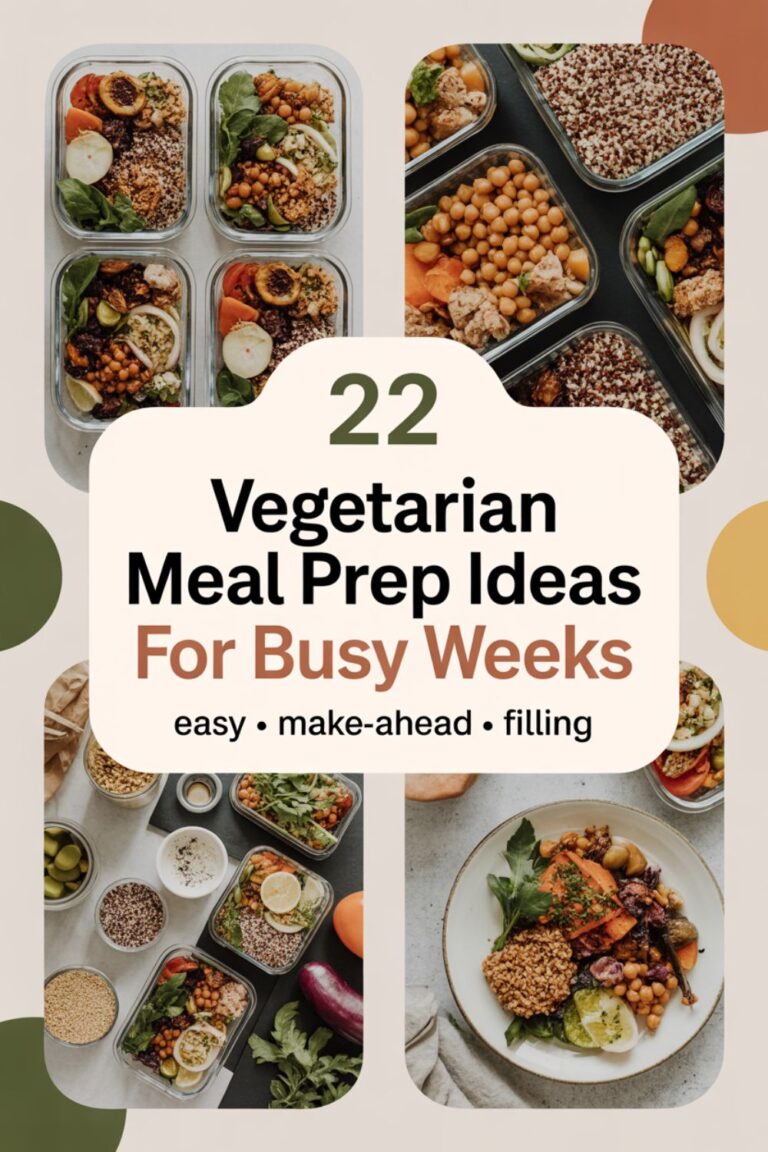
If you’re prepping meals for the week, these vegan meal prep ideas will save you hours in the kitchen.
15. Tahini (Creamy Sesame Magic)
Ground sesame seeds create this rich, slightly bitter paste that’s essential in hummus but works in so much more.
Use it in salad dressings, sauces, or swirl it into oatmeal. The calcium content is impressive—great for vegans who don’t eat fortified foods.
Store it upside down in your pantry so the oil doesn’t separate. Or just stir it really well with a long spoon when you open it.
16. Vegan Butter (Better Than the Original)
The plant-based butter options now are legitimately good. Some brands even brown like dairy butter, which opens up a whole world of possibilities.
Use it anywhere you’d use regular butter—baking, cooking, spreading on toast. The taste difference is minimal, and the environmental impact is way lower.
I keep both salted and unsalted versions in my fridge because they’re not always interchangeable in recipes.
17. Vegetable Broth (Flavor Foundation)
Good vegetable broth is the backbone of so many dishes. Way better than water for cooking grains, making soups, or deglazing pans.
Make a big batch on Sunday and freeze it in portions. Or keep good quality bouillon cubes on hand for quick cooking.
The homemade version tastes better, but quality store-bought works in a pinch. Just watch the sodium levels.
18. Coconut Oil (The Versatile Fat)
Refined coconut oil is neutral-flavored and works great for high-heat cooking. Unrefined has that coconut taste, which works in some recipes and not others.
It’s solid at room temperature, so it works as a butter substitute in some baking applications. Plus it’s got a high smoke point for sautéing.
Keep both versions on hand. I use refined for everyday cooking and unrefined for specific recipes where I want that coconut flavor.
Quick Win: Freeze coconut oil in ice cube trays with herbs. Pop one into a hot pan for instant flavored oil when cooking.
19. Jackfruit (The Pulled Pork Imposter)
Young jackfruit in brine pulls apart like meat and soaks up marinades beautifully. Perfect for BBQ sandwiches, tacos, or any recipe calling for shredded meat.
Don’t confuse it with ripe jackfruit, which is sweet and used in desserts. You want the young, green variety packed in water or brine.
Drain it, shred it, season it aggressively, and cook it until it gets some color. The texture is uncanny.
20. Lentils (The Protein Powerhouse)
Red, green, brown, black—each type of lentil has different cooking times and textures. They’re cheap, protein-rich, and incredibly filling.
Use them in soups, salads, or cooked down as a base for veggie burgers. They also work great as a ground meat substitute in pasta sauce or tacos.
A pressure cooker cuts cooking time dramatically. Dried lentils to perfectly cooked in about 10 minutes.
For cozy comfort food, these vegan soups and stews are absolute perfection on cold nights.
21. Mushrooms (Umami Bombs)
Mushrooms bring that savory, meaty flavor called umami. Especially varieties like portobello, shiitake, and oyster mushrooms.
Grill whole portobello caps for burger substitutes. Sauté shiitakes for stir-fries. Roast oyster mushrooms until crispy for a bacon-like texture.
The key is cooking them properly—high heat, not too crowded in the pan, and don’t stir too often. Let them get golden and caramelized.
22. Chickpeas (The Ultimate Multi-Tasker)
Beyond hummus, chickpeas roast up crispy for snacks, blend into flour for omelets, and work as a protein base in countless dishes.
Roasted chickpeas beat chips any day. Toss them with your favorite spices and roast until crunchy.
They’re also dirt cheap and shelf-stable. Keep dried ones in your pantry and canned ones for when you need them quickly.
23. Sweet Potato (Orange Gold)
Sweet potatoes are naturally creamy and sweet, making them perfect for both savory and sweet dishes. Mash them for a dairy-free side. Blend them into smoothies. Bake them into brownies.
The beta-carotene content is through the roof, and they’re loaded with fiber. Way more interesting than regular potatoes, nutritionally speaking.
I meal prep by roasting a bunch on Sunday. Then I have them ready for quick lunches all week.
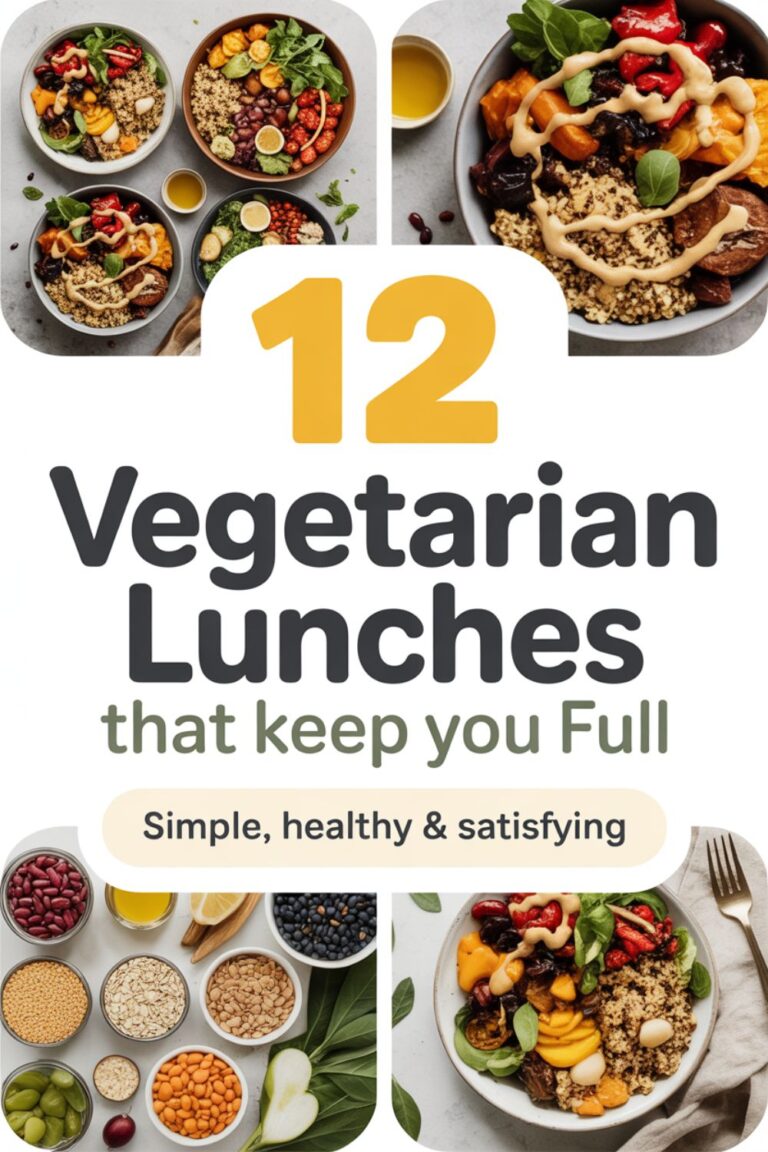
Need easy lunch ideas? These quick vegan lunches are perfect for busy workdays.
24. Agave Nectar (The Liquid Sweetener)
Agave is sweeter than sugar, so you need less. It’s liquid, which makes it perfect for beverages, dressings, and marinades.
The glycemic index is lower than regular sugar, though it’s still sugar. Use it in moderation, but it’s handy for recipes where you need liquid sweetness.
I keep a squeeze bottle for easy measuring. No sticky spoons required.
25. Cauliflower (The Shape-Shifter)
Rice it, mash it, roast it, turn it into buffalo wings—cauliflower does it all. It’s neutral enough to take on any flavor you throw at it.
Cauliflower steaks, pizza crust, mac and cheese sauce—this vegetable has range. The fiber content makes it filling, and it’s low in calories if that matters to you.
A food processor makes ricing cauliflower way easier than grating it by hand. Less mess, faster results.
Tools & Resources That Make Cooking Easier
These are the things that actually make a difference in my kitchen:
- Cast Iron Skillet – Distributes heat evenly, lasts forever
- Microplane Grater – For zesting, grating garlic, and nutritional yeast
- Silicone Baking Mats – Non-stick magic, zero cleanup
- Weekly Meal Planner Template (Printable PDF) – Organize your week in minutes
- Vegan Substitution Chart (Digital Guide) – Never guess measurements again
- Seasonal Produce Guide (Interactive) – Eat what’s fresh and save money
Join our Recipe Testing WhatsApp Group to try new substitutes before anyone else!
“I thought going vegan meant giving up my favorite foods, but these substitutes changed everything. I’ve actually discovered recipes I like better than the originals!” – Marcus from our community, who lost 22 pounds in 4 months
Making Substitutions Work in Real Life
Here’s the truth nobody tells you: not every substitute works in every recipe. Some trial and error is involved.
Start with recipes specifically designed to be vegan. Once you understand how these ingredients behave, you can start adapting your old favorites. Jumping straight into converting grandma’s secret recipe? That’s expert level.
Keep notes on what works. I have a running list in my phone of successful swaps because I will 100% forget what I did if I don’t write it down.
The good news? Most of these substitutes are healthier, cheaper, and easier to find than you’d think. The learning curve is real, but it’s not steep.
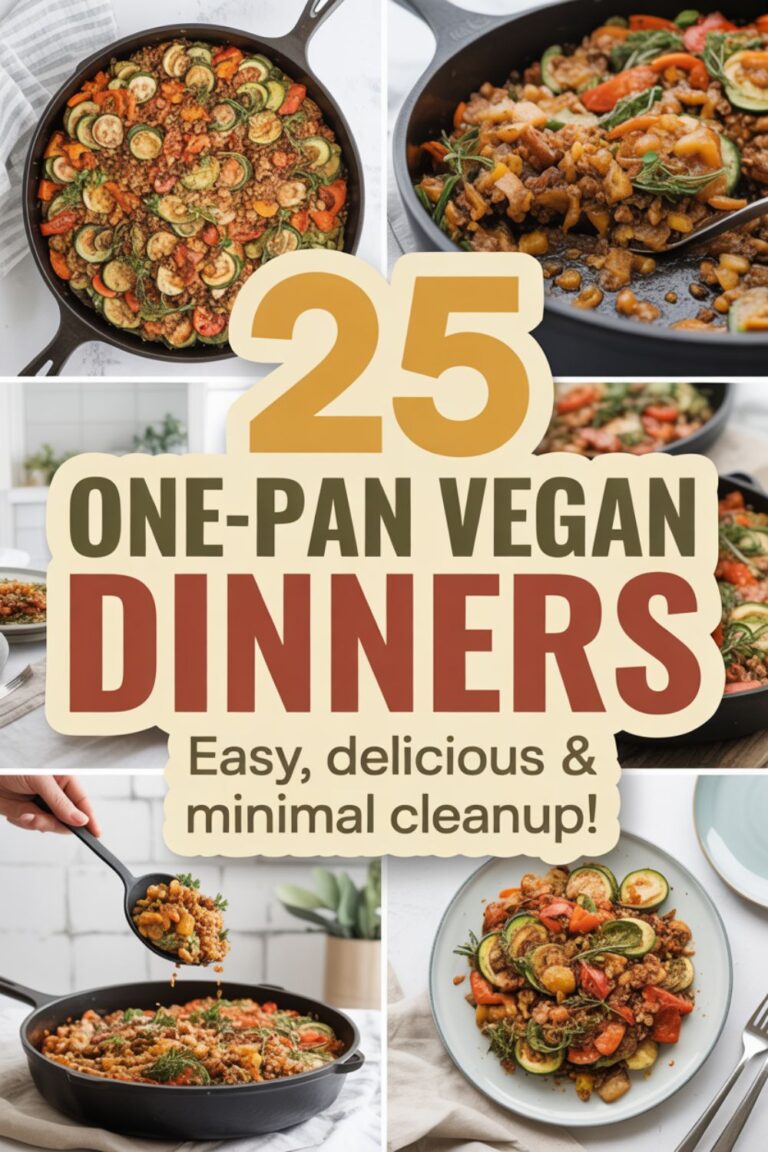
For more inspiration, browse these easy vegan dinner recipes that use many of these substitutes.
The Cost Factor (Let’s Talk Money)
Some people think vegan eating is expensive. It can be if you’re buying every specialty product on the market. But staples like beans, lentils, rice, and seasonal produce? Dirt cheap.
Make your own nut milk, cashew cream, and seitan instead of buying pre-made. You’ll save serious money.
Buy in bulk when possible. I get my nutritional yeast, nuts, and seeds from bulk bins and save probably 40% compared to packaged versions.
Prioritize what matters most to you. Splurge on a good blender because you’ll use it daily. Skip the fancy vegan cheese if regular nutritional yeast does the job.
Pro Tip: Buy nuts and seeds in bulk from warehouse stores, then store them in the freezer. They last months and stay fresh.
Nutritional Considerations (The Stuff That Actually Matters)
Swapping ingredients isn’t just about taste and texture. You need to think about nutrition too, especially with B12, iron, and omega-3s.
Fortified nutritional yeast covers B12. Pair iron-rich foods like lentils and spinach with vitamin C to boost absorption. Get omega-3s from chia seeds, flax, and walnuts.
Research shows that well-planned vegan diets can provide all necessary nutrients when you pay attention to these key vitamins and minerals.
Consider a B12 supplement if you’re not eating fortified foods regularly. It’s cheap insurance against deficiency.
Track your intake for a week or two when you first switch. Use an app to make sure you’re hitting your nutritional targets. After that, you’ll have a good sense of what a balanced day looks like.
Baking vs. Cooking (Different Rules Apply)
Baking is chemistry. Cooking is art. Substitutions work differently in each.
In cooking, you can usually wing it. Swap cashew cream for dairy cream in pasta sauce? Go for it. Use dates instead of honey in a marinade? Probably fine.
Baking requires more precision. The ratio of wet to dry ingredients matters. The binding properties of eggs aren’t just about moisture—they provide structure.
This is why specific egg replacers work better for specific recipes. Flax eggs for muffins. Aquafaba for meringues. Banana for pancakes. Match the substitute to the job.
When in doubt, follow tested vegan recipes until you get a feel for it. Then start experimenting.
And speaking of desserts, these vegan desserts prove you don’t need dairy for amazing sweets.
Common Mistakes to Avoid
Don’t try to replace everything at once. Pick one meal and master it before moving on.
Stop buying specialty products before you know if you’ll actually use them. That $12 bottle of fancy oil collecting dust in your pantry? Learn from my mistakes.
Underseasoning is the biggest error new vegan cooks make. Plant-based foods need bold flavors. Don’t be shy with the spices, acids, and aromatics.
Not pressing tofu properly ruins so many dishes. Seriously, get a press or at least wrap it in towels and put something heavy on top.
Buying low-quality versions of key ingredients and then deciding the whole category is bad. Cheap nutritional yeast tastes like cardboard. Good stuff tastes cheesy and amazing.
Building Your Vegan Pantry
You don’t need everything at once, but here’s a starter list that’ll cover most bases:
Dry goods: Nutritional yeast, various lentils, chickpeas, pasta, rice, quinoa, rolled oats, flour (all-purpose and whole wheat), baking powder, baking soda.
Nuts and seeds: Cashews, almonds, walnuts, chia seeds, flaxseeds, sesame seeds, pumpkin seeds.
Condiments and flavor: Tahini, maple syrup, soy sauce or tamari, hot sauce, vinegars (apple cider, balsamic, rice), mustard, vegetable broth.
Fats and oils: Olive oil, coconut oil (refined and unrefined), vegan butter, avocado oil.
Fresh staples: Garlic, onions, ginger, lemons, limes, whatever vegetables are in season.
Build it gradually. Pick up one or two items each shopping trip. Within a month or two, you’ll have a solid foundation.
When you’re stocked up, try these vegan pasta dishes that make use of basic pantry staples.
Eating Out and Social Situations
This is where substitution knowledge really pays off. You can look at a menu and mentally swap ingredients to veganize dishes.
Ask for olive oil instead of butter. Request no cheese and double the avocado. Swap dairy milk for plant milk in your coffee.
Most restaurants will accommodate reasonable requests. The worst they can say is no, and usually they’re fine with simple modifications.
Bring food to gatherings. Not only does it ensure you’ll have something to eat, but it introduces others to how good vegan food can be.
Don’t make a big deal about it. Just eat your food and let the quality speak for itself.
The Environmental Angle (Because It Matters)
Even if you started this for health or ethics, the environmental impact is worth mentioning. Plant-based eating significantly reduces your carbon footprint.
Water usage drops. Land usage drops. Greenhouse gas emissions drop. It’s one of the most impactful individual actions you can take.
Every substitute you choose over an animal product makes a difference. Not in a preachy way, just in a factual, numbers-don’t-lie kind of way.
You don’t have to be perfect. Even reducing animal products a few times a week adds up over time.
Next-Level Substitution Tips
Once you’ve mastered the basics, here are some advanced moves:
Soak cashews in hot water for 15 minutes instead of overnight. Same creamy results, way faster.
Freeze tofu before pressing it. The texture changes and becomes chewier, almost meat-like.
Blend cooked white beans into cream soups instead of cashews. Cheaper and equally creamy.
Use black salt (kala namak) in tofu scrambles for an eggy sulfur flavor. A little goes a long way.
Make your own oat milk with just oats and water. Fastest homemade milk by far.
If you’re looking for variety, these vegan salad recipes showcase how versatile plant-based eating can be.
Frequently Asked Questions
Can I substitute regular milk with any plant milk in recipes?
Not always. For baking, unsweetened soy or oat milk work best because they have similar protein content to dairy milk. For savory cooking, most plant milks work fine. Coconut milk is great for curries but adds coconut flavor. Match the milk to the recipe’s needs.
Do I need to buy expensive vegan products to eat plant-based?
Absolutely not. Basic staples like beans, lentils, rice, oats, and seasonal vegetables are cheap. You can make your own nut milk, cashew cream, and most substitutes at home for a fraction of the cost. Specialty products are convenient but not necessary.
How do I replace eggs in baking without changing the recipe’s texture?
It depends on the egg’s role. Flax or chia eggs work for binding in muffins and cookies. Aquafaba replaces egg whites for meringues and macarons. Mashed banana or applesauce add moisture in cakes. Understanding what the egg does helps you choose the right substitute.
Will I get enough protein eating vegan?
Yes, if you eat a variety of plant proteins throughout the day. Tofu, tempeh, lentils, chickpeas, quinoa, and nuts all provide substantial protein. Most vegans meet or exceed protein requirements without trying too hard. It’s less of a concern than people think.
What’s the best cheese substitute that actually tastes like cheese?
Honestly, nutritional yeast comes closest for that cheesy flavor, especially in sauces and on popcorn. Cashew-based cheese sauces work great in pasta and nachos. Store-bought vegan cheeses have improved dramatically—brands like Miyoko’s and Violife actually melt and taste good. But nothing perfectly replicates dairy cheese, and that’s okay.
Final Thoughts
Look, nobody’s asking you to be perfect. Even using a few of these substitutes regularly makes a difference—to your health, to animals, to the planet.
Start small. Pick three substitutes from this list and get comfortable with them. Then add more as you go.
The best part? Most of these swaps taste better once you get used to them. Your taste buds adapt, and suddenly dairy cream seems heavy and unnecessary when cashew cream exists.
Cooking is supposed to be fun. Experiment. Mess up. Try again. Some of my best recipes came from complete disasters that I salvaged at the last minute.
These substitutes aren’t just replacements—they’re ingredients in their own right. They bring nutrition, flavor, and versatility to your cooking that’s worth exploring beyond just swapping out animal products.
You’ve got this.