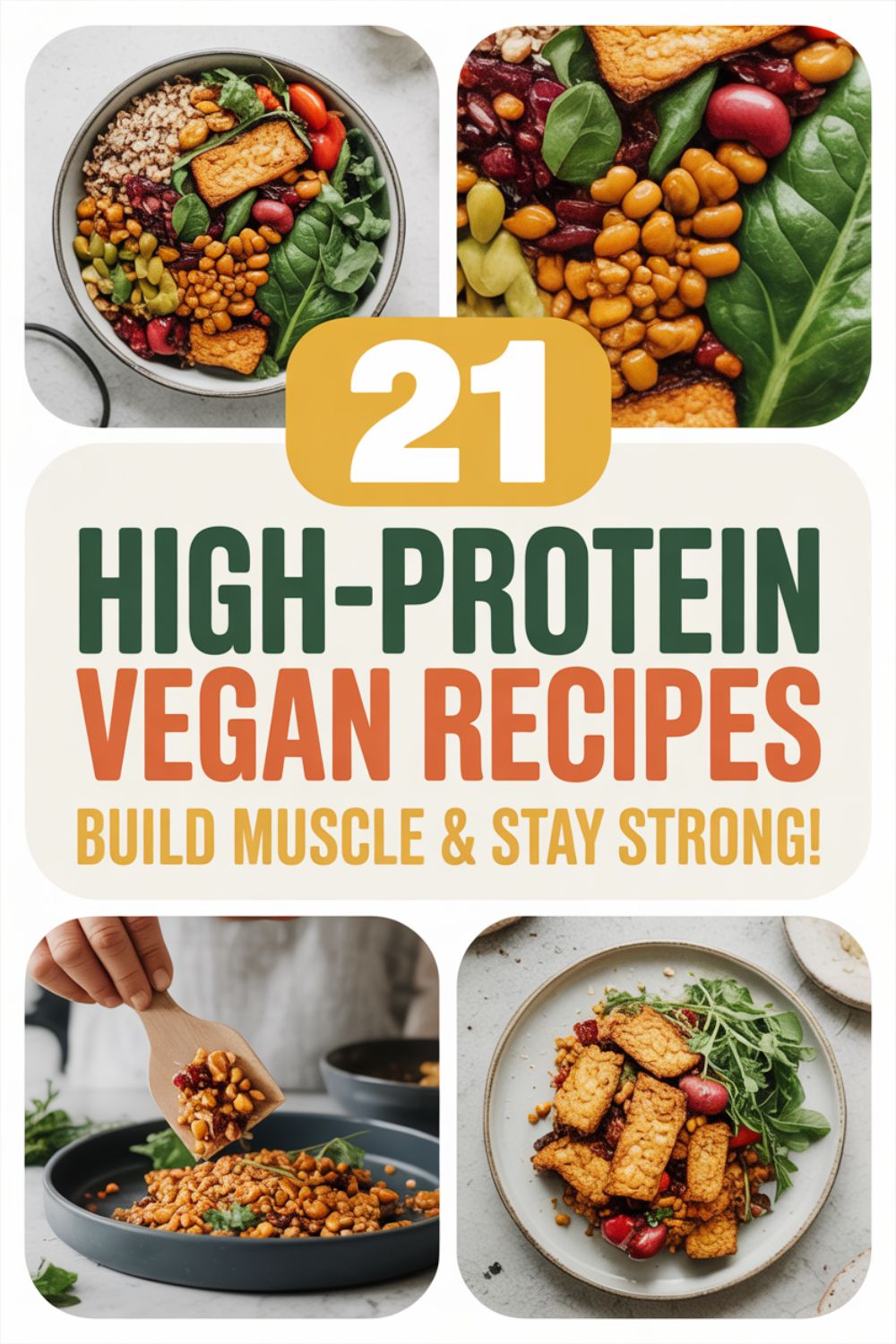
21 High-Protein Vegan Recipes for Muscle Gain
Look, I’ll level with you—when I first went vegan, I was convinced my gains were doomed. Every gym bro within a five-mile radius seemed personally offended by my decision, lecturing me about “incomplete proteins” and how I’d waste away without chicken breast. Spoiler alert: I didn’t waste away. In fact, I’ve never felt stronger.
Building muscle on a vegan diet isn’t just possible—it’s surprisingly straightforward once you know what you’re doing. The key isn’t magic; it’s just understanding which plant-based foods pack the protein punch you need and how to combine them smartly. Whether you’re already plant-based or just dipping your toes into the vegan waters, these 21 recipes will keep your muscles fed and your taste buds happy.
Before we jump into the recipes, let’s address the elephant in the room: protein quality. Research shows that while some plant proteins may be lower in certain amino acids, you can easily meet your needs by eating a variety of protein sources throughout the day. You don’t need to stress about combining proteins in every single meal—your body is smarter than that.
Understanding Your Protein Needs for Muscle Building
Here’s the deal: if you’re lifting weights and trying to build muscle, you need more protein than your average couch potato. Most exercise researchers agree that hitting around 1.6 grams of protein per kilogram of body weight is the sweet spot for maximizing muscle growth. For a 150-pound person, that’s roughly 109 grams of protein daily.
Now, before you panic thinking that’s impossible on plants alone, let me stop you right there. A single cup of cooked lentils packs about 18 grams of protein. Add some hemp seeds to your smoothie, toss tempeh in your stir-fry, and suddenly you’re hitting your targets without breaking a sweat.
The beauty of vegan protein sources? They come bundled with fiber, vitamins, and minerals that animal proteins simply can’t match. You’re not just building muscle—you’re fueling your entire body with quality nutrition.
The Building Blocks: Best High-Protein Vegan Ingredients
Let’s talk about the heavy hitters in the vegan protein world. These are the ingredients you’ll see popping up repeatedly in the recipes below, and for good reason—they’re absolute workhorses.
Legumes: The Underrated Champions
Lentils are my personal favorite. They cook fast, taste great, and pack about 18 grams of protein per cooked cup. Red lentils work beautifully in curries, while green and brown lentils hold their shape perfectly in salads and grain bowls.
Chickpeas deserve their own fan club. Whether you’re roasting them for a crunchy snack, blending them into hummus, or mashing them for chickpea “tuna” salad, these little guys deliver 15 grams of protein per cup. I always keep a few cans of chickpeas in my pantry—they’re a lifesaver when you need quick protein.
Black beans and other bean varieties are equally impressive. They’re cheap, versatile, and loaded with both protein and fiber. The fiber content is actually a bonus because it keeps you fuller longer and supports gut health.
Soy Products: Complete Protein Powerhouses
Here’s where things get interesting. Soy products like tofu, tempeh, and edamame are among the few plant-based complete proteins, meaning they contain all nine essential amino acids your body needs. A half-cup of tempeh delivers a whopping 15 grams of protein.
I know tofu gets a bad rap for being bland, but that’s actually its superpower—it takes on whatever flavors you throw at it. Press it well (I use this tofu press religiously), marinate it properly, and you’ve got yourself a protein-packed flavor bomb.
Seitan: The Protein King
If you’re not gluten-intolerant, seitan is your best friend. This wheat-based protein delivers an insane 25 grams of protein per 3.5-ounce serving. It has a meaty texture that makes it perfect for stir-fries, sandwiches, and anything where you want that substantial, chewy bite.
The only downside? It’s low in lysine, so pair it with lysine-rich foods like beans or quinoa throughout your day to round out your amino acid profile.
Nuts, Seeds, and Nut Butters
These aren’t your main protein sources, but they’re excellent supporting players. Hemp seeds pack 10 grams of protein per 3 tablespoons and contain all essential amino acids. Sprinkle them on literally everything—smoothies, oatmeal, salads, you name it.
Peanut butter and almond butter deliver about 8 grams of protein per 2-tablespoon serving. My morning smoothie isn’t complete without a generous scoop of natural peanut butter. The kind with just peanuts and salt—none of that added sugar nonsense.
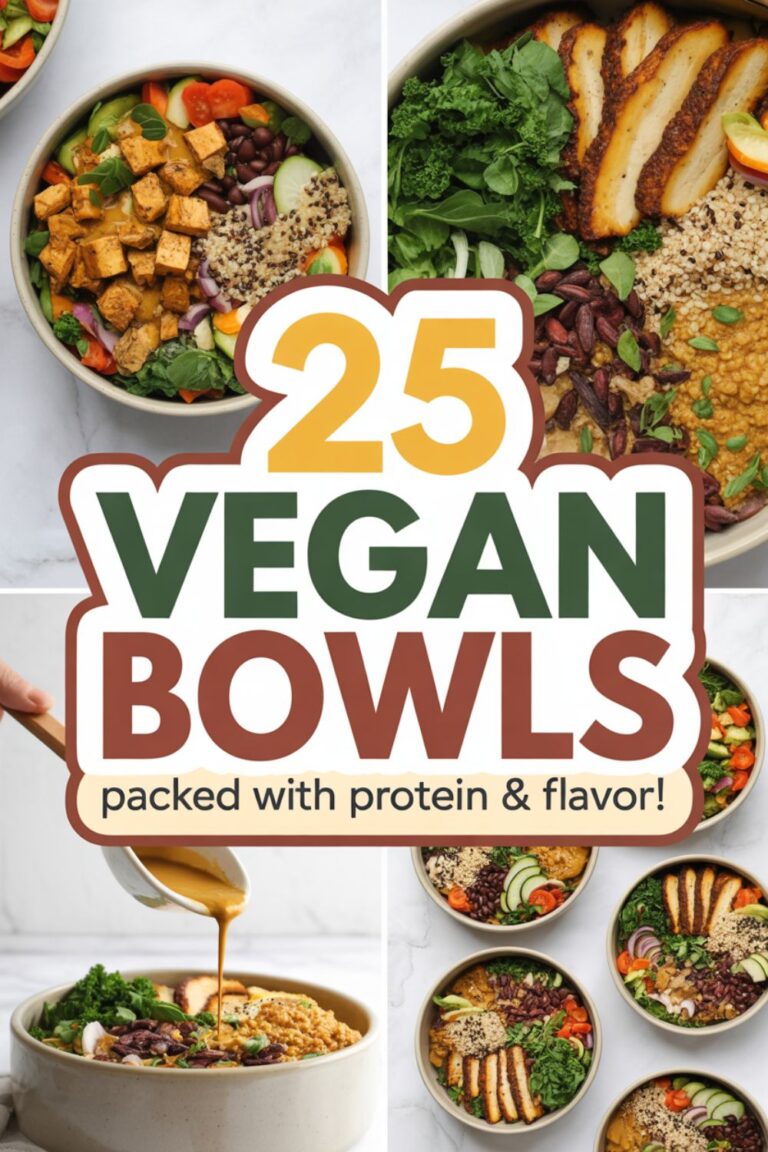
If you’re curious about how different plant proteins stack up nutritionally, check out these high-protein vegan meals that actually keep you satisfied.
Meal Prep Essentials Used in These Recipes
Over the years, I’ve learned that having the right ingredients on hand makes everything easier. Here’s what I always keep stocked:
- Organic Tempeh (Pack of 6) – I buy in bulk and freeze. Tempeh is ridiculously versatile and has a nutty flavor that improves almost any dish.
- High-Quality Nutritional Yeast – This is non-negotiable. It adds a cheesy, umami flavor and packs B vitamins and extra protein.
- Raw Hemp Seeds (1 lb bag) – Sprinkle these on everything. They’re complete proteins and have the perfect nutty crunch.
Digital Resources:
- Plant-Based Meal Prep Guide (Ebook) – A comprehensive guide with weekly meal plans and grocery lists specifically designed for muscle building
- Vegan Macro Calculator – Helps you dial in your exact protein, carb, and fat needs based on your goals and activity level
- 30-Day High-Protein Vegan Challenge – Includes recipes, shopping lists, and a supportive community to keep you on track
Want to connect with others on the same journey? Join our WhatsApp Community: Plant-Powered Gains where we share recipes, progress pics, and keep each other motivated.
21 High-Protein Vegan Recipes That Actually Deliver
Alright, enough theory. Let’s get to the good stuff—actual recipes that’ll fuel your workouts and taste damn good doing it.
Breakfast Recipes (Recipes 1-5)
1. Protein-Packed Overnight Oats
Start your day with 20+ grams of protein by combining rolled oats, vegan protein powder, chia seeds, and almond milk. I prep five jars on Sunday night, and boom—breakfast is handled for the work week. Top with berries and a drizzle of almond butter in the morning. Get Full Recipe.
2. Tofu Scramble Power Bowl
Crumble firm tofu, season it with turmeric, nutritional yeast, and black salt (for that eggy flavor), and sauté with veggies. Add black beans on the side, and you’re looking at 25+ grams of protein. This beats boring eggs any day of the week.
3. Peanut Butter Banana Protein Smoothie
Blend frozen banana, spinach (trust me, you won’t taste it), peanut butter, plant milk, and protein powder. Takes 3 minutes and delivers 30 grams of protein. I make this in my high-speed blender that pulverizes everything into creamy perfection.
4. Chickpea Flour Pancakes (Savory)
These savory pancakes are huge in Indian cuisine for a reason. Mix chickpea flour with water, spices, and diced veggies. Each serving packs about 15 grams of protein. They’re filling, delicious, and honestly addictive. Get Full Recipe.
5. Quinoa Breakfast Bowl with Tempeh Bacon
Quinoa isn’t just for lunch. Cook it in plant milk, top with crumbled tempeh bacon, nuts, and fresh fruit. The combination gives you all nine essential amino acids and about 22 grams of protein per serving.
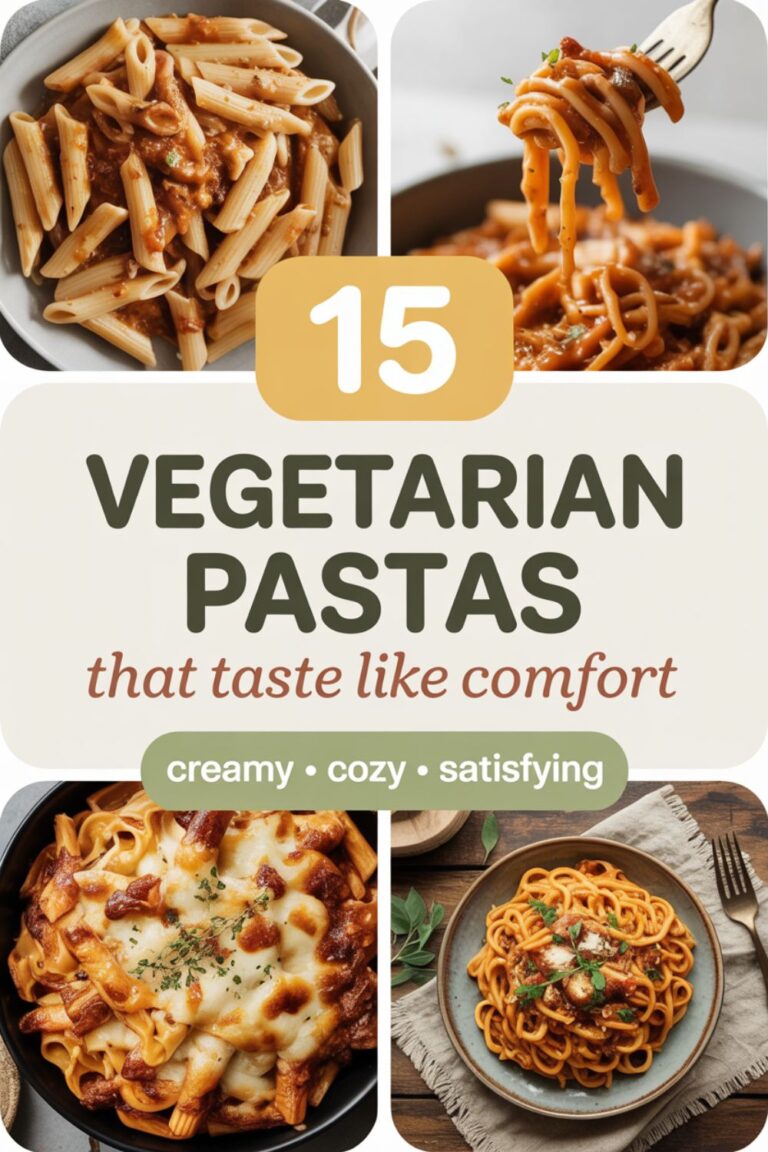
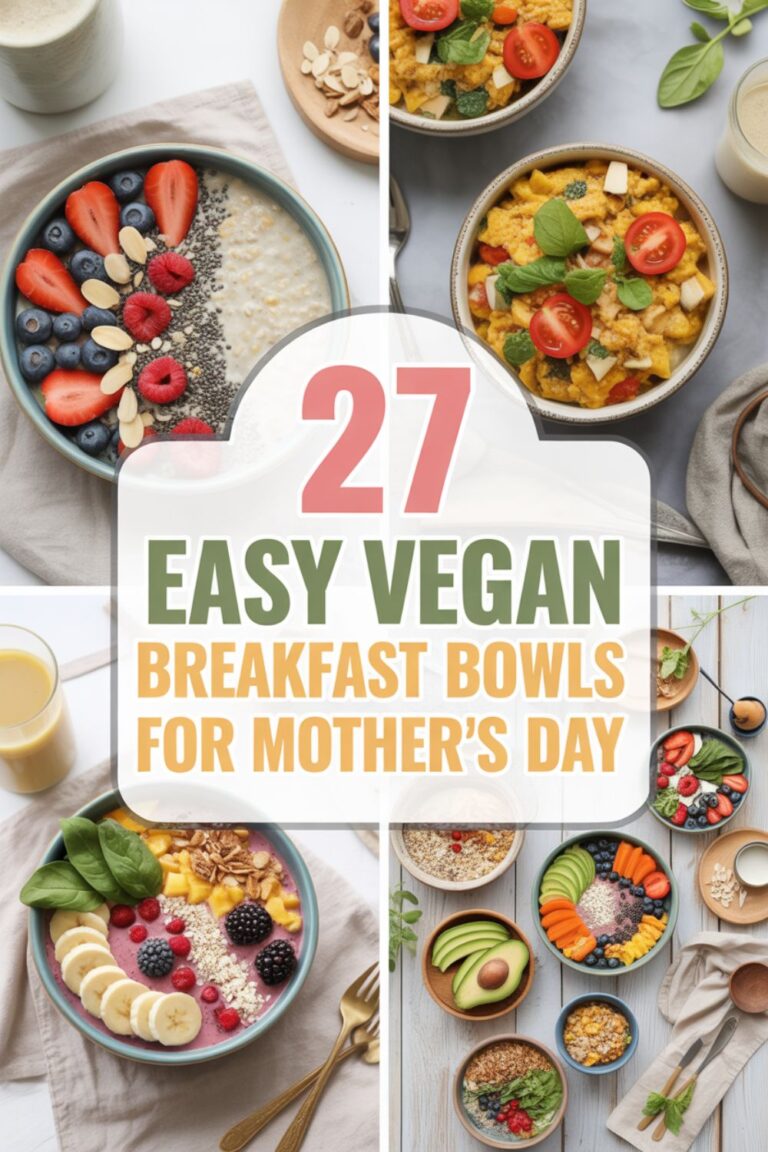
Looking for more morning inspiration? These vegan breakfast ideas will seriously level up your AM routine.
Lunch Recipes (Recipes 6-10)
6. Loaded Lentil Buddha Bowl
Brown rice, green lentils, roasted chickpeas, tahini dressing, and all the veggies. This bowl is a complete meal that clocks in around 28 grams of protein. I meal prep these on Sundays and eat them cold throughout the week—they’re actually better the next day.
7. Tempeh Lettuce Wraps
Marinate tempeh in soy sauce, rice vinegar, and ginger, then crumble and sauté. Serve in lettuce leaves with shredded veggies and peanut sauce. Light, refreshing, and protein-dense at 20 grams per serving. Get Full Recipe.
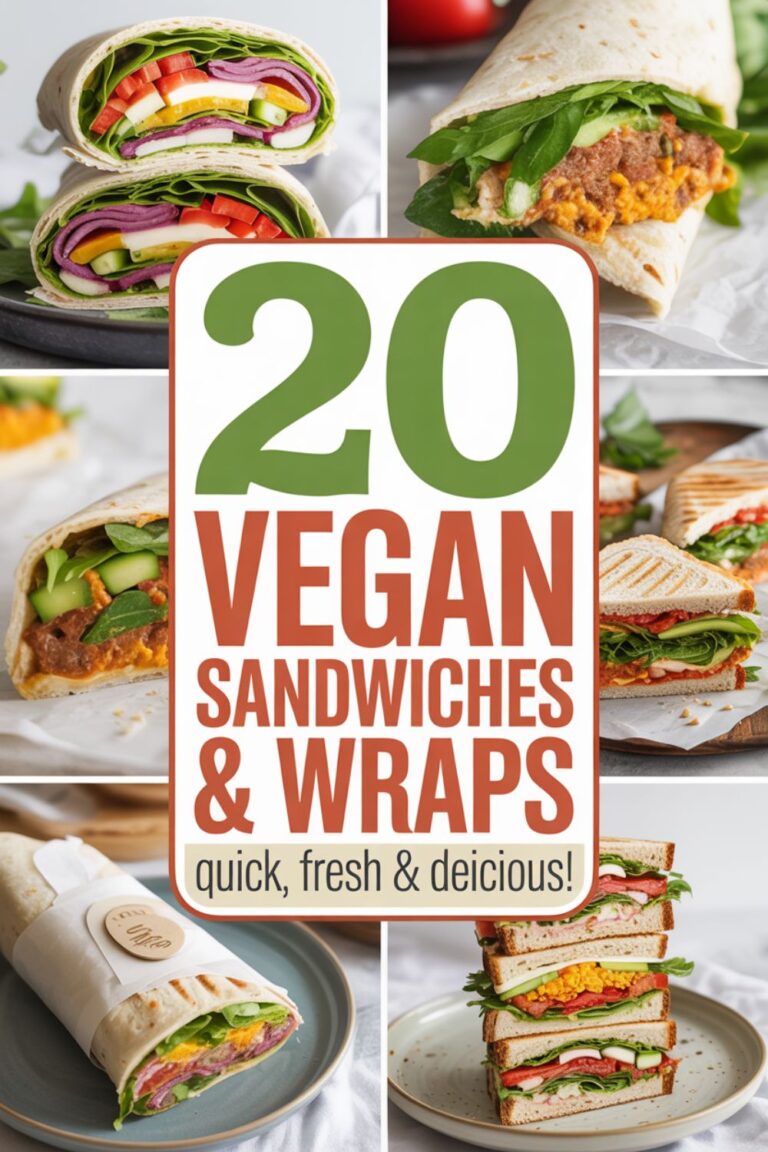
8. Chickpea “Tuna” Salad Sandwich
Mash chickpeas with vegan mayo, diced celery, red onion, and a squeeze of lemon. Pile it high on sprouted grain bread. This nostalgic sandwich delivers 18 grams of protein and takes you right back to childhood—minus the fish.
9. Black Bean and Quinoa Burrito Bowl
Layer brown rice, black beans, quinoa, corn, salsa, and guacamole. This Mexican-inspired bowl is stupid simple and packs 25+ grams of protein. It’s also crazy filling thanks to all that fiber.
10. Thai Peanut Noodle Salad with Edamame
Toss rice noodles with edamame, shredded veggies, and a killer peanut sauce made with natural peanut butter, lime juice, and sriracha. The edamame alone gives you 17 grams of protein, plus more from the peanut sauce.
Need more midday meal inspo? Check out these quick vegan lunches perfect for work.
Quick Win: Batch-cook your grains and legumes at the start of the week. Store them in glass meal prep containers, and you can throw together protein-packed meals in under 10 minutes. Game changer.
Dinner Recipes (Recipes 11-16)
11. Seitan Stir-Fry with Broccoli and Cashews
Slice seitan into strips, stir-fry with broccoli, snap peas, and cashews in a savory sauce. One serving delivers a ridiculous 30+ grams of protein. The texture is so meaty that even non-vegans request this dish.
12. Lentil Bolognese over Whole Wheat Pasta
Replace ground meat with brown or green lentils in your favorite bolognese recipe. Simmer with tomatoes, garlic, and Italian herbs. Serve over high-protein pasta. You’re looking at 24 grams of protein per generous serving. Get Full Recipe.
13. Baked Falafel with Tahini Sauce
Blend chickpeas, herbs, and spices, form into patties, and bake until crispy. Serve with tahini sauce and a side of quinoa. These give you about 20 grams of protein per serving and reheat beautifully for meal prep.
14. TVP (Textured Vegetable Protein) Tacos
Rehydrate TVP in vegetable broth and season like traditional taco meat. This underrated ingredient is literally 50% protein by weight. Load up your tacos with it, and you’re easily hitting 25 grams per meal.
15. Stuffed Bell Peppers with Quinoa and Black Beans
Mix cooked quinoa, black beans, corn, salsa, and spices. Stuff into bell peppers and bake. Each pepper half delivers around 15 grams of protein. Make a big batch—these freeze incredibly well.
16. Curried Chickpea and Spinach Stew
Simmer chickpeas in coconut milk with curry spices, tomatoes, and a massive handful of spinach. Serve over brown rice. This comfort food masterpiece gives you 22 grams of protein and warms you from the inside out. Get Full Recipe.
For complete dinner ideas that the whole family will love, explore these easy vegan dinner recipes.
Snacks and Sides (Recipes 17-21)
17. Roasted Chickpeas (Three Ways)
Toss drained chickpeas with oil and your choice of seasonings: savory (paprika, garlic powder), sweet (cinnamon, maple), or spicy (cayenne, cumin). Roast until crispy. A full cup gives you 15 grams of protein. I can’t stop eating these—I usually make a double batch.
18. Edamame Hummus
Blend cooked edamame with tahini, lemon juice, and garlic. This bright green hummus has more protein than traditional chickpea hummus—about 4 grams per quarter cup. Serve with veggie chips or raw veggies.
19. Peanut Butter Energy Balls
Mix oats, peanut butter, vegan protein powder, and a touch of maple syrup. Roll into balls and refrigerate. Each ball has about 5 grams of protein, making them perfect pre- or post-workout snacks. Get Full Recipe.
20. Spiced Lentil Dip
Blend cooked red lentils with roasted red peppers, cumin, and lemon. This dip is silky smooth and packs 8 grams of protein per half-cup serving. It’s incredible with pita chips or as a spread on sandwiches.
21. Tempeh Jerky
Marinate thin slices of tempeh in soy sauce, liquid smoke, and maple syrup, then bake low and slow until chewy. This homemade jerky beats any store-bought version and delivers 12 grams of protein per serving. I always have some in my gym bag.
Craving more snack options? These healthy vegan snacks will keep you satisfied between meals.
Tools & Resources That Make Cooking Easier
The right kitchen gear makes plant-based cooking so much easier. Here’s what I actually use:
- Cast Iron Skillet (12-inch) – Perfect for searing tempeh and tofu. This thing will outlive you if you treat it right.
- High-Speed Blender – Essential for smooth hummus, nut butters, and protein smoothies. Don’t cheap out here.
- Glass Storage Containers (Set of 10) – Meal prep is impossible without good containers. Glass is better than plastic—no weird smells or stains.
Digital Tools:
- Vegan Bodybuilding Blueprint (PDF) – Complete training and nutrition guide specifically for plant-based muscle building
- Weekly Meal Planner Template – Drag-and-drop meal planning system that automatically calculates your macros
- Plant Protein Recipe Database – Access to 200+ high-protein vegan recipes with full nutritional breakdowns
Join our WhatsApp Group: Vegan Muscle Club for daily motivation, recipe swaps, and accountability.
Meal Prepping for Maximum Muscle Gain
Real talk—if you’re not meal prepping at least some of your food, you’re making life harder than it needs to be. I’m not saying you need to prep every single meal for the week, but having a few high-protein staples ready to go is the difference between hitting your protein goals and falling short.
Every Sunday, I spend about 2 hours cooking. I make a big batch of quinoa or brown rice, cook up 2-3 types of legumes, and prep some protein-rich snacks. Then throughout the week, I can mix and match these components to create different meals. It’s not about eating the same thing every day—it’s about having building blocks ready.
My favorite meal prep hack? Silicone muffin tins for portioning hummus, nut butters, and dressings. Fill them, freeze them, and pop out individual portions as needed. Sounds dorky, but it’s brilliant.
Pro Tip: Invest in a food scale. When you’re building muscle, accuracy matters. Eyeballing portions is how you end up undershooting your protein targets. Weigh your food for a week or two until you develop a good eye for portions.
Common Mistakes to Avoid
Let me save you some headaches by sharing the mistakes I made when I first started focusing on protein as a vegan.
Mistake #1: Not Eating Enough Calories
This is huge. You can eat all the protein in the world, but if you’re not eating enough total calories, you won’t build muscle. Plant foods are generally less calorie-dense than animal products, so you often need to eat more volume. Don’t be afraid to add calorie-dense foods like nuts, nut butters, and avocados to your meals.
Mistake #2: Relying Too Heavily on Protein Powder
Yes, vegan protein powder is convenient. But whole food sources come with fiber, micronutrients, and other beneficial compounds that powders lack. Use powder to supplement, not replace, whole food proteins.
Mistake #3: Forgetting About Leucine
Leucine is an amino acid that’s particularly important for triggering muscle protein synthesis. Most plant proteins contain less leucine than animal proteins. Experts suggest aiming for about 2-3 grams of leucine per meal when you’re trying to build muscle. Soy products, seitan, and legumes are your best bets for leucine.
Mistake #4: Neglecting Variety
If you’re eating the same two or three protein sources every day, you’re probably missing out on certain amino acids. Mix it up. Have tempeh one day, lentils the next, then seitan, then chickpeas. Your body (and your taste buds) will thank you.
Want a complete meal planning system? These vegan meal prep ideas take the guesswork out of weekly planning.
The Truth About Protein Timing
You’ve probably heard that you need to slam a protein shake within 30 minutes of your workout, or your muscles will literally shrivel up and die. Good news: that’s mostly bro-science.
Recent research shows that total daily protein intake matters way more than precise timing. As long as you’re eating enough protein spread throughout the day, you’re good. That said, having some protein after a workout definitely doesn’t hurt, and it can help with recovery and muscle repair.
I usually have a smoothie with protein powder after lifting, but more because it’s convenient and tasty than because I think it’s magic. On days when I forget or don’t feel like it, I just make sure to eat a protein-rich meal within a few hours.
Supplements Worth Considering
I’m not a huge supplement pusher—I think whole foods should always come first. But there are a few supplements that can genuinely help vegans building muscle.
Vitamin B12
This is non-negotiable for vegans. B12 is only naturally found in animal products, so you need to supplement or eat fortified foods. Get a good B12 supplement—your energy levels and nervous system will thank you.
Creatine
Creatine is naturally found in meat, so vegans tend to have lower levels. Supplementing with creatine can improve strength and muscle gains. It’s one of the most researched supplements out there, and it works. Five grams per day is the standard dose.
Vegan Protein Powder
Not essential, but definitely convenient. I like pea-rice protein blends because they provide a complete amino acid profile. Avoid ones with tons of added sugar and artificial ingredients—you’re paying for protein, not a chemistry experiment.
Sample Day of Eating for Muscle Gain
Let me walk you through what a typical high-protein day looks like for me. This totals about 2,400 calories and 140 grams of protein—plenty for building muscle.
Breakfast: Protein overnight oats with hemp seeds, berries, and almond butter (32g protein)
Mid-Morning Snack: Roasted chickpeas and a handful of almonds (12g protein)
Lunch: Tempeh lettuce wraps with peanut sauce, side of edamame (28g protein)
Pre-Workout Snack: Banana with peanut butter (6g protein)
Post-Workout: Protein smoothie with spinach and berries (30g protein)
Dinner: Seitan stir-fry with brown rice and veggies (32g protein)
See? Hitting 140 grams isn’t some impossible feat. You just need to be intentional about including protein at each meal and snack.
Looking for more complete meal inspiration? These vegan salad recipes are both filling and protein-packed.
Debunking the Soy Myths
Let’s address this once and for all because I’m tired of hearing it: no, soy will not give you man boobs. No, it won’t mess with your hormones. These myths have been thoroughly debunked by actual science, but they persist because… I don’t know, people love drama?
The truth is that soy contains phytoestrogens, which are plant compounds that are structurally similar to human estrogen but function completely differently in the body. Study after study has shown that moderate soy consumption (2-3 servings daily) has zero negative effects on testosterone levels or reproductive health in men.
In fact, populations that eat the most soy—like those in Japan and other Asian countries—have lower rates of many diseases. So maybe stop Googling “does soy make you weak” and start enjoying that tempeh stir-fry guilt-free.
Frequently Asked Questions
Can you really build muscle on a vegan diet?
Absolutely. Multiple studies have shown that plant-based diets provide sufficient protein and all essential amino acids needed for muscle growth when properly planned. Professional athletes and bodybuilders around the world are thriving on vegan diets. The key is eating enough total calories, hitting your protein targets (1.6-2.2g per kg body weight), and including a variety of protein sources throughout the day.
Do I need to combine proteins at every meal?
Nope, that’s outdated information. Your body pools amino acids throughout the day, so you don’t need to stress about combining complementary proteins in a single meal. Just eat a variety of protein sources throughout the day—beans, lentils, tofu, tempeh, nuts, seeds—and your body will sort out the rest. The “food combining” myth has been thoroughly debunked by nutritional science.
How much protein powder should I use?
Protein powder should supplement, not replace, whole food proteins. Most people do fine with 1-2 scoops (20-40g protein) per day, typically around workouts for convenience. But honestly, if you’re eating enough whole food protein throughout the day, you might not need powder at all. I use it mainly for convenience when I’m short on time, not because it’s necessary.
What if I’m allergic to soy?
No problem at all. Plenty of high-protein vegan foods don’t involve soy—lentils, beans, chickpeas, seitan (if you’re not gluten-free), quinoa, hemp seeds, and pea protein powder all deliver excellent protein without a soy bean in sight. Soy just happens to be convenient and complete, but it’s far from necessary for building muscle on a plant-based diet.
Will eating this much protein hurt my kidneys?
If you have healthy kidneys, high protein intake is perfectly safe. This myth originated from concerns about people with existing kidney disease, but research shows that higher protein diets don’t damage healthy kidneys. In fact, plant proteins may be easier on your kidneys than animal proteins because they’re less acidic. Just make sure you’re drinking plenty of water—that’s always good advice regardless of protein intake.
Final Thoughts
Building muscle on a vegan diet isn’t complicated once you understand the basics. Focus on hitting your protein targets, eat a variety of plant-based protein sources, train consistently, and give your body enough rest to recover. The recipes in this guide make it stupid simple to get the protein you need while actually enjoying your food.
The biggest lesson I’ve learned? Don’t overthink it. You don’t need to be perfect. You don’t need expensive supplements or complicated meal plans. You just need to eat enough protein-rich whole foods, lift heavy things, and be consistent. The results will come.
And hey, if someone at the gym asks where you get your protein, just flex and tell them to try that tempeh stir-fry. Nothing shuts down the protein police quite like visible gains on a plant-based diet.
Now get in the kitchen and start cooking. Your muscles are hungry.