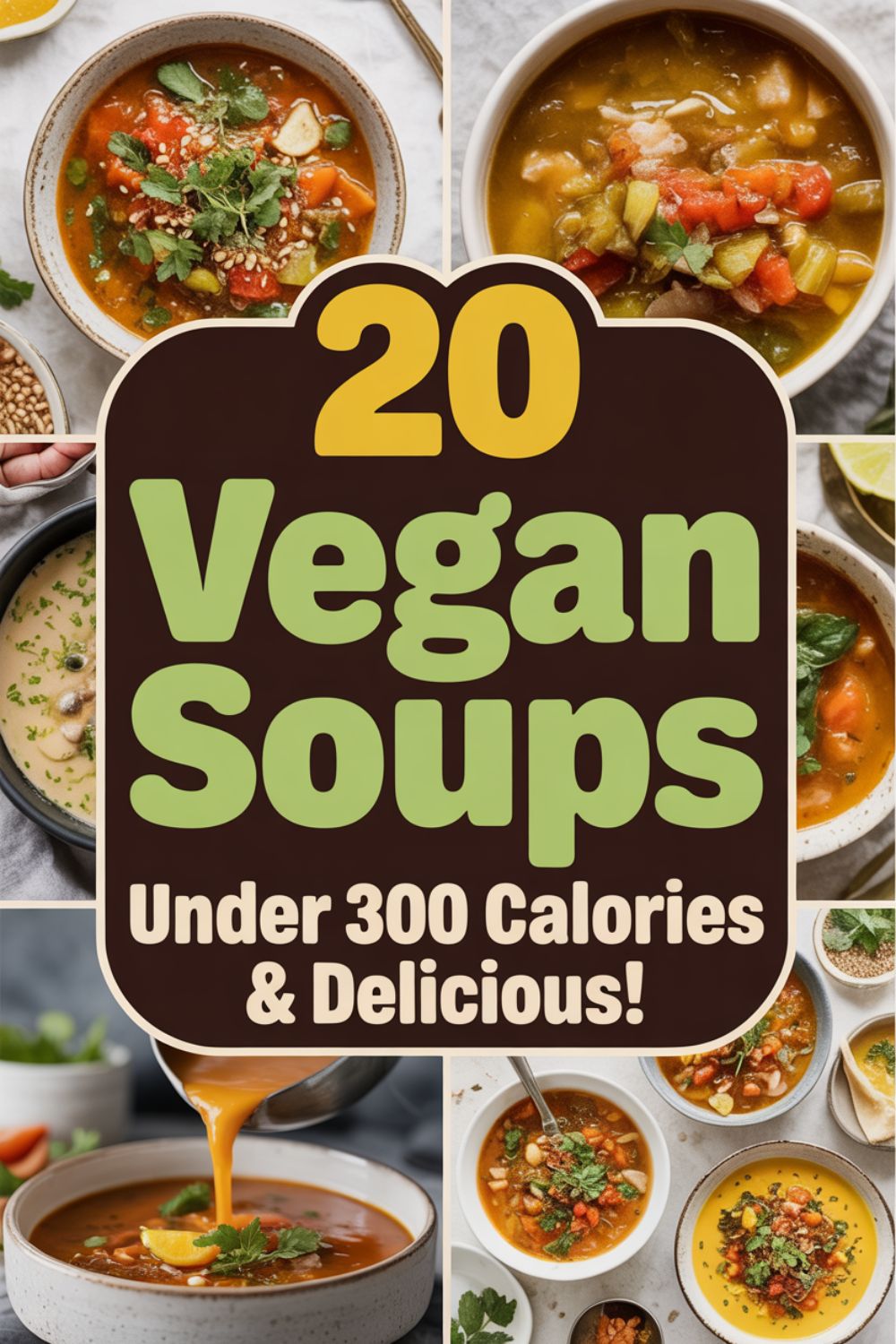
20 Vegan Soups Under 300 Calories
Let’s be honest—soup gets a bad reputation. Some people think it’s just glorified hot water with vegetables floating around. But here’s the thing: when you nail the right combination of ingredients, spices, and textures, soup becomes one of the most satisfying meals you can make. And if you’re trying to keep calories in check without feeling like you’re eating cardboard? Vegan soups are where it’s at.
I’m talking about bowls of comfort that won’t wreck your calorie budget. According to Harvard Health, plant-based eating patterns have been linked to numerous health benefits, including better heart health and weight management. The best part? These soups clock in under 300 calories per serving while still keeping you full and happy.
Whether you’re meal prepping for the week or just need something quick on a Tuesday night, these vegan soup recipes will become your go-to arsenal. No weird ingredients. No complicated techniques. Just real food that actually tastes good.
Why Vegan Soups Are Perfect for Calorie-Conscious Eating
Here’s something most people don’t realize: vegetables are ridiculously low in calories compared to their volume. A whole cup of chopped broccoli? About 30 calories. Same amount of cooked chicken? Close to 230 calories. This means you can load up your bowl without the guilt.
But the magic doesn’t stop at calories. Research from Harvard Medical School shows that vegetables provide rich rewards of vitamins, minerals, and fiber for a very low calorie and carbohydrate load. That fiber keeps you feeling full longer—something you definitely want when you’re watching portions.
Plus, soup has this amazing ability to trick your brain into thinking you’re eating more than you actually are. The liquid volume fills your stomach, sending those “I’m satisfied” signals to your brain faster than solid food alone. Pretty cool, right?
The Foundation: Building a Low-Calorie Vegan Soup
Not all soups are created equal. Some cream-based versions can pack 500+ calories per bowl—basically a full meal’s worth for something you might consider a side dish. The key to keeping things light is understanding which ingredients give you the most bang for your calorie buck.
Start With the Right Broth
Your base matters more than you think. Vegetable broth typically runs about 10-15 calories per cup, making it the perfect foundation. You can buy it boxed (I usually grab low-sodium organic vegetable broth because I like controlling the salt myself), or if you’re feeling ambitious, make your own.
Homemade broth is ridiculously easy, FYI. Just toss vegetable scraps—onion peels, carrot tops, celery leaves—into a pot with water and simmer for an hour. Strain it, and boom. Free broth that tastes way better than store-bought.
Load Up on Non-Starchy Vegetables
This is where you get to go wild. Leafy greens like spinach and kale, cruciferous vegetables like broccoli and cauliflower, and root vegetables like carrots add massive amounts of nutrition without adding many calories. A study published in the British Journal of Nutrition found that soup consumers tend to have lower body weight and smaller waist circumference than non-soup consumers.
My favorite trick? I use a good vegetable chopper to prep everything at once. Saves me at least 15 minutes of knife work, and my dice is way more uniform (which means everything cooks evenly).
Speaking of veggie-heavy meals, you might also love these Get Full Recipe for more plant-based inspiration, or check out this collection of Get Full Recipe that focus on maximum nutrition.
Add Protein Without the Calories
One complaint people have about vegan soups is they don’t keep them full. The solution? Strategic protein additions. Legumes like lentils, chickpeas, and white beans are your best friends here. They’re loaded with protein and fiber, but they won’t blow your calorie budget like nuts or seeds can.
For example, half a cup of cooked lentils has about 115 calories but packs 9 grams of protein and 8 grams of fiber. That’s serious staying power. If you want to batch-cook beans to save time, I swear by my 6-quart Instant Pot. Dried beans to perfectly cooked in 25 minutes? Sign me up.
20 Vegan Soup Recipes That Actually Deliver
Alright, let’s get into the good stuff. These recipes range from 150 to 295 calories per serving, and every single one of them is delicious enough that you won’t feel like you’re on a diet.
Classic Comfort Soups (Under 250 Calories)
1. Tuscan White Bean and Kale Soup (220 calories)
This one’s a personal favorite. Cannellini beans, fresh kale, tomatoes, and Italian herbs come together in a broth that tastes like you spent hours on it. The secret? A splash of balsamic vinegar at the end brightens everything up.
2. Curried Red Lentil Soup (195 calories)
Red lentils cook down into this creamy, almost velvety texture that’s insane. Add curry powder, ginger, and a squeeze of lime, and you’ve got something that could honestly pass for restaurant quality. I make mine in a Dutch oven because it distributes heat so evenly.
3. Roasted Tomato Basil Soup (165 calories)
Forget the cream. Roasting the tomatoes first concentrates their flavor so much that you don’t need dairy to make this soup rich. A handful of fresh basil and a tiny drizzle of olive oil, and you’re golden.
4. Miso Mushroom Soup (180 calories)
Umami bomb right here. Shiitake mushrooms, miso paste, and a bit of ginger create this deeply satisfying bowl that feels almost meaty. Pro tip: don’t boil miso paste—it kills the beneficial probiotics. Add it at the end, off heat.
5. Mexican Tortilla Soup (240 calories)
Black beans, fire-roasted tomatoes, corn, and all the spices. Top it with baked tortilla strips (way fewer calories than fried), fresh cilantro, and a squeeze of lime. This is the soup I make when I need something that feels indulgent but isn’t.
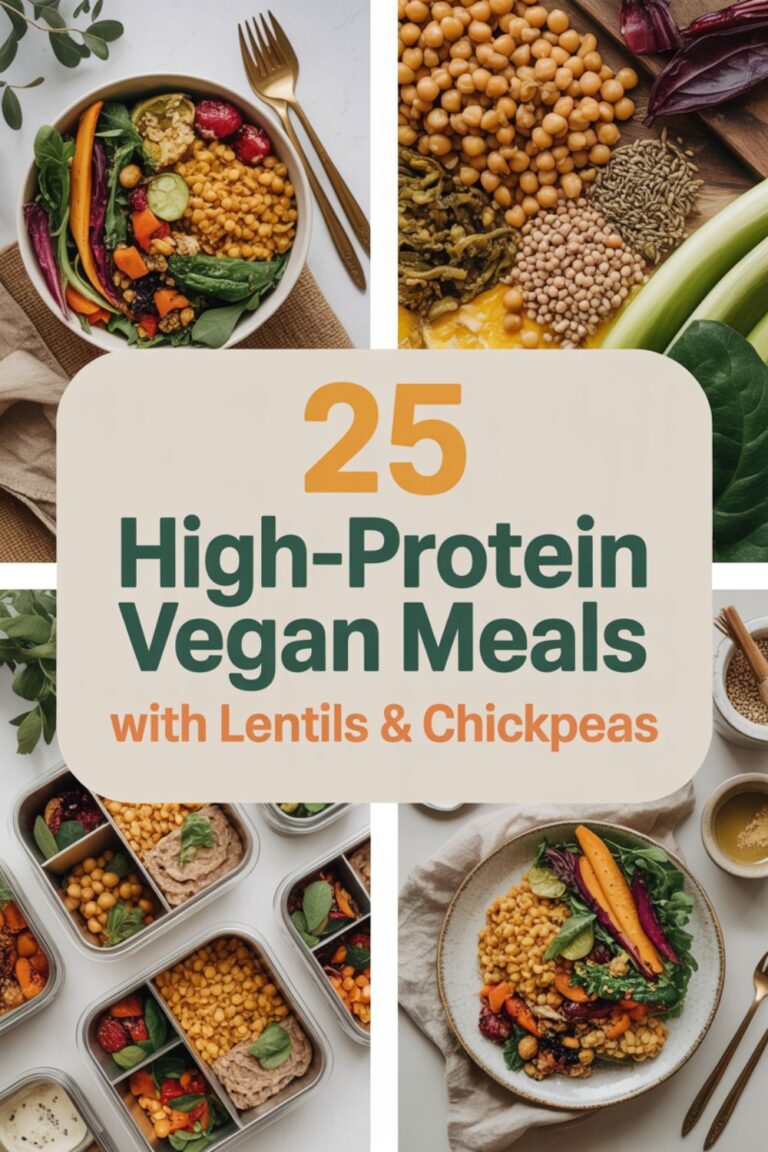
For more hearty meal ideas, these easy vegan meal prep ideas pair perfectly with soup-focused weeks, and you can always reference these high-protein vegan meals for complete menu planning.
Asian-Inspired Soups (Under 270 Calories)
6. Thai Coconut Soup (Tom Kha) (235 calories)
Light coconut milk, lemongrass, galangal, and lime leaves create this aromatic soup that’s both creamy and bright. I add mushrooms and baby bok choy for substance. Just be careful with the coconut milk—even the light version has calories, so measure it out.
7. Hot and Sour Soup (160 calories)
Tangy, spicy, and ridiculously low-calorie. Tofu, wood ear mushrooms, bamboo shoots, and a mix of rice vinegar and white pepper make this happen. The texture contrast is what makes it work.
8. Japanese Vegetable Ramen (265 calories)
Use shirataki noodles (basically zero calories) or soba noodles if you want something more substantial. Load it with vegetables, add miso or soy-based broth, and you’ve got a bowl that rivals any restaurant version.
9. Korean Kimchi Soup (Kimchi Jjigae) (190 calories)
Fermented kimchi brings so much flavor and probiotics to this soup. Add tofu, mushrooms, and green onions. The longer you let it simmer, the better it gets. Fair warning: this one has a kick.
10. Vietnamese Pho (Vegetable Version) (210 calories)
The trick to vegan pho is charring the onions and ginger first. It adds that smoky depth you’d normally get from beef bones. Rice noodles, tons of fresh herbs, lime, and sriracha on the side—perfection.
Mediterranean-Style Soups (Under 280 Calories)
11. Greek Lemon Rice Soup (Avgolemono) (225 calories)
Traditionally made with eggs, but the vegan version uses blended cashews for creaminess. The lemon makes it super bright and refreshing. I use a high-speed blender to get the cashews completely smooth—no gritty texture here.
12. Moroccan Chickpea and Vegetable Soup (245 calories)
Cumin, coriander, cinnamon, and a touch of harissa paste bring this soup to life. Chickpeas, sweet potatoes, and tomatoes make it hearty enough for dinner. The spice blend is what really makes this one special.
13. Italian Minestrone (255 calories)
The Swiss Army knife of soups. Whatever vegetables you have on hand will work. I always include beans and a small amount of pasta (or skip it entirely to save calories). Fresh parsley and a grating of vegan parmesan finish it off.
14. Spanish Gazpacho (150 calories)
Cold soup might sound weird, but on a hot day? Nothing beats it. Blend tomatoes, cucumbers, bell peppers, garlic, and sherry vinegar. Chill it for a few hours. It’s like drinking a salad, but way better.
15. Turkish Red Lentil Soup (Mercimek Çorbası) (185 calories)
Red lentils, onions, carrots, and tomato paste, blended smooth. A drizzle of olive oil and a sprinkle of Aleppo pepper on top. Simple ingredients, massive flavor.
Meal Prep Essentials Used in These Soups
Making these soups regularly? Here’s what actually helps:
Physical Products:
- 8-quart soup pot with lid – Big enough for double batches
- Immersion blender – Makes cream soups without the transfer mess
- Glass meal prep containers (4-cup size) – Perfect for freezing individual portions
Digital Resources:
- Meal Prep Blueprint eBook – Complete soup-focused weekly plans
- Vegan Pantry Staples Checklist PDF – Never forget a spice again
- Soup Freeze & Reheat Guide – Best practices for maintaining texture
Join Our Community:
We’ve got a WhatsApp group where people share soup experiments, swap recipe modifications, and troubleshoot texture issues. It’s pretty active and super helpful.
Chunky Vegetable Soups (Under 295 Calories)
16. Hearty Vegetable Barley Soup (285 calories)
Barley gives this soup such a satisfying chew. Carrots, celery, mushrooms, green beans—whatever you’ve got. The barley thickens the broth naturally as it cooks, so you don’t need any cream or flour.
17. Butternut Squash and Apple Soup (215 calories)
Sounds fancy, tastes incredible, stupid easy to make. Roast the squash and apple together, blend with vegetable broth, add a pinch of nutmeg and cinnamon. It’s like fall in a bowl.
18. Cabbage and White Bean Soup (195 calories)
Don’t sleep on cabbage. It’s cheap, lasts forever in the fridge, and becomes sweet and tender when you cook it. Combined with white beans and tomatoes, it’s comforting without being heavy.
19. Spicy African Peanut Soup (290 calories)
Peanut butter in soup might sound wild, but it works. Sweet potatoes, tomatoes, peanut butter, and a good hit of cayenne pepper. The peanut butter adds creaminess and protein. Just watch your portion on this one—it’s calorie-dense.
20. Garden Vegetable Soup (175 calories)
Sometimes you just want a clean, simple vegetable soup. No fancy spices, no complicated techniques. Just good vegetables in a well-seasoned broth. This is my reset meal after too many rich dinners.
If you loved these recipes, you’ll definitely want to check out these vegan soups and stews for cozy evenings that go beyond the 300-calorie mark for when you want something more indulgent.
Maximizing Flavor Without Adding Calories
This is where most people get tripped up. They make a low-calorie soup and it tastes like sadness in a bowl. But here’s the secret: flavor doesn’t come from fat or calories. It comes from technique and seasoning.
Toast Your Spices
This one trick will change your soup game forever. Before adding liquid to your pot, toast your dried spices in the dry pan for 30-60 seconds. The heat releases aromatic oils that make everything taste more intense. Works with cumin, coriander, curry powder—basically anything in powder form.
I keep a small cast iron skillet just for toasting spices. It heats evenly and you can really control the temperature so nothing burns.
Build Layers of Flavor
Don’t just dump everything in at once. Sauté your aromatics (onions, garlic, celery, carrots) first until they develop some color. That caramelization = flavor. Then add your spices. Then your liquid. Each step builds on the previous one.
Acid Is Your Friend
A squeeze of lemon juice, a splash of vinegar, a few drops of lime—acid brightens flavors and makes everything taste more vibrant. Add it at the very end of cooking for maximum impact. It’s the difference between “this is okay” and “holy crap, this is good.”
Fresh Herbs Matter
Dried herbs are great for building base flavors during cooking, but fresh herbs added at the end make soup taste alive. Cilantro, parsley, basil, dill—whatever fits your flavor profile. I grow a countertop herb garden year-round so I always have fresh herbs available. It’s surprisingly low-maintenance and saves a ton of money.
Storage and Meal Prep Tips
Making soup once a week and eating it seven times gets old fast. Here’s how to keep things interesting without spending hours in the kitchen every day.
Freeze Smart
Most soups freeze beautifully, but you need to do it right. Let the soup cool completely before freezing (hot soup in the freezer warms everything else up). Leave about an inch of space at the top of containers because liquid expands when frozen. Label everything with the date and contents—you will not remember what’s what three months from now.
I use wide-mouth mason jars for single servings and larger containers for family portions. The straight sides mean they stack neatly in the freezer without wasting space.
Reheat Properly
Don’t just nuke soup in the microwave at full power. That’s how you end up with lava-hot edges and ice-cold centers. Reheat on the stovetop over medium-low heat, stirring occasionally. Or if you must use the microwave, go at 50% power for twice as long.
For more complete meal planning strategies, check out these easy vegan dinner recipes that complement soup-heavy meal prep.
Add Fresh Elements When Serving
This is the real game-changer. Freeze the base soup plain, then add fresh elements when you reheat. Fresh spinach, a handful of herbs, a squeeze of citrus, some diced avocado—these all transform reheated soup into something that tastes freshly made.
Tools & Resources That Make Soup Easier
After making hundreds of batches, here’s what actually gets used:
Physical Products:
- Vegetable peeler with ceramic blade – Stays sharp forever, works on everything
- Fine-mesh strainer – For ultra-smooth pureed soups
- Soup ladle with measurement marks – Makes portion control actually doable
Digital Resources:
- Soup Seasoning Cheat Sheet PDF – Matches spices to soup styles
- Vegetable Broth Scrap Guide – What to save, what to toss
- Low-Calorie Soup Toppings eBook – 50+ ideas under 50 calories
Community Support:
Our WhatsApp soup enthusiasts group shares daily wins, fixes for soup disasters, and creative variations. Sarah from the community tried batch-cooking three soups every Sunday and lost 15 pounds in three months just from having healthy options ready to go.
Common Mistakes to Avoid
Let’s talk about where people usually mess up, so you don’t have to learn these lessons the hard way.
Over-Salting at the Beginning
As soup simmers and reduces, flavors concentrate. That includes salt. Season lightly during cooking, then adjust at the very end. This is especially crucial if you’re using store-bought broth, which already contains sodium.
Overcooking Vegetables
Some vegetables turn to mush if you cook them too long. Leafy greens only need a few minutes. Delicate vegetables like zucchini cook faster than carrots or potatoes. Add ingredients based on their cooking times, not all at once.
Skipping the Deglaze
After you sauté your aromatics, there’s usually brown stuff stuck to the bottom of the pot. That’s flavor. Pour in a little broth or wine and scrape it up with a wooden spoon. It dissolves into your soup and adds serious depth.
Ignoring Texture
Not every soup should be smooth. Not every soup should be chunky. Think about what eating experience you want. If everything’s the same size and consistency, it gets boring. Mix it up—some chunks, some smooth, maybe some crunch from toppings.
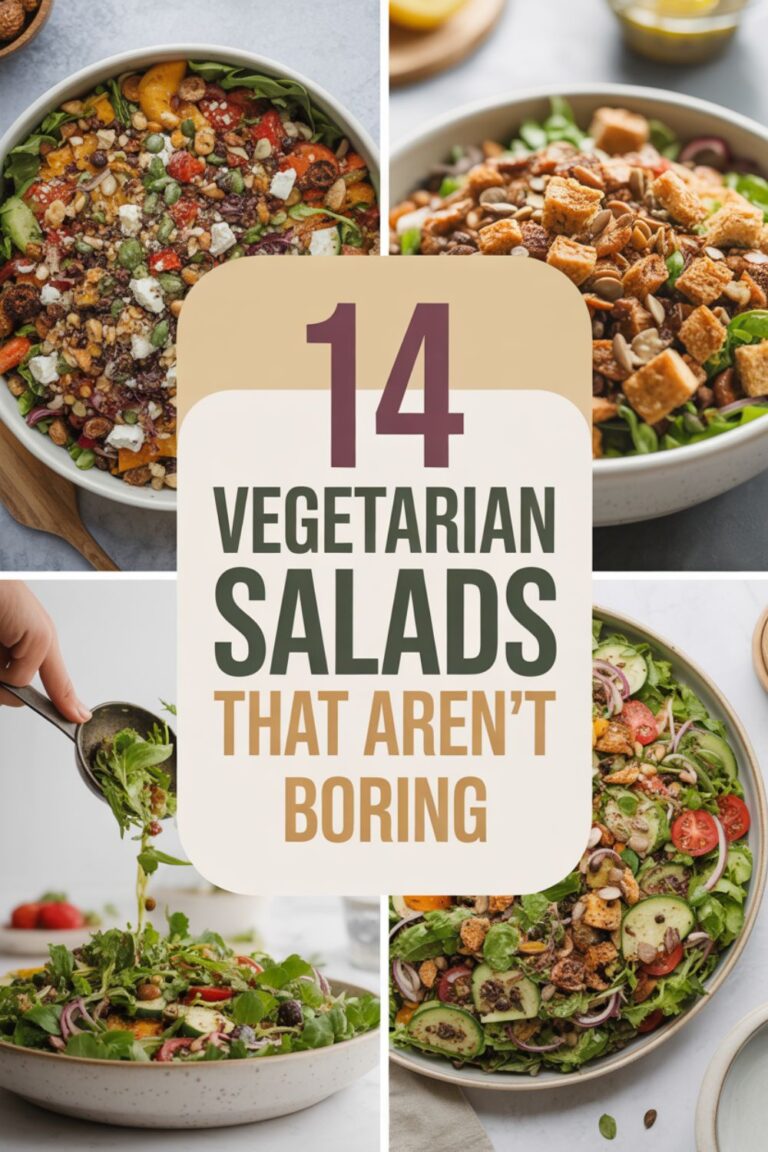
If you’re expanding your vegan cooking repertoire, these vegan pasta dishes and fresh vegan salads pair perfectly with soup-focused meals.
Making Soup Work for Your Lifestyle
The thing about soup is it’s incredibly adaptable. Got 15 minutes? You can make a quick soup. Got all afternoon? You can make something complex and layered. Here’s how different lifestyles can work soup into regular rotation.
For the Time-Crunched
Stick with soups that come together in under 30 minutes. Quick-cooking ingredients like canned beans, frozen vegetables, and baby greens are your friends. Skip the long-simmering recipes and focus on bright, fresh flavors that don’t need hours to develop.
For the Meal Preppers
Make three different soups on Sunday. Portion them into containers. Label them. Freeze two-thirds, refrigerate one-third. You now have variety for the week and backup meals for later. Rotate which soup you eat each day so you don’t get bored.
For the Calorie Counters
Measure your portions using the same container every time. I use a 2-cup measuring cup as my soup bowl—it automatically controls portion sizes while still looking like a normal meal. Track your recipes in whatever app you use, and you’ll know exactly what you’re eating.
For the Picky Eaters
Make customizable soups where everyone can add their own toppings. Start with a mild base that everyone likes, then offer toppings like fresh herbs, hot sauce, nutritional yeast, or croutons. People are way more likely to eat soup if they can personalize it.
Frequently Asked Questions
Can I really stay full eating soup under 300 calories?
Absolutely, if you build them right. The key is including protein (from beans or lentils) and fiber (from vegetables). These two nutrients trigger satiety hormones that tell your brain you’re full. Plus, the liquid volume physically fills your stomach, which sends additional fullness signals. Most people find that a well-constructed 250-calorie soup keeps them satisfied for 3-4 hours.
How long do these soups last in the fridge and freezer?
In the fridge, most vegan soups stay good for 4-5 days in airtight containers. In the freezer, they’ll maintain quality for 3-4 months, though they’re technically safe indefinitely if kept at 0°F or below. Soups with pasta or rice may have texture changes after freezing—the starches can get mushy. I usually freeze the soup base and add fresh pasta or rice when reheating.
What’s the best way to add more protein without increasing calories too much?
Lentils and beans are your best bet—they pack protein and fiber without excessive calories. For example, adding 1/2 cup of cooked chickpeas to your soup adds only about 135 calories but gives you 7 grams of protein and 6 grams of fiber. Edamame is another great option with a similar calorie-to-protein ratio. Avoid adding too many nuts or seeds, as they’re calorie-dense despite being healthy.
Can I substitute ingredients if I don’t have everything listed?
Soup is one of the most forgiving recipes out there. Don’t have kale? Use spinach. No chickpeas? Try white beans. Missing cumin? Use chili powder. The basic formula is: aromatic base + vegetables + protein + liquid + seasonings. As long as you maintain that structure, you can swap almost any ingredient for something similar and still end up with something delicious.
Why do my soups always taste bland?
Two common culprits: not enough salt and no acid. Salt enhances all the other flavors in your soup—without it, everything tastes flat. Acid (from lemon juice, lime, or vinegar) brightens flavors and makes them pop. Always taste your soup before serving and adjust both salt and acid. The transformation is usually dramatic. Also make sure you’re using enough herbs and spices—don’t be shy with seasonings.
Final Thoughts
Here’s what I love most about vegan soups under 300 calories: they prove that eating well doesn’t mean suffering through tasteless meals. You can have big, satisfying bowls of real food without blowing your calorie budget or spending hours in the kitchen.
These 20 recipes give you enough variety to eat soup regularly without getting bored. Some will become weekly staples, others you’ll rotate through seasonally, and a few might surprise you by becoming unexpected favorites.
The real magic happens when you stop thinking of soup as diet food and start seeing it as a blank canvas. Each recipe is a starting point—feel free to adjust spices, swap vegetables, or experiment with different beans and grains. Make these recipes yours.
Whether you’re trying to lose weight, eat healthier, or just want an easy way to get more vegetables into your diet, these soups deliver. They’re proof that you don’t need complicated recipes or expensive ingredients to eat well. Just good vegetables, thoughtful seasoning, and a little bit of time.
Now get in that kitchen and start cooking. Your future self will thank you when you’ve got a freezer full of delicious, healthy meals ready to go. Trust me on this one.