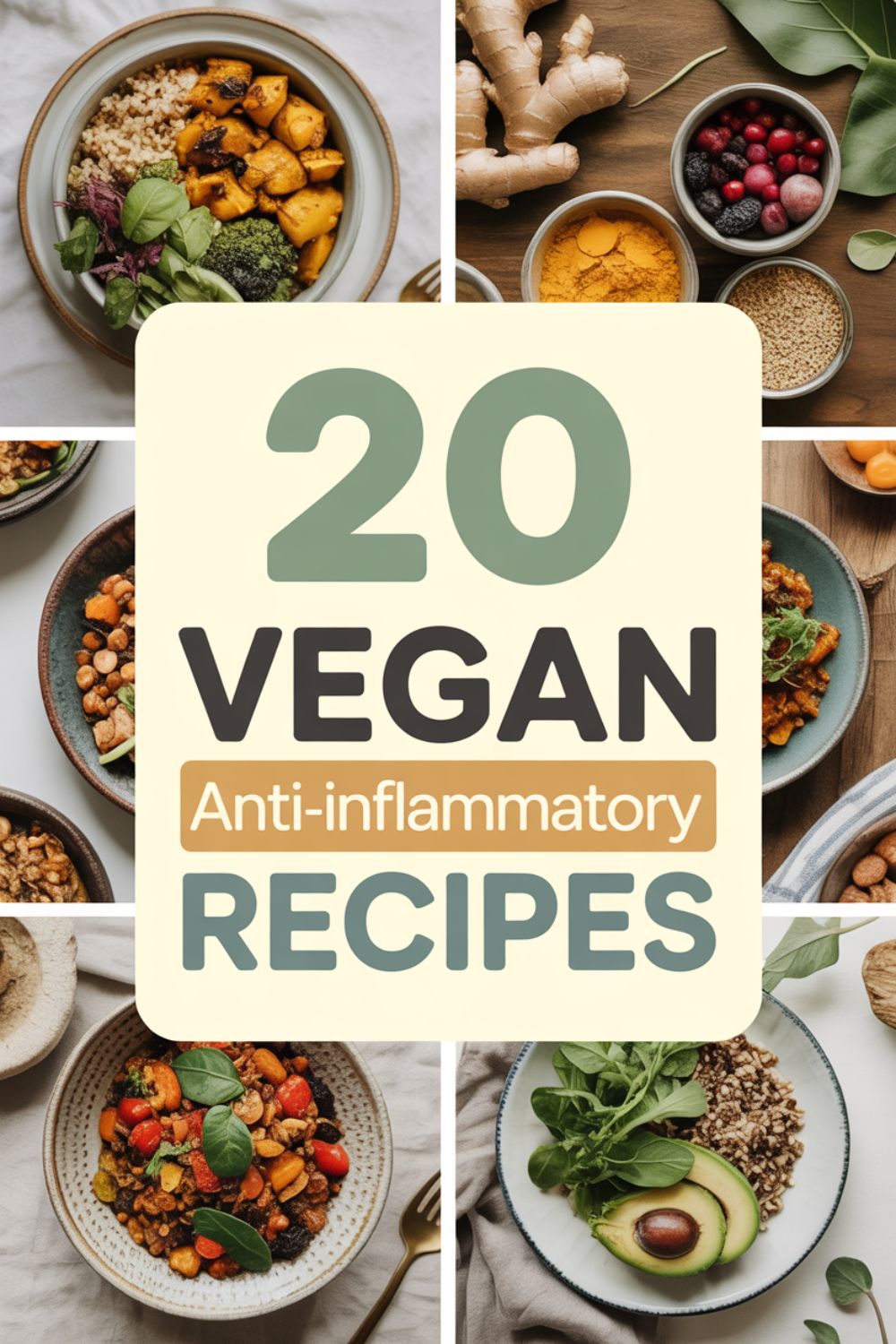
20 Vegan Anti-Inflammatory Recipes That Actually Taste Amazing
Look, I’m not gonna pretend I woke up one day and became a plant-based goddess who never craves cheese. But here’s what I can tell you: after dealing with constant joint pain and brain fog for months, I started paying attention to what actually made me feel good versus what made me feel like a rusty door hinge.
Turns out, anti-inflammatory diets work synergistically to reduce chronic inflammation in your body, and you don’t need to eat boring salads to make it happen. These 20 vegan recipes are the ones I actually make on repeat because they’re delicious first, healthy second.
Why Anti-Inflammatory Eating Actually Matters
Before we get into the recipes, let’s talk about why this isn’t just another trendy diet thing. Chronic inflammation is basically your body’s alarm system stuck on repeat. It’s linked to everything from arthritis to heart disease to that general blah feeling where you’re tired for no reason.
The cool part? According to recent research on anti-inflammatory diets, what you eat can actually turn down the volume on that alarm. Plant-based foods are packed with polyphenols, antioxidants, and omega-3 fatty acids that help calm inflammation naturally.
I’m not saying vegan food will cure everything—I’m not a doctor, just someone who cooks a lot. But I do know that swapping out processed junk for whole plant foods made me feel better, and the science backs it up.
Pro Tip: Start with just 3-4 of these recipes in your rotation. Trying to overhaul your entire diet overnight is how you end up ordering pizza at 9 PM because you’re too overwhelmed.
The Anti-Inflammatory Superstars You’ll See in These Recipes
Not all plants are created equal when it comes to fighting inflammation. Here are the heavy hitters you’ll notice showing up again and again:
Turmeric and Ginger
These two are like the dynamic duo of anti-inflammatory spices. Turmeric contains curcumin, which studies show reduces inflammatory markers when consumed regularly. I add turmeric to basically everything now—soups, smoothies, roasted veggies. Just a heads up: it stains like crazy, so don’t wear white when you’re cooking with it.
Ginger is more subtle but equally powerful. It works on your digestive system too, which is nice if you’re someone who gets bloated easily. I keep both fresh ginger root and ground ginger in my kitchen because I’m extra like that.
Leafy Greens and Cruciferous Vegetables
Spinach, kale, arugula, broccoli, cauliflower—basically anything your mom told you to eat as a kid. These are loaded with antioxidants and fiber. I used to think kale was overrated (okay, it kind of is), but it genuinely does make you feel good when you eat it regularly.
The trick is not eating them raw and sad. Roasting broccoli with olive oil until it’s crispy? Game changer. Massaging kale with lemon juice? Sounds weird, makes it actually edible.
Berries and Colorful Fruits
Blueberries, strawberries, cherries—they’re high in anthocyanins, which are basically nature’s inflammation fighters. Plus they make everything taste better. I throw frozen berries into smoothies constantly because fresh ones are expensive and go bad in like two days.
Nuts, Seeds, and Healthy Fats
Walnuts, flaxseeds, chia seeds, and hemp hearts are packed with omega-3 fatty acids. These are the good fats that actually reduce inflammation instead of causing it. I sprinkle them on literally everything. Oatmeal? Seeds. Salad? Seeds. Eating them straight from the bag at midnight? Also seeds.
For cooking, I swear by extra virgin olive oil and avocado oil. They’re stable at higher temperatures and don’t mess with the anti-inflammatory benefits.
Meal Prep Essentials Used in This Plan
Honestly, having the right tools makes anti-inflammatory cooking way less annoying. Here’s what I actually use:
Physical Products:
- High-speed blender – For smoothies and creamy soups without chunks. I use mine daily and it’s worth every penny.
- Glass meal prep containers – These keep food fresh longer and don’t get stained like plastic ones. Plus you can reheat directly in them.
- Quality chef’s knife – Chopping vegetables is 90% of anti-inflammatory cooking. A sharp knife makes it actually enjoyable instead of a chore.
Digital Resources:
- 30-Day Vegan Challenge – A free guide that walks you through transitioning to plant-based eating
- The Ultimate Vegan Grocery List – Printable shopping list so you don’t forget the tahini again
- 21-Day Vegan Smoothie Plan – Because breakfast shouldn’t require thinking
20 Vegan Anti-Inflammatory Recipes You’ll Actually Want to Eat
Alright, let’s get to the good stuff. I’ve organized these by meal type because that’s how my brain works. Each recipe focuses on anti-inflammatory ingredients without being preachy about it.
Breakfast Recipes That Don’t Suck
1. Golden Turmeric Overnight Oats
This is my lazy breakfast MVP. Mix oats, plant milk, turmeric, cinnamon, chia seeds, and a bit of maple syrup in a jar. Refrigerate overnight. Top with berries and walnuts in the morning. The turmeric gives it this gorgeous golden color and the chia seeds make it thick and filling.
I make three jars at once on Sunday nights using these glass jars with lids, and breakfast is handled for half the week. Get Full Recipe.
2. Anti-Inflammatory Green Smoothie Bowl
Sounds intimidating, tastes like a milkshake. Blend spinach, frozen mango, frozen pineapple, ginger, flaxseeds, and coconut water until smooth. Pour into a bowl and top with granola, berries, and coconut flakes. The ginger and pineapple (which contains bromelain, an anti-inflammatory enzyme) make this actually work.
Pro tip: freeze your spinach in ice cube trays so you can just toss a couple cubes in without measuring. Makes life easier.
3. Berry Chia Pudding with Hemp Hearts
Another overnight situation. Mix chia seeds with almond milk, mashed berries, and vanilla. Let it sit overnight. In the morning, it’s basically pudding. Top with more berries and hemp hearts for extra omega-3s.
This one’s sweet enough to feel like dessert but keeps you full for hours. I use organic chia seeds in bulk because buying those tiny packages at the grocery store feels like a scam.
4. Savory Breakfast Bowl with Turmeric Scrambled Tofu
For when you want actual food, not just fruit and oats. Crumble firm tofu and sauté it with turmeric, nutritional yeast, garlic powder, and black pepper (black pepper helps your body absorb the curcumin in turmeric, FYI). Serve over quinoa or brown rice with avocado, cherry tomatoes, and spinach.
This is basically a vegan version of scrambled eggs and it’s surprisingly satisfying. The nutritional yeast adds a cheesy flavor without dairy. Get Full Recipe.
Speaking of breakfast, if you’re looking for more plant-based morning options, check out these vegan breakfast ideas that’ll actually make you excited to wake up. They range from quick grab-and-go options to weekend brunch-worthy spreads.
Lunch Recipes That Travel Well
5. Rainbow Buddha Bowl with Tahini Dressing
This is Instagram-worthy but also practical. Base of quinoa or brown rice, then pile on roasted sweet potato, steamed broccoli, shredded purple cabbage, chickpeas, avocado, and any other colorful vegetables you have. The dressing is tahini, lemon juice, garlic, and a bit of water to thin it out.
The variety of colors means you’re getting different antioxidants. Plus it’s really pretty, which honestly makes me more likely to eat vegetables. I prep all the components Sunday afternoon and assemble bowls for the week.
6. Turmeric Lentil Soup
This soup is basically a hug in a bowl. Red lentils cook down into this creamy texture without any cream. Sauté onions, carrots, celery, and garlic, add turmeric, cumin, and ginger, then add vegetable broth and lentils. Simmer until the lentils are soft.
I make this in my 6-quart Dutch oven and it yields enough for lunch all week. Freeze half if you’re cooking for one. The leftovers actually taste better the next day once the flavors have married. Get Full Recipe.
7. Mediterranean Chickpea Salad
No cooking required for this one. Mash chickpeas roughly with a fork (not smooth, just broken up a bit), mix with diced cucumber, tomatoes, red onion, kalamata olives, fresh parsley, lemon juice, and olive oil. Season with oregano, salt, and pepper.
Eat it on its own, stuff it in a pita, or serve it over greens. It’s tangy and filling and doesn’t get soggy like some salads do. The olives and olive oil provide healthy fats that help reduce inflammation.
8. Spicy Peanut Noodle Bowl
This satisfies noodle cravings without the post-lunch food coma. Cook rice noodles or soba noodles, toss with a sauce made from natural peanut butter, lime juice, tamari, ginger, and a bit of maple syrup. Add shredded carrots, bell peppers, edamame, and cucumber.
The peanut sauce situation is dangerous because I could eat it with a spoon. Make extra and keep it in the fridge for salad dressing or veggie dipping. When choosing peanut butter, I go for organic peanut butter with just peanuts and salt—no added sugar or oils.
Need more portable lunch inspiration? These quick vegan lunches you can pack for work are designed for people who don’t have time to be fancy but still want to eat well.
Dinner Recipes Worth Making
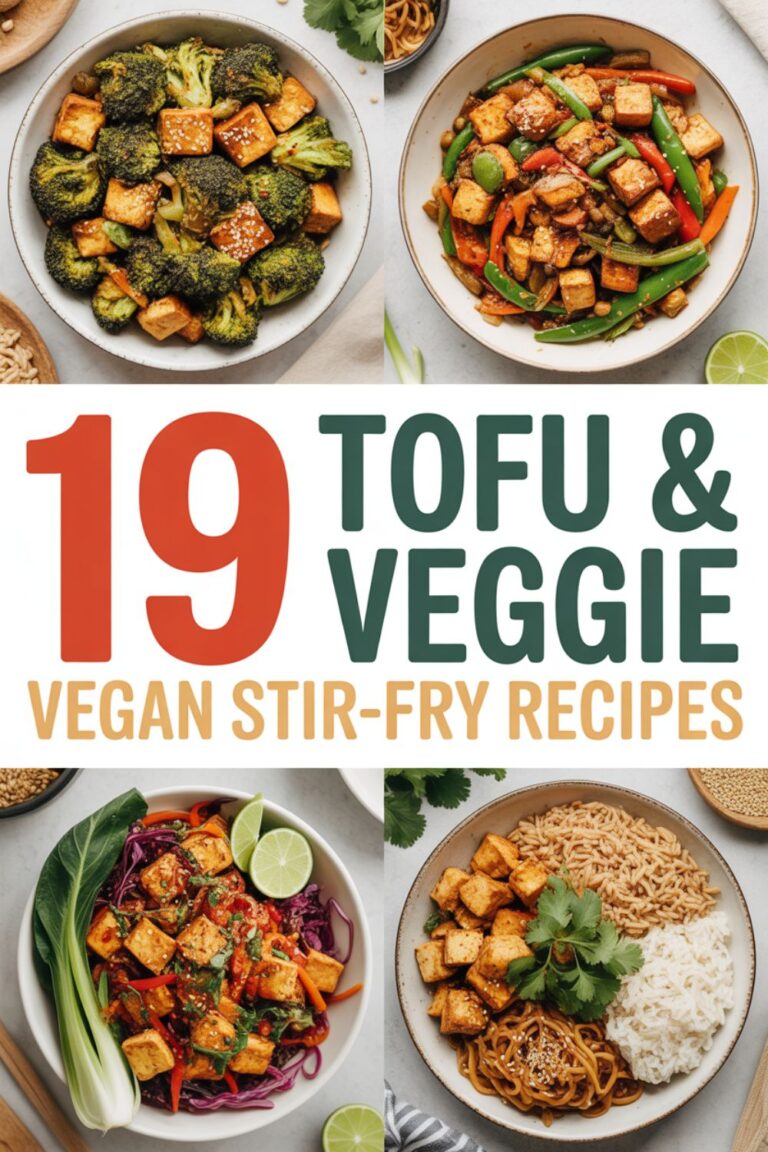
9. One-Pot Turmeric Chickpea Curry
This is my go-to when I need something fast but impressive. Sauté onions and garlic, add curry powder, turmeric, ginger, and cumin. Add canned chickpeas, diced tomatoes, coconut milk, and spinach. Simmer for 15 minutes. Done.
Serve over rice or with naan bread. The coconut milk makes it creamy and the spices pack serious anti-inflammatory power. Sometimes I add cauliflower or sweet potato chunks for extra vegetables. Get Full Recipe.
10. Sheet Pan Roasted Vegetables with Turmeric Tahini Sauce
Lazy cooking at its finest. Chop whatever vegetables you have—cauliflower, broccoli, Brussels sprouts, carrots, sweet potato. Toss with olive oil, turmeric, garlic powder, salt, and pepper. Roast at 425°F until crispy.
The tahini sauce (tahini, lemon, garlic, water, salt) makes it taste way more sophisticated than it actually is. I eat this straight off the pan sometimes because I’m an adult and I can do what I want.
11. Creamy Tomato Basil Pasta with White Beans
Comfort food that doesn’t make you feel like garbage afterward. Sauté garlic in olive oil, add canned tomatoes, white beans, nutritional yeast, and fresh basil. Blend part of it to make it creamy (or blend all of it if you want smooth). Toss with whole grain pasta.
The beans add protein and fiber, the tomatoes are loaded with lycopene (another anti-inflammatory compound), and it tastes like regular pasta sauce. Nobody needs to know it’s healthy. For more pasta inspiration, check out these vegan pasta dishes you’ll want on repeat.
12. Thai-Inspired Coconut Vegetable Soup
This one’s got that restaurant-quality thing going on. Sauté lemongrass, ginger, and garlic (if you can find lemongrass—it’s worth hunting down). Add vegetable broth, coconut milk, mushrooms, bok choy, bell peppers, and rice noodles. Season with lime juice and tamari.
The ginger and lemongrass combo is incredibly anti-inflammatory. Plus the soup is light enough that you don’t feel heavy afterward. I use this ginger grater instead of mincing because it’s faster and you get more juice out of the ginger.
13. Stuffed Bell Peppers with Quinoa and Black Beans
These look fancy but are actually simple. Cut bell peppers in half, remove seeds. Mix cooked quinoa with black beans, corn, diced tomatoes, cumin, and chili powder. Stuff the peppers and bake at 375°F for 30 minutes.
Top with avocado and cilantro. Bell peppers are high in vitamin C, which helps reduce inflammation. The quinoa and black beans make it filling enough to be a complete meal. Get Full Recipe.
For more plant-based dinner ideas, these easy vegan dinners cover everything from quick weeknight meals to weekend cooking projects.
Snacks and Sides That Actually Satisfy
14. Turmeric Roasted Chickpeas
These are addictive. Drain and dry canned chickpeas, toss with olive oil, turmeric, cumin, paprika, and sea salt. Roast at 400°F for 30-40 minutes until crispy. Shake the pan every 10 minutes so they cook evenly.
They’re crunchy, salty, and way better for you than chips. I make a double batch because they disappear fast. Store them in airtight containers to keep them crispy.
15. Anti-Inflammatory Bliss Balls
These are basically cookie dough disguised as health food. Blend dates, walnuts, cacao powder, turmeric, ginger, and a pinch of sea salt in a food processor. Roll into balls. Keep in the fridge.
The dates make them sweet, the cacao provides antioxidants, and the walnuts add omega-3s. They satisfy sugar cravings without sending your blood sugar on a roller coaster. Get Full Recipe.
16. Ginger Carrot Hummus
Regular hummus is great, but this version is next level. Blend chickpeas, tahini, roasted carrots, fresh ginger, lemon juice, garlic, and olive oil until smooth. The carrots add natural sweetness and beta-carotene.
Serve with cucumber slices, bell pepper strips, or whole grain crackers. I’m partial to these almond flour crackers because they don’t fall apart when you scoop. If you’re looking for more snack ideas, these healthy vegan snacks range from no-prep options to easy homemade treats.
17. Balsamic Roasted Brussels Sprouts with Walnuts
I know Brussels sprouts have a bad rep, but hear me out. Cut them in half, toss with olive oil, balsamic vinegar, and garlic. Roast at 400°F until crispy on the edges. Add chopped walnuts for the last 5 minutes of roasting.
They come out caramelized and nutty, not bitter and musty like the boiled ones from childhood. The balsamic vinegar adds this sweet-tangy thing that makes them actually craveable.
Desserts (Yes, Really)
18. Turmeric Golden Milk Nice Cream
Frozen banana magic. Blend frozen bananas with a splash of plant milk, turmeric, cinnamon, vanilla, and a tiny bit of black pepper. It turns into this creamy soft-serve texture that’s honestly better than regular ice cream.
The turmeric makes it bright yellow, which looks cool in a bowl. Top with chopped pistachios or dark chocolate chips. I keep peeled bananas in the freezer specifically for this.
19. Dark Chocolate Avocado Mousse
This sounds weird until you taste it. Blend ripe avocados with cacao powder, maple syrup, vanilla, and a pinch of salt. The avocado makes it incredibly creamy but you can’t taste it—I promise.
Dark chocolate is full of flavonoids that fight inflammation. The healthy fats from avocado help your body absorb them better. Win-win. I use this organic cacao powder because the quality actually matters with chocolate.
20. Berry Crumble with Oat Topping
Comfort food that happens to be anti-inflammatory. Mix berries (fresh or frozen) with a bit of maple syrup and lemon juice. Top with a mixture of oats, almond flour, coconut oil, cinnamon, and a pinch of salt. Bake at 350°F until the berries are bubbly and the topping is golden.
The berries are anti-inflammatory superstars, and the oat topping adds fiber. Serve it warm with coconut milk ice cream if you’re feeling extra. Get Full Recipe.
For more plant-based dessert inspiration, these dairy-free desserts prove you don’t need butter and eggs to make something delicious.
Tools & Resources That Make Cooking Easier
Look, you don’t need a million gadgets to eat anti-inflammatory foods. But these actually help:
Physical Products:
- Spiralizer – For making vegetable noodles when you want pasta but also vegetables. Works great for zucchini, sweet potato, and carrots.
- Silicone baking mats – These make roasting vegetables way easier. Nothing sticks, cleanup is instant, and you stop wasting parchment paper.
- Spice grinder – Freshly ground spices are more potent. I use mine for turmeric, cumin, and black pepper.
Digital Resources:
- 30-Day Vegan Eating Tracker – Helps you stay consistent without obsessing over every meal
- High-Protein Vegan Pantry Essentials – Stock your kitchen with the basics and you’re halfway there
- Kitchen Tools Every Vegan Cook Needs – A realistic guide to what’s actually useful versus what collects dust
Making Anti-Inflammatory Eating Sustainable (AKA Not Burning Out in Week Two)
Here’s the thing nobody tells you: eating anti-inflammatory foods is easy for like three days, and then life happens. You get busy, you’re tired, meal prep sounds exhausting, and suddenly you’re eating crackers for dinner.
The trick is not trying to be perfect. I aim for maybe 70% anti-inflammatory foods and 30% whatever keeps me sane. Some weeks I’m crushing it with homemade meals. Other weeks I’m buying pre-made vegan meals and that’s fine too.
Batch Cooking Is Your Friend
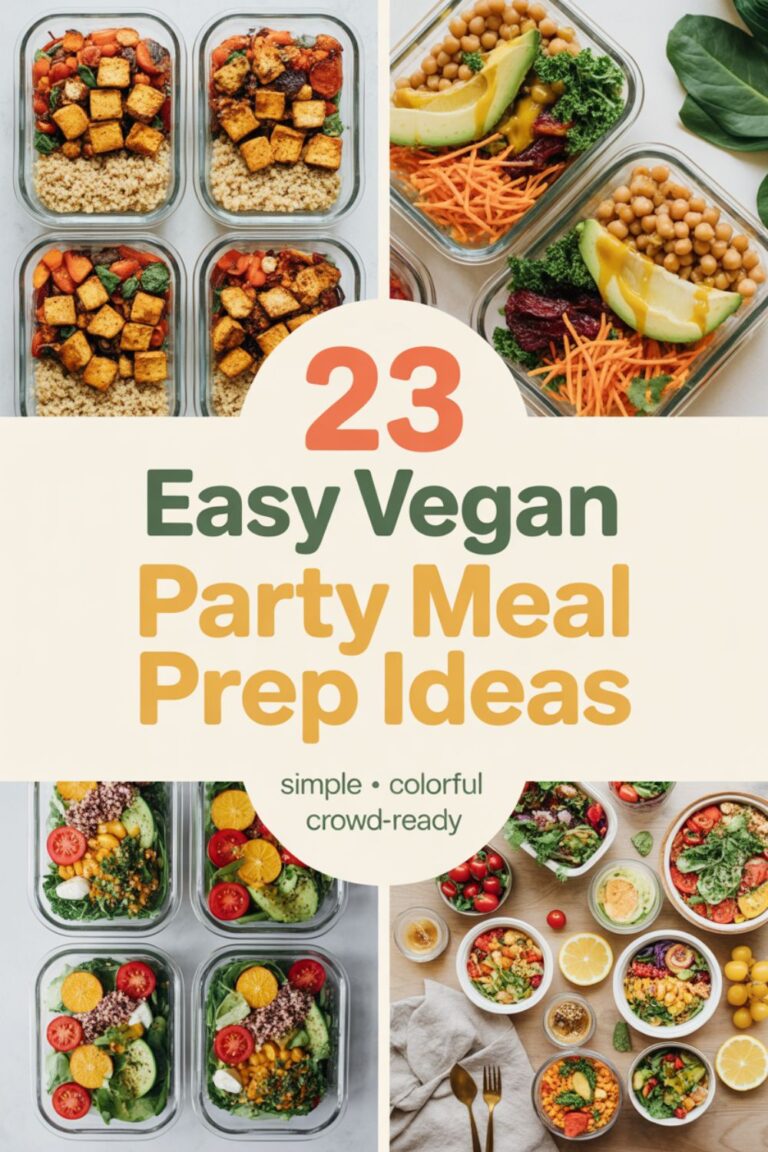
I know “meal prep” sounds like a whole personality type, but it doesn’t have to be. Just cook extra. Making soup? Double the recipe. Roasting vegetables? Fill the whole pan. Cooking quinoa? Make a big batch.
Store everything separately in the fridge and assemble meals as you go. Way less overwhelming than making seven complete meals on Sunday. For detailed meal prep strategies, check out these vegan meal prep ideas that actually work for busy weeks.
Quick Win: Keep a running grocery list on your phone. When you use the last of something, add it immediately. Sounds simple but it prevents those “I have everything except the one ingredient I actually need” situations.
The Protein Question Everyone Asks
Yes, you can get enough protein from plants. No, you don’t need to eat 47 servings of beans per day. According to research on plant-based nutrition, the key is variety.
Combine legumes (beans, lentils, chickpeas), whole grains (quinoa, brown rice, oats), nuts, seeds, and vegetables throughout the day. Your body pools amino acids from different sources. The whole “complete protein” thing is less critical than people think.
If you’re worried about protein, these high-protein vegan meals will keep you full and satisfied without relying on protein powder for every meal.
What About Eating Out?
Anti-inflammatory eating doesn’t mean you’re banned from restaurants. Most places have options if you know what to look for. Mediterranean, Thai, Indian, and Mexican restaurants usually have solid vegan choices.
Ask for dishes without dairy, load up on vegetables and whole grains, choose olive oil-based sauces over cream sauces, and don’t stress about perfection. One restaurant meal isn’t going to undo all your anti-inflammatory efforts.
Seasonal Eating Makes It Easier
This is gonna sound granola, but eating what’s in season actually makes sense. Produce tastes better, costs less, and shopping is easier when you’re not hunting for specific ingredients.
Summer means berries, tomatoes, and zucchini. Fall means squash, Brussels sprouts, and apples. Winter means root vegetables and citrus. Spring means asparagus and leafy greens. Check out these light vegan summer meals or cozy vegan fall dinners depending on what season you’re in.
The Stuff That Actually Made a Difference for Me
After a few months of eating this way, here’s what I noticed: My joint pain decreased noticeably. I’m not saying it’s gone, but I’m not waking up feeling like the Tin Man anymore. My energy is more consistent throughout the day—fewer crashes, less brain fog.
My skin cleared up, which was a bonus I wasn’t expecting. And honestly, I just feel better. It’s hard to quantify, but there’s this general sense of not being constantly inflamed and irritated.
Pro Tip: Track how you feel for two weeks before changing anything, then track for two weeks while eating anti-inflammatory foods. The difference is way more obvious when you compare notes versus trying to remember how you felt three weeks ago.
Look, I’m not saying vegan anti-inflammatory eating is magic. It’s not gonna fix everything instantly. But the research is pretty clear that what we eat impacts inflammation, and reducing chronic inflammation helps with basically everything.
Plus, these recipes actually taste good. That’s the real test. I don’t care how healthy something is—if it tastes like cardboard, I’m not eating it long-term. These 20 recipes passed the “would I make this even if it wasn’t healthy” test.
Building Your Anti-Inflammatory Pantry
Having the right ingredients on hand makes everything easier. Here’s what I keep stocked:
Spices: Turmeric, ginger (fresh and ground), cumin, cinnamon, black pepper, garlic powder, cayenne, curry powder
Oils and Fats: Extra virgin olive oil, avocado oil, tahini, coconut oil, natural nut butters
Grains and Legumes: Quinoa, brown rice, oats, red lentils, chickpeas, black beans, white beans
Nuts and Seeds: Walnuts, almonds, cashews, chia seeds, flaxseeds, hemp hearts, pumpkin seeds
Other Essentials: Coconut milk, vegetable broth, nutritional yeast, dates, tamari or soy sauce, apple cider vinegar, maple syrup
For a complete shopping guide, grab the ultimate vegan grocery list that covers everything from pantry staples to fresh produce.
Swaps That Make Life Easier
Sometimes you need to improvise. Here are swaps that work without ruining the recipe:
- No coconut milk? Use cashew cream (blend soaked cashews with water) or any plant milk with a tablespoon of tahini for richness
- Out of tahini? Use almond butter or sunflower seed butter—the flavor’s different but still works
- No fresh ginger? Use ground ginger at about 1/4 the amount (it’s more concentrated)
- Can’t find lemongrass? Extra lemon zest plus a tiny bit of ginger gets you close
- No nutritional yeast? Miso paste or additional seasoning works, though you lose the cheesy flavor
For more ingredient alternatives and comparisons, check out this comparison of dairy-free milks or the best vegan butter and cheese alternatives.
Frequently Asked Questions
Do I have to eat vegan to reduce inflammation, or can I just add more plant foods?
You don’t have to go fully vegan to benefit from anti-inflammatory eating. Research shows that simply increasing your intake of plant foods while reducing processed foods and refined sugars can significantly reduce inflammation markers. Even partially plant-based diets that emphasize whole foods, spices, and healthy fats can make a meaningful difference. Start where you are and add more anti-inflammatory foods gradually—perfection isn’t the goal.
How long does it take to see results from an anti-inflammatory diet?
Most people notice changes within 2-4 weeks, though this varies by individual. Some people report feeling less bloated and having more energy within days, while joint pain and skin improvements might take a month or longer. Consistency matters more than speed—focus on sustainable changes you can maintain long-term rather than expecting overnight transformations.
Can I meal prep these recipes, or do they need to be fresh?
Most of these recipes are actually great for meal prep. Soups, curries, grain bowls, and roasted vegetables hold up well for 4-5 days in the fridge. Some items like smoothie bowls and fresh salads are best made fresh, but you can prep components ahead (chop vegetables, make dressings, cook grains) to save time. The overnight oats and chia puddings are literally designed for prepping.
What if I don’t like turmeric or can’t find fresh ginger?
Turmeric and ginger are powerful anti-inflammatory ingredients, but they’re not the only ones. You can get similar benefits from other spices like cinnamon, cayenne, and cumin, plus foods like berries, leafy greens, and omega-3-rich seeds. If you can’t find fresh ginger, ground ginger works (use less since it’s concentrated). And if turmeric isn’t your thing, focus on the other anti-inflammatory foods in these recipes—variety matters more than any single ingredient.
Are these recipes suitable for people with food allergies?
Many of these recipes are naturally free from common allergens like dairy, eggs, and gluten (though some contain nuts, soy, or gluten-containing grains). Most recipes can be modified—swap nuts for seeds, use tamari instead of soy sauce for gluten-free, or substitute nut milk with oat or rice milk. Always check ingredients if you have severe allergies, and don’t hesitate to adapt recipes to fit your needs.
The Bottom Line on Anti-Inflammatory Vegan Eating
Here’s what I wish someone had told me when I started: anti-inflammatory eating isn’t about restriction or suffering through bland meals. It’s about adding more of the good stuff—colorful vegetables, healing spices, healthy fats, whole grains—until the inflammatory foods naturally take up less space in your diet.
These 20 recipes are a solid starting point, not a rigid plan. Pick three that sound good, make them this week, and see how you feel. Maybe you’ll love the turmeric curry and hate the Brussels sprouts. That’s fine. The goal is finding anti-inflammatory foods you actually enjoy eating.
Your body’s already working hard to keep you alive and functional. Giving it ingredients that reduce inflammation instead of adding to it is basically the least we can do. Plus, the food tastes really good, so it’s not exactly a sacrifice.
If you’re looking for more structure, grab the 30-Day Vegan Challenge to guide you through the transition, or check out these vegan cookbooks for beginners if you want more recipe inspiration.
The research on anti-inflammatory diets keeps getting stronger. Studies continue to show that dietary patterns rich in plant foods, healthy fats, and anti-inflammatory spices can reduce markers of chronic inflammation and lower the risk of related diseases. You’re not just eating vegetables for fun—you’re actively supporting your body’s ability to heal and function properly.
Start with one or two recipes. See how they make you feel. Adjust based on your preferences and schedule. That’s it. No need to overhaul your entire life overnight or buy seventeen new kitchen gadgets. Just cook some good food and notice if you feel better. That’s the experiment.
And honestly? Even if you’re just here because these recipes look good and you couldn’t care less about inflammation, that works too. Good food is good food. The anti-inflammatory benefits are just a bonus.