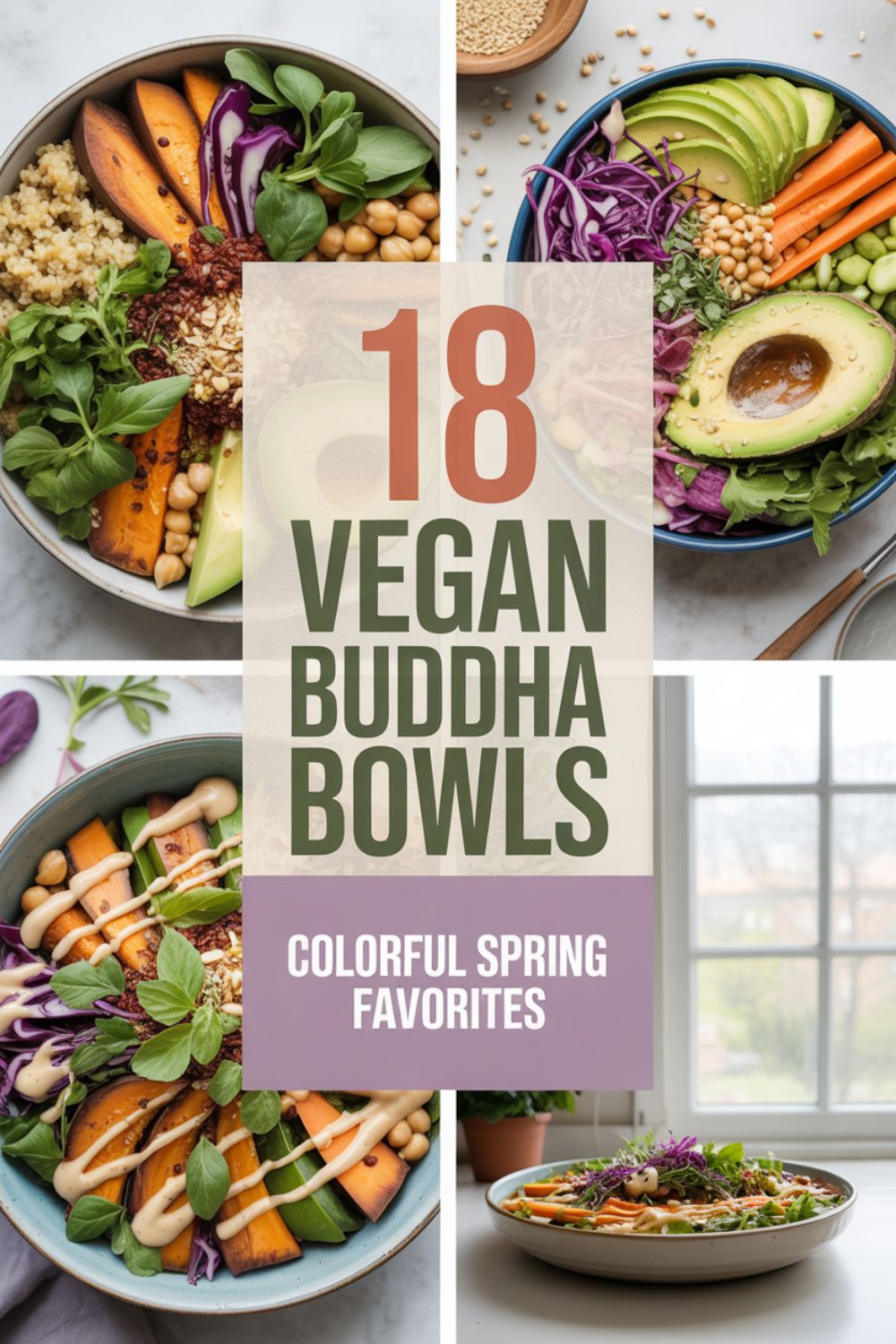
18 Colorful Vegan Buddha Bowls for Spring
Look, I get it. You’re tired of the same boring salad rotation, and you’re ready for something that actually looks like it belongs on Instagram but won’t leave you hungry an hour later. Buddha bowls are basically the answer to “what’s for dinner?” when you want maximum nutrition with minimal brain power.
These aren’t your average throw-together-whatever’s-in-the-fridge situations (though honestly, that works too). We’re talking vibrant, spring-forward combinations that pack serious flavor and enough protein to keep you satisfied until your next meal. Think crunchy, creamy, tangy, and filling—all in one bowl.
Spring is the perfect time to experiment with Buddha bowls because farmers’ markets are bursting with fresh greens, colorful veggies, and ingredients that make meal prep actually enjoyable. Plus, when the weather warms up, who wants to spend hours cooking? These bowls come together fast, store like a dream, and taste better than takeout.
What Makes a Buddha Bowl Actually Work
Here’s the thing about Buddha bowls—they’re forgiving. There’s no strict recipe to follow, which is both liberating and slightly terrifying if you’re the type who needs exact measurements. But once you understand the basic formula, you’ll be creating combinations in your sleep.
A solid Buddha bowl needs four key components: a grain or base (quinoa, brown rice, farro), a protein source (tofu, tempeh, chickpeas, lentils), vegetables (raw and cooked), and a killer sauce that ties everything together. Miss any of these, and you’ve just got a sad pile of ingredients.
The beauty of these bowls is that they’re endlessly customizable. Hate cilantro? Leave it out. Can’t find tahini? Swap in almond butter for your dressing base. According to Harvard Health, plant-based eating patterns that emphasize whole foods can reduce the risk of heart disease and support overall health—which is exactly what these bowls deliver.
The Spring Advantage: Fresh Ingredients That Actually Taste Good
Spring vegetables are a different breed. They’re tender, sweet, and don’t need much fussing to taste incredible. Asparagus, snap peas, radishes, and baby spinach are all at their peak, which means you can keep cooking simple and let the ingredients do the heavy lifting.
One of my favorite spring combos involves roasted asparagus, lemony chickpeas, and fresh peas over quinoa with a creamy tahini-dill dressing. It’s bright, satisfying, and tastes like actual springtime. If you’re looking for more breakfast inspiration with similar fresh vibes, check out these vegan breakfast ideas that use seasonal produce too.
Another winner is the strawberry-spinach Buddha bowl. I know what you’re thinking—fruit in a savory bowl? Trust me on this. Fresh strawberries, baby spinach, candied walnuts (made in a mini toaster oven so you don’t burn them), avocado, and a balsamic reduction. It’s sweet, tangy, and way more interesting than your standard grain bowl.
Why Seasonal Eating Actually Matters
Eating seasonally isn’t just some trendy food blogger thing. When produce is in season, it’s cheaper, tastes better, and has higher nutrient density. Spring greens like arugula and watercress are loaded with vitamins A and C, while early-season radishes pack a peppery crunch that adds texture without extra calories.
Plus, shopping seasonally forces you to rotate your ingredients, which means you’re naturally getting a wider variety of nutrients. Your gut microbiome loves diversity, and honestly, so does your palate. Nobody wants to eat the same kale salad every single day.
18 Buddha Bowl Combinations That’ll Keep Spring Interesting
1. Mediterranean Chickpea Bowl
Quinoa base, crispy roasted chickpeas, cucumber, cherry tomatoes, kalamata olives, red onion, and a lemon-tahini dressing. This is basically a deconstructed Greek salad that actually fills you up. Get Full Recipe.
2. Teriyaki Tofu & Edamame Bowl
Brown rice, marinated tofu (press it first, people), shelled edamame, shredded carrots, purple cabbage, and a ginger-sesame sauce. If you’re batch-cooking tofu, I swear by this tofu press—no more watery, sad cubes.
3. Southwest Black Bean Fiesta
Cilantro-lime rice, seasoned black beans, roasted sweet potato, corn, avocado, pico de gallo, and a creamy cashew-lime dressing. This one’s a crowd-pleaser and meal-preps like a dream.
4. Thai Peanut Crunch Bowl
Rice noodles, crispy baked tofu, shredded red cabbage, carrots, cucumber ribbons, fresh mint and basil, topped with a spicy peanut sauce. The sauce is where the magic happens—use a high-speed blender to get it silky smooth.
5. Turmeric Cauliflower & Lentil Bowl
Farro base, turmeric-roasted cauliflower, green lentils, baby spinach, pickled red onions, and a tahini-cumin dressing. The anti-inflammatory benefits of turmeric combined with protein-rich lentils make this bowl a nutritional powerhouse. For more protein-packed options, these high-protein vegan meals are seriously filling.
6. Rainbow Veggie Abundance Bowl
Quinoa, roasted rainbow carrots, beets, orange bell pepper, snap peas, and sunflower seeds with a carrot-ginger dressing. This bowl is as pretty as it is nutritious—perfect for impressing guests or just making yourself feel fancy on a Tuesday.
7. Green Goddess Spring Bowl
Herbed quinoa, roasted asparagus, sugar snap peas, avocado, cucumber, fresh dill, and a creamy avocado-basil dressing. This is what spring tastes like in bowl form.
8. Moroccan Spiced Sweet Potato Bowl
Couscous, Moroccan-spiced sweet potato cubes, chickpeas, dried apricots, almonds, and a lemon-tahini drizzle. The dried fruit adds natural sweetness that balances the warming spices perfectly.
9. Buffalo Cauliflower Power Bowl
Brown rice, buffalo-roasted cauliflower, shredded romaine, cherry tomatoes, shredded carrots, and a cashew ranch dressing. Yes, you can make ranch vegan, and yes, it’s delicious. I use my mini food processor to whip up the dressing in under 2 minutes.
10. Sesame Ginger Noodle Bowl
Soba noodles, crispy sesame tofu, bok choy, mushrooms, scallions, and a ginger-tamari sauce. The umami factor here is off the charts.
Speaking of noodles and Asian-inspired flavors, you might also love these vegan pasta dishes or these easy vegan dinner recipes for more weeknight meal ideas.
11. Strawberry Balsamic Spinach Bowl
Wild rice, fresh strawberries, baby spinach, candied pecans, red onion, and a balsamic reduction. Sweet, tangy, and completely unexpected in the best way.
12. Curried Chickpea & Mango Bowl
Basmati rice, curry-roasted chickpeas, fresh mango chunks, cucumber, red bell pepper, and a coconut-lime dressing. The mango adds tropical vibes that make this bowl feel special.
13. Pesto Veggie Delight
Farro, roasted zucchini, cherry tomatoes, white beans, arugula, and a cashew-basil pesto. Pro tip: Make your pesto in a large mortar and pestle for that authentic texture and flavor.
14. Korean-Inspired Bibimbap Bowl
Short-grain rice, seasoned tofu, sautéed spinach, bean sprouts, shredded carrots, kimchi, and gochujang sauce. This bowl has texture for days and the spice level is completely customizable.
15. Lemon Herb White Bean Bowl
Quinoa, cannellini beans, roasted artichokes, sun-dried tomatoes, fresh basil, and a lemon-garlic dressing. This Mediterranean-inspired combo is light but satisfying.
16. Smoky Tempeh & Kale Bowl
Farro, smoky glazed tempeh, massaged kale, roasted Brussels sprouts, dried cranberries, and a maple-tahini dressing. The trick with kale is massaging it with a bit of salt and lemon juice—it breaks down the fibers and makes it way less tough.
17. Chimichurri Veggie Bowl
Brown rice, grilled portobello mushrooms, roasted red peppers, white beans, arugula, and a vibrant chimichurri sauce. That chimichurri does serious heavy lifting here—it’s herby, garlicky, and brightens everything.
18. Spring Awakening Bowl
Quinoa, roasted radishes (yes, roasted—they turn sweet and mild), fresh peas, asparagus, microgreens, and a lemon-dill tahini sauce. This is peak spring in a bowl.
Building Your Buddha Bowl Arsenal
The right tools make Buddha bowl prep exponentially easier. You don’t need a fancy kitchen, but a few key items will save you time and frustration.
Meal Prep Essentials Used in This Plan
- Glass Meal Prep Containers (Set of 10) – Keeps your prepped bowls fresh all week. The glass doesn’t stain or absorb odors like plastic, and you can reheat right in the container.
- Mandoline Slicer – Game-changer for getting uniform veggie slices. Shredded cabbage, cucumber ribbons, and paper-thin radishes in seconds. Just watch your fingers.
- Spiralizer – Turns zucchini, carrots, and sweet potatoes into fun noodle shapes. Kids actually eat vegetables this way. It’s weird but it works.
- The Ultimate Vegan Meal Prep eBook – Digital guide with 50+ bowl combinations, sauce recipes, and weekly meal plans. Takes the guesswork out of planning.
- Buddha Bowl Dressing Pack (Digital) – 25 sauce and dressing recipes specifically designed for grain bowls. Covers everything from creamy cashew to tangy vinaigrettes.
- Spring Seasonal Eating Guide (PDF) – Month-by-month breakdown of what’s in season and recipe ideas to match. Makes shopping and meal planning actually logical.
Want more meal prep strategies? Join our WhatsApp Meal Prep Community where we share weekly themes, grocery lists, and troubleshooting tips.
The Sauce Situation: Don’t Skip This Part
A Buddha bowl without sauce is just a sad pile of ingredients. The sauce is what brings everything together, adds moisture, and makes you actually want to eat your vegetables.
My go-to formula for creamy dressings: nut or seed butter + acid (lemon or vinegar) + liquid (water or plant milk) + seasonings. Blend it up in a compact immersion blender and you’re done. Tahini-based sauces are my favorite because they’re nutty, creamy, and pack calcium and healthy fats.
For vinaigrettes, stick to a 3:1 ratio—three parts oil to one part acid. Add mustard as an emulsifier, and you’ve got a dressing that won’t separate. Store these in squeeze bottles for easy drizzling.
Five Essential Sauces to Master
- Classic Tahini-Lemon: Tahini, lemon juice, garlic, water, salt. Blend until smooth. This goes with literally everything.
- Peanut-Ginger: Peanut butter, rice vinegar, ginger, tamari, maple syrup, water. Spicy, sweet, and perfect for Asian-inspired bowls.
- Cashew Ranch: Soaked cashews, lemon juice, dill, garlic powder, onion powder, water. Creamy, tangy, and tastes exactly like the real thing.
- Balsamic Reduction: Just balsamic vinegar simmered down until thick and syrupy. Drizzle on fruit-forward bowls.
- Chimichurri: Fresh parsley, cilantro, garlic, red wine vinegar, olive oil, red pepper flakes. Bright, herbaceous, and cuts through rich ingredients.
Research published in PMC shows that plant-based diets rich in whole foods can support healthy weight management and reduce cardiovascular risk—sauces made from whole-food ingredients like nuts and seeds contribute healthy fats and nutrients that support these benefits.
Meal Prep Strategy That Actually Works
Here’s the truth: Buddha bowls are only convenient if you prep ahead. Nobody wants to cook quinoa, roast vegetables, and marinate tofu after a long day at work. The secret is batching tasks and storing components separately.
Every Sunday, I cook two types of grains (usually quinoa and brown rice), one protein (often a big batch of baked tofu or roasted chickpeas), and 3-4 roasted vegetables. Everything goes into separate glass containers in the fridge. Raw veggies and dressings stay fresh in their own containers.
During the week, assembly takes maybe 5 minutes. Grab a container, add some grain, protein, raw and cooked veggies, then drizzle with sauce. It’s faster than ordering delivery and tastes infinitely better.
Tools & Resources That Make Cooking Easier
- Instant Pot Duo – Cooks perfect grains and beans without babysitting. Set it and forget it while you prep other components.
- Silicone Baking Mat Set – Zero sticking, zero scrubbing. Use these for roasting everything from tofu to Brussels sprouts.
- Kitchen Scale – Helps with portion control and tracking macros if you’re into that. Also useful for dividing batch recipes evenly.
- Weekly Meal Planning Template (Digital) – Printable planner with grocery list sections and prep checklists. Keeps you organized and reduces food waste.
- Plant-Based Protein Guide (PDF) – Breaks down protein content of common vegan ingredients and how to combine them for complete amino acid profiles.
- Seasonal Produce Tracker (Digital) – Interactive guide showing what’s fresh each month with storage tips and recipe suggestions.
Connect with other meal preppers in our WhatsApp Buddha Bowl Community—we share photos, swap recipes, and troubleshoot prep problems together.
If you’re new to vegan meal prep, these vegan meal prep ideas will walk you through the basics and give you even more batch-cooking strategies.
Customizing Bowls for Different Dietary Needs
One of the best things about Buddha bowls is how easily they adapt to different nutritional goals. Need more protein? Double the legumes or add an extra scoop of tofu. Watching carbs? Swap grains for cauliflower rice or extra greens. Trying to increase iron? Load up on spinach, lentils, and pumpkin seeds, then pair with vitamin C-rich tomatoes or bell peppers to boost absorption.
IMO, the flexibility is what makes these bowls sustainable long-term. You’re not locked into eating the same thing every day, and you can adjust based on how you’re feeling, what’s in season, or what you’re craving. FYI, this approach works way better than restrictive meal plans that leave you bored by day three.
Boosting Protein Without Meat
Getting enough protein on a plant-based diet is easier than you think. Tempeh has about 15-16 grams per 3-ounce serving, lentils pack around 18 grams per cooked cup, and chickpeas deliver about 15 grams per cup. Combine these with quinoa (8 grams per cup) and you’re easily hitting 30+ grams in a single bowl.
The key is variety. Rotating between different protein sources ensures you’re getting a full spectrum of amino acids. This isn’t about obsessing over “complete proteins” at every meal—your body stores amino acids and assembles them as needed throughout the day.
For even more high-protein inspiration, check out these protein-packed vegan meals that’ll keep you full for hours.
Common Buddha Bowl Mistakes (And How to Avoid Them)
Even with something as flexible as a Buddha bowl, there are ways to mess it up. Here’s what I’ve learned from making hundreds of these bowls.
Mistake #1: Skipping the Acid
Bowls need brightness. Without acid—lemon juice, vinegar, pickled vegetables—everything tastes flat and one-dimensional. A squeeze of lemon or splash of vinegar in your dressing makes a massive difference.
Mistake #2: All Soft or All Crunchy
Texture variety keeps things interesting. Combine creamy (avocado, hummus), crunchy (raw veggies, toasted nuts), chewy (grains), and crispy (roasted chickpeas) elements. Your mouth gets bored with monotonous textures.
Mistake #3: Forgetting Salt
Season your components individually. Bland quinoa + bland chickpeas + bland vegetables = a forgettable bowl. Season your grains while they cook, season your roasted veggies before baking, and taste your dressing before pouring.
Mistake #4: Too Much Raw Kale
Raw kale is tough and bitter. Massage it with salt and lemon, or better yet, use baby spinach, arugula, or mixed greens. Your jaw will thank you.
Mistake #5: Overdoing the Grains
Grains should be the foundation, not the entire bowl. Aim for about 1/2 to 3/4 cup cooked grains per bowl, then pile on the vegetables. This keeps the fiber high and the calories reasonable.
Budget-Friendly Buddha Bowl Tips
Eating healthy doesn’t have to drain your bank account. Buddha bowls can be incredibly economical if you shop smart and use ingredients efficiently.
Buy grains and legumes in bulk. Dry beans and lentils are dirt cheap and store forever. A $2 bag of lentils can make 6-8 servings. Shop seasonal produce—it’s always cheaper when it’s abundant. Spring asparagus in April costs way less than asparagus in December. Use frozen vegetables strategically. Frozen peas, edamame, and corn work perfectly in bowls and have zero waste.
Grow your own herbs. Fresh herbs are expensive and go bad fast. A $3 basil plant from the grocery store will give you fresh leaves for weeks. Keep it on a sunny windowsill and snip what you need. I use this indoor herb garden kit year-round and it pays for itself after one harvest.
Need more budget-friendly meal ideas? These quick vegan lunches are wallet-friendly and perfect for work.
Storing and Reheating Your Bowls
Storage strategy matters. If you assemble complete bowls in advance, keep wet ingredients (like dressing and fresh tomatoes) separate from dry ingredients (grains and crispy toppings). Otherwise, everything gets soggy by day three.
I pack dressings in small 2-ounce containers or reusable silicone squeeze pouches. Greens go in a separate layer with a paper towel to absorb moisture. Everything else can be mixed together.
For reheating, remove any fresh greens first. Microwave the grains, proteins, and roasted veggies for 1-2 minutes, then add back the greens and dressing. Some bowls, like the Mediterranean chickpea bowl, are actually great cold—no reheating required.
Prepped bowls last 4-5 days in the fridge. After that, textures start breaking down and flavors fade. If you’re meal-prepping for a full week, prep components on Sunday and Wednesday to keep everything fresh.
Frequently Asked Questions
Can I freeze Buddha bowls?
You can freeze the grains, beans, and cooked proteins separately, but fresh vegetables and dressings don’t freeze well. If you want to freeze complete bowls, stick to heartier ingredients like quinoa, roasted sweet potatoes, and chickpeas. Skip the fresh greens and add them after thawing.
How do I keep my Buddha bowls from getting boring?
Rotate your sauces weekly—the sauce makes the biggest flavor impact. Also, switch up your protein sources and try different grain bases like farro, bulgur, or wild rice. Adding seasonal produce keeps things fresh and interesting without much effort.
Are Buddha bowls actually filling enough for athletes or active people?
Absolutely. The combination of complex carbs, protein, and healthy fats provides sustained energy. If you’re highly active, increase your portions of quinoa and beans, add extra nut butter to your dressing, or include more calorie-dense toppings like avocado and seeds. Many athletes thrive on plant-based diets by simply eating larger portions of these nutrient-dense bowls.
What’s the difference between a Buddha bowl and a grain bowl?
Honestly, it’s mostly marketing. Buddha bowls traditionally emphasize balance—grains, veggies, protein, and sauce in roughly equal proportions. Grain bowls might be heavier on the grains. But in practice, people use the terms interchangeably. Call it whatever you want as long as it’s delicious.
Can kids eat Buddha bowls?
Kids often love the “build your own bowl” approach where they pick their ingredients. Start with familiar favorites—rice, mild beans, roasted sweet potato, corn—and let them choose. Involve them in prep and they’re way more likely to actually eat it. My niece won’t touch spinach on its own but devours it in a bowl with peanut sauce.
Final Thoughts on Spring Buddha Bowls
Buddha bowls aren’t just a trend—they’re a sustainable way to eat well without overthinking it. Once you get the hang of the basic formula, you can create infinite variations based on what you have in the fridge, what’s on sale, or what you’re craving.
Spring is the perfect time to dive in because the produce is vibrant, affordable, and packed with flavor. Whether you’re meal-prepping for the week, trying to eat more plants, or just tired of boring lunches, these bowls deliver on taste, nutrition, and convenience.
Start simple. Pick one bowl from this list, prep the components, and see how you feel. Chances are, you’ll find yourself creating your own combinations within a week. That’s when you know you’ve got it figured out.
The beauty of Buddha bowls is that there’s no wrong way to do them. They’re forgiving, customizable, and always better than sad desk lunch. So grab some quinoa, roast some vegetables, and make yourself a bowl that actually makes you excited to eat.