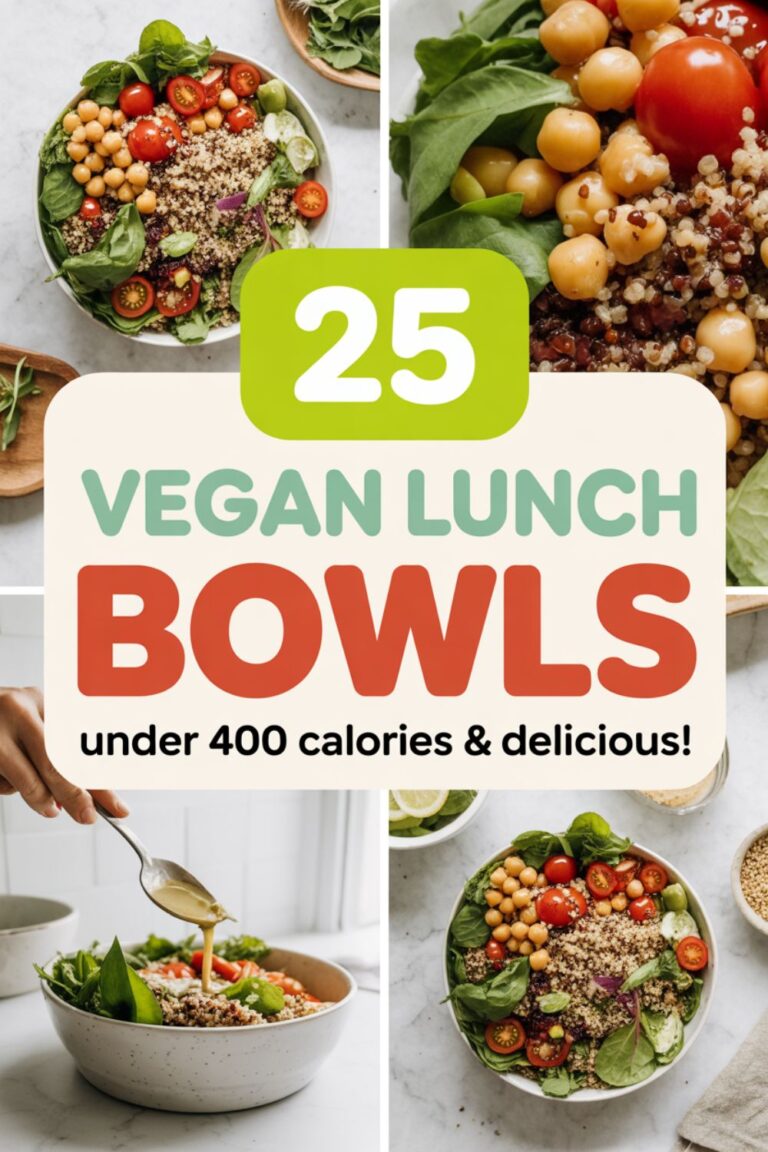
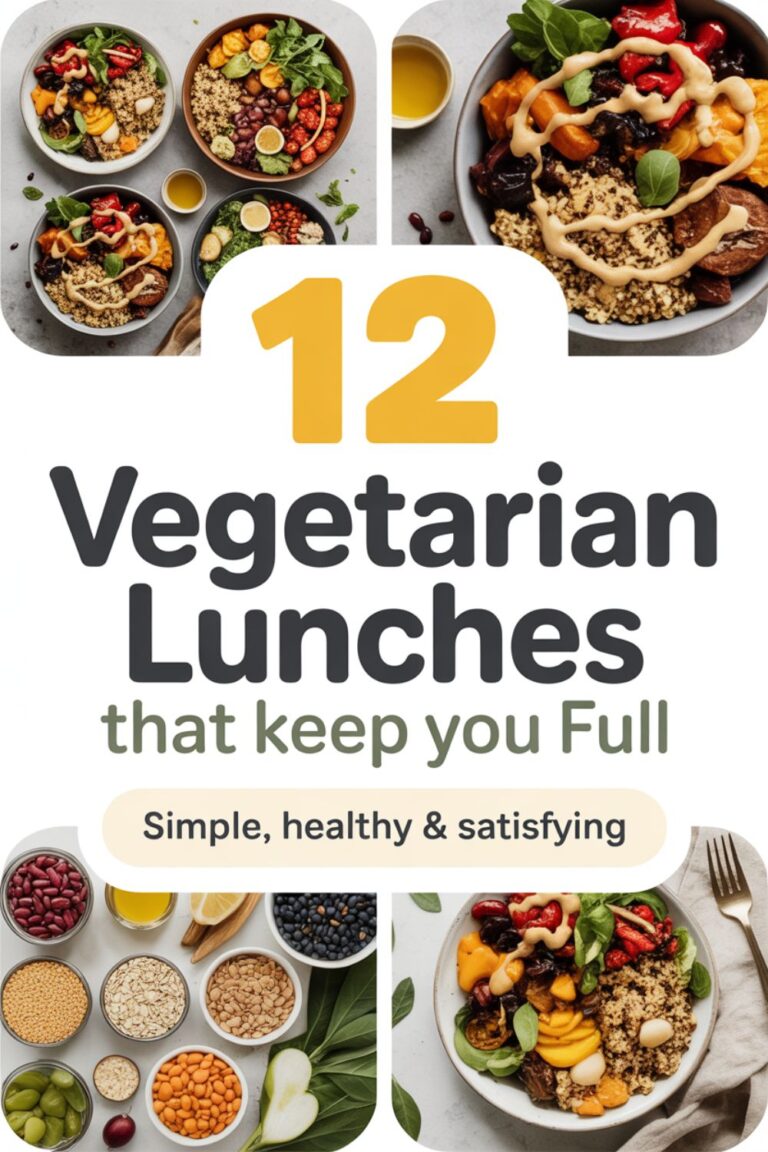
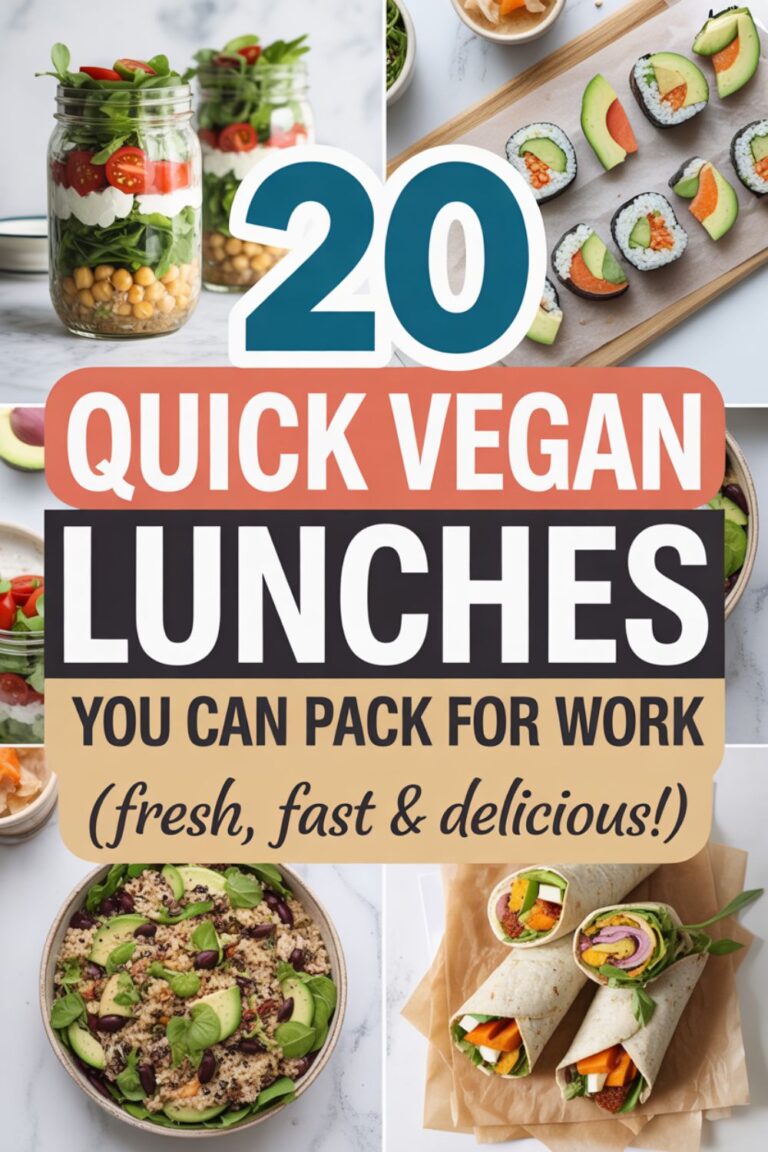
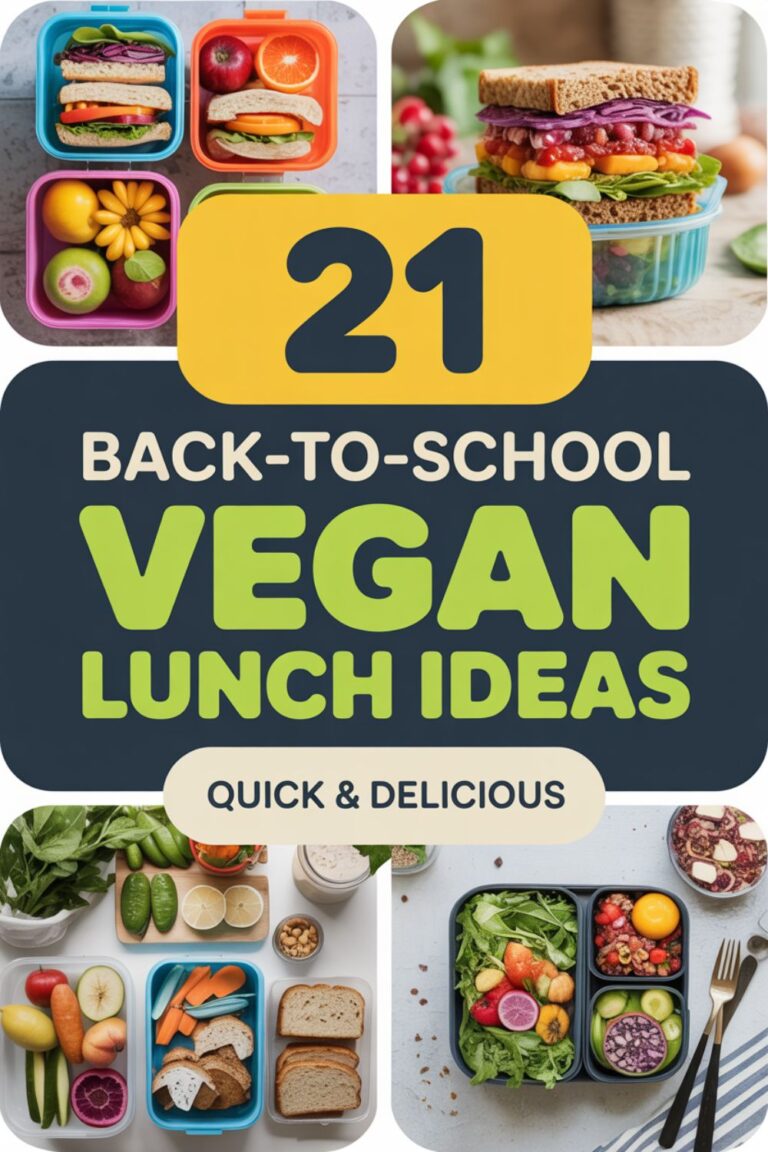
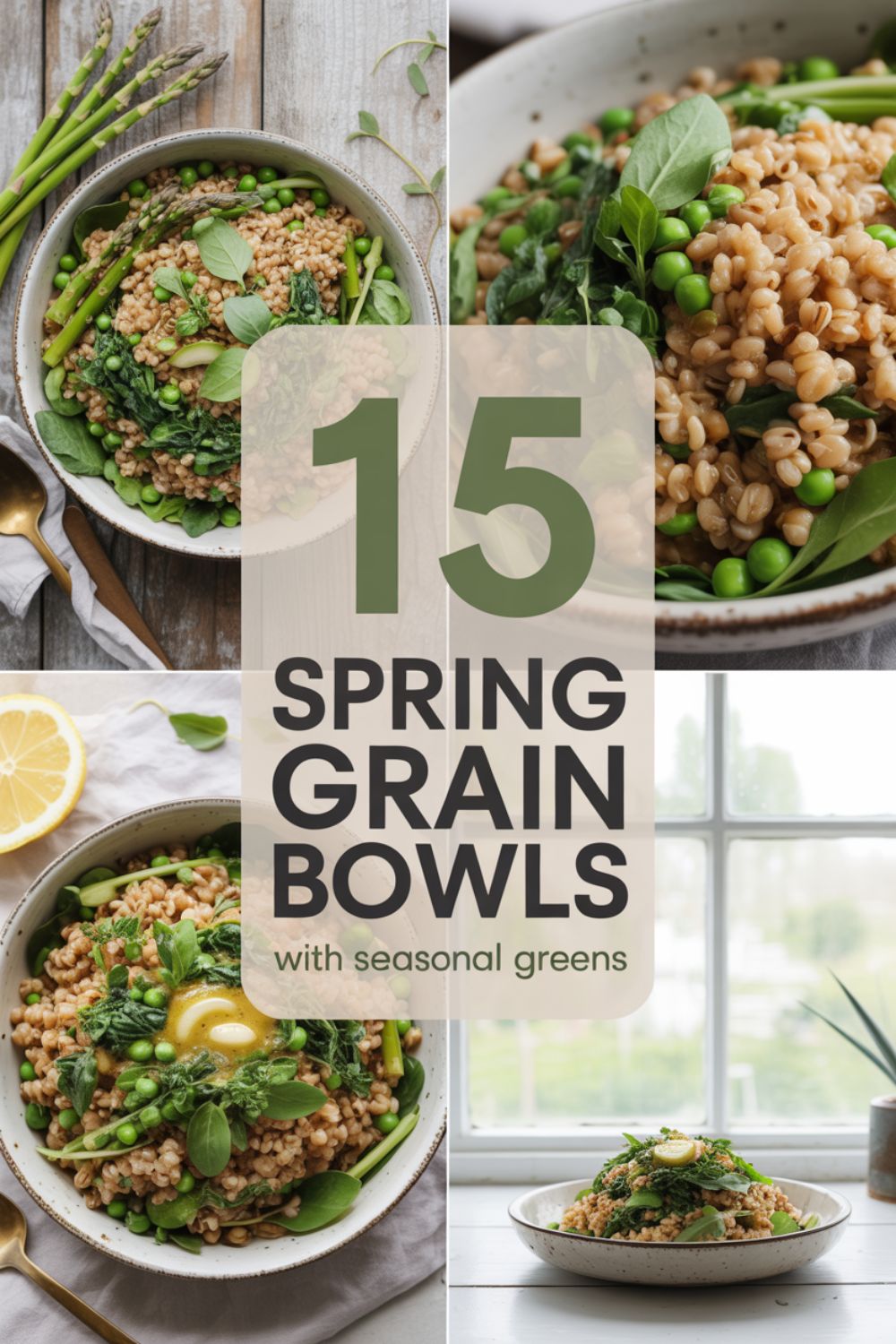
15 Spring Grain Bowls with Seasonal Greens
Spring hits differently when you’ve spent the last few months eating heavy comfort food, right? Your body literally starts craving lighter, brighter meals—and that’s not just in your head. After months of stews and casseroles, those first tender spring greens feel like a reset button for your entire system.
I’ve been obsessed with grain bowls lately because they’re basically the lazy person’s guide to eating well. You throw some grains in a pot, roast whatever vegetables you have, and suddenly you’re eating like someone who has their life together. No recipe required, no complicated techniques—just good food that actually fills you up.
The beauty of spring grain bowls is that seasonal greens do most of the heavy lifting flavor-wise. You’re not masking tired, flavorless produce with a ton of dressing. We’re talking about nutrient-dense whole grains paired with greens that actually taste like something.
Why Your Body Actually Craves This Stuff Right Now
Ever notice how salads suddenly seem appealing when the weather warms up? That’s not random. Your body knows what it needs, and after a winter of heavier foods, it’s basically screaming for the vitamins, minerals, and phytonutrients packed into spring greens.
Spring greens like arugula, spinach, and kale hit their nutritional peak right now. They’re loaded with vitamins A, C, and K, plus they’re packed with folate and iron. But here’s what I actually care about—they help your body do that whole natural detox thing without needing to buy into some sketchy juice cleanse.
The fiber in whole grains works with those greens to keep your digestive system running smoothly. FYI, this combo is way better than any expensive supplement you’re thinking about buying. You’re getting sustained energy without the blood sugar spike you’d get from refined grains.
Cook a big batch of grains on Sunday night. Seriously, thank yourself all week when you can throw together a bowl in five minutes flat.
The Base: Picking Your Grains Without Overthinking It
Here’s where people get weird and start overthinking everything. You don’t need to find some exotic ancient grain to make a good bowl. Yeah, quinoa is great, but so is brown rice. Farro is delicious, but if all you have is barley, you’re still winning.
Quinoa cooks fast and has complete protein, which is clutch if you’re going meatless. Farro has this chewy texture that holds up well even when you meal prep. Brown rice is cheap and reliable—it’s the Honda Civic of grains.
What matters more than which grain you pick? Making sure it’s actually a whole grain. The difference between whole and refined grains is massive when it comes to how full you’ll feel and how your blood sugar responds.
Grain Cooking Times to Save Your Sanity
- Quinoa: 15 minutes (the overachiever of the grain world)
- Brown rice: 45 minutes (plan ahead or use a rice cooker)
- Farro: 25-30 minutes (worth the wait for that texture)
- Bulgur: 12 minutes (basically instant gratification)
- Wild rice: 50 minutes (tastes fancy, takes forever)
I use this rice cooker that has settings for different grains. Game changer when you’re trying to multitask and not burn the house down.
15 Spring Grain Bowl Combinations That Actually Work
1. Classic Spring Green Bowl
Start with quinoa, add a massive handful of baby spinach and arugula, roasted asparagus, sliced radishes, and top with a lemon-tahini dressing. This is your baseline—simple, fresh, and it won’t leave you hungry in an hour.
The peppery bite from arugula plays perfectly against sweet roasted asparagus. If you want to add protein, toss in some chickpeas or a soft-boiled egg. Get Full Recipe
2. Mediterranean Farro Bowl
Farro is perfect here because it can handle bold flavors. Layer it with kale (massaged with a bit of olive oil to make it less tough), roasted red peppers, cucumber, olives, feta, and a red wine vinaigrette.
I prep the vegetables the night before and store them in these glass meal prep containers. Keeps everything crisp and makes assembly stupidly easy.
“I started making grain bowls after my doctor told me to eat more fiber. Lost 12 pounds in two months without really trying, and my energy is so much better. The farro bowl is my go-to lunch now.” — Jessica M., community member
3. Asian-Inspired Brown Rice Bowl
Brown rice base, steamed bok choy, shredded carrots, edamame, sliced cucumber, and a miso-ginger dressing. Top with sesame seeds and maybe some crispy tofu if you’re feeling ambitious.
The sesame seeds add crunch, but you need to toast them first. I use a small skillet specifically for this—it takes two minutes and makes a huge difference.
4. Pesto Quinoa with Spring Peas
Toss warm quinoa with fresh pesto (or store-bought, I won’t judge), add blanched snap peas, cherry tomatoes, baby spinach, and pine nuts. This one’s great warm or cold.
Fresh peas in spring are nothing like the frozen ones you’ve been tolerating all winter. They’re sweet and actually enjoyable to eat. If you’re making pesto from scratch, this mini food processor is perfect for small batches. Get Full Recipe
If you’re looking for more protein-packed options, check out these high-protein vegan meals that work perfectly alongside grain bowls, or these vegan breakfast ideas for morning bowl inspiration.
5. Tex-Mex Grain Bowl
Brown rice or quinoa, black beans, roasted corn, diced tomatoes, shredded lettuce, avocado, and a cilantro-lime dressing. Add some pickled jalapeños if you’re not boring.
The key to good roasted corn is getting some char on it. Crank your oven to 425°F and don’t be shy about letting those kernels get dark in spots.
6. Harvest Bowl with Butternut Squash
Okay, butternut squash isn’t exactly a spring vegetable, but hear me out. Farro base, roasted butternut squash, wilted spinach, toasted walnuts, dried cranberries, and maple-tahini dressing.
This bridges that weird gap between winter and spring when the weather can’t make up its mind. You can prep the squash using silicone baking mats so nothing sticks and cleanup is basically nonexistent.
7. Lemony Bulgur Bowl
Bulgur wheat, tons of fresh parsley and mint, diced cucumber, tomatoes, chickpeas, and a lemon-olive oil dressing. Basically tabbouleh evolved into a full meal.
This one’s super light but surprisingly filling thanks to the chickpeas. The herbs need to be fresh—dried just won’t cut it here. I keep my herbs fresh longer using herb keeper containers that actually work. Get Full Recipe
Buy pre-washed greens. Yes, they cost more. No, your time isn’t free. Make the trade.
8. Green Goddess Bowl
Quinoa, steamed broccoli, snap peas, cucumber, avocado, and pumpkin seeds with a creamy avocado-herb dressing. Everything’s green and you’ll feel extremely virtuous eating this.
The dressing is just blended avocado, herbs, lemon juice, and a bit of water to thin it out. Tastes way fancier than the effort required.
9. Warm Barley Bowl with Roasted Vegetables
Barley, roasted asparagus, bell peppers, zucchini, and cherry tomatoes with a balsamic glaze. Serve warm and top with fresh basil.
Barley has this great chewy texture that makes bowls feel more substantial. The roasting brings out the natural sweetness in the vegetables, so you don’t need to drown everything in dressing.
10. Thai-Inspired Coconut Rice Bowl
Brown rice cooked in coconut milk (trust me), topped with sautéed bok choy, red bell pepper, basil, mint, and a spicy peanut sauce. Crushed peanuts on top for crunch.
Cooking rice in coconut milk sounds fancy but it’s literally just swapping water for coconut milk. The flavor difference is absurd. For the peanut sauce, I use natural peanut butter and thin it with lime juice and a bit of water.
For more international flavor inspiration, explore these vegan pasta dishes or try some of these vegan soups and stews that use similar flavor profiles.
11. Spring Herb and Lentil Bowl
Wild rice mixed with green lentils, fresh dill, parsley, cilantro, cucumber, tomatoes, and a lemon vinaigrette. Protein-packed without any meat.
The herb-to-grain ratio here is aggressive. You want more herbs than seems reasonable. That’s what makes it taste fresh instead of boring. Get Full Recipe
12. Strawberry Spinach Quinoa Bowl
Quinoa, baby spinach, sliced strawberries, toasted almonds, goat cheese, and a strawberry-balsamic vinaigrette. Sweet, savory, and way better than any salad.
Spring strawberries are peak right now. Don’t use the sad winter ones that taste like crunchy water. The sweetness plays off the tangy goat cheese perfectly.
“My kids actually eat vegetables now because they think grain bowls are ‘fancy restaurant food.’ I’ll take the win however I can get it.” — Marcus T., community member
13. Chimichurri Cauliflower Rice Bowl
Okay, cauliflower rice isn’t technically a grain, but for those doing low-carb, it’s your base. Top with roasted chickpeas, cherry tomatoes, cucumber, avocado, and tons of chimichurri sauce.
Making chimichurri is stupid easy—just blend parsley, oregano, garlic, red wine vinegar, and olive oil. I use this small blender for sauces and it’s perfect.
14. Miso-Glazed Eggplant Bowl
Brown rice, roasted miso-glazed eggplant, sautéed greens, pickled ginger, sesame seeds, and a drizzle of sriracha mayo. This one’s got some kick.
The miso glaze caramelizes on the eggplant and creates these crispy edges. You want your eggplant sliced about half an inch thick—any thinner and it gets mushy, any thicker and it doesn’t cook through.
15. Everything Bagel Grain Bowl
Farro, massaged kale, cucumber, tomato, red onion, avocado, and a generous sprinkle of everything bagel seasoning. Top with a schmear of cream cheese or cashew cream.
This sounds weird but tastes exactly like an everything bagel with cream cheese and vegetables. The seasoning does all the work. I buy everything bagel seasoning in bulk because I put it on basically everything now. Get Full Recipe
Meal Prep Essentials Used in These Bowls
After making roughly a thousand grain bowls, here’s what actually makes the process easier:
Physical Products:
- Glass meal prep containers with compartments – Keeps ingredients separate until you’re ready to eat. No soggy greens.
- Large rimmed baking sheets – For roasting vegetables evenly. The cheap ones warp in the oven.
- Rice cooker with grain settings – Set it and forget it. Makes perfect grains every time without babysitting.
Digital Resources:
- Plant-Based Meal Prep Guide eBook – Specific timing and storage tips for grain bowls
- 50 Dressing Recipes Digital Collection – Because variety keeps you from getting bored
- Seasonal Eating Calendar PDF – Know what’s actually fresh each month
Join the Community: Want real-time meal prep tips and recipe swaps? Our WhatsApp meal prep community shares what’s working (and what flopped) every week.
The Actual Science Behind Why These Work
I’m not going to bore you with a nutrition lecture, but there’s a reason grain bowls keep you full and energized instead of reaching for snacks an hour later.
Whole grains provide complex carbohydrates that break down slowly. Your blood sugar stays stable instead of spiking and crashing like it does with refined grains or sugary foods. Research published in the Journal of Nutrition consistently shows that whole grain consumption is linked to reduced risk of type 2 diabetes and cardiovascular disease.
The fiber in both the grains and greens keeps your digestive system happy. We’re talking about the kind of fiber that actually does something—not the isolated stuff they add to protein bars to hit a number on the label.
Spring greens add micronutrients without adding many calories. That’s the trade-off that actually works—volume and nutrition without making you feel stuffed and sluggish.
Add an acid (lemon juice, vinegar) to your dressing. It brightens everything and helps your body absorb iron from the greens better. Science says so.
Meal Prepping Without Losing Your Mind
Here’s my actual routine that doesn’t require being one of those people who wakes up at 5 AM on Sunday to meal prep.
Sunday evening (takes maybe an hour):
- Cook 3-4 cups of grains. Store in the fridge.
- Roast whatever vegetables look good. Sheet pan, 400°F, done in 25 minutes.
- Prep your greens if they’re not pre-washed. Wash, dry, store in containers with paper towels.
- Make 1-2 dressings. They keep for a week in the fridge.
During the week, assembly takes five minutes. Grain base, add cold or warm roasted vegetables, fresh greens, protein if you want it, dressing. Done.
I use wide-mouth mason jars for dressings because you can shake them to remix before using. Way easier than trying to whisk something in a regular container.
Looking for more meal prep strategies? These vegan meal prep ideas and quick vegan lunches will give you plenty of options to rotate.
Dressing Formulas That Don’t Suck
The dressing can make or break your bowl. Store-bought is fine, but making your own is cheaper and tastes better. Plus you control the sugar and sodium levels.
Basic Lemon-Tahini
Equal parts tahini and lemon juice, thinned with water until it’s pourable. Add garlic, salt, cumin. Blend or whisk. This works on pretty much everything.
Miso-Ginger
White miso paste, rice vinegar, grated ginger, sesame oil, a touch of maple syrup. Whisk together. Great on Asian-inspired bowls.
Creamy Avocado
Ripe avocado, lime juice, cilantro, garlic, water to thin. Blend until smooth. Use immediately because it’ll oxidize and turn brown.
Simple Balsamic
Three parts olive oil to one part balsamic vinegar, Dijon mustard, garlic, salt, pepper. Shake in a jar. Classic for a reason.
A small blender or immersion blender makes creamy dressings way easier. No chunks, perfect texture every time.
Tools & Resources That Make Cooking Easier
You don’t need a fancy kitchen, but a few specific tools make the process way less annoying:
Physical Kitchen Tools:
- Sharp chef’s knife and knife sharpener – Dull knives make prep take forever and they’re more dangerous
- Salad spinner – For actually drying greens properly. Wet greens make everything soggy.
- Microplane grater – For garlic, ginger, citrus zest. Game changer for flavor.
Digital Tools & Guides:
- Knife Skills Video Course – Learn to chop vegetables efficiently and safely
- Grain Bowl Blueprint eBook – Mix-and-match formulas for endless combinations
- Weekly Meal Planning Template – Digital planner that actually helps you use what you buy
Connect with Others: Join our Recipe Swap WhatsApp Group where people share their weekly meal wins and storage hacks.
Common Mistakes That Make Bowls Boring
I’ve made every one of these mistakes, so learn from my failures.
Using all raw vegetables. Mix textures—some roasted, some fresh, some pickled. All raw gets monotonous fast.
Skipping the acid. Every bowl needs something bright—lemon juice, vinegar, pickled onions. It wakes up all the other flavors.
Not seasoning your grains. Plain quinoa is boring. Cook it in broth or add salt to the water. Season while it’s hot.
Making everything the same temperature. Contrast is good. Warm grains, cold cucumbers, room temp chickpeas. It’s more interesting.
Forgetting the crunch. Nuts, seeds, crispy chickpeas—something needs to provide texture. Otherwise it’s just mush.
Adapting for Dietary Restrictions
These bowls are ridiculously flexible. Need them gluten-free? Use quinoa, rice, or buckwheat. Want more protein? Add beans, lentils, tofu, tempeh, or a soft-boiled egg.
Going oil-free? Roast vegetables with a bit of vegetable broth instead, or use an air fryer. Dressings can be tahini-based or use blended cashews for creaminess.
Nut allergies? Replace nut-based dressings with tahini or sunflower seed butter. Skip the almond or walnut toppings and use pumpkin seeds or sunflower seeds instead.
IMO, the best thing about grain bowls is that they’re a formula, not a strict recipe. Swap ingredients based on what you have, what’s on sale, or what your body needs that day.
Need more variety in your plant-based eating? Check out these healthy vegan snacks and vegan desserts to round out your meal rotation.
Storage and Make-Ahead Tips
Grains keep in the fridge for 4-5 days, easy. Roasted vegetables last about the same. Store them separately from fresh greens or everything gets soggy.
Keep dressings separate until you’re ready to eat. This is non-negotiable if you’re meal prepping.
Fresh herbs don’t keep long, so add them right before eating. Same with avocado—it’ll turn brown if you prep it too far in advance.
If you’re bringing a bowl to work, layer strategically: grains on bottom, hardier vegetables in the middle, delicate greens on top, dressing in a separate container. Flip and shake when you’re ready to eat.
I use leak-proof containers with separate dressing compartments specifically for this. No more sad desk salads with soggy lettuce.
Frequently Asked Questions
How long do grain bowls last in the fridge?
Assembled grain bowls last 3-4 days if you keep the dressing separate and use fresh greens that are properly dried. The grains themselves can last 5-6 days when stored separately. Just make sure everything is in airtight containers and kept at a consistent temperature.
Can I freeze grain bowls for later?
You can freeze cooked grains by themselves for up to 3 months, but I don’t recommend freezing assembled bowls. The vegetables get mushy and the greens turn to slime. Instead, freeze your grains in portions and build fresh bowls when you need them.
What’s the best ratio of grains to vegetables?
A good starting point is about 1/2 cup cooked grains, 1-2 cups vegetables (mix of raw and roasted), and 1/4-1/2 cup protein like beans or tofu. You want the vegetables to be the star, not just a garnish on a pile of grains. Adjust based on your hunger and activity level.
Are grain bowls actually filling or will I be hungry in an hour?
When done right, grain bowls keep you full for 4-5 hours thanks to the fiber and protein combo. The key is including enough protein (beans, lentils, tofu, or eggs) and not skimping on healthy fats from things like avocado, nuts, or tahini dressing. If you’re hungry quickly, you probably didn’t add enough of those components.
What if I don’t like the grain options you listed?
Use whatever grain you actually enjoy eating. Buckwheat, millet, amaranth, even regular oats—they all work. The formula matters more than the specific grain. Just make sure it’s a whole grain and not refined, and cook it according to package directions.
Final Thoughts
Spring grain bowls aren’t revolutionary. They’re just a solid way to eat well without making it complicated or spending hours in the kitchen.
The beauty is in the flexibility. You’re not locked into a specific recipe or shopping list. You’re working with what’s fresh, what you already have, and what sounds good that day.
After a winter of heavy comfort food, your body knows it needs this lighter, fresher approach. The seasonal greens taste better right now than they will in three months. The whole grains keep you full and energized. The combinations are endless.
Start with one bowl this week. See how you feel. Adjust the formula to your taste. Add more of what you like, skip what you don’t. That’s the whole point—it’s flexible food that works for real life, not Instagram perfection.