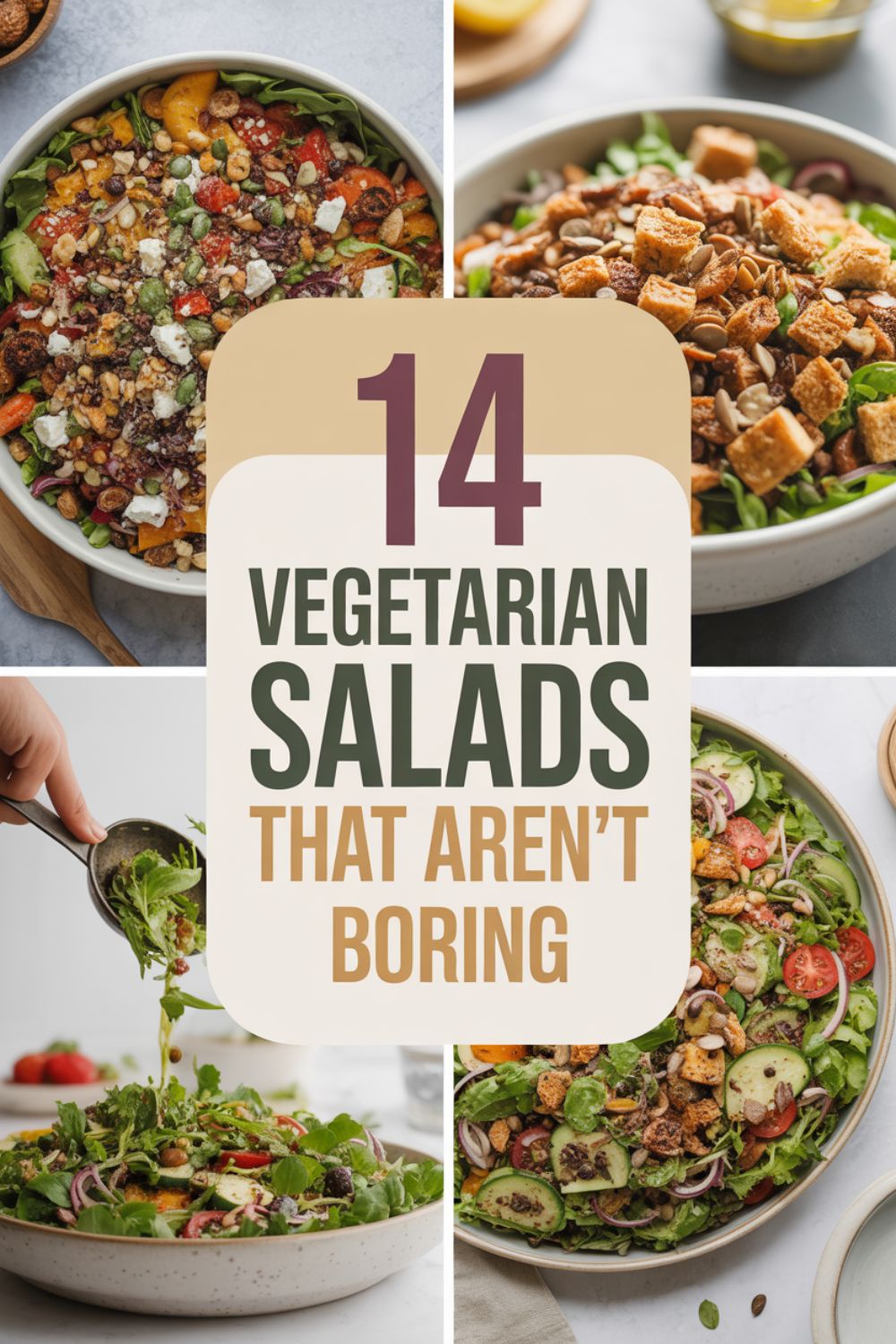
14 Vegetarian Salads That Aren’t Boring
Let’s get real for a second. When someone says “salad for dinner,” do you immediately picture a sad pile of iceberg lettuce with a few cherry tomatoes thrown on top? Yeah, me too. And honestly, that’s the exact reason why salads have gotten such a bad rap in the first place.
But here’s the thing: salads don’t have to be the culinary equivalent of eating cardboard. They can actually be exciting, filling, and downright crave-worthy. I’m talking about salads that make you excited to eat your veggies, that keep you full for hours, and that you’d genuinely choose over takeout on a random Tuesday night.
I’ve spent way too much time perfecting the art of the not-boring salad, and I’m about to share everything I’ve learned. These aren’t your typical rabbit food recipes. We’re talking hearty grains, protein-packed legumes, creamy dressings, and flavor combinations that’ll make you wonder why you ever settled for boring greens in the first place.
Why These Salads Actually Work
The secret to a satisfying salad isn’t rocket science, but it does require a bit of strategy. You need the right balance of textures, flavors, and macronutrients to keep things interesting. Nobody wants to eat a bowl of wet lettuce and call it a meal.
First off, let’s talk protein. Leafy greens provide essential vitamins and minerals, but they won’t keep you full on their own. That’s where beans, lentils, chickpeas, tofu, and nuts come in. These plant-based proteins are game-changers, turning a side salad into an actual meal.
Then there’s the texture situation. A good salad needs crunch, creaminess, and something hearty to chew on. Think roasted chickpeas for crunch, avocado for creaminess, and quinoa or farro for that satisfying bite. Mix them all together and suddenly you’ve got layers of deliciousness instead of one-note boredom.
The Building Blocks of a Great Vegetarian Salad
Before we jump into the specific salads, let’s break down what makes them actually worth eating. Every single one of these salads follows a simple formula that guarantees satisfaction.
Start With the Right Greens
Not all greens are created equal, and iceberg lettuce is honestly the weakest link. Opt for sturdy greens like kale, arugula, spinach, or romaine that can stand up to heavier toppings and dressings. Dark leafy greens are packed with vitamins, minerals, and antioxidants that support everything from bone health to disease prevention.
Kale deserves special mention here. I know it’s been memed to death, but there’s a reason it became such a thing. When you massage it with a bit of lemon juice and olive oil, it becomes tender and way less bitter. Plus, it holds up in the fridge way better than delicate lettuce, making it perfect for meal prep.
Add Substantial Protein
This is where vegetarian salads often fall flat. You need protein, and you need enough of it. Aim for at least 15-20 grams per serving if you want your salad to actually keep you satisfied. Chickpeas, black beans, lentils, tofu, tempeh, hard-boiled eggs, and cheese all work beautifully.
I’m particularly obsessed with crispy chickpeas lately. Toss them with olive oil and spices in a sheet pan, roast until crunchy, and you’ve got the perfect salad topper that’s basically edible gold. They add protein, fiber, and that essential crunch factor all at once.
Include Healthy Fats
Fats aren’t the enemy – they’re what make salads actually taste good and help your body absorb all those fat-soluble vitamins. Avocado, nuts, seeds, cheese, and olive oil-based dressings all do the trick. My go-to move is keeping a jar of tahini in the fridge for quick creamy dressings that rival any dairy-based option.
Speaking of which, if you’re looking for more plant-forward inspiration, check out these easy vegan meal prep ideas that use similar building blocks to create seriously satisfying meals.
14 Vegetarian Salads You’ll Actually Crave
1. Mediterranean Chickpea Power Bowl
This is my ultimate go-to when I need something quick but substantial. Crispy roasted chickpeas, cucumber, tomatoes, red onion, Kalamata olives, and feta cheese over a bed of mixed greens. The dressing is a simple lemon-herb vinaigrette that ties everything together.
The chickpeas are the star here. Roast them with cumin, paprika, and garlic powder until they’re golden and crispy. They provide about 15 grams of protein per cup, plus tons of fiber to keep you full. Get Full Recipe.
2. Thai Peanut Crunch Salad
If you’re someone who claims to hate salad, this one will change your mind. Shredded cabbage, carrots, bell peppers, edamame, and crushed peanuts all tossed in a creamy peanut dressing that’s legitimately addictive. The edamame brings serious protein – about 17 grams per cup.
I make the dressing in my mini food processor with peanut butter, lime juice, soy sauce, ginger, and a touch of maple syrup. It keeps for a week in the fridge, so you can batch-make this salad for easy lunches. The crunch from the cabbage and peanuts is incredibly satisfying, and everything stays crisp even after a day in the fridge.
3. Quinoa Rainbow Bowl
This one’s all about the visuals and the variety. Fluffy quinoa as the base, then top it with roasted sweet potato, purple cabbage, shredded carrots, avocado, and a tahini-lemon dressing. Quinoa packs about 8 grams of protein per cooked cup, making it one of the few grains that’s actually a complete protein.
The key is roasting the sweet potato until it’s caramelized and sweet. I use a rimmed baking sheet and make sure the pieces aren’t crowded so they get crispy edges instead of steaming. Trust me, crispy sweet potato beats mushy sweet potato every single time.
4. Greek Goddess Salad
Romaine lettuce, chickpeas, cucumber, cherry tomatoes, red onion, and feta, all drizzled with a green goddess dressing made from avocado, herbs, and buttermilk. The avocado makes the dressing incredibly creamy while adding healthy fats that help you absorb all those good nutrients from the veggies.
This salad is substantial enough to be a main dish, especially when you load up on the chickpeas. For more Mediterranean-inspired meals, these high-protein vegan meals use similar flavor profiles with different formats.
5. Roasted Vegetable and Farro Salad
Farro is criminally underrated. It’s got this nutty, chewy texture that makes salads feel way more substantial. Roast up some zucchini, bell peppers, and red onion, toss them with cooked farro, arugula, and a balsamic vinaigrette. Top with some goat cheese or leave it off for a vegan version.
The beauty of this salad is that it’s great warm or cold. Eat it fresh out of the oven for a cozy dinner, or meal prep it for lunches all week. The farro stays perfectly chewy even after sitting in the fridge, unlike pasta which can get mushy.
6. Mexican Street Corn Salad
All the flavors of elote in salad form. Charred corn, black beans, cherry tomatoes, avocado, cilantro, and cotija cheese with a lime-chili dressing. If you’ve never charred corn in a cast iron skillet, you’re missing out on some serious flavor development.
The black beans add fiber and protein, while the corn brings natural sweetness that balances the tangy lime and spicy chili. This one’s perfect for summer but honestly works year-round with frozen corn that you char in a hot pan. Get Full Recipe.
Meal Prep Essentials Used in These Salads
After making these salads on repeat, here’s what actually makes the process easier:
- Glass meal prep containers with dividers – Keeps dressing separate from greens so nothing gets soggy
- Salad spinner – Dry greens = better dressing adherence and crispier salads
- Quality chef’s knife – Chopping vegetables is way less painful with a sharp blade
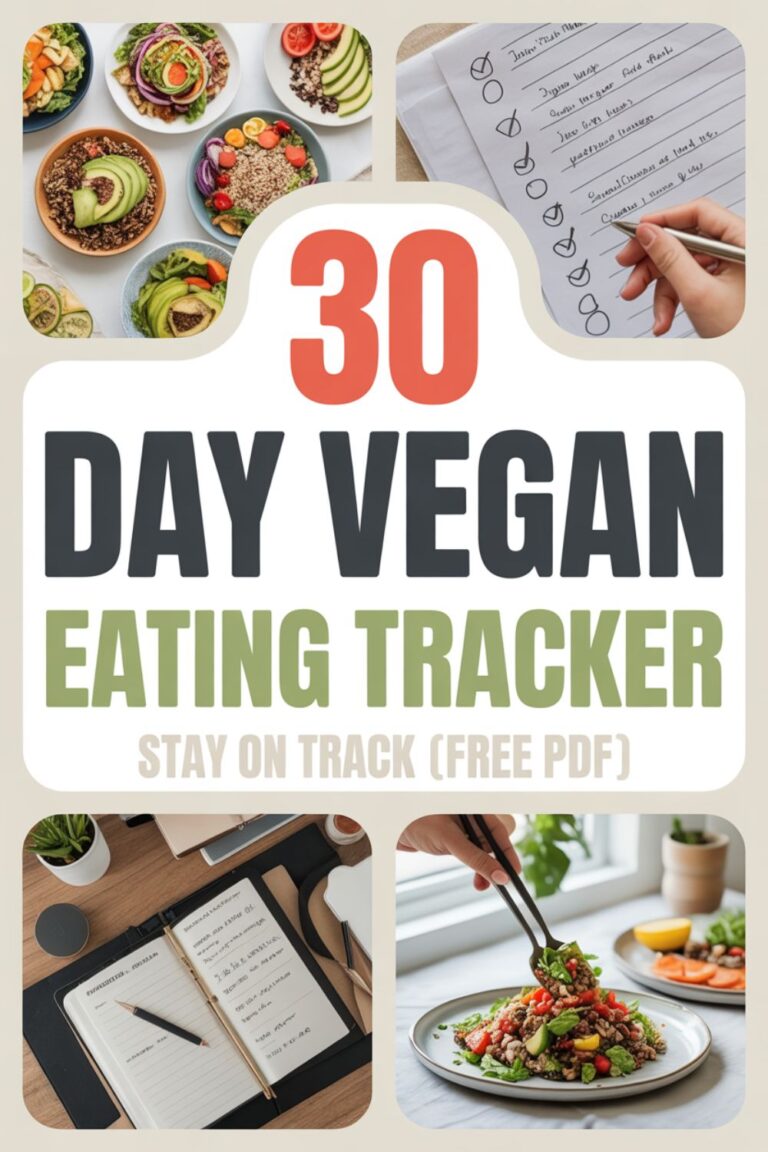
- 30-Day Vegan Challenge Guide – Printable meal planner to keep you organized
- Ultimate Vegan Grocery List – Never forget an ingredient again
- 21-Day Smoothie Plan – For mornings when you need something quick alongside your salad prep
7. Asian Sesame Noodle Salad
Cold noodles, shredded vegetables, edamame, and a sesame-ginger dressing. Use soba noodles, rice noodles, or even whole wheat spaghetti – they all work. The edamame is essential here for protein, bringing about 17 grams per cup.
What I love about this salad is how the noodles soak up the dressing without getting mushy. The key is rinsing them in cold water after cooking to stop the cooking process. Top with sesame seeds toasted in a small dry pan for extra nuttiness.
8. Caprese Panzanella
Traditionally panzanella is made with day-old bread, but I use fresh crusty bread that I cube and toast until golden. Mix it with fresh mozzarella, cherry tomatoes, basil, and a simple balsamic dressing. The bread soaks up the tomato juices and dressing, creating this perfect mix of crunchy and soft textures.
This salad is proof that carbs belong in salads. The bread makes it filling enough to be a complete meal, especially if you add some white beans for extra protein. It’s basically a deconstructed pizza in salad form, and I’m here for it.
9. Southwest Chopped Salad
Romaine, black beans, corn, bell peppers, avocado, tortilla strips, and a cilantro-lime dressing. The tortilla strips add that essential crunch – you can buy them or make your own by cutting corn tortillas into strips and baking them until crispy.
The cilantro-lime dressing is ridiculously easy. Blend cilantro, lime juice, garlic, olive oil, and a touch of cumin. It’s bright, fresh, and way better than anything you’d buy in a bottle. If cilantro tastes like soap to you, swap it for parsley – it still works.
10. Autumn Harvest Salad
Mixed greens, roasted butternut squash, dried cranberries, pecans, goat cheese, and a maple-Dijon vinaigrette. The roasted squash is sweet and caramelized, the cranberries add tartness, and the pecans bring crunch and healthy fats.
Roast the squash with a bit of cinnamon and it becomes almost dessert-like. The maple in the dressing echoes that sweetness without making the salad feel like a sugar bomb. This one screams fall but honestly works any time you need comfort food in salad form.
For more seasonal inspiration, check out these cozy fall dinners that use similar autumn produce in creative ways.
11. Lentil and Arugula Salad
French green lentils, peppery arugula, roasted beets, walnuts, and a shallot vinaigrette. Lentils are protein powerhouses with about 18 grams per cooked cup, plus they’re loaded with iron and fiber. The earthy beets and peppery arugula create this sophisticated flavor profile that feels fancy but takes minimal effort.
I cook my lentils in vegetable broth instead of water for extra flavor. They hold their shape beautifully and add this hearty, meaty texture to the salad. The walnuts provide omega-3s, which your body needs but can’t produce on its own. Get Full Recipe.
12. Buffalo Cauliflower Salad
Roasted buffalo cauliflower, romaine, shredded carrots, celery, blue cheese, and a creamy ranch dressing. The cauliflower gets tossed in buffalo sauce and roasted until crispy on the edges. It’s spicy, tangy, and surprisingly filling.
The key to crispy buffalo cauliflower is making sure your oven is hot enough – at least 425°F. Spread the florets in a single layer on your sheet pan so they roast instead of steam. The blue cheese adds protein and that classic buffalo wing experience, but you can sub it for vegan ranch if dairy’s not your thing.
13. Middle Eastern Fattoush
Crispy pita chips, romaine, cucumber, tomatoes, radishes, parsley, mint, and a sumac-lemon dressing. Sumac is this tangy Middle Eastern spice that adds incredible brightness. If you can’t find it, extra lemon zest works in a pinch.
Make your own pita chips by cutting pitas into triangles, brushing with olive oil, and baking until golden. They’re so much better than store-bought, and you can season them however you want. The fresh herbs in this salad aren’t just garnish – they’re a main component that brings tons of flavor and nutrients.
14. Kale Caesar with Chickpeas
A vegetarian take on the classic Caesar. Massaged kale, crispy roasted chickpeas, Parmesan, and a creamy Caesar dressing made without anchovies. The chickpeas replace croutons and add way more nutrition.
The dressing uses tahini for creaminess, lemon for brightness, and nutritional yeast for that cheesy, umami flavor. Massage the kale with a bit of the dressing before adding the toppings – it breaks down the tough fibers and makes it way more enjoyable to eat. This is the salad I make when I’m trying to convince someone that kale doesn’t have to taste like punishment.
Looking for more ways to make vegetables exciting? These fresh and filling salad recipes take similar approaches with different flavor combinations.
Tools & Resources That Make Salad Prep Easier
These aren’t just nice-to-haves – they genuinely save time and make salad prep less of a chore:
- Mandoline slicer – For perfectly thin vegetable slices without the knife skills
- Citrus juicer – Fresh lemon and lime juice makes such a difference in dressings
- Wide-mouth mason jars – Perfect for shake-and-go dressings and layered salads
- Essential Kitchen Tools Guide – The only equipment you actually need
- Vegan Sauces & Condiments Guide – Game-changing flavor boosters for any salad
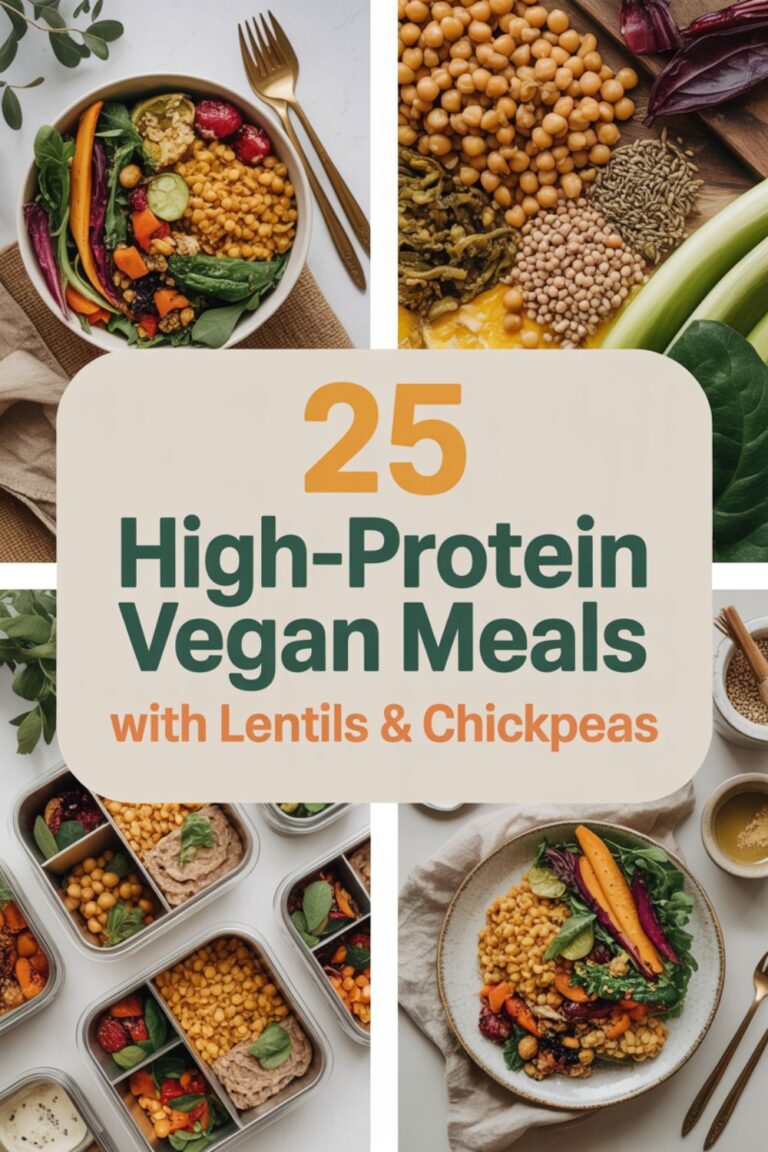
- High-Protein Pantry Essentials – Stock these and you’ll always be able to build a satisfying salad
The Dressing Makes or Breaks Everything
Honestly, you can have the most beautiful combination of vegetables and proteins, but if your dressing is bland, the whole salad falls apart. Store-bought dressings are fine in a pinch, but homemade versions are so much better and surprisingly easy.
My basic formula: three parts oil to one part acid (lemon juice, vinegar, lime juice), plus seasonings. Shake it all in a mason jar and you’re done. Add Dijon mustard to emulsify it, or blend in tahini or avocado for creaminess. Nutritional yeast adds a cheesy flavor without dairy, and miso paste brings serious umami depth.
The mistake most people make is not seasoning their dressing enough. It should taste slightly too intense on its own because it’ll mellow out when mixed with all those vegetables. Salt, pepper, garlic, herbs – don’t be shy. Taste as you go and adjust.
Making These Salads Work for Meal Prep
The whole point of these salads is that they’re actually practical for real life. That means they need to work for meal prep, or you’ll end up ordering takeout by Wednesday despite your best intentions.
Here’s what works: Store components separately and assemble when you’re ready to eat. Keep greens in one container, grains and proteins in another, chopped vegetables in a third, and dressing in a jar. This prevents everything from getting soggy and sad.
Some salads actually improve after sitting for a day. Grain-based salads like the farro and quinoa bowls taste better the next day because the grains absorb the dressing and seasonings. Just don’t add delicate greens until you’re ready to eat.
If you’re really into meal prep, these quick lunch ideas use the same make-ahead strategies that work so well for salads.
Keeping Salads Interesting Long-Term
The fastest way to get bored with salads is making the same one over and over. Variety is essential, not just for your taste buds but also for nutrition. Different colored vegetables provide different nutrients, so rotating through these recipes ensures you’re getting a wide range of vitamins and minerals.
I like to follow a loose pattern: one grain-based salad, one legume-heavy salad, and one that’s more vegetable-forward. This keeps things interesting and ensures I’m hitting different nutritional targets throughout the week.
Seasonal eating also helps. In summer, I’m all about the corn and tomato salads. Fall means roasted squash and hearty grains. Winter calls for citrus and root vegetables. Spring brings fresh herbs and peas. Following the seasons means you’re eating produce at its peak flavor, and it naturally creates variety in your rotation.
For more seasonal ideas, check out these light summer meals and warming winter dishes that complement salad-focused eating year-round.
Common Salad Mistakes to Avoid
Let’s talk about what doesn’t work, because I’ve made every salad mistake in the book. First: under-seasoning. Raw vegetables need more salt than you think. Season each component separately instead of hoping the dressing will fix everything.
Second: wimpy protein portions. A tablespoon of chickpeas isn’t going to cut it. You need at least a half cup of beans, lentils, or tofu to make a salad satisfying. Don’t be stingy here.
Third: boring textures. If everything in your salad is soft, you’re going to hate eating it. You need crunch, whether that’s from nuts, seeds, crispy chickpeas, or toasted bread. Texture variety is what makes salads exciting instead of monotonous.
Fourth: dressing the salad too early. Once that dressing hits the greens, you’ve got maybe an hour before everything turns to mush. Dress right before eating, or use the mason jar layering method where dressing goes on the bottom and greens on top.
Budget-Friendly Salad Building
Good news: these salads don’t have to break the bank. Dried beans and lentils are incredibly cheap, especially compared to meat. A bag of dried chickpeas costs like two dollars and makes enough protein for a week of salads.
Buy produce that’s in season – it’s cheaper and tastes better. Frozen vegetables work great for roasted components. I always keep frozen corn, edamame, and peas in the freezer for quick additions to salads. They’re nutritionally equivalent to fresh and way more budget-friendly.
Make your own dressings instead of buying them. A bottle of olive oil and a bottle of vinegar will last you months and cost way less than buying premade dressings that are full of preservatives anyway.
Growing your own herbs is another game-changer. A small pot of basil, cilantro, or parsley on your windowsill costs a few dollars and provides fresh herbs for months. Way better than buying those plastic containers that go bad in three days.
For more budget-conscious inspiration, these healthy snack ideas use similar affordable ingredients in different formats.
Troubleshooting Your Salad Game
Still not loving your salads? Let’s figure out why. If they’re not filling enough, you’re probably skimping on protein and healthy fats. Load up on chickpeas, add more avocado, throw in some nuts. Carbs aren’t the enemy – adding quinoa or farro makes a huge difference in satiety.
If they taste bland, you need more acid and salt. Seriously, lemon juice and salt fix about 90% of bland salad problems. Fresh herbs help too – they’re not just pretty, they add tons of flavor.
If you’re bored, you’re not varying your ingredients enough. Stop defaulting to the same five vegetables. Try new greens, different beans, unfamiliar grains. Hit up the farmers market and grab something you’ve never cooked with before.
If meal prep salads are getting soggy, you’re either overdressing them or not storing components separately. Keep wet ingredients away from greens until you’re ready to eat. It’s an extra step, but it makes all the difference.
Frequently Asked Questions
How long do these salads last in the fridge?
It depends on the ingredients. Grain-based salads with sturdy vegetables can last 4-5 days when stored properly. Delicate greens are best eaten within 2-3 days. The key is storing components separately and dressing right before eating. Dressings typically last 5-7 days for vinaigrettes and 3-4 days for creamy versions.
Can I make these salads completely ahead of time?
Some yes, some no. Grain-based salads without delicate greens can be fully assembled and stored for days. But salads with lettuce or other tender greens should have those components added fresh. The mason jar method works great – layer dressing on bottom, hearty ingredients in the middle, and greens on top. When you’re ready to eat, just shake and pour.
How do I get enough protein from vegetarian salads?
Focus on protein-rich plant foods like chickpeas, lentils, black beans, edamame, tofu, tempeh, quinoa, and nuts. Aim for at least half a cup of legumes or a cup of cooked quinoa per salad. Adding seeds like hemp hearts or pumpkin seeds boosts protein even more. You can easily hit 15-20 grams of protein per salad with the right combinations.
What’s the best way to make salads more filling?
Include all three macronutrients: protein from beans or tofu, healthy fats from avocado or nuts, and complex carbs from quinoa or farro. This combination keeps you full way longer than just vegetables and dressing. The fiber from beans and whole grains also helps with satiety, and roasting vegetables brings out their natural sweetness which makes the salad more satisfying.
Do I need special equipment to make these salads?
Not really. A good knife, cutting board, and mixing bowl are the basics. A salad spinner makes life easier but isn’t essential – you can dry greens with paper towels. Mason jars are great for dressings and layered salads. A sheet pan for roasting vegetables helps, but you can use whatever baking dish you have. Start with what you own and upgrade as you find what makes your process easier.
Final Thoughts
Here’s the truth: salads don’t have to be a compromise or something you choke down because you’re “being good.” They can genuinely be the meal you look forward to, the thing you crave on a hot day or when you need something fresh and energizing.
The difference between boring salads and amazing ones comes down to thinking beyond lettuce and tomatoes. Build layers of flavor and texture. Don’t skimp on protein and healthy fats. Season aggressively. Use really good dressing. And for the love of all that is holy, please stop settling for sad desk salads that make you feel deprived.
These 14 salads are just starting points. Once you understand the building blocks, you can mix and match ingredients based on what’s in your fridge or what sounds good that day. The formula works every time: sturdy greens, protein, healthy fats, crunchy elements, flavorful dressing. Nail those components and you’ll never have a boring salad again.
So grab your salad bowl, start with whichever recipe sounds most appealing, and discover that vegetables can actually be exciting. Your taste buds and your body will thank you.