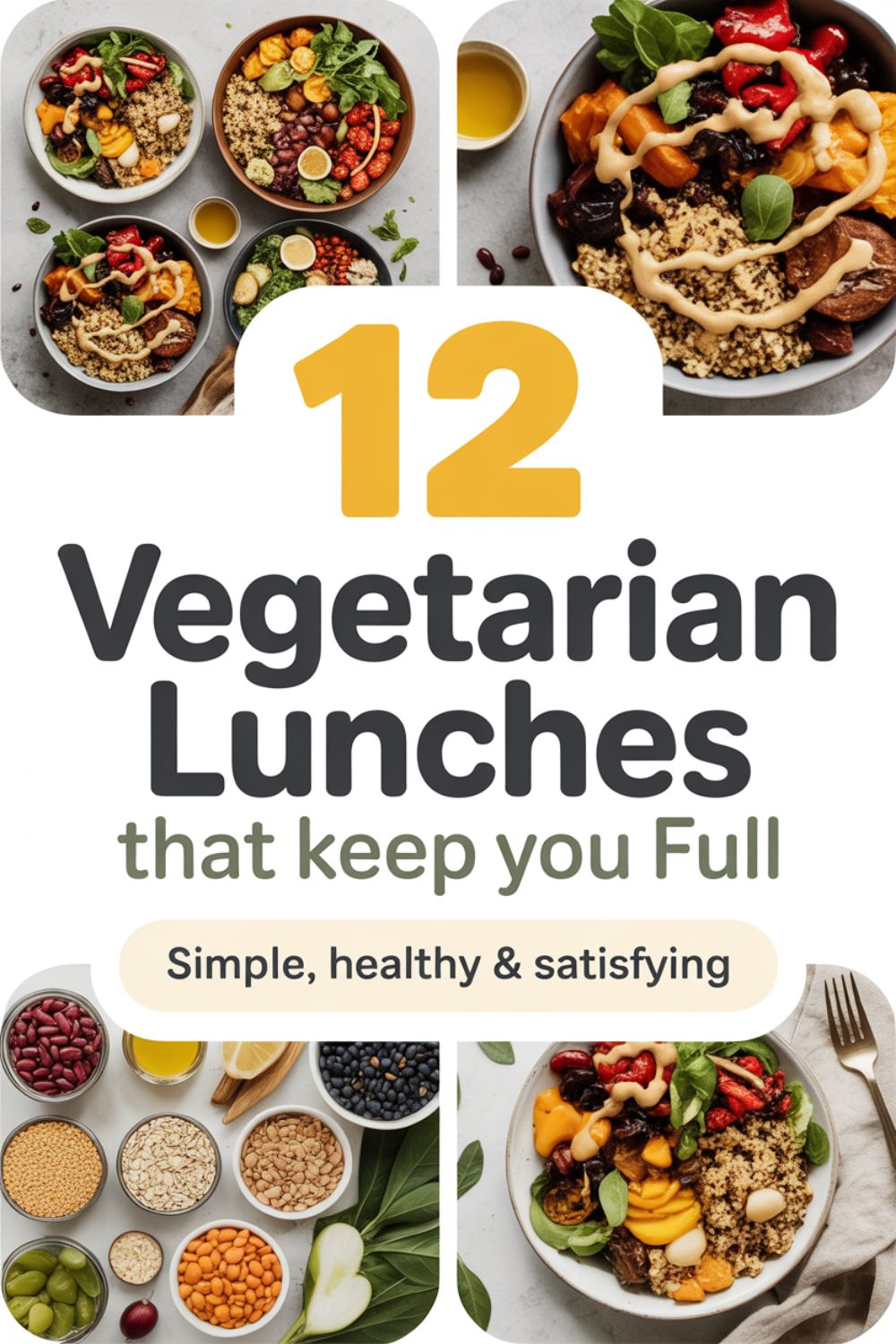
12 Vegetarian Lunches That Keep You Full
Look, I get it. You’ve tried vegetarian lunches before and found yourself raiding the snack drawer by 3 PM, right? That whole “but where’s the protein?” question bouncing around your head like a particularly annoying earworm. Here’s the thing though—vegetarian lunches can absolutely keep you satisfied, energized, and full until dinner. You just need to know what you’re doing.
I’ve spent years figuring out which plant-based combos actually stick to your ribs and which ones leave you hangry an hour later. Spoiler alert: it’s not about loading up on sad desk salads or surviving on carrot sticks. The secret is combining protein, fiber, and healthy fats in ways that taste incredible and keep your stomach from staging a protest mid-afternoon.
Whether you’re full-time vegetarian, dabbling in Meatless Mondays, or just trying to eat more plants without feeling like you’re constantly starving, these twelve lunches are about to become your new best friends. No weird ingredients you can’t pronounce. No recipes that require a culinary degree. Just real food that works.
Why Some Vegetarian Lunches Leave You Hungry
Before we dive into the good stuff, let’s talk about why so many vegetarian meals fail the fullness test. It usually boils down to one thing: they’re missing the trifecta. You need protein to keep your muscles happy, fiber to slow digestion, and fats to signal satiety to your brain. Miss even one of these, and you’re basically setting yourself up for a hangry afternoon.
I learned this the hard way after trying to survive on quinoa bowls with just veggies. Sure, they looked Instagram-worthy, but two hours later I was eyeing my coworker’s sandwich like a starving wolf. The problem? No protein, barely any fat, and not nearly enough fiber. According to research from Mayo Clinic, eating a variety of plant-based foods throughout the day can provide enough protein—but you have to be intentional about it.
Another thing that trips people up is relying too heavily on simple carbs. White pasta, white rice, plain bread—these digest fast and leave you crashing. Swap them for whole grains and suddenly you’ve got staying power. Studies show that meals based on legumes like beans and peas are actually more satiating than meat-based meals, thanks to their fiber content.
The good news? Once you understand the formula, creating filling vegetarian lunches becomes second nature. And honestly, they end up tasting way better than the bland chicken-and-rice routine I used to torture myself with. For more plant-based inspiration, check out these easy vegan meal prep ideas that take the guesswork out of weekly planning.
1. The Loaded Hummus Bowl
This is my go-to when I need something fast but substantial. Start with a generous scoop of hummus as your base—yes, I said generous. We’re talking at least a third of a cup. Hummus brings protein and healthy fats from chickpeas and tahini, which is basically the dream team for staying full.
Layer on some roasted vegetables (whatever you’ve got works—bell peppers, zucchini, eggplant), add a pile of fresh greens, throw in some cucumber and tomatoes, and finish with a sprinkle of everything bagel seasoning. I use this compact food processor to whip up hummus in minutes, which beats buying those tiny expensive tubs at the store.
The real magic happens when you add a whole grain like quinoa or farro on the side. This bumps up both the protein and fiber content, transforming what could be a light snack into a proper meal. Drizzle with olive oil and lemon juice, and you’ve got lunch that’ll power you through the afternoon without that dreaded 2 PM slump.
2. Black Bean and Sweet Potato Burrito Bowl
Burrito bowls are criminally underrated for meal prep. You can batch cook everything on Sunday and mix-and-match throughout the week. The foundation here is black beans and roasted sweet potato—both loaded with fiber and the kind of complex carbs that digest slowly.
One cup of black beans packs about 15 grams of protein and a whopping 15 grams of fiber. Sweet potatoes add beta-carotene, potassium, and a natural sweetness that balances the earthiness of the beans. Throw in some brown rice or quinoa, top with avocado, salsa, and a handful of pepitas, and you’re looking at a lunch that checks every nutritional box.
I roast my sweet potatoes using a silicone baking mat because nothing sticks and cleanup is basically nonexistent. Just cube them, toss with a bit of cumin and paprika, and roast at 425°F for about 25 minutes. Easy.
If burrito bowls are your thing, you’ll also love these vegan salad recipes that are fresh and filling—perfect for when you want something lighter but equally satisfying.
3. Creamy Lentil and Vegetable Soup
Soup for lunch might sound boring, but hear me out. A well-made lentil soup is basically a hug in a bowl, and it’s ridiculously filling. Lentils are protein powerhouses—one cup cooked gives you about 18 grams of protein and 16 grams of fiber. That’s more than most meat-based soups.
The trick is making it creamy without dairy. I blend about a quarter of the soup once everything’s cooked, which creates this velvety texture that makes it feel way more indulgent than it actually is. Add carrots, celery, onions, tomatoes, and whatever vegetables need using up in your fridge.
Season generously with cumin, coriander, and smoked paprika—these spices make all the difference between “meh” soup and “I need the recipe” soup. A squeeze of lemon at the end brightens everything up. I make huge batches in my dutch oven, which distributes heat evenly and makes the whole process foolproof.
Speaking of soup, if you’re into cozy comfort food, don’t miss these vegan soups and stews for cozy evenings that’ll keep you warm and satisfied.
4. Mediterranean Chickpea Salad Wrap
Wraps get a bad rap for being glorified sandwich substitutes, but this one is genuinely satisfying. The star is a chickpea salad that’s kind of like tuna salad, but better. Mash some chickpeas (not too smooth—you want texture), mix with diced cucumber, red onion, tomatoes, kalamata olives, and a lemony tahini dressing.
The tahini is crucial here. It provides healthy fats and creates that creamy, rich mouthfeel that makes the salad stick to your ribs. Plus, sesame seeds (what tahini’s made from) contain lignans and phytosterols, which have been linked to better cholesterol levels.
Wrap it all up in a whole wheat tortilla with some fresh spinach or arugula. I sometimes add a handful of sprouts for extra crunch. The whole thing holds together way better than you’d think, making it perfect for taking to work. Just keep the dressing separate until you’re ready to eat, otherwise you’ll end up with a soggy situation.
For even more chickpea inspiration, check out these high-protein vegan meals that actually keep you full. Chickpeas are the real MVP of vegetarian protein.
5. Tofu Scramble Buddha Bowl
Buddha bowls are basically the Swiss Army knife of vegetarian lunches—endlessly customizable and always satisfying. This version uses tofu scramble as the protein base, which might sound like breakfast food, but trust me on this one.
Crumble firm tofu in a pan with turmeric, nutritional yeast, garlic powder, and a pinch of black salt (it adds an eggy flavor). Cook until it’s slightly crispy around the edges. Then build your bowl: quinoa or brown rice, the tofu scramble, roasted broccoli, sautéed kale, cherry tomatoes, and half an avocado.
Nutritional yeast deserves its own shoutout here. It’s packed with B vitamins and adds this savory, almost cheesy flavor that makes everything taste richer. I buy it in bulk because I use it constantly. Worth noting: tofu and other soy products are complete proteins, meaning they contain all nine essential amino acids your body needs.
Meal Prep Essentials Used in This Plan
After making these lunches week after week, I’ve learned that having the right tools and ingredients on hand makes everything easier. Here’s what actually gets used in my kitchen:
Physical Products:
- Glass meal prep containers with compartments – Keeps everything fresh and separated. No more soggy salads.
- High-speed blender – Essential for creamy dressings, hummus, and soup blending. Mine’s been going strong for years.
- Cast iron skillet – Perfect for tofu scrambles, roasting chickpeas, and getting that crispy edge on vegetables.
Digital Resources:
- 30-Day Vegan Challenge (Free Download) – Great if you’re transitioning to more plant-based meals.
- The Ultimate Vegan Grocery List (Printable) – Takes the guesswork out of shopping.
- 21-Day Vegan Smoothie Plan – Perfect for breakfast or when lunch needs to be drinkable.
6. Peanut Noodle Bowl with Edamame
This is what I make when I’m craving takeout but don’t want to spend money or feel like garbage afterward. The sauce is everything: peanut butter, soy sauce, rice vinegar, maple syrup, and sriracha whisked together until smooth. It’s sweet, salty, tangy, and just spicy enough to wake up your taste buds.
Toss the sauce with whole wheat noodles, throw in a handful of shelled edamame (frozen works perfectly), add shredded carrots, purple cabbage, and sliced bell peppers. Edamame is another complete protein—one cup gives you around 17 grams of protein plus fiber and folate.
I keep a jar of natural peanut butter specifically for this recipe. The kind with just peanuts and salt works best because you’re controlling all the other flavors in the sauce. Top with crushed peanuts and cilantro if you’re feeling fancy, or just eat it straight from the bowl while standing at your kitchen counter. No judgment here.
Need more quick lunch ideas? These quick vegan lunches you can pack for work are lifesavers on busy mornings.
7. Caprese Quinoa Salad with White Beans
Caprese salad is classic for a reason, but it needs more substance to work as a proper lunch. Enter quinoa and white beans. This combination transforms a light appetizer into a meal that actually sustains you through the afternoon.
Cook your quinoa in vegetable broth instead of water—instant flavor upgrade. Mix in cannellini beans (rinse them well to reduce sodium), halved cherry tomatoes, fresh mozzarella balls (or skip it for a vegan version and add more beans), and tons of fresh basil. The dressing is simple: good olive oil, balsamic vinegar, minced garlic, salt, and pepper.
Here’s where ingredient quality actually matters. Spring for decent olive oil and real balsamic vinegar, not the cheap stuff that tastes like acidic sadness. I drizzle mine from an oil dispenser that prevents me from accidentally drowning my salad and wasting expensive EVOO.
8. Tempeh Taco Lettuce Cups
Sometimes you want the flavors of tacos without the afternoon carb coma. Lettuce cups deliver on both fronts. Tempeh works beautifully here because it absorbs seasonings like a champ and has this nutty, almost bacon-y flavor when you cook it right.
Crumble the tempeh and sauté with cumin, chili powder, garlic, smoked paprika, and a splash of soy sauce. The soy sauce is not traditional, but it adds depth and helps everything caramelize. Let it get a little crispy. Meanwhile, prep your toppings: diced tomatoes, corn, black beans, avocado, and pickled jalapeños if you like heat.
Use sturdy lettuce leaves like romaine or butter lettuce. Pile the tempeh into each leaf, add toppings, squeeze lime over everything, and try not to make a complete mess while eating. Spoiler: you will make a mess. That’s part of the charm.
For more creative ways to use tempeh and other plant proteins, explore these easy vegan dinner recipes that work just as well for lunch.
9. Greek-Inspired Falafel Bowl
Falafel is one of those foods that seems complicated until you realize it’s basically just blended chickpeas and herbs. Making them from scratch takes time, but if you meal prep on weekends, you can bake a big batch and portion them out for the week.
For the bowl, place baked falafel over a bed of mixed greens, add cucumber-tomato salad, kalamata olives, red onion, and a big dollop of tahini-lemon dressing. Sometimes I add a scoop of hummus too because why not double down on the chickpeas? They’re the foundation of the Mediterranean diet for good reason.
I use a scoop set to portion the falafel mixture evenly before baking. They come out uniform in size and cook at the same rate, which means no burnt ones and no raw centers. Bake at 375°F for about 25 minutes, flipping halfway.
The beauty of falafel bowls is their versatility. You can switch up the grains (try bulgur or couscous), change the vegetables based on what’s in season, or add different dressings. The falafel stays consistent, everything else is fair game. Get Full Recipe
10. Thai-Inspired Coconut Curry with Chickpeas
Curry is criminally underutilized for lunch, which is a shame because it reheats beautifully and gets better as the flavors meld. This version uses chickpeas and whatever vegetables you have lying around—sweet potatoes, bell peppers, snap peas, carrots, whatever.
The base is coconut milk, red curry paste, vegetable broth, and a splash of soy sauce. Simmer everything together until the vegetables are tender and the chickpeas have absorbed all those incredible flavors. The coconut milk provides the fat content that makes this genuinely satisfying, not just vegetable soup masquerading as curry.
Serve over brown rice or rice noodles. I like adding a squeeze of lime and fresh cilantro at the end, plus sometimes a handful of cashews for extra protein and crunch. If you’re buying coconut milk, grab the full-fat canned version from this brand—the light stuff is basically white water and won’t give you the richness you want.
Curry fans should definitely check out these vegan pasta dishes too. Different cuisine, same level of comfort and satisfaction.
11. Italian White Bean and Kale Soup
This is the soup that converted my “I don’t like beans” friend into a bean evangelist. It’s that good. The secret is building layers of flavor—you can’t just dump everything in a pot and hope for the best.
Start by sautéing onion, carrot, and celery (the holy trinity of Italian cooking) in olive oil until they’re soft and starting to caramelize. Add tons of garlic—like, more than you think you need. Then add vegetable broth, cannellini beans, diced tomatoes, and a parmesan rind if you have one lying around (or skip it for vegan). Simmer until everything melds together.
About five minutes before serving, throw in roughly chopped kale. It wilts into the soup but maintains some texture, adding that iron and calcium boost that makes this especially nutritious. Finish with red pepper flakes, fresh black pepper, and a drizzle of your best olive oil.
I make this in a large stockpot because the recipe doubles easily and freezes like a dream. Portion it into containers and you’ve got instant lunches for weeks. Serve with crusty bread for dunking if you’re eating at home.
Tools & Resources That Make Cooking Easier
Honestly, the right tools can make the difference between “cooking is fun” and “why did I even try this.” Here are the items I reach for constantly:
Kitchen Tools:
- Vegetable spiralizer – Makes veggie noodles for low-carb bowls and adds fun texture to salads.
- Immersion blender – Blend soups right in the pot. No transferring hot liquid to a blender and praying the lid stays on.
- Salad spinner – Wet greens make watery salads. This fixes that problem in 30 seconds.
Helpful Resources:
- 12 Best Vegan Protein Powders (Tested & Ranked) – For when you need extra protein in smoothies or oatmeal.
- 7 Kitchen Tools Every Vegan Home Cook Needs – Essential gear that actually gets used.
- 30-Day Vegan Eating Tracker – Helps you stay accountable and notice patterns in your eating.
12. Teriyaki Tofu Rice Bowl
Let’s end with something that feels like restaurant food but comes together in about 20 minutes. Press your tofu (seriously, don’t skip this—it makes a massive difference in texture), cut it into cubes, and pan-fry in a bit of oil until all sides are golden and crispy.
Make a quick teriyaki sauce: soy sauce, mirin, rice vinegar, maple syrup, minced ginger, garlic, and a cornstarch slurry to thicken. Pour it over the crispy tofu and let it bubble and caramelize. The sauce should cling to the tofu, creating this glossy, sticky coating that’s borderline addictive.
Serve over brown rice with steamed broccoli, edamame, and sliced scallions. Sometimes I add sesame seeds because they make everything look fancy with zero effort. The combination of crispy tofu, savory-sweet sauce, and the subtle bitterness of broccoli creates this perfect balance that keeps you coming back for more.
I use a tofu press that does the work while I prep everything else. Just stick the tofu in, tighten it down, and 15 minutes later you’ve got perfectly pressed tofu ready to absorb whatever flavors you throw at it. Get Full Recipe
If you’re loving these Asian-inspired flavors, you’ll definitely want to explore these vegan breakfast ideas that bring similar bold flavors to your morning routine.
Making These Lunches Work in Real Life
Here’s the truth nobody tells you: even the best recipes are useless if they don’t fit into your actual life. I’m not going to pretend you’ll make all twelve of these lunches every week. That’s absurd and honestly sounds exhausting.
Instead, pick two or three that sound appealing and rotate them for a couple weeks. Once they become second nature, swap in a few new ones. This is how you build a sustainable routine without burning out or spending your entire Sunday in the kitchen.
Meal prep is your friend here, but it doesn’t have to mean spending six hours making five different elaborate meals. Sometimes prep just means chopping vegetables, cooking a pot of grains, and roasting chickpeas. Then you can mix and match throughout the week based on what sounds good.
Also, don’t be afraid to use convenience items when they make sense. Pre-washed greens, canned beans, frozen vegetables—they’re all fair game. The goal is eating well, not proving you can do everything from scratch while also working, exercising, maintaining relationships, and occasionally sleeping.
Need more meal prep guidance? The vegan meal prep ideas I linked earlier break down batch cooking strategies that actually work for busy people.
The Protein Question
Let’s address the elephant in the room: “But where do you get your protein?” It’s the question every vegetarian hears about seventeen times a week, usually from people who couldn’t tell you how much protein they actually need.
The reality is that most people need about 0.36 grams of protein per pound of body weight per day. For a 150-pound person, that’s roughly 54 grams. Every lunch in this list contains at least 15-20 grams of protein, which is a solid contribution toward that daily goal.
Beans, lentils, tofu, tempeh, edamame, quinoa, nuts, seeds—they all pack serious protein. Combine different sources throughout the day and you’ll hit your targets without even trying. According to Mayo Clinic’s nutrition guidelines, plant-based protein sources can easily meet your needs when you eat a variety throughout the day.
Plus, plant proteins come with bonus fiber, vitamins, minerals, and antioxidants that meat doesn’t provide. You’re not just meeting your protein needs—you’re exceeding your overall nutrition goals. For a deeper dive into plant-based protein, check out these high-protein vegan pantry essentials that make hitting your targets effortless.
Budget-Friendly Tips
One massive advantage of vegetarian eating is that it’s generally cheaper than buying meat. Dried beans cost pennies per serving. A block of tofu is usually under three bucks. Lentils are basically free. Even if you spring for organic produce, you’ll likely spend less than you would on conventional meat.
Buy dried beans and lentils in bulk. Cook big batches and freeze portions. Shop seasonal produce—it’s cheaper and tastes better. Frozen vegetables are nutritionally equivalent to fresh and often more affordable. The vacuum sealer I use helps prevent freezer burn and extends the life of everything I batch cook.
Don’t sleep on store brands for basics like canned tomatoes, vegetable broth, and pasta. The fancy brands aren’t always better. Save your money for things where quality matters—olive oil, tahini, spices, and nuts.
If you’re working with a tight budget, these store-bought vegan meals can fill gaps when cooking from scratch isn’t happening. No shame in strategic convenience.
Dealing with Dining Companions
The weird thing about eating vegetarian lunches is how personally some people take it. Suddenly everyone’s a nutrition expert concerned about your iron levels, despite having no idea what their own iron levels are.
You don’t owe anyone an explanation for your food choices. If someone asks, a simple “I feel better eating this way” usually shuts down the interrogation. If they persist, change the subject. You’re not a missionary for vegetarianism—you’re just trying to eat your lunch in peace.
That said, when these lunches taste as good as they do, you might end up converting people accidentally. I’ve had coworkers try my burrito bowl and immediately ask for the recipe. Food is more persuasive than any lecture about environmental impact or animal welfare.
Speaking of sharing food, these healthy vegan snacks are perfect for bringing to the office. They’re crowd-pleasers that happen to be plant-based.
Frequently Asked Questions
Can vegetarian lunches really keep you full until dinner?
Absolutely. The key is combining protein, fiber, and healthy fats in each meal. Legumes, whole grains, nuts, seeds, and vegetables provide all three macronutrients your body needs for sustained energy. Research shows that bean-based meals are actually more satiating than meat-based ones thanks to their fiber content. If you’re still hungry, you’re probably not eating enough protein or fat—add more beans, tahini, avocado, or nuts to your bowl.
How much protein do I need in a vegetarian lunch?
Aim for 15-25 grams of protein per lunch, depending on your body weight and activity level. Most people need about 0.36 grams of protein per pound of body weight daily. One cup of lentils has 18 grams, a cup of chickpeas has 15 grams, and a serving of tofu offers about 10 grams. Combine different plant proteins throughout the day and you’ll easily meet your needs without overthinking it.
What’s the best way to meal prep these lunches?
Cook your grains and legumes in bulk at the start of the week—quinoa, brown rice, lentils, and beans all store well for 4-5 days. Chop vegetables and store them separately in airtight containers. Prepare dressings and sauces in mason jars. Then assemble your lunches each morning or the night before. This approach takes less time than cooking everything from scratch daily but gives you more flexibility than assembling five identical meals on Sunday.
Are these lunches suitable for weight loss?
They can be, yes. These meals are naturally high in fiber and moderate in calories, which supports weight management. The fiber keeps you full longer and helps regulate blood sugar, reducing cravings and overeating later in the day. Just watch your portion sizes on calorie-dense ingredients like nuts, seeds, and oils—they’re healthy but easy to overdo. Focus on loading up on vegetables, legumes, and whole grains as your base.
What if I don’t like beans or lentils?
Try different preparations. Blending them into soups or dips hides the texture that some people dislike. Roasting chickpeas makes them crispy and addictive. If you genuinely can’t handle legumes, focus on tofu, tempeh, quinoa, and nuts as your protein sources. You might also want to explore vegan protein powders that you can add to smoothies or oatmeal to boost your protein intake without relying solely on beans.
Conclusion
Here’s what it comes down to: vegetarian lunches work when you stop trying to recreate meat-based meals and instead embrace what plants do best. They’re not about deprivation or eating rabbit food. They’re about loading up on fiber-rich, protein-packed, flavor-forward combinations that actually taste good and keep you energized.
You don’t need to make all twelve of these lunches. Pick the ones that sound appealing, make them a few times until they become automatic, then rotate in new favorites. Build your routine around what works for your schedule, your budget, and your taste preferences.
The biggest surprise for most people isn’t that vegetarian lunches can be filling—it’s that they’re actually more satisfying than the tired chicken-and-salad combo they’d been eating for years. More flavor, more variety, better nutrition, and a lunch break that feels like something to look forward to instead of just fuel to get through the afternoon.
Start with one lunch. See how you feel. Adjust as needed. Before you know it, you’ll have a whole rotation of vegetarian lunches that keep you full, happy, and wondering why you didn’t make the switch sooner.