12 High-Protein Vegan Pantry Essentials
Look, I’m not going to sugarcoat it—figuring out protein on a vegan diet used to stress me out. I’d stand in my kitchen at 6 PM, staring into a sad, half-empty pantry, wondering how the heck I was supposed to hit my protein goals without resorting to another expensive takeout order.
Then something clicked. The problem wasn’t that vegan protein sources don’t exist—it’s that I wasn’t stocking the right staples. Once I figured out which high-protein ingredients actually deserve permanent real estate in my pantry, everything changed. No more last-minute grocery runs. No more protein anxiety. Just grab-and-go ingredients that make it stupid-easy to throw together satisfying, protein-packed meals.
So if you’ve ever felt like keeping your protein intake high on a plant-based diet requires a PhD in nutrition or a personal chef, I’ve got you. These 12 pantry essentials have saved my butt more times than I can count, and they’re about to do the same for you.
Why Your Pantry Needs a Protein Upgrade
Here’s the thing about plant-based protein: it’s everywhere once you know where to look. Research shows that vegans who eat a variety of whole foods easily meet their protein needs without any real effort. The secret? Having the right ingredients on hand.
Think of your pantry like a protein bank account. When it’s stocked with versatile, high-protein staples, you’re never broke when mealtime rolls around. You can whip up everything from protein-packed breakfasts to hearty dinners without breaking a sweat. And honestly, once you’ve got these essentials dialed in, you’ll wonder how you ever managed without them.
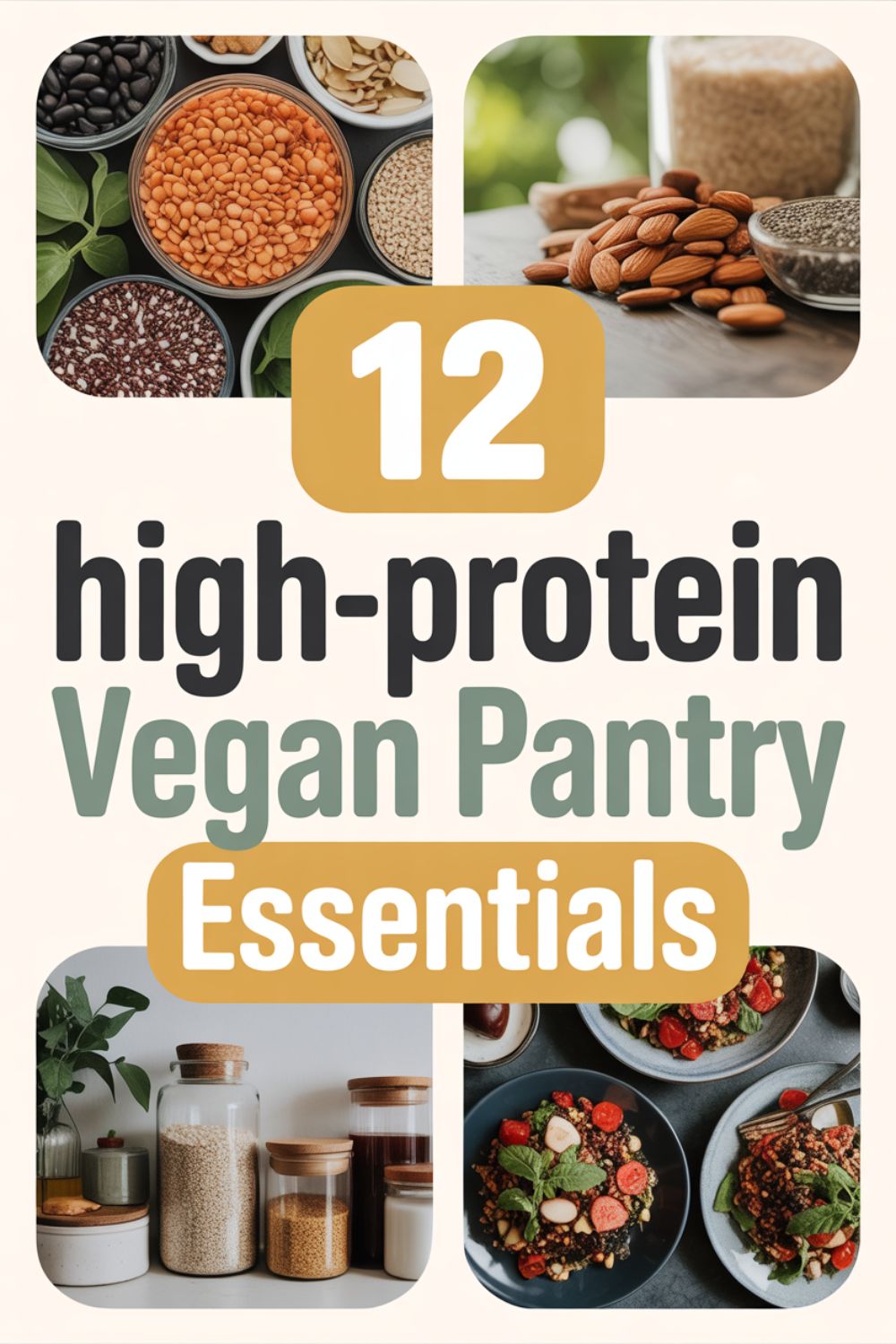
Buy your dried beans, lentils, and grains in bulk. I use these 2-quart glass storage jars to keep everything visible and fresh. Being able to see your protein stash at a glance is a total game-changer.
The 12 High-Protein Vegan Pantry MVPs
1. Dried Lentils (Red, Green, and Brown)
Let’s start with the absolute workhorses of vegan protein. Lentils pack about 18 grams of protein per cooked cup, plus they’re loaded with fiber and iron. I always keep all three varieties on hand because they each have their own personality.
Red lentils break down beautifully in soups and curries—perfect when you want a creamy, thick texture. Green and brown lentils hold their shape better, which makes them ideal for salads or as a meaty texture in tacos. According to Cleveland Clinic, lentils also support heart health and help with blood sugar control, which is a nice bonus.
Best part? They cook in 20 minutes flat. No soaking required. I throw them into my favorite 3-quart Dutch oven with some broth and aromatics, and boom—instant protein boost for literally any meal. If you’re looking for ways to use them, check out these cozy vegan soup recipes that lean heavily on lentils.
2. Canned and Dried Chickpeas
Chickpeas deserve their own fan club, IMO. One cup gives you around 15 grams of protein, and they’re so ridiculously versatile that I honestly use them almost every day.
I keep both canned and dried versions stocked. Canned chickpeas are my lazy-day heroes—drain, rinse, and they’re ready to rock. Dried chickpeas are cheaper and taste better, but they need planning ahead (soaking overnight, then cooking for about an hour). When I do cook a big batch, I freeze portions in silicone freezer bags so I always have homemade chickpeas ready to go.
Roasted chickpea snacks, creamy hummus, chickpea “tuna” salad, crispy chickpea croutons—the list goes on. Get Full Recipe for some seriously satisfying high-protein chickpea meals that’ll keep you full for hours.
“I started batch-cooking chickpeas every Sunday and honestly, it’s changed my whole meal prep game. Having 4-5 cups ready in the fridge means I can throw together lunch in under 10 minutes. Down 12 pounds in two months just from eating more consistently!”
— Rachel, community member3. Black Beans and Kidney Beans
Beans are like the Swiss Army knife of vegan protein. Black beans have about 15 grams per cup, kidney beans pack around 13 grams, and both are stupid-cheap even if you buy them canned.
I lean on black beans for Mexican-inspired dishes—burritos, burrito bowls, black bean soup, you name it. Kidney beans are my go-to for chili and Cajun-style dishes. Both are fantastic at soaking up whatever flavors you throw at them, which makes them beginner-friendly and endlessly adaptable.
Here’s a pro move: mash some black beans with spices and use them as a burger base. I use my potato masher to get the perfect texture, then form patties and pan-fry them. Way better than store-bought veggie burgers, and you control exactly what goes in them.
Speaking of breakfast ideas, you might also love these morning meal ideas or quick vegan lunch options that incorporate beans in creative ways.
4. Quinoa
Quinoa is one of those rare plant foods that’s a complete protein—meaning it contains all nine essential amino acids your body needs. One cooked cup delivers about 8 grams of protein along with a solid dose of iron and magnesium.
I know quinoa gets a bad rap for being “trendy,” but honestly, it earns its spot. It cooks faster than rice (about 15 minutes), has a light, fluffy texture, and works in both savory and sweet dishes. Quinoa breakfast bowls? Delicious. Quinoa salad with roasted veggies? Even better.
The key is rinsing it really well before cooking. Otherwise, you’ll get a slightly bitter taste from the natural coating. I use a fine-mesh strainer and rinse under cold water for about 30 seconds. Problem solved.
Cook quinoa in vegetable broth instead of water. It adds so much more flavor and makes even the simplest quinoa bowl feel restaurant-quality.
5. Nutritional Yeast
If you’ve never tried nutritional yeast, you’re in for a treat. This deactivated yeast has a savory, cheesy, umami flavor that’s borderline addictive. Two tablespoons give you about 8 grams of protein plus a hefty dose of B vitamins (many brands are fortified with B12, which is crucial for vegans).
I sprinkle it on popcorn, stir it into pasta dishes, blend it into “cheese” sauces, and use it as a topping for literally everything. It’s one of those ingredients that sounds weird until you try it, and then suddenly you can’t imagine life without it.
Grab a large container of nutritional yeast instead of those tiny expensive ones at health food stores. You’ll go through it faster than you think, trust me.
6. Hemp Seeds (Hemp Hearts)
These little seeds are protein powerhouses. Three tablespoons pack 10 grams of protein along with omega-3 fatty acids and a perfect ratio of omega-6 to omega-3. They’ve got a mild, nutty flavor that doesn’t overpower anything.
I toss hemp seeds into smoothies, sprinkle them on oatmeal, stir them into yogurt bowls, and use them as a salad topper. Unlike chia seeds or flax seeds, hemp hearts don’t need to be ground up—you can eat them straight from the bag and your body absorbs all the nutrients.
Storage tip: Keep them in the fridge or freezer to prevent the healthy fats from going rancid. I use one of those airtight glass containers and they stay fresh for months.
7. Peanut Butter and Almond Butter
Nut butters are the MVPs of quick protein. Two tablespoons of peanut butter give you around 7 grams of protein, plus healthy fats that keep you satisfied. Almond butter’s pretty similar, though it tends to be pricier.
I’m talking about the real stuff here—just peanuts (or almonds) and maybe a pinch of salt. Skip the versions loaded with added sugar and oils. The natural oils might separate and need stirring, but that’s actually a good sign.
Spread it on toast, blend it into smoothies, drizzle it over oatmeal, use it in Thai-inspired sauces, or just eat it straight from the jar with a spoon. (No judgment. We’ve all been there.) For easy snack inspo, check out these healthy vegan snacks that feature nut butters.
8. Canned or Dried White Beans
White beans (cannellini, navy, great northern) don’t get nearly enough love, but they’re fantastic. About 15 grams of protein per cup, creamy texture, and a mild flavor that plays well with basically everything.
I use them in Italian-style soups, puree them into white bean hummus, mash them onto toast, or toss them into pasta dishes. They’re also incredible in vegan “Alfredo” sauces—blend them with garlic, nutritional yeast, and a splash of pasta water for a creamy, protein-rich sauce that’ll blow your mind.
My favorite hack? Keep a few cans of white beans in the pantry for emergencies, but cook big batches of dried ones when you have time. I use my 6-quart Instant Pot to cook a pound of beans in about 30 minutes with zero babysitting.
Meal Prep Essentials Used in This Plan
Making these pantry staples work for you is way easier with the right tools. Here’s what I actually use (not just what looks pretty on a shelf):
- Glass Meal Prep Containers (5-pack) – Seriously, invest in good containers. Plastic gets gross, these stay pristine and stack beautifully.
- Digital Kitchen Scale – Takes the guesswork out of portions. Plus, you’ll start to intuitively know what 100g of chickpeas looks like.
- Large Silicone Baking Mat – For roasting chickpeas, baking bean burgers, or anything that tends to stick. Zero scrubbing required.
- Vegan Protein Macro Calculator (Digital Download) – My spreadsheet that auto-calculates protein from your meals so you never have to guess if you’re hitting your targets.
- 30-Day High-Protein Meal Plan PDF – Pre-planned breakfasts, lunches, and dinners using these exact pantry staples. Grocery lists included.
- Batch Cooking Cheat Sheet – Step-by-step guide for cooking beans, grains, and lentils in bulk. Time-saving schedules included.
Want to join other plant-based folks who meal prep like pros? Join our WhatsApp Meal Prep Community where we share recipes, grocery hauls, and keep each other accountable.
9. Whole Grain Pasta
Regular pasta is great, but whole grain versions bump up the protein significantly. Depending on the brand, you’re looking at 7-8 grams of protein per 2-ounce serving (dry)—sometimes more if it’s made from chickpea flour or lentil flour.
I keep several types on hand: whole wheat spaghetti for classic Italian dishes, chickpea pasta for higher protein needs, and brown rice pasta for when I want something gluten-free. Each one has a slightly different texture and cooking time, so don’t treat them all the same.
The trick with whole grain pasta is not overcooking it. It can turn mushy fast. I set a timer for one minute less than the package suggests, then taste-test. Save some pasta water before draining—that starchy liquid is gold for making sauces creamy and helping them cling to the noodles.
For pasta inspiration that goes way beyond marinara, dive into these vegan pasta dishes you’ll legitimately crave on repeat.
10. Oats (Rolled and Steel-Cut)
Oats might not scream “protein,” but they’re sneakier than you think. A half-cup of dry oats delivers around 5 grams of protein, and when you load them up with toppings like nut butter, hemp seeds, and nuts, that number climbs fast.
I keep both rolled oats and steel-cut oats in my pantry. Rolled oats are perfect for quick breakfasts and baking. Steel-cut oats take longer to cook but have this amazing chewy texture that feels more substantial. On busy mornings, I make overnight oats in glass mason jars—prep five jars on Sunday night, grab one each morning, and you’re set for the week.
FYI, you can also grind oats into flour using a high-speed blender and use it in baking. Cheaper than buying oat flour and it’s one less thing to store.
11. Pumpkin Seeds and Sunflower Seeds
These seeds are affordable, crunchy, and surprisingly protein-dense. Pumpkin seeds (pepitas) have about 8 grams of protein per ounce, while sunflower seeds offer around 6 grams per ounce. They’re also loaded with minerals like zinc and magnesium.
I roast them with spices for snacking, sprinkle them on salads for texture, blend them into pesto, or stir them into granola. You can also make seed butter if you’ve got a food processor—it’s not as smooth as nut butter, but it’s cheaper and nut-free for anyone with allergies.
Buy them raw in bulk and toast them yourself. Pre-roasted seeds are convenient but often loaded with unnecessary salt and oils. Tossing raw seeds in a dry skillet for a few minutes brings out their flavor way better anyway.
Store all seeds in the fridge or freezer to keep them fresh longer. The natural oils can go rancid at room temperature, especially in warm climates.
12. Canned or Dried Split Peas
Split peas are criminally underrated. They’re dirt-cheap, cook relatively quickly (no soaking needed!), and pack about 16 grams of protein per cooked cup. They’re also high in fiber, which is great for digestion and keeping you full.
Yellow and green split peas are basically interchangeable, though green ones tend to hold their shape better while yellow ones break down into creamy soups more easily. Classic split pea soup is comforting and delicious, but you can also use them in Indian-style dal, veggie burgers, or even as a base for vegan meatballs.
I cook split peas in my stovetop pressure cooker when I remember to plan ahead, but they’re also fine in a regular pot. Just simmer them with some veggie broth and aromatics for 30-40 minutes until they’re soft and creamy. No fancy equipment required.
“Split pea soup became my Sunday ritual. I make a huge batch, freeze half, and eat it all week for lunch. Lost 18 pounds in four months and never felt deprived. Plus, it costs like $5 to make a week’s worth!”
— Marcus, community memberHow to Actually Use These Staples (Without Getting Bored)
Okay, so you’ve stocked your pantry with all these protein-packed ingredients. Now what? The key is mixing and matching them so you’re not eating the same boring meals every day.
Here’s my basic formula: Pick a grain + Pick a bean or legume + Add veggies + Top with seeds or nuts + Season the hell out of it. Boom. Instant high-protein meal.
For example: Quinoa + black beans + roasted sweet potato and peppers + pumpkin seeds + cumin and lime. Or: Whole grain pasta + white beans + sautéed greens + hemp seeds + nutritional yeast and garlic. The combinations are endless, and you can prep components ahead so everything comes together fast during the week.
If you need more structure, these vegan meal prep ideas walk you through exactly how to batch-cook and combine ingredients efficiently. Also, these easy dinner recipes lean heavily on pantry staples so you’re never stuck wondering what’s for dinner.
Want even more variety? Try these fresh and filling salads that prove salads can absolutely be protein-packed and satisfying. And don’t skip dessert—these dairy-free desserts will satisfy your sweet tooth without derailing your nutrition goals.
Tools & Resources That Make Cooking Easier
Look, having the right pantry staples is half the battle. The other half? Having tools that don’t make you want to rage-quit cooking. Here’s what actually helps:
- Immersion Blender – Makes creamy soups and bean dips without transferring hot liquid to a blender. Life-changing for lazy cooks.
- Cast Iron Skillet (10-inch) – Nonstick without the chemicals, gets better with age, and you can use it forever. Perfect for pan-frying bean burgers or roasting veggies.
- Spice Grinder – Freshly ground spices make everything taste 10x better. Also doubles as a coffee grinder if you need it.
- Vegan Pantry Stocking Guide (PDF) – Complete shopping list organized by store section, plus shelf-life tips and storage hacks.
- Quick Protein Combinations Cheat Sheet – One-page reference showing which staples to combine for complete protein profiles. Stick it on your fridge.
- Flavor Boost Formula Guide – Spice combinations, sauce recipes, and seasoning ratios that make pantry staples taste amazing every single time.
Join our WhatsApp Kitchen Tips Community where we share cooking shortcuts, troubleshoot recipe fails, and celebrate small wins together.
Common Mistakes (And How to Avoid Them)
Let me save you some headaches by sharing the mistakes I made when I first started building my high-protein vegan pantry.
Mistake #1: Buying everything at once. Don’t blow your whole grocery budget on 12 new ingredients in one trip. Start with 3-4 staples you’re actually excited to use, master those, then gradually add more. I started with lentils, chickpeas, and peanut butter—simple, versatile, and hard to mess up.
Mistake #2: Not seasoning your food. Plain beans and grains taste like sadness. Nutritionists emphasize that well-seasoned plant-based meals are key to sticking with this way of eating. Invest in good spices, learn basic flavor combinations, and don’t be shy with salt, garlic, and acid (like lemon juice or vinegar).
Mistake #3: Forgetting to prep ahead. If you wait until you’re hungry to cook dried beans, you’re gonna have a bad time. Batch-cook on weekends, freeze portions, and keep some canned versions on hand for true emergencies. Future you will be grateful.
Mistake #4: Neglecting variety. Eating the same chickpea salad every day for three months will make you hate chickpeas. Rotate through different recipes, try new seasonings, and mix up your grain and legume combinations to keep things interesting.
Frequently Asked Questions
How much protein do I actually need on a vegan diet?
Most adults need about 0.8 grams of protein per kilogram of body weight daily—though some research suggests vegans might benefit from slightly more, around 1 gram per kilogram, because plant proteins are digested a bit differently. For a 150-pound person, that’s roughly 54-68 grams of protein per day. It sounds like a lot, but when you’re combining legumes, grains, nuts, and seeds throughout the day, you’ll hit that target easily without obsessing over every meal.
Do I need to combine proteins at every meal to get complete amino acids?
Nope, that’s an outdated myth. Your body pools amino acids throughout the day, so as long as you’re eating a variety of protein sources over the course of 24 hours, you’re good. Don’t stress about having “complete” proteins at every single meal—just eat diverse foods and your body handles the rest like a champ.
Are canned beans as nutritious as dried beans I cook myself?
Nutritionally, they’re pretty similar. Canned beans are convenient and still packed with protein and fiber. The main downside is sodium content—some brands load them with salt. Look for low-sodium or no-salt-added versions, or just rinse regular canned beans under water before using them. That said, dried beans you cook yourself do taste better and cost way less, so it’s worth learning to batch-cook them when you’ve got time.
Will eating this much fiber cause digestive issues?
It might if you suddenly go from eating minimal fiber to loading up on beans and lentils every day. The trick is increasing fiber gradually and drinking plenty of water. Your gut bacteria need time to adjust. Start with smaller portions, work your way up over a few weeks, and you’ll be fine. Also, soaking dried beans and cooking them thoroughly can reduce some of the compounds that cause gas.
What’s the best way to store these pantry staples long-term?
Dried beans, lentils, grains, and pasta stay fresh for years when stored in airtight containers in a cool, dark place. I use glass jars for visibility and to avoid any plastic taste. Seeds and nut butters should go in the fridge or freezer because their natural oils can go rancid at room temperature. Nutritional yeast stays fresh longest in the fridge, though it’s fine in the pantry for several months if you go through it quickly.
Final Thoughts
Building a high-protein vegan pantry isn’t complicated, but it does require a slight mindset shift. Instead of wondering “where will I get my protein?” every time you meal plan, you start thinking “which of my protein staples do I feel like using today?”
These 12 essentials cover you for breakfast, lunch, dinner, and snacks. They’re affordable, shelf-stable, and versatile enough that you won’t get bored. More importantly, they make hitting your protein goals feel effortless instead of exhausting.
Start small. Stock your pantry gradually. Experiment with different combinations. And remember—there’s no perfect way to do this. The best high-protein vegan pantry is the one you’ll actually use, filled with ingredients you genuinely enjoy eating. Everything else is just noise.
Now go forth and stock that pantry like the protein-powered plant-based warrior you are.
Similar Posts
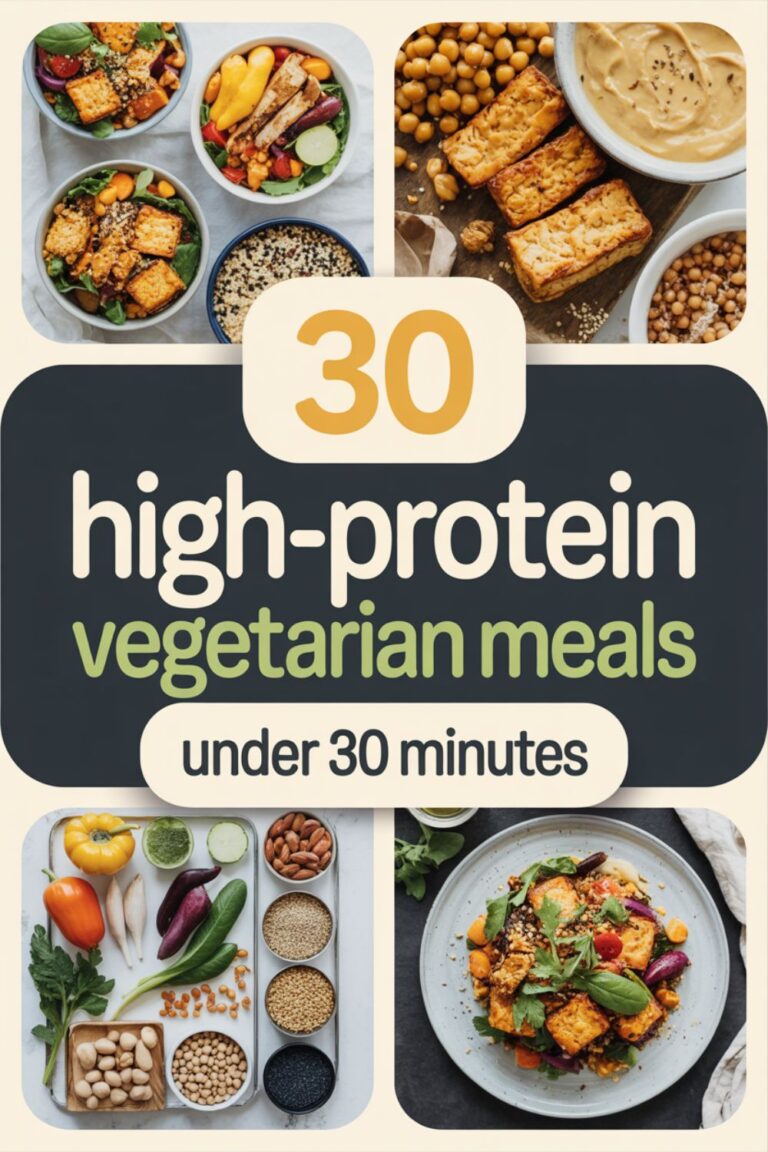
30 High-Protein Vegetarian Meals Under 30 Minutes
30 High-Protein Vegetarian Meals Under 30 Minutes – Quick & Delicious 30 High-Protein Vegetarian Meals Under 30 Minutes Let’s be real—trying to cook healthy, protein-packed vegetarian meals when you’re racing against the clock can feel like running a marathon in flip-flops. You’re hungry, maybe a little hangry, and the last thing you need is a…
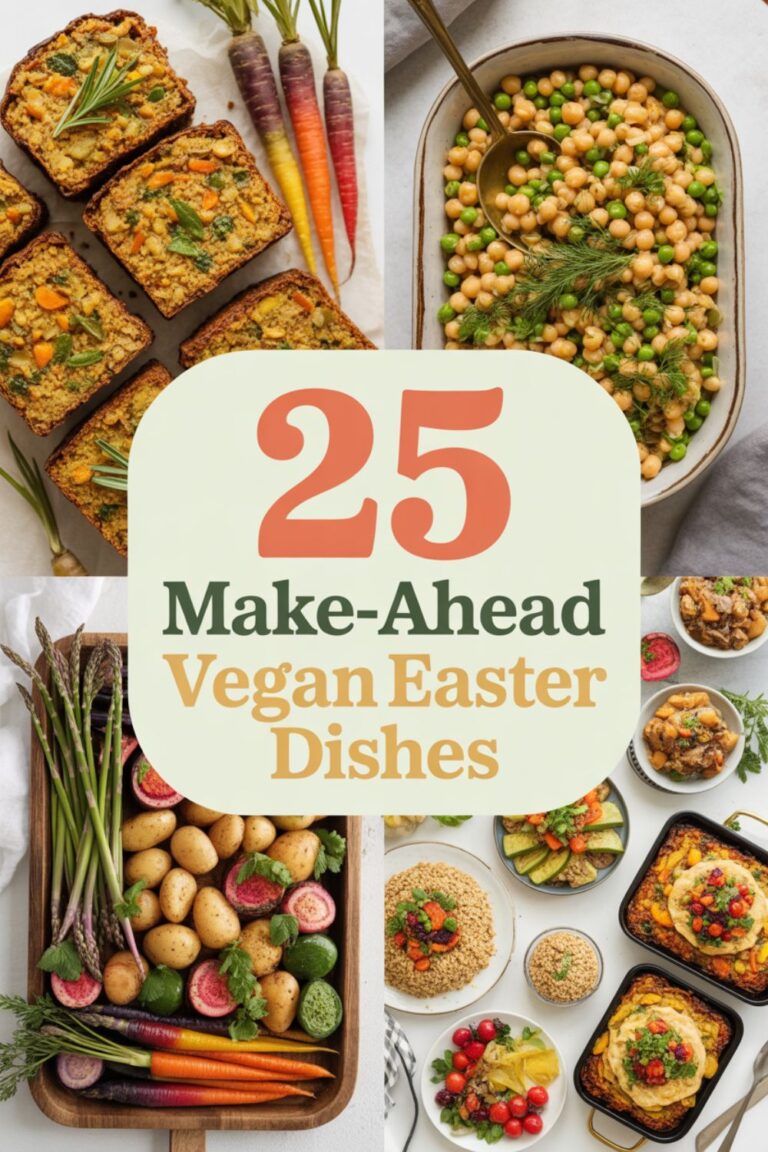
25 Make-Ahead Vegan Dishes for Easter
25 Make-Ahead Vegan Dishes for Easter | Her Daily Haven Her Daily Haven — Real Food. Real Life. Plant-Based Always. Easter Meal Planning 25 Make-Ahead Vegan Dishes for Easter Published February 2026 • 12 min read • Plant-Based Holiday Cooking Easter Sunday is beautiful in theory and absolutely chaotic in practice. If you have ever…
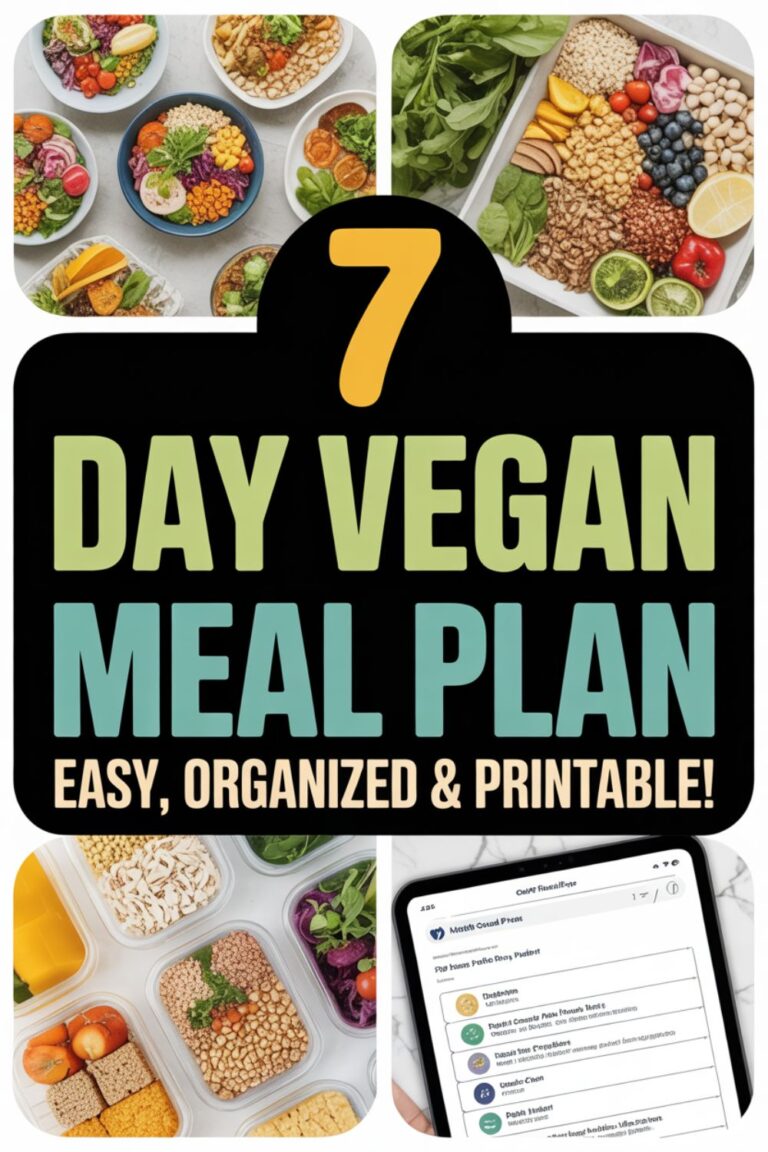
7-Day Vegan Meal Plan (Printable PDF)
7-Day Vegan Meal Plan (Printable PDF) 7-Day Vegan Meal Plan (Printable PDF) Your no-stress guide to eating plant-based all week without losing your mind or your budget Look, I get it. You’re curious about going vegan or maybe you already are and you’re just tired of eating the same sad salad for the third time…
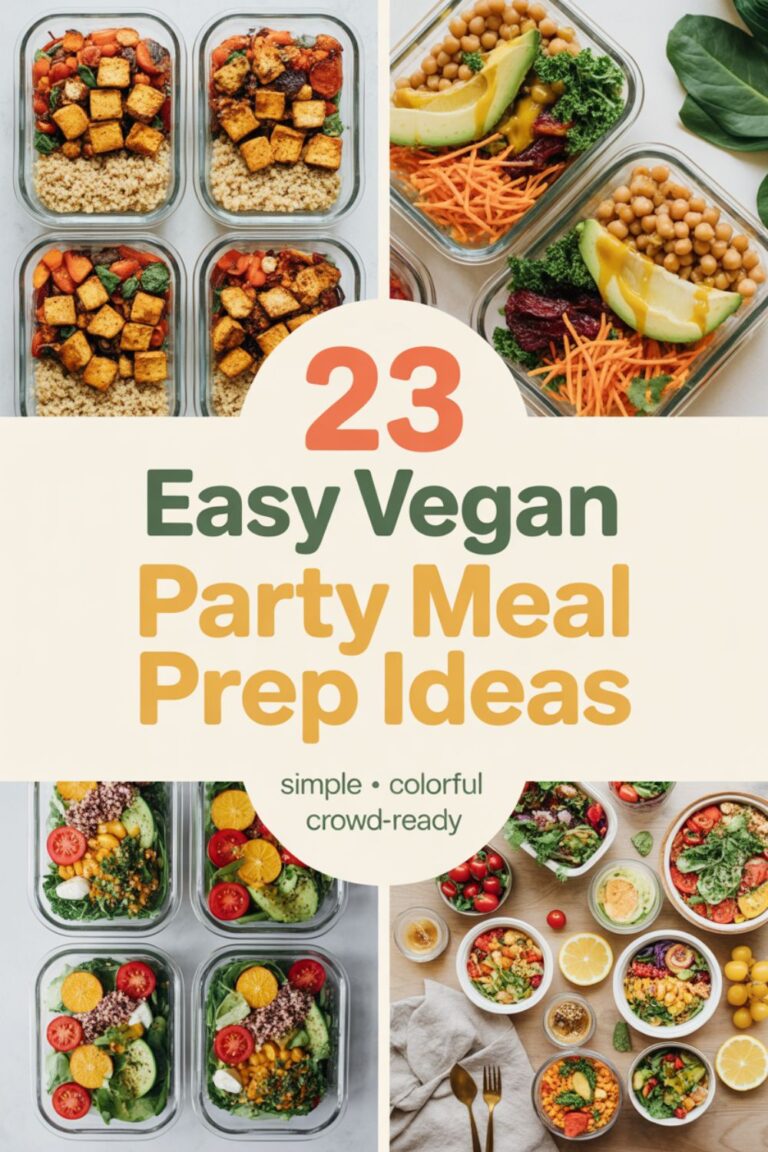
23 Easy Vegan Party Meal Prep Ideas
23 Easy Vegan Party Meal Prep Ideas | Her Daily Haven Her Daily Haven — Plant-Based Living Vegan Entertaining 23 Easy Vegan Party Meal Prep Ideas That Will Actually Impress Your Guests Make-ahead bites, mains, and desserts that prove plant-based party food can be the star of any table. 23 RecipesAll Make-Ahead Prep FriendlyWeekend Batch…
25 Easy Vegan Appetizers for Graduation
25 Easy Vegan Appetizers for Graduation | Her Daily Haven Her Daily Haven — Plant-Based Living & Simple Recipes Graduation Party 25 Easy Vegan Appetizers for Graduation Crowd-pleasing, make-ahead friendly, and so good no one will ask where the meat is. 25 Recipes May 2025 Make-Ahead Friendly Crowd Approved Graduation season has a way of…