10 Best Vegan Cookbooks for Beginners
The best vegan cookbooks for beginners are the ones that don’t assume you already know the difference between tahini and tamari, or that you’ve got some fancy-pants spiralizer collecting dust in your cabinet. They’re the books that give you confidence in the kitchen and actually make plant-based cooking feel accessible instead of like some exclusive club you need a password to join.
Whether you’re going full vegan or just trying to eat more plants (no judgment either way), having a few reliable cookbooks on your shelf can make the whole journey infinitely less stressful. Plus, let’s be real—scrolling through Pinterest at 6 PM when you’re already hangry is nobody’s idea of a good time.
Why Vegan Cookbooks Matter (Especially When You’re Just Starting)
Here’s the thing about going vegan without a decent cookbook: you’re basically flying blind. Sure, you can Google “easy vegan dinner” and get about 47 million results, but who has time to sift through twelve life stories before getting to an actual recipe? FYI, this is where cookbooks absolutely shine—everything’s curated, tested, and right there in your hands.
Good vegan cookbooks teach you the fundamentals. They explain why aquafaba works as an egg substitute (spoiler: it’s kind of magic), how to press tofu properly so it’s not a soggy mess, and which vegetables actually hold up well in meal prep. Research shows that plant-based diets can support heart health and reduce inflammation, but you’ve got to actually know how to cook the food to reap those benefits.
Plus, there’s something comforting about having a physical book to flip through when you’re planning your week. No dead phone battery, no annoying pop-up ads, just you and some beautifully photographed Brussels sprouts that somehow look way better than anything you’ve ever made. (We’ll get there, I promise.)
1. Thug Kitchen: The Official Cookbook (Now “Bad Manners”)
If you want a cookbook that talks to you like a real person instead of some overly polite cooking show host, this is your book. Thug Kitchen (rebranded as Bad Manners) cuts through the BS and gives you straightforward, flavor-packed vegan recipes that don’t require a culinary degree to execute.
The recipes are genuinely approachable. We’re talking things like roasted cauliflower tacos, peanut butter banana oat bars, and biscuits and gravy that’ll make you forget you’re not eating something dripping in dairy. The humor might not be everyone’s cup of tea, but honestly? Sometimes you need someone to tell you to “stop being scared of nutritional yeast” in slightly more colorful language.
What I really appreciate is how they break down why certain ingredients work. They’re not just throwing random vegetables at you and hoping something sticks. You’ll actually learn how flavors build on each other, which is invaluable when you’re trying to move beyond just following recipes robotically.
Looking for more plant-based breakfast inspiration to go with these recipes? You might want to check out some creative morning meal ideas that actually make waking up worthwhile.
2. Oh She Glows by Angela Liddon
Angela Liddon’s “Oh She Glows” is like that friend who always has her life together but isn’t obnoxious about it. Her recipes are wholesome, genuinely delicious, and photographed so beautifully you’ll want to frame them. This cookbook focuses on whole food, plant-based recipes that won’t make you feel like you’re sacrificing flavor for health.
The thing that sets this apart is the sheer reliability. I’ve yet to make a recipe from this book that turned out badly, which is saying something because I’ve definitely had my share of Pinterest fails. Her glo bars alone are worth the price of the book—they’re basically energy bars that actually taste good and don’t have that weird chalky protein powder vibe.
She includes lots of make-ahead options and meal prep tips, which is clutch when you’re trying to avoid the 8 PM panic of “what am I going to eat for dinner?” The recipes tend to be on the healthier side without being preachy about it, and she’s great about offering substitutions if you can’t find or don’t like certain ingredients.
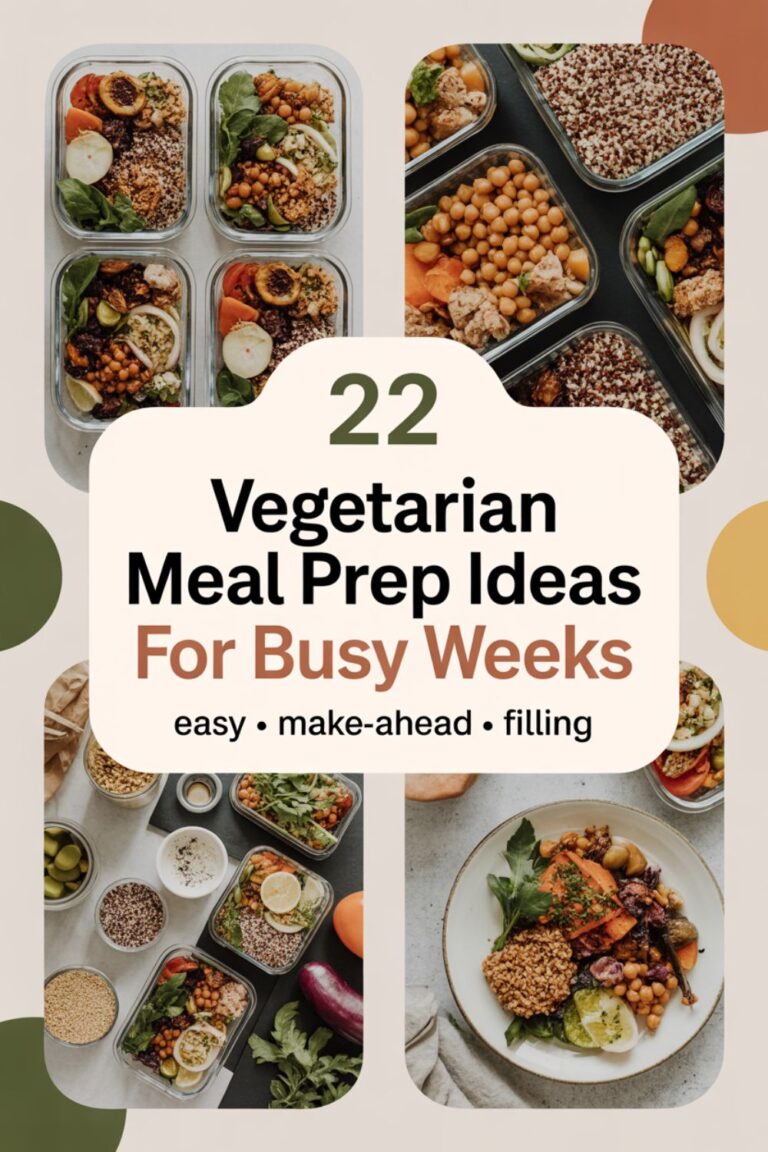
I particularly love using this glass meal prep container set for storing her overnight oats recipes—they’re perfectly portioned and you can see exactly what you’ve got lined up for the week.
3. Minimalist Baker’s Everyday Cooking by Dana Shultz
The whole premise of Minimalist Baker is in the name: recipes with 10 ingredients or less, one bowl, or 30 minutes or less to make. For beginners who are already overwhelmed by the idea of finding weird ingredients at three different grocery stores, this is a godsend.
Dana’s recipes are creative without being complicated. She does an amazing job of taking familiar comfort foods and making them vegan without that “trying too hard” energy. Her peanut butter chocolate chip cookies are dangerously good, and I may or may not have eaten half a batch in one sitting. No regrets.
What really makes this cookbook beginner-friendly is how she walks you through the process. The instructions are clear, the ingredient lists are reasonable, and she includes plenty of tips for troubleshooting. If your dough looks weird or your sauce isn’t thickening, she’s probably got a note about it.
The breakfast chapter is especially strong. If you’re bored with your morning routine, you’ll find plenty of Get Full Recipe inspiration here that doesn’t involve another smoothie you’ll choke down while pretending to enjoy it.
4. Vegan for Everybody by America’s Test Kitchen
If you want recipes that have been tested to within an inch of their lives, America’s Test Kitchen has your back. These folks are obsessive about getting things right, and “Vegan for Everybody” is the result of countless hours testing and retesting to make sure everything actually works.
The cookbook tackles the science behind vegan cooking in a way that’s actually interesting instead of feeling like a textbook. They explain why things work (or don’t work), which helps you become a better cook overall instead of just someone who can follow directions. Want to know why your cashew cream is grainy? They’ve got answers.
One of the best parts is how they recreate classic dishes without making them taste like sad imitations. Their vegan Parmesan is legitimately good, and the cashew ricotta could fool someone who’s not paying close attention. They’re not trying to convince you that cauliflower tastes exactly like chicken—they’re just making really good food that happens to be vegan.
The equipment section is particularly helpful for beginners. They recommend actually useful tools (like a decent high-speed blender) instead of gadgets you’ll use once and forget about.
Speaking of variety, if you’re looking to expand beyond just cookbooks, these protein-rich plant-based meals can help you stay satisfied without feeling like you’re constantly snacking.
5. Isa Does It by Isa Chandra Moskowitz
Isa is basically vegan cookbook royalty, and “Isa Does It” is one of her most accessible books. She’s been doing this for years, and her experience shows in how well she understands what trips people up in the kitchen. The recipes are flavorful, creative, and don’t require you to hunt down seventeen specialty ingredients at some bougie health food store.
The book is organized by time, which is genius when you’re trying to figure out what to make for dinner. Got 30 minutes? Here are your options. Have more time on a Sunday afternoon? Check out these slow-cooked wonders. It takes the guesswork out of meal planning, which is half the battle when you’re just starting out.
Her flavor combinations are on point. The recipes lean more toward comfort food than super health-focused fare, but honestly, sometimes you just need something cozy and satisfying. Her mac and cheese and buffalo cauliflower are both fantastic, and I always keep the ingredients on hand for her quick red curry because it’s that good.
Pro tip: grab yourself some stackable bamboo steamer baskets for her Asian-inspired recipes—they’re perfect for dumplings and veggies, plus they look cool sitting on your counter.
Meal Prep Essentials Used in These Recipes
Physical Products:
- Glass Meal Prep Containers (4-pack) – Because plastic gets weird after a while, and you want to actually see what you prepped
- High-Speed Blender (Vitamix or similar) – Non-negotiable for smooth cashew cream, nut butters, and actually good smoothies
- Cast Iron Skillet (10-inch) – Lasts forever, makes everything taste better, and you’ll feel like a proper cook
Digital Products:
- Vegan Meal Prep Template (Digital Download) – Weekly planning made stupid-easy
- Plant-Based Nutrition Guide (eBook) – Learn which nutrients to actually pay attention to
- 30-Day Vegan Meal Plan (Downloadable PDF) – Takes the thinking out of your first month
Looking for more hands-on support? Join our WhatsApp community where real people share what’s working (and what’s definitely not) in their vegan kitchens. No judgment, just practical advice.
6. The Vegan 8 by Brandi Doming
Brandi created this cookbook while dealing with serious food allergies, so every single recipe uses just 8 ingredients or less and is free from gluten, oil, and most common allergens. Even if you don’t have allergies, this book is fantastic for keeping things simple and accessible.
The recipes prove that you don’t need a million ingredients to make something delicious. Her potato tacos are ridiculously good, and the BBQ cauliflower is one of those recipes you’ll make on repeat. Everything is designed to be weeknight-friendly, which means you’re not spending hours in the kitchen when you’d rather be doing literally anything else.
What I really respect about this cookbook is how it doesn’t compromise on flavor despite the restrictions. She’s creative with spices and cooking techniques to build complexity without adding more ingredients. It’s a masterclass in making simple food taste interesting.
The photography is gorgeous too, which might sound superficial but honestly helps when you’re trying to figure out if your dish is supposed to look like that or if you’ve already messed something up.
7. The How Not to Die Cookbook by Michael Greger, M.D.
Dr. Greger’s approach is very evidence-based, which makes sense given he’s a physician who’s spent years researching nutrition. This cookbook is perfect if you want to understand the “why” behind eating more plants, not just the “how.” According to Mayo Clinic, well-planned plant-based diets can meet nutritional needs across all life stages, and this book helps you do exactly that.
The recipes focus on what Dr. Greger calls his “Daily Dozen”—foods he recommends eating every day for optimal health. Before you roll your eyes thinking this sounds boring, the recipes are actually really good. His breakfast recipes alone will change your morning routine, and the smoothie combinations are legitimately tasty instead of tasting like punishment.
Yes, it’s a bit more health-focused than some other cookbooks, but it’s not preachy or restrictive in a weird way. The recipes use whole foods and focus on nutrient density, which is exactly what you want when you’re trying to make sure you’re actually getting proper nutrition from your vegan diet.
I find myself reaching for these silicone baking mats constantly when making his roasted vegetable recipes—nothing sticks, cleanup is a breeze, and they last forever.
For more hearty plant-based options that’ll keep you satisfied, check out these warming soups and stews perfect for when you need something comforting.
8. Vegan Bowl Attack! by Jackie Sobon
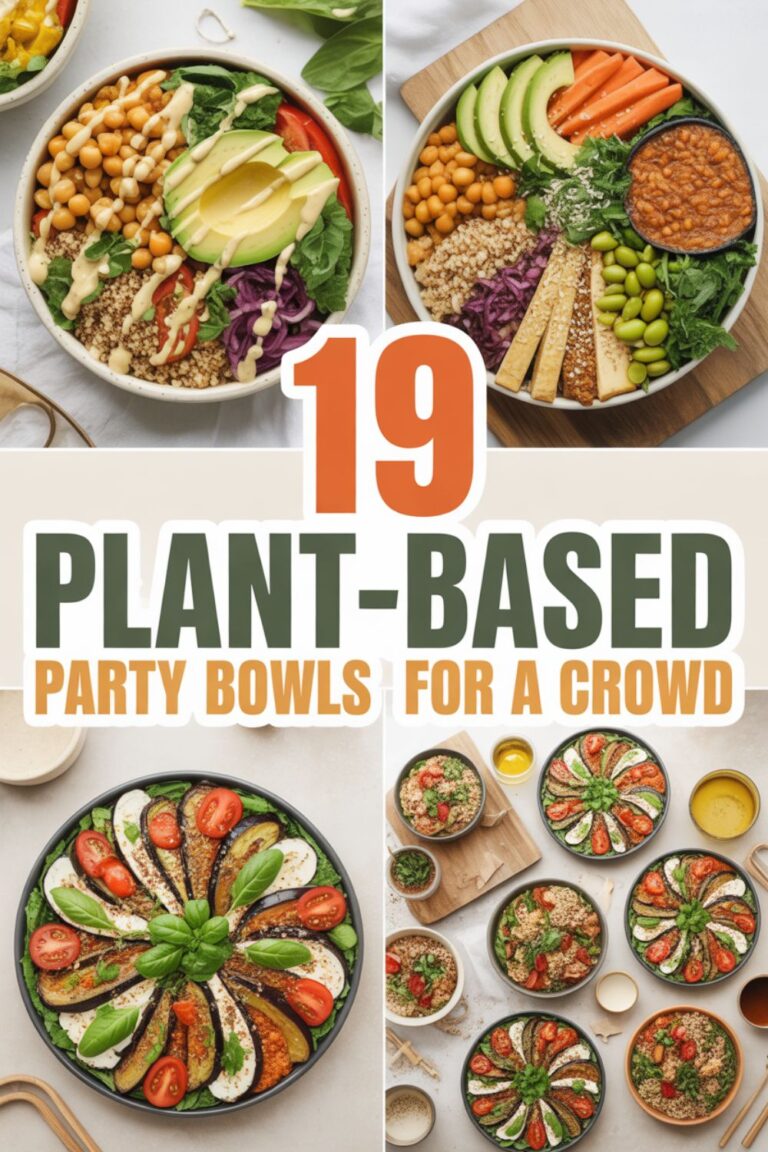
Bowl meals are the ultimate in easy, satisfying vegan food, and this cookbook is entirely dedicated to them. Jackie’s approach is all about building balanced meals in a bowl—grains, proteins, veggies, and a killer sauce. It’s a formula that works, and once you get the hang of it, you can start improvising your own combinations.
The recipes are colorful, filling, and actually practical for regular weeknight cooking. She includes breakfast bowls, lunch bowls, dinner bowls, and even dessert bowls because apparently we’re putting everything in bowls now and I’m not mad about it. The sauces and dressings chapter alone is worth the price—that tahini ginger dressing goes on everything.
What makes this especially beginner-friendly is how she breaks down the components. You learn to think in terms of “I need a grain, a protein, some veg, and a sauce” rather than following recipes exactly. It’s a framework that makes meal planning so much easier once you get comfortable with it.
Invest in a few good-sized ceramic bowls for serving—presentation actually matters more than you’d think when you’re eating at home, and food just tastes better when it looks appealing.
9. The China Study Cookbook by LeAnne Campbell
Based on one of the most comprehensive nutrition studies ever conducted, this cookbook takes a whole-food, plant-based approach to vegan cooking. It’s less about substitutes and more about celebrating vegetables, legumes, and whole grains for what they are.
The recipes are straightforward and focus on simplicity over fancy techniques. Campbell understands that most people don’t want to spend three hours making dinner, so she keeps things realistic while still making food that tastes good. Her casseroles and one-pot meals are especially clutch for busy weeknights.
This book is particularly good if you’re interested in the health benefits of a plant-based diet but don’t want to feel like you’re on some restrictive diet. The food is satisfying, the portions are reasonable, and nothing tastes like you’re eating “health food” in that sad, obligatory way.
The recipe for her black bean soup has become a staple in my house, and I always make it in this Dutch oven because it heats evenly and makes cleanup easy. Plus it looks nice sitting on the stove, so that’s a bonus.
10. Forks Over Knives: The Cookbook by Del Sroufe
If you’ve seen the documentary “Forks Over Knives,” this cookbook follows the same philosophy of whole-food, plant-based eating without oil. Before you panic about the no-oil thing, Del shows you how to sauté in water or vegetable broth, and honestly? You stop missing it pretty quickly.
The recipes are designed to be healing and nourishing, which sounds a little woo-woo but basically means they’re focused on nutrient density and making you feel good. The food is hearty and satisfying—think veggie pot pies, lasagna, and comfort food that happens to be really good for you.
This is a great cookbook if you’re approaching veganism from a health perspective or if you’re dealing with specific health concerns. The recipes are clean, whole-food focused, and prove that you don’t need fancy ingredients or complicated techniques to make seriously delicious food.
One thing I learned from this book is that a good vegetable peeler makes a huge difference in prep time. Sounds basic, but when you’re working with a lot of vegetables, having the right tools matters.
If you’re planning your weekly meals and want to mix things up, these simple dinner ideas can give you even more variety beyond what’s in your cookbooks.
Tools & Resources That Make Cooking Easier
Physical Products:
- Chef’s Knife (8-inch) – A sharp knife changes everything about vegetable prep, seriously
- Tofu Press – Get perfect texture every time without the paper towel waste
- Digital Kitchen Scale – For when you actually want to measure properly instead of guessing
Digital Resources:
- Vegan Pantry Staples Checklist (PDF) – Never wonder what to keep stocked again
- Quick Reference Substitution Guide (Digital) – Out of something? Here’s what works instead
- Seasonal Produce Guide (Downloadable) – Eat what’s in season and save money
Want to connect with others who are figuring this out too? Our WhatsApp community is full of people sharing grocery hauls, recipe wins, and the occasional “I accidentally bought gelatin, help” moments. It’s real, it’s helpful, and nobody’s selling anything.
How to Actually Use These Cookbooks (Instead of Letting Them Collect Dust)
Here’s the thing about cookbooks—buying them feels productive, but they’re useless if they just sit on your shelf looking pretty. I’m guilty of this too, so no judgment. But if you actually want to improve your vegan cooking game, you need a system.
Start by picking one cookbook and committing to making at least two new recipes per week. Put sticky notes on pages that look good, or create a spreadsheet if you’re that kind of organized (I aspire to be you). The goal is to build up a rotation of go-to recipes that you can make without constantly referring back to the book.
Don’t be afraid to modify recipes based on what you have or what you like. Cookbooks are guidelines, not scripture. If a recipe calls for kale and you only have spinach, use spinach. If you hate cilantro (you know who you are), leave it out. Part of becoming a confident cook is learning to trust your instincts.
Also, read through the entire recipe before you start cooking. I know, I know, it sounds obvious, but you’d be surprised how many people start a recipe and then discover halfway through that something needs to marinate for four hours. Learn from my mistakes.
Need more variety in your lunch rotation while you’re working through these cookbooks? Try some of these packable options that travel well.
Common Beginner Mistakes (And How to Avoid Them)
Let’s talk about the mistakes basically everyone makes when they first start cooking vegan food. First up: being too timid with seasoning. Plants need flavor, people. Don’t be scared of salt, spices, and acid (lemon juice, vinegar). This isn’t the time to be shy—season your food properly and it’ll actually taste good instead of like punishment.
Another common mistake is thinking all vegan food should be raw or cold. Sure, salads are great, but if you’re eating nothing but raw vegetables, you’re going to get bored real quick. Learn to roast, sauté, and braise your vegetables. Cooking methods matter just as much as ingredients.
People also tend to over-rely on fake meat products when they first go vegan. Look, I’m not anti-vegan-meat-substitutes, but they shouldn’t be the foundation of every meal. Learn to cook actual vegetables, legumes, and grains. Your wallet and your body will thank you.
And please, for the love of all that is holy, press your tofu. Nothing is sadder than soggy tofu. Get yourself a tofu press or at least wrap it in paper towels and put something heavy on top. Your tofu deserves better.
Building Your Vegan Pantry (The Foundation for Everything)
Before you can successfully execute recipes from any of these cookbooks, you need to stock your pantry with the basics. This doesn’t mean buying everything at once—that’s expensive and overwhelming. Start with the essentials and build from there as you discover what you actually use.
Your basic pantry should include: good quality olive oil (or another cooking oil you like), a variety of vinegars (apple cider, balsamic, rice vinegar), tamari or soy sauce, nutritional yeast, tahini, canned beans and lentils, canned tomatoes, vegetable broth, and a solid spice collection. Yes, that’s already a lot, but these ingredients show up constantly in vegan cooking.
For grains, keep quinoa, brown rice, and pasta on hand. For baking, you’ll want all-purpose flour, whole wheat flour, baking powder, baking soda, maple syrup, and coconut sugar. Some recipes call for specialty flours like chickpea flour or almond flour, but you can buy those as needed.
Store everything in clear airtight containers so you can actually see what you have. There’s nothing worse than buying rice for the third time because you forgot you already had two bags hiding in the back of your pantry. Been there, done that, learned my lesson.
When you’re meal prepping for the week, having a solid game plan makes using these cookbooks so much easier.
Navigating Nutrition (The Stuff People Actually Worry About)
Okay, let’s address the elephant in the room: “But where do you get your protein?” If I had a dollar for every time someone asked me this, I could probably buy a lifetime supply of chickpeas. The truth is, getting enough protein on a vegan diet is not nearly as hard as people think.
Beans, lentils, tofu, tempeh, seitan, nuts, seeds, and even vegetables contain protein. You don’t need to stress about combining proteins at every meal—as long as you’re eating a variety of whole foods, you’re probably fine. If you’re concerned, track your food for a few days using an app. You might be surprised at how much protein you’re already getting.
The nutrients you should actually pay attention to are B12, vitamin D, omega-3s, iron, and calcium. B12 is the one nutrient you absolutely cannot get from plants, so you need to supplement or eat fortified foods. Most plant milks and nutritional yeast are fortified with B12, but a supplement is your safest bet.
For iron, focus on beans, lentils, tofu, quinoa, and dark leafy greens. Pair them with vitamin C-rich foods to increase absorption—so throw some tomatoes or bell peppers in that spinach salad. Calcium comes from fortified plant milk, tofu, tahini, and leafy greens like kale and collards.
Honestly, most of these cookbooks include nutritionally balanced recipes, so if you’re eating a variety of foods and not living off of french fries (which, to be clear, are vegan), you’re probably doing fine. When in doubt, talk to a registered dietitian who understands plant-based nutrition.
For snacks that pack nutritional punch between meals, check out these satisfying options that won’t leave you hungry an hour later.
Making These Cookbooks Work for Your Real Life
The best cookbook in the world is useless if it doesn’t fit your actual lifestyle. If you work 60-hour weeks, a cookbook full of recipes that take two hours to make is not going to help you. Be realistic about your time and energy levels.
IMO, the sweet spot for weeknight cooking is 30-45 minutes. Anything longer than that and you’re going to default to takeout or cereal for dinner (again, no judgment—we’ve all been there). Save the more complicated recipes for weekends when you actually have time and mental bandwidth.
Meal prep is your friend here. Many of these cookbooks include make-ahead options or recipes that scale well for batch cooking. Spend a couple hours on Sunday making a big pot of soup, cooking some grains, and chopping vegetables. Your weeknight self will worship you for it.
Also, give yourself permission to take shortcuts. Pre-washed salad greens, frozen vegetables, and canned beans are not cheating. They’re tools that make your life easier. The goal is to actually eat good food, not to be some Pinterest-perfect cook who makes everything from scratch.
If you’re looking for pasta night inspiration specifically, these recipes pair perfectly with techniques you’ll learn in these cookbooks.
Frequently Asked Questions
Do I need to buy all these cookbooks at once?
Absolutely not. Start with one or two that match your cooking style and skill level. Work through several recipes from each before adding more books to your collection. Quality over quantity applies to cookbooks too—it’s better to have a few well-used books than a shelf full of ones you’ve never opened.
Are vegan cookbooks more expensive to cook from because of specialty ingredients?
Not necessarily. While some recipes might call for specialty items, most beginner-friendly vegan cookbooks focus on affordable pantry staples like beans, rice, and seasonal vegetables. The key is building your pantry gradually rather than buying everything at once, and avoiding the temptation to rely heavily on expensive processed vegan substitutes.
Can I use these cookbooks if I’m not fully vegan?
Of course! These cookbooks are great for anyone wanting to eat more plant-based meals, whether you’re fully vegan, vegetarian, or just trying to reduce your meat consumption. The recipes stand on their own as delicious food, regardless of your dietary label.
How do I know which cookbook is right for my skill level?
Look for books that explicitly say they’re for beginners, focus on simple ingredient lists (10 or fewer ingredients), and have clear, detailed instructions. Books like “Minimalist Baker” and “The Vegan 8” are specifically designed for people who are new to cooking or vegan cooking. Flip through the book and see if the recipes look approachable to you.
Will I need to buy special equipment for vegan cooking?
Most vegan recipes can be made with basic kitchen equipment you probably already have. A good blender is the one piece of equipment worth investing in since it’s used for sauces, smoothies, and nut-based creams. Beyond that, a tofu press is helpful but not essential, and standard pots, pans, and baking dishes will cover most recipes.
The Bottom Line on Vegan Cookbooks for Beginners
Look, transitioning to vegan cooking doesn’t have to be this dramatic, overwhelming ordeal. Yes, there’s a learning curve. Yes, you’ll probably mess up a few recipes along the way (I once made chickpea “tuna” salad that could have been used as construction adhesive). But with the right cookbooks as your guide, you’ll figure it out faster than you think.
The cookbooks on this list are tried and true resources that have helped countless people navigate vegan cooking without losing their minds or their taste buds. They’re approachable, reliable, and actually teach you how to cook rather than just giving you recipes to follow blindly.
Start with one or two that speak to your cooking style and preferences. Give yourself permission to modify recipes, make mistakes, and learn as you go. The goal isn’t perfection—it’s finding a sustainable way to eat more plants that actually works for your life. These cookbooks can help you get there, but ultimately, the best cookbook is the one you’ll actually use. So pick one, crack it open, and start cooking. Your future self (and your taste buds) will thank you.